Old Streets and New Ones
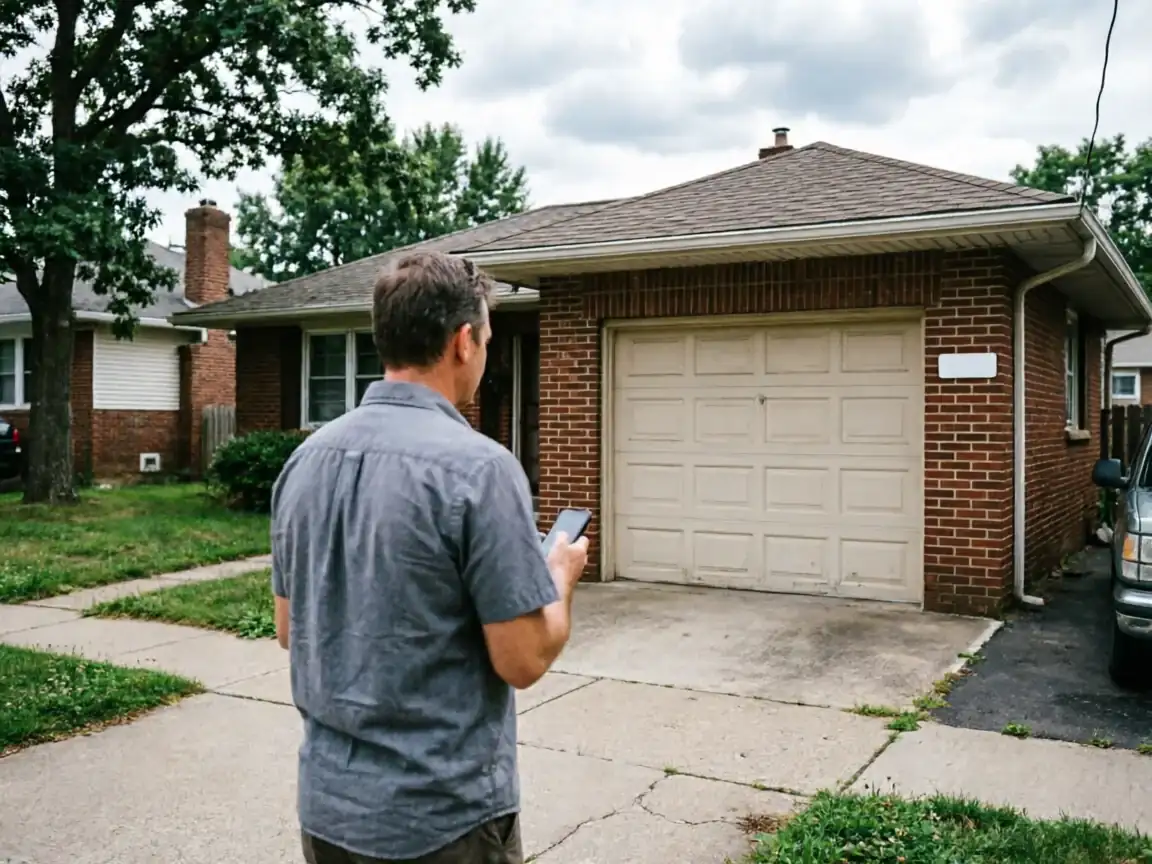
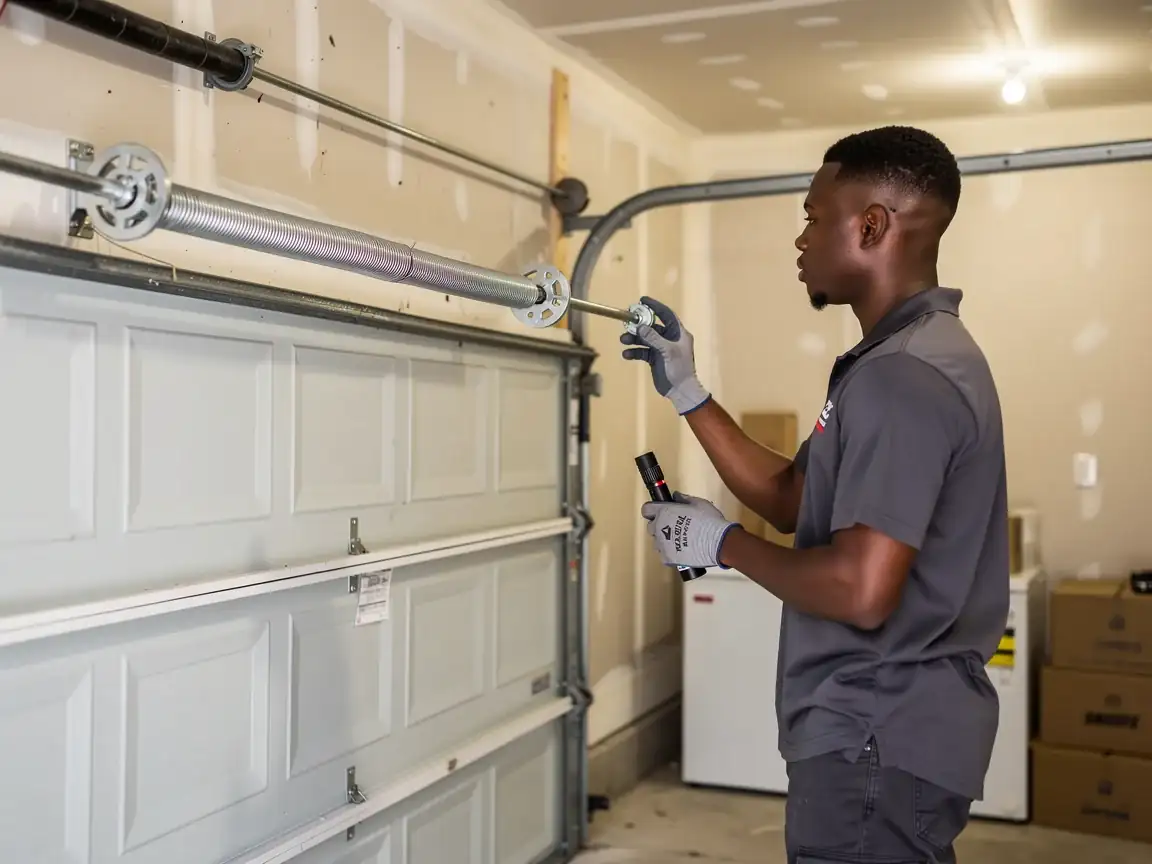
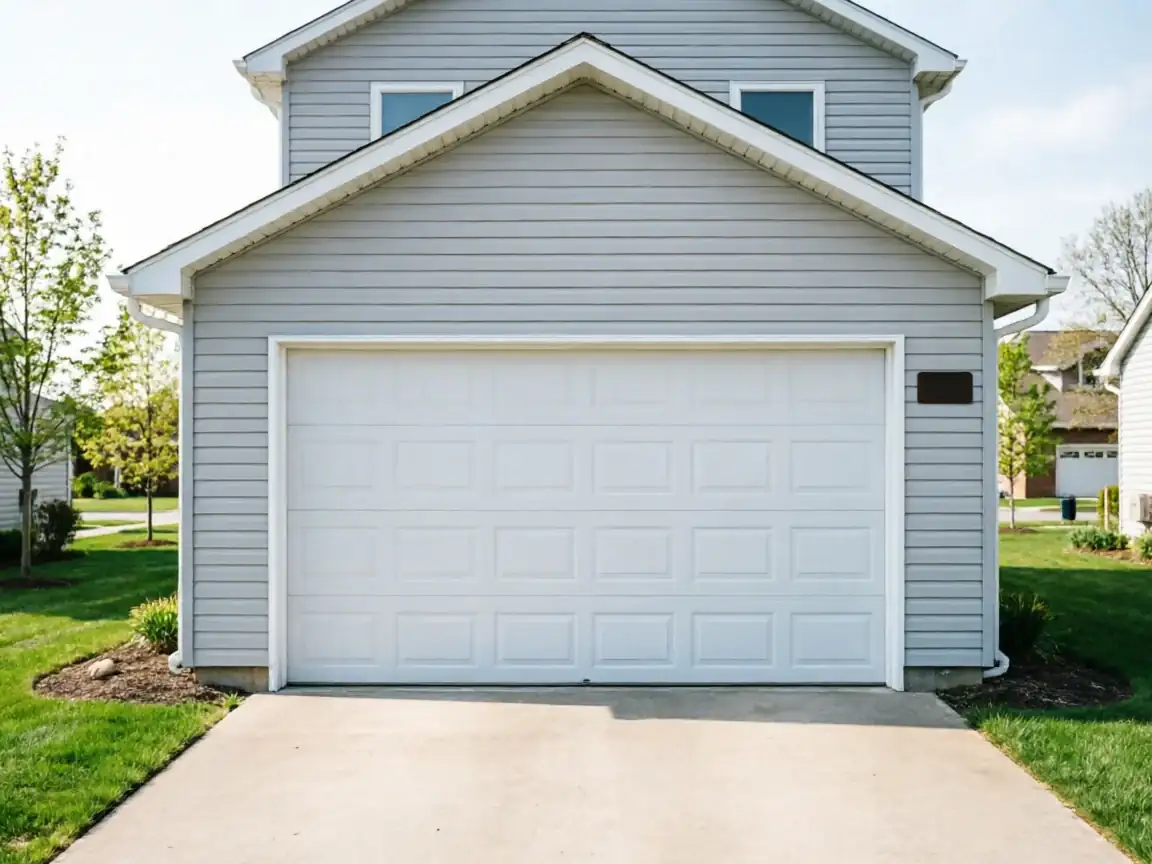
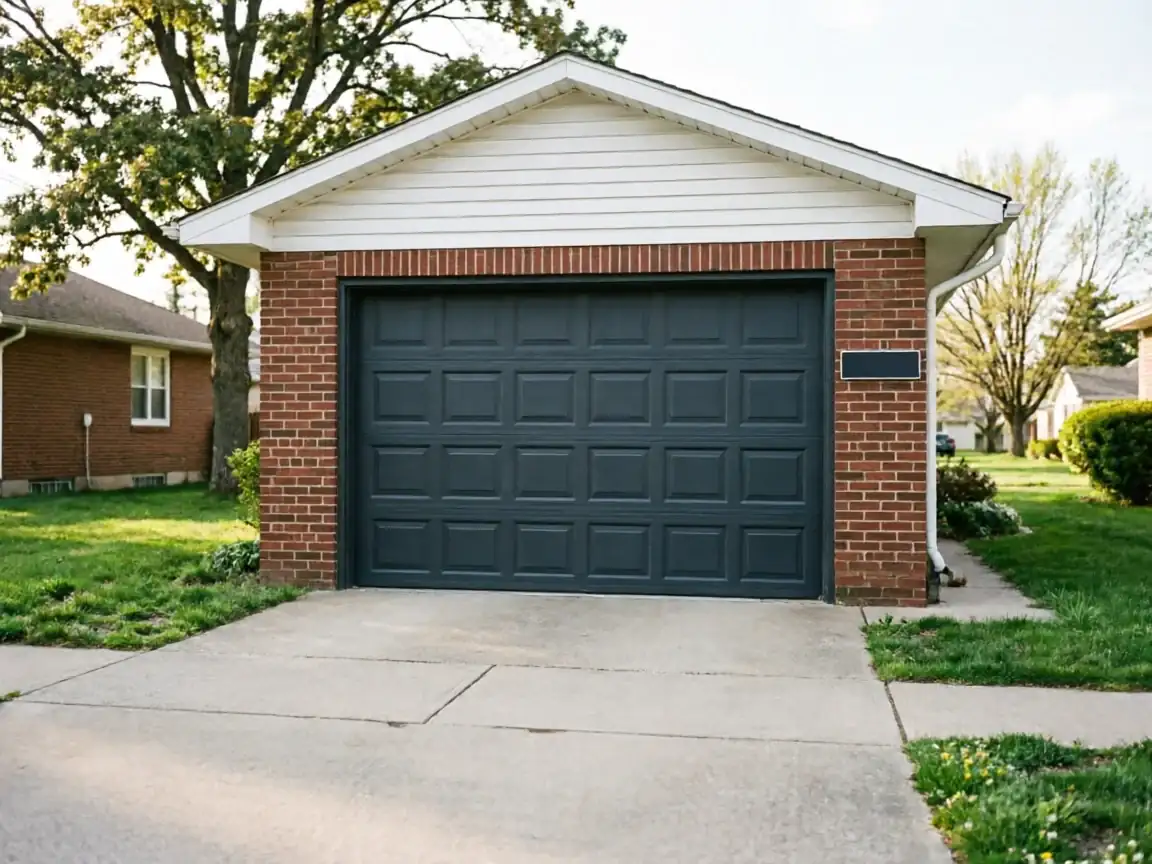
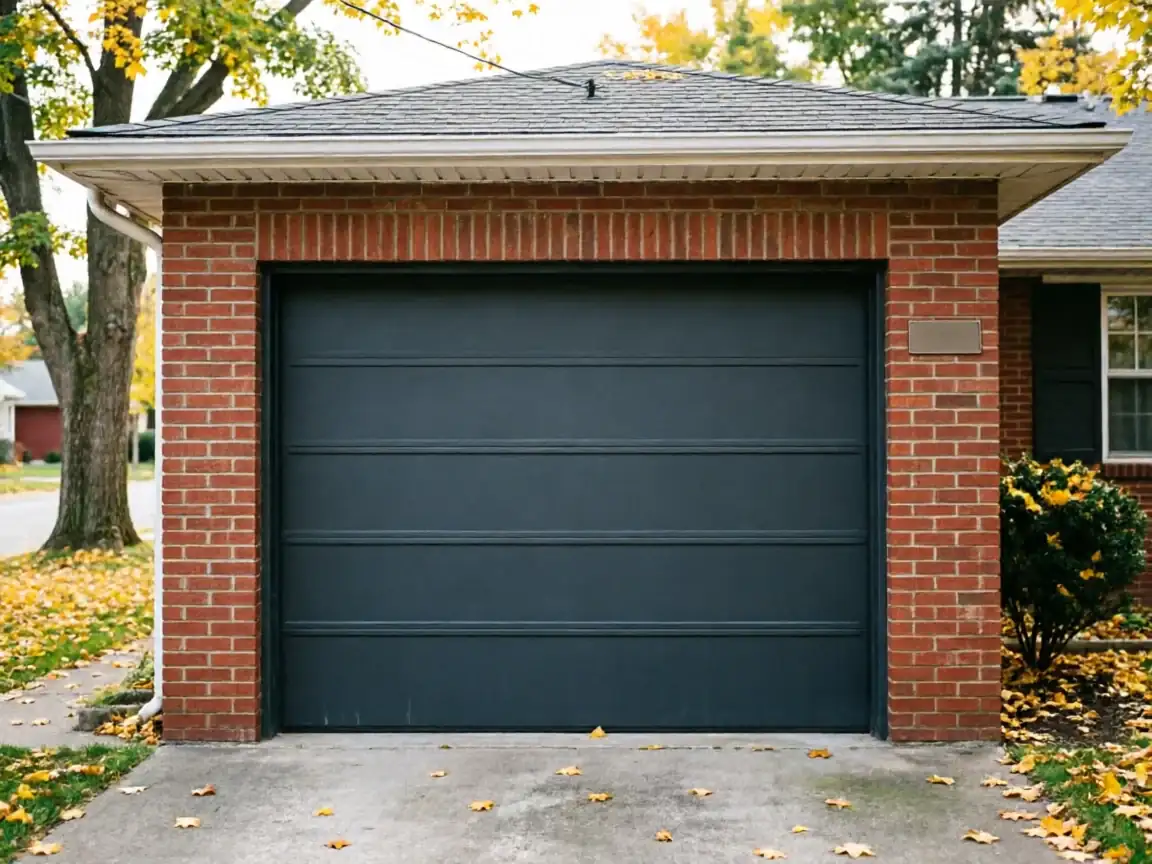
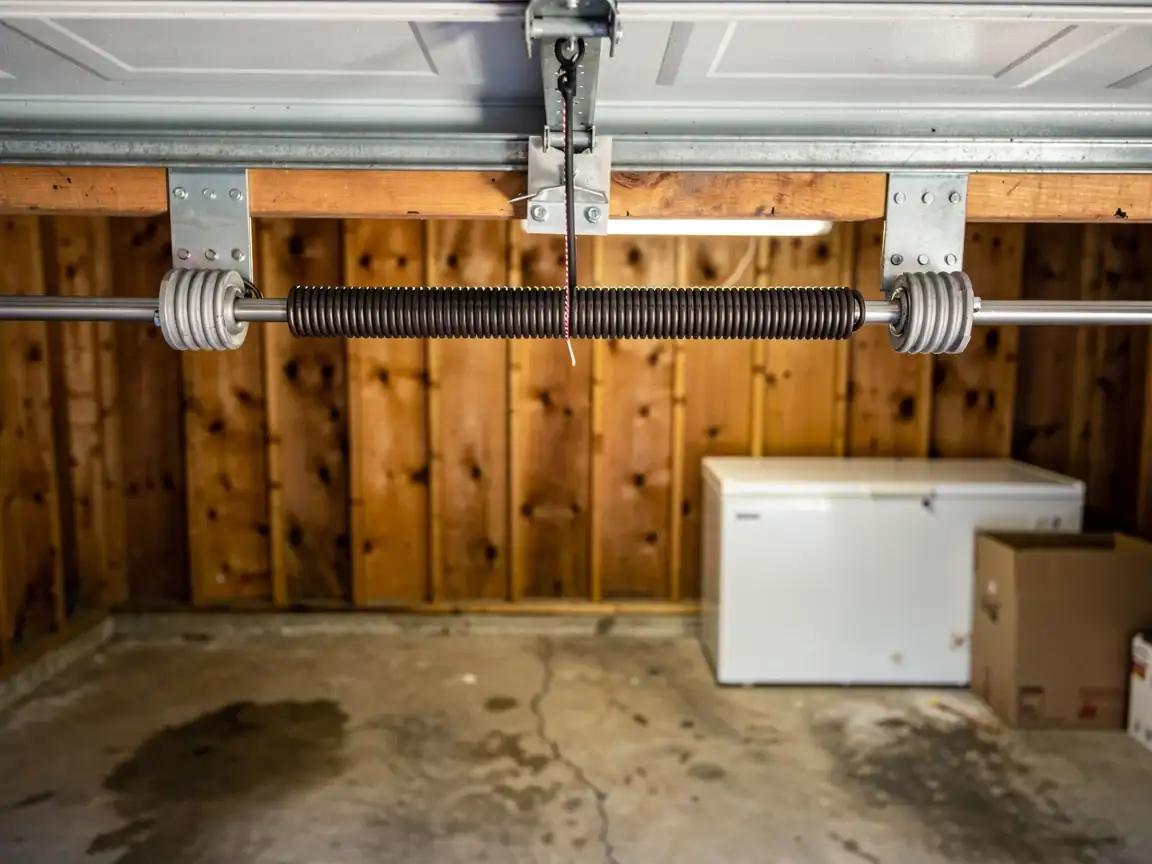
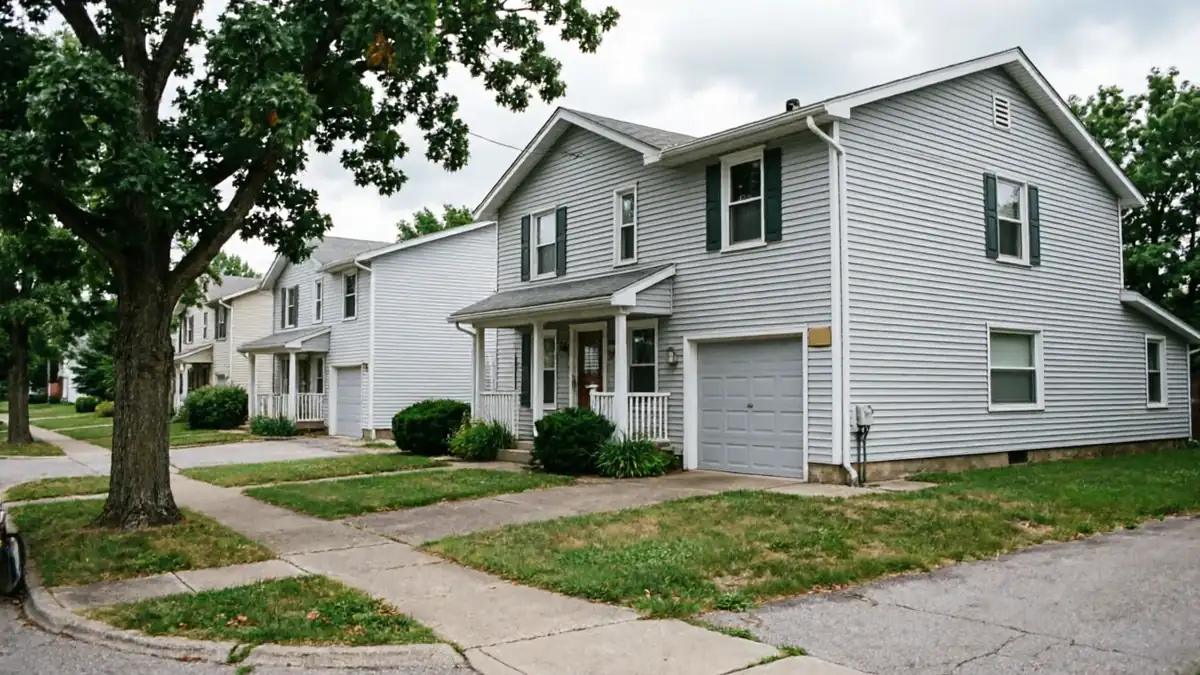
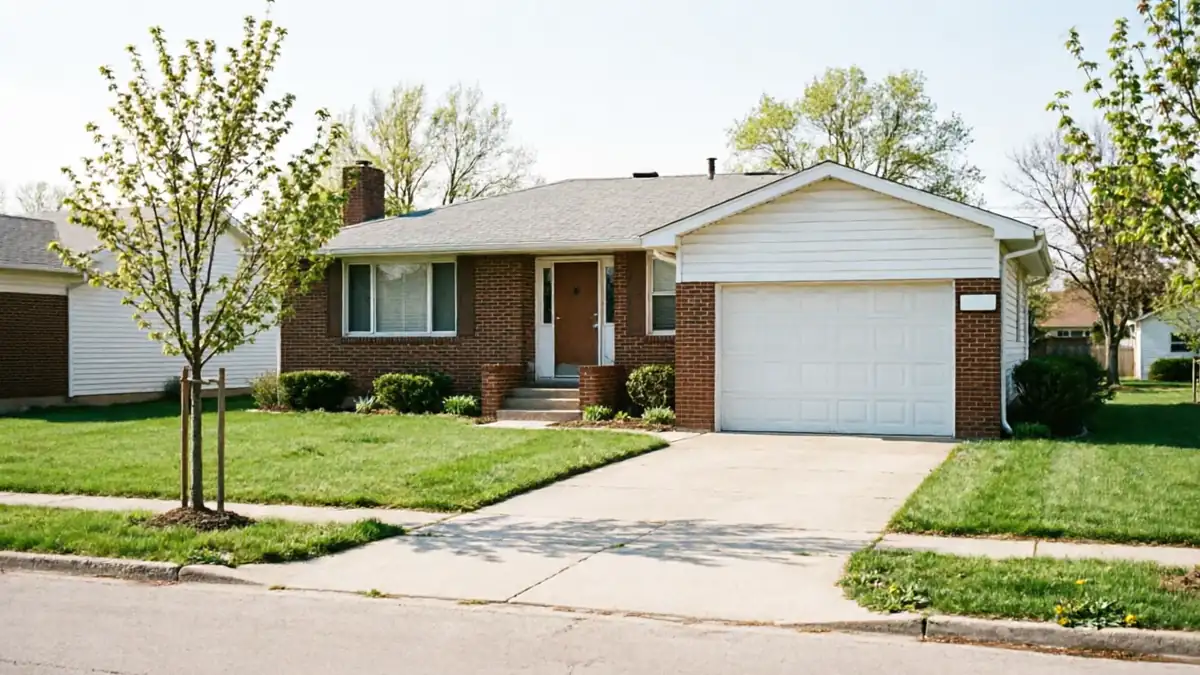
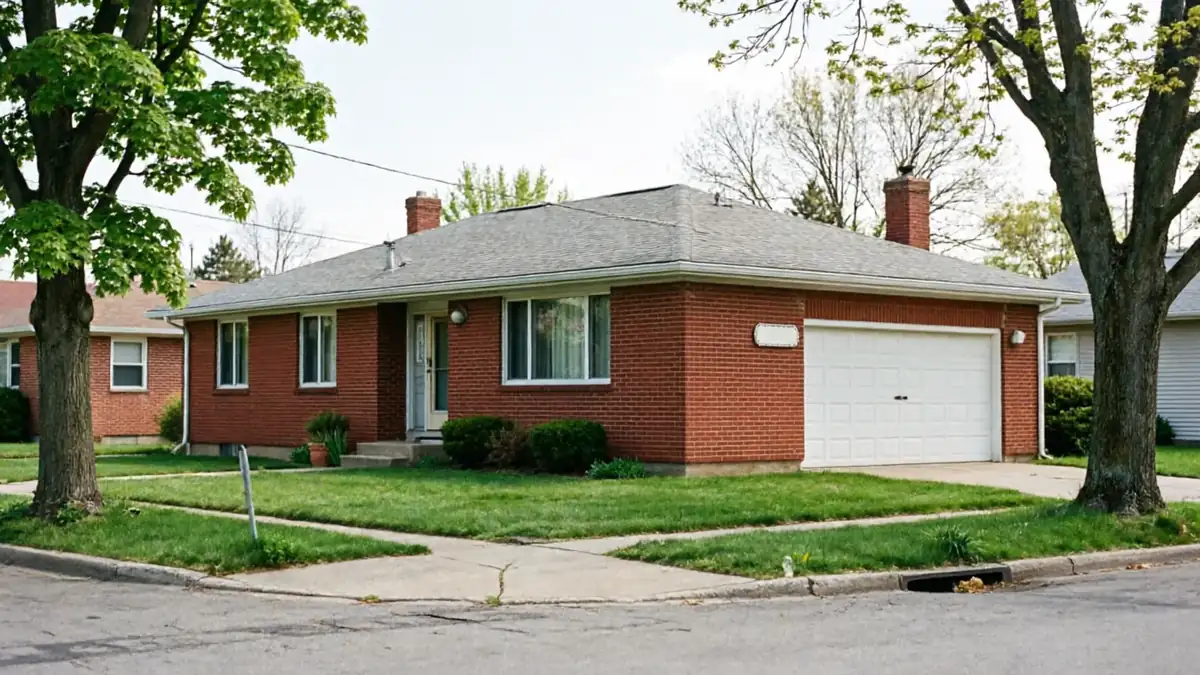
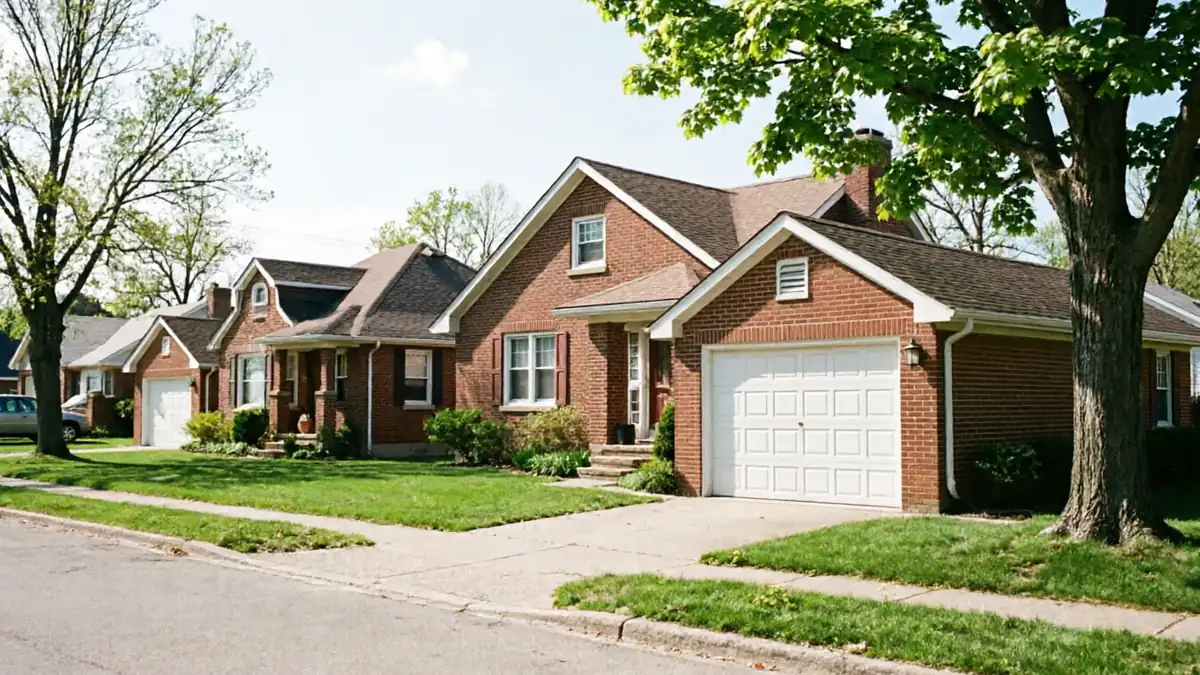
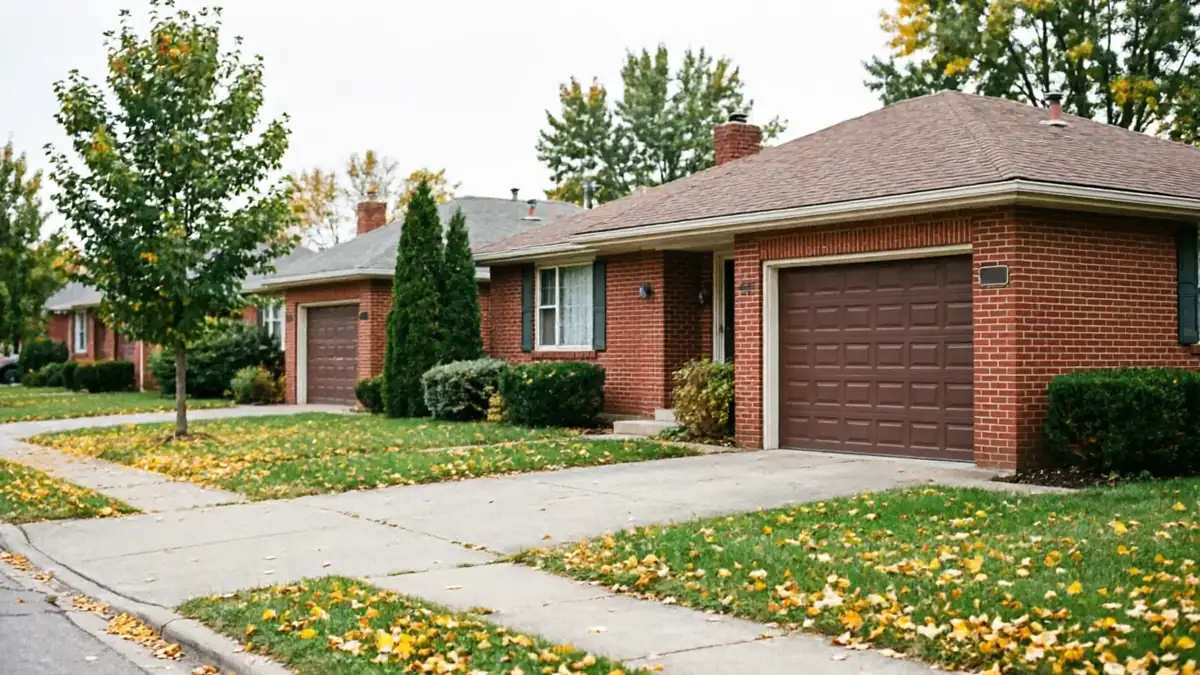
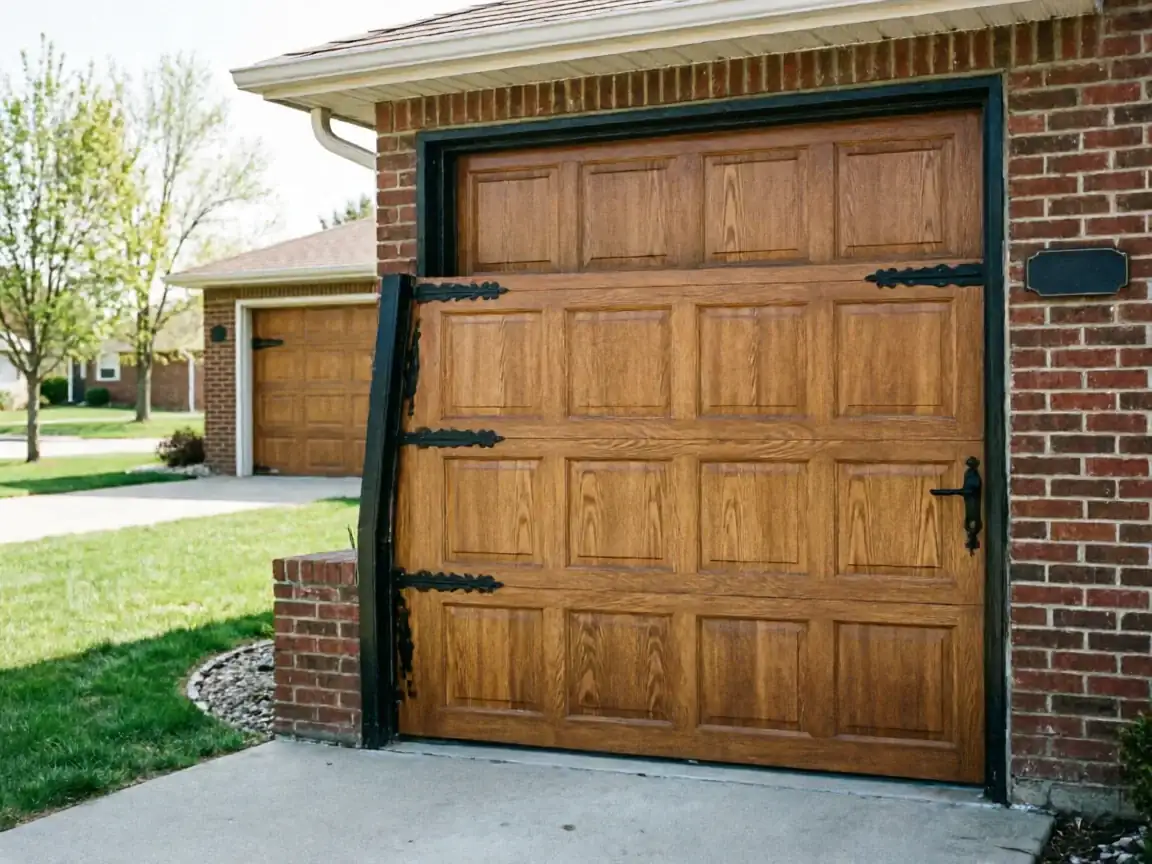
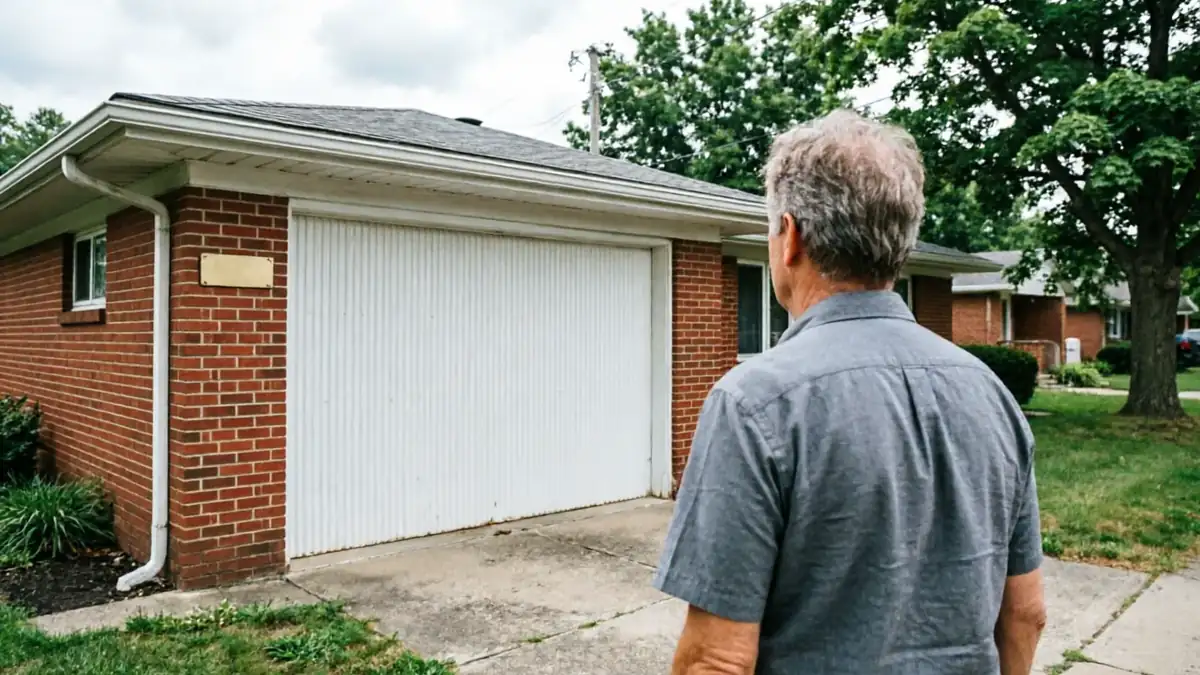
Island Lake sits right at the edge of what the wider McHenry service area calls its 1980s-90s build-out, and the numbers back that up: the typical house here went up around 1989, a few years later than the area-wide median of 1987. That gap matters more than it sounds. Houses built in the late 80s almost always came with a steel sectional door and an extension-spring opener bolted to the ceiling, not the torsion setups that showed up more in the following decade. If your house is one of the older ones near the lake itself, you might still have the original door - these panels are getting close to 35 years old, which is past the point where most of them are worth patching.
We're not guessing at this from a distance. The wider area we work covers 57 named communities, and build year is one of the first things that tells us what we're probably dealing with before the truck even leaves McHenry. Island Lake's stock leans a little newer than some of the farm-era towns nearby, but it's still old enough that original hardware is common and parts for it aren't always on the shelf.
How We Get to You
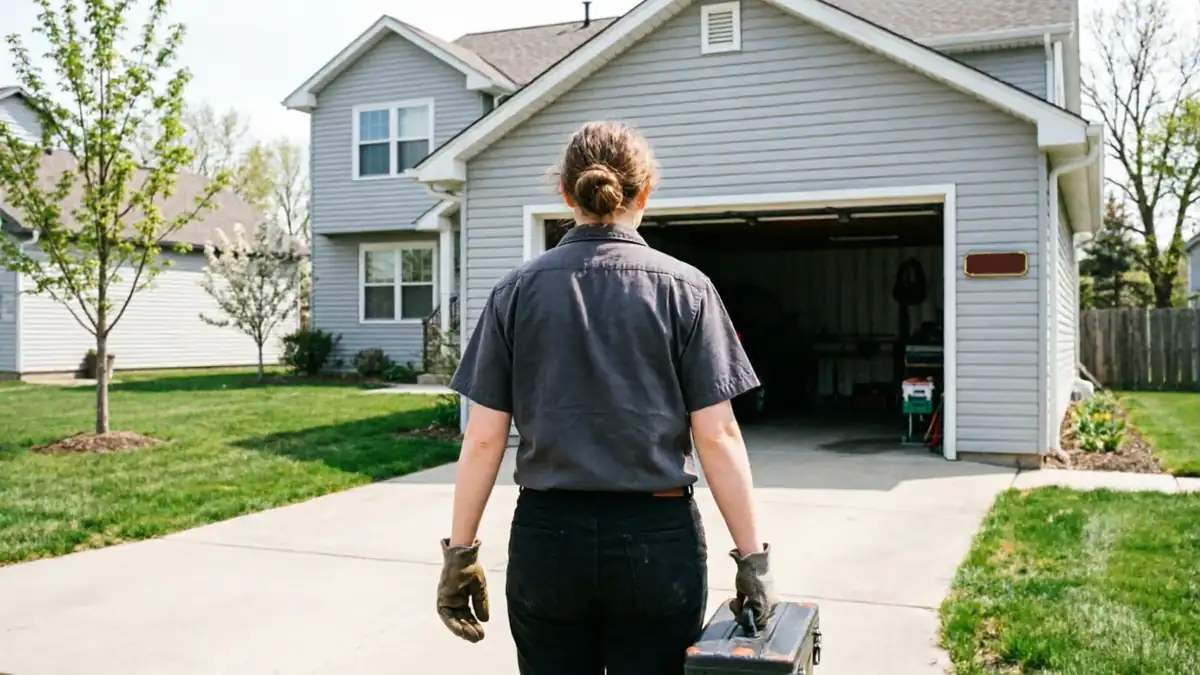
Island Lake is about 6 miles from our shop in McHenry, which puts it in the same tier as Bull Valley, Johnsburg, Ringwood, Prairie Grove, Wonder Lake, and Lakemoor - all close enough that getting a truck out isn't the issue, parts and scheduling are. We don't run a depot in Island Lake itself; every job here starts from McHenry and comes straight to you.
That short distance is worth mentioning because it's one of the reasons we can carry common spring sizes and roller types on the truck rather than ordering them after we've already looked at your door. It doesn't mean we can promise a same-day slot - that depends on what's already booked - but it does mean the drive isn't the bottleneck.
The Houses Here
With roughly 2,889 households in Island Lake
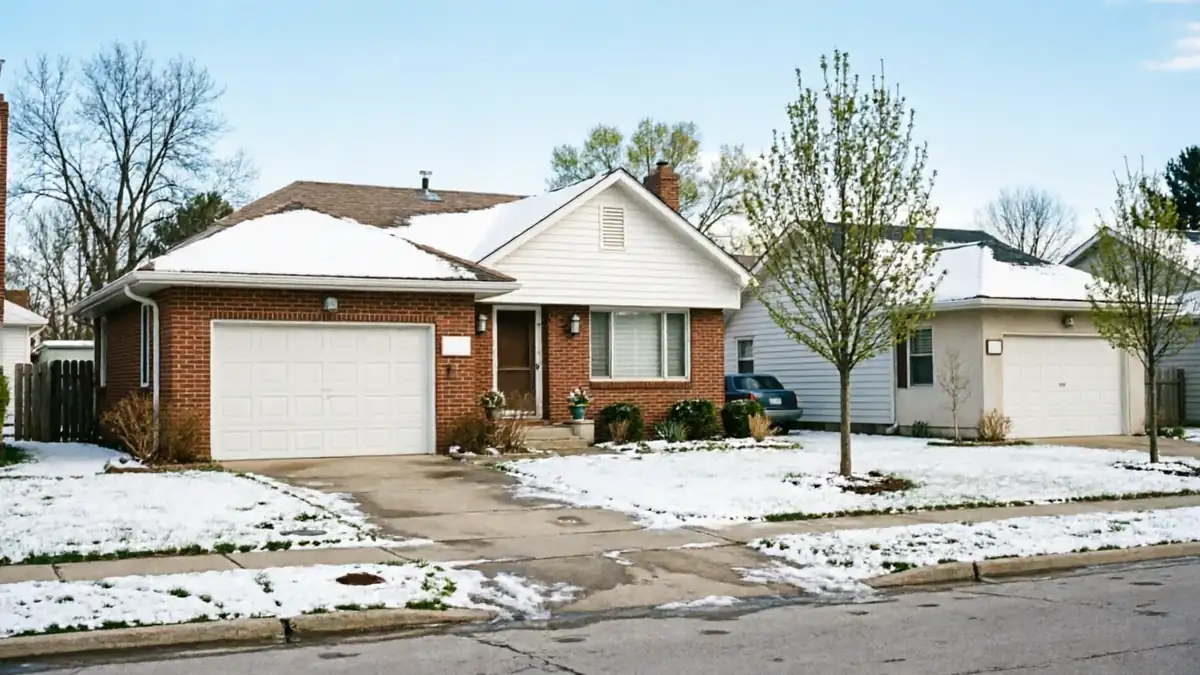
This is a smaller pocket within a service area of 156,361 households total, and it shows in the housing - more single-family garages, fewer of the shared-wall setups you'd see in denser towns. Median household income here runs about $98,125, a bit under the broader area's $113,125, which is the kind of detail that shapes whether a homeowner calls about a full replacement or asks us to fix what's there.
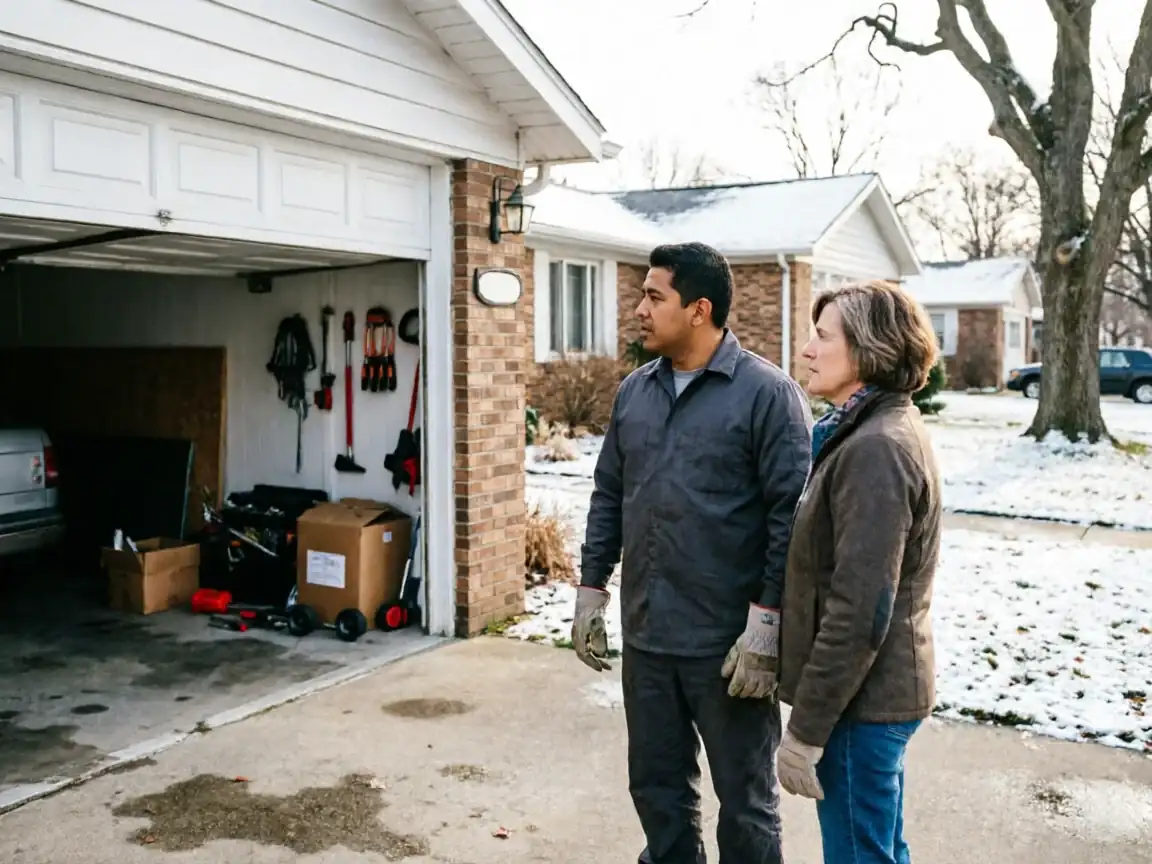
Winters in this part of Illinois fall into what's classified as a cold, severe climate band, and that's not just a line on a chart
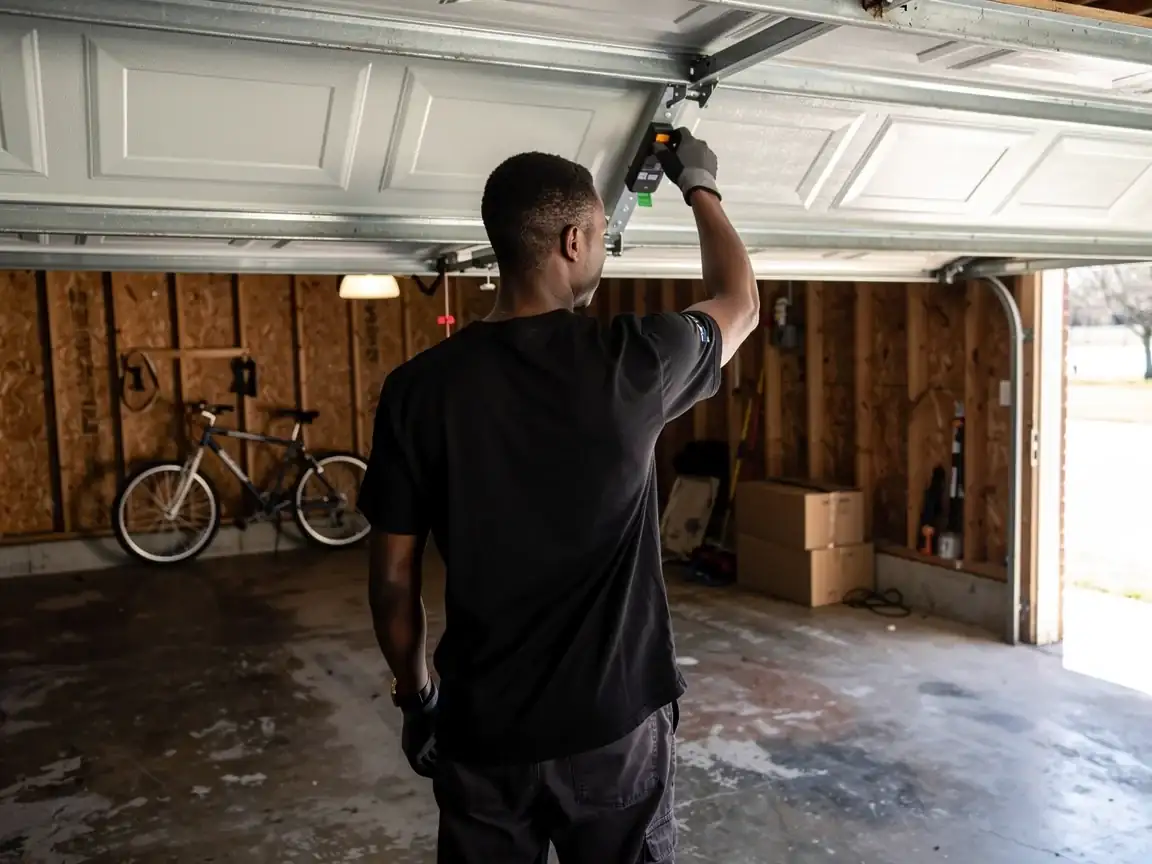
It's why the grease in a 35-year-old opener gets stiff in January, why steel panels contract enough to pop a misaligned roller off its track, and why a spring that was fine in October can snap on the first hard freeze. None of that is specific to Island Lake alone, but combined with the build-year numbers above, it tells us what kind of call to expect before we get there.
What That Means for Doors
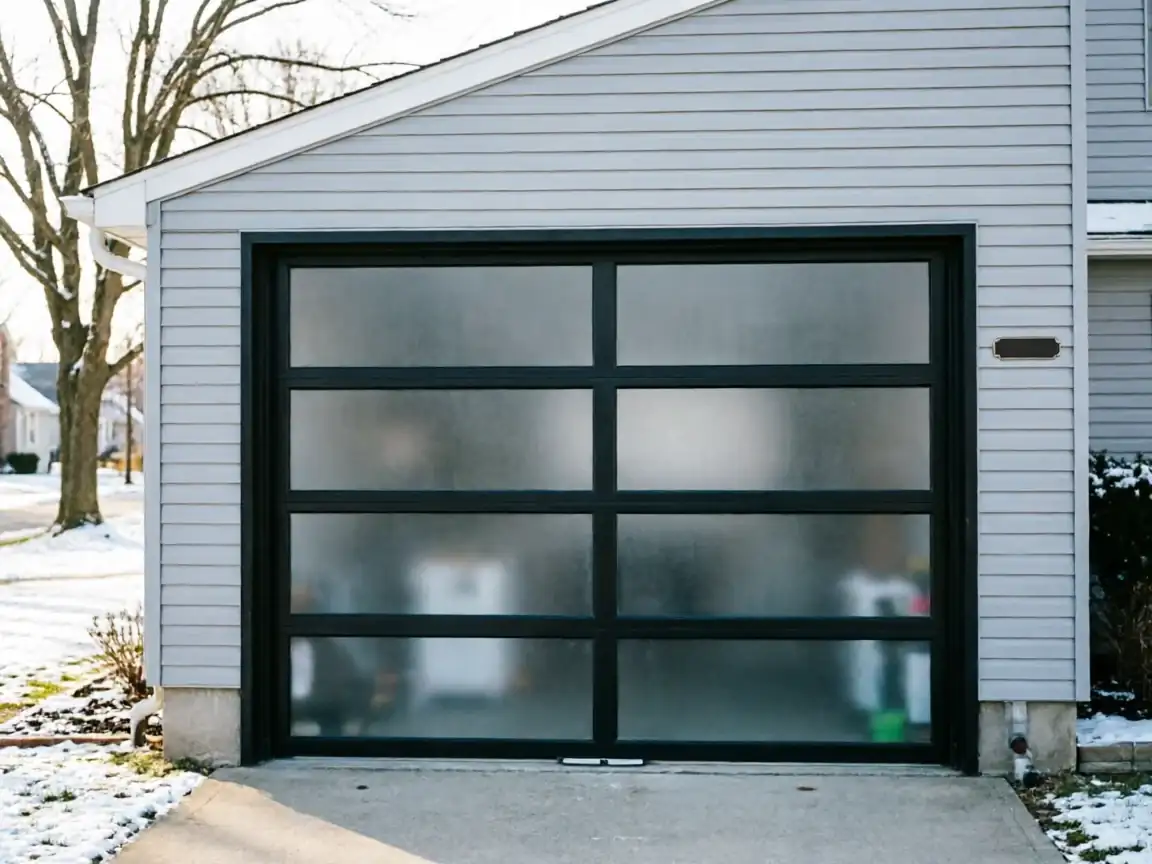
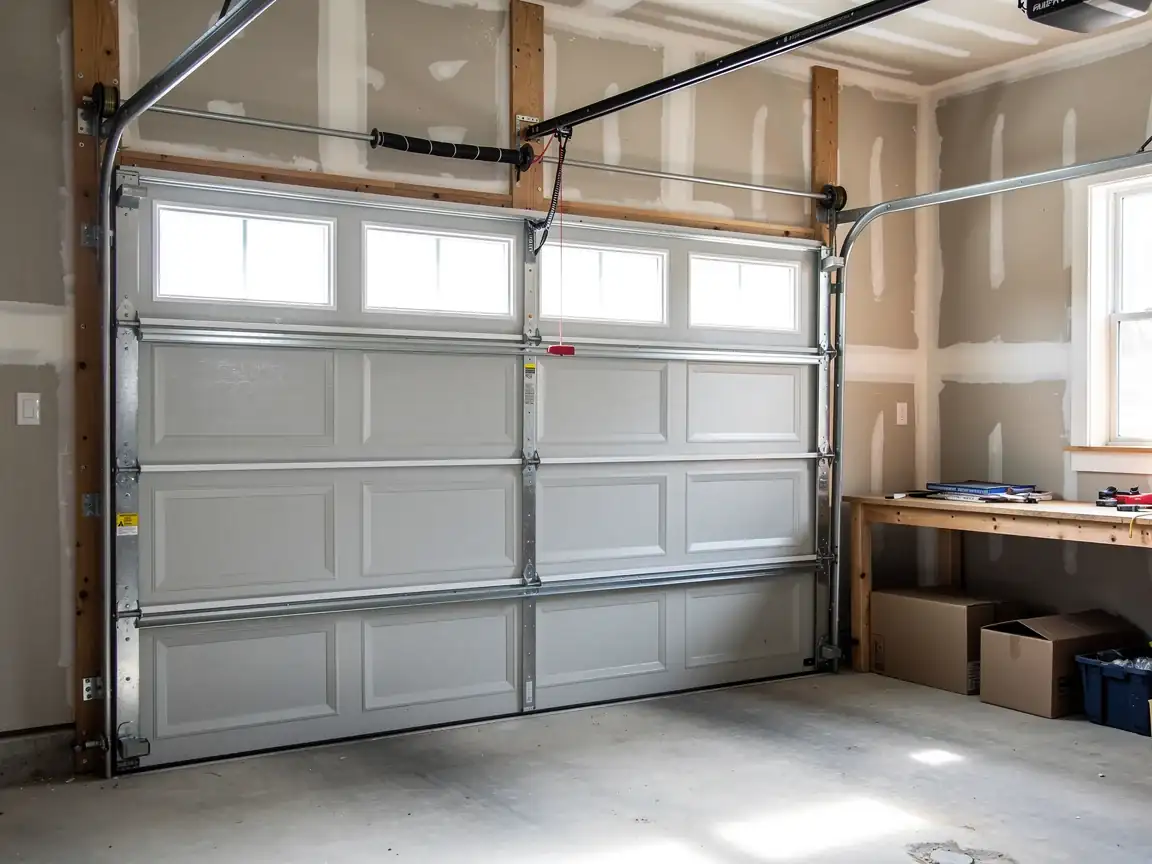
Put the 1989 median build year next to a severe cold climate and you get a predictable short list: extension springs that have outlived their rated cycles, single-layer steel panels with no insulation that warp slightly at the seams, and openers old enough that replacement parts are special-order rather than something we'd have on the truck. We can often repair these rather than replace them, but we'll say plainly when a door is past the point where repair makes sense - a cracked panel with rusted-through hinges usually isn't worth patching twice.
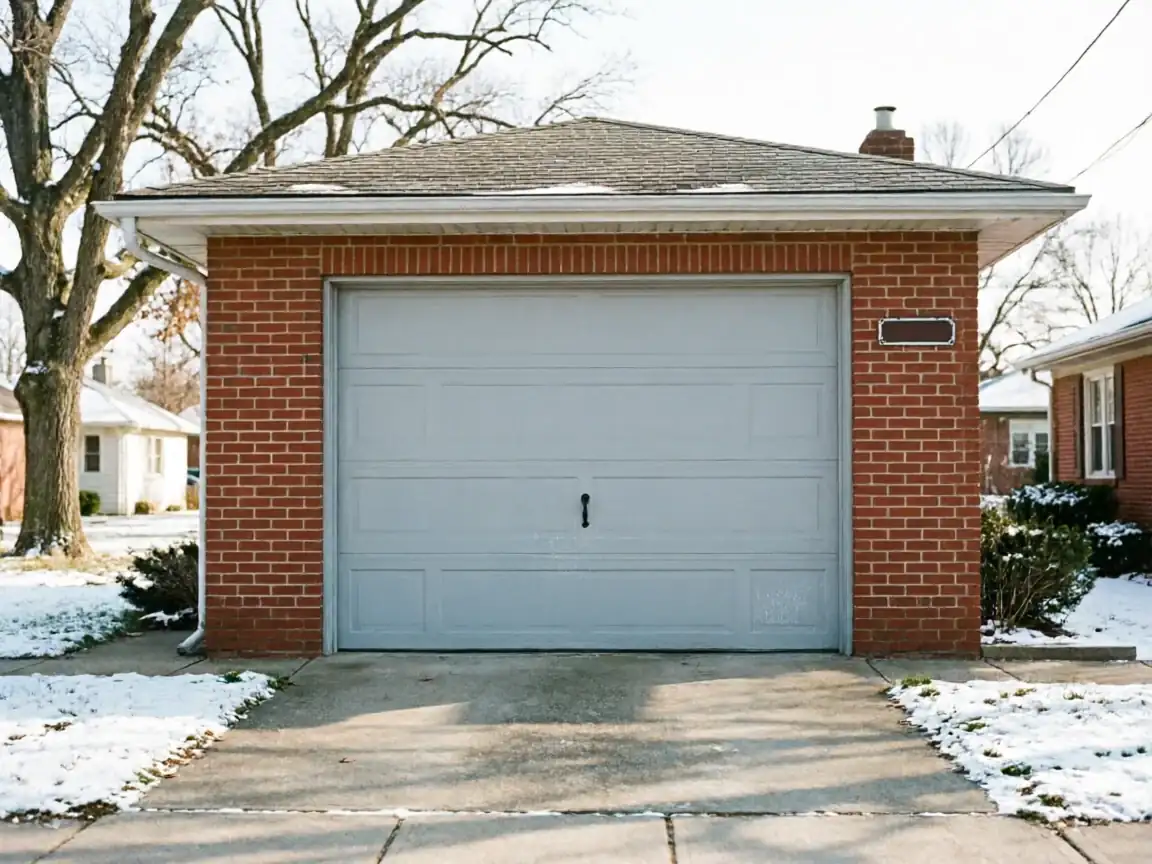
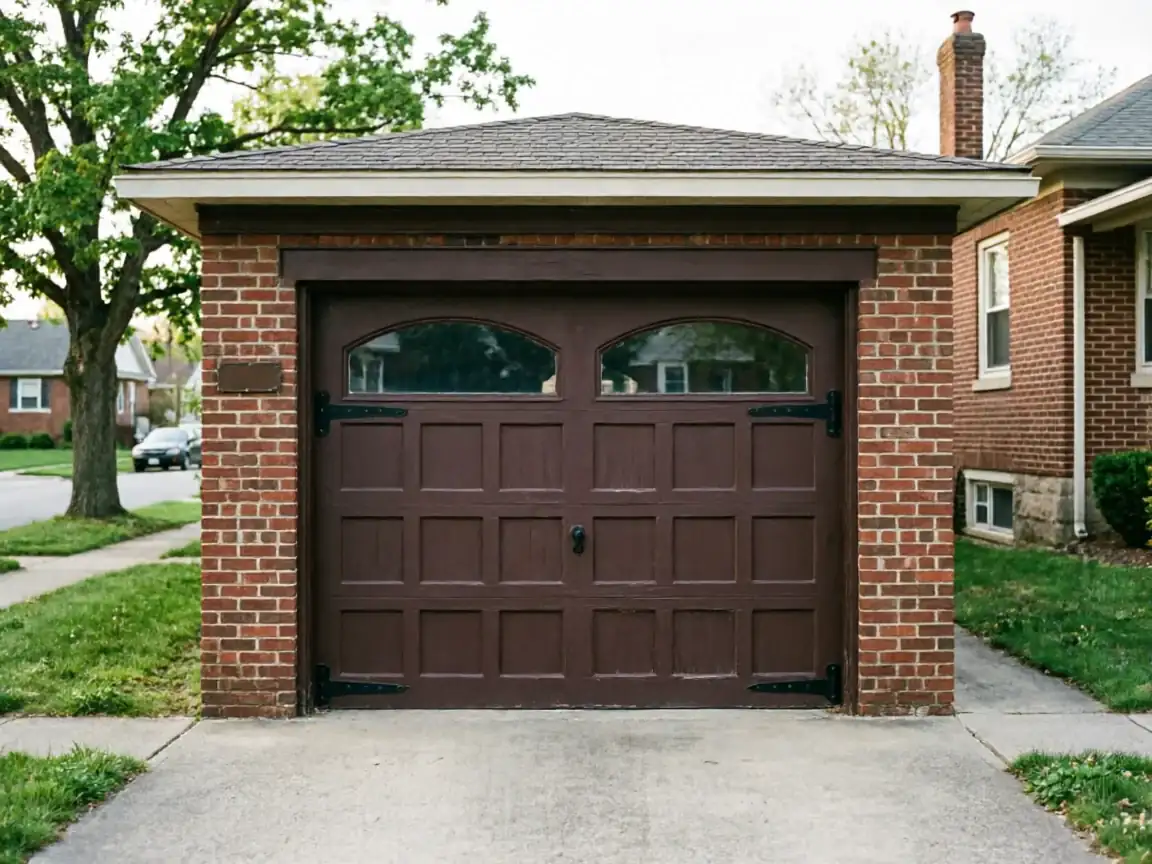
One limitation worth stating up front: we don't stock every obsolete extension-spring bracket or every discontinued panel style, especially on doors from the earlier end of the 1946-2009 range that still show up on some streets here. If your door is one of those, we'll tell you honestly whether we can source the part or whether a new door is the more sensible fix.