Serving McHenry, IL & nearby
(815) 247-0970
McHenry, IL

Safety Sensors and Why They Drift in McHenry Homes

Why garage door safety sensors in McHenry homes drift after winter, tied to this area's 1980s-90s housing stock and severe cold climate swings.

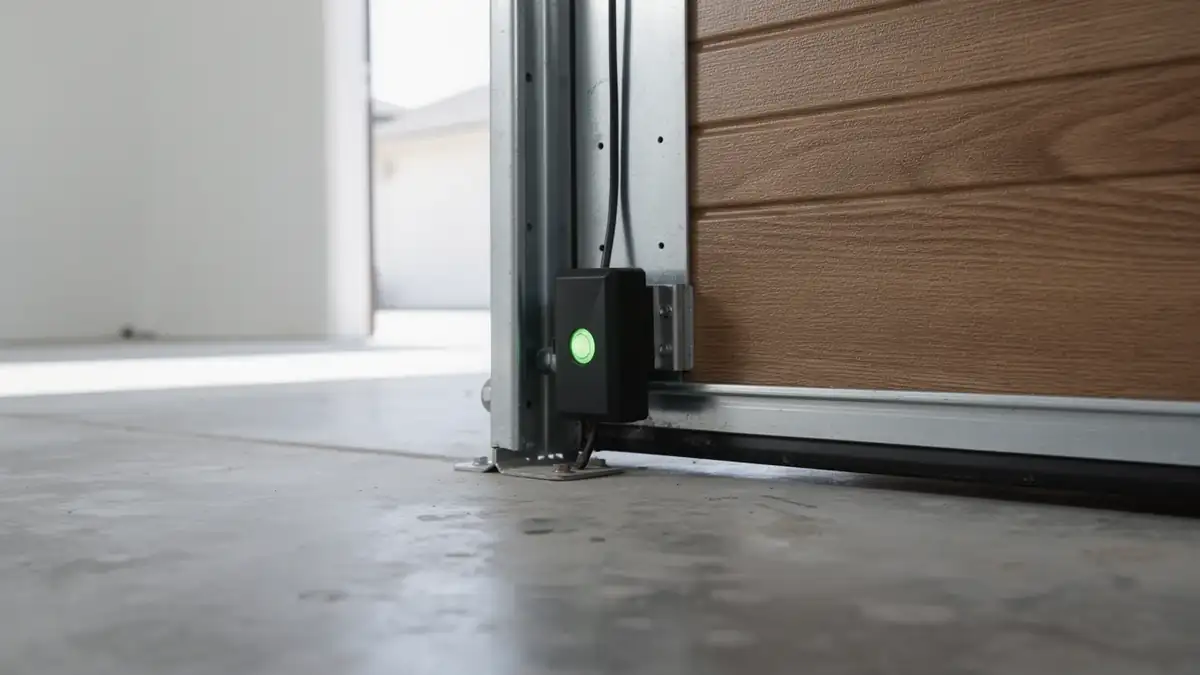
A garage door safety sensor with a green light is mounted on a metal track.

When It Stops Being a DIY Job

Nudging a sensor bracket back into place with your hand is fine the first time. If you're doing it every few weeks, the bracket itself has a problem a quick nudge won't fix. In a lot of McHenry garages, especially the ones built during the 1980s and 90s run that makes up most of the local stock, the sensor brackets were screwed straight into wood jamb trim rather than the concrete or masonry opening. Wood trim moves with humidity and temperature a lot more than concrete does, and after three decades of that movement the screw holes widen and the bracket starts riding loose in its slot. At that point you're not aligning a sensor, you're trying to align a bracket that has nothing solid to hold it. If you've already re-set the eyes twice this winter and they're drifting again, that's the point to call someone rather than keep adjusting - the fix is a new mounting point, not another tweak.

What Local Conditions Do

McHenry sits in a cold climate band with severe winter swings, and that matters more for sensor alignment than most people expect. The sensors themselves are simple - an infrared eye on each side of the opening, aimed to line up within a few degrees. What throws that aim off is everything underneath them moving. Concrete slabs and footings in this climate go through real freeze-thaw cycling each winter, heaving slightly as the ground beneath them freezes and settles back as it thaws. A garage floor or apron that shifts a quarter inch over a winter is enough to tip a sensor mounted low on the track rail out of its aimed line. Cold also contracts the metal track and mounting brackets themselves, which is why a lot of McHenry homeowners notice the door working fine in October and blinking an obstruction error by January. The sensors aren't failing - the structure around them is doing what this climate makes it do every year.

Where People Go Wrong

The common mistake is treating a drifting sensor as an electrical problem. People swap the sensor units, rewire the connections, even replace the opener logic board, when the actual cause is a loose or shifted bracket that keeps moving the eye's aim. In housing built through the 1946-2009 run that covers most of this area, you'll find sensor brackets mounted three different ways depending on when the garage was built or last renovated - some bolted to steel track, some screwed to wood door frame trim, some on plastic clips added during a later opener swap. Each mounting method ages differently, and swapping parts without checking which mount you actually have just wastes money. Another mistake: cranking the sensor arms to force alignment when the real issue is that the slab has settled and the whole track rail is sitting a degree or two off plumb. That's a track problem wearing a sensor costume.

The Situation

Here's the honest limit: if your garage was built in the median era for this area, around 1987, and nobody's touched the sensor brackets since, a straight re-align is sometimes just a stopgap. Wood trim that's been swelling and drying for that long won't hold a bracket steady no matter how many times you square it up. In that case the right call is a new mounting point - something screwed into the track itself rather than the trim - not another round of adjustment. We won't talk you into replacing an opener over a sensor that just needs a better anchor, but we also won't keep re-aligning a bracket that's going to drift again in a month. If you're not sure which one you've got, that's a five-minute look, not a guess.
How it works

From “it’s stuck” to “it’s fixed”

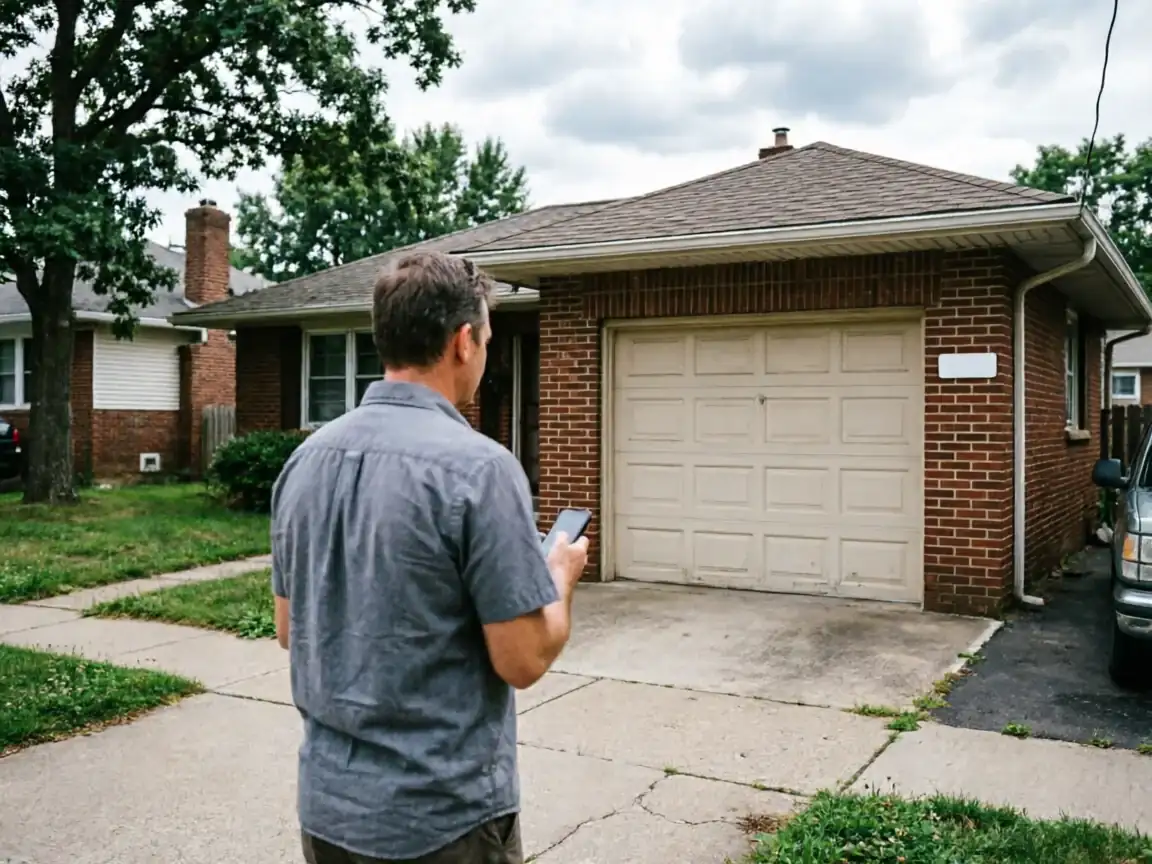
A technician stands on a driveway looking at a closed garage door.

Tell us what’s wrong

Describe the symptom - won’t open, loud bang, opener runs but the door won’t move.

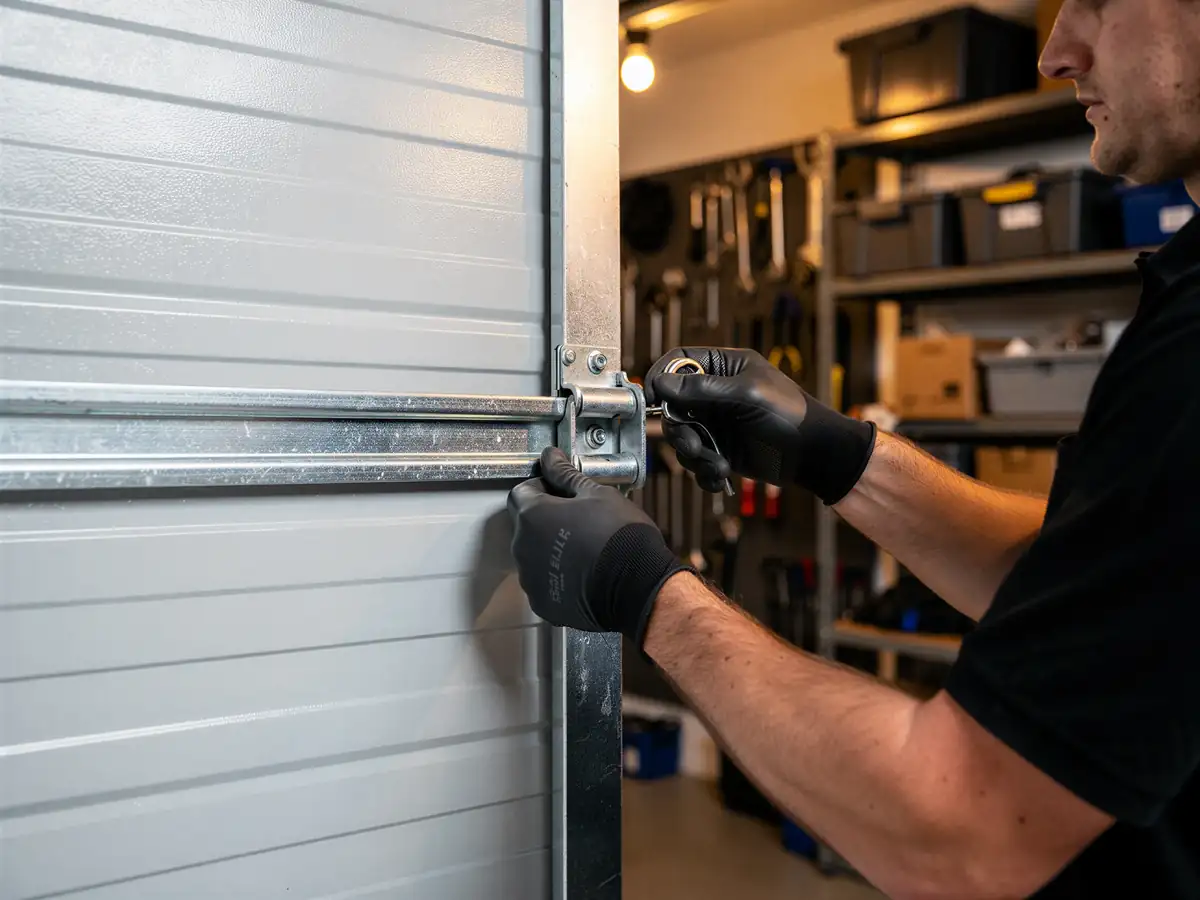
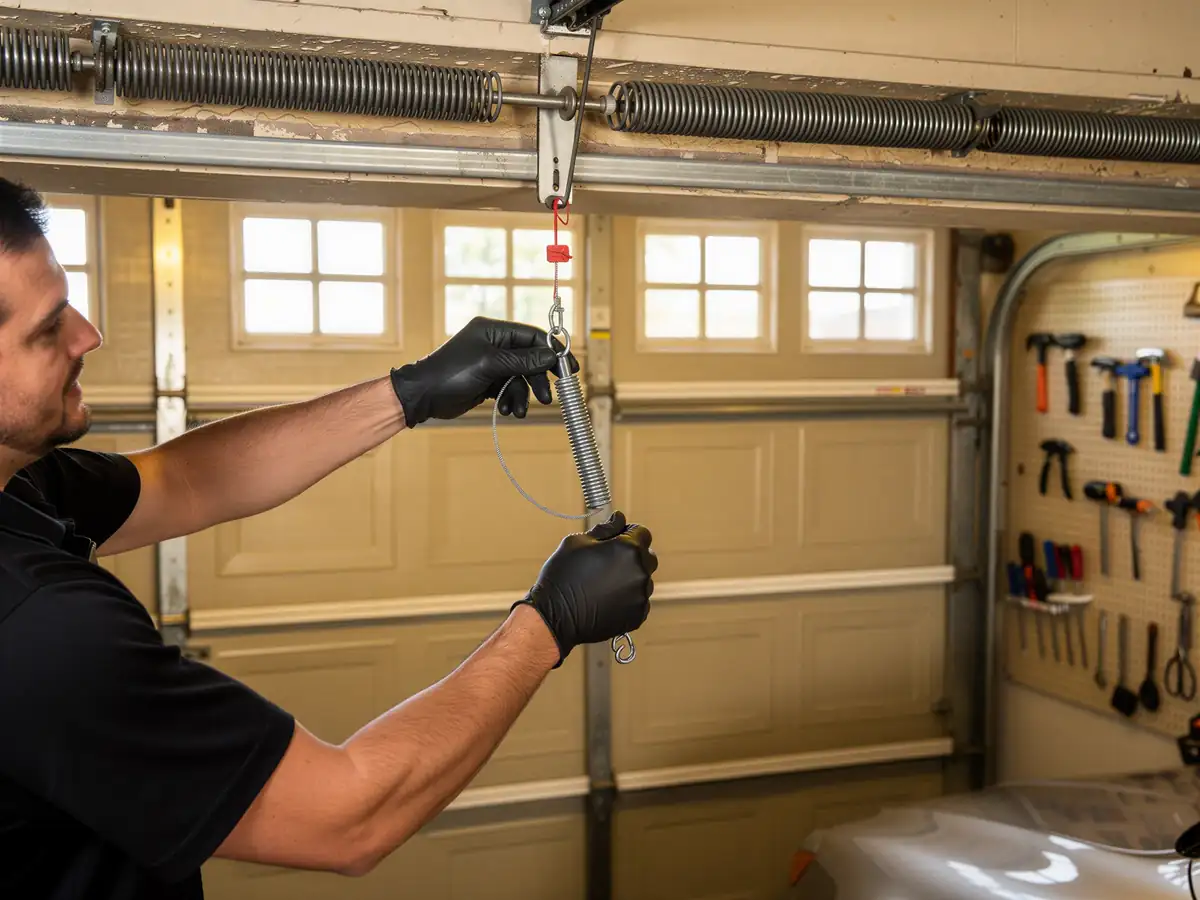
A technician is inspecting a garage door torsion spring and a white garage door.

On-site diagnosis

A technician tests the door under power and by hand and finds what actually failed.

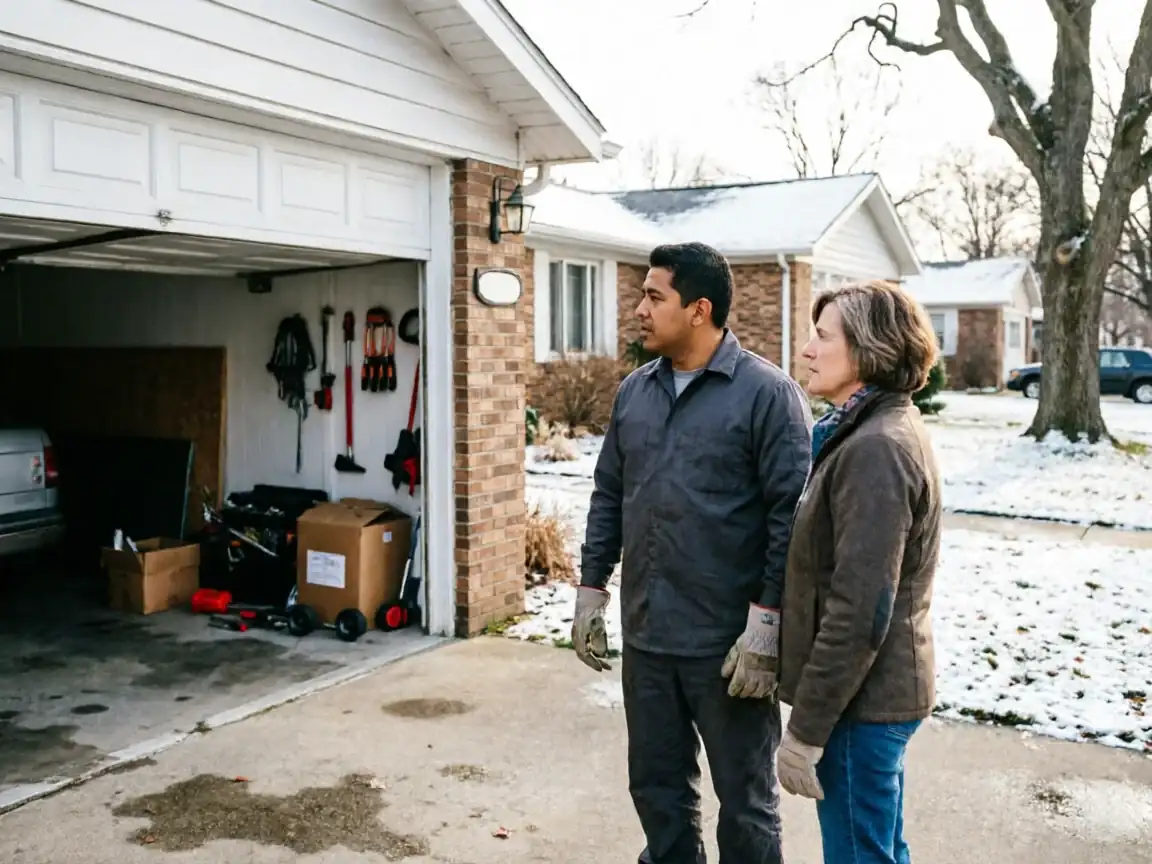
A technician and a woman stand in a driveway looking at an open garage.

Clear, up-front plan

You get the fix that’s needed and what drives the cost - before any work starts.

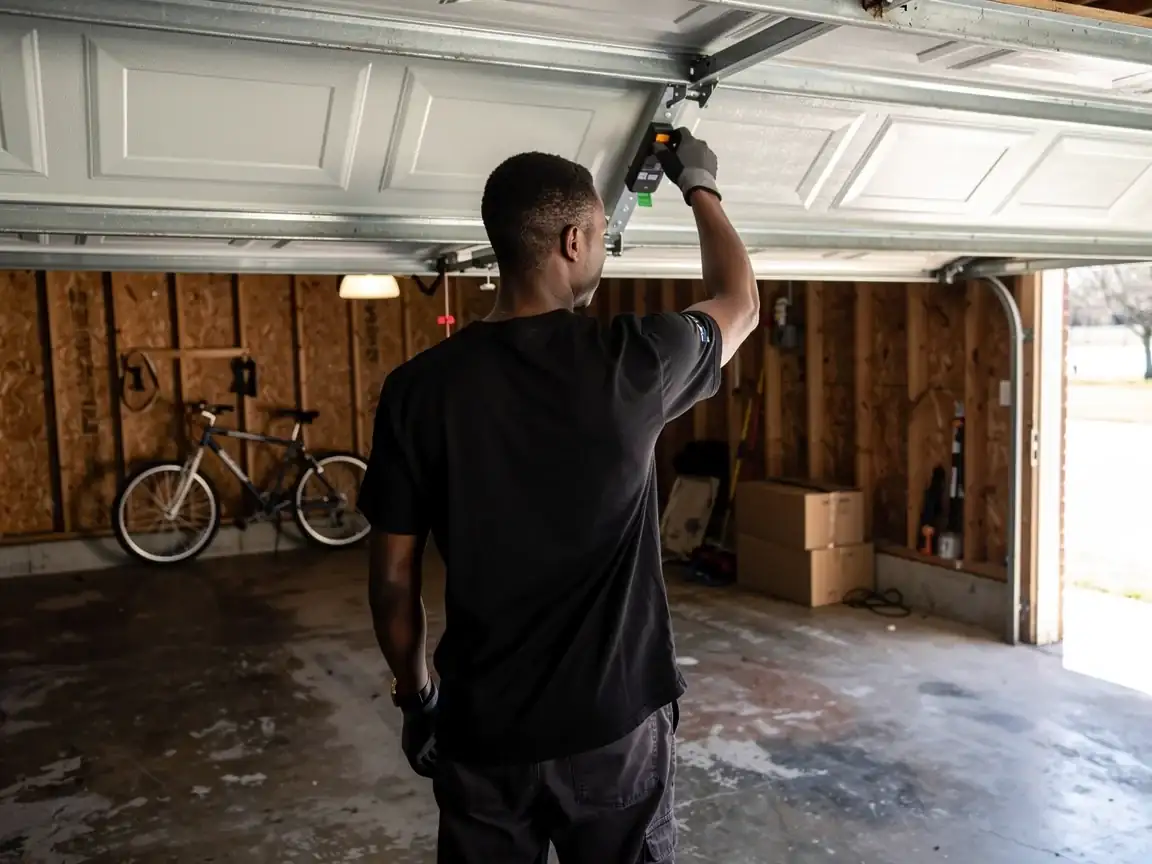
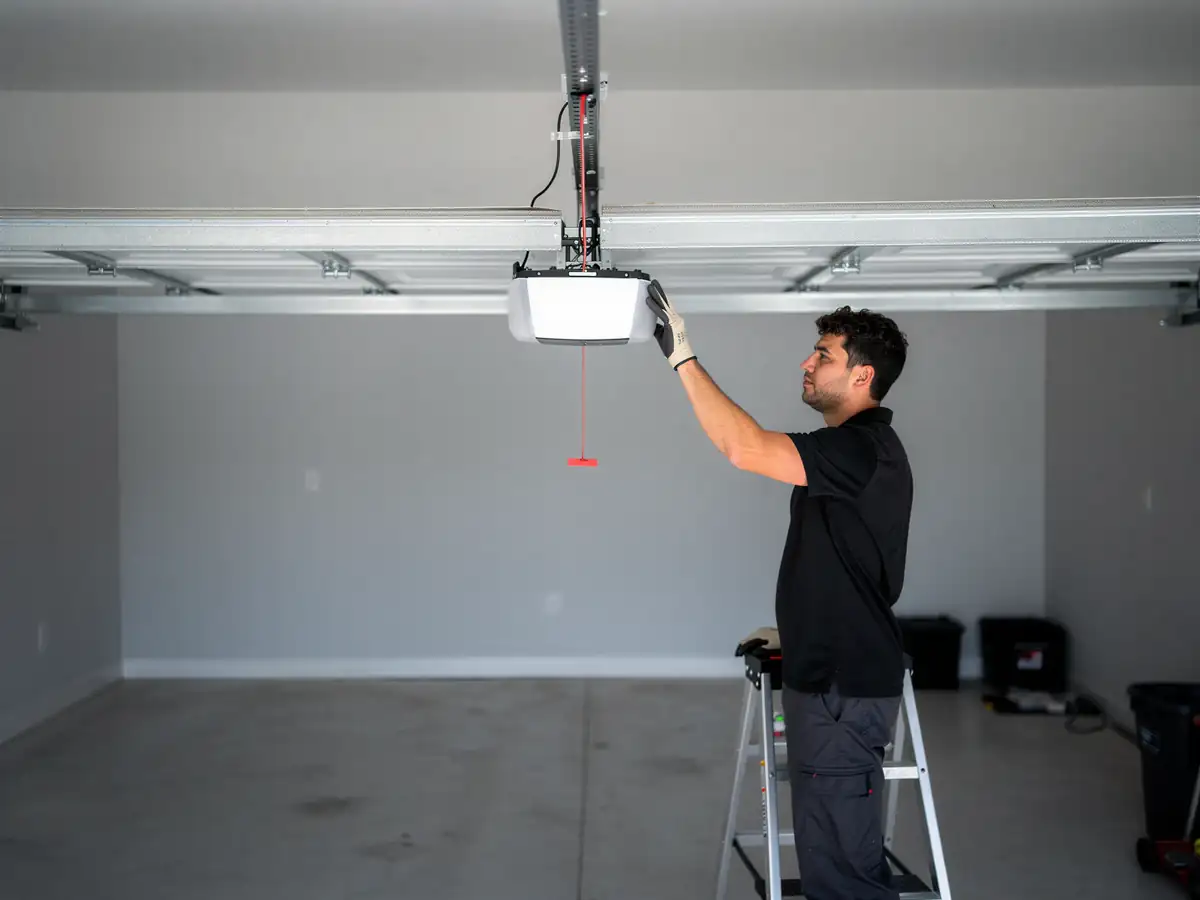
A technician in a black shirt adjusts a white garage door opener.

Repaired & tested

The repair is done, the door is set true and tested, and the work area left clean.

Not sure which repair your door needs in McHenry, IL? Describe what it’s doing - every job starts with a diagnosis.

How we work

What to expect

Diagnosis firstEvery visit starts by finding what actually failed - not a pre-written parts list.
The right part for the doorSprings and openers matched to the door’s weight and age, so the fix holds up.
Straight answersWhen a repair makes more sense than a replacement - or the reverse - you hear it plainly.
Clean, careful workTension released safely, hardware set true, the door tested under power before we leave.
What we do

Garage Door Services

Repair and installation work for McHenry homes and businesses.

Questions

Frequently asked

Straight answers about garage door repair in McHenry. Still unsure? Ask us directly.

Why do my garage door sensors only act up in winter?

Cold climate swings in McHenry put real freeze-thaw stress on garage slabs and footings every year. As the ground under the slab heaves and settles, the track and sensor brackets mounted to it shift slightly, throwing off the aim between the two eyes. Metal brackets also contract in the cold, which can be enough to break the beam alignment on its own.

Is a drifting sensor an electrical issue?

Usually not. Most drift we see in this area traces back to a loose or aging bracket, not the sensor unit itself. Homes built in the 1980s and 90s here often have brackets mounted to wood trim that's moved for decades, so the eye slips even though the wiring and sensor are fine.

Can I just keep re-aligning the sensors myself?

You can, and it's a fair stopgap for an occasional nudge. But if you're re-aligning every few weeks, the bracket itself has worn loose and a re-align won't hold. At that point the fix is a new mounting point, not another adjustment.

Does the age of my house matter for this problem?

Yes. Housing in this area runs from 1946 through 2009, with most built in the 1980s and 90s. Older wood-trim mounts in that stock have had the most time to loosen, so sensor drift tends to show up more in those homes than in newer builds.

Ready to get your garage door sorted?

Tell us what it’s doing and where you are in McHenry - we’ll take it from there.

Request a QuoteCall