Why This Fails Locally
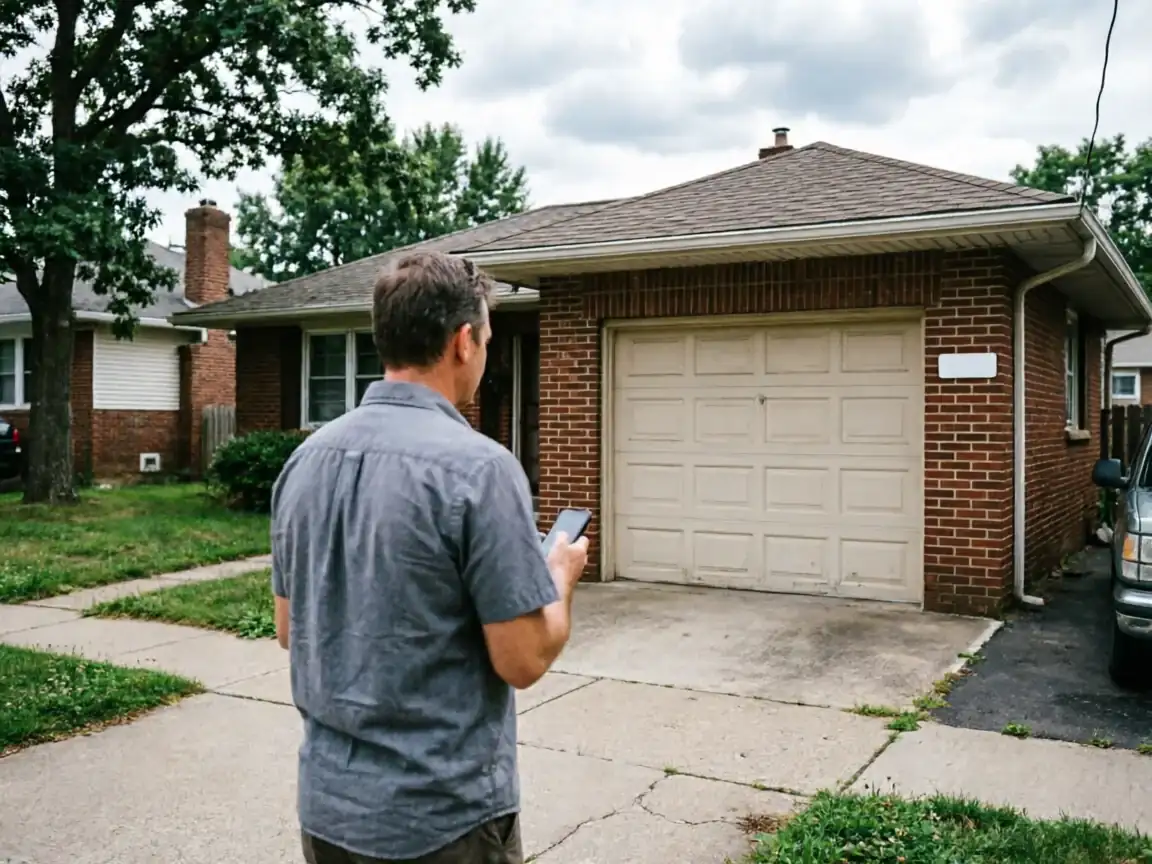
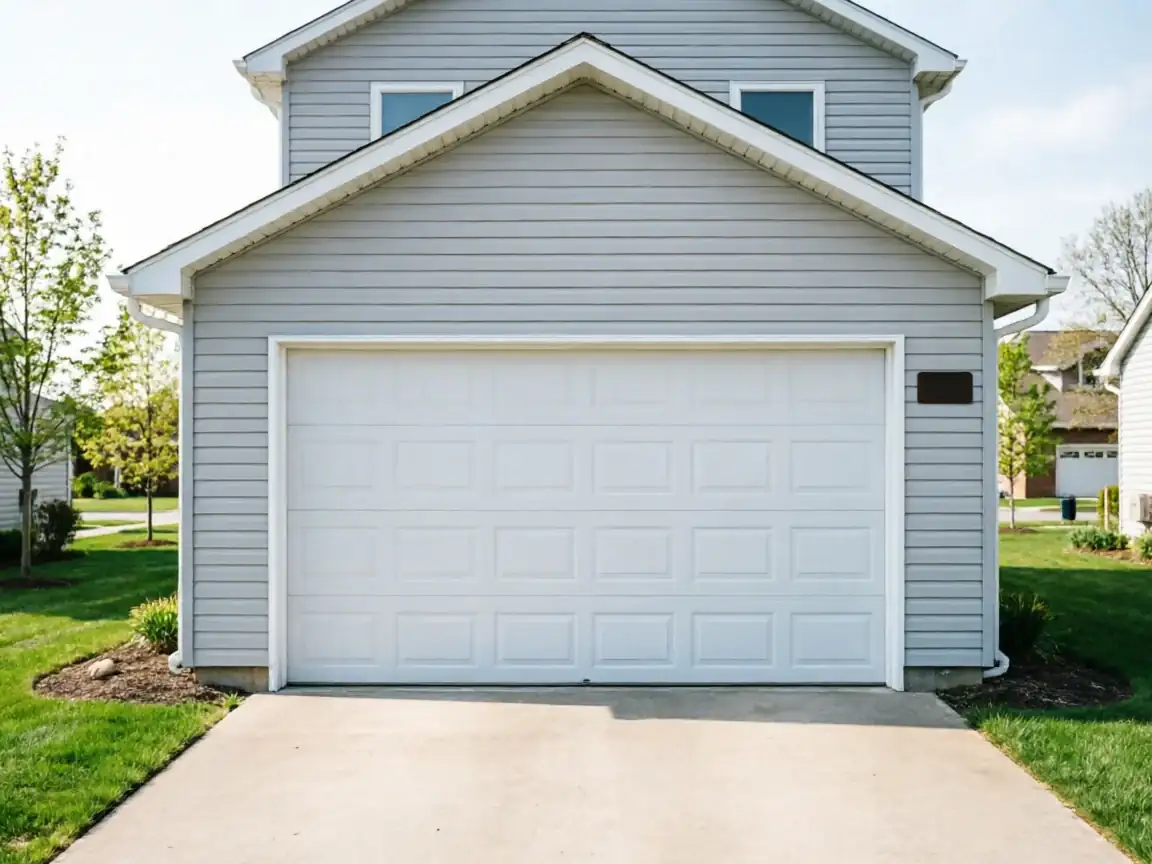
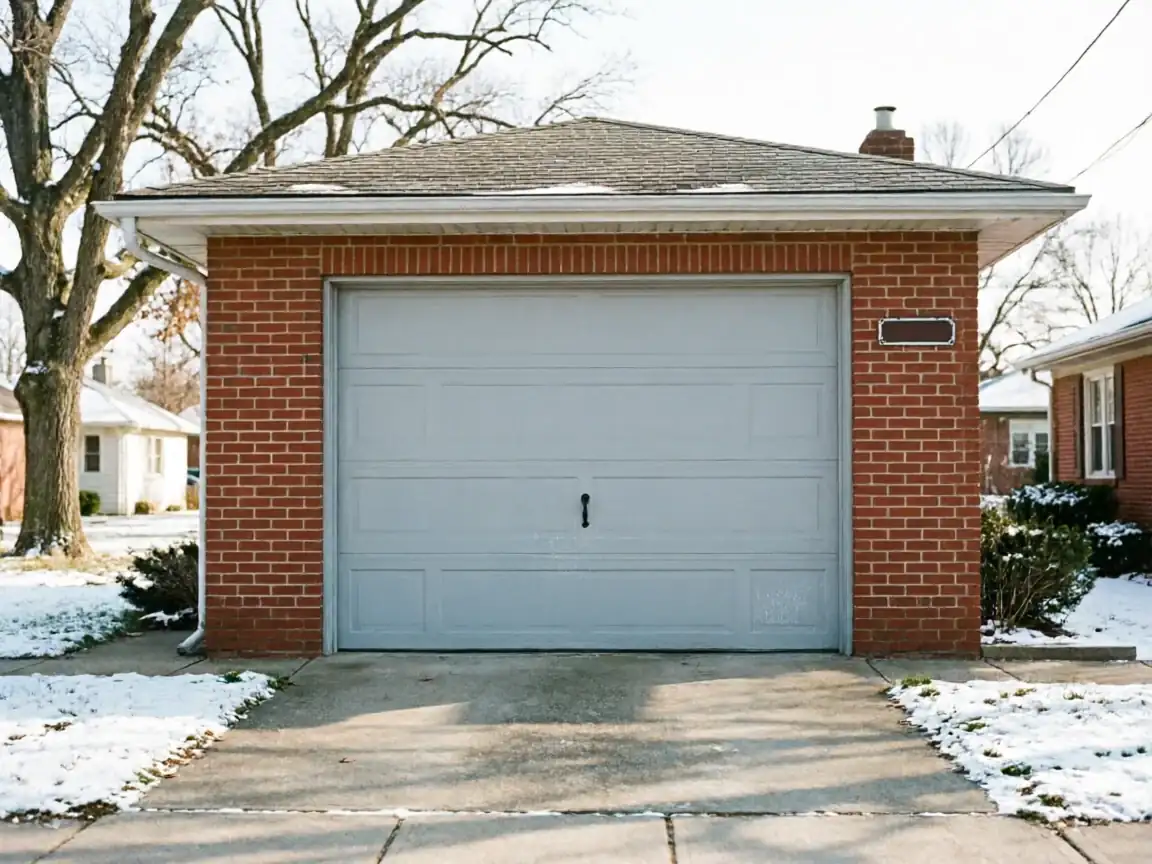
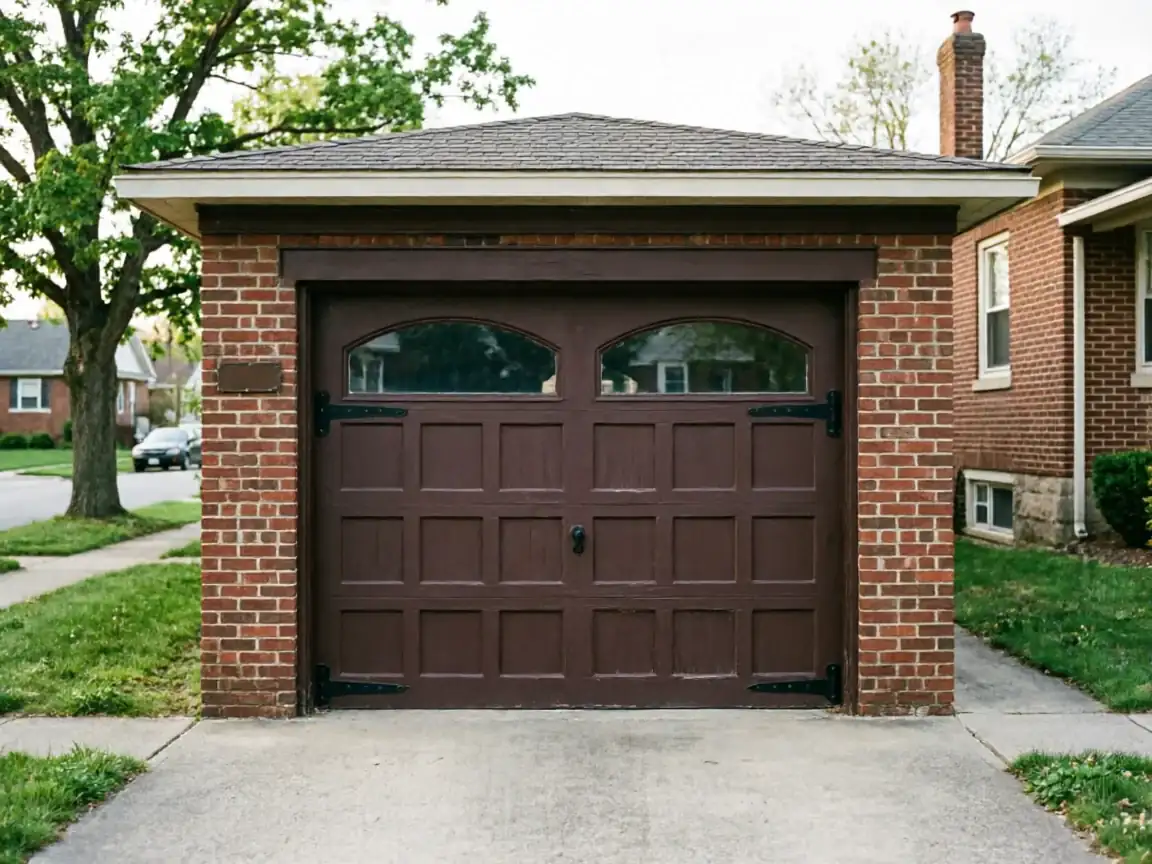
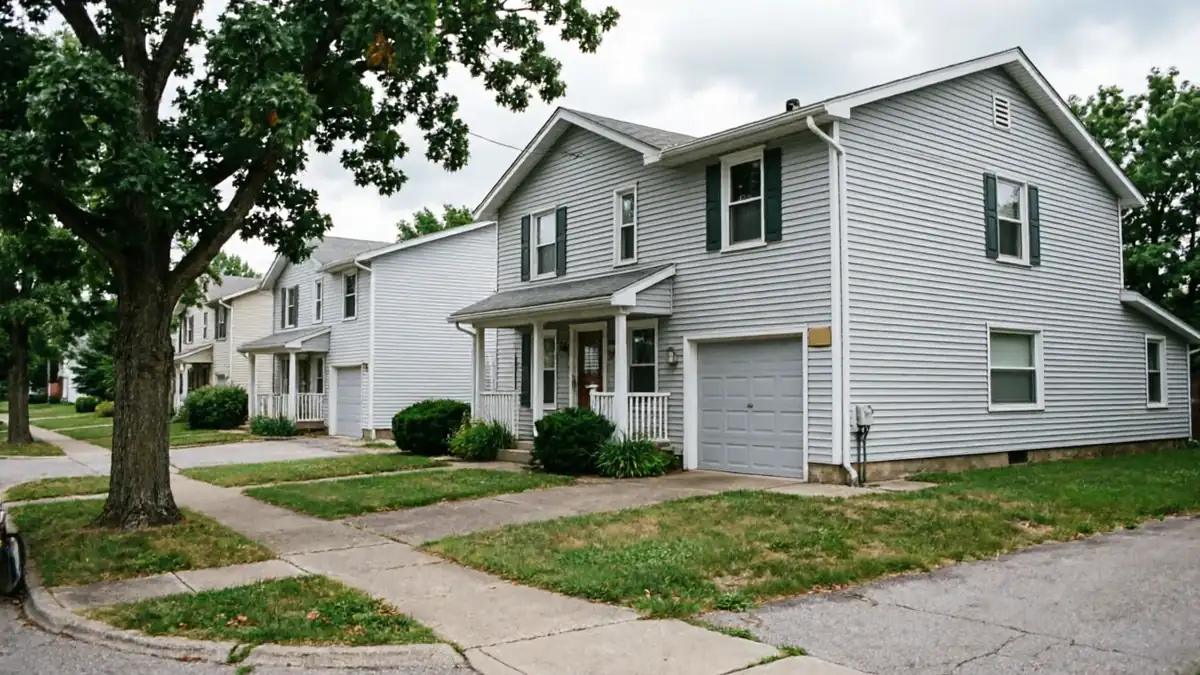
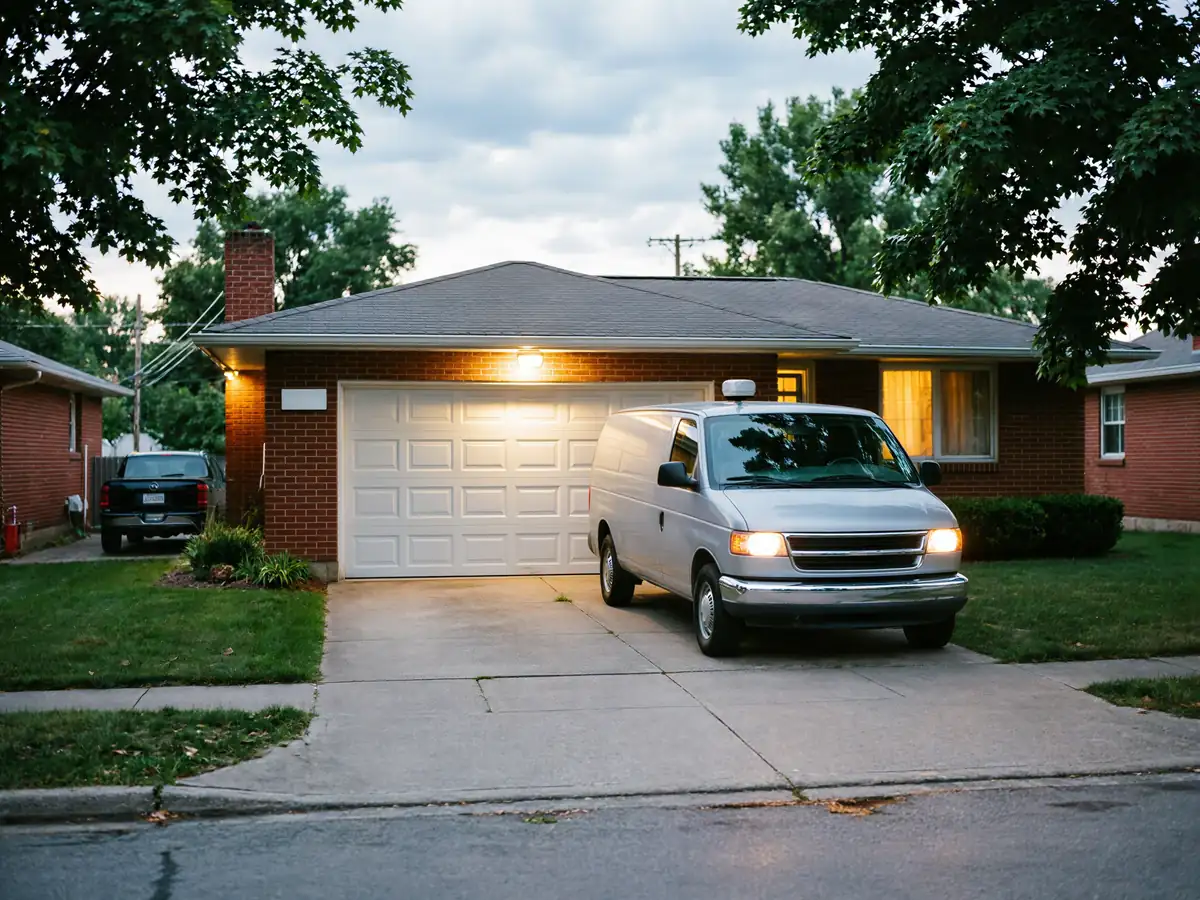
McHenry's housing runs from 1946 up through 2009, but the bulk of it - across the 57 named subdivisions and pockets that make up this part of McHenry County - went up in the 1980s and 90s. That's not a small detail. A door and opener installed when a house was built in, say, 1988 is now pushing 35+ years old, and most of that original hardware was never designed to last that long under daily cycling.
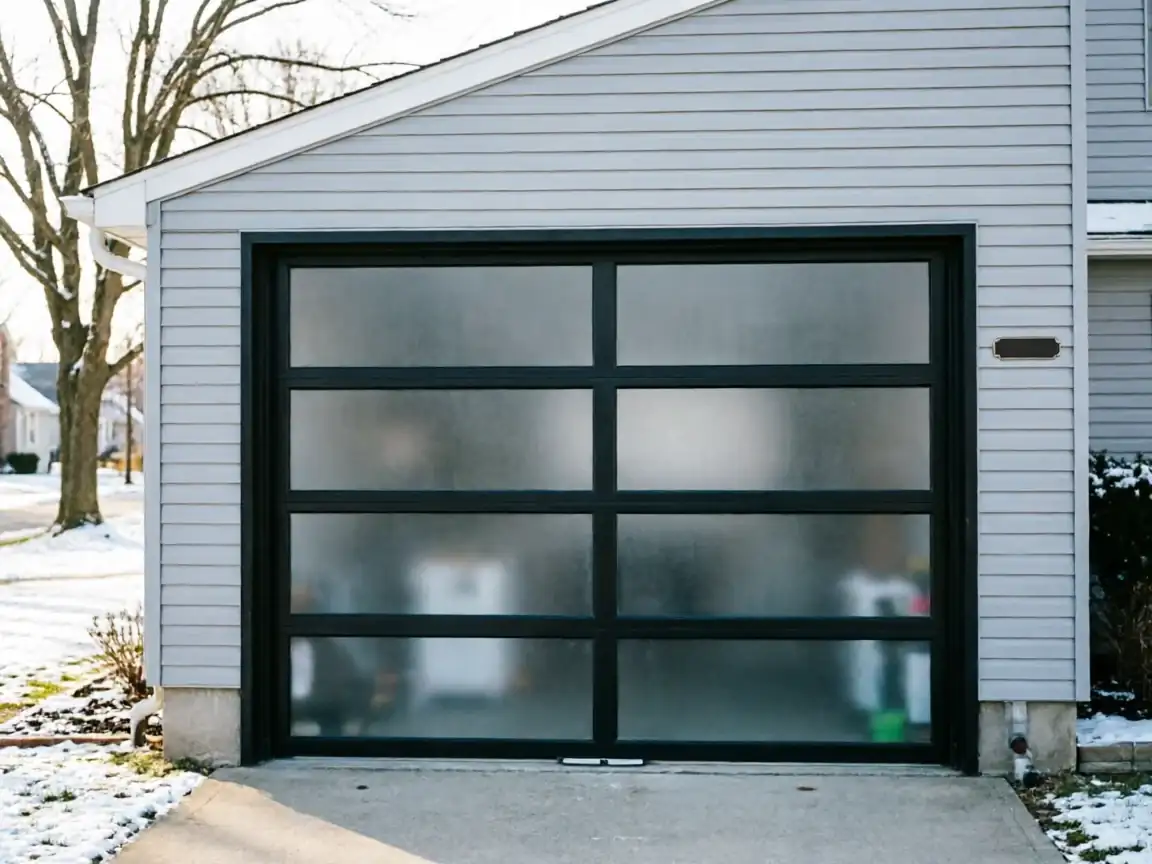
Pair that age with the climate band here, which federal data classifies as COLD and severe. That means real freeze-thaw swings every winter, not just a few cold days. Steel springs lose temper faster under repeated cold-to-warm cycling than they would in a mild climate, and the grease in an original 90s-era opener chain or screw drive thickens up hard below freezing, putting extra strain on the motor every time it tries to start a cold door.
So the failure pattern in McHenry isn't random. It's a door built for a different decade, running in a climate that's harder on it than most, finally giving out at the exact age where original parts are due to fail anyway. That combination is why service calls here cluster so heavily around spring tension, opener strain, and track binding rather than cosmetic panel damage.
Doing It Yourself
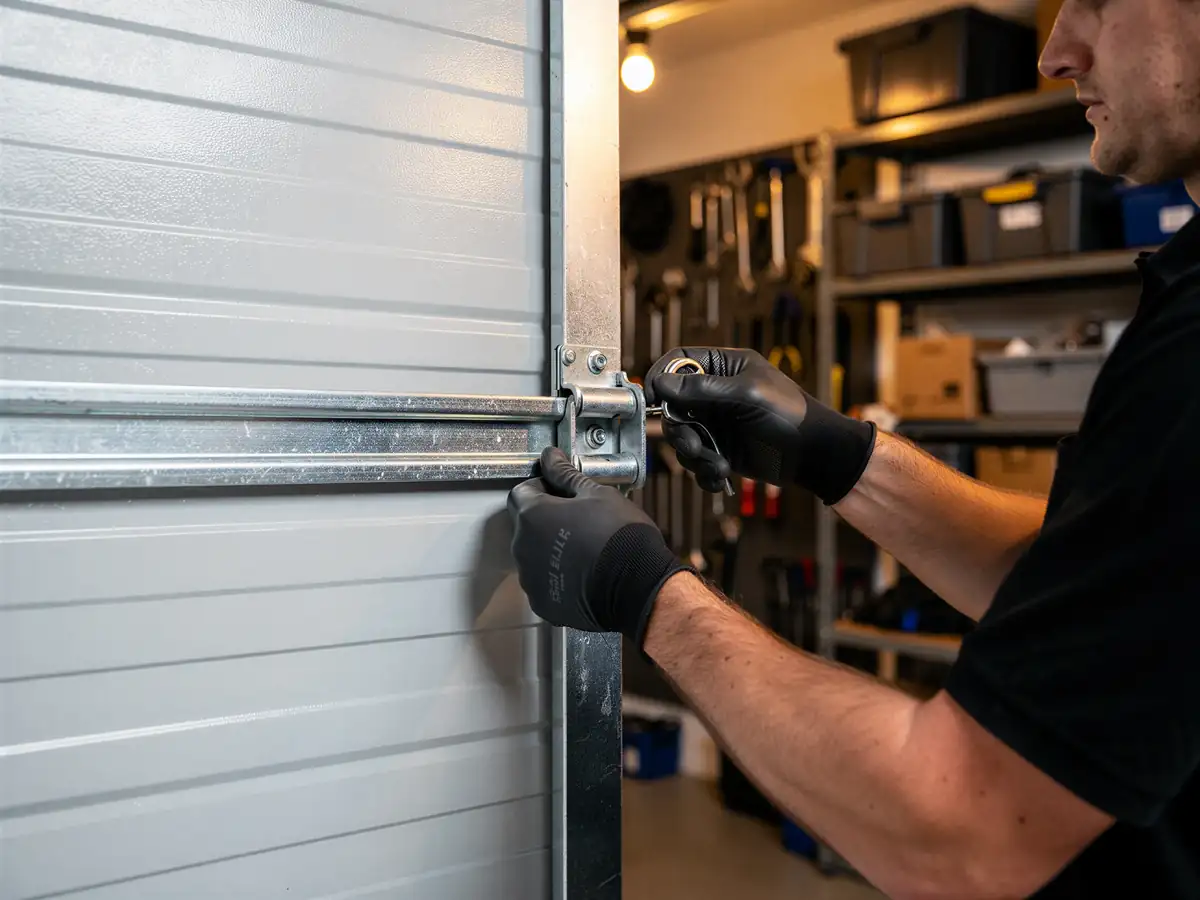
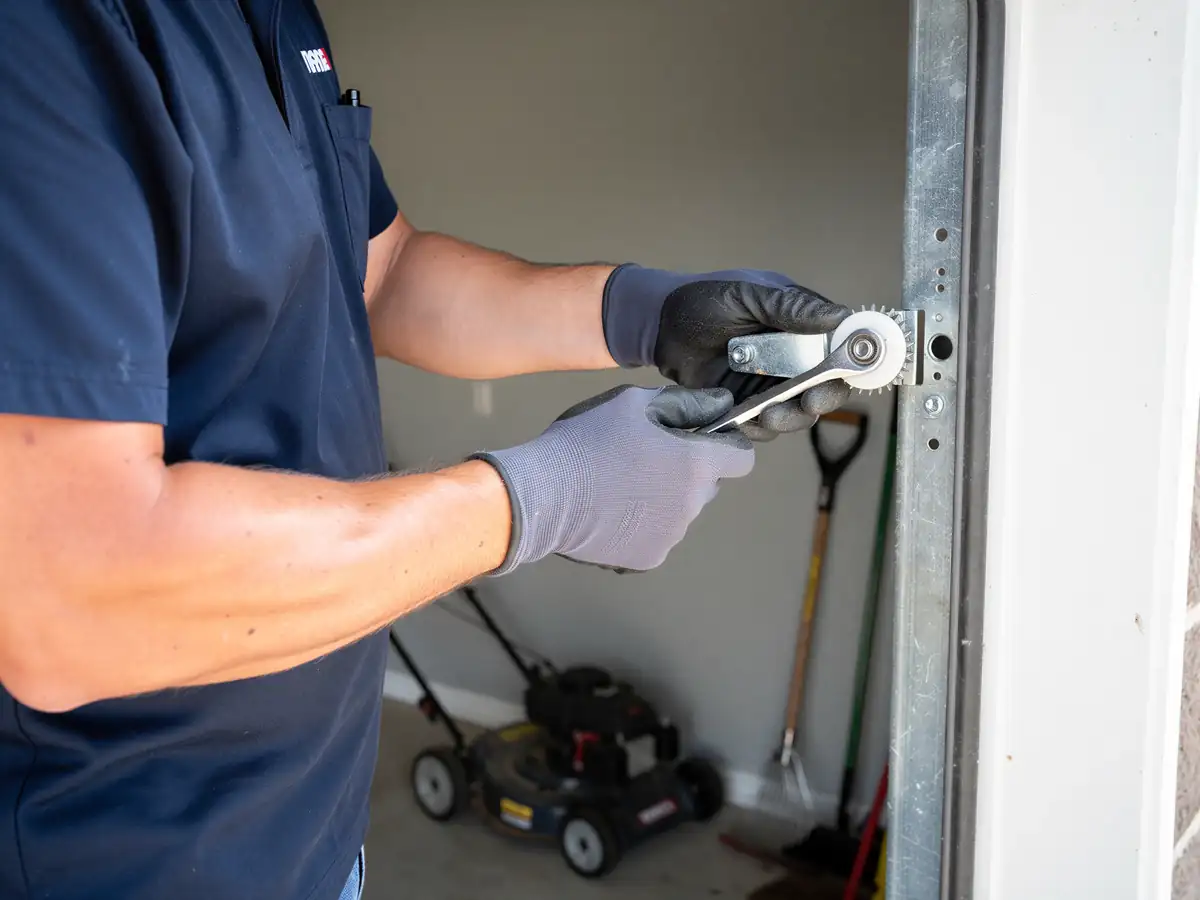
Some of this is fair to handle yourself. Lubricating rollers and hinges, checking that the photo-eye sensors are aligned and clean, tightening loose bolts on the track brackets - none of that needs a truck.
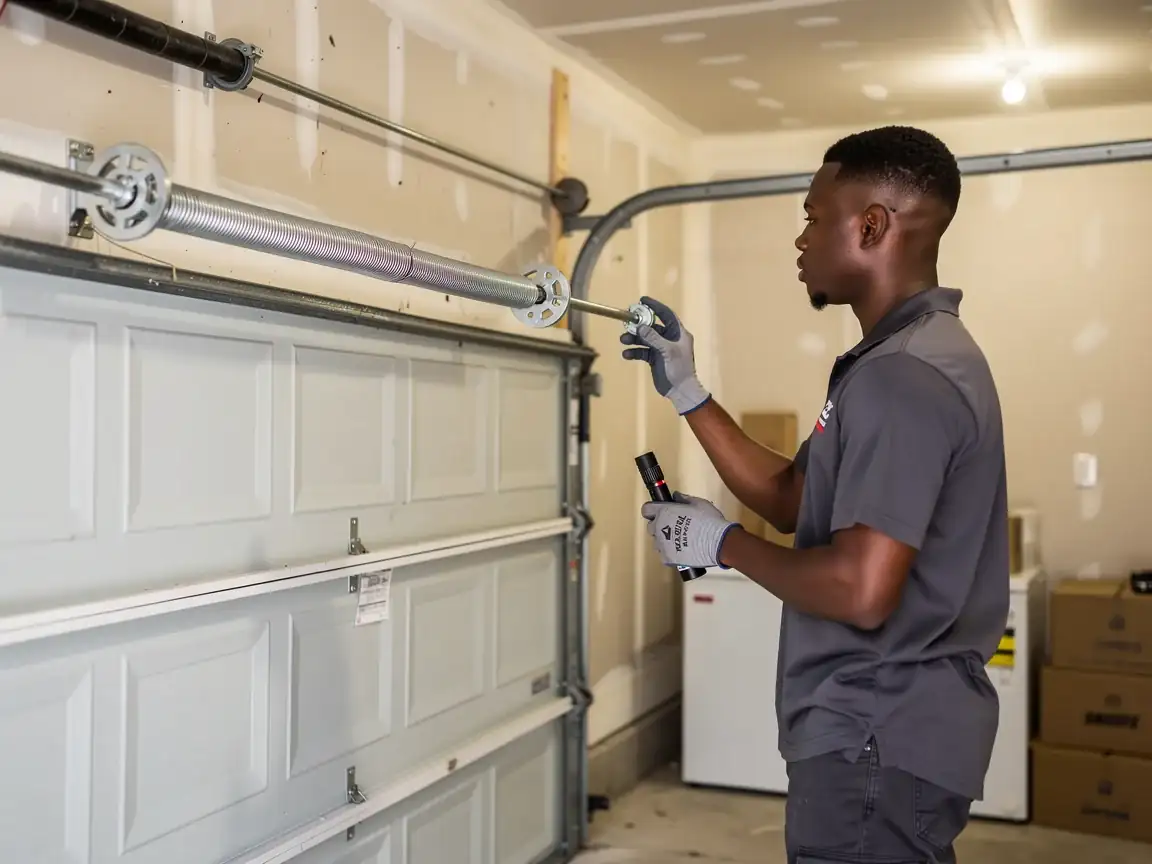
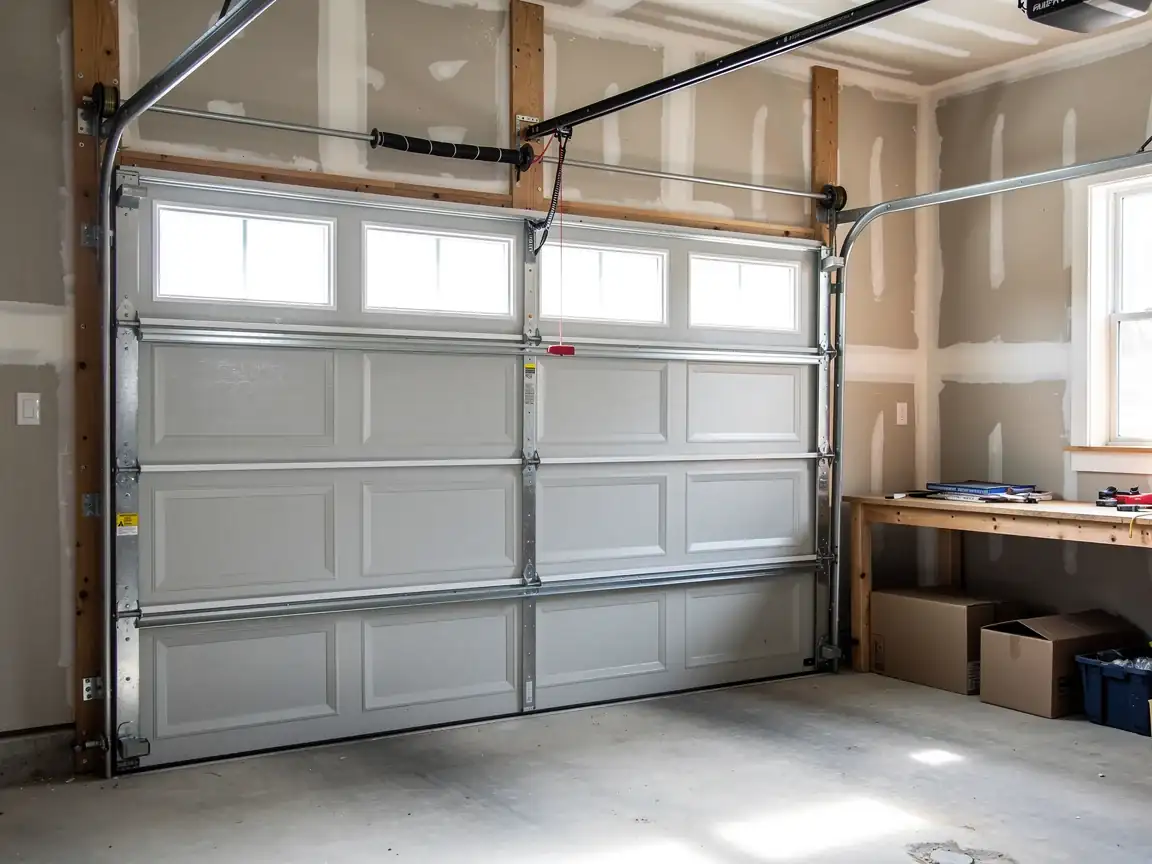
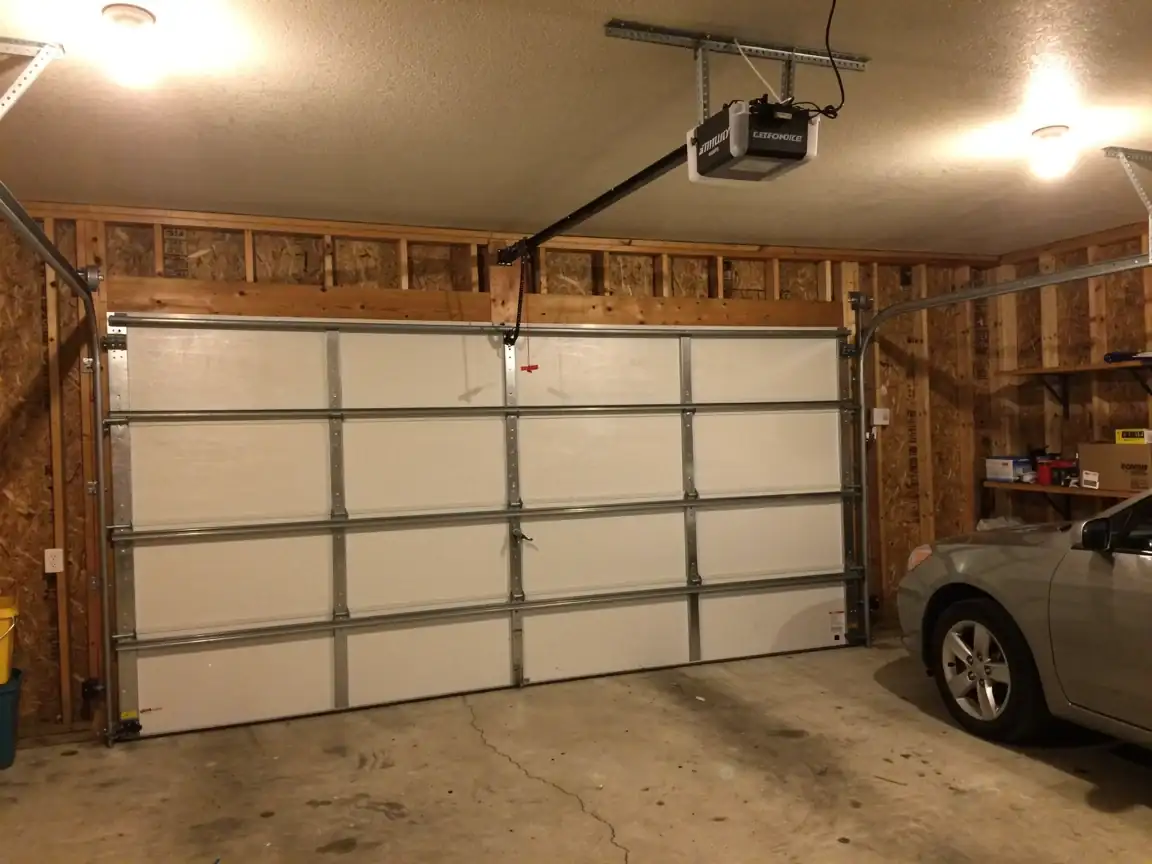
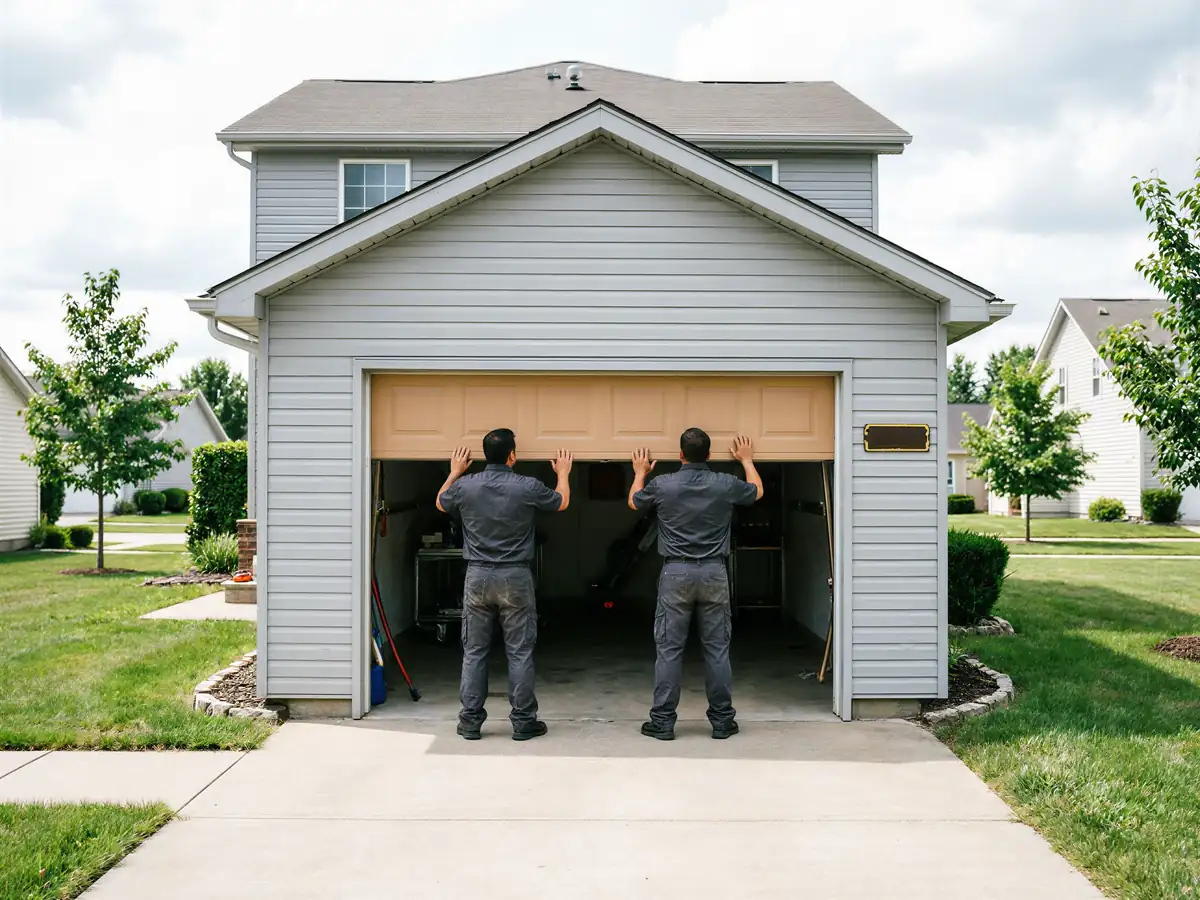
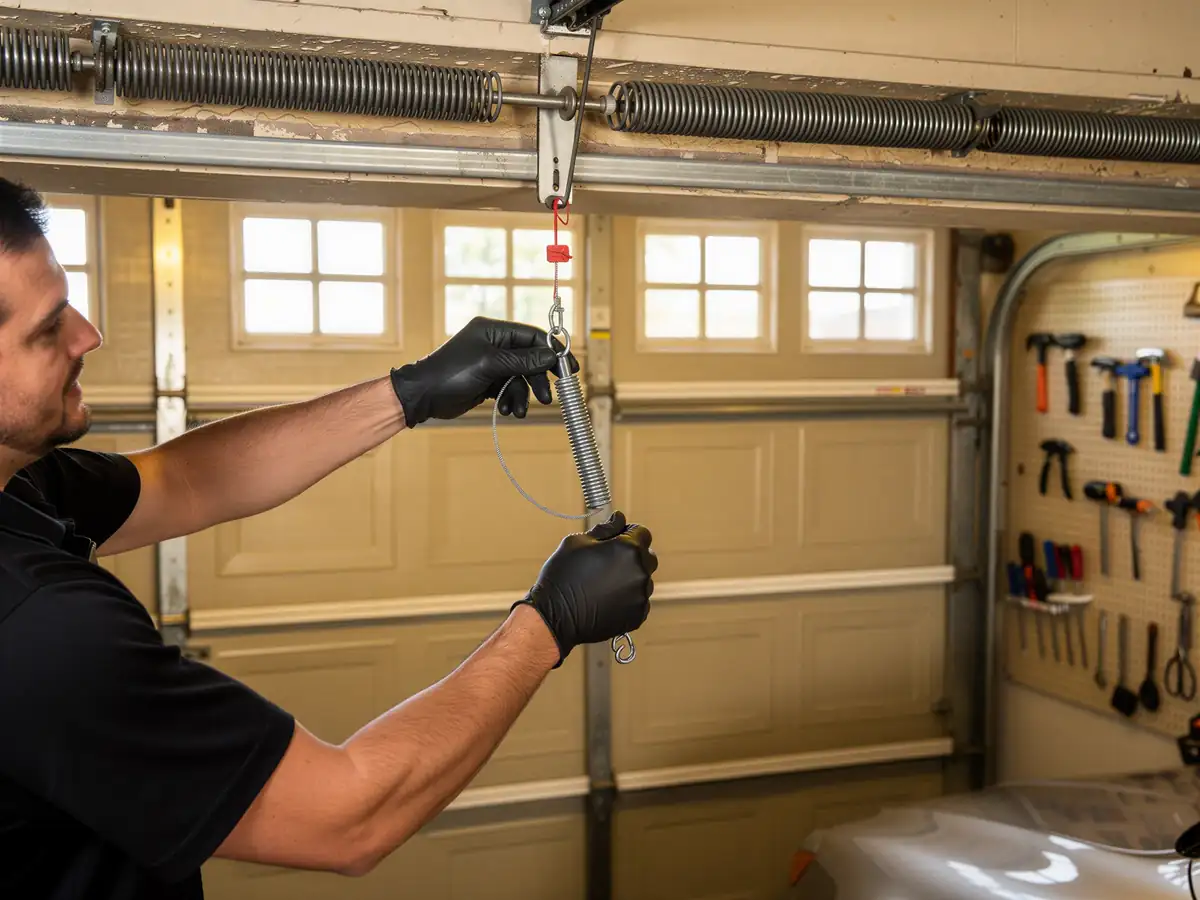
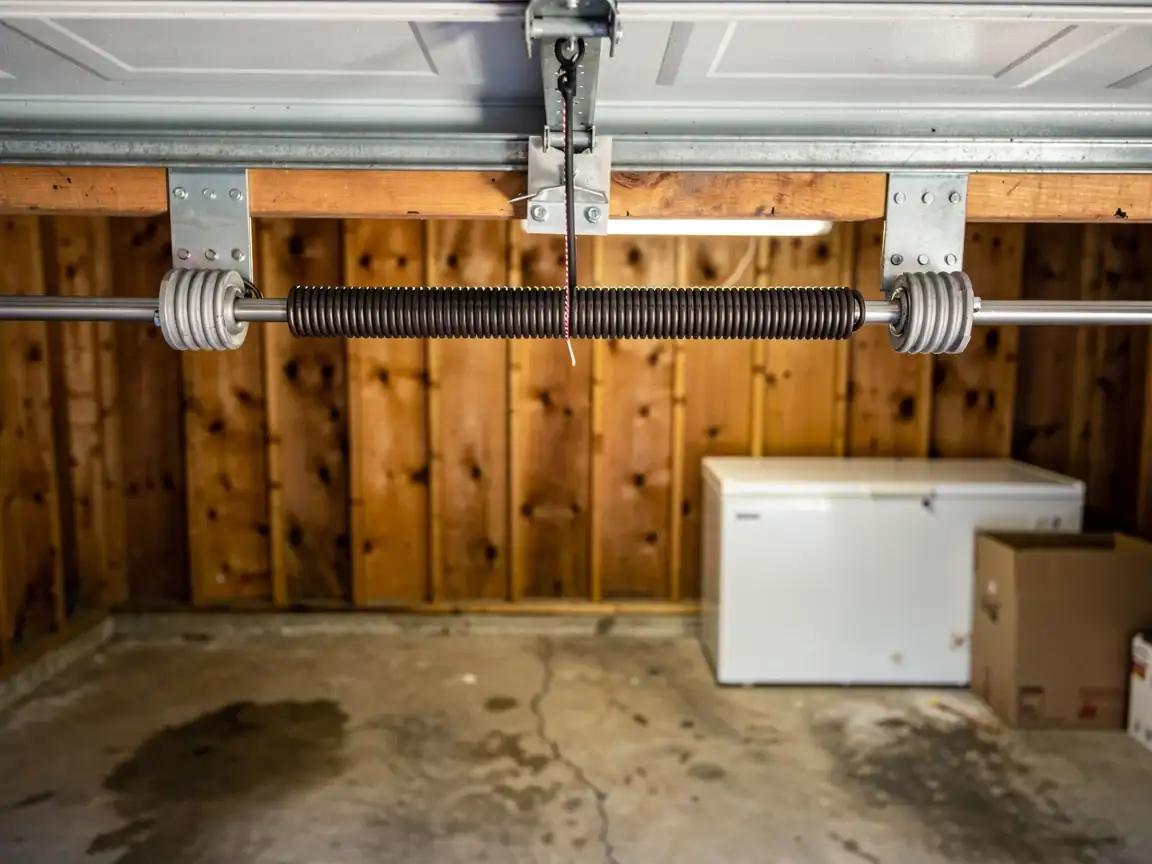
What isn't a DIY job is anything involving the torsion spring itself. These springs store enough tension to cause serious injury if they let go while you're working near them, and on a door from the 1980s or 90s the spring has likely never been replaced, which means it's closer to failure than a newer one. We also don't recommend homeowners try to diagnose opener motor strain themselves - a motor that's working harder than it should in cold weather can look like a wiring problem when it's actually a balance problem, and chasing the wrong fix wastes money.
Honest limit here: if your opener logic board has already failed, that's not always a same-day fix. Some boards for older openers are no longer made, and sourcing a compatible replacement can take longer than the repair itself. We'll tell you straight if that's the situation instead of promising a timeline we can't hit.
What Can Go Wrong
On houses from McHenry's dominant 1980s-90s build era
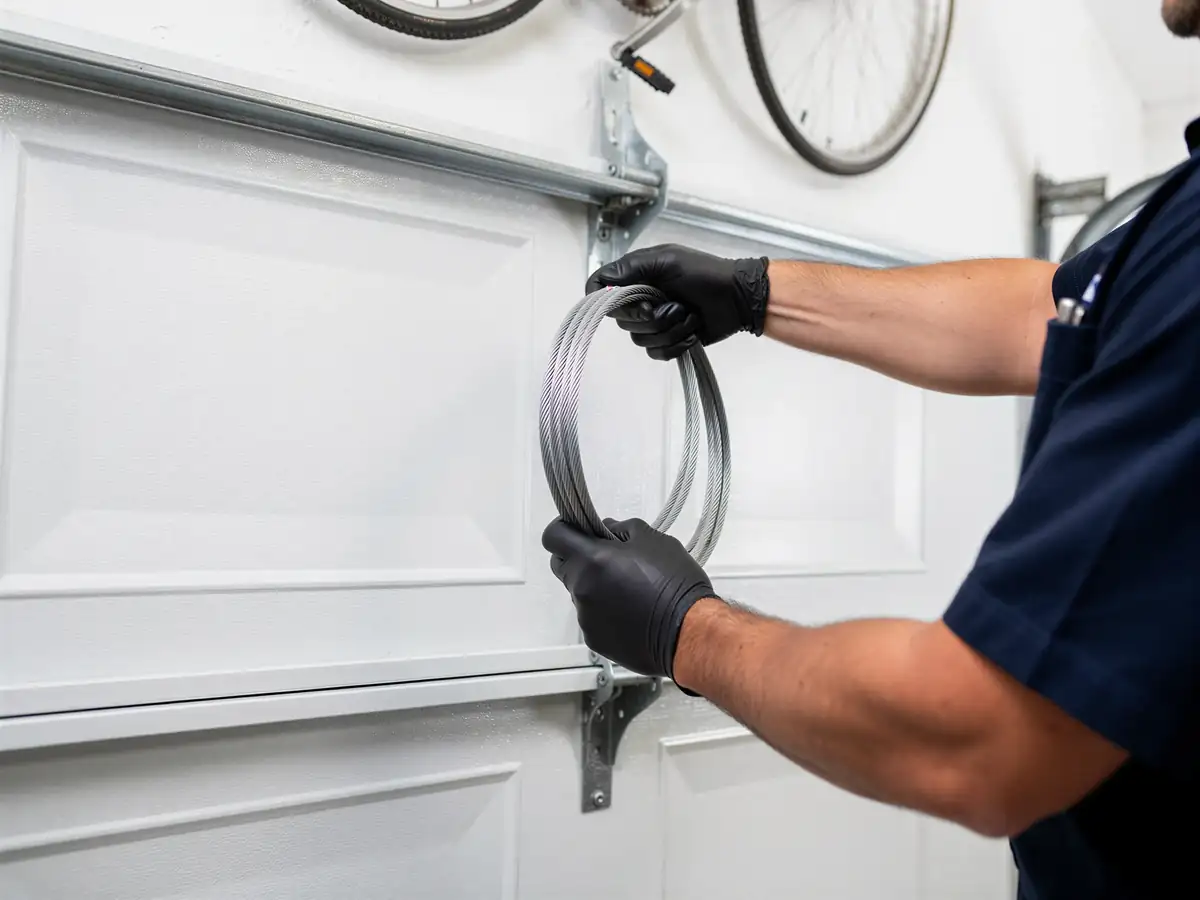
The most common failure we see is a torsion spring that's simply reached the end of its cycle life, often failing in the coldest part of winter because cold steel is more brittle under load. Right behind that is cable fraying at the drum, which shows up more in this climate because the cable's lubrication breaks down faster through repeated freeze-thaw than it would somewhere with a mild winter.
Opener strain is the third pattern
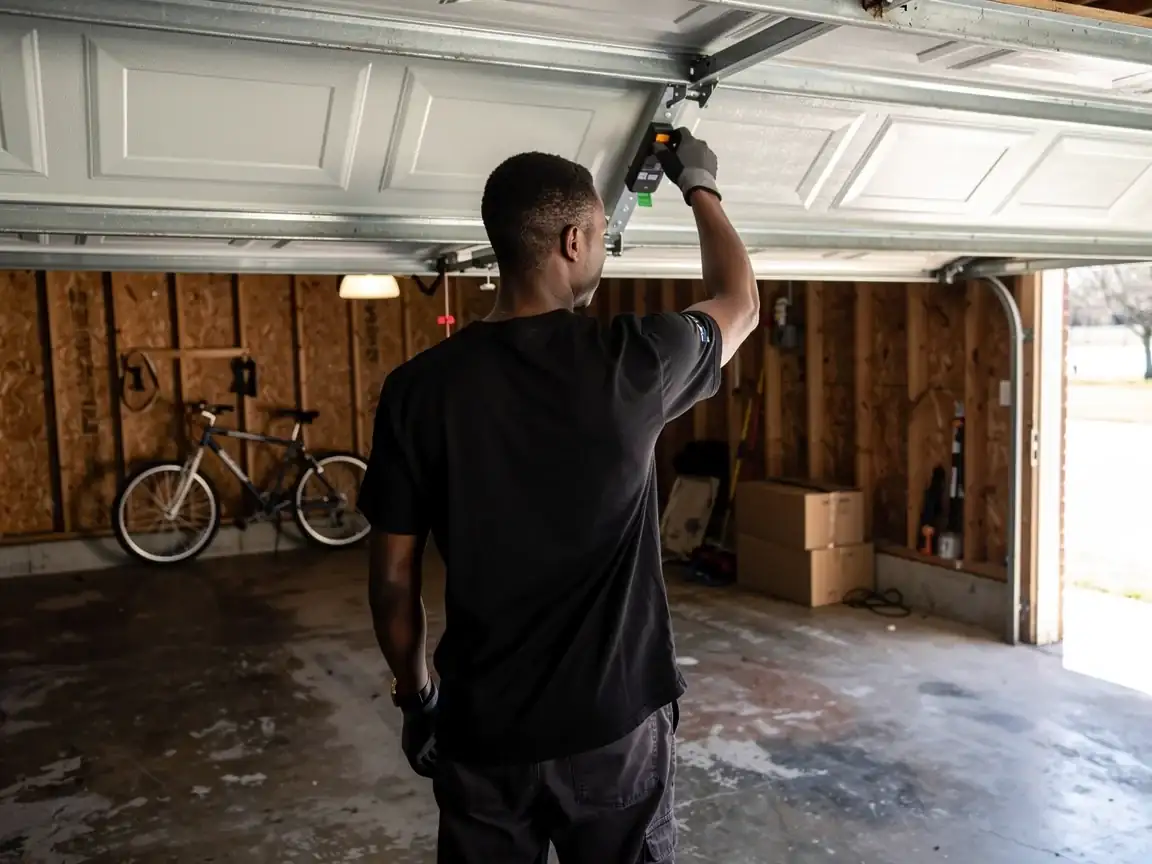
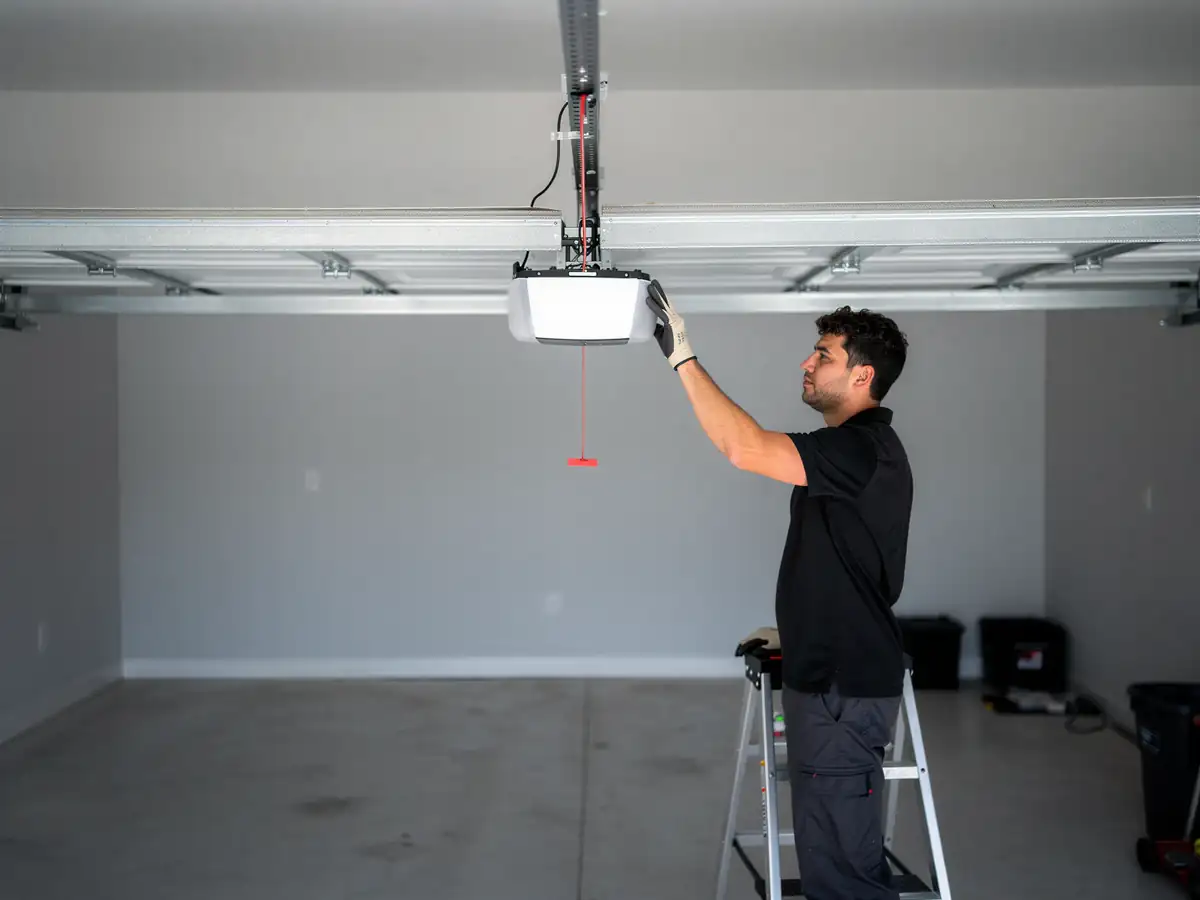
A chain-drive or screw-drive unit from that era, running in sustained cold, draws more current trying to lift a door that's lost spring balance. That extra draw shortens the life of the motor and the capacitor. We also see track misalignment on these older installs, since 30-plus years of seasonal concrete shift under the slab can throw the vertical tracks out of plumb by enough to cause binding.
None of these are cosmetic
They're mechanical wear patterns tied directly to door age and winter severity, which is why a once-a-year check matters more here than it would in a newer subdivision or a warmer region.
How It Shows Up
The first sign is usually the opener working harder than it used to - a longer motor run, a grinding hum before the door starts moving, or the door reversing partway up on cold mornings. That's the opener compensating for a spring that's lost tension, and in McHenry's winters it tends to show up first on the coldest days of the year, not gradually.
A second pattern is a door that closes unevenly, dropping faster on one side. That's a classic sign of cable fray or a spring on one side of a double door giving out before the other. On the older stock common here, it often happens after a hard cold stretch rather than during a mild one.
The third is noise: a track that used to run quiet starts clicking or scraping as it moves, which usually means the slab shift mentioned above has finally thrown the track out of alignment enough to catch the roller. Any of these three signs is worth a call before the door fails completely and leaves a car stuck inside or the opening open to the cold.