When It Stops Being a DIY Job
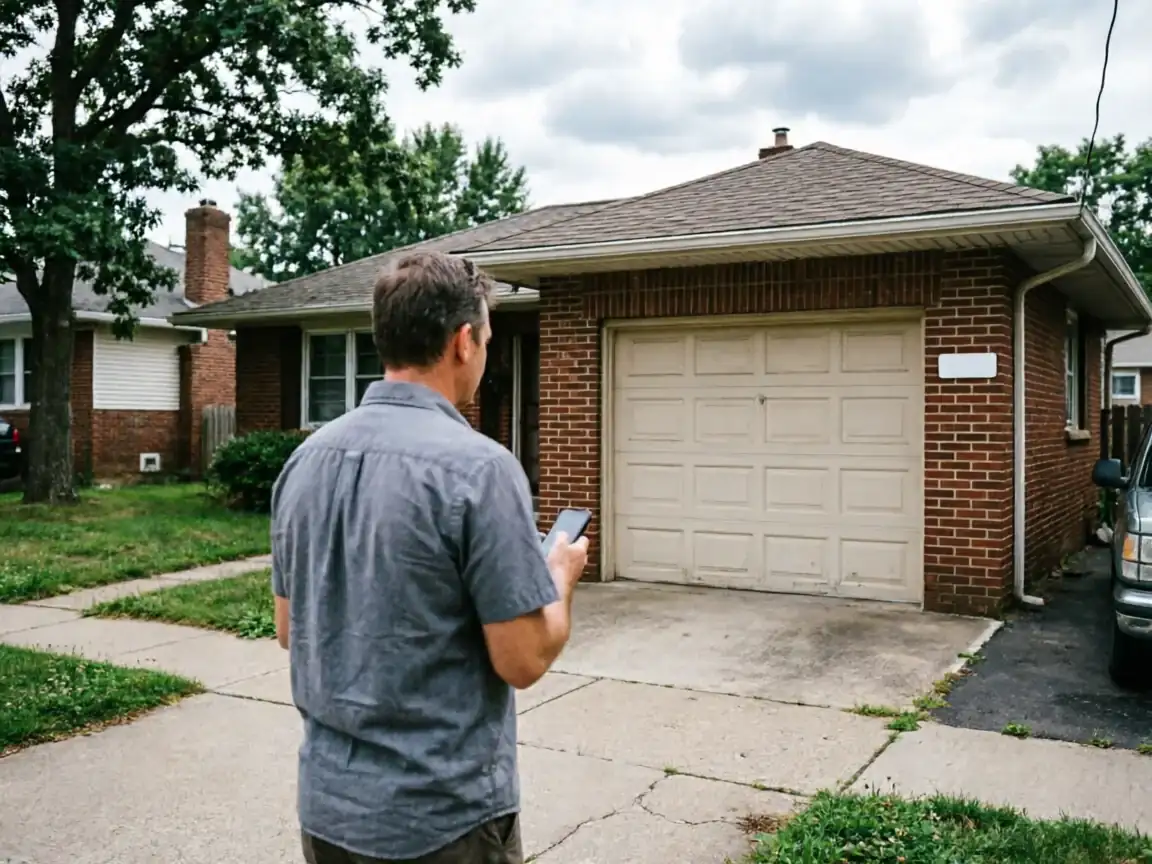
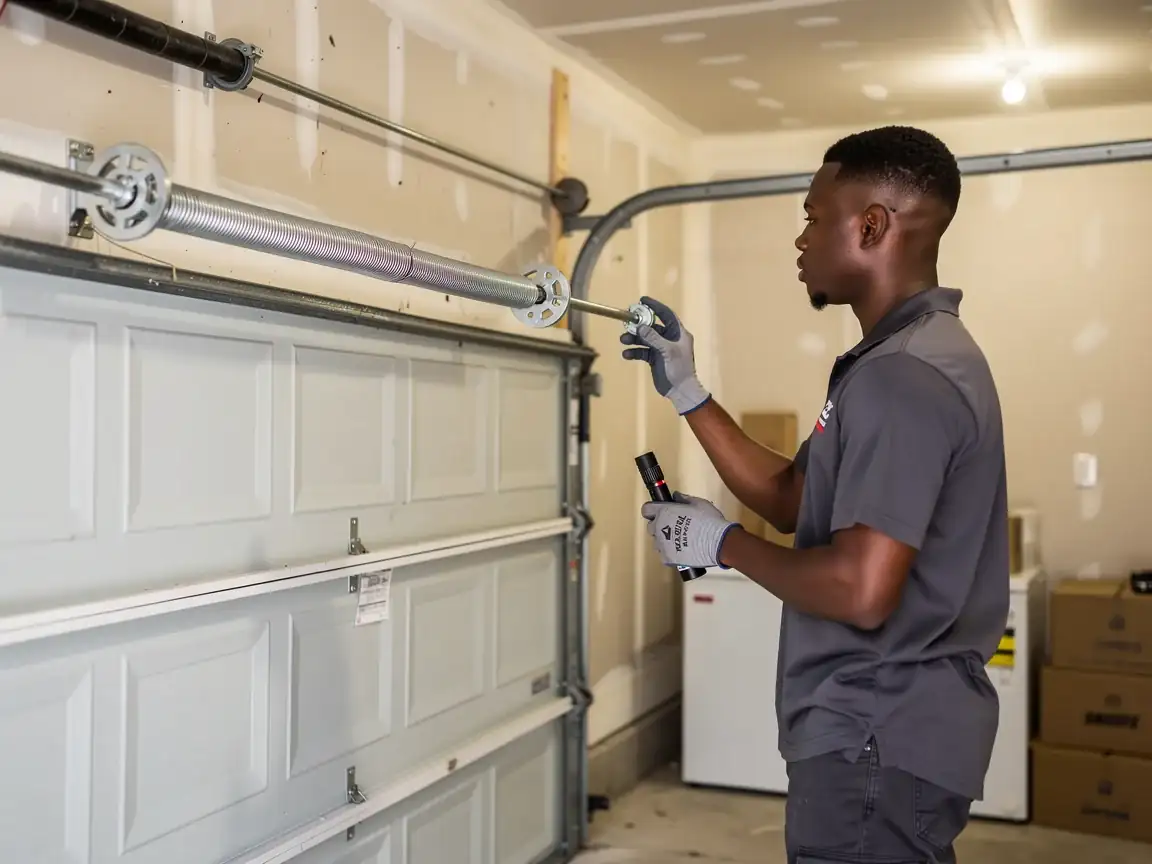
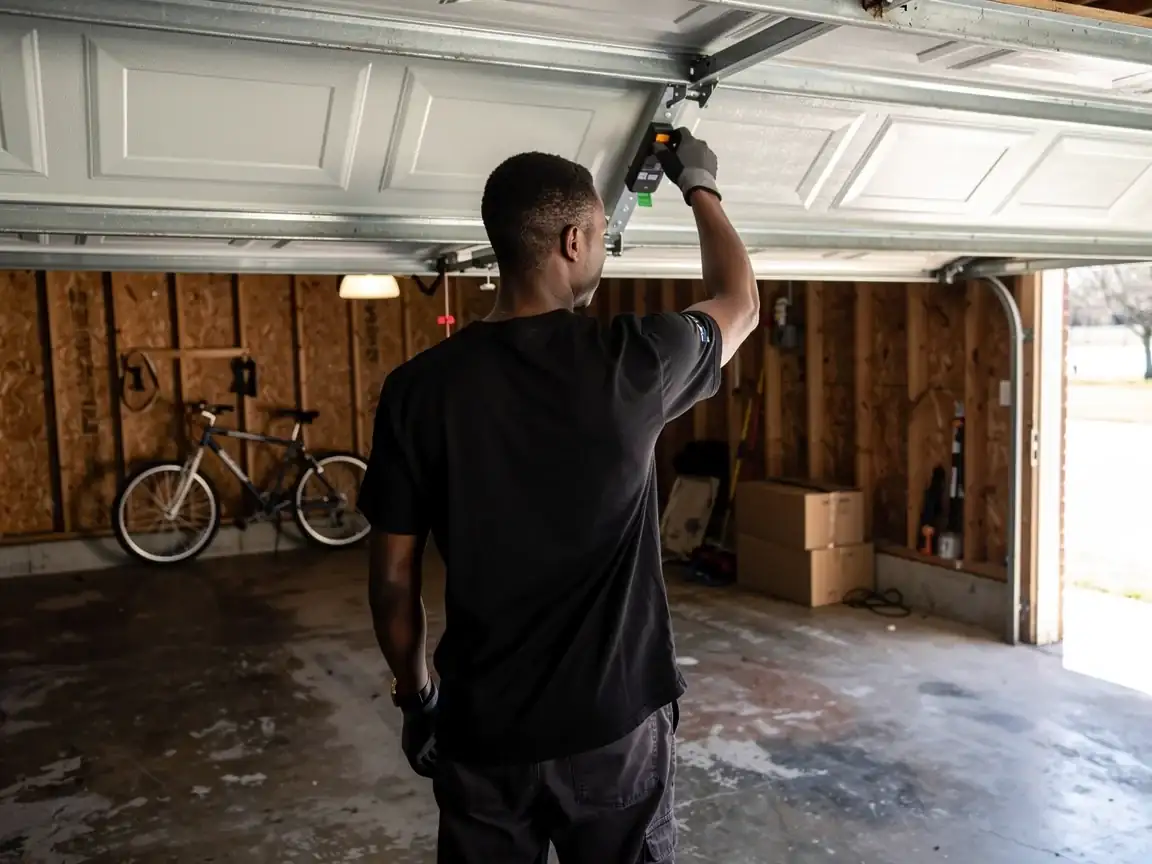
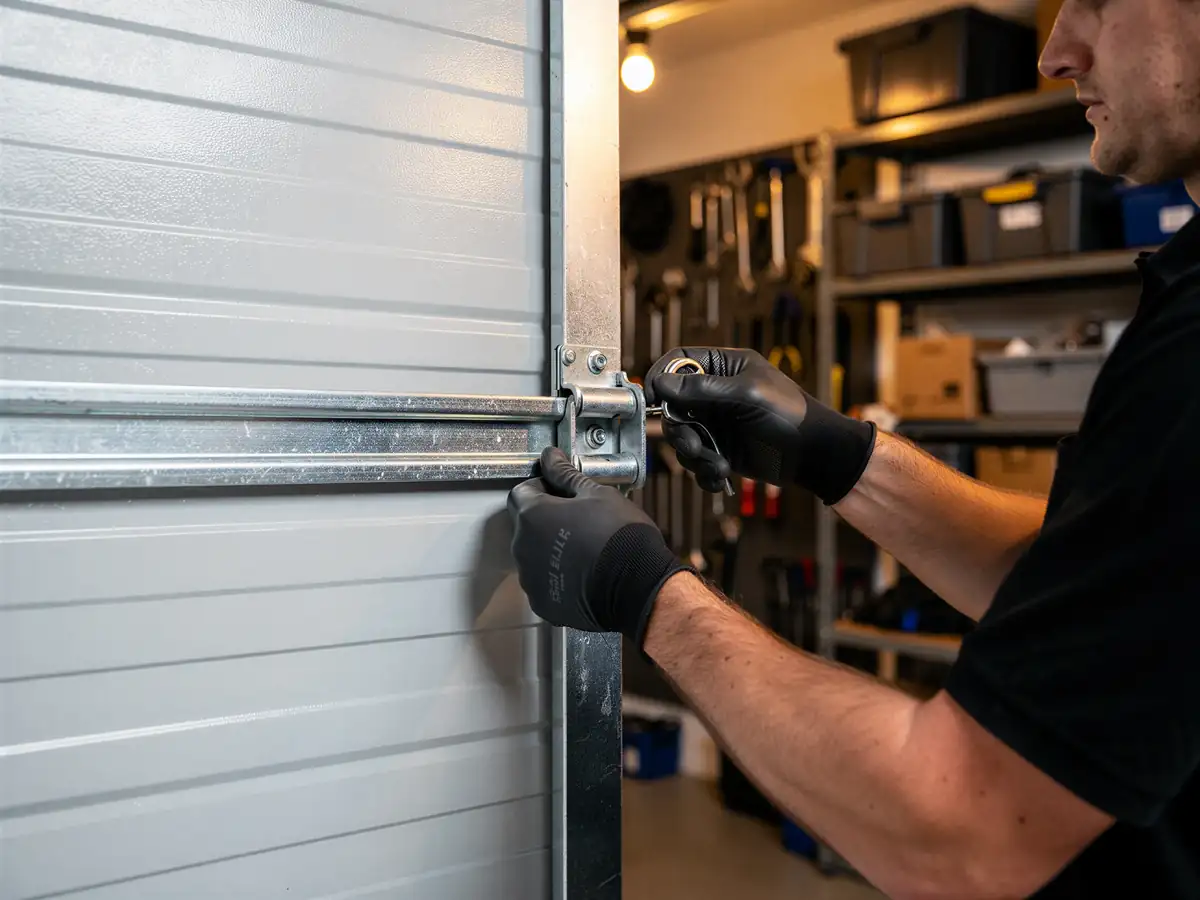
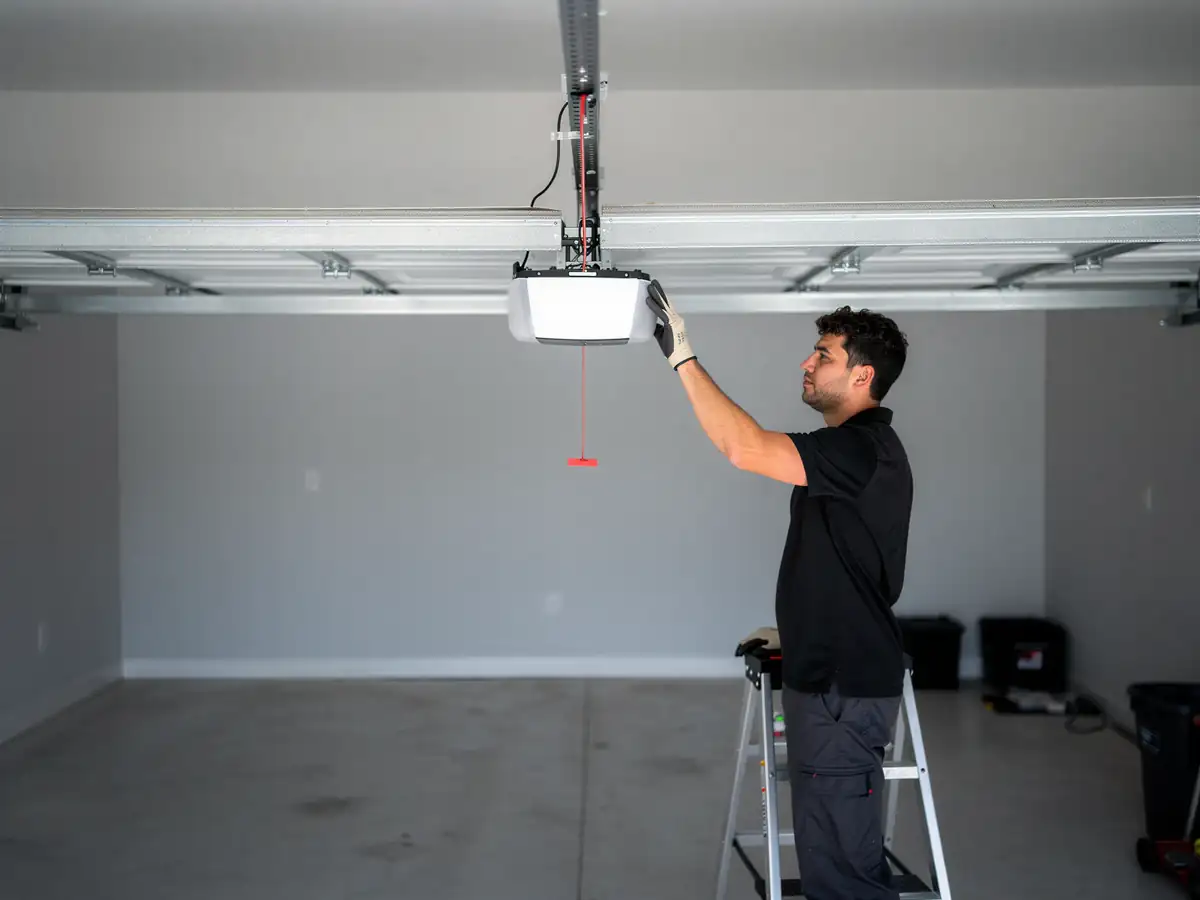
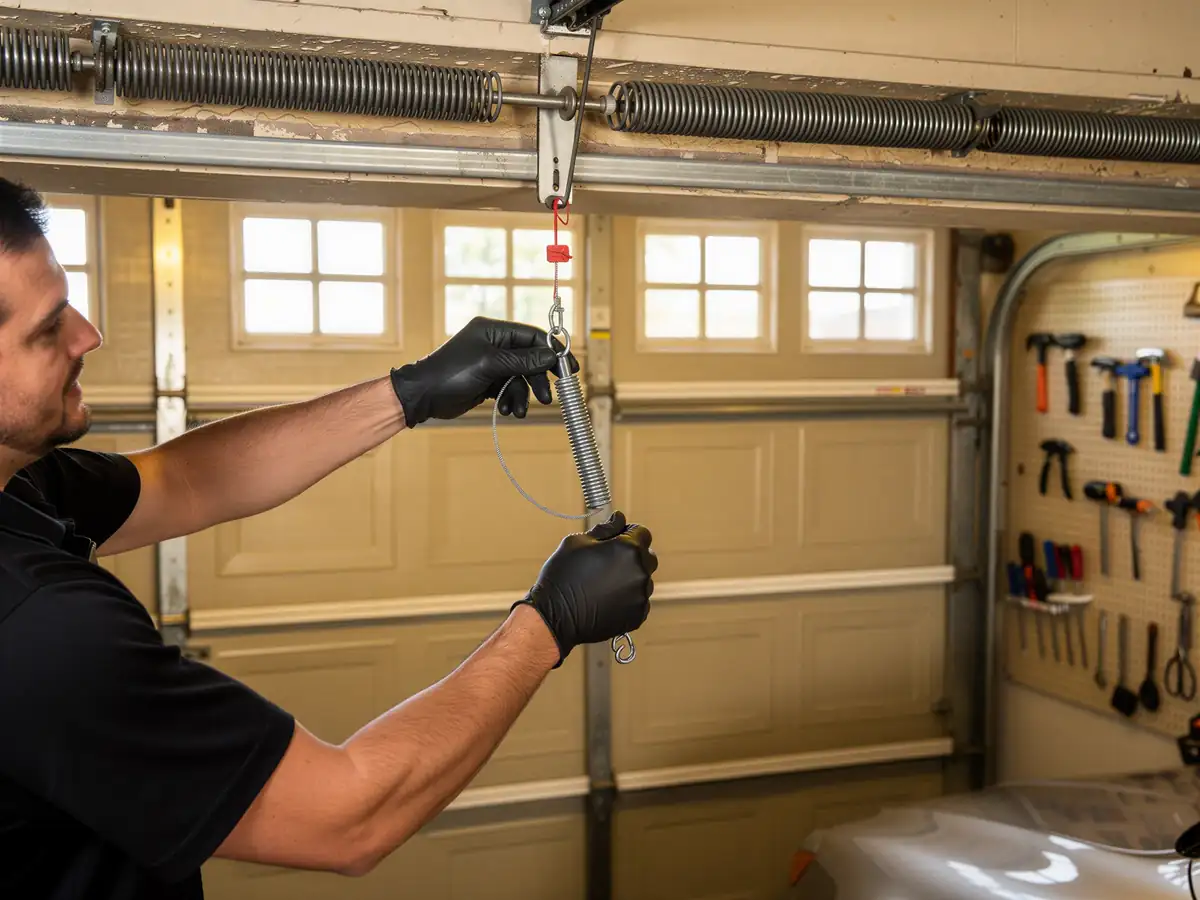
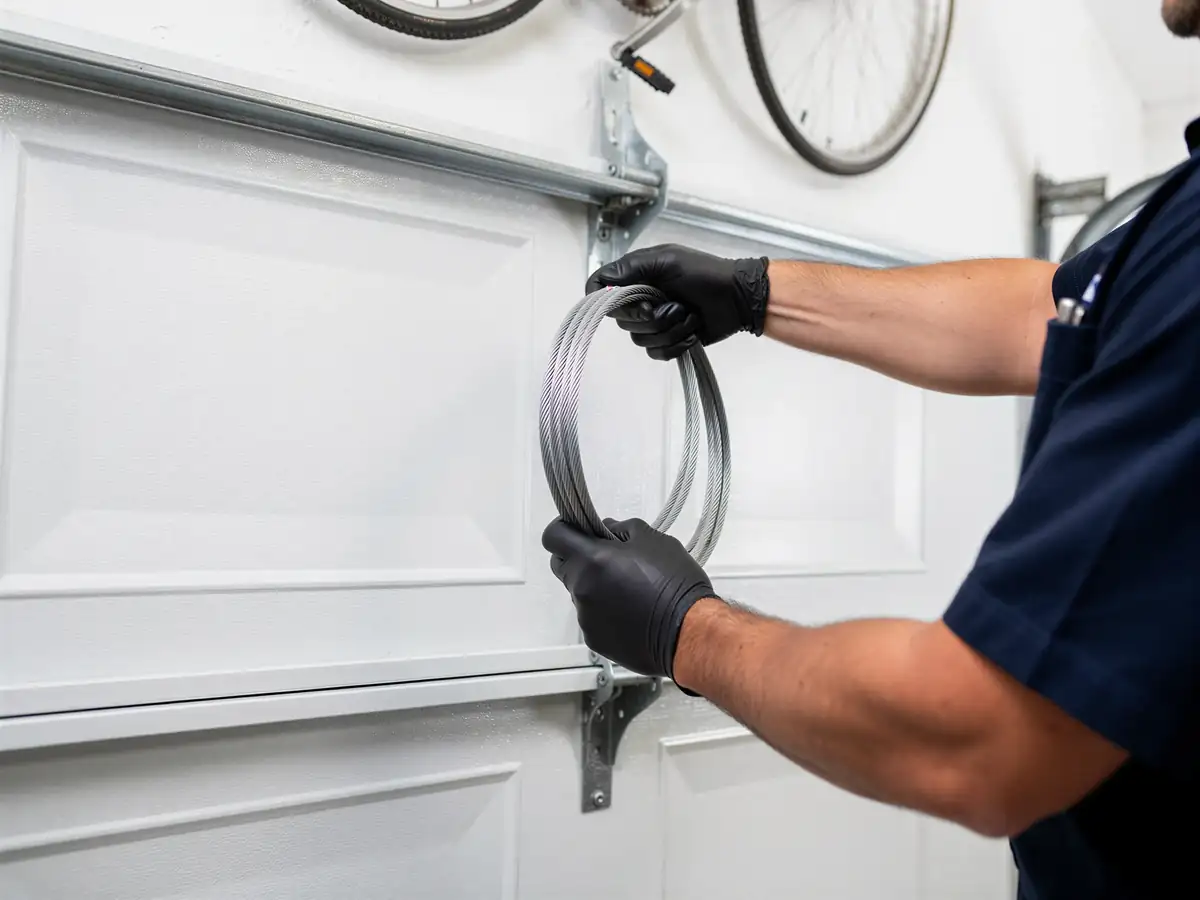
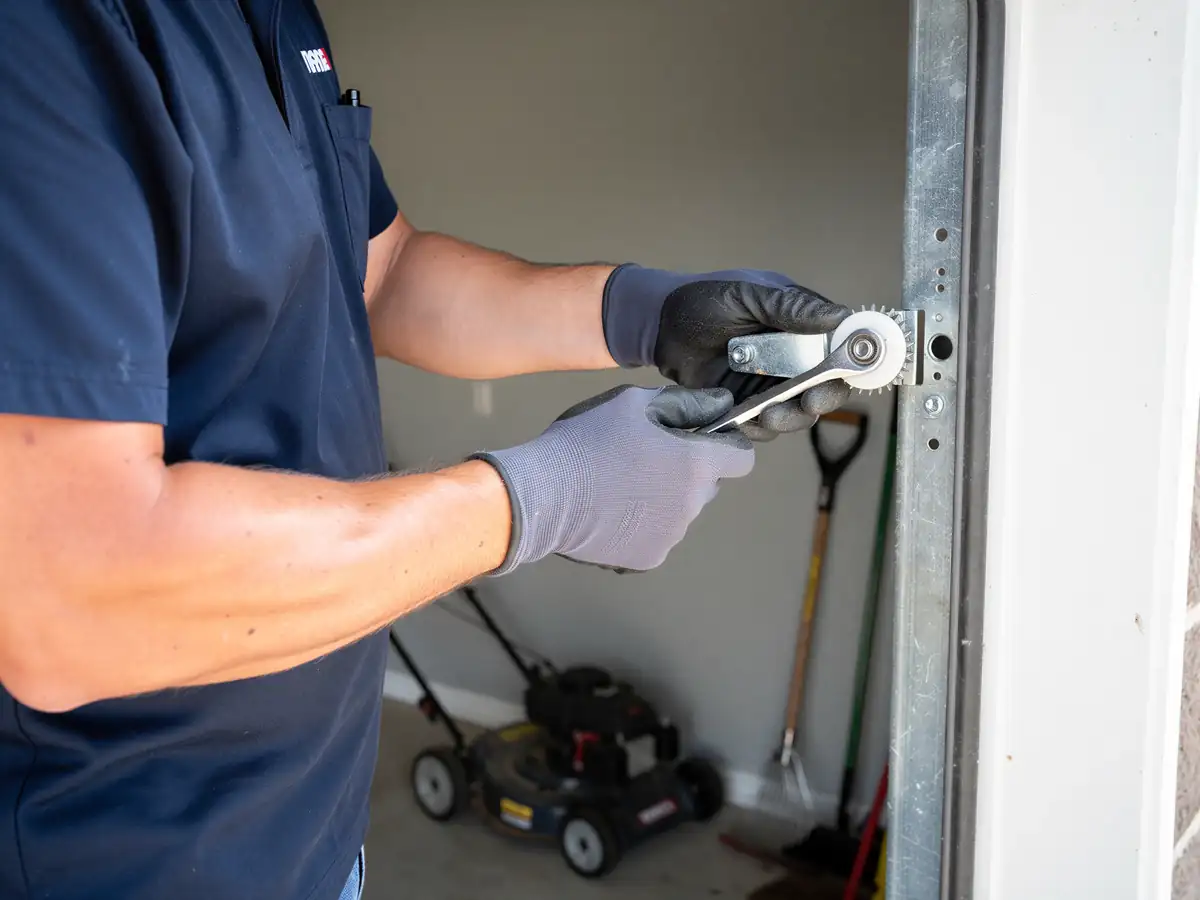
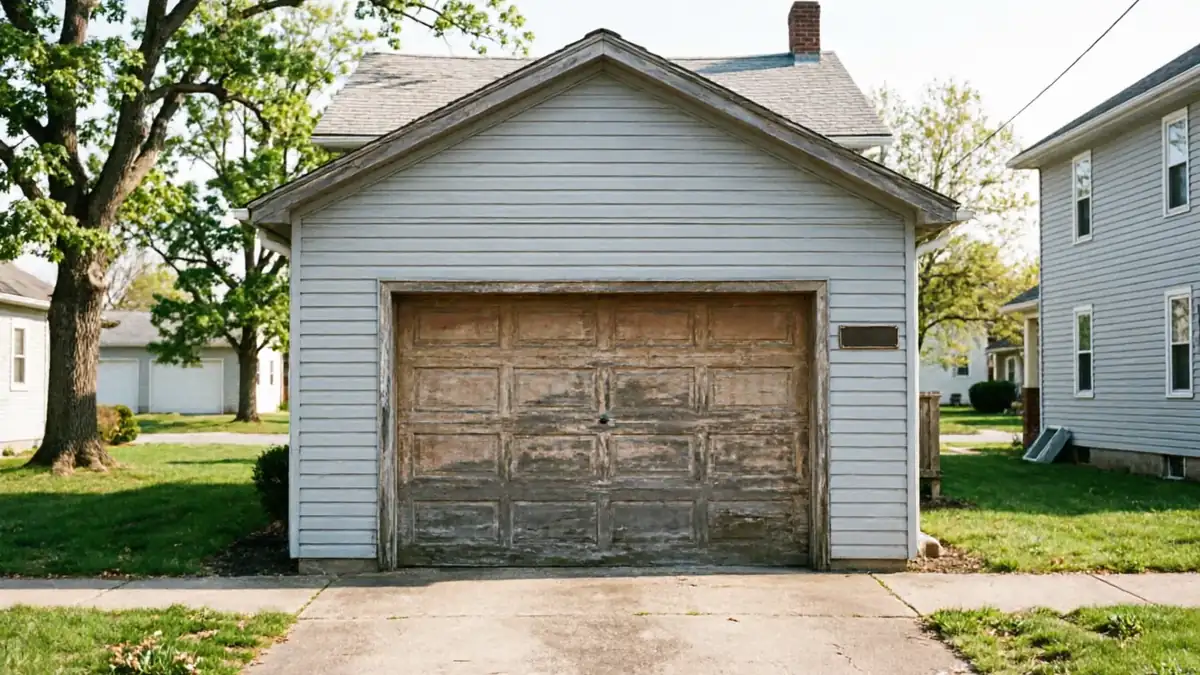
A lot of the doors we look at in McHenry sit on hardware that matches the house: the service area's housing stock runs from 1946 up through 2009, with the median build year landing around 1987. That means a huge share of doors still have the original torsion spring, the original rollers, and track bolted into framing that's had thirty-plus winters to shift. A worn roller or a loose hinge is a weekend fix. A torsion spring under tension is not. If the spring is wound and the door won't budge, or a cable has frayed near the bottom bracket, that's not a job to open up with a ladder and a socket set. The spring stores enough force to break a hand or a face. Where we draw the line: anything involving the spring, the cable drum, or the torsion tube gets a call, not a tutorial. Everything else - weatherstrip, hinge pins, a dragging sensor eye - a reasonably handy owner can manage. The honest limit on our end: if the door is original to a 1987-era build and the drum or shaft is pitted from rust, we're not going to patch it and send you on your way. We'll tell you straight when the part isn't worth stocking a replacement for.
What Local Conditions Do
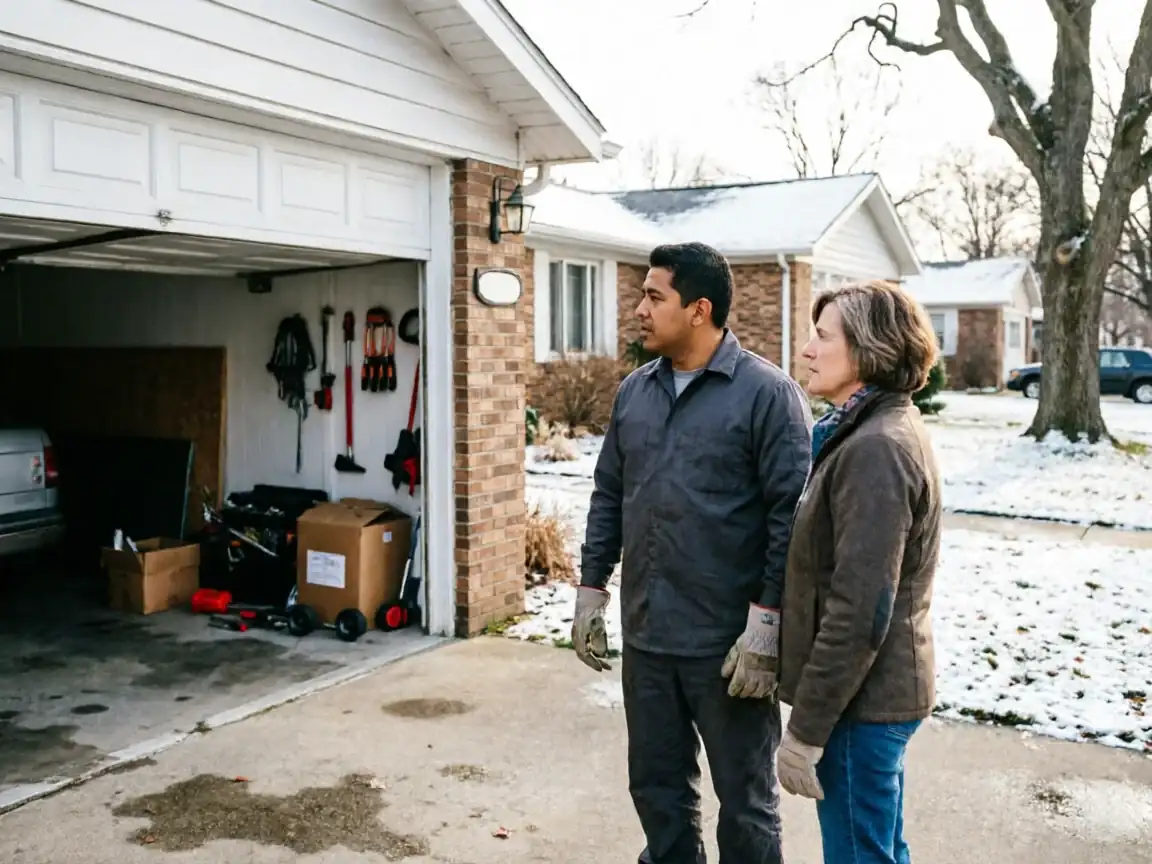
McHenry sits in a cold climate zone the federal data flags as severe, and that matters more for an older door than most owners expect. Steel panels contract in deep cold and expand again every thaw, and that cycle works on the same seams, the same screws, and the same weatherstrip groove all winter. On a door built in the 1980s or 90s - the era that covers most of the 57 named areas in this service territory - that steel is thinner than what ships today, and the bottom seal has usually hardened past the point of actually sealing anything. You'll see it as a line of frost on the inside of the door on a cold morning, or a track that's developed a slight bow where ice built up and let go. None of that means the door is done. It means the hardware is working harder than it was built to, and a spring that was rated for a certain cycle count twenty-five winters ago is further along than the sticker suggests. Cold doesn't create new problems so much as it finds every weak point already there - a loose track bracket, a spring a few winters past its rated cycles - and makes it fail on the coldest morning of the year instead of a mild one.
The Situation
Across the service area there are roughly 96,533 owner-occupied houses out of 156,361 households total, and a good number of those are sitting on doors original to builds from the 1946-2009 range, median 1987. With a median household income here of $113,125, most owners in McHenry aren't choosing between repair and replacement for lack of funds - they're choosing based on what actually makes sense for the door in front of them. That's a different conversation than it is in a lot of places, and it's why we don't default to selling a new door every time a spring goes. If the track is straight, the panels aren't rusted through at the bottom, and the only failure is the spring or a cable, fixing it is usually the right call regardless of the door's age. If the bottom panel has rusted out from years of snowmelt sitting against it, or the track is bent past where re-leveling fixes it, that's a different answer. The same logic holds in the towns right around McHenry - Johnsburg, Ringwood, Spring Grove, Wonder Lake - which share the same housing era and the same cold-climate wear pattern on hardware.