When It Stops Being a DIY Job
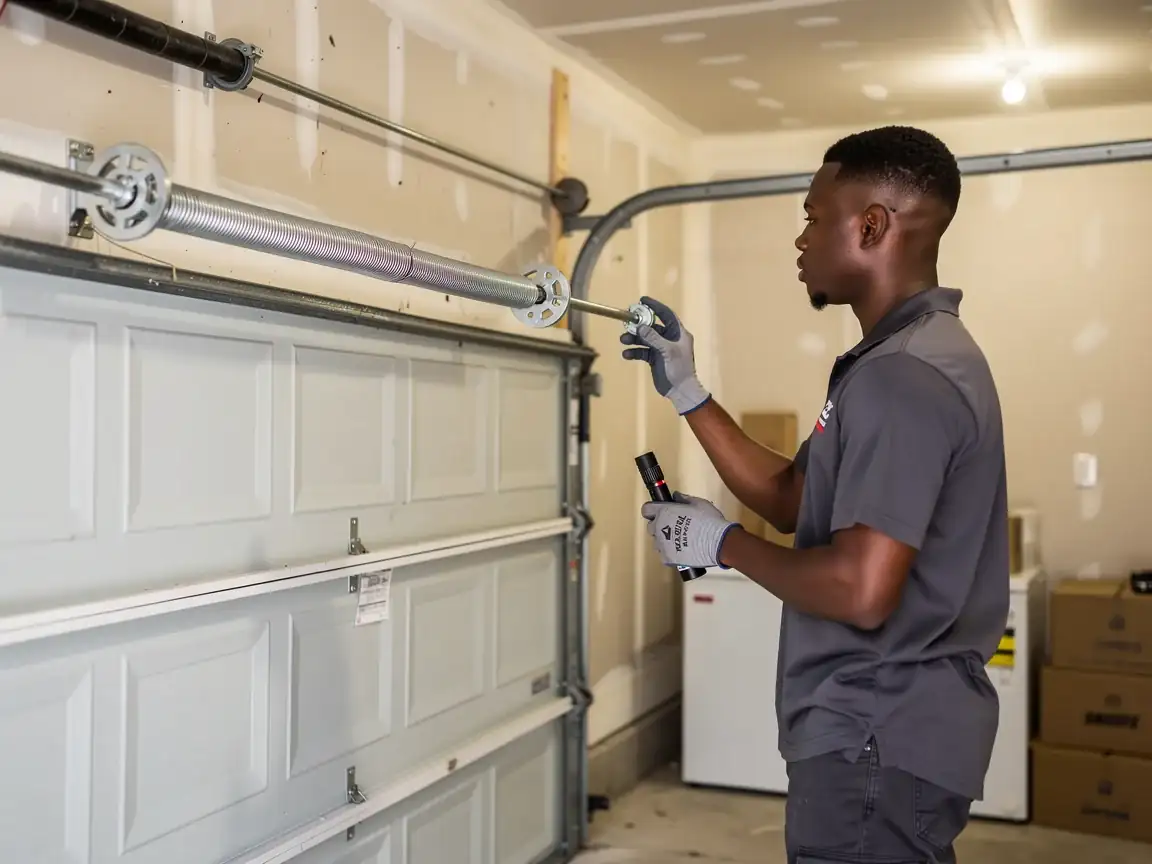
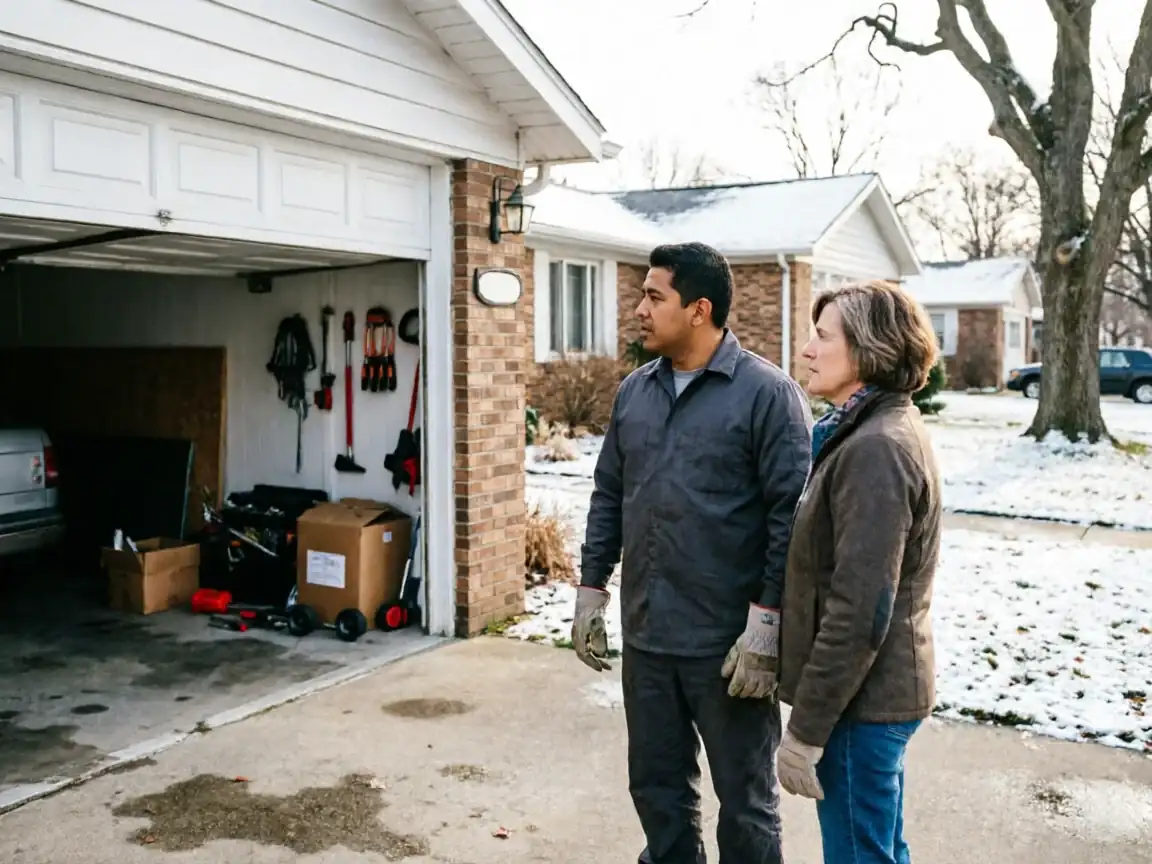
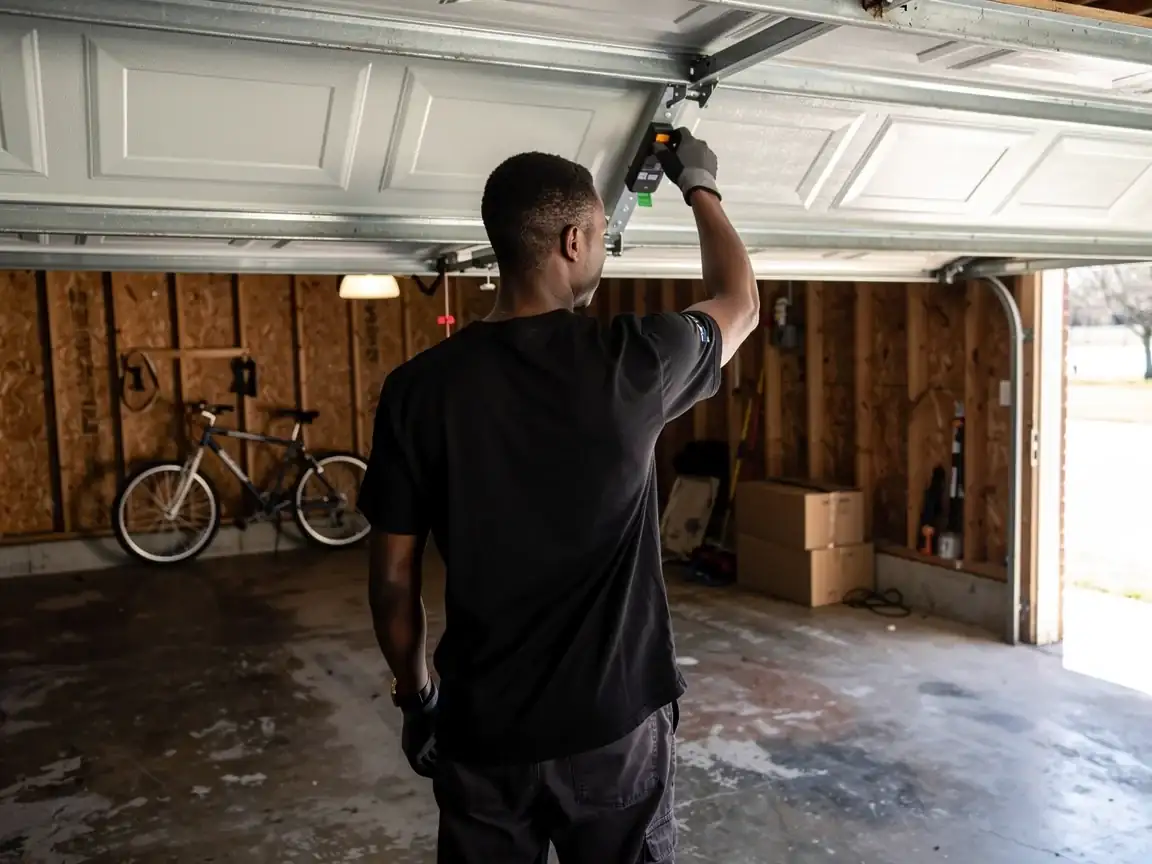
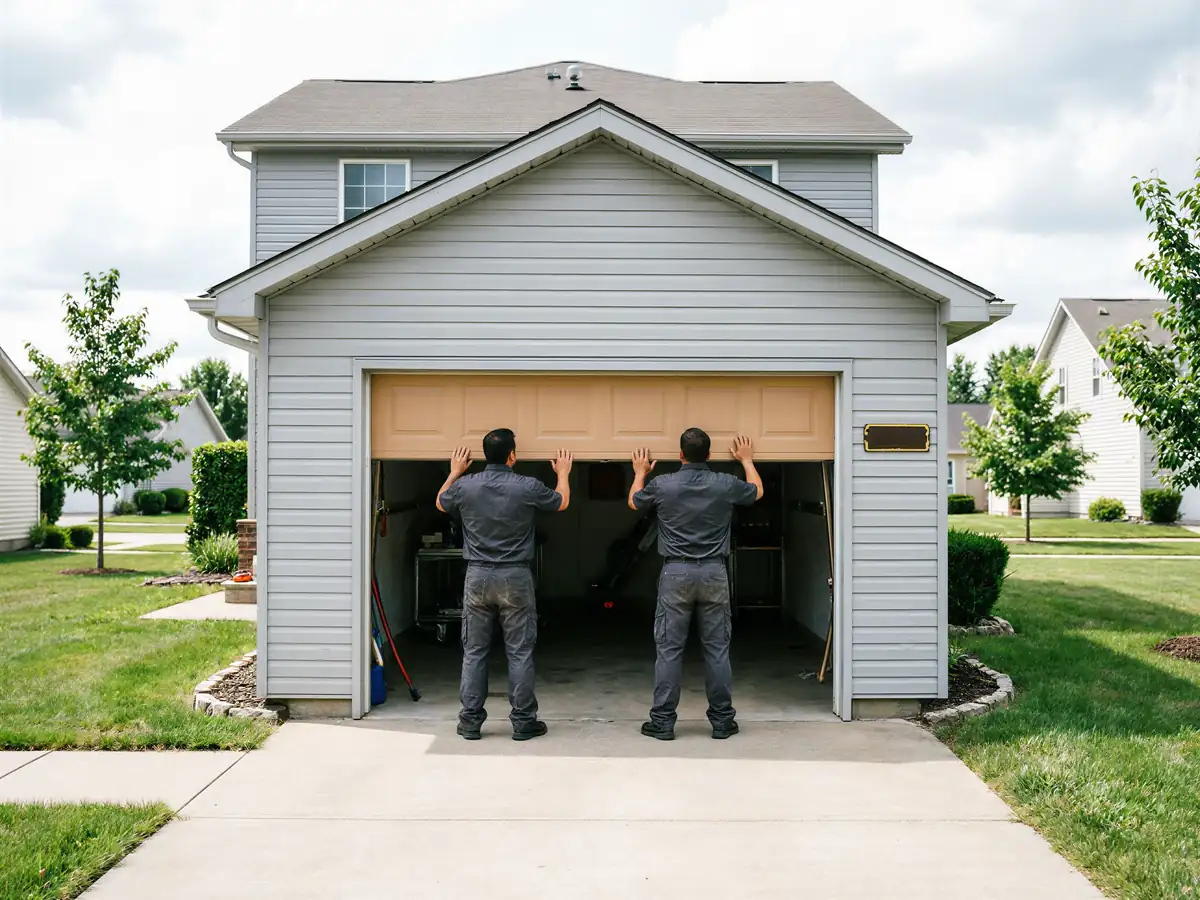
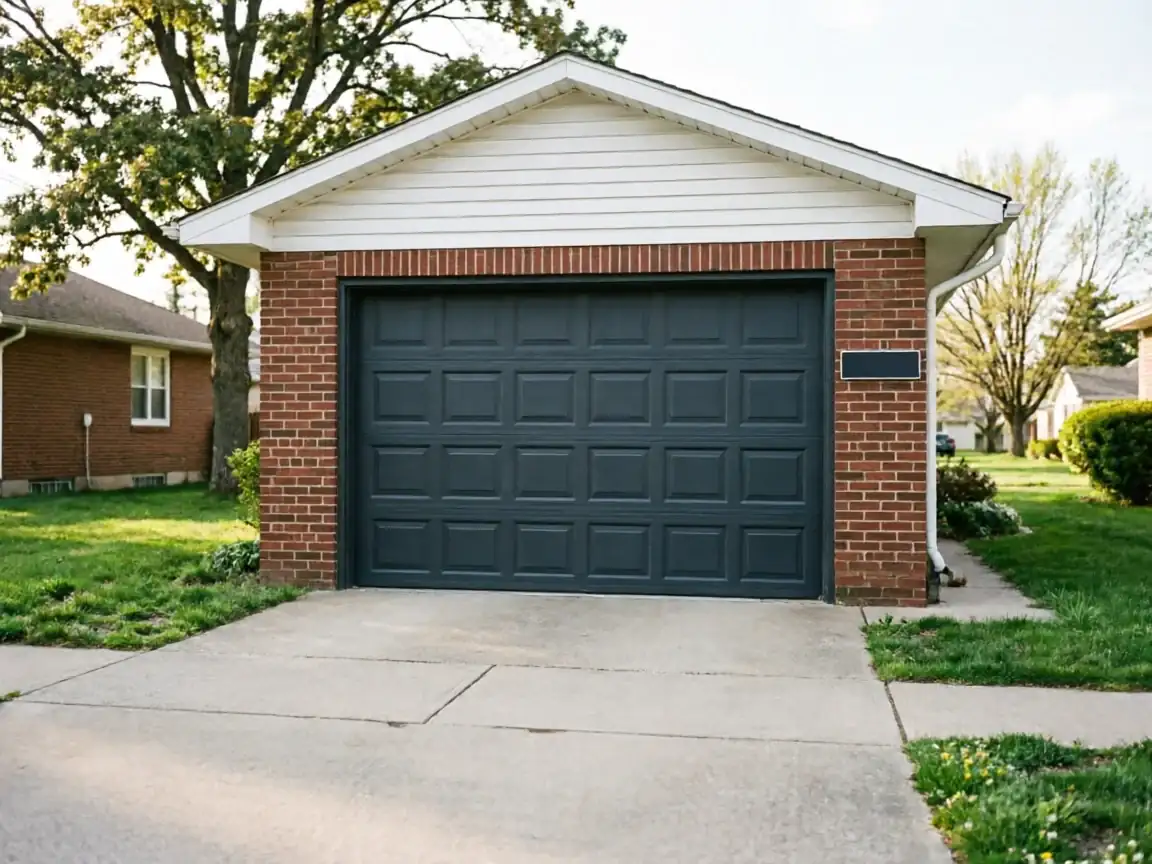
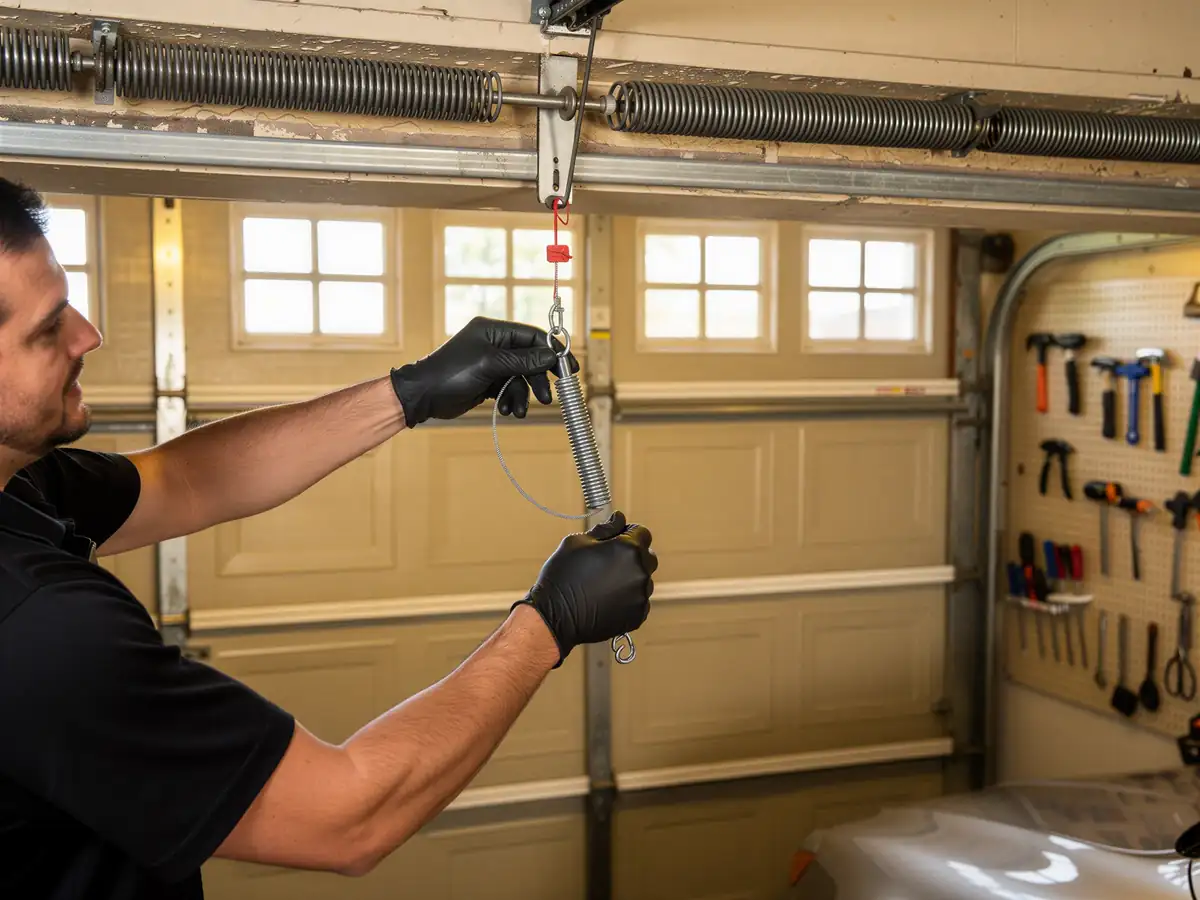
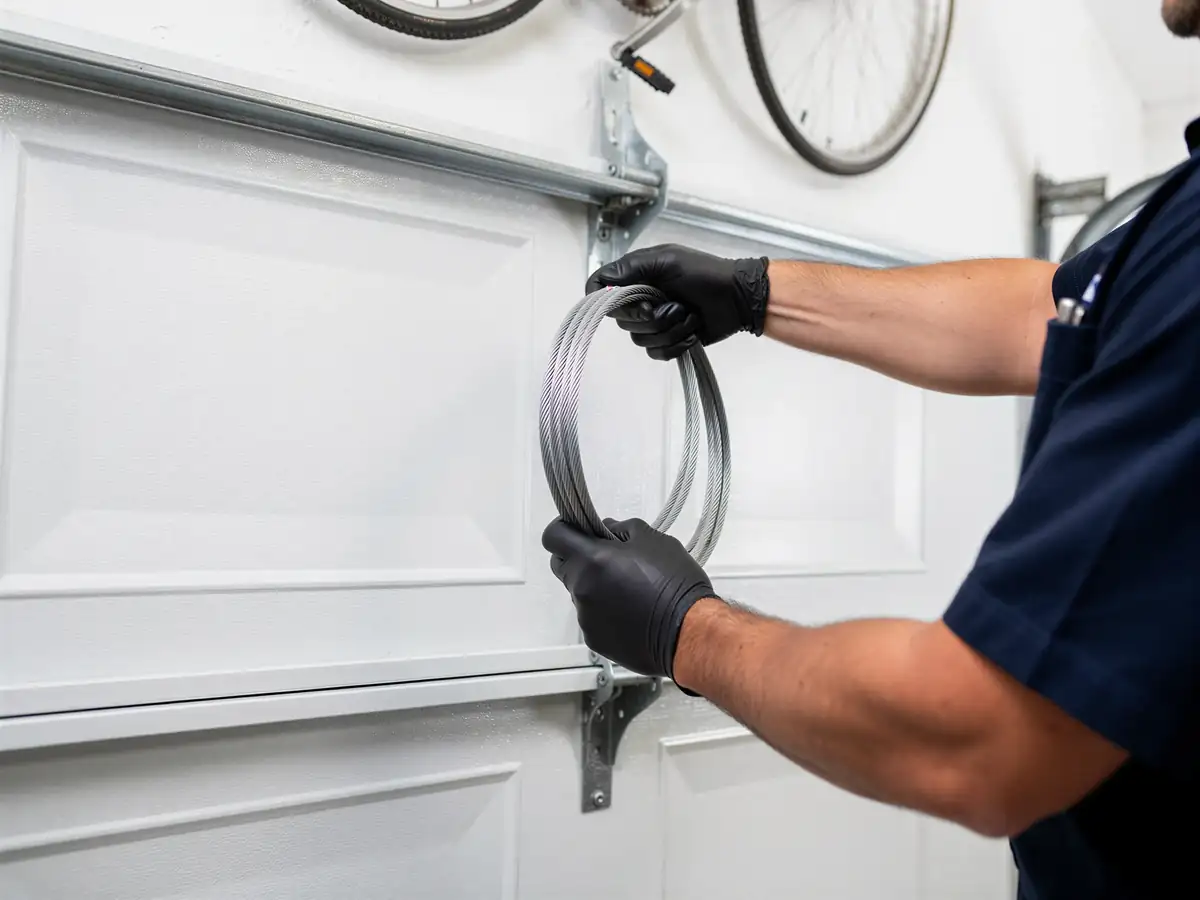
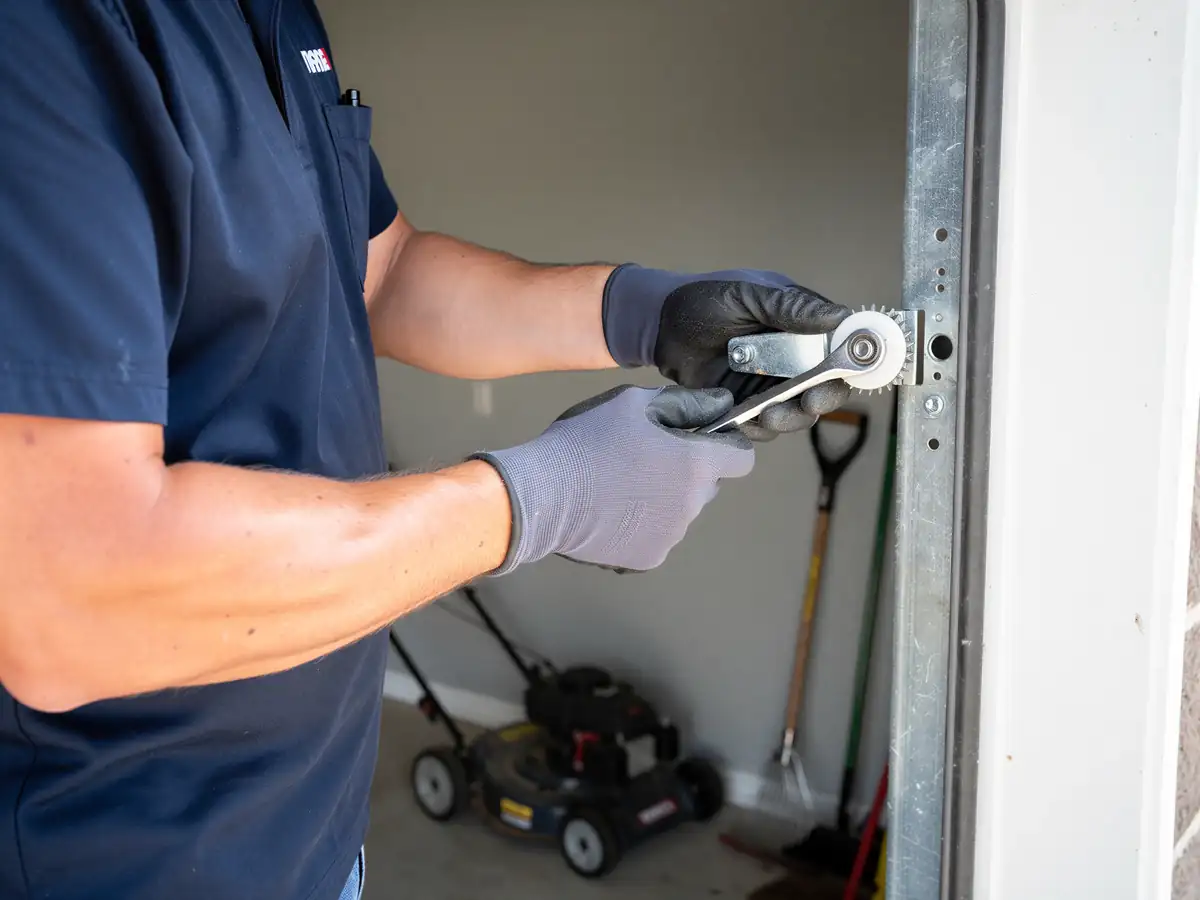
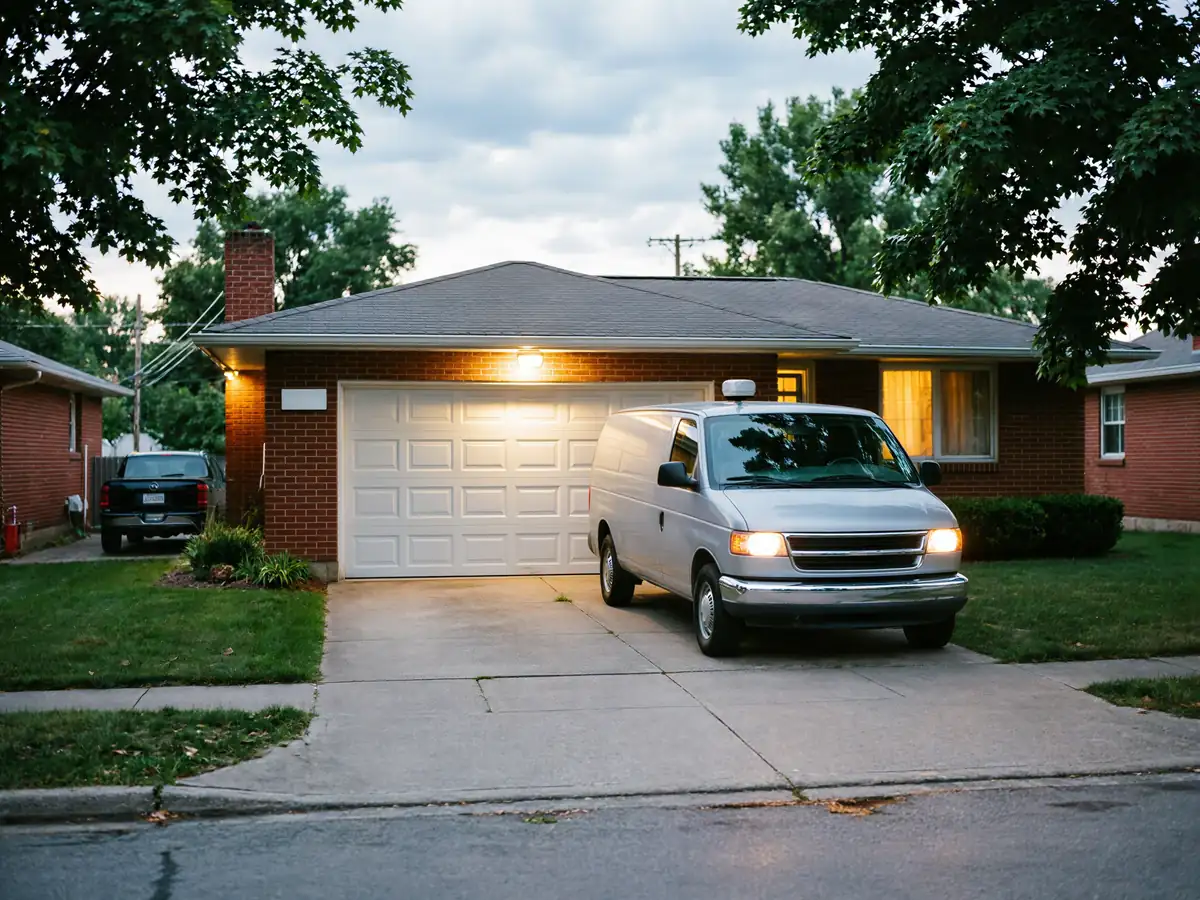
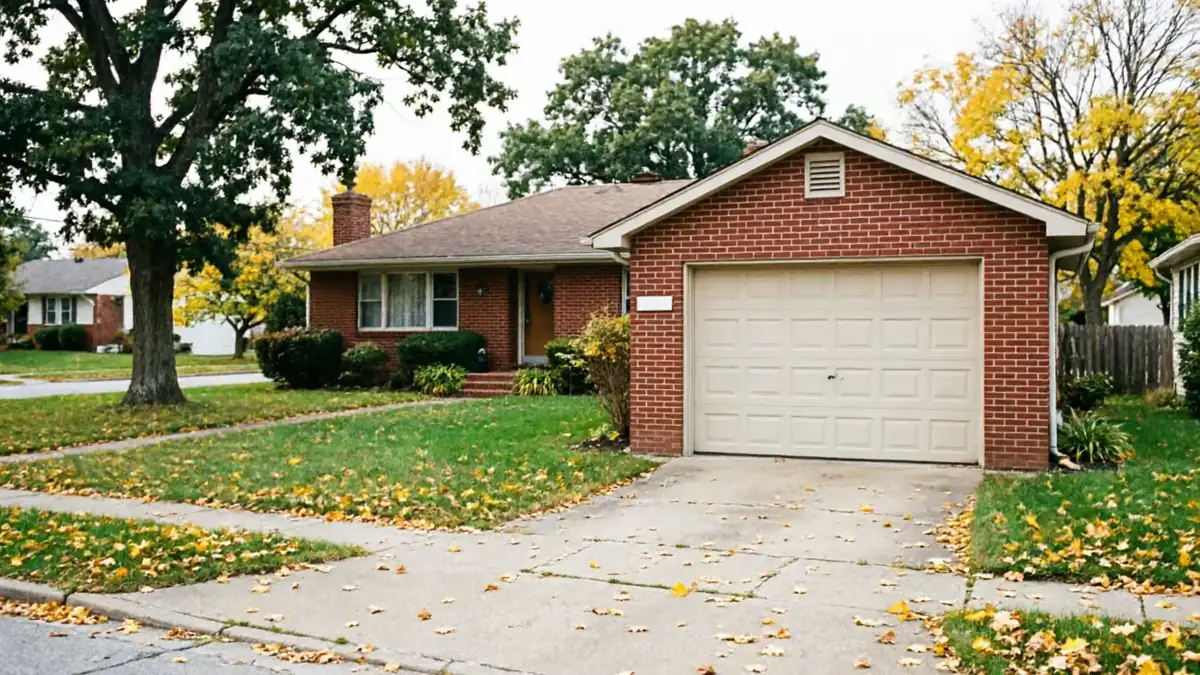
A lot of the door problems we see start as something a homeowner tried to fix with a can of WD-40 and a Saturday afternoon. That's fine for a squeaky hinge. It stops being fine once you're dealing with a detached garage that's twenty feet from the house and sitting on its own slab, because that structure moves differently than the one bolted to your living room wall. Houses in this area went up mostly between 1946 and 2009, with the bulk of that stock from the 1980s and 90s, and the detached outbuildings from that era were often framed lighter than the attached garages built into the main structure. That means the door opening itself can rack slightly over the decades, and a torsion spring sized for a square opening starts binding on one that isn't anymore. If your detached garage door is dragging on one side, or the attached one next to your mudroom is fighting the opener every time it closes, that's past tune-up territory. A shop with the right bar clamps and winding bars should be the one touching a wound spring, full stop - that's not a DIY call regardless of which garage you've got.
What Local Conditions Do
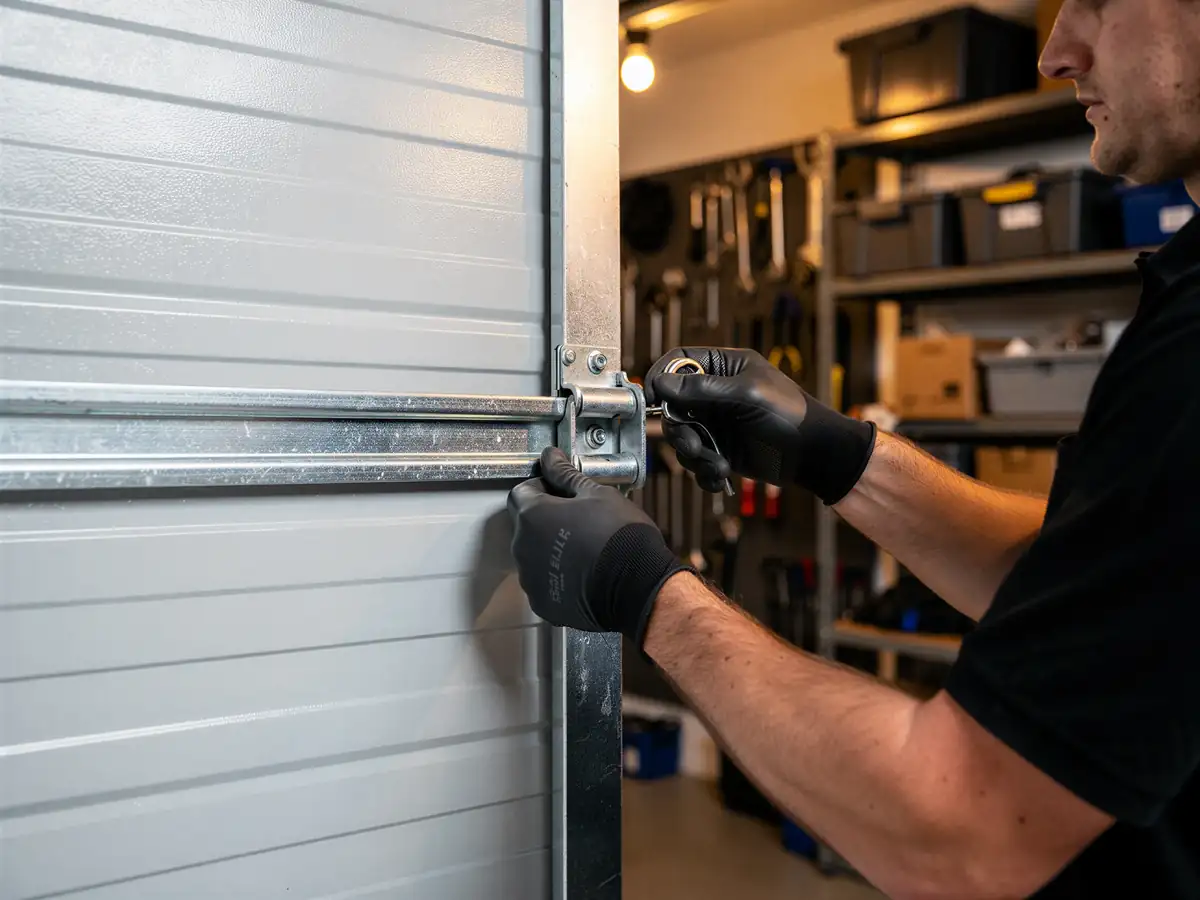
McHenry sits in a severe cold climate band, and that hits attached and detached garages differently. An attached garage shares at least one wall with conditioned living space, so it stays a little warmer through winter even with no heat source of its own - enough that hardware doesn't fully cold-soak the way it does in a standalone structure. A detached garage has no buffer. Steel rollers, nylon bushings, and the grease in a torsion spring's winding cone all stiffen up faster out there, and we see more hard-starts and strained openers in detached units once temperatures drop hard. The other piece is condensation: an attached garage next to a heated house gets more humidity swings at the door seal, which is where you see bottom astragal and weatherstripping fail first on houses from the 1980s-90s stock that make up most of this area. Detached garages, being unheated and often less sealed to begin with, tend to show wear on the panels and hinges before the seals go. Neither one is the