When It Stops Being a DIY Job
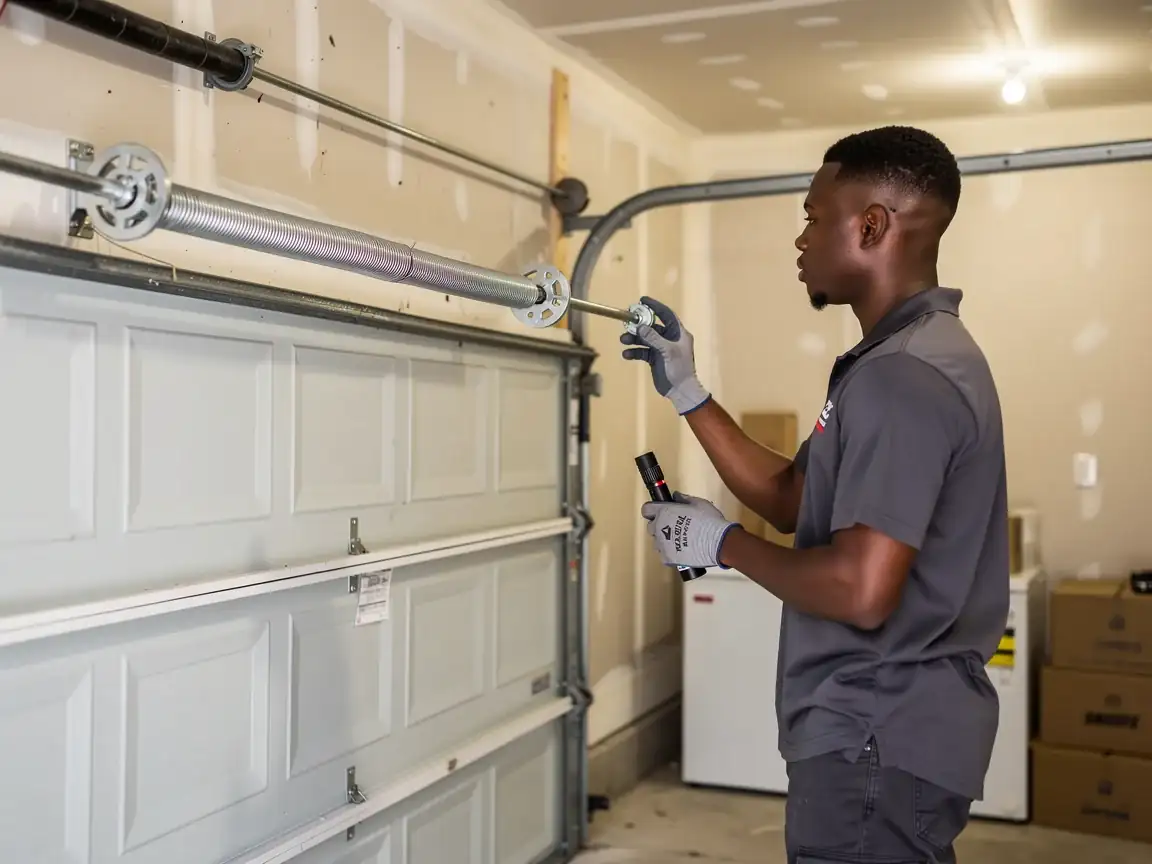
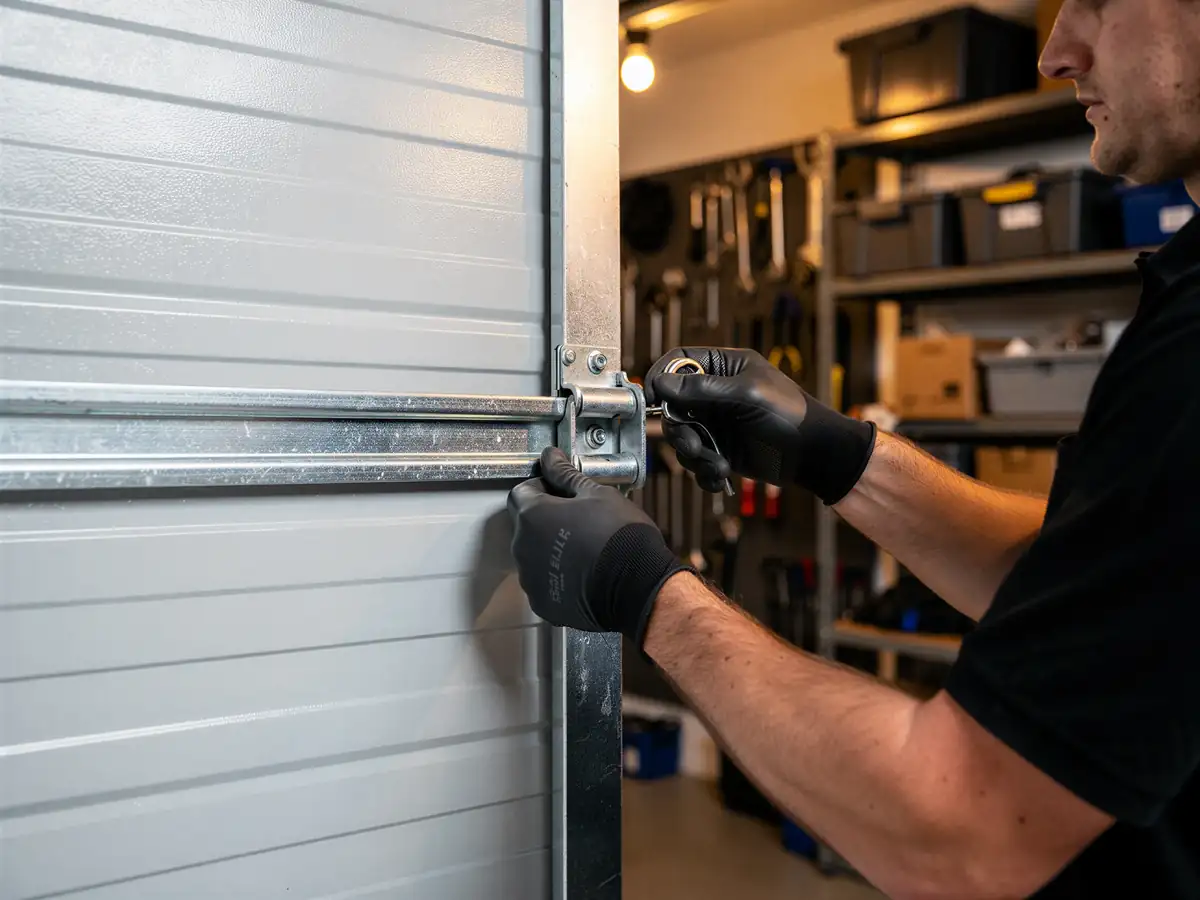
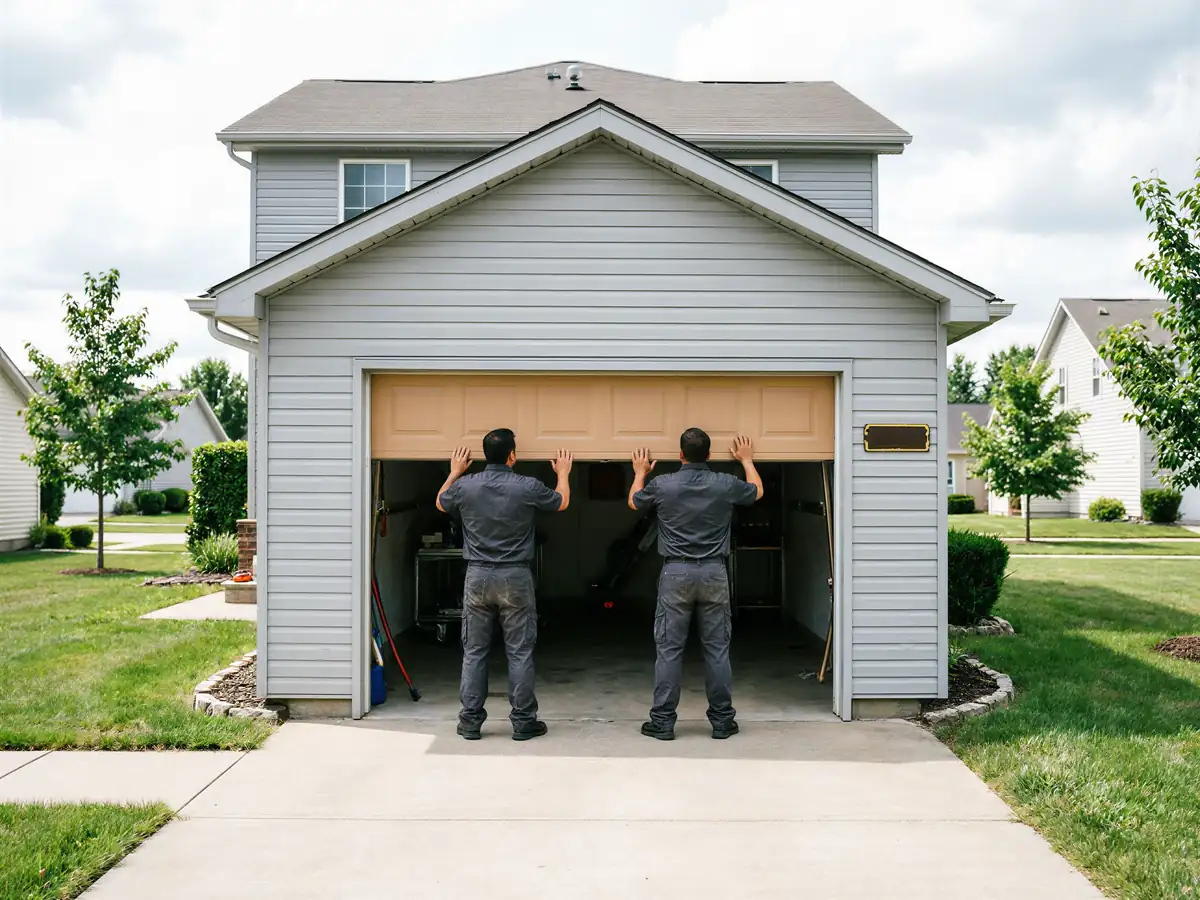
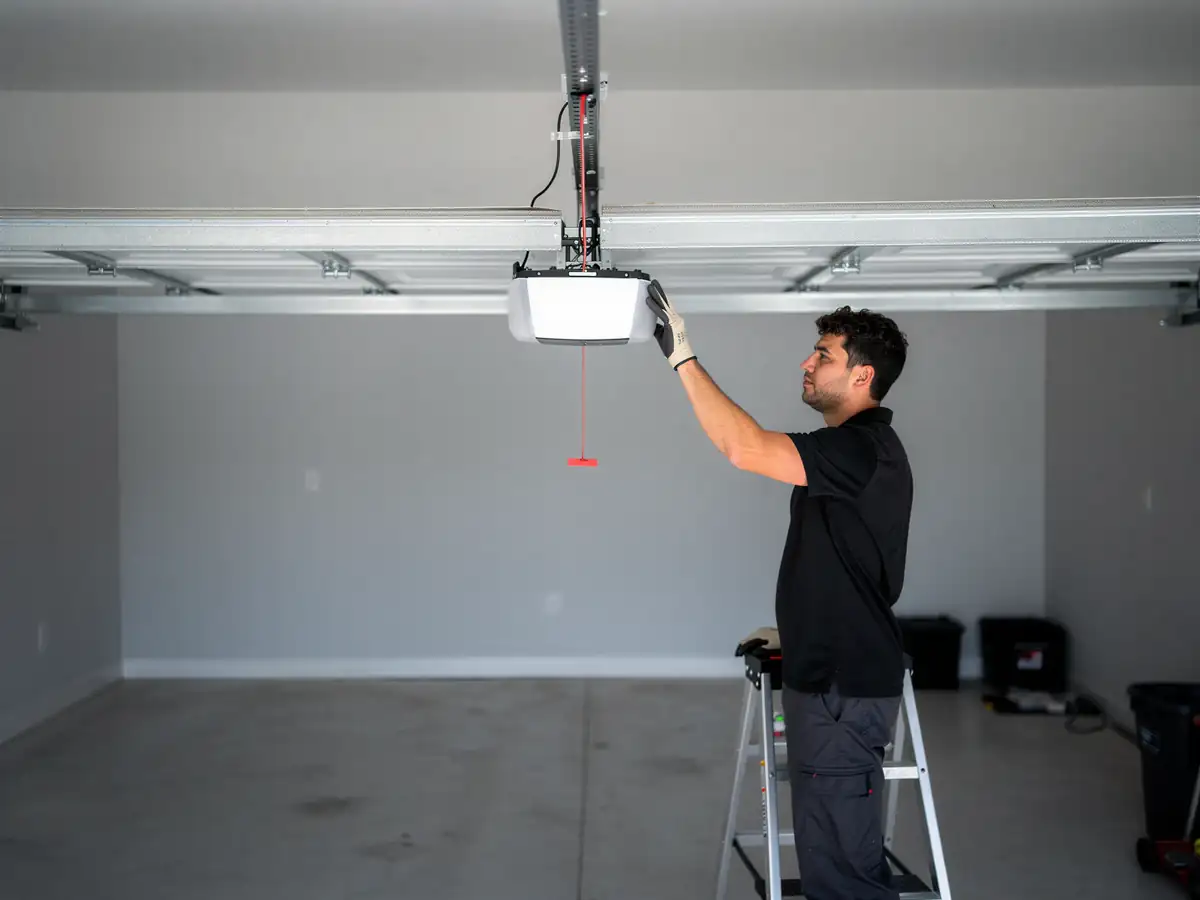
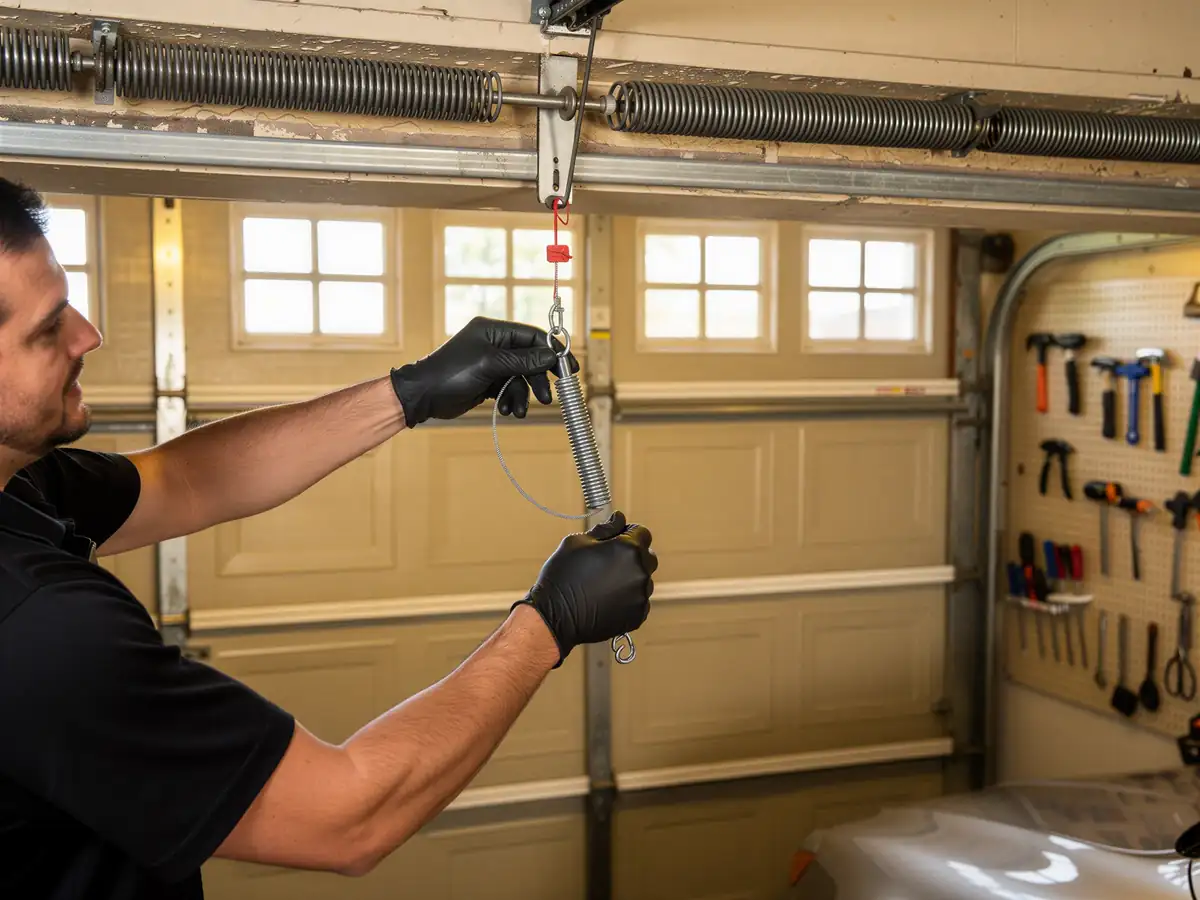
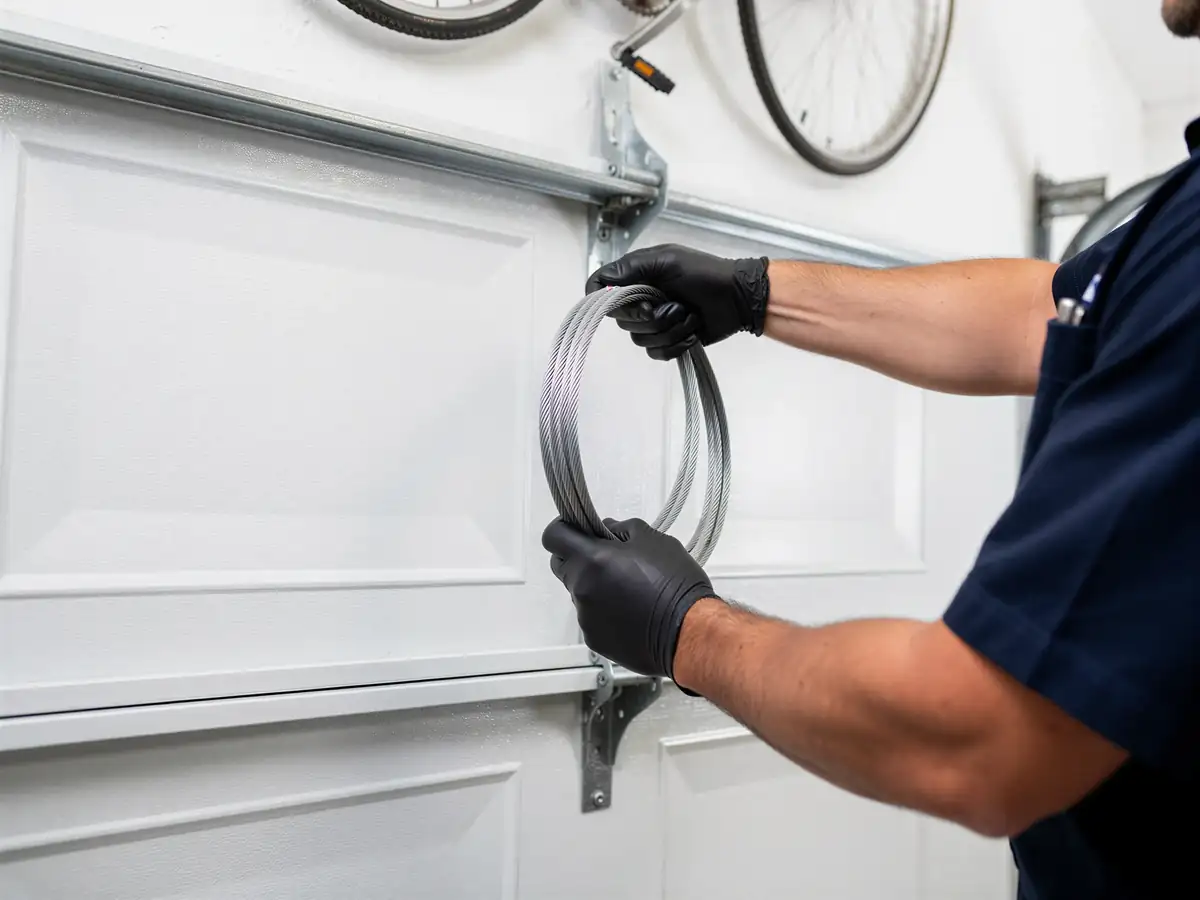
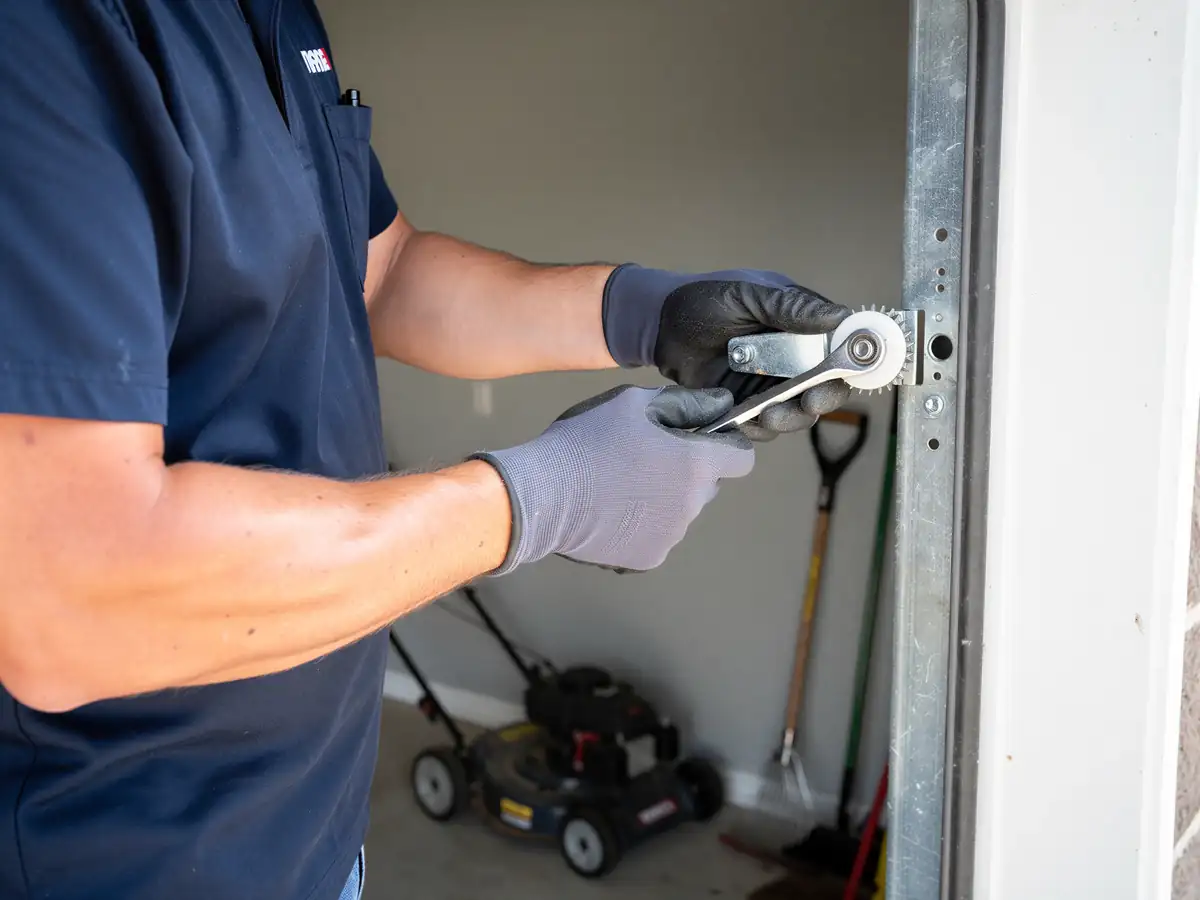
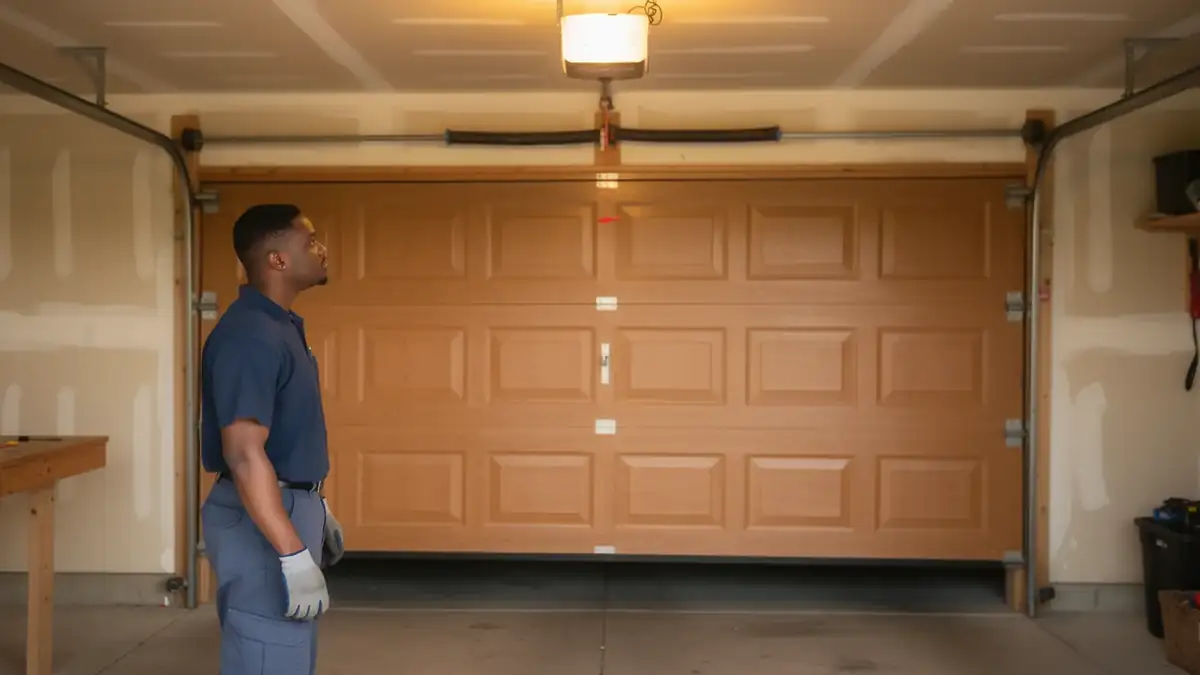
A lot of McHenry houses were built when the median year on record is 1987, which puts most garages here on torsion or extension spring setups that are now thirty to forty years old. That's past the design life for a spring under COLD-severe winter cycling, and when one of those breaks, the door is a two-person steel panel hanging on a single remaining cable. That's not a tighten-a-bolt fix. If the door won't budge, or budges and then drops, stop pulling on it. The same goes for a cable that's frayed at the drum - you can see the strands, and once you see them, the cable is done, not 'probably fine for now.' Where this stays DIY: a noisy roller, a track bolt that's backed out a quarter inch, hinges that squeal. Lubricate, snug the bolt, done. Where it stops being DIY: anything involving the spring, the cable, or the opener's drive gear grinding under load. On a 1980s-90s build, the gear-driven openers common to that stock wear a nylon gear that strips quietly - the motor still hums, the door just doesn't move. That's a part swap, not a lubrication job, and it's worth a call rather than a second trip to the hardware store.
What Local Conditions Do
COLD severe means real freeze-thaw, not just a cold snap. Steel panels contract in January and expand back in a spring thaw, and over enough cycles that works bolts loose and turns a quiet door into one that bangs on the way up. Houses built in the 1987 median window weren't built with today's double-wall insulated panels - plenty of that stock has a single steel skin that telegraphs every temperature swing straight into the hardware. Grease that's fine in August goes stiff at single digits, which is why a door that closes smooth in fall starts groaning or hesitating by January. That's not the opener weakening - it's lubricant behaving like it should at that temperature. The honest limitation here: we can't tell you which exact failure you'll get from cold alone, because stiff grease, a tired spring, and a loose track bolt all sound similar at first. What cold reliably does is take a part that was already marginal and make it fail now instead of in June.
The Situation
McHenry sits among a cluster of smaller communities - Johnsburg, Ringwood, Prairie Grove, and Wonder Lake all within about four miles - where the housing stock runs the same 1946-2009 range and sees the same cold. That matters less for who we drive to and more for what parts we carry, since a repair call in this area is as likely to need a 1990s torsion spring as anything newer. Household income in the area runs well above the state median, which shows up less in flashier doors and more in people replacing a worn opener before it fails completely rather than running it to zero. We don't stock every obsolete panel style from the 1940s-era homes still standing closer to town - sometimes that means a short wait on a matched replacement rather than a same-day swap, and we'll tell you that up front instead of promising otherwise.