Why This Fails Locally
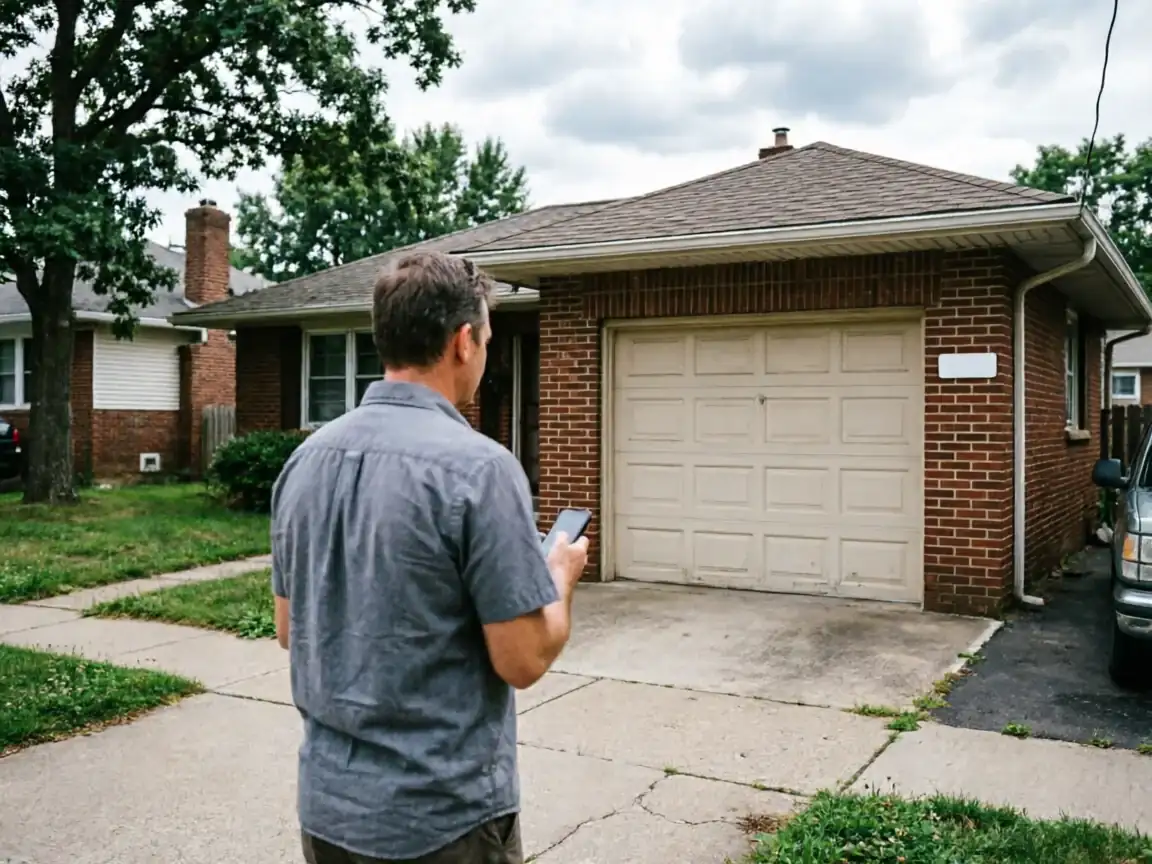
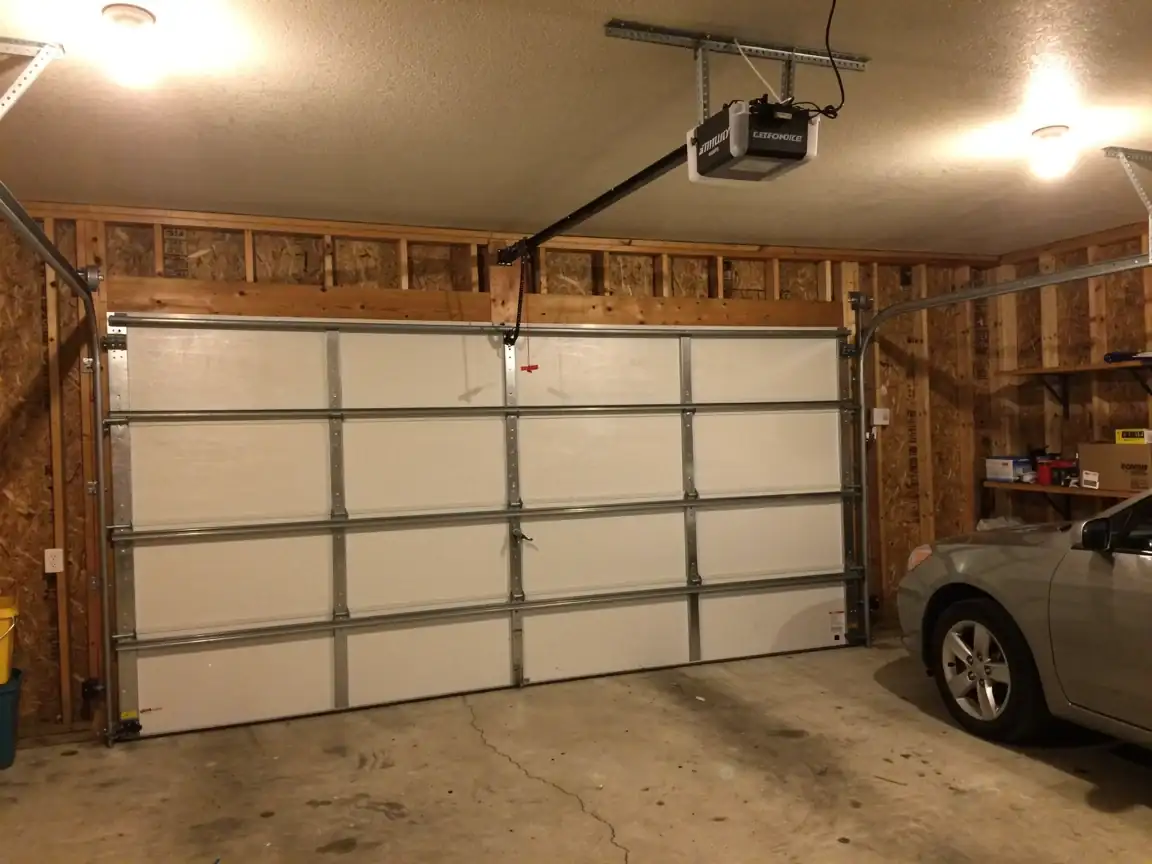
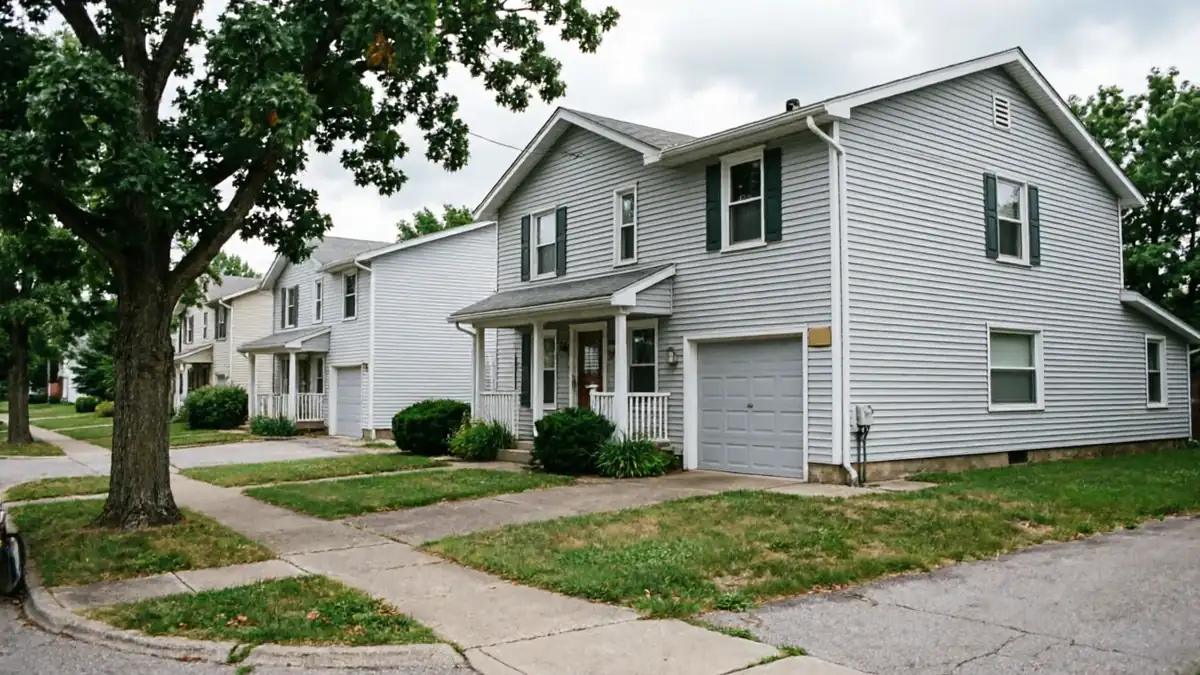
Most garage door openers in McHenry County homes date from that same 1980s-to-90s building wave, which means a lot of chain-drive units with the original circuit boards still bolted to the ceiling. Housing in this service area went up mostly between 1946 and 2009, with the median year sitting at 1987 - that's a specific window, and it matters because opener technology from that stretch used steel gears, simple relay boards, and screw-drive assemblies that were never designed to run for three and four decades straight.
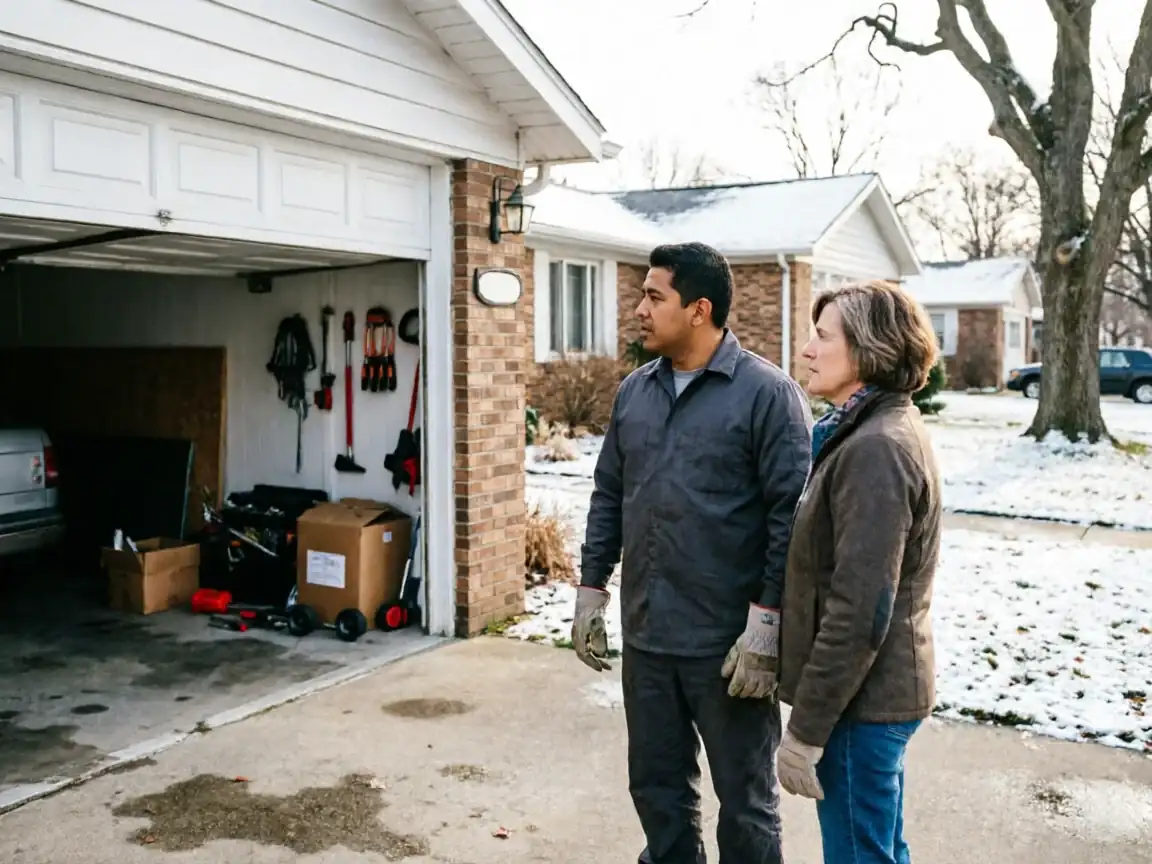
Then there's the cold. This is a severe cold climate band, not a mild one, and that changes how an opener ages. Grease on a drive rail thickens in January, plastic drive gears get brittle and shed teeth, and capacitors in older circuit boards fail faster when they cycle through repeated freeze-thaw swings in an unheated garage. A motor that would run another ten years in a warmer region is already stripped out here.
From McHenry out to Woodstock, Wauconda, and Fox Lake, the area's 96,533 owner-occupied houses mostly share that same construction window, with the bulk clustered in the 1980s and 90s. That's not a coincidence - it's why opener repair calls across this whole service area follow the same pattern year after year.
Doing It Yourself
Some opener trouble is genuinely a homeowner job. Check the safety sensors near the floor - a spider web or a kicked-over paint can blocking the beam will stop the door from closing and that's a wipe-down, not a repair call. Dead remote batteries, a travel-limit setting that's drifted, or a motor unit that's simply unplugged after someone used the outlet for a shop vac - all fixable in five minutes with no tools.
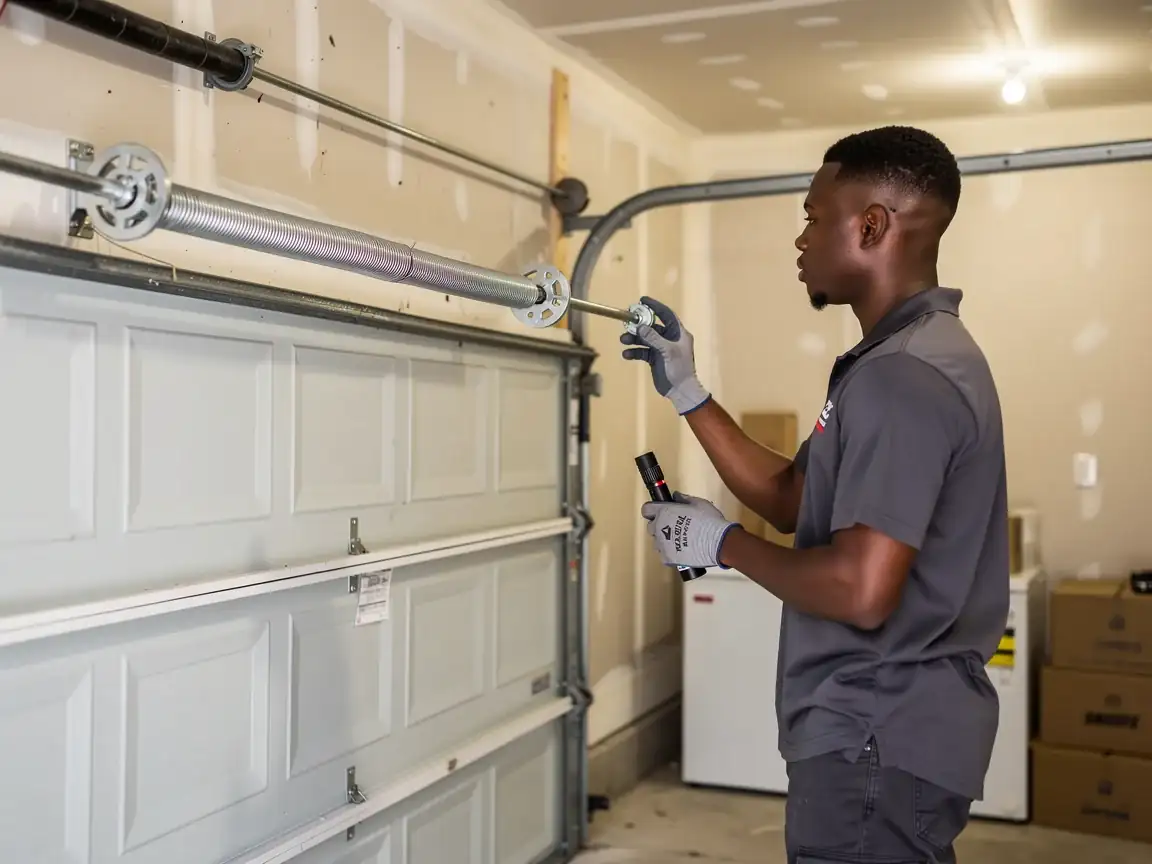
What you can't safely sort out yourself is anything involving the drive gear, the motor windings, or the logic board itself. Those parts are specific to the opener's make and year, and a house built in that 1980s-90s window often has a model where the board is long out of production. We don't stock every board for every opener made in that era - some of those parts have a real lead time, and that's worth knowing before you assume a same-day fix is possible.
If the opener runs but the door doesn't move, or if you hear grinding before anything happens, stop trying to force it. Forcing a stripped gear or a jammed chain usually turns a $150 repair into a full opener replacement.
What Can Go Wrong
The most common failure in houses from this era is a stripped drive gear
A small plastic gear inside the motor housing that wears down after years of use and finally shears its teeth, usually in cold weather when the plastic has gone brittle. The opener hums, the motor turns, but the trolley never moves.
Second most common: circuit board failure
Boards from the 1980s and 90s construction wave weren't built with the capacitors modern boards use, and repeated cold cycling in an unheated garage shortens their life. When the board goes, you get a dead unit, a light that blinks but nothing else happens, or an opener that runs the wrong direction.
Chain and belt tension slipping is third
Chains stretch over the years and belts get flung out over their track, and if nobody's adjusted the tension in a decade, the door starts to lag behind the trolley or reverses partway through its cycle. None of these three are rare. They're the predictable result of opener hardware from one construction era meeting a cold climate it wasn't built for.
How It Shows Up
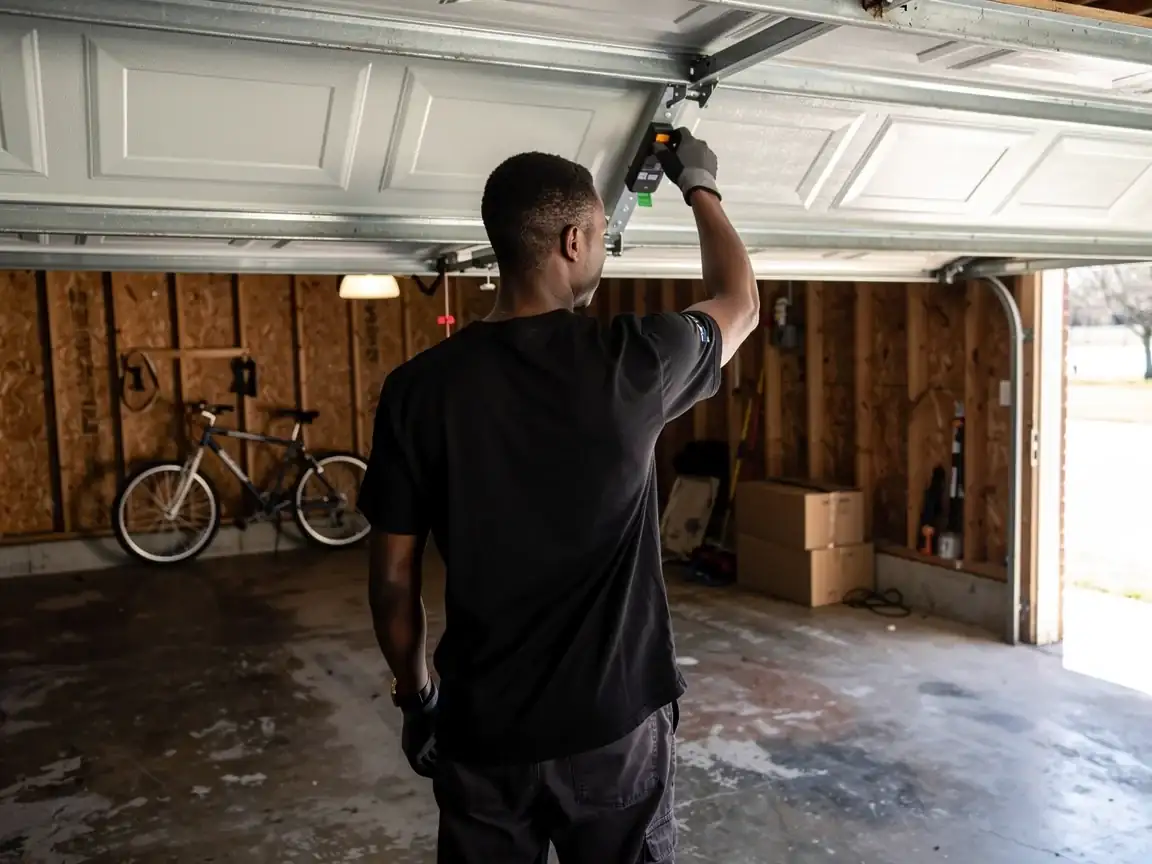
The call usually starts the same way: the opener light comes on, the motor makes noise, but the door doesn't move, or it moves a few inches and stops. Some homeowners describe a grinding or clicking sound right before the door should start - that's the stripped gear giving out.
Others notice it only in the cold mornings: the remote works from the driveway at noon but does nothing at 6 a.m. in January, which points to a circuit board or capacitor struggling with the temperature swing rather than a dead battery. A door that reverses on its own partway through closing, with no obstruction in sight, usually means the travel limits have drifted or the chain tension has slipped enough to confuse the sensor.
If the opener has gone completely silent - no light, no hum, nothing - check the outlet and the breaker first. If power's confirmed and it's still dead, that's a board or motor issue, not something to keep testing with the wall switch.