Why This Fails Locally
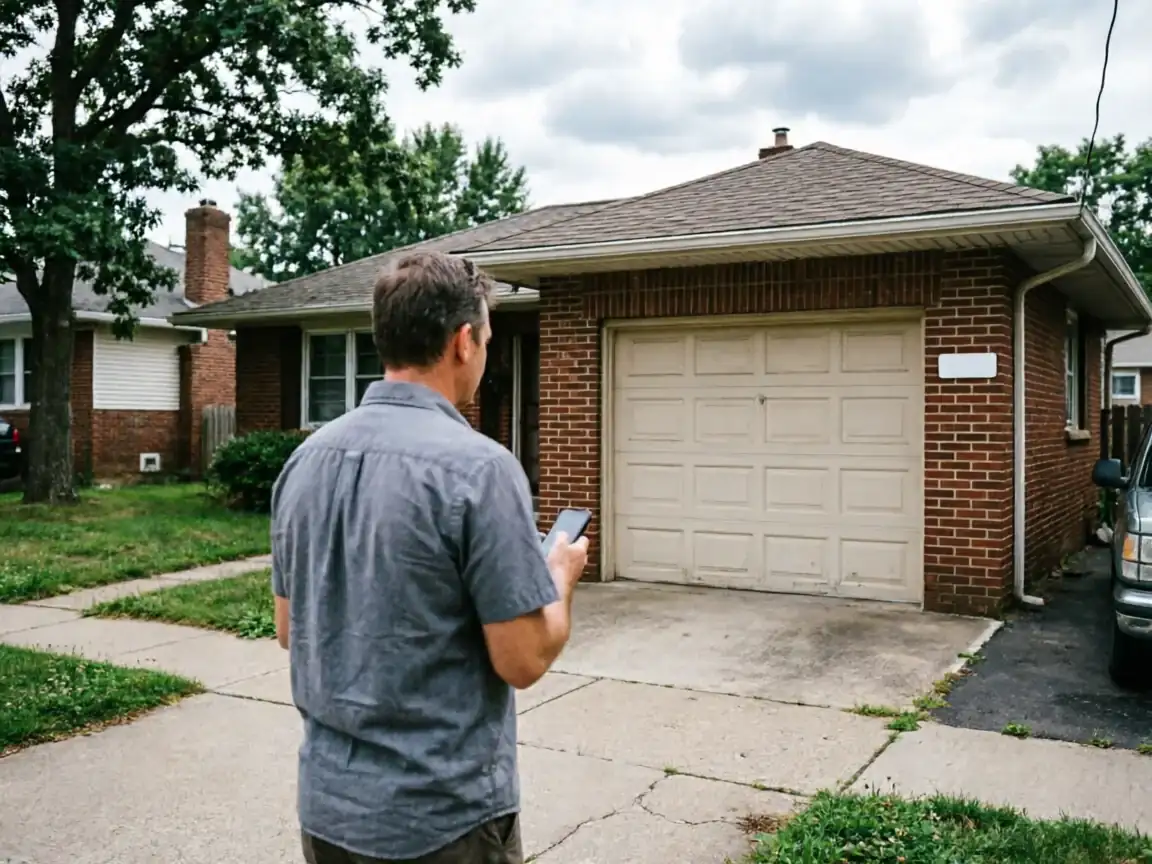
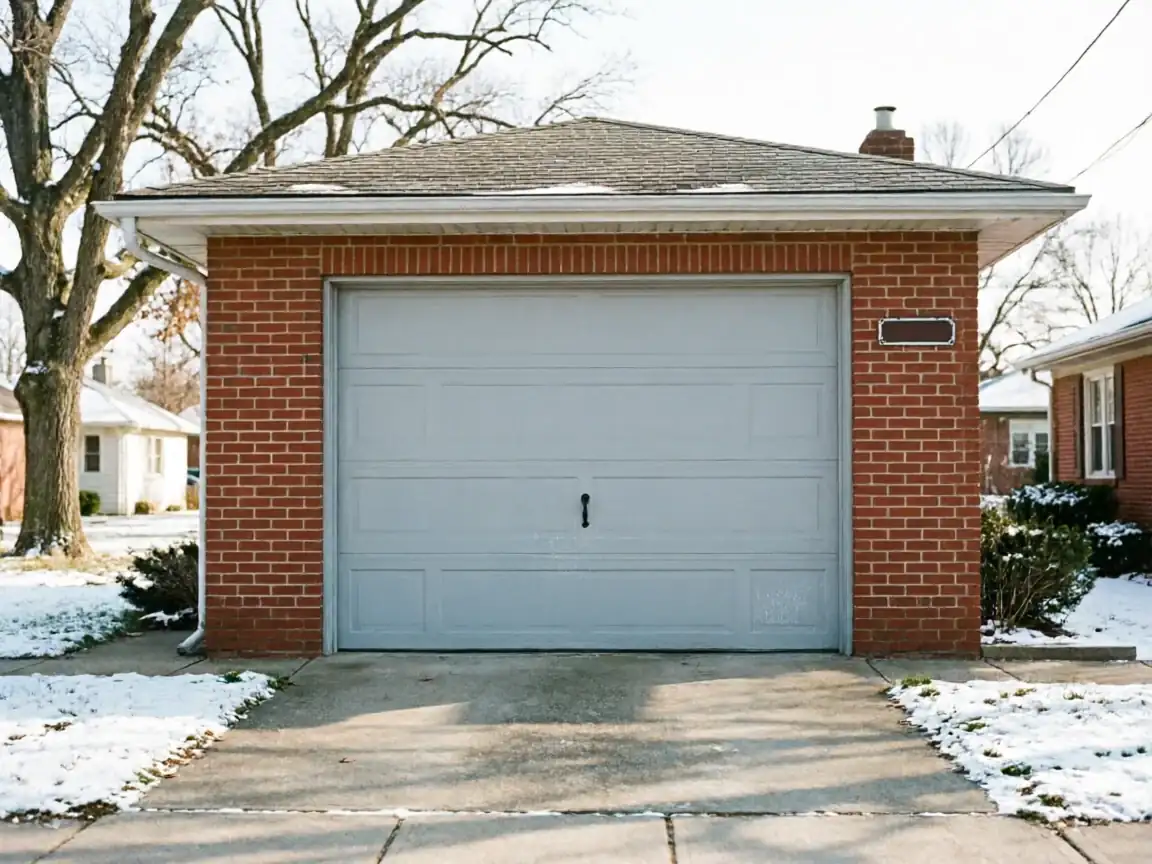
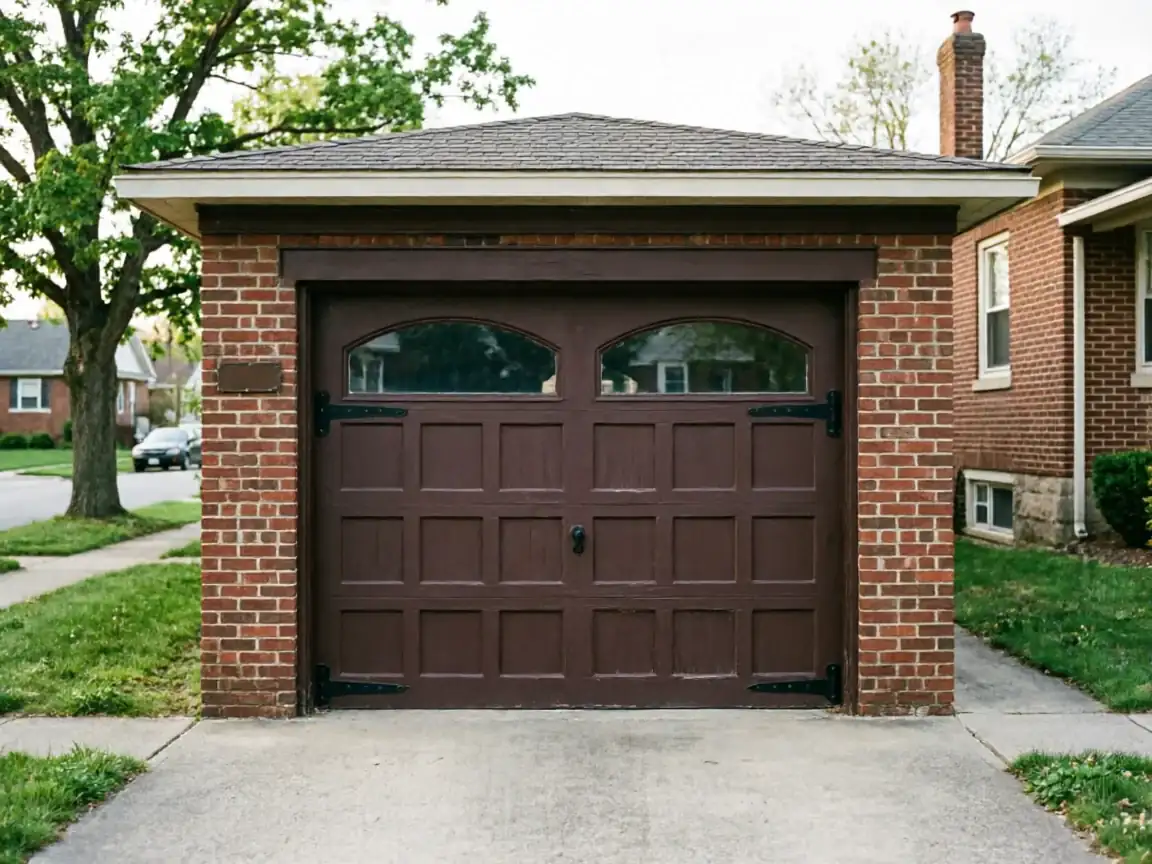
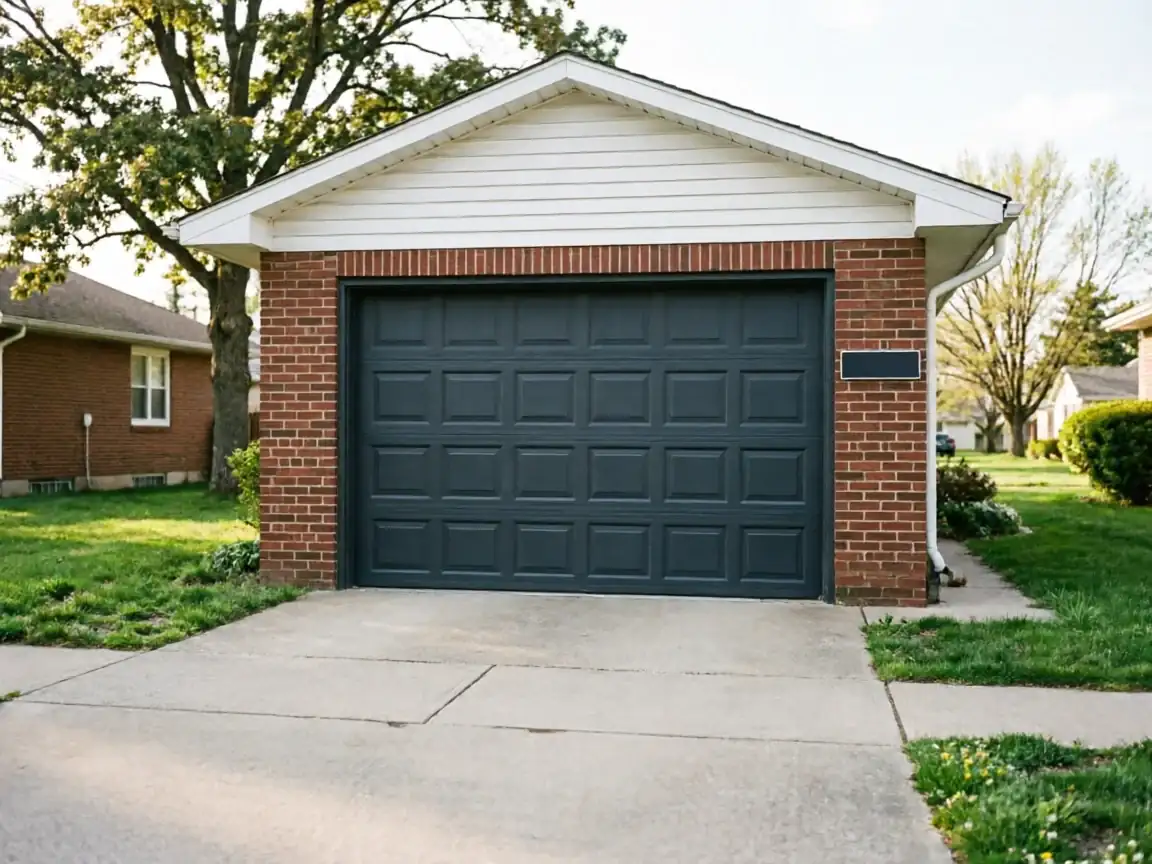
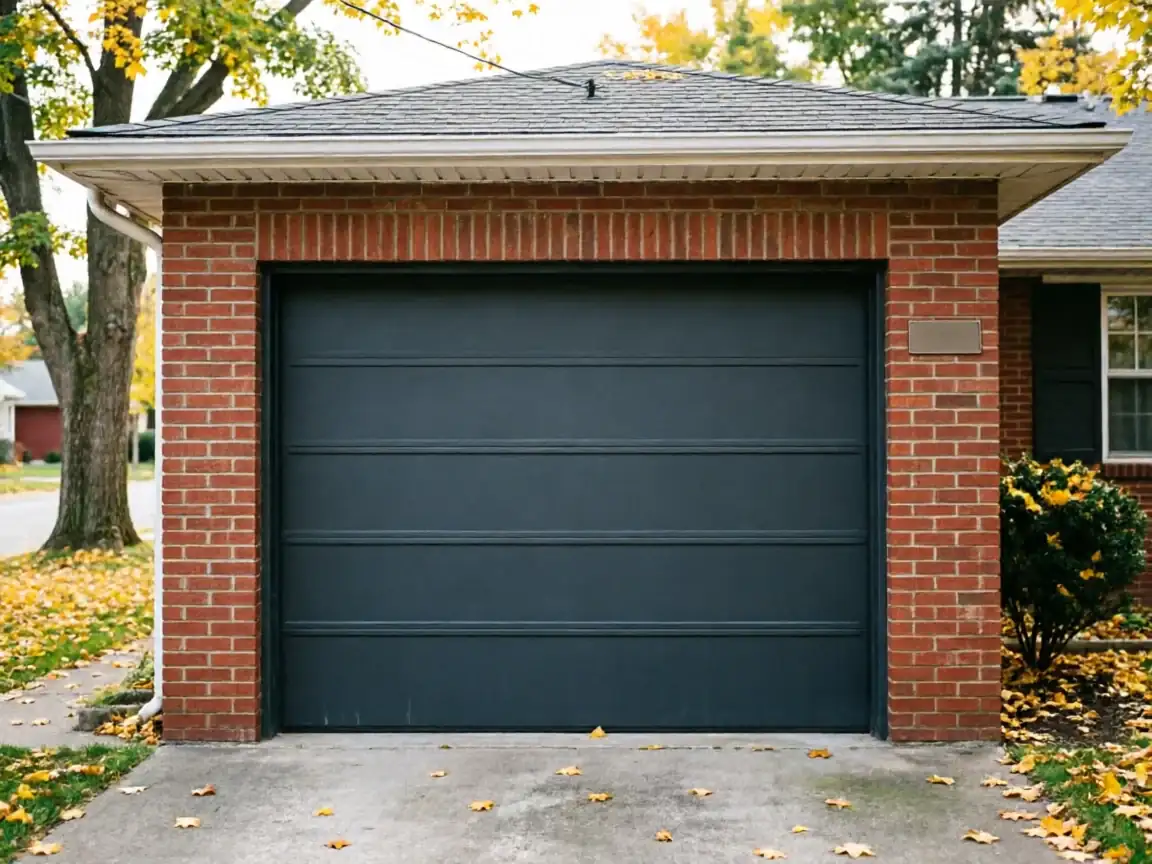
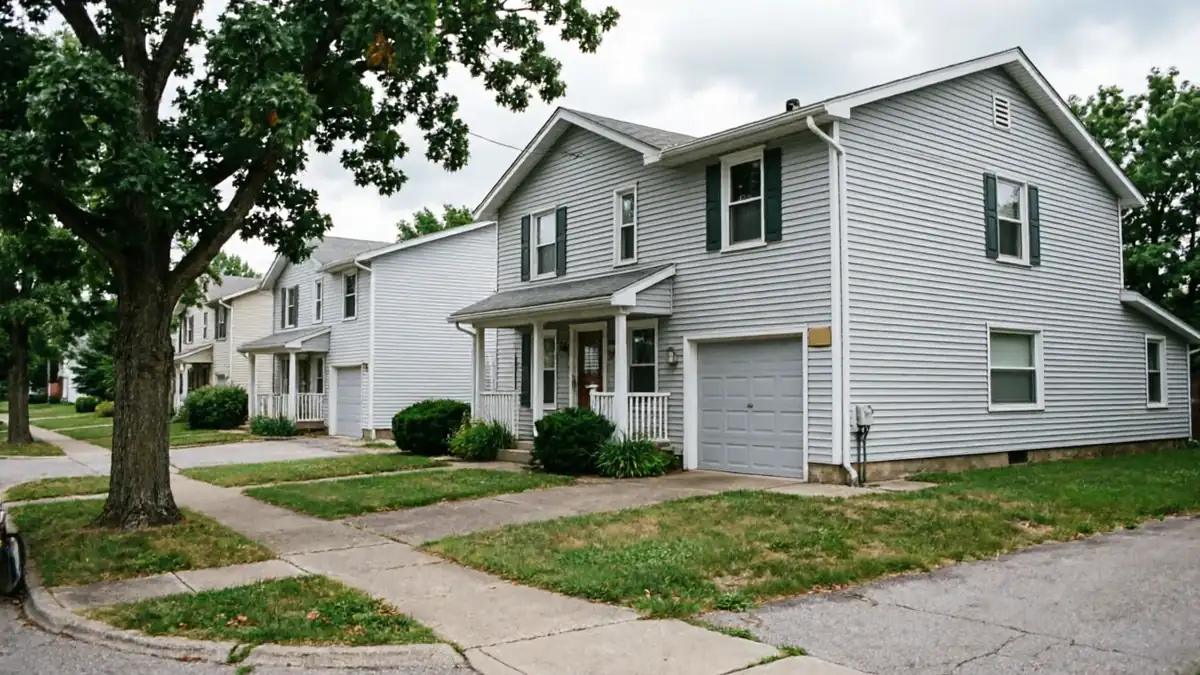
Most houses in McHenry went up between 1946 and 2009, with the bulk of that stock dating to the 1980s and 90s, so the garage openings were framed to builder standards from that era. That means narrower headers, single-car bays sized for smaller vehicles, and tracks hung for doors that weighed less than what's sold today. A new door dropped into an old opening without checking header strength or jamb square is a door that binds within a year.
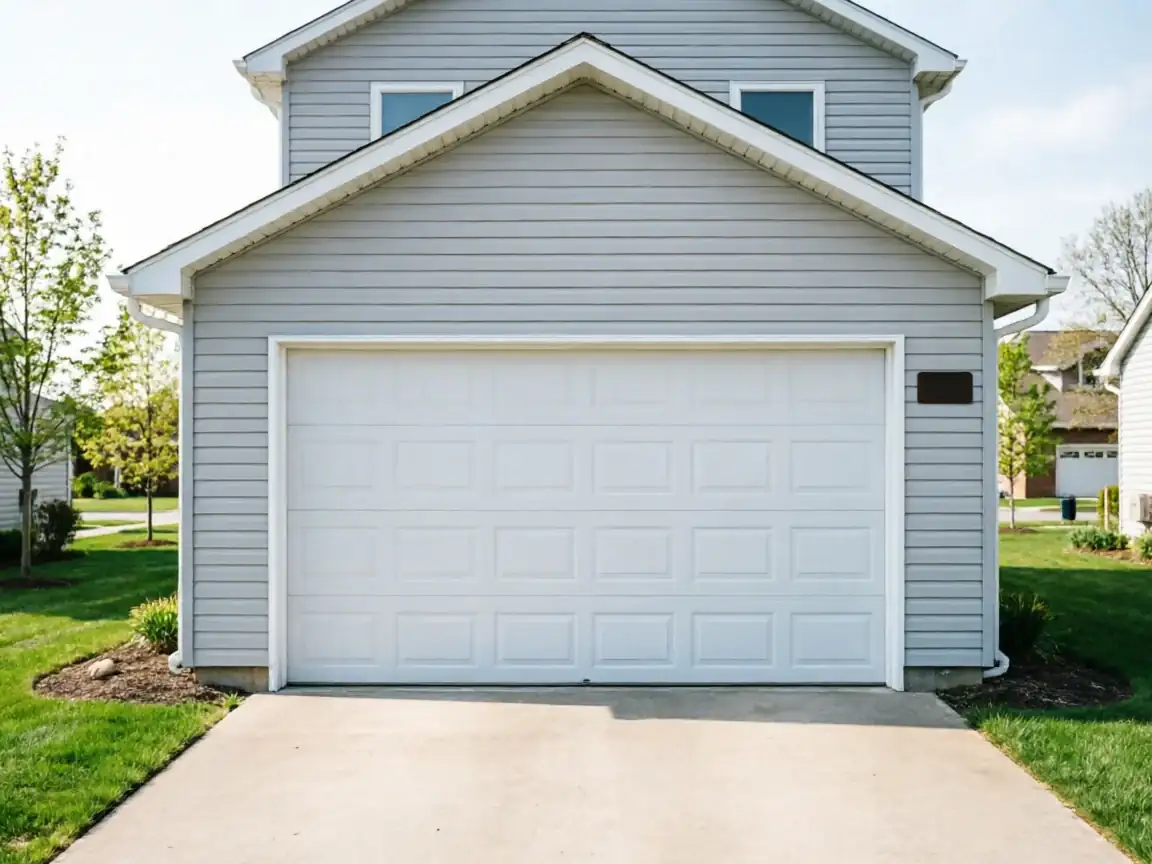
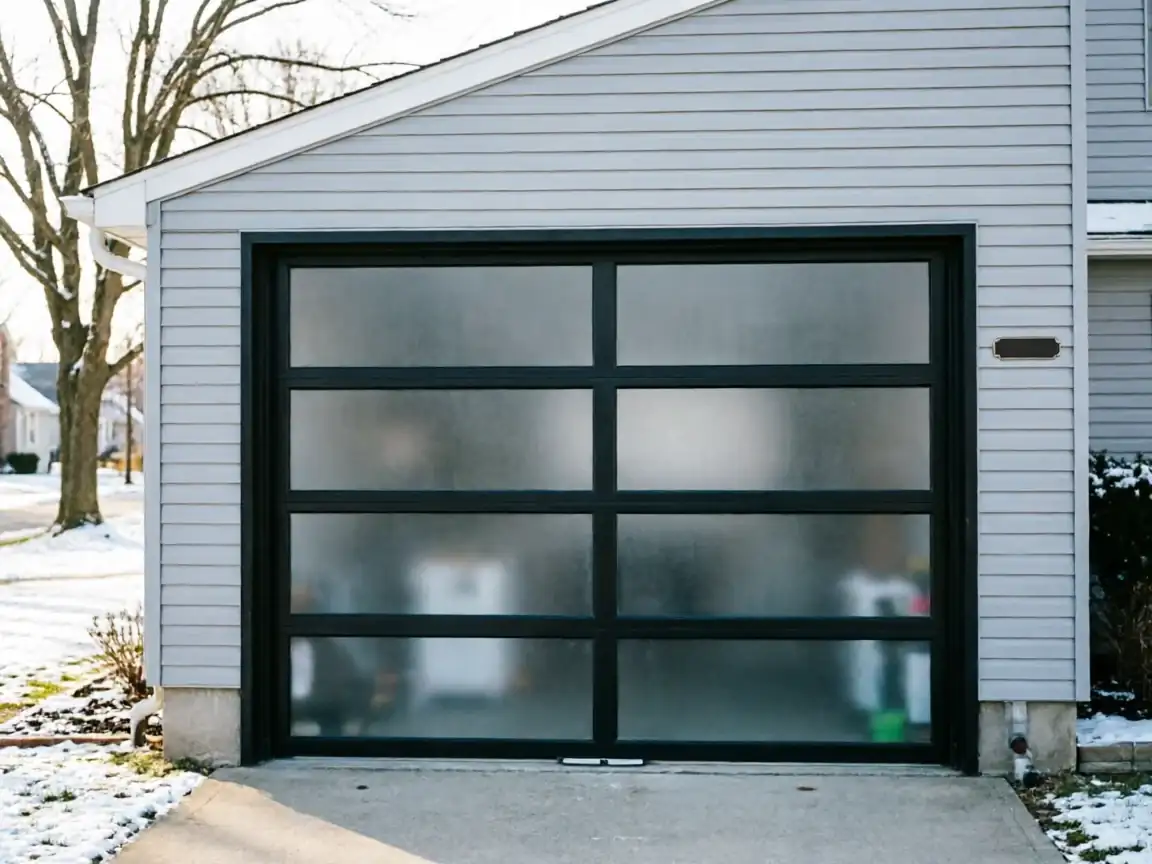
McHenry sits in a cold-severe climate band, and that changes what "installation" has to mean here. A door rated for a mild region can get bolted in fine and still fail its first real winter, because the foam-core and seal system were never built to hold up against repeated freeze-thaw cycling. Across the 57 named areas that share this housing stock, including Johnsburg and Ringwood four miles out, the same builder-grade door sizing shows up house after house, which is exactly why a generic big-box install so often needs a callback by February.
The fix isn't a bigger door. It's matching panel insulation, header reinforcement, and seal design to a house that was framed thirty or forty years ago and a climate that hasn't softened since.
Doing It Yourself
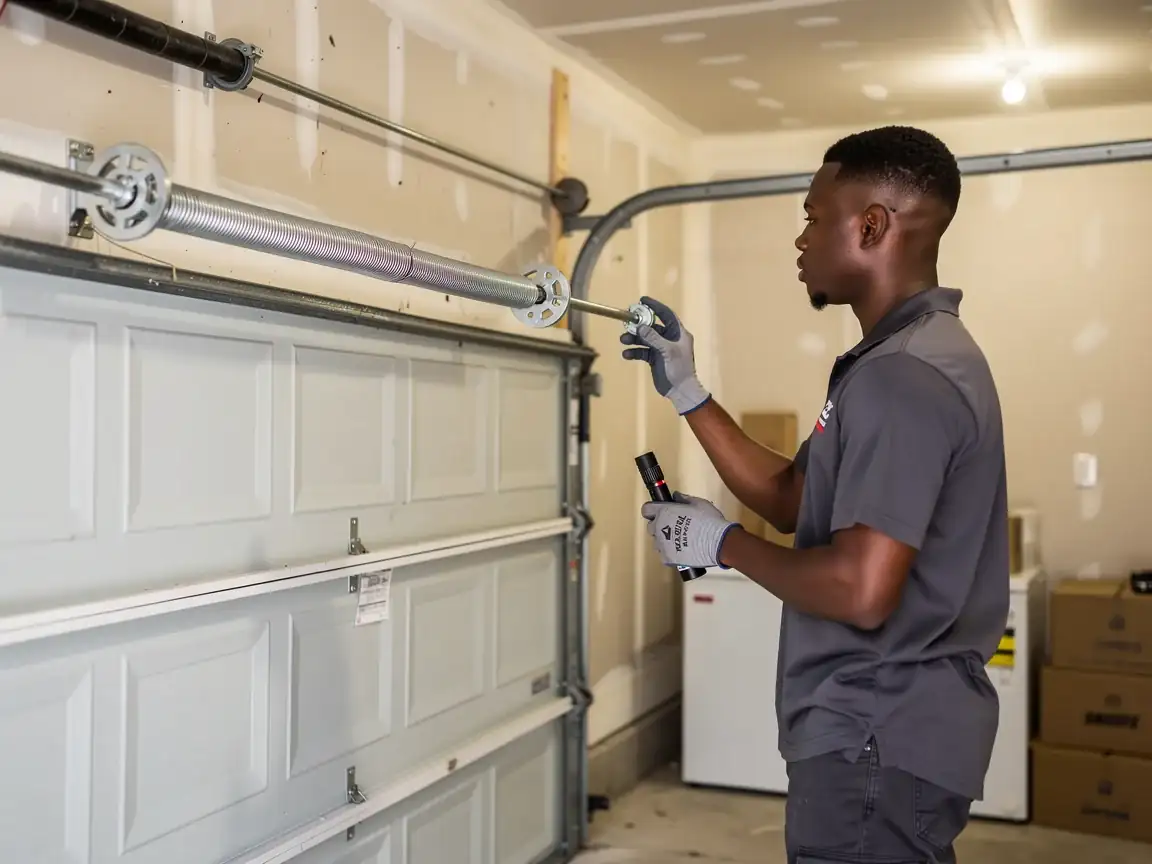
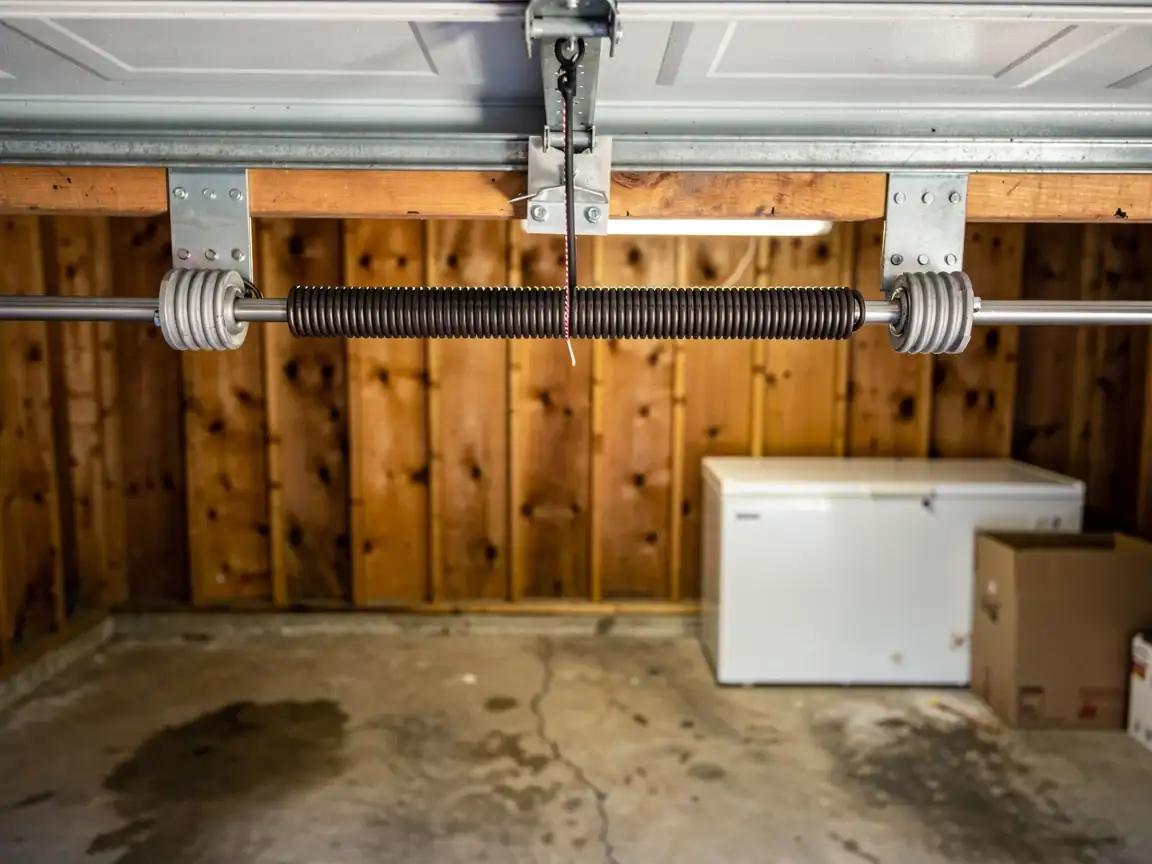
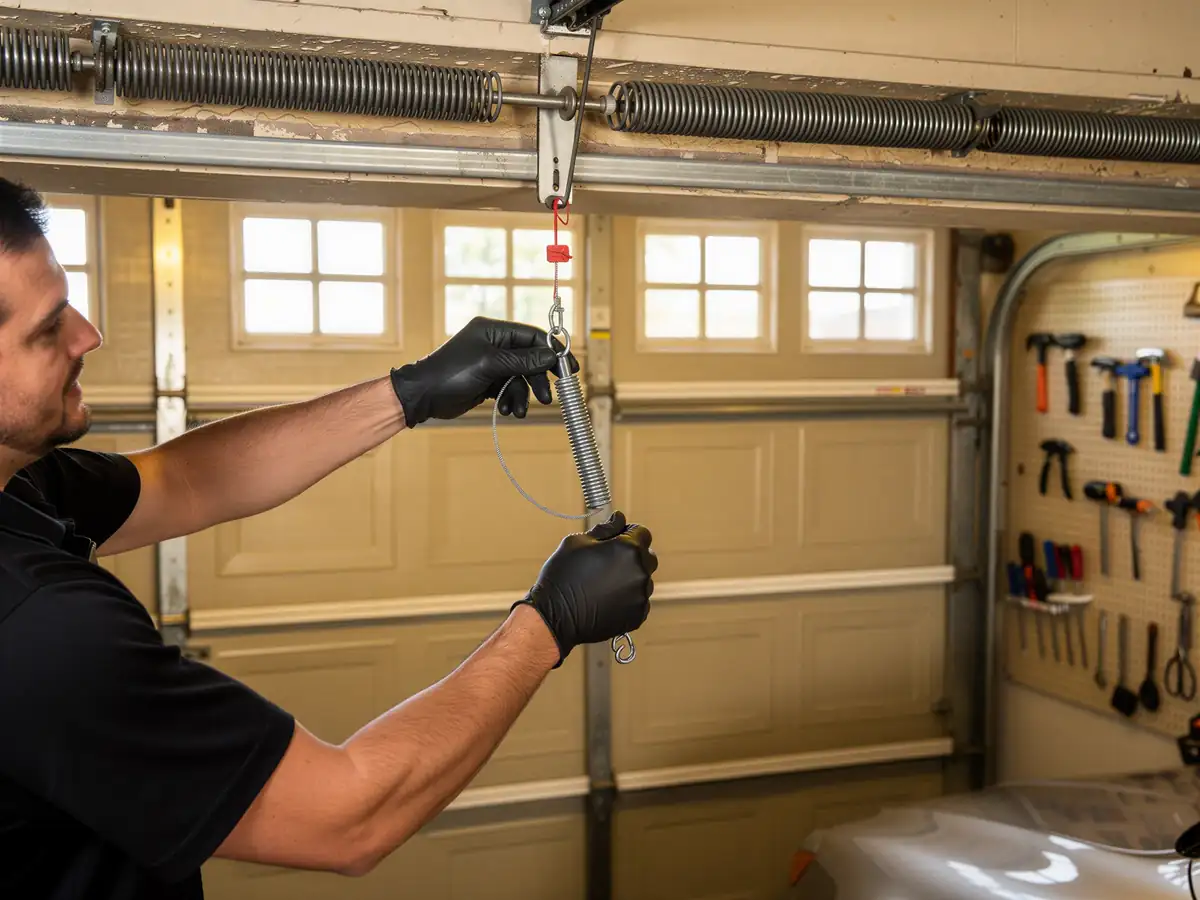
We'll say this plainly: installing a garage door yourself, especially the spring and cable side of it, is not a weekend project we'd recommend. A torsion spring under tension is the single most dangerous part of this job, and an install on an opening with reinforcement issues from a 1980s build often needs header work most homeowners don't have the tools or experience to judge safely.
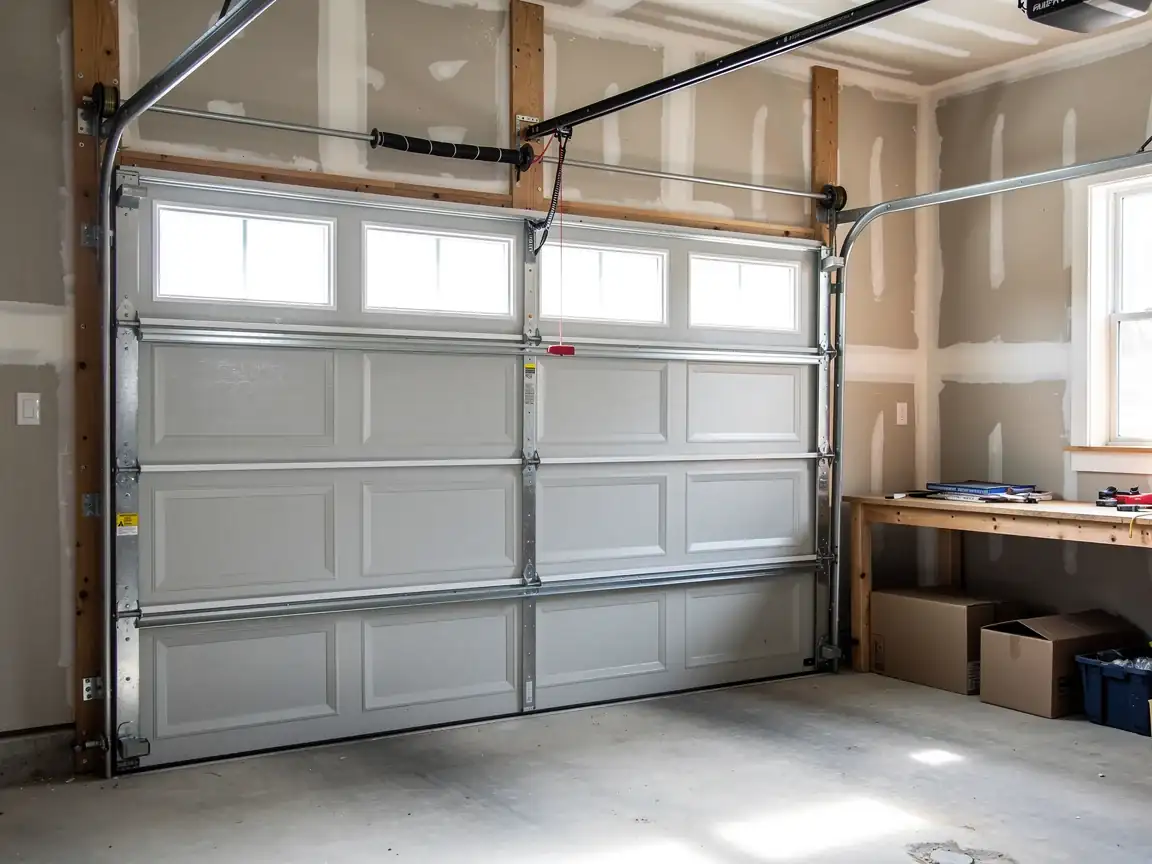
If you're set on doing it yourself, measuring the opening correctly and confirming your jamb is square matters more than almost anything else, because an out-of-square frame on an older McHenry house will fight a new door no matter how well it's built. Check your header for rot or undersizing before you order anything.
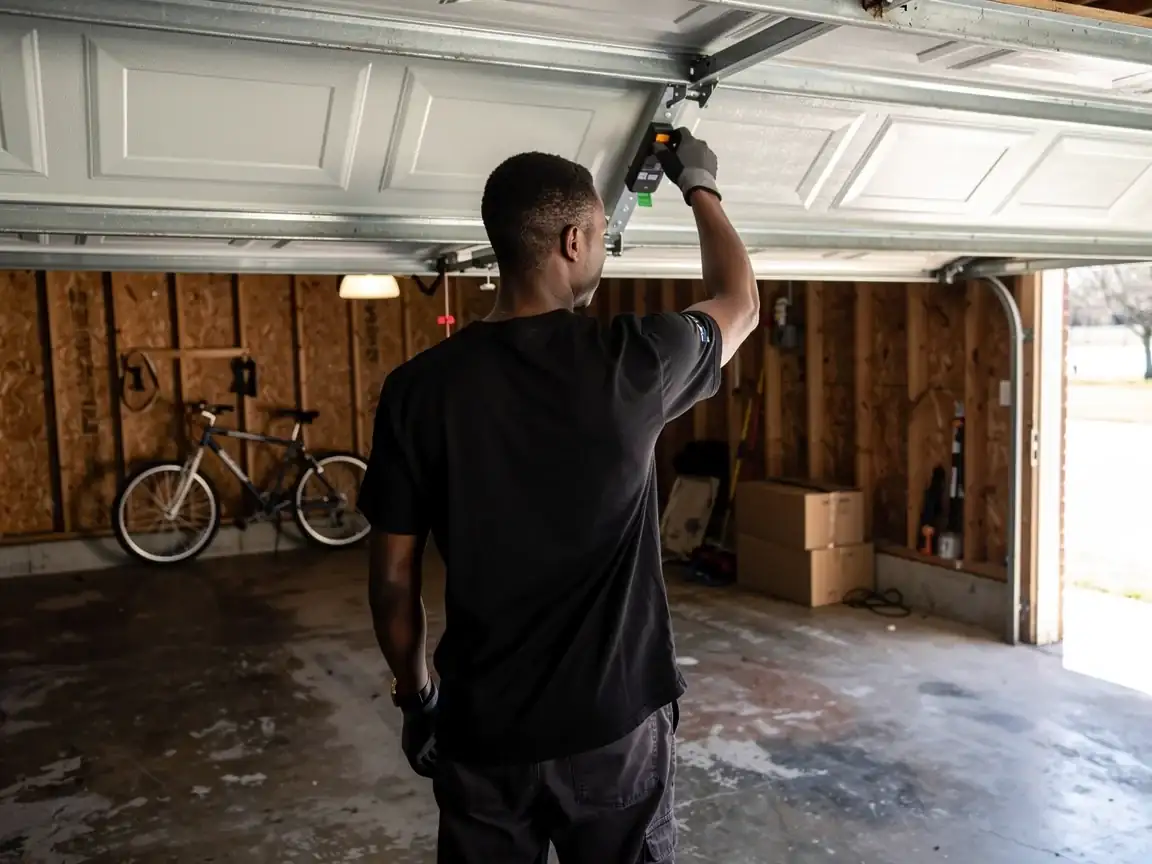
Honestly, with 96,533 owner-occupied houses across the service area carrying this same era of construction, we see the same mistakes repeat: wrong track radius for the ceiling clearance, insulation rated for a milder climate than McHenry actually gets, and spring systems sized off the door weight on the box instead of the actual door once hardware is added. This is where we'd rather quote the job than watch someone improvise it.
What Can Go Wrong
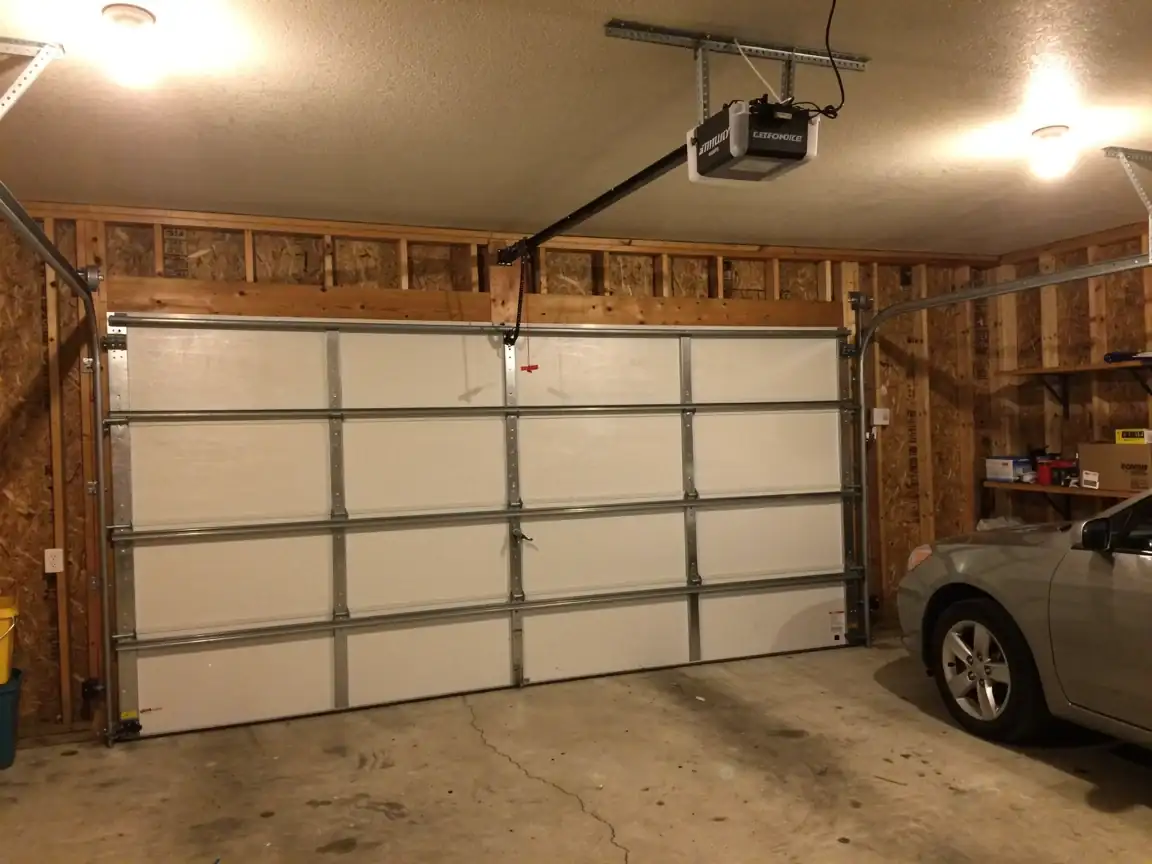
On a house built to 1980s-90s standards, the most common install failure is a track and header mismatch that nobody catches until the door starts racking sideways under its own weight
The second most common: a door insulation rating that's fine on paper but not built for a cold-severe climate, so the panel skin and seal separate after a season or two of hard freezes.
At a median household income of $113,125
Most owners here can afford a properly insulated replacement door rather than patching an old one, but that only pays off if the install matches the door to the opening and the climate, not just the price point. A door installed without accounting for McHenry's winter swings will show stress at the hinge points first, usually the second or third panel from the bottom where flex is highest.
- $113,125 median household income
We won't install a door on a header we think is undersized without flagging it first
That's not us upselling; that's the difference between a job that lasts and one that comes back.
How It Shows Up
The earliest sign is usually a door that closes unevenly, dragging on one side of the track before it seats. On houses from the 1980s-90s stock that makes up most of McHenry, that's often the original header flexing slightly under a door heavier than what it was built for.
Next comes the cold-weather symptoms: a seal that compresses fine in October and lets a visible draft through by January, or an opener that strains and groans on the first start of a freezing morning because the door is heavier to lift when the lubricant in the rollers thickens. In a climate band rated severe cold, that strain repeats every winter until something in the opener or spring system gives.
By the time a panel visibly bows or a track pulls away from the jamb, the mismatch between door and opening has usually been working against the house for a year or more. Catching it at the uneven-close stage is cheaper than catching it at the bowed-panel stage.