When It Stops Being a DIY Job
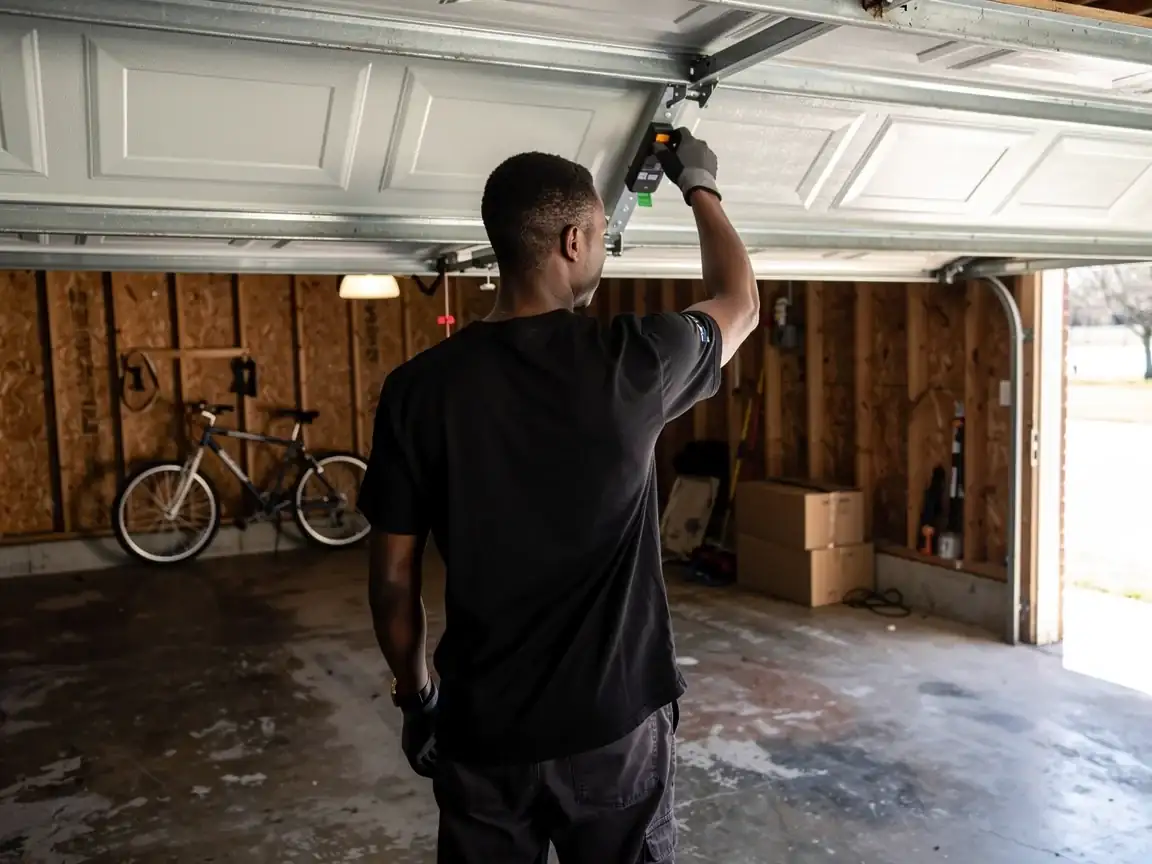
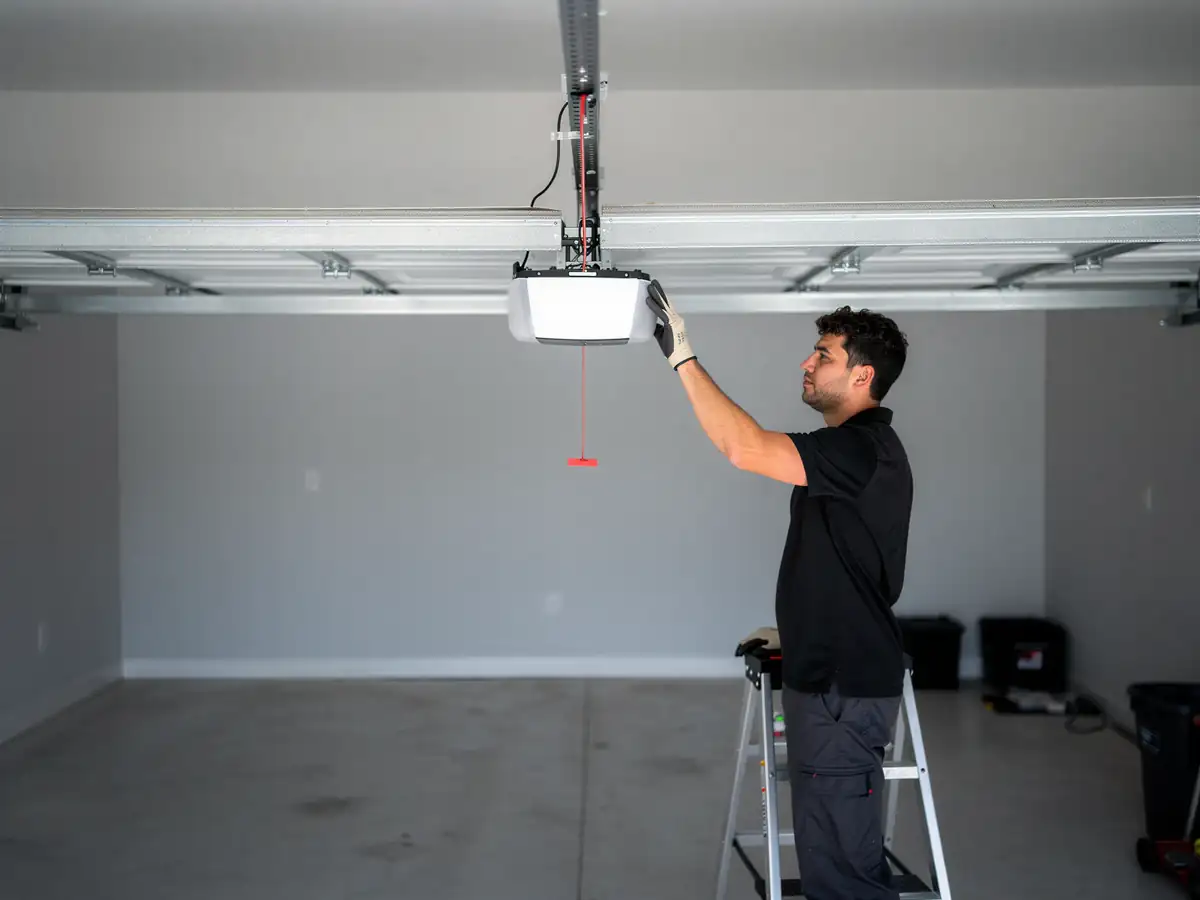
A dead opener after a power cut is usually one of two things: the unit lost its memory and needs reprogramming, or the outage caught a motor mid-cycle and fried a circuit board. The first one, you can handle. Pull the manual, hold the learn button, re-pair the remote. Ten minutes.
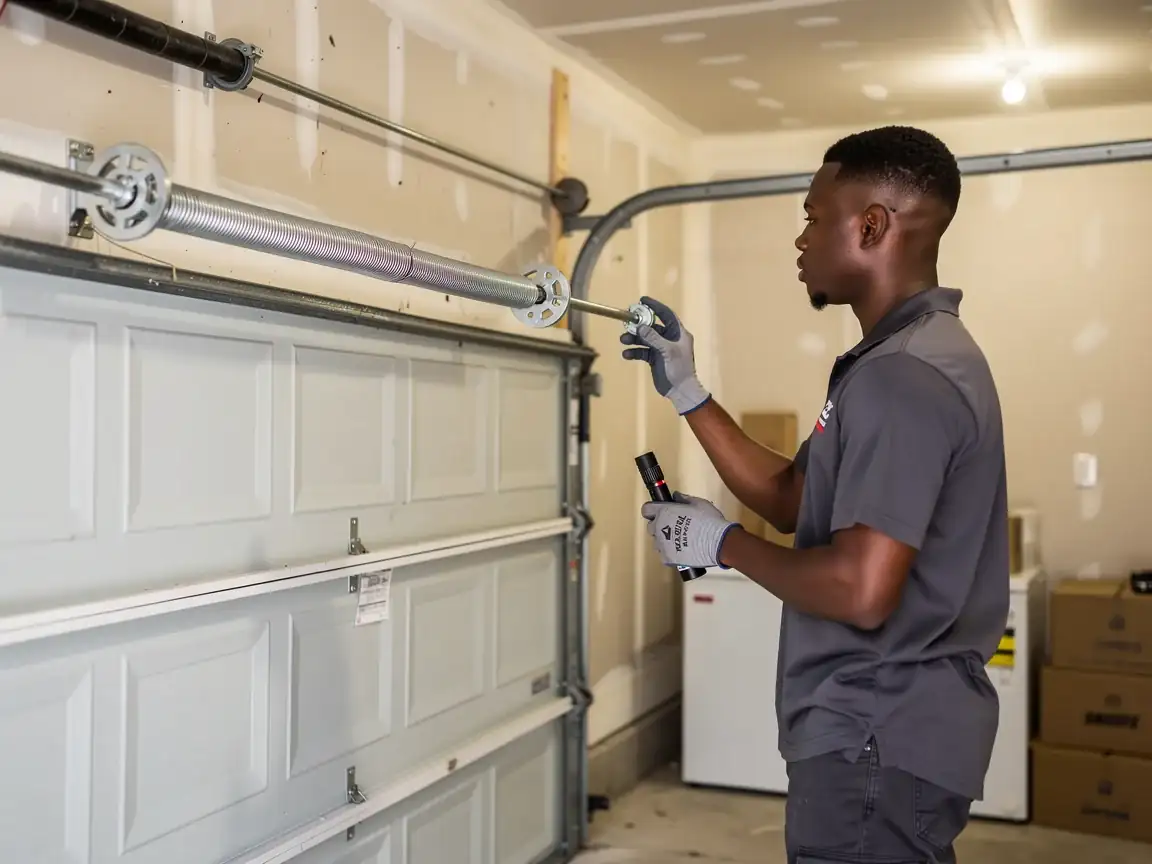
The second one is where people get in over their heads. McHenry's housing stock runs 1946 to 2009 with a median build year of 1987, and most of that mid-80s to mid-90s wave came with chain-drive openers that are now thirty-plus years old. When a board on a unit that age dies, you're not looking at a $40 part - you're looking for a board that the manufacturer stopped stocking a decade ago. At that point the honest math says replace the opener, not chase the part. If your garage also lost the manual release or the trolley won't disengage after an outage, stop pulling on it. That's a job for someone who's opened a hundred of these, not someone doing it once with a flashlight in their teeth.
What Local Conditions Do
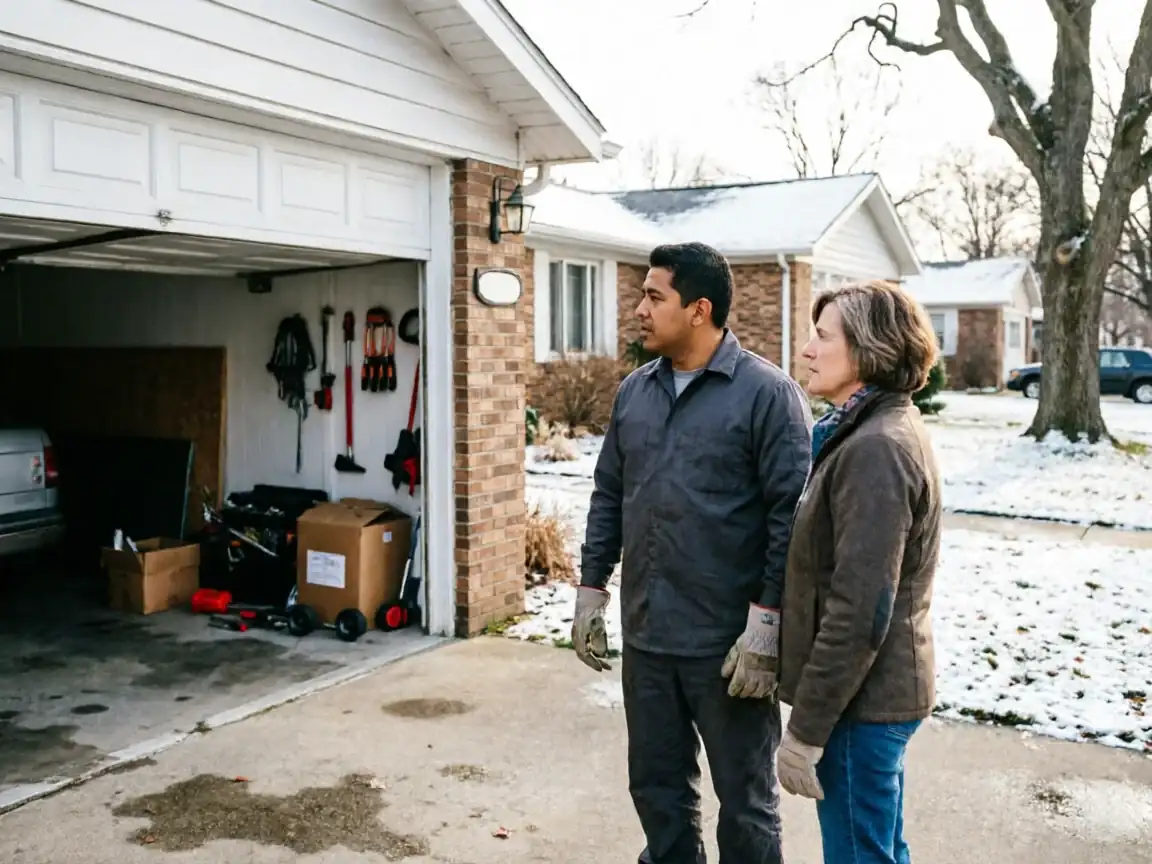
McHenry sits in a severe cold climate band, and cold does two specific things to openers that homeowners don't expect. First, battery backup units - the ones that are supposed to carry you through a power cut - lose capacity fast below freezing, so a backup that worked fine in October can fail outright in January when you actually need it. Second, repeated outages during winter storms cycle the opener's board through hard power-offs, which is harder on the electronics than a clean shutdown ever is.
This matters more here than it would somewhere with a mild winter, because the opener is also carrying the load of a door built for an older envelope. A lot of the 1980s and 90s stock across this area wasn't built with today's insulation standards, so the opener's motor works a touch harder on bitter mornings when the door itself is stiffer and heavier with cold. None of that breaks anything by itself. It just means the margin for a tired old opener is thinner here than the spec sheet assumes.
Where People Go Wrong
The most common mistake we see after a power cut
Someone manually pulls the emergency release cord, forces the door open or shut by hand, then reconnects the trolley wrong and wonders why the opener now grinds instead of running smooth. The release is meant for a controlled disconnect, not a wrestling match with a frozen track.
Second mistake: assuming the opener is dead when it's actually the wall switch or a tripped breaker
Worth five minutes before you call anyone.
Third, and this one's specific to houses from the 1980s-90s wave that make up most of this area's stock
People replace the opener but never check whether the old safety sensors are still aligned afterward. An outage can knock a sensor bracket a few degrees off over years of vibration, and a brand-new opener paired with misaligned 20-year-old sensors will refuse to close, full stop, no error message worth trusting.
The Situation
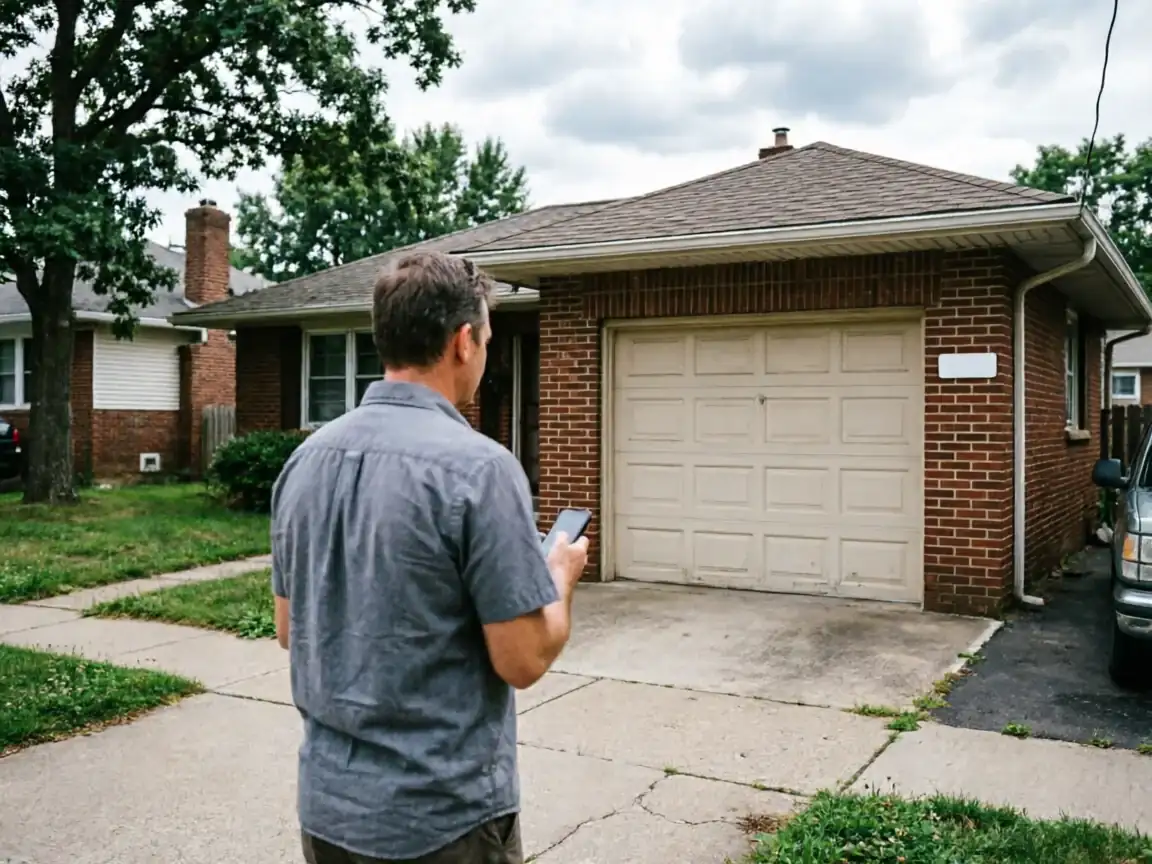
McHenry is a working-and-middle-income area - median household income here runs $113,125 - with a housing stock that's aged into exactly the zone where openers installed with the original build are reaching the end of their service life at the same time winters are getting harder on backup batteries. That's not a coincidence of bad luck; it's the stock doing what 30-to-40-year-old stock does.
We don't carry parts for every opener ever sold, and we won't pretend a board for a long-discontinued unit is sitting on the truck. If yours is in that spot, replacement is usually the straighter path. We cover McHenry and the surrounding area out to towns like Johnsburg, Wonder Lake, and Woodstock.