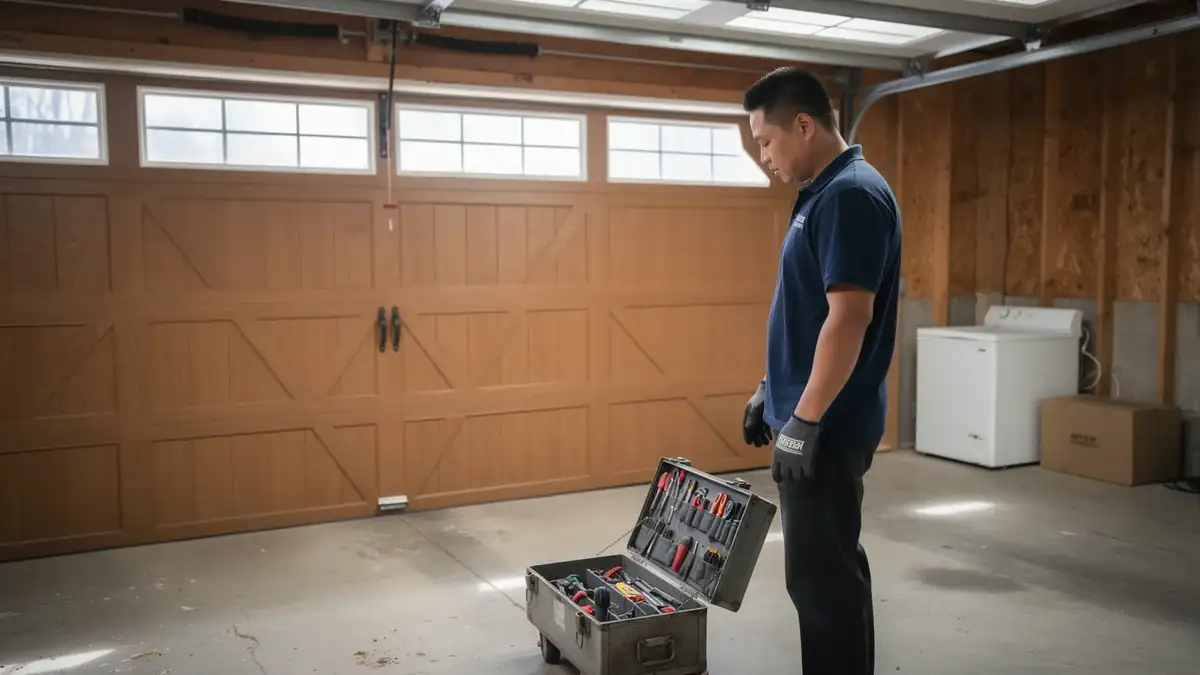
When It Stops Being a DIY Job
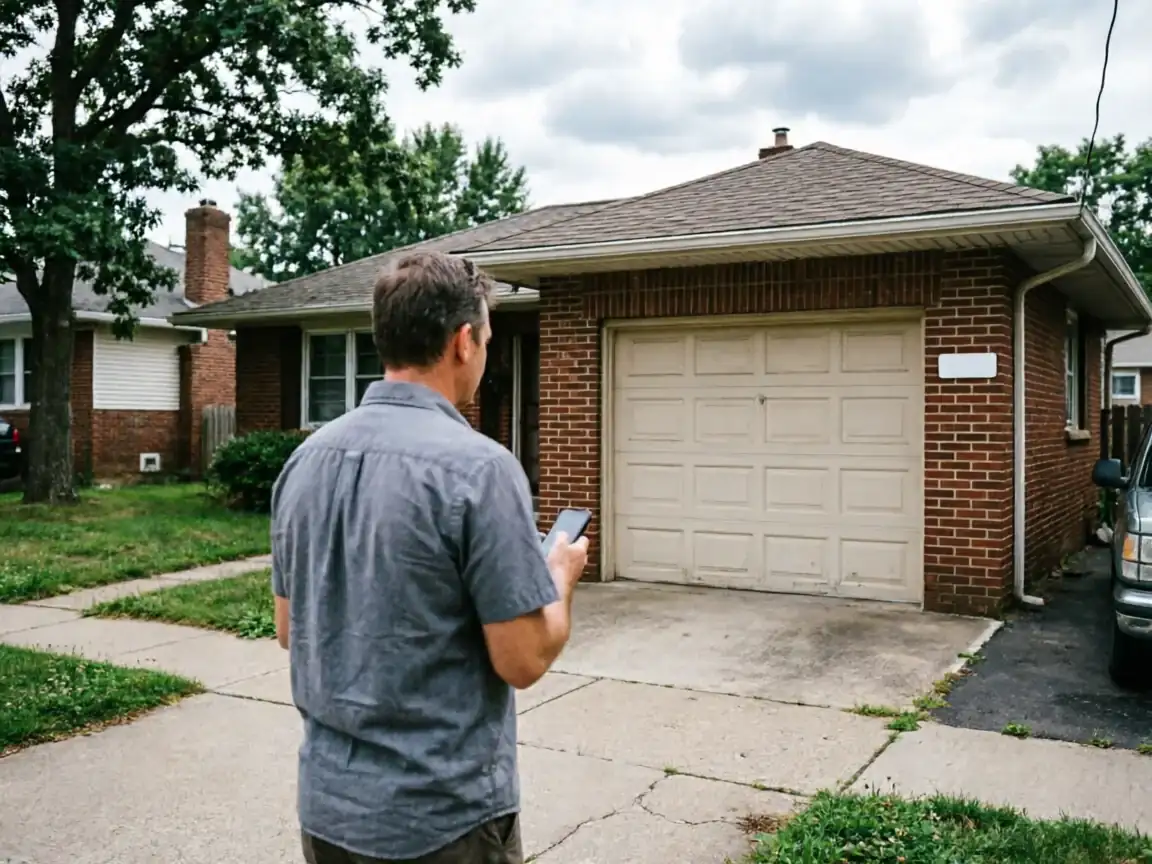
A lot of what goes wrong with a garage door looks simple from the driveway. The door won't close all the way, it's noisy, it jerks on the track. Some of that is a five-minute fix with a can of lubricant. Some of it isn't.
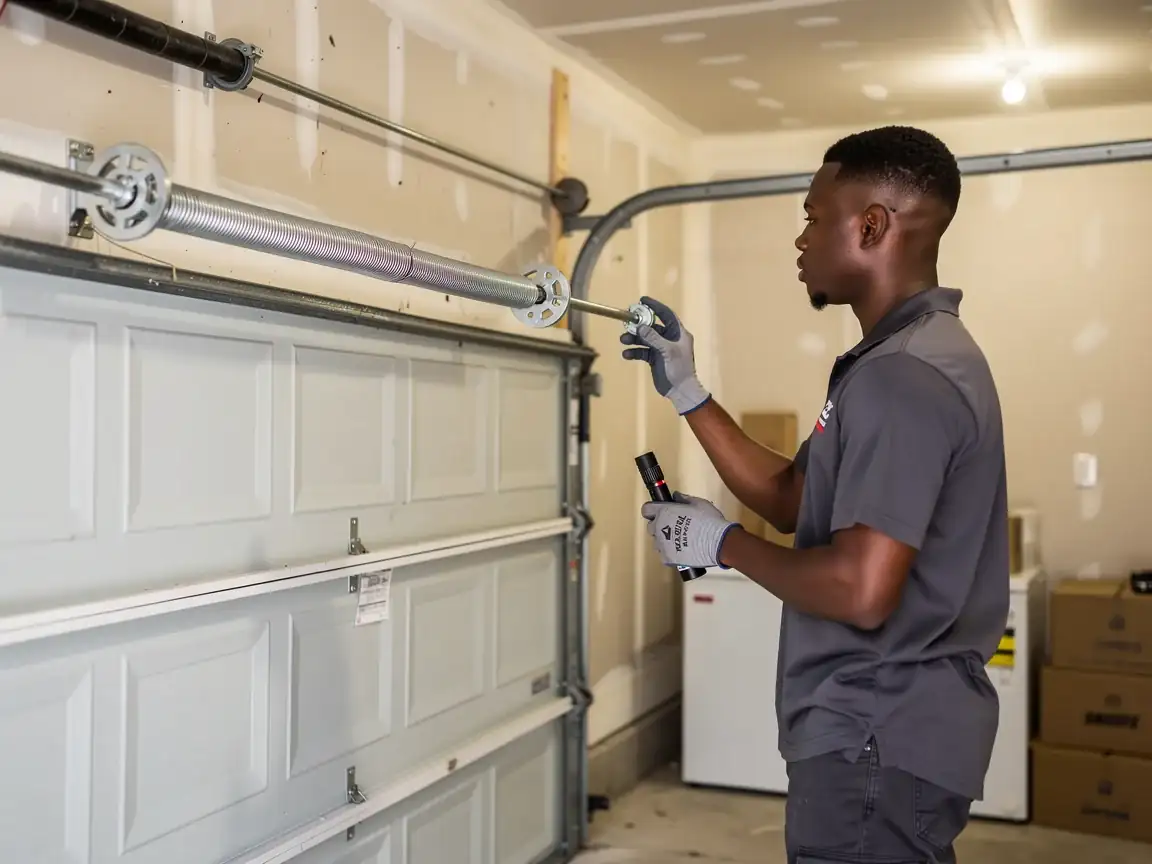
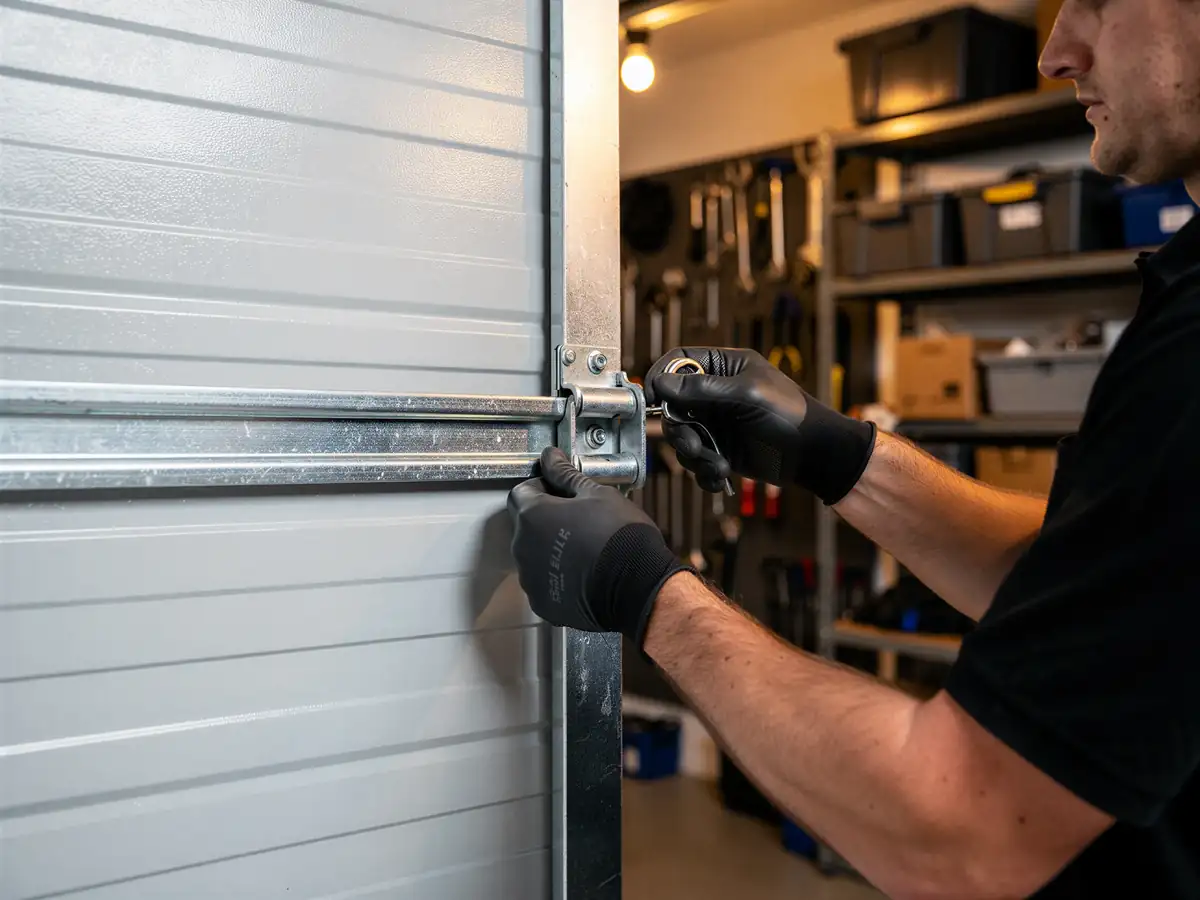
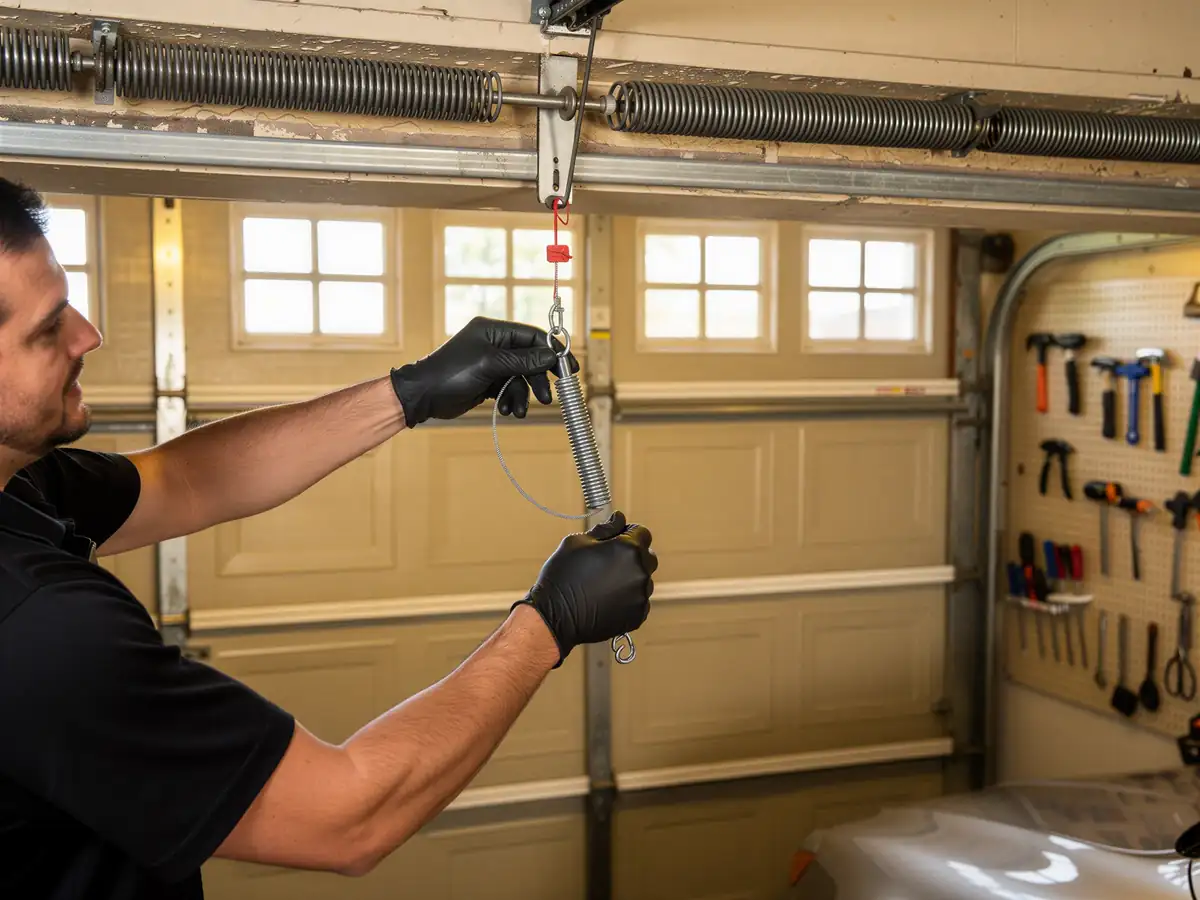
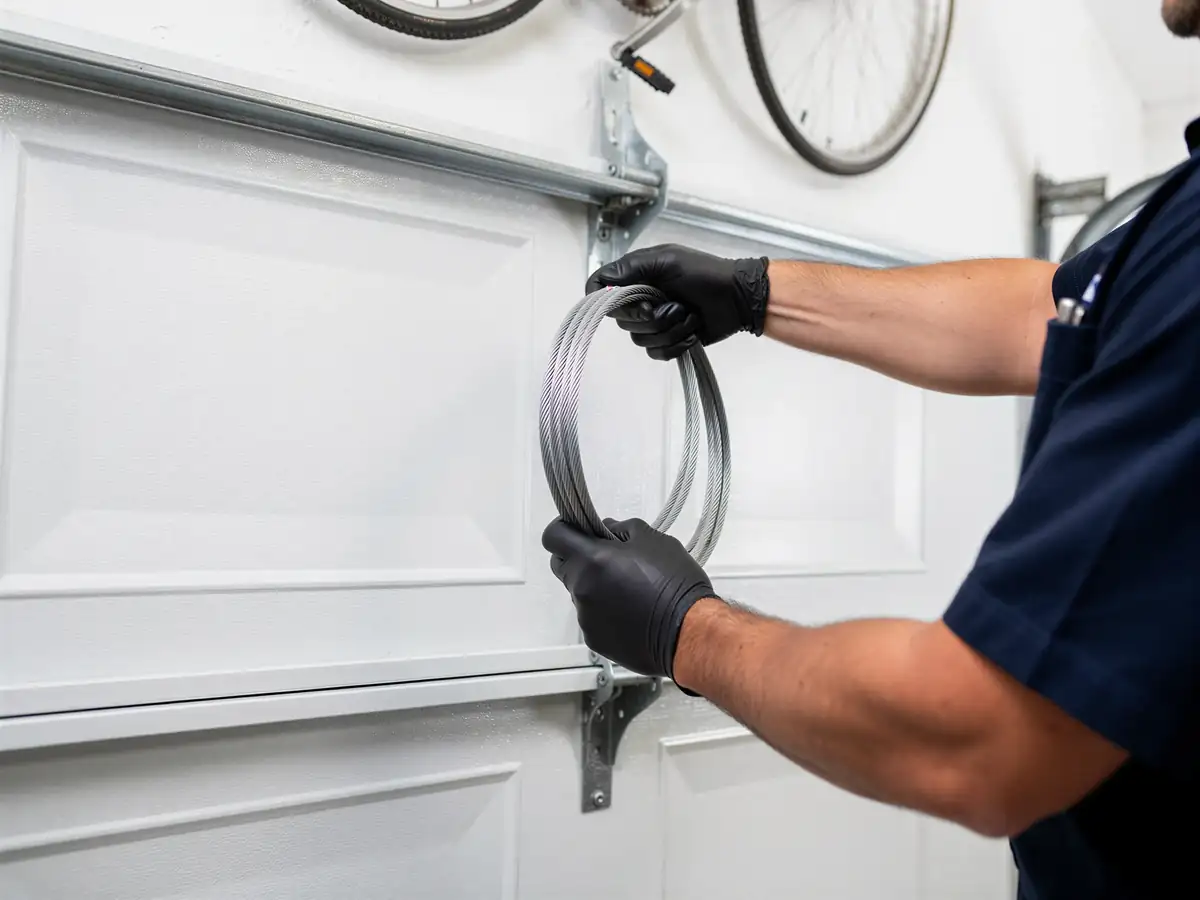
Most houses on this side of McHenry and the surrounding townships were built between 1946 and 2009, with the bulk of that stock going up in the 1980s and 90s. That matters because a door is only as good as the hardware it was installed with, and hardware from that era has had three decades of cycling through Midwest winters. When a torsion spring on a house from that period finally lets go, it doesn't ease off - it snaps, and the door comes down fast. That's the line. Lubricant and tightening loose hardware is a homeowner job. A spring under tension, a bent track, or a cable that's frayed down to a few strands is not something to open the door on and find out.
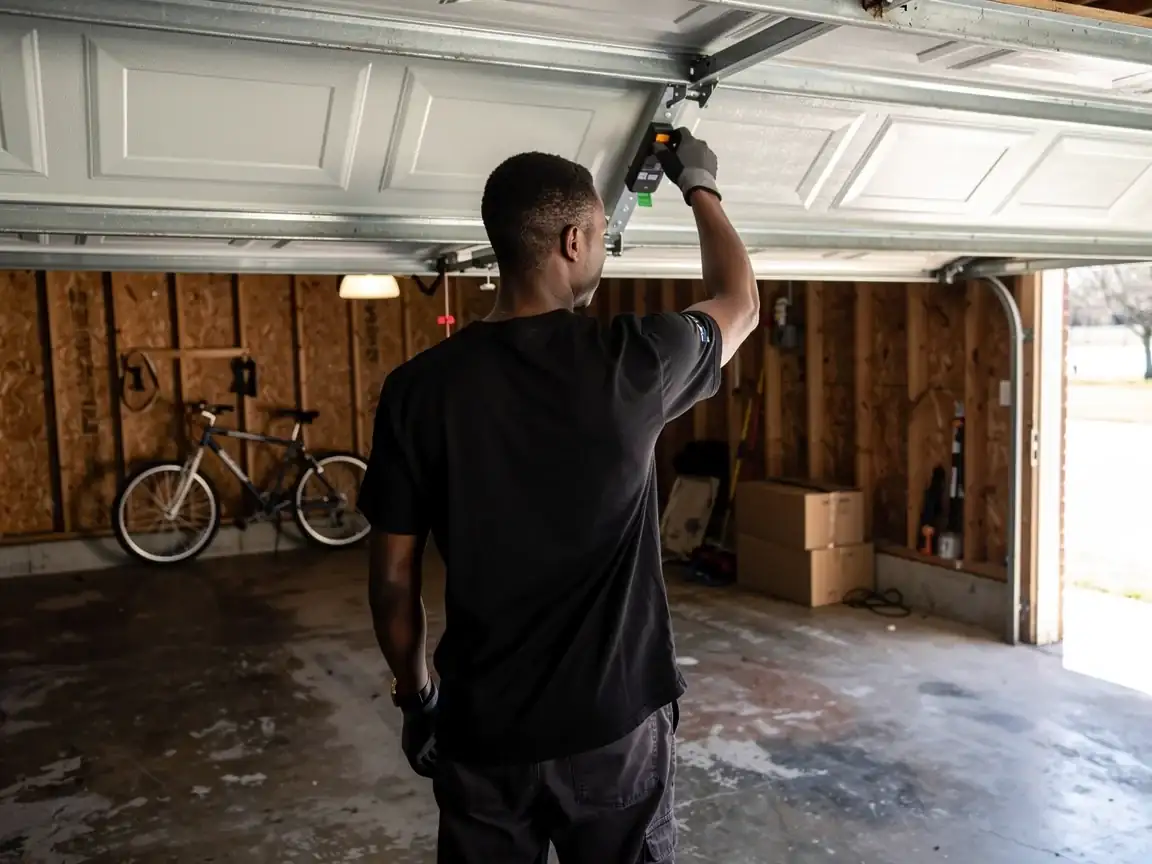
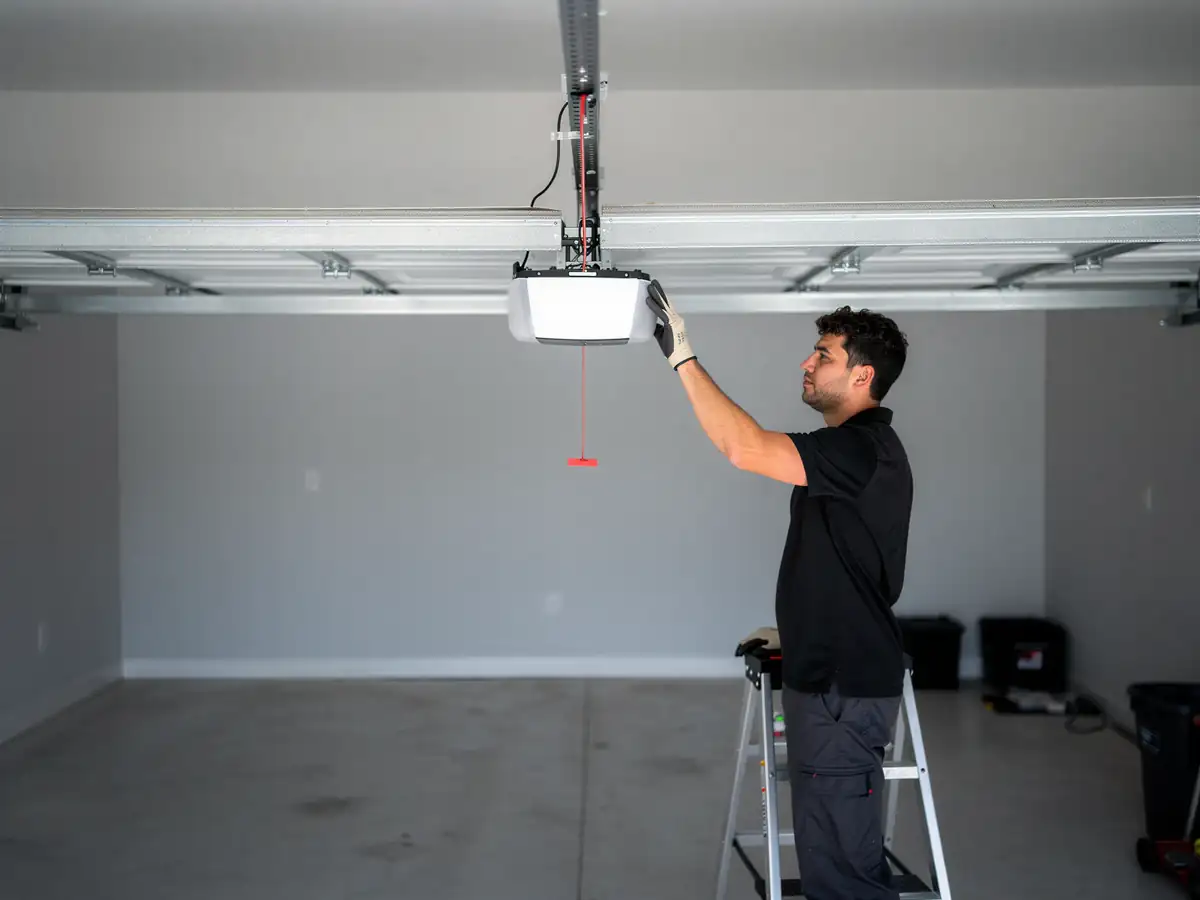
If you're not sure which side of that line you're on, the safest test is simple: if fixing it means disconnecting the opener or loosening anything holding the door up while it's closed, that's the call.
What Local Conditions Do
McHenry sits in a severe cold climate band, and that shapes what actually fails here versus what fails in a milder region. Cold doesn't just make metal brittle - it changes how grease behaves, how much a steel panel contracts, and how much extra load a spring has to take when everything is stiffer than it was designed for.
On a house built in the 1980s or 90s, which describes most of the stock in this service area, the original springs and rollers were sized for the loads and lubricants common at the time. Three or four decades of hard freezes later, that same spring is carrying a colder, stiffer door than it was rated for. That's why so many of the calls here are winter calls - not because the door suddenly got worse, but because the cold finally asked more of aging hardware than it had left to give.
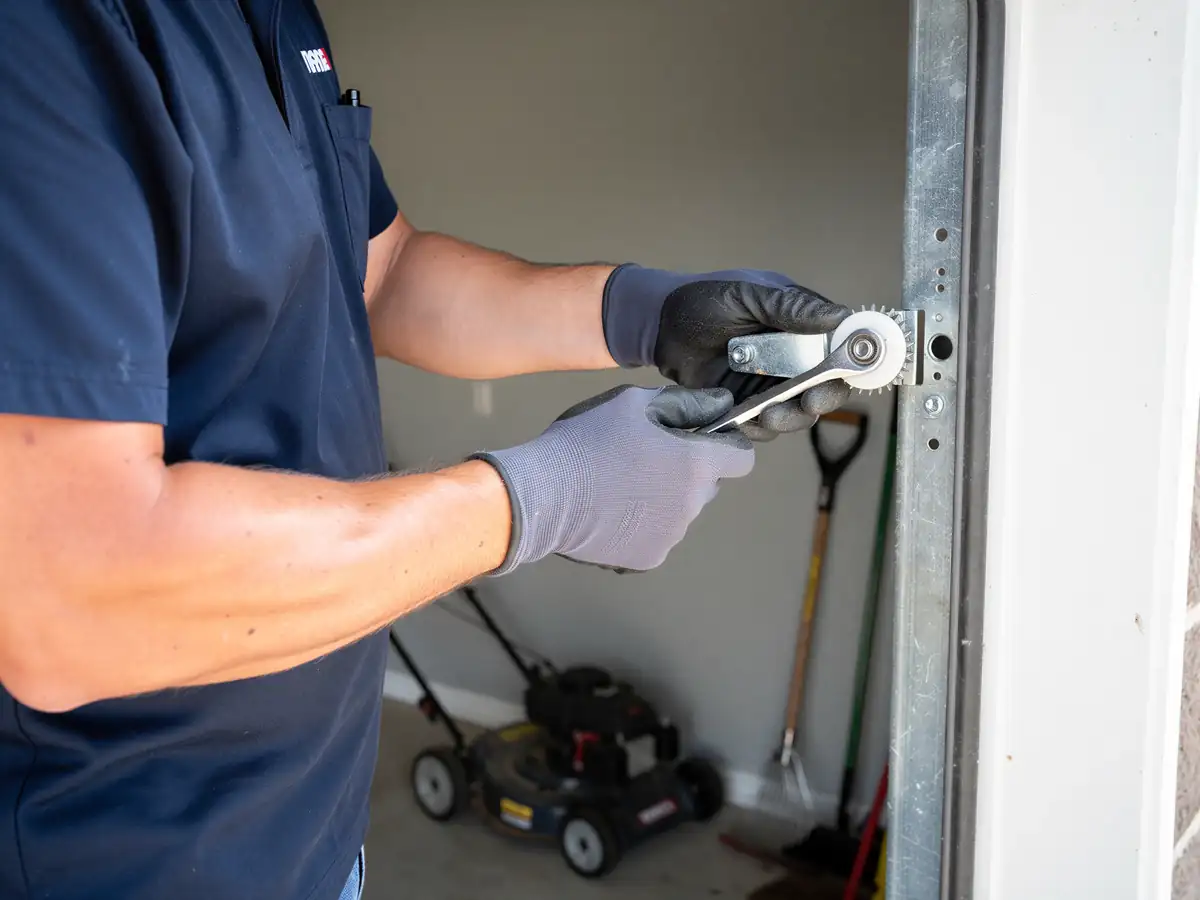
A service call in this climate isn't just 'check if it opens and closes.' It means checking spring tension against the actual weight of the door in cold conditions, checking whether the rollers are the nylon type that gets brittle at low temperatures, and checking whether the track has shifted from seasonal ground movement - something that shows up more in houses on this older, settled housing stock than in new construction.
Where People Go Wrong
The most common mistake is treating a noisy door as a lubrication problem when the real issue is that the house's original hardware has simply aged out
On stock from the 1980s and 90s, which is most of what's standing in McHenry and the townships around it, you're often looking at the door's second or third decade on the same springs and cables. Oil quiets a noise for a few weeks. It doesn't restore metal that's fatigued.
The second mistake is ignoring a slow-closing door in winter and assuming it'll loosen up once it warms up
Sometimes it does. Sometimes that sluggishness is a spring that's already lost tension and is about to fail under the next cold snap, and the door that was slow to close becomes the door that doesn't come up at all.
The honest limit here
Not every slow or noisy door needs a spring replacement, and we're not going to tell you it does. Plenty of calls end with an adjustment and a lubrication, nothing more. But on a house old enough to carry its original hardware, a service call that only oils the hinges and skips checking spring tension against current weight and cold-weather load isn't a full check - it's a partial one.
The Situation
McHenry's housing runs older than a lot of the metro - built mainly 1946 through 2009, with the median landing around 1987, across the 57 named areas that make up this part of the county. Combined with a climate that puts real cold stress on springs and rollers every winter, that's the baseline a service call here has to work against: aging hardware meeting harder winters than it was built for.
We cover McHenry and out to the nearby communities - Bull Valley, Johnsburg, Ringwood, Prairie Grove, Wonder Lake, and Lakemoor within a few miles, out through Woodstock, Fox Lake, Cary, and Wauconda a bit further. The work doesn't change much house to house, but the age of the hardware does, and that's what a real service call is checking for first.