Why This Fails Locally
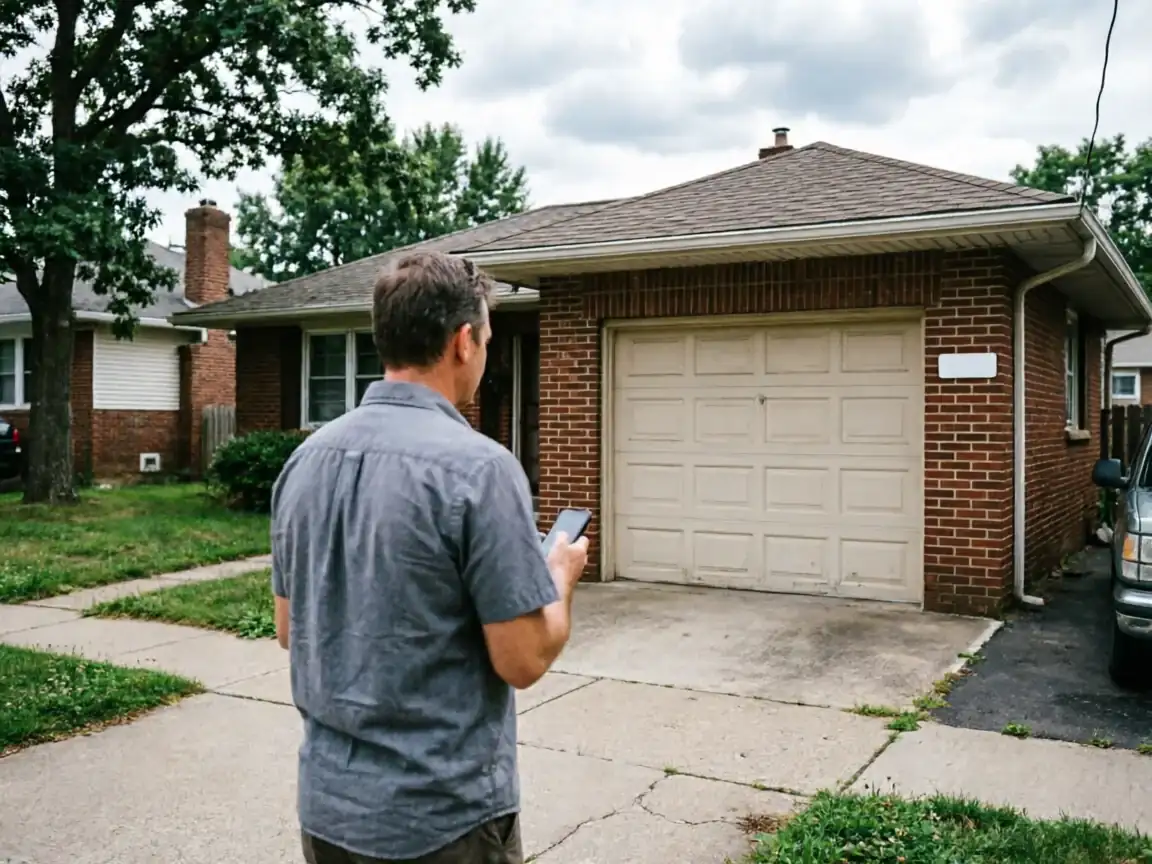
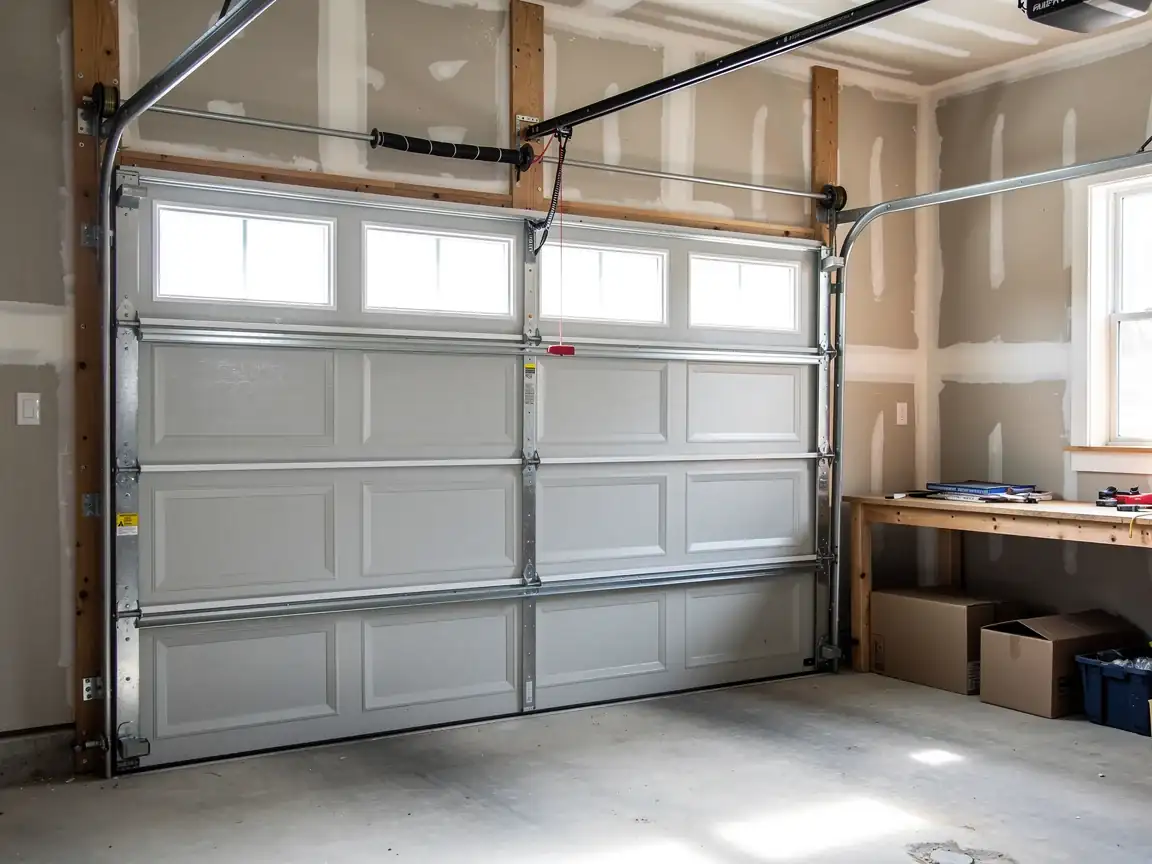
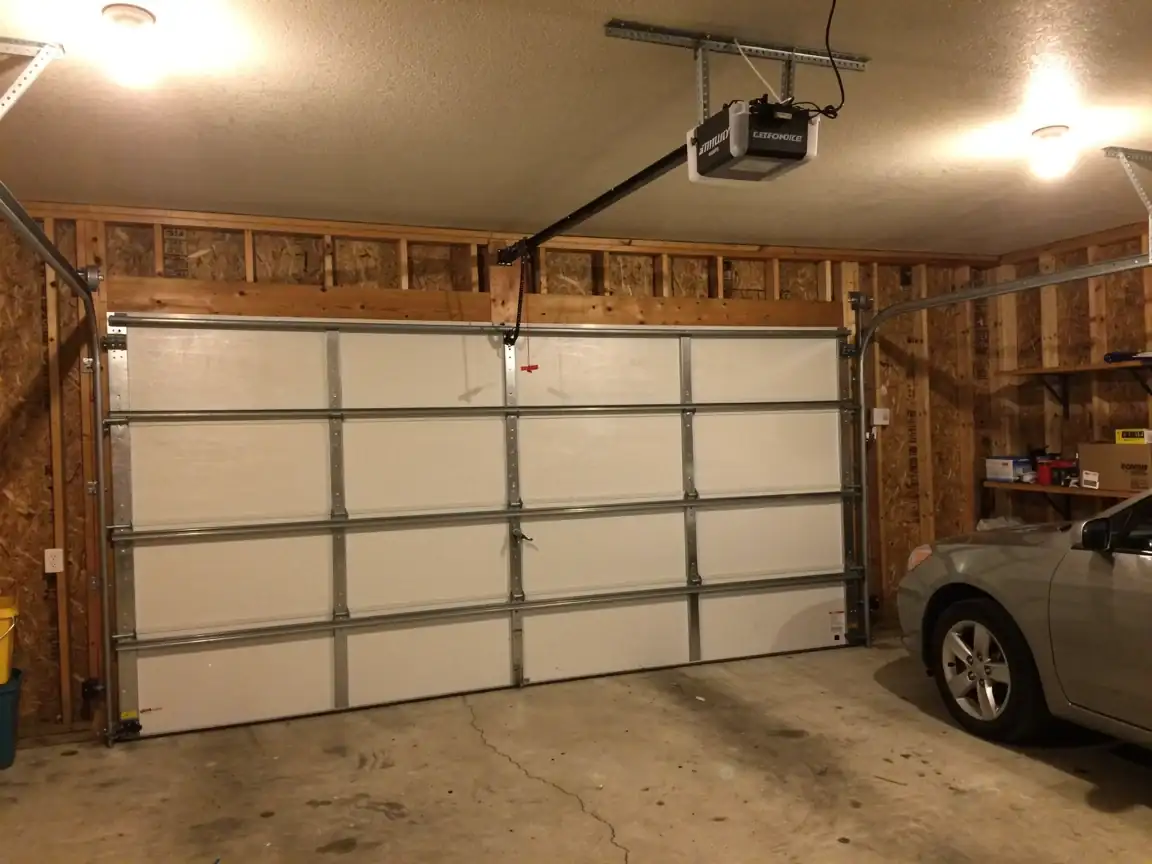
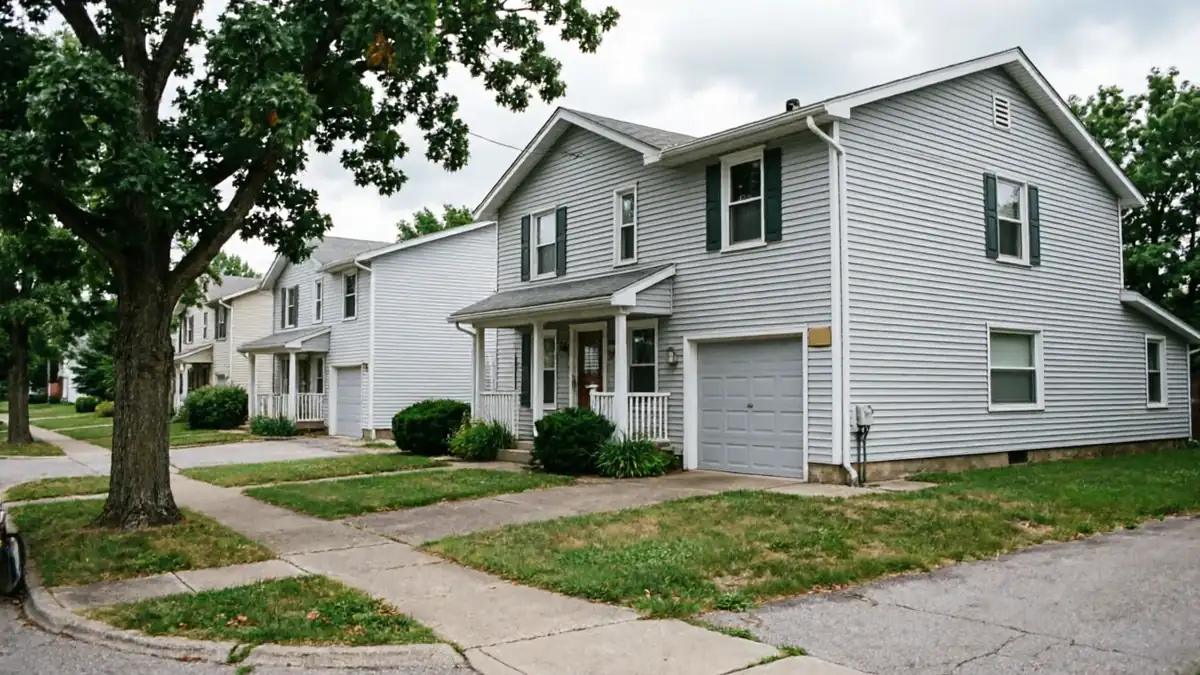
Most houses across this service area were built between 1946 and 2009, with the bulk of the stock going up in the 1980s and 90s across the 57 named communities we cover. That generation of door came with steel track hung on light brackets, and after three decades those brackets loosen a little every year. Add a cold-climate winter - and this area sits in a severe cold band - and you get a second problem stacked on the first: the track metal contracts, rollers that were already riding loose now have even less margin, and a door that's been slightly crooked for months finally jumps the rail on a sub-zero morning. It's not random. It's a 35-to-40-year-old bracket meeting a 20-degree swing in temperature. Newer doors in this area, the ones built since the 2000s, use heavier track gauge and sealed bearing rollers, so they don't show this nearly as often. If your house falls in that older band, the track is worth checking before winter, not after the door comes off the rail in your driveway at 6am.
Doing It Yourself
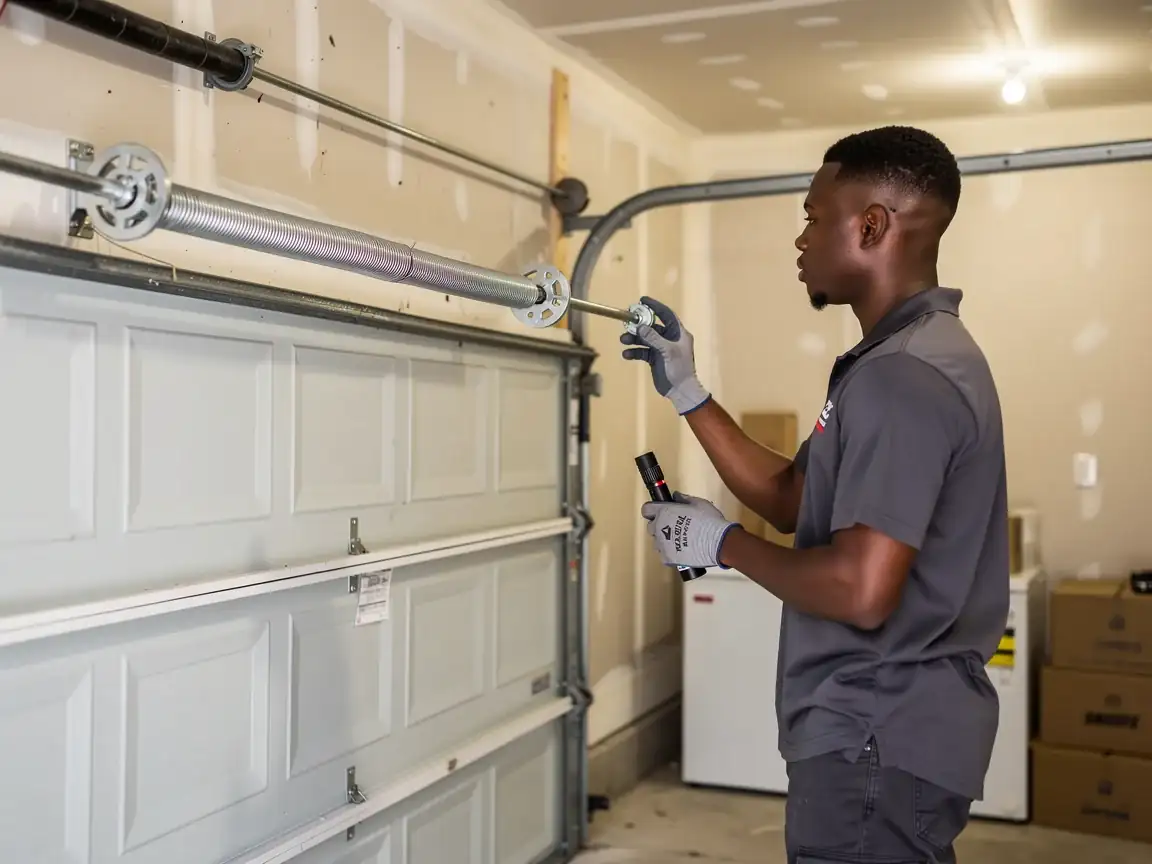
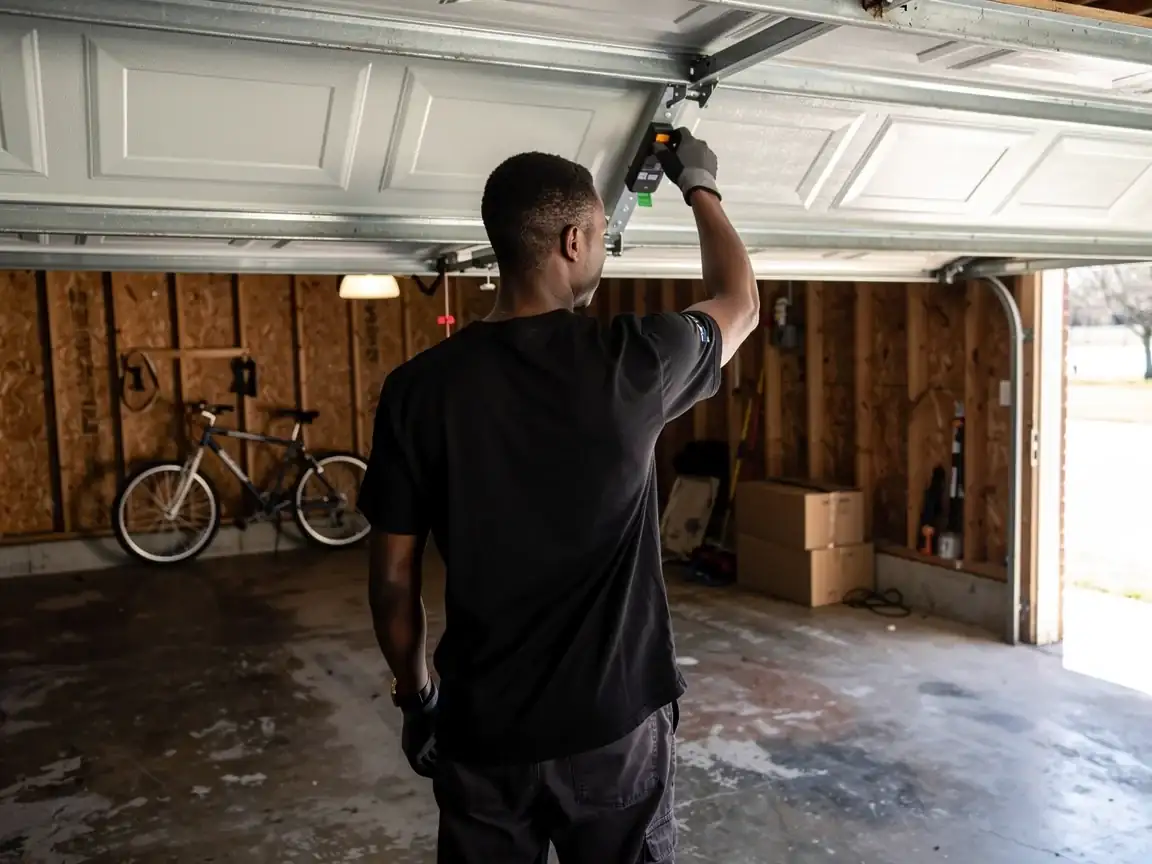
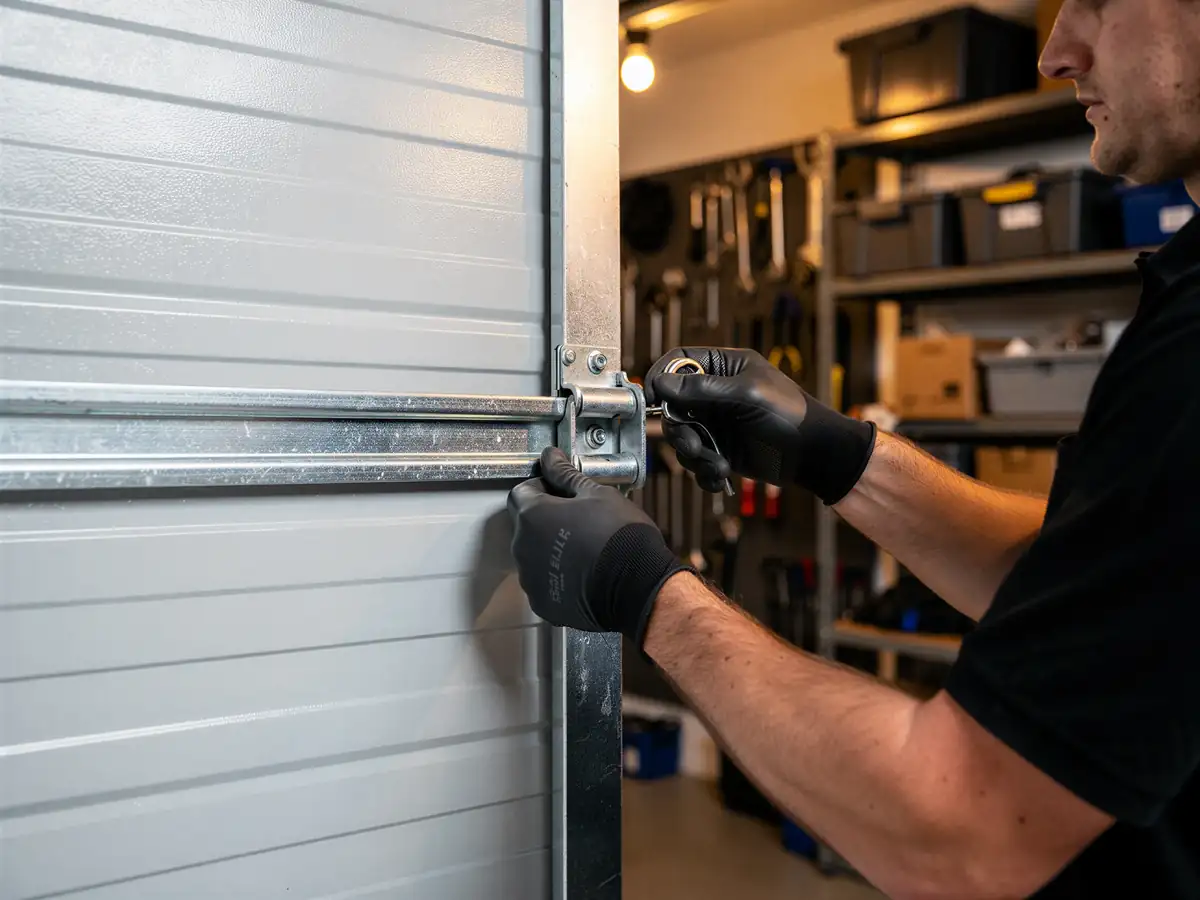
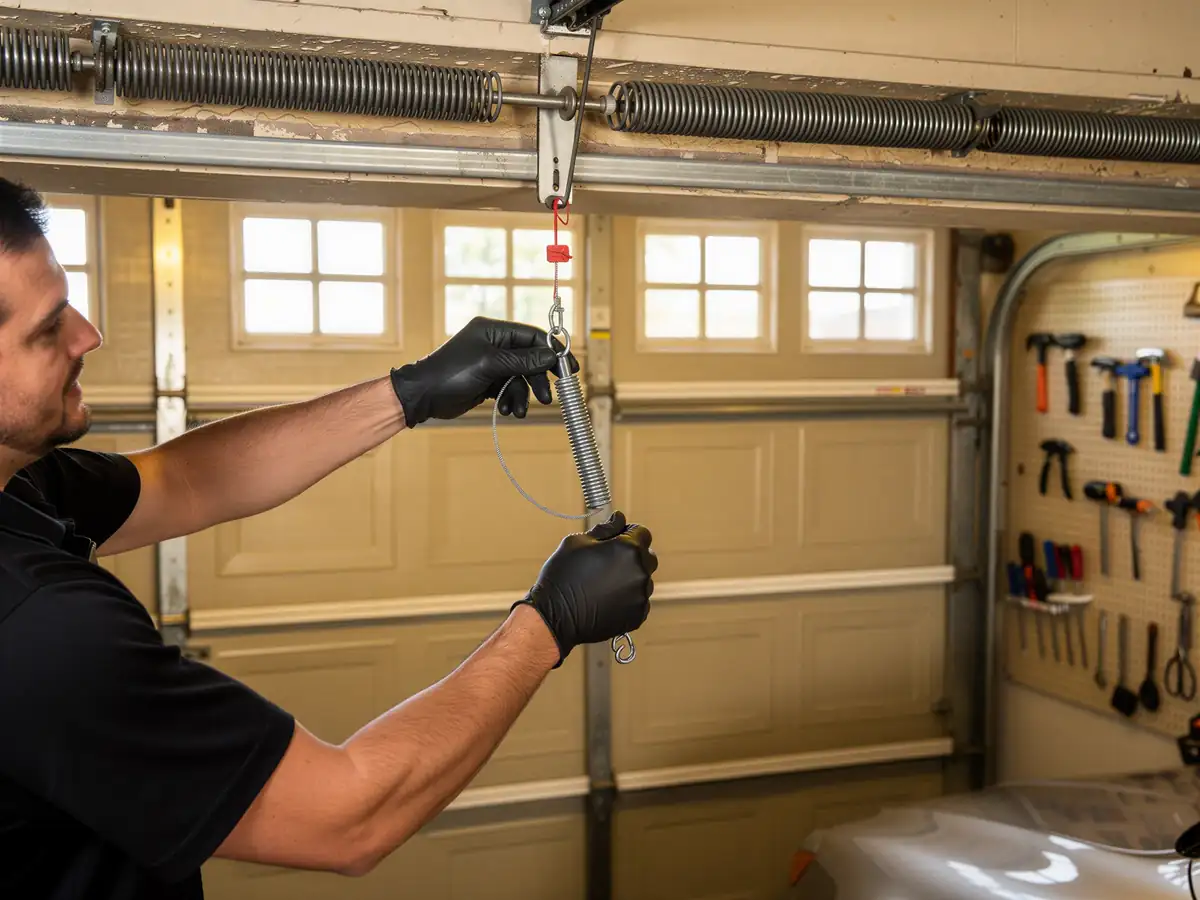
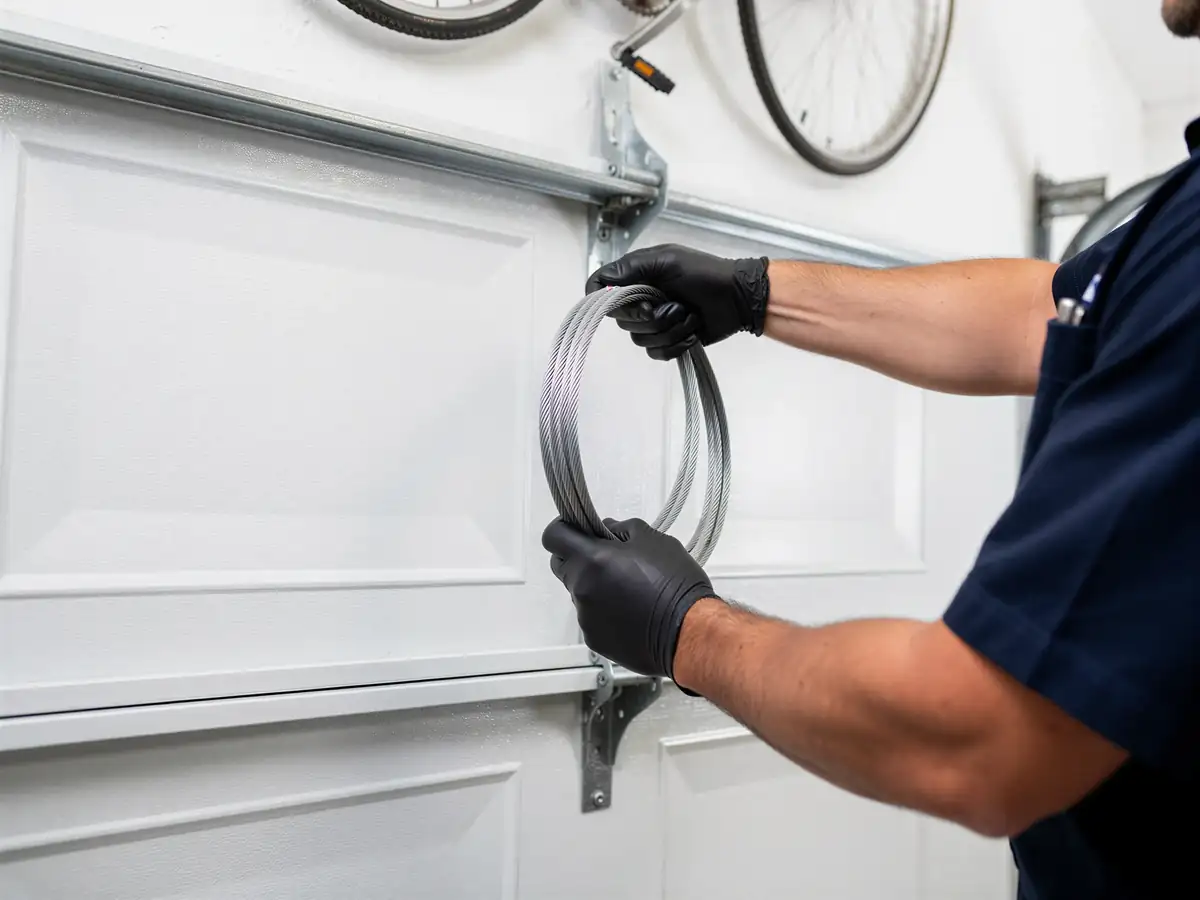
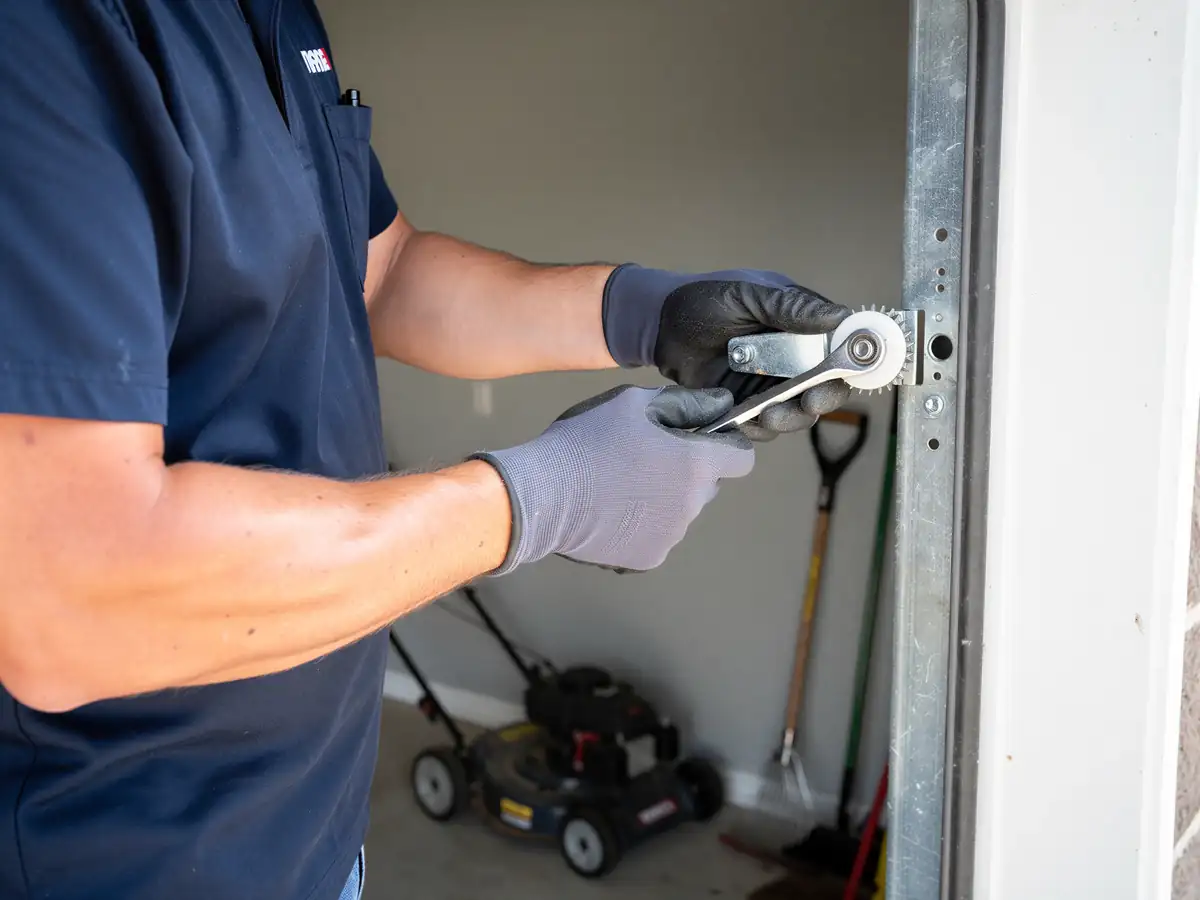
You can often tell a door is close to going off track before it happens: it tracks to one side as it closes, one roller makes a knock you didn't hear last year, or the gap between door and frame isn't even top to bottom. Tightening loose bracket bolts and vacuuming debris out of the track channel is reasonable homeowner work, and it's cheap insurance. What isn't reasonable to DIY: a door that's already partway off the track under spring tension. The cables and springs on a door in that state are storing energy, and trying to muscle the panel back into the rail yourself is how people lose fingers or get hit by a dropping door. If the door is still on the track but rattling or dragging, check and tighten what you can reach. If it's already derailed, leave it where it sits and call.
How It Shows Up
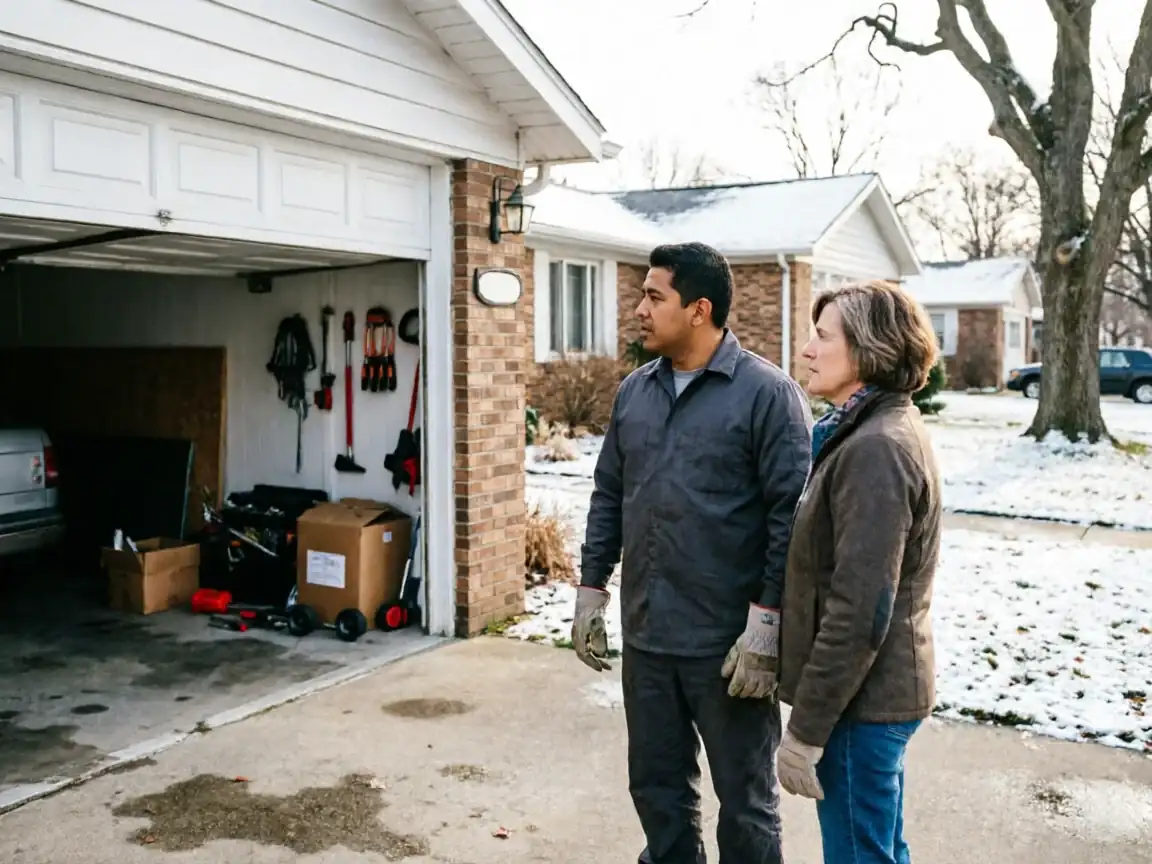
In practice this shows up two ways across the area. One is the sudden version - a hard cold snap, a door that's closed fine for weeks, and then one morning it hangs an inch off true and won't close the rest of the way. The other is slow: weeks of a door that drifts to one side, a roller that squeals, a gap that widens on one corner, until it finally jumps the rail entirely. With roughly 96,533 owner-occupied houses in this service area and most of them sitting in that 1946-2009 build window, we see both patterns regularly, and the slow version is the one worth catching early - it's a cheaper call before the track bends than after.