Why This Fails Locally
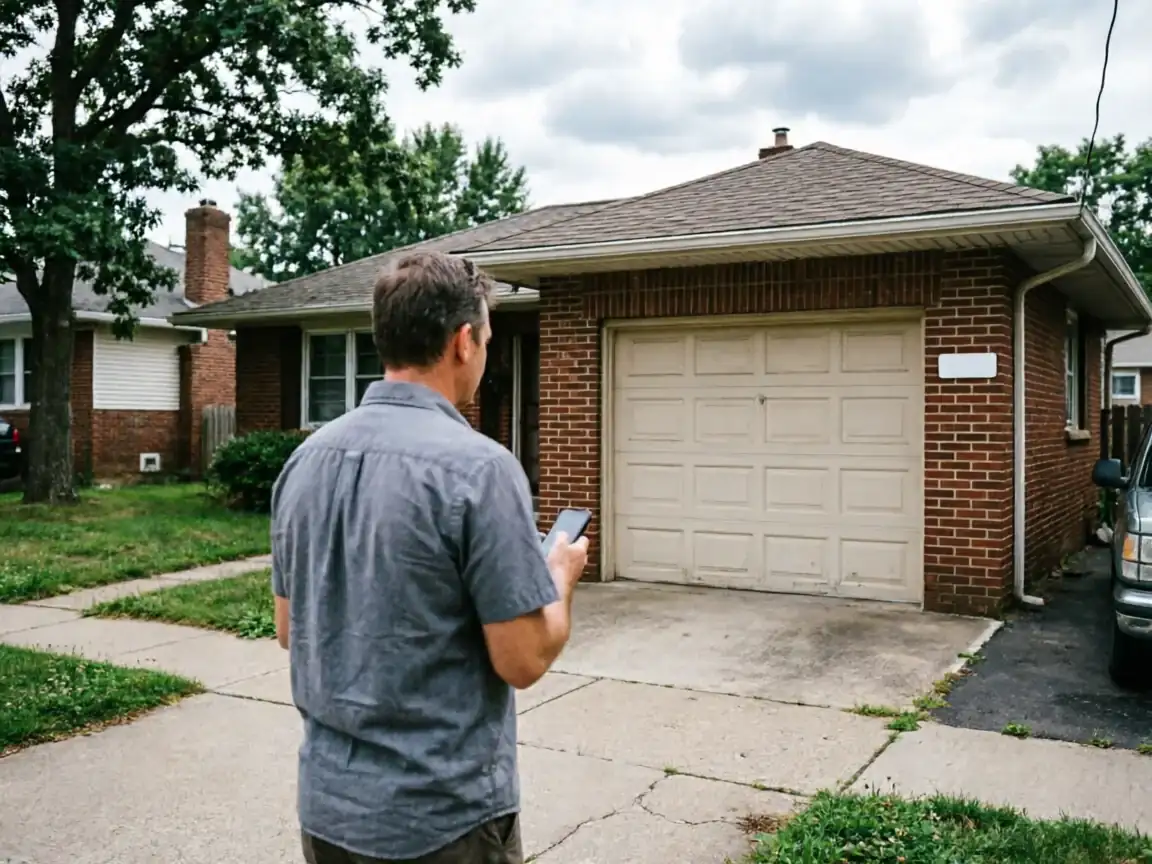
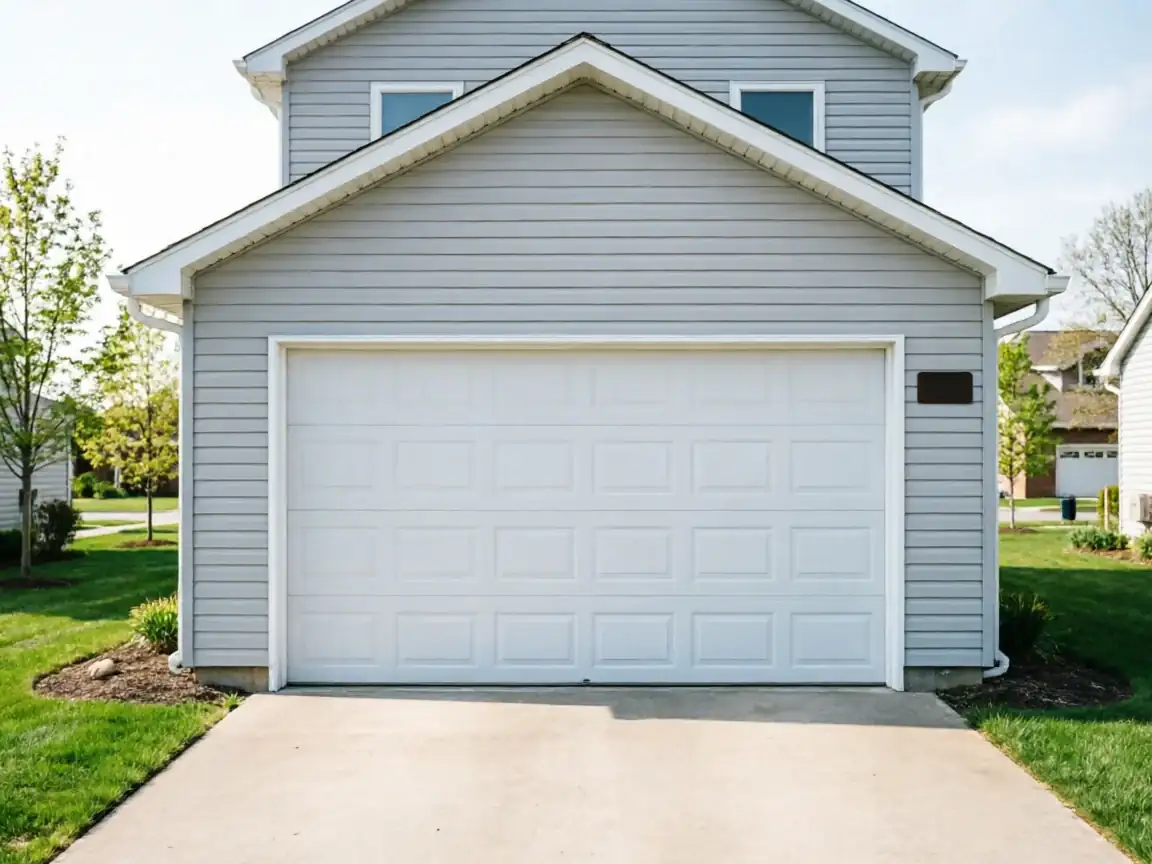
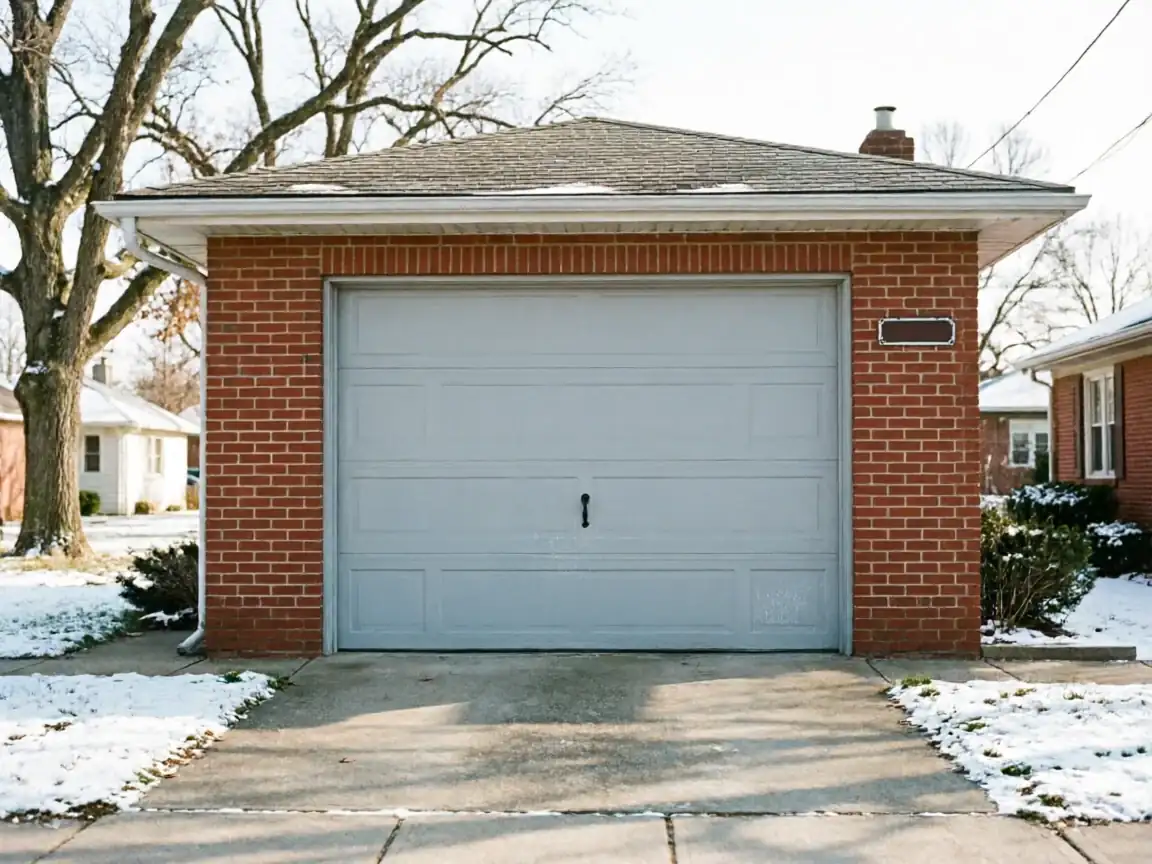
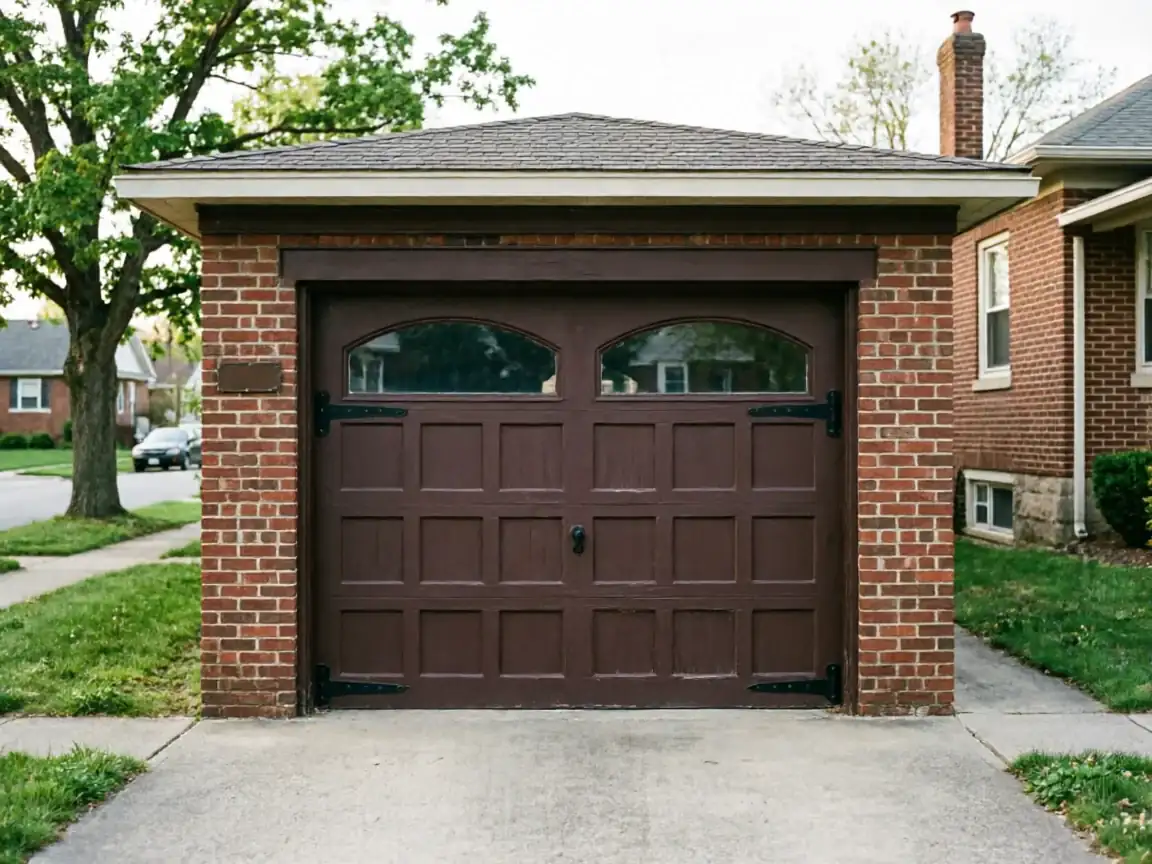
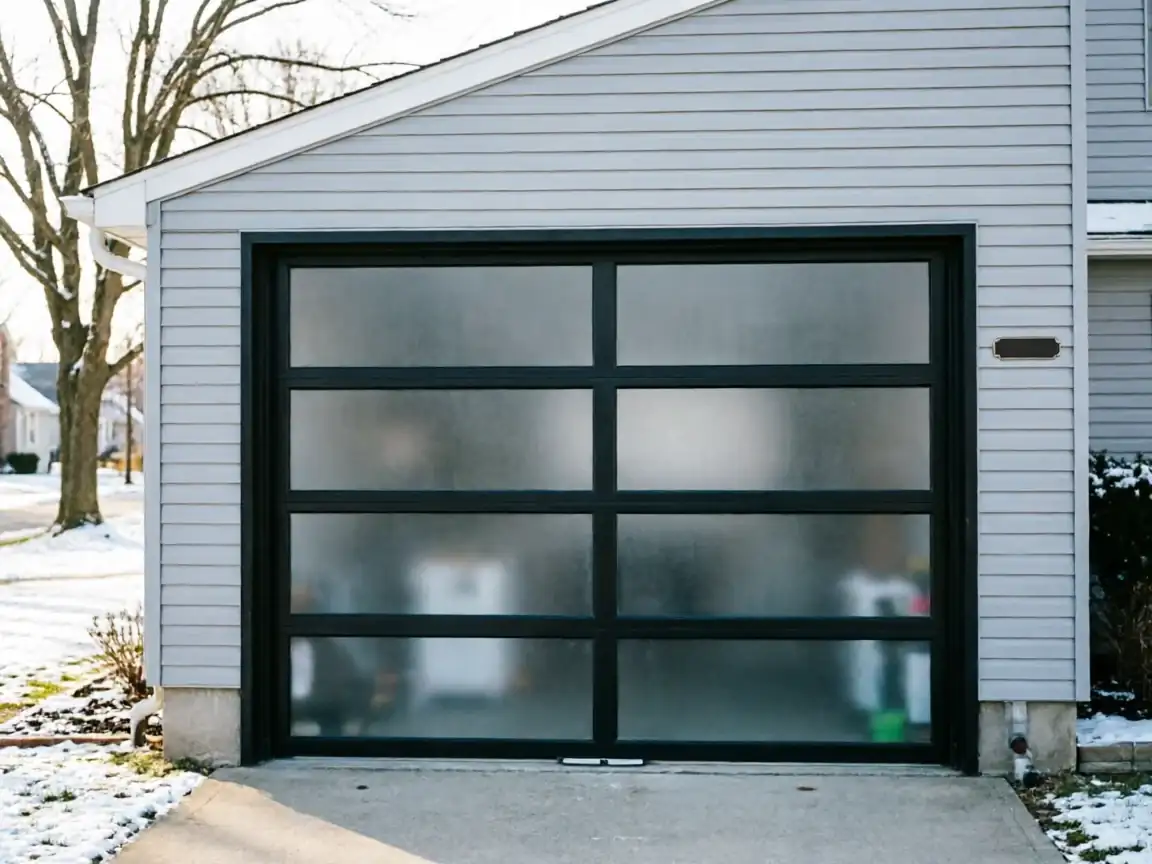
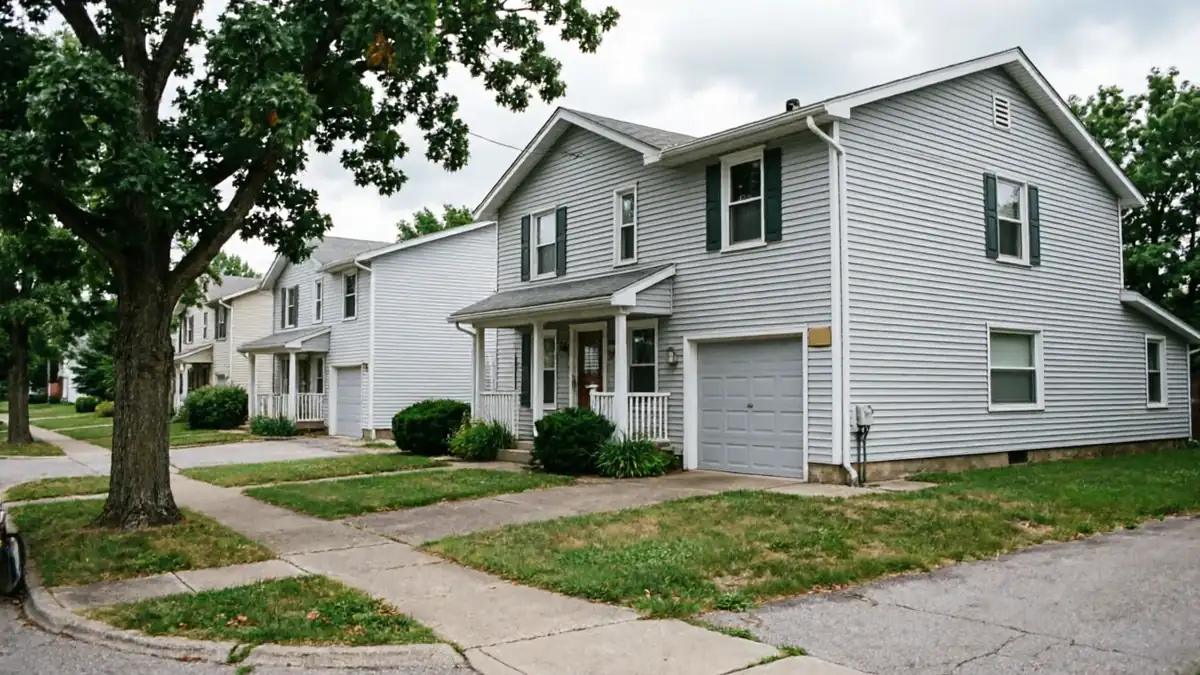
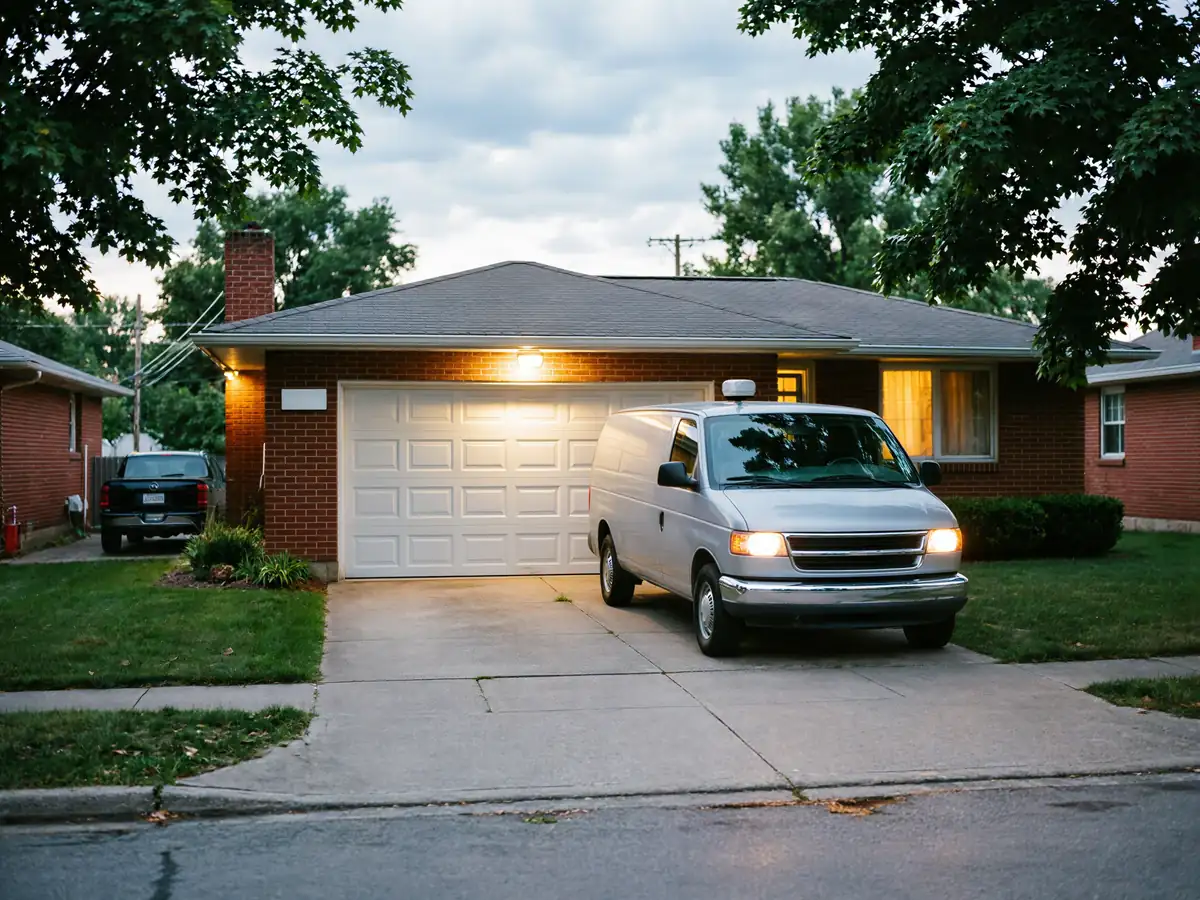
Most houses in this service area went up between 1946 and 2009, with the bulk of the stock dating to the 1980s and 90s across the 57 named communities we cover. That matters because a torsion spring is rated for a set number of cycles, and a door installed when a subdivision was built in, say, 1988 is now thirty-plus years into hardware that was never meant to last forever. Add a COLD severe climate band, and steel contracts hard on the coldest nights of the year, right when a spring is already near the end of its life. That combination - aging original hardware plus deep winter cold - is why emergency calls cluster the way they do here instead of spreading evenly across the calendar. A door that's worked fine for a decade can snap a cable or a spring the first sub-zero week of a season, with no warning beyond a louder-than-usual bang when it lets go. This isn't a defect in any one door. It's what happens when 1980s-90s stock meets a real winter, year after year, until the metal gives out. Knowing that pattern is why we treat spring and cable failures as the emergencies they are, not routine maintenance items.
Doing It Yourself
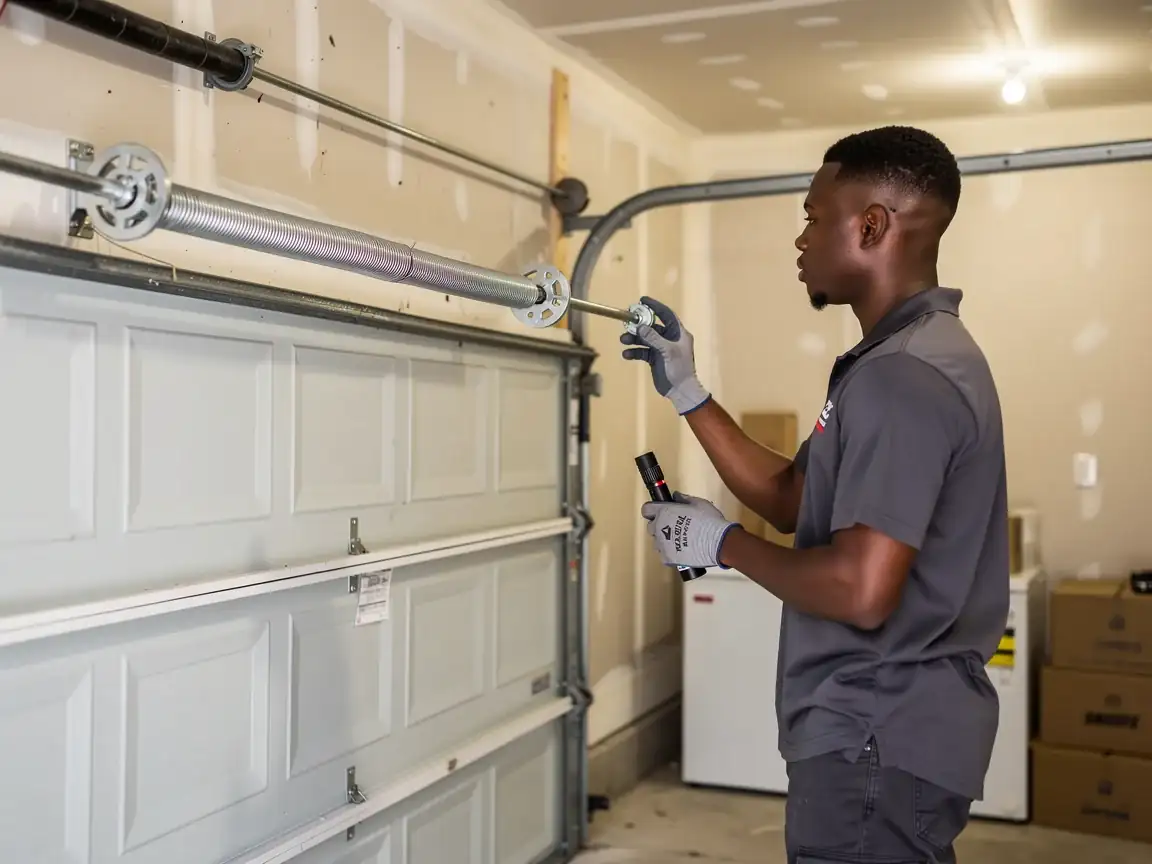
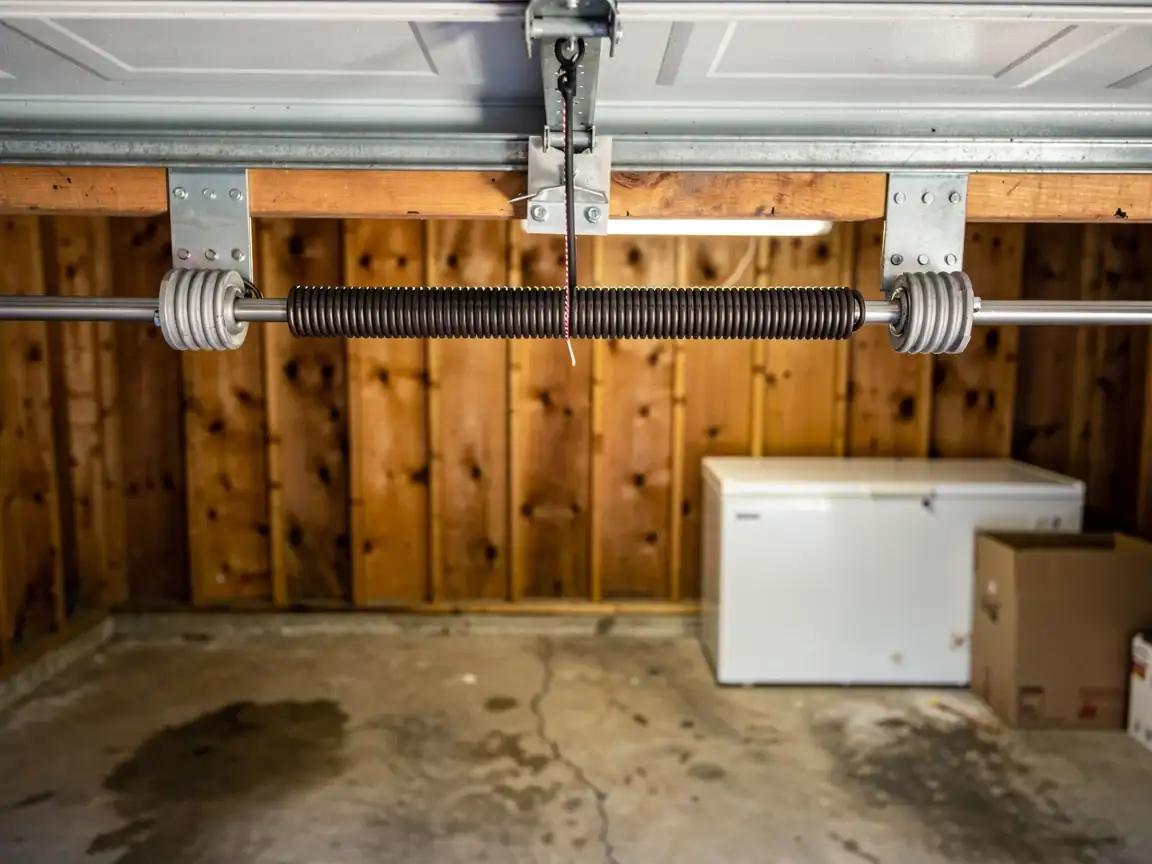
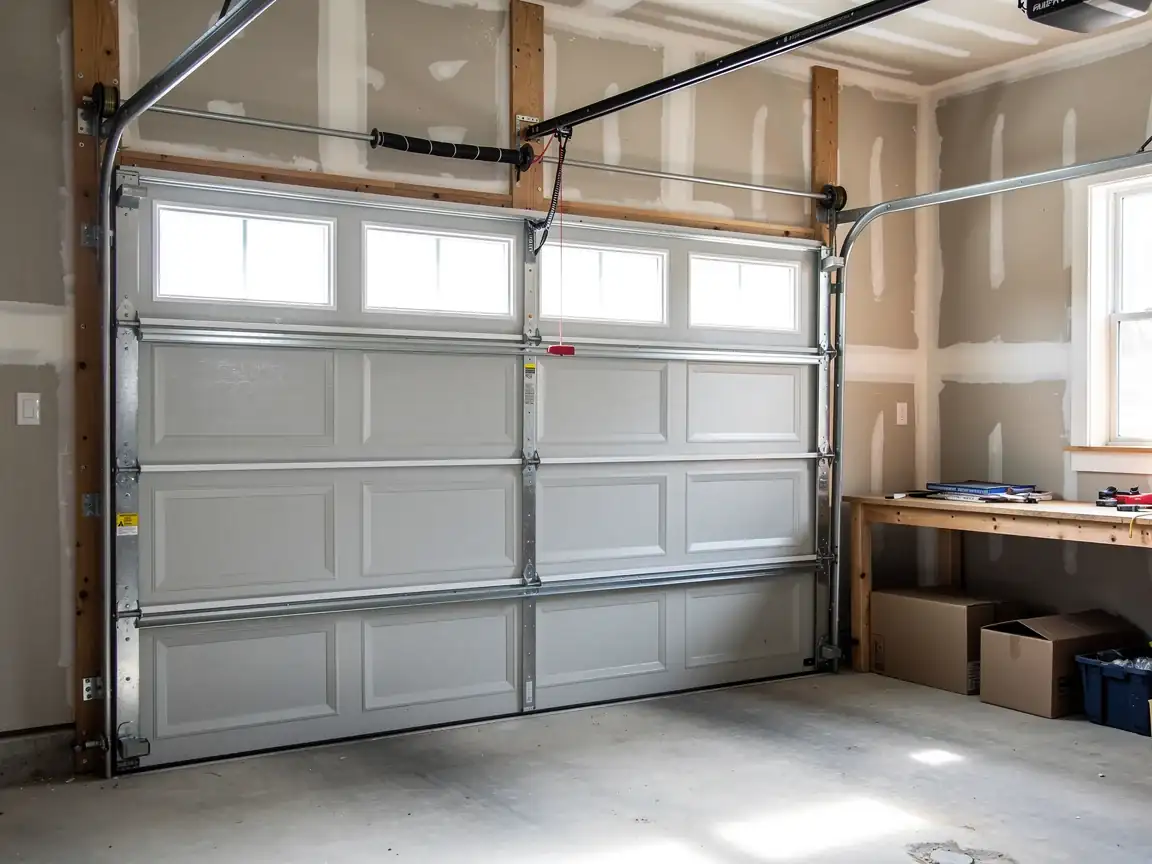
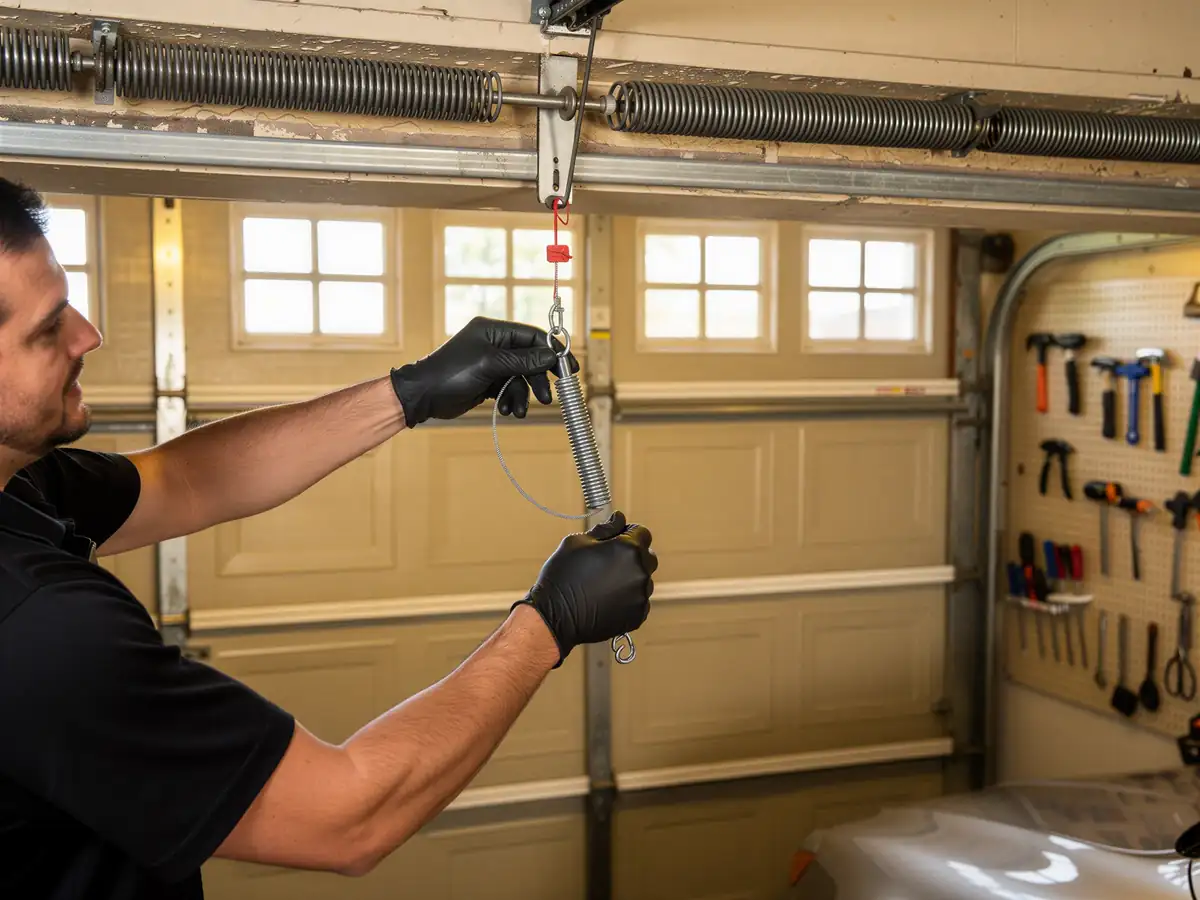
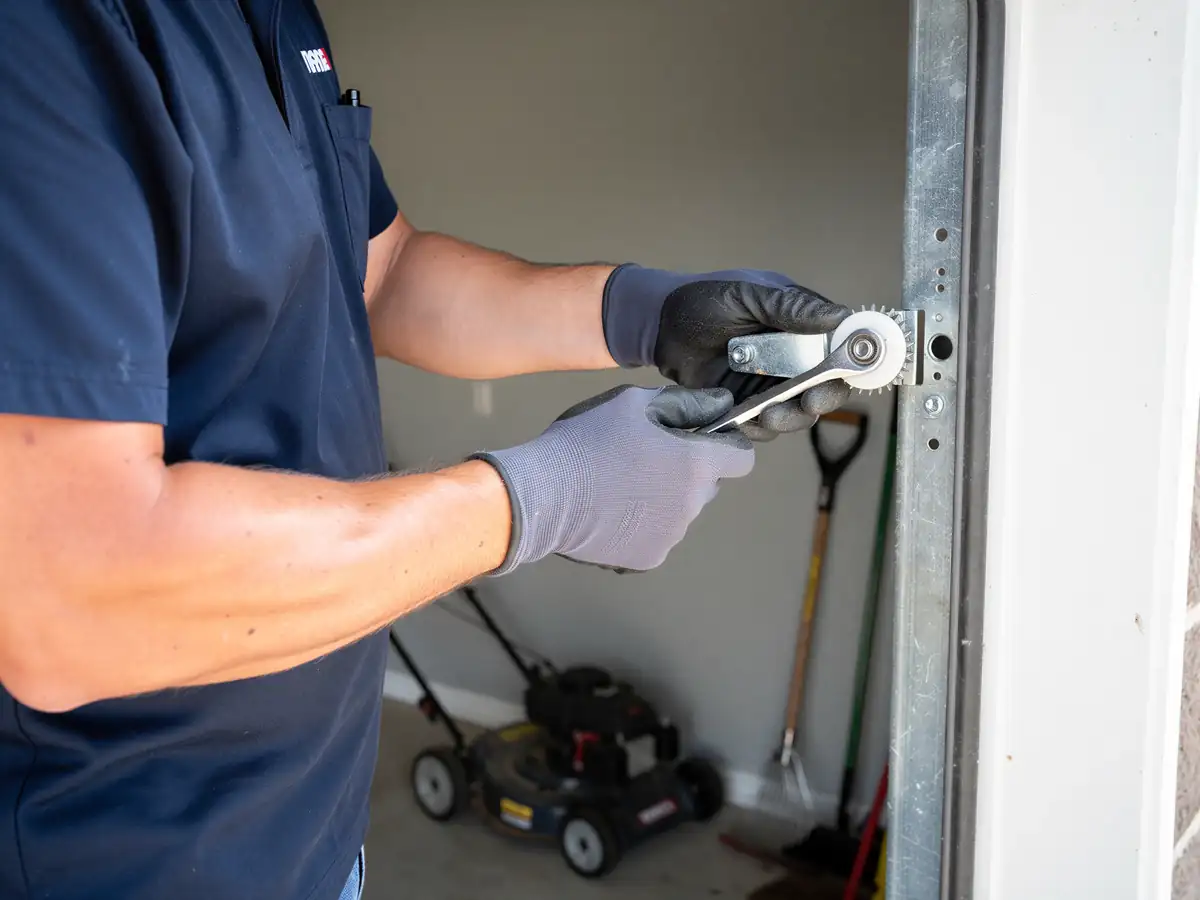
A broken torsion spring on a double door is not a DIY repair, full stop - the spring is under enough tension to cause serious injury, and that's true no matter how handy you are. What you can safely check yourself: whether the opener has power, whether the manual release cord has been pulled by accident, whether a track is visibly bent or a roller has jumped the rail. Those are things you can see without touching a loaded spring or cable. If the door won't move and you hear a loud pop beforehand, don't try to force it open or closed, and don't disconnect the opener and lift by hand - a broken spring means the full weight of the door has nothing holding it up. We'd rather you call and describe what you're seeing than attempt a workaround that turns a spring job into a trip to urgent care. One honest limitation: if a door has been painted over, rusted shut, or modified with non-standard hardware over the years, we may need to see it in person before we can quote a fix over the phone - some of these older installations don't match anything in a parts catalog anymore.
How It Shows Up
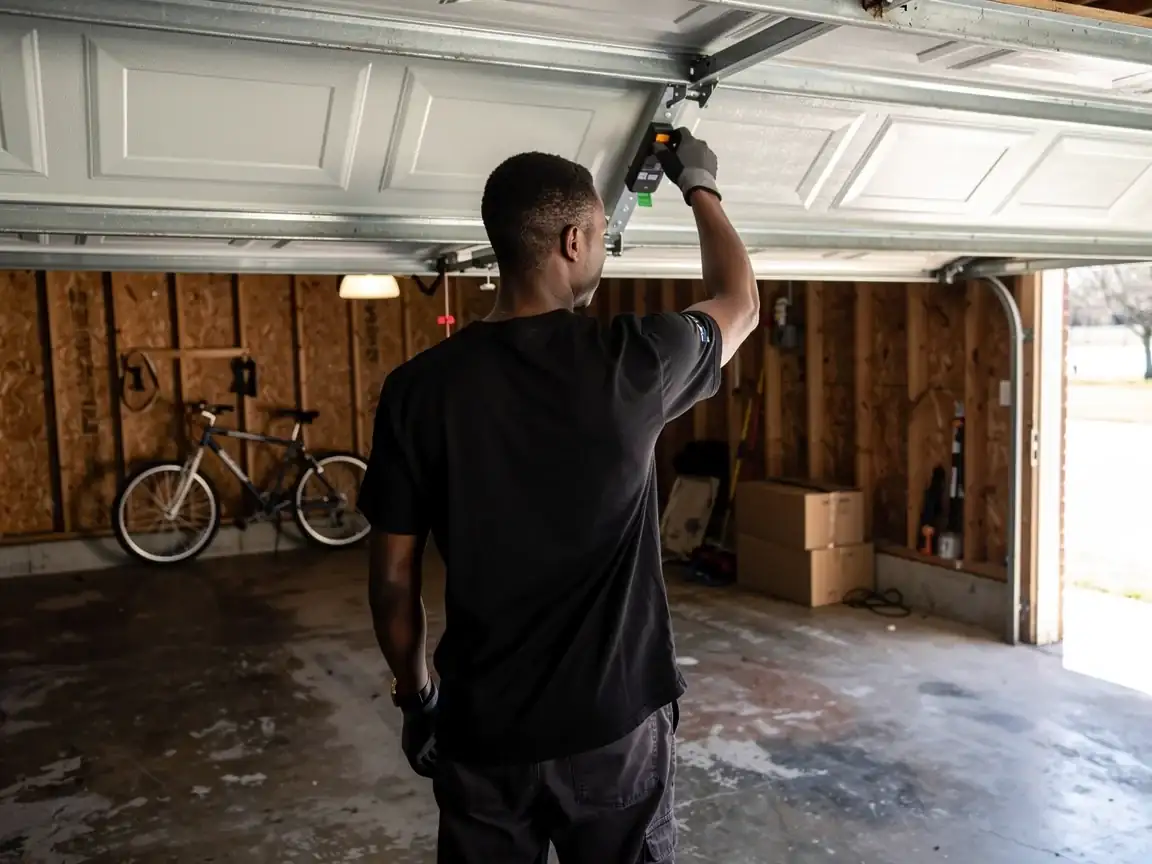
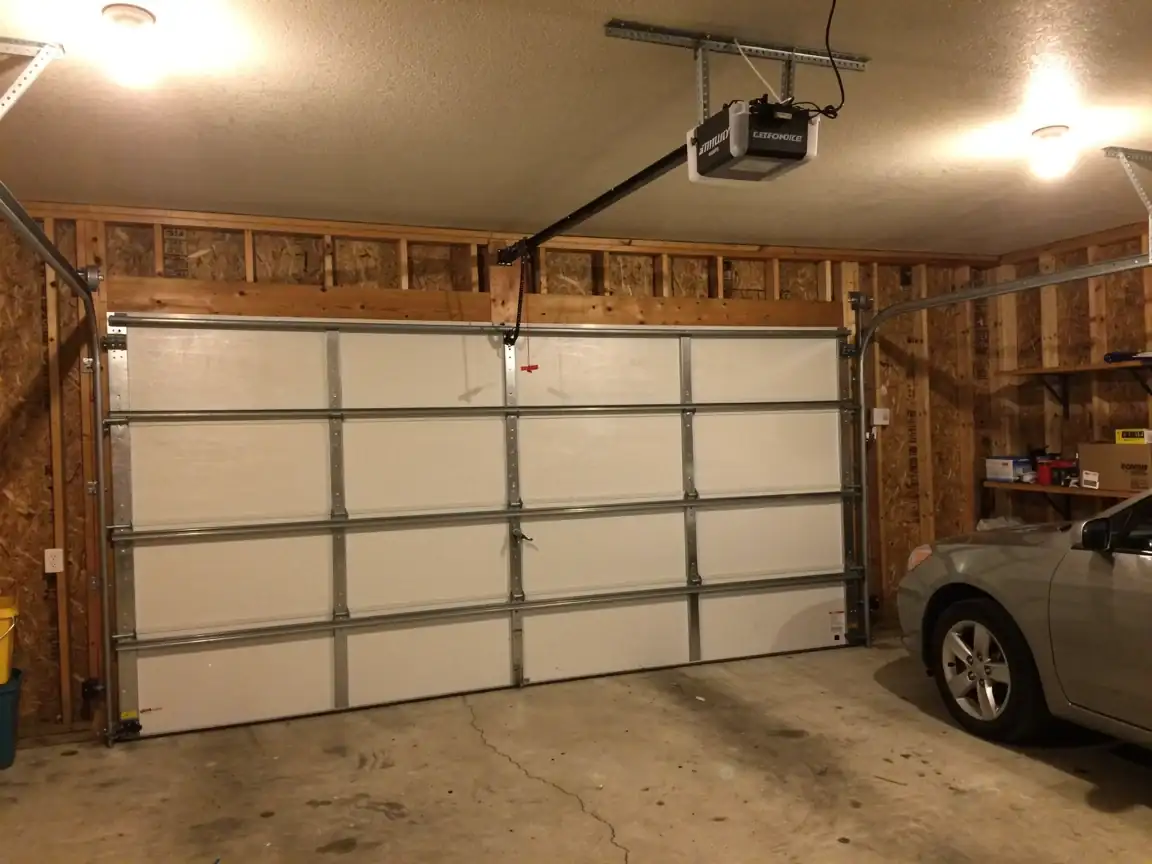
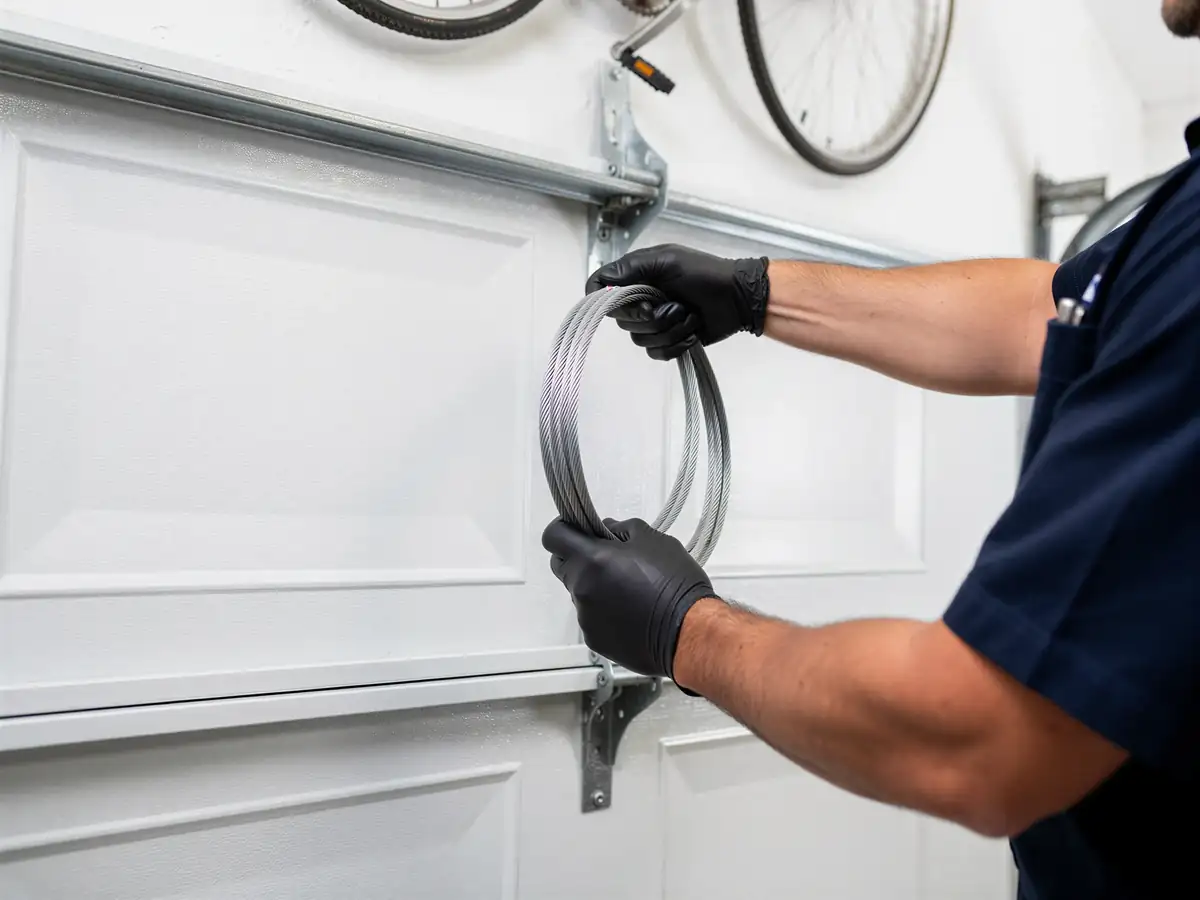
Usually it's one of a handful of signs. The door won't budge and the opener motor hums without moving anything - that's often a snapped cable or spring taking the load off the motor entirely. A loud bang from the garage, especially on a cold morning, followed by the door refusing to open, is close to a textbook spring failure. Sometimes it's slower: the door closes unevenly, one side dropping faster than the other, which points to one spring or cable going while the other side still holds. Openers can also fail on their own - a cold-soaked circuit board or a worn gear set can leave the door dead quiet with no response at all. If you're hearing grinding, seeing a visibly sagging cable, or noticing the door slam the last few inches instead of settling, those are all signs worth a call before the failure gets worse rather than after the door is stuck in whatever position it quit in.