Old Streets and New Ones
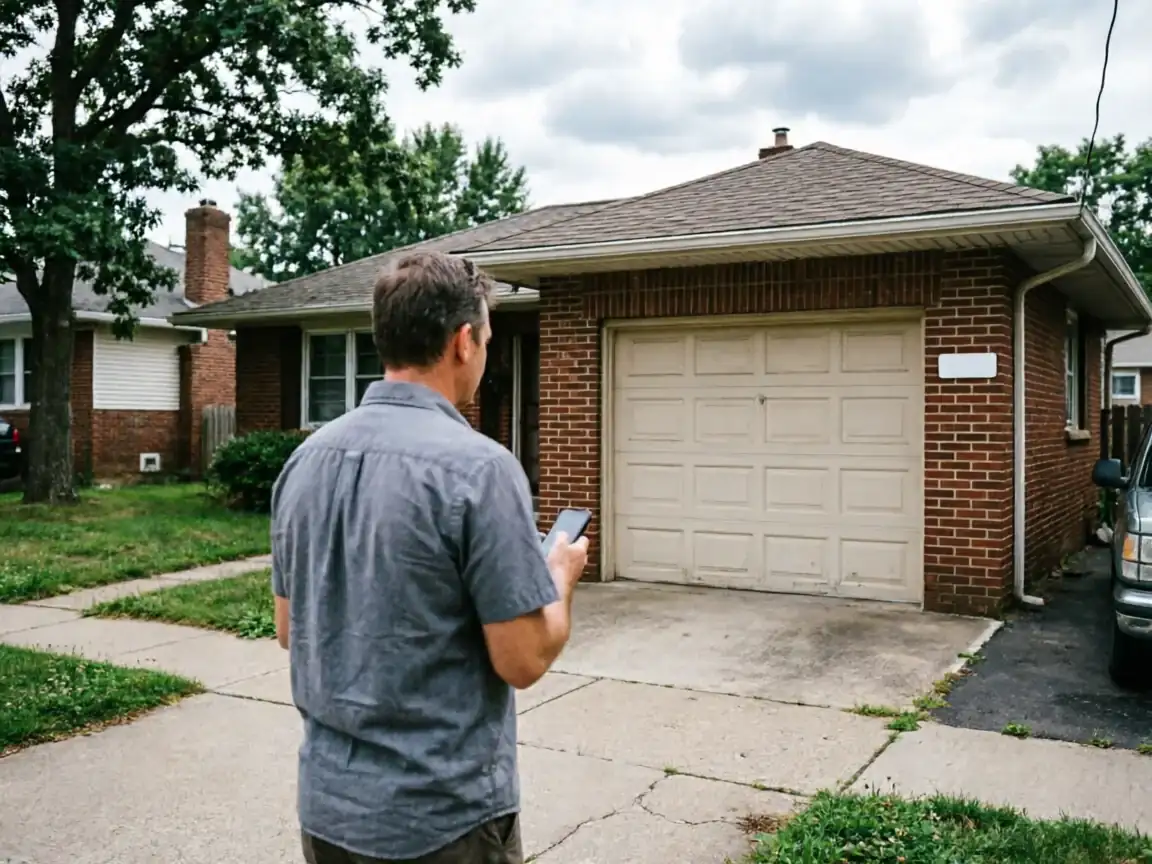
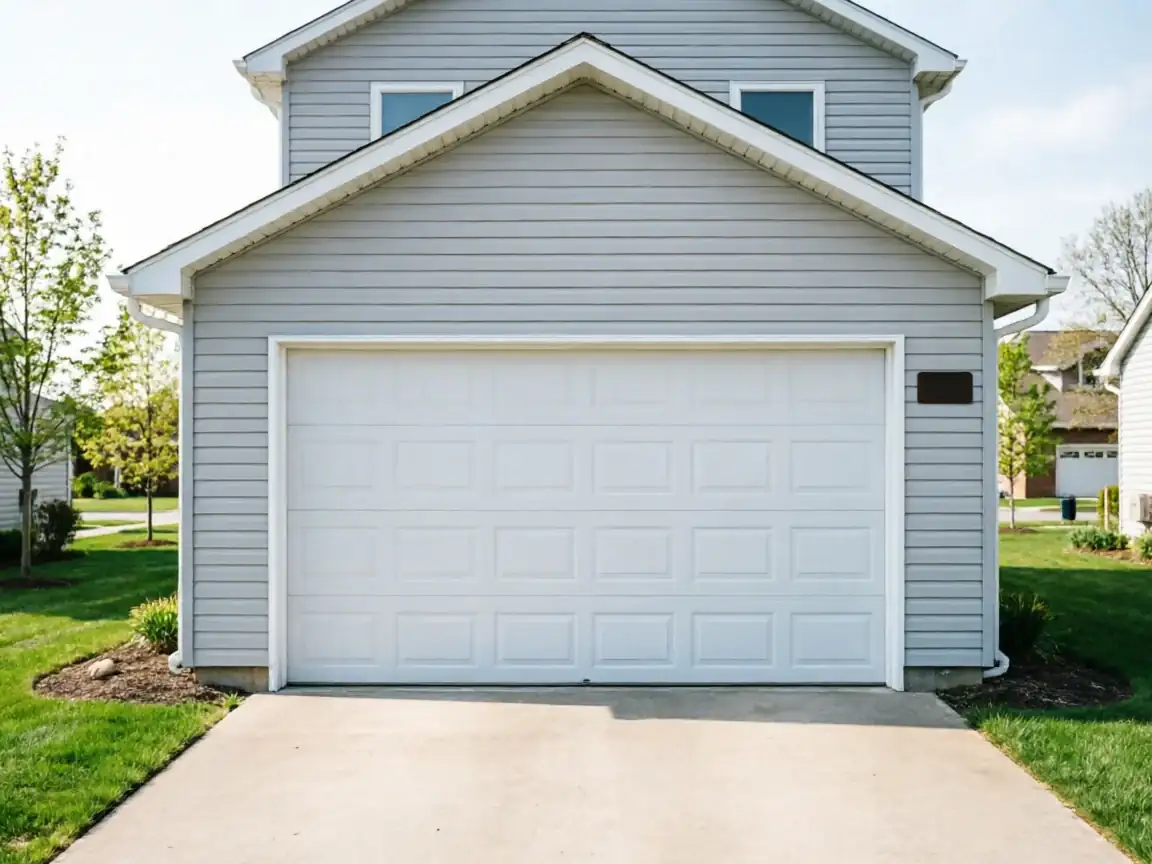
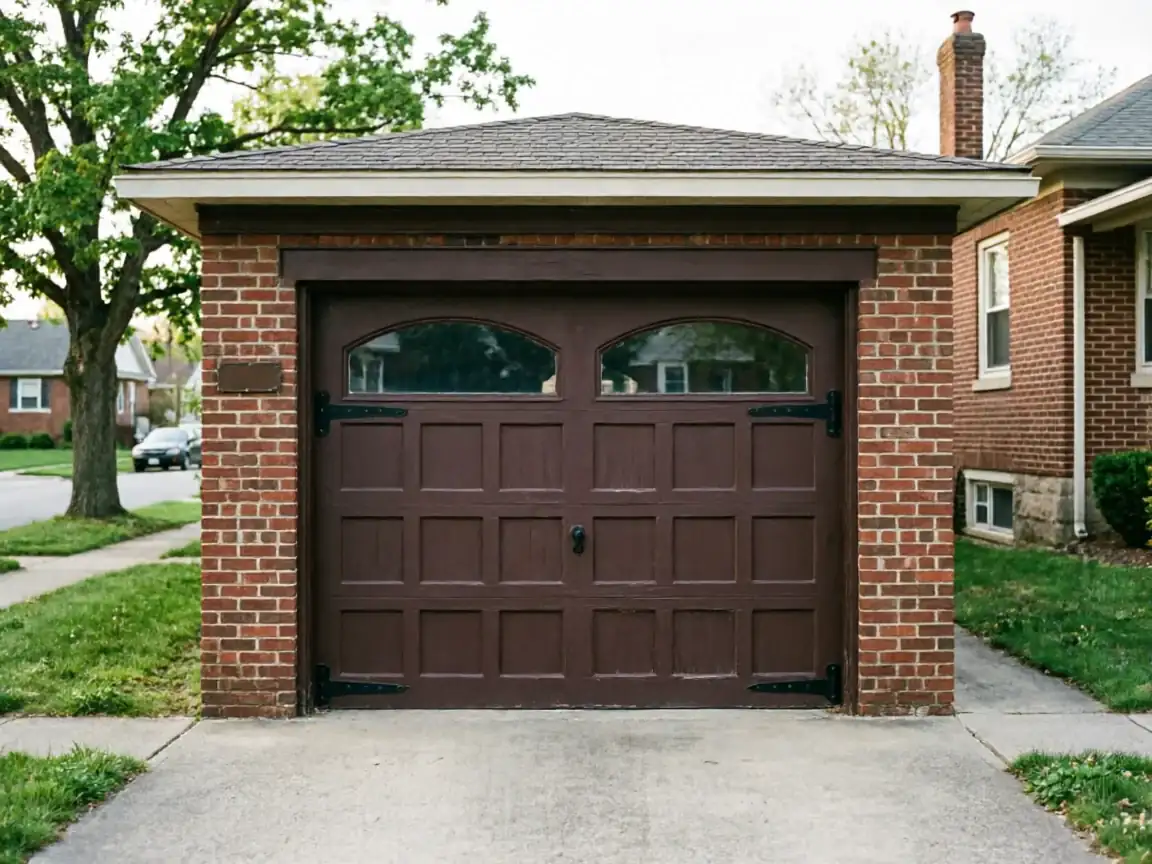
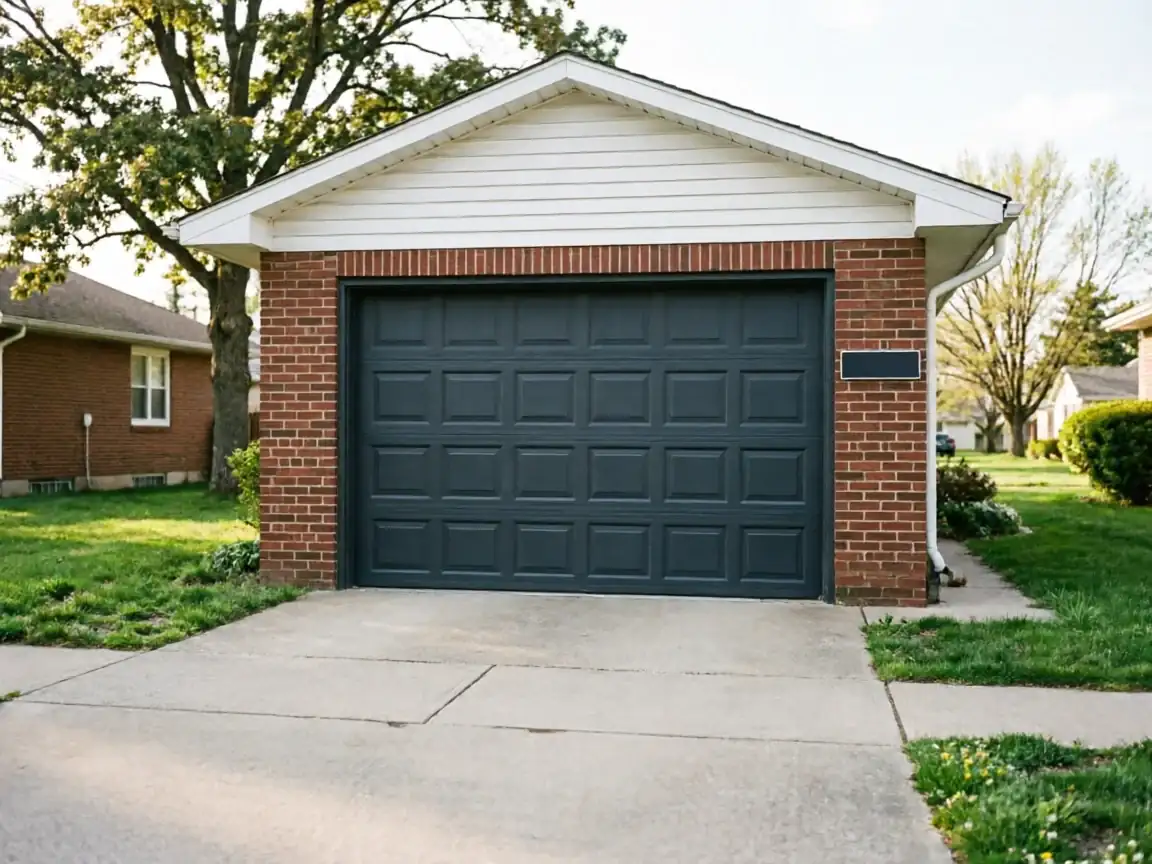
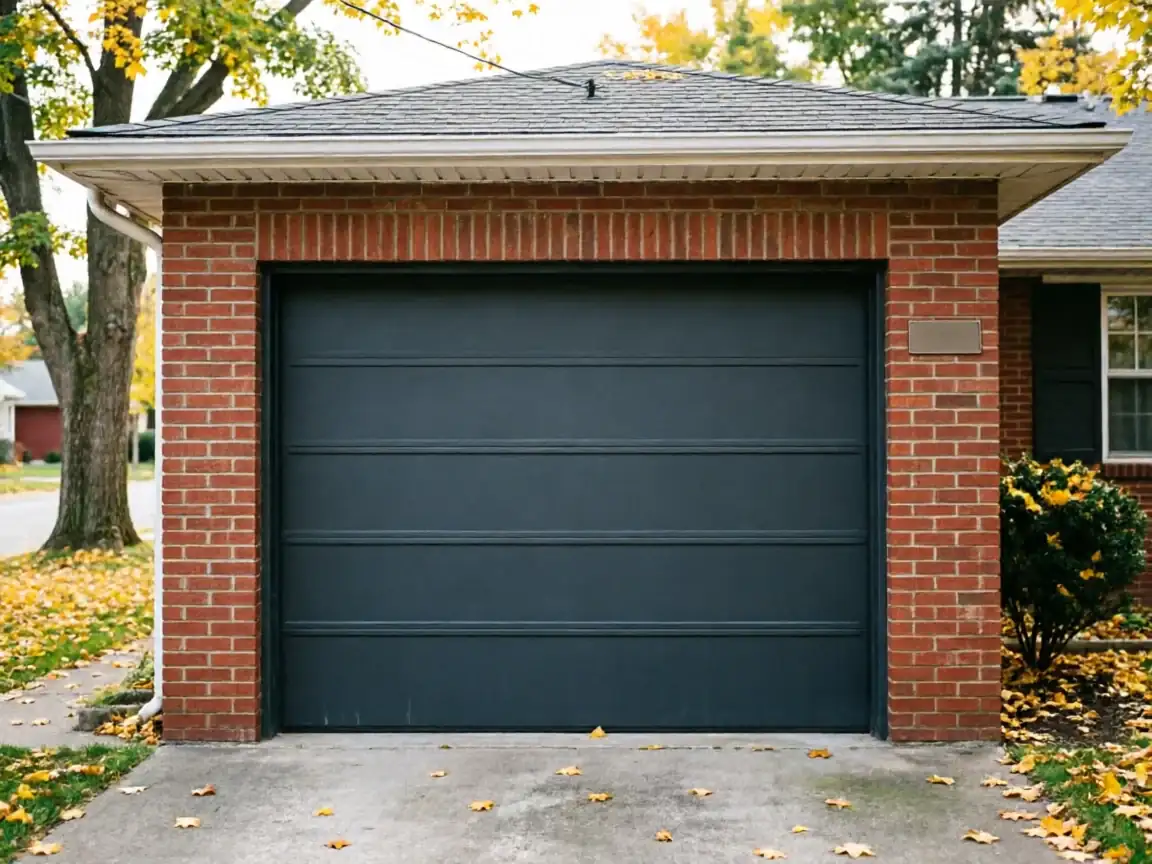
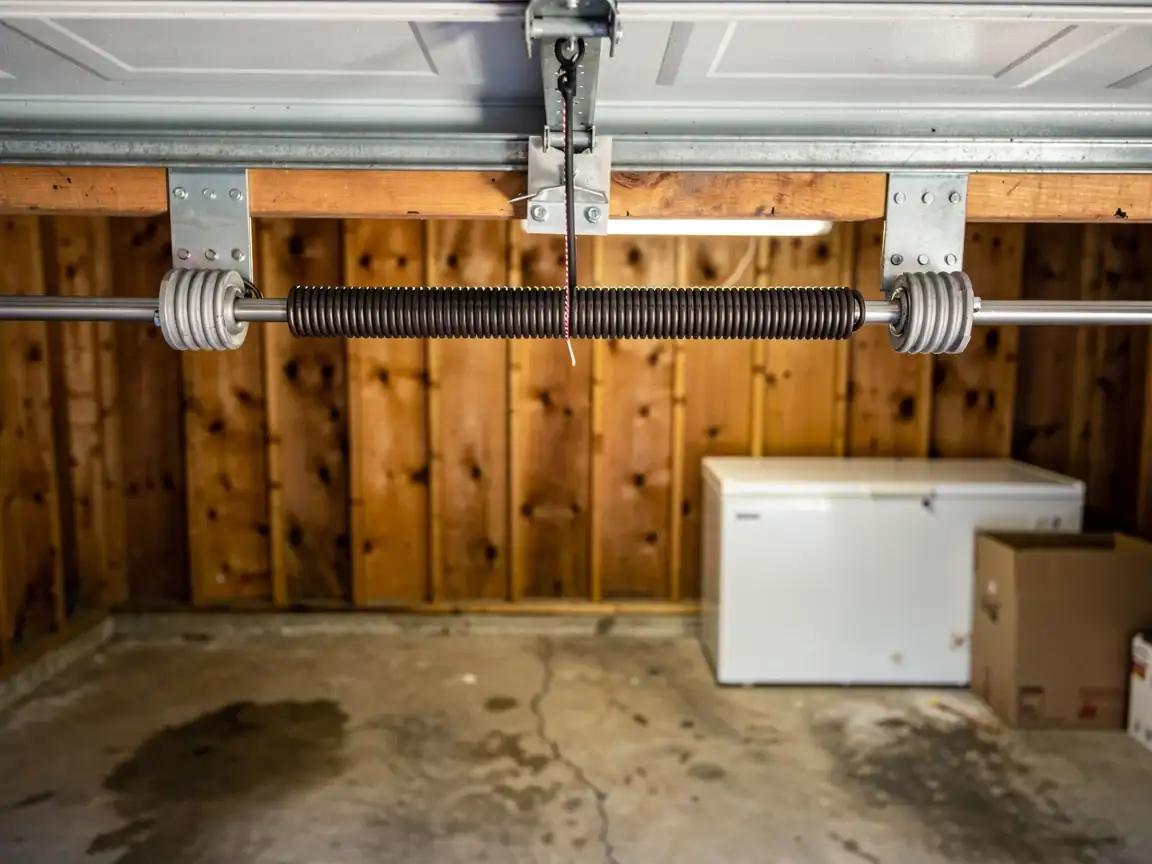
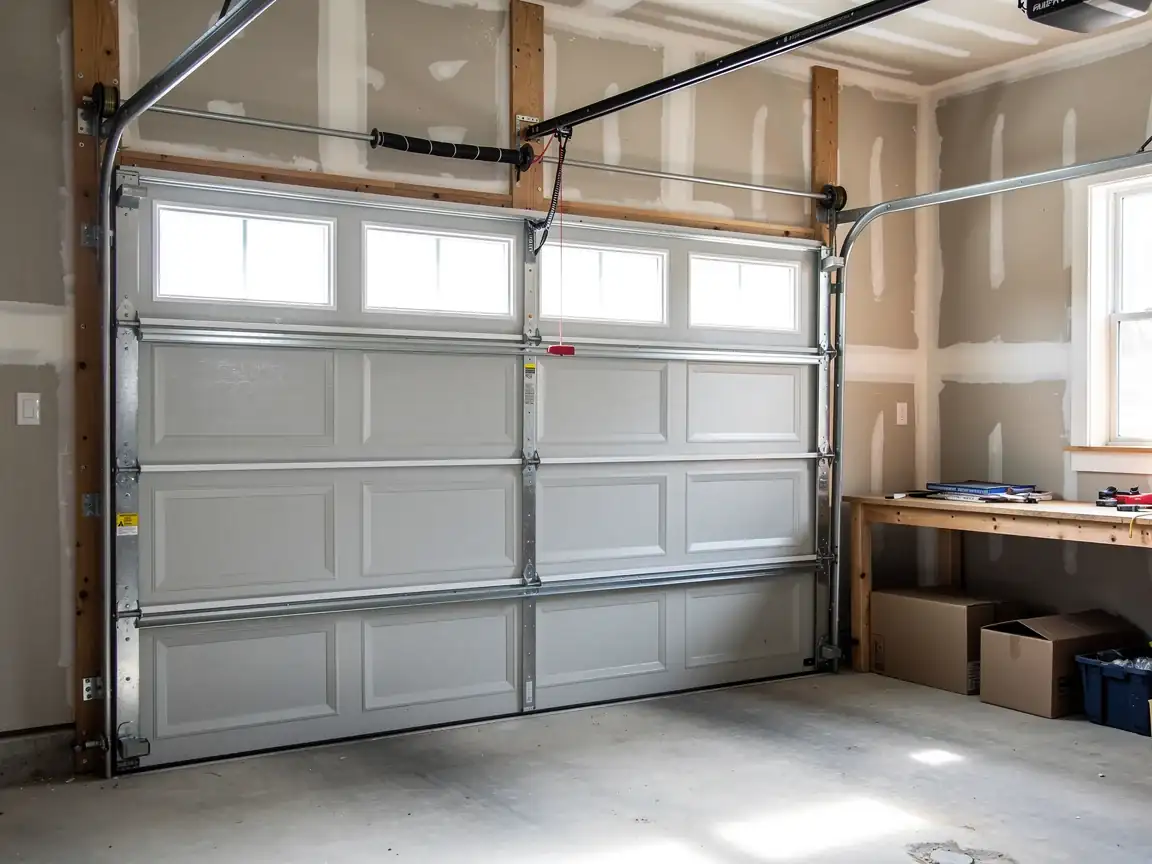
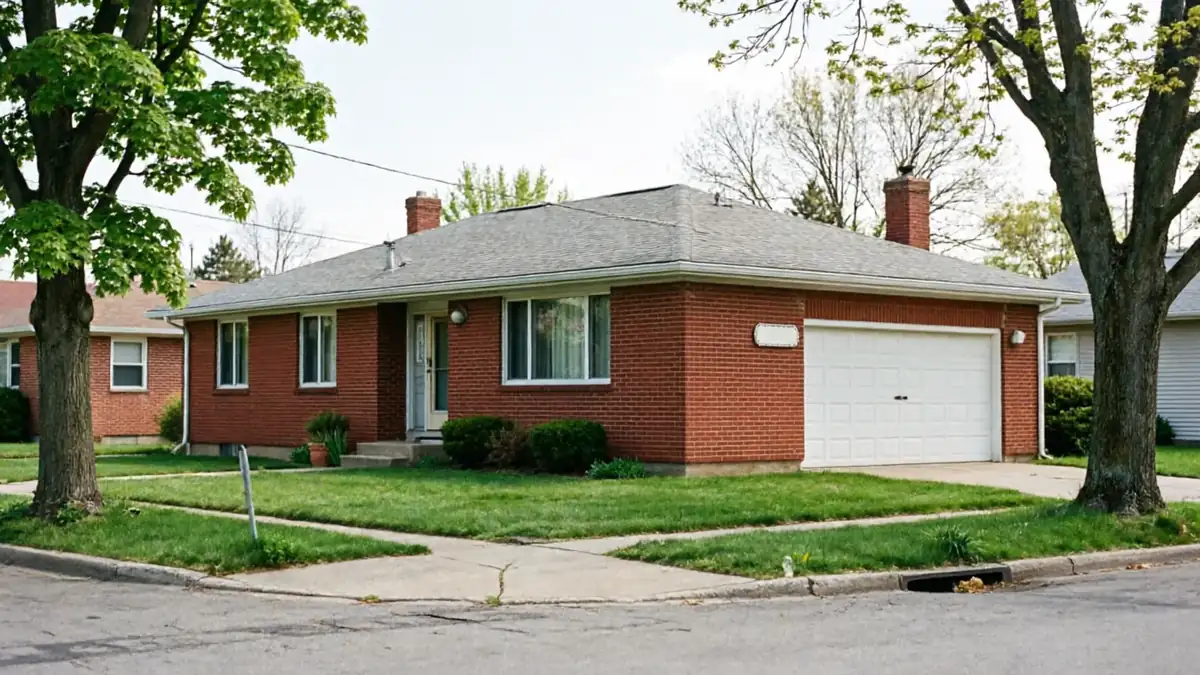
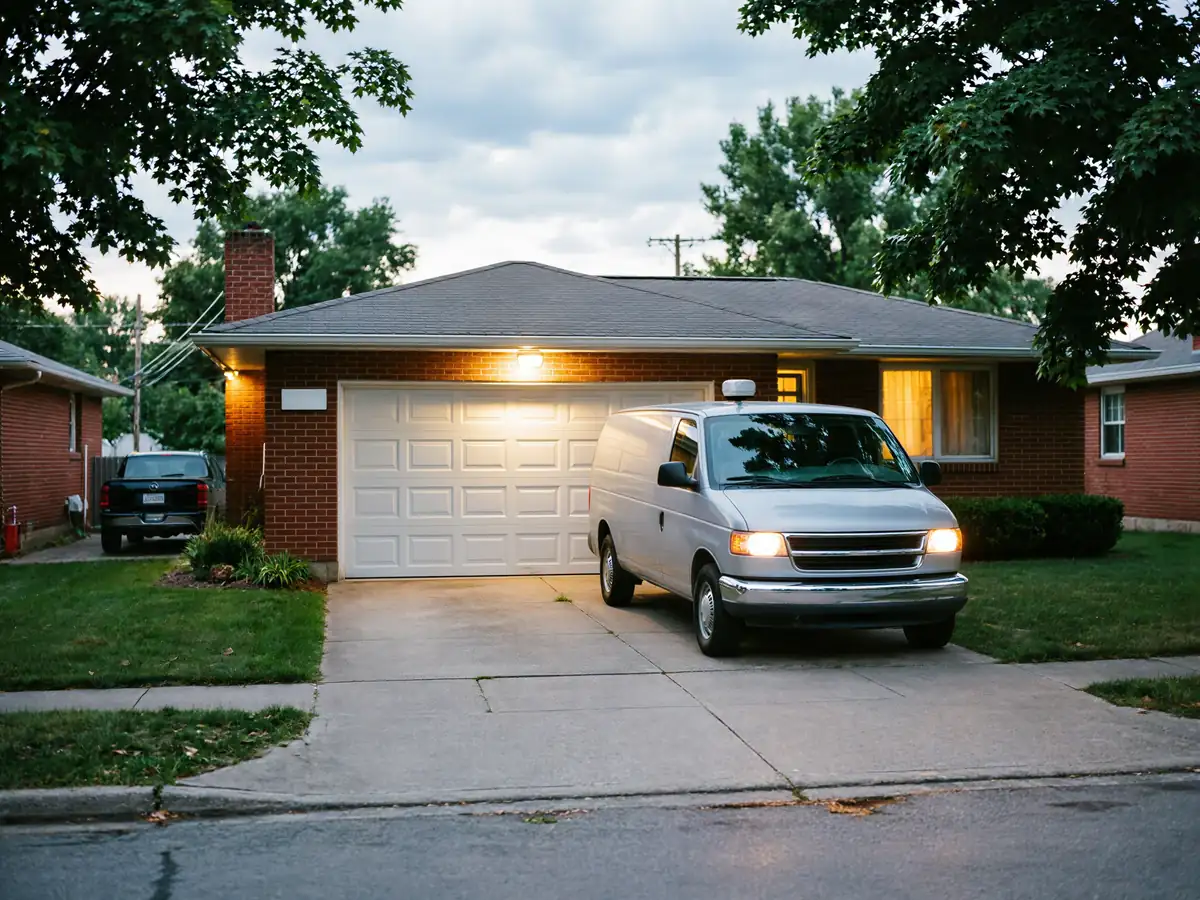
Johnsburg sits about 4 miles from our shop in McHenry, and the houses here tell a different story than some of the older pockets in the wider service area. Most of McHenry's broader coverage spans housing built between 1946 and 2009, with a median year of 1987 across the 57 named areas we work in. Johnsburg itself lands right around that median, at 1986 - so this isn't a town full of restored farmhouses with oddball door openings, and it isn't a cluster of brand-new builds with smart openers straight from the factory, either. It's mid-80s construction, mostly: steel sectional doors, torsion springs sized for that era's panel weight, and openers that have usually been swapped out once or twice since the house was built. We don't guess at what we'll find pulling into a Johnsburg driveway - we know the decade, and that tells us most of what we need before we even open the truck.
How We Get to You
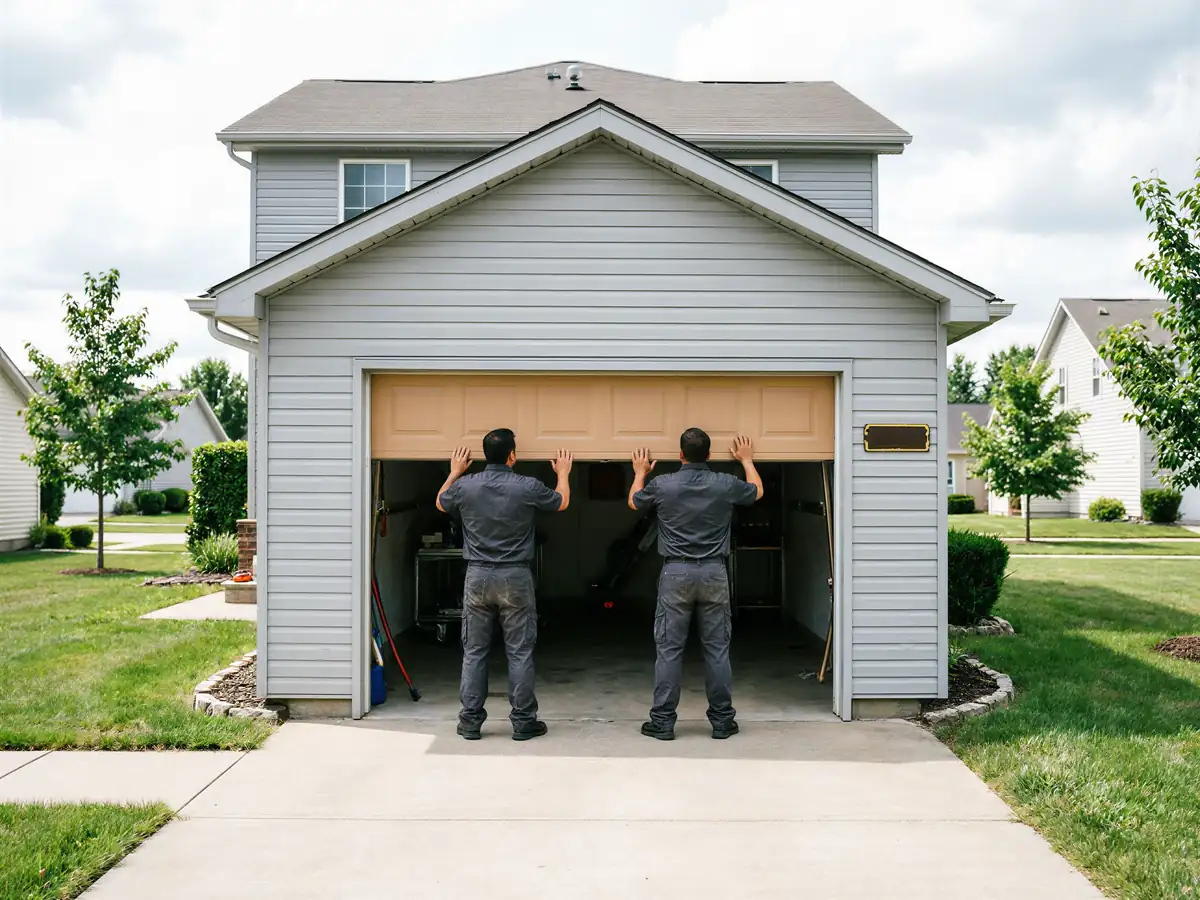
We run out of McHenry, about 4 miles from Johnsburg - a short drive, not a cross-county haul. That matters for parts: if a spring snaps or a cable frays, we're not routing a truck across the region to reach you, we're coming from just up the road. Johnsburg is one of several nearby communities we cover out of McHenry, alongside Bull Valley, Ringwood, Prairie Grove, and Wonder Lake, all at similar range. We don't keep a second location in Johnsburg, and we're not going to pretend otherwise - every job here is dispatched from the McHenry shop. What that means in practice is a short travel window, not a guaranteed arrival time we haven't earned the right to promise.
What That Means for Doors
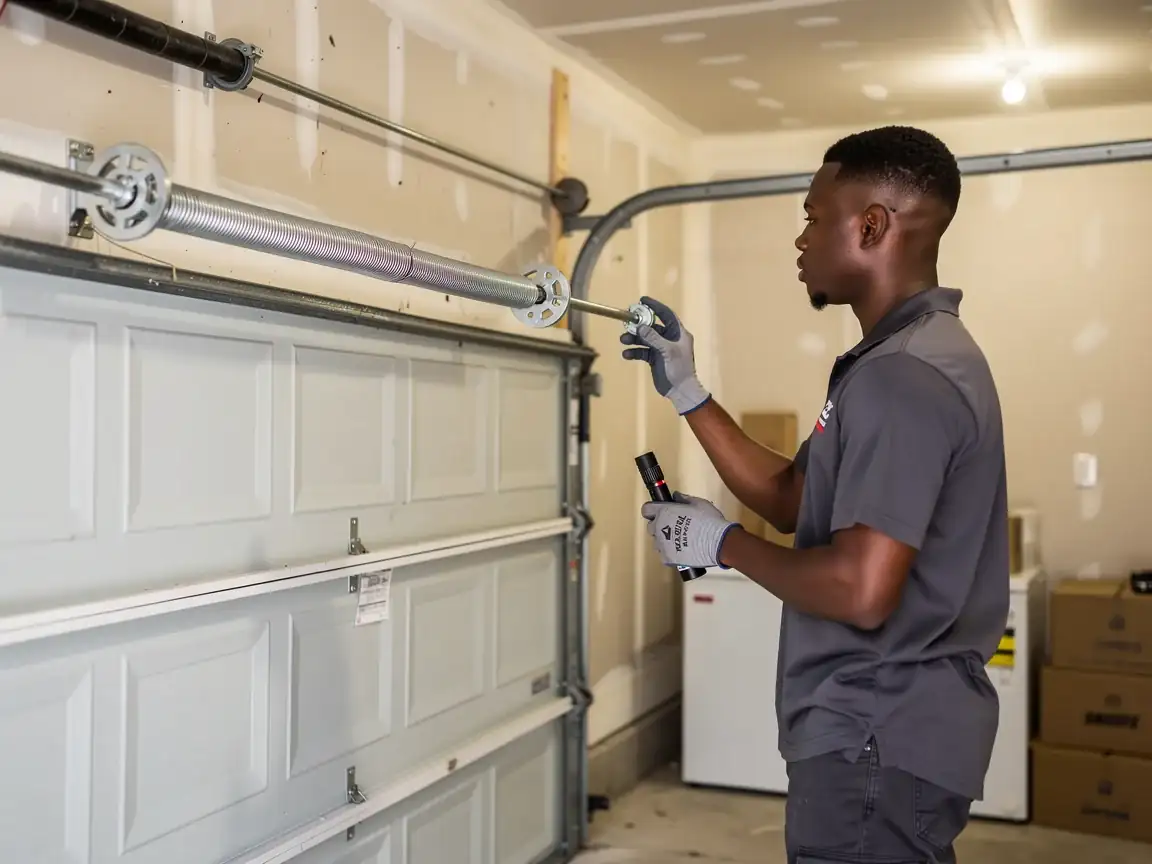
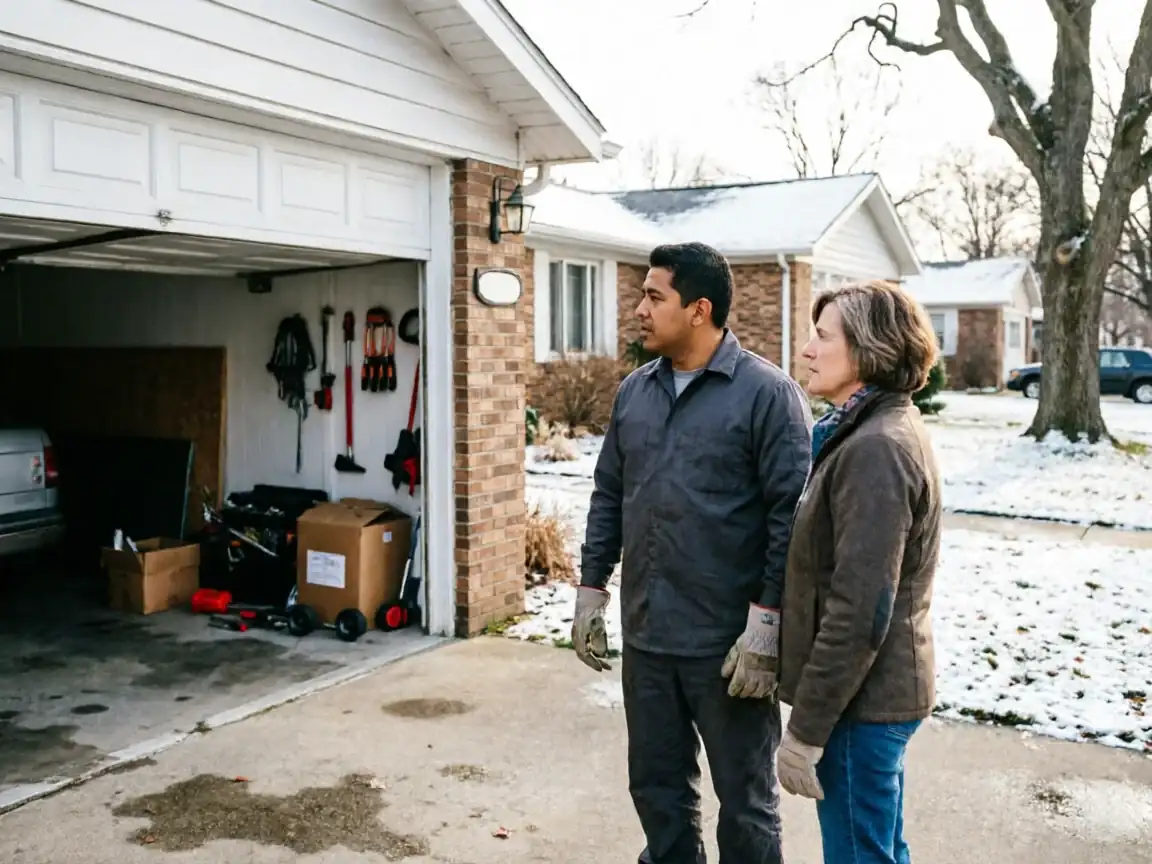
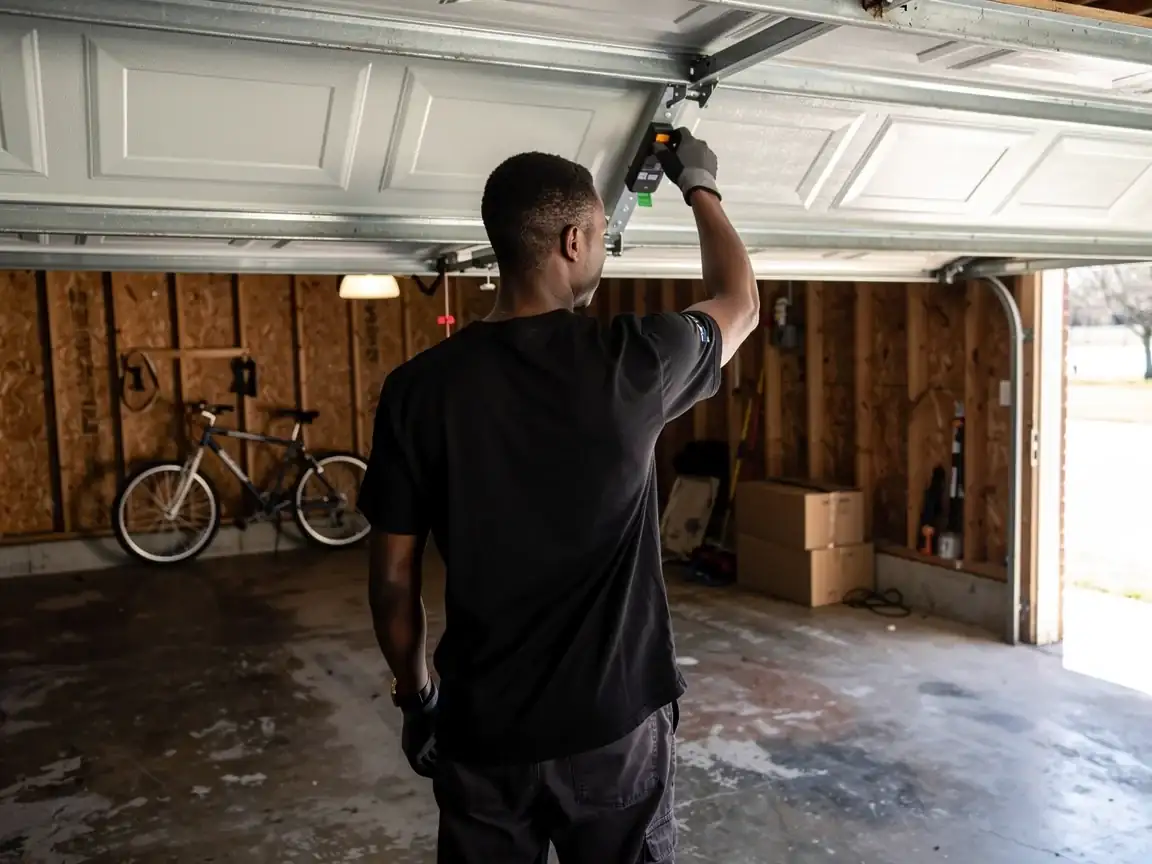
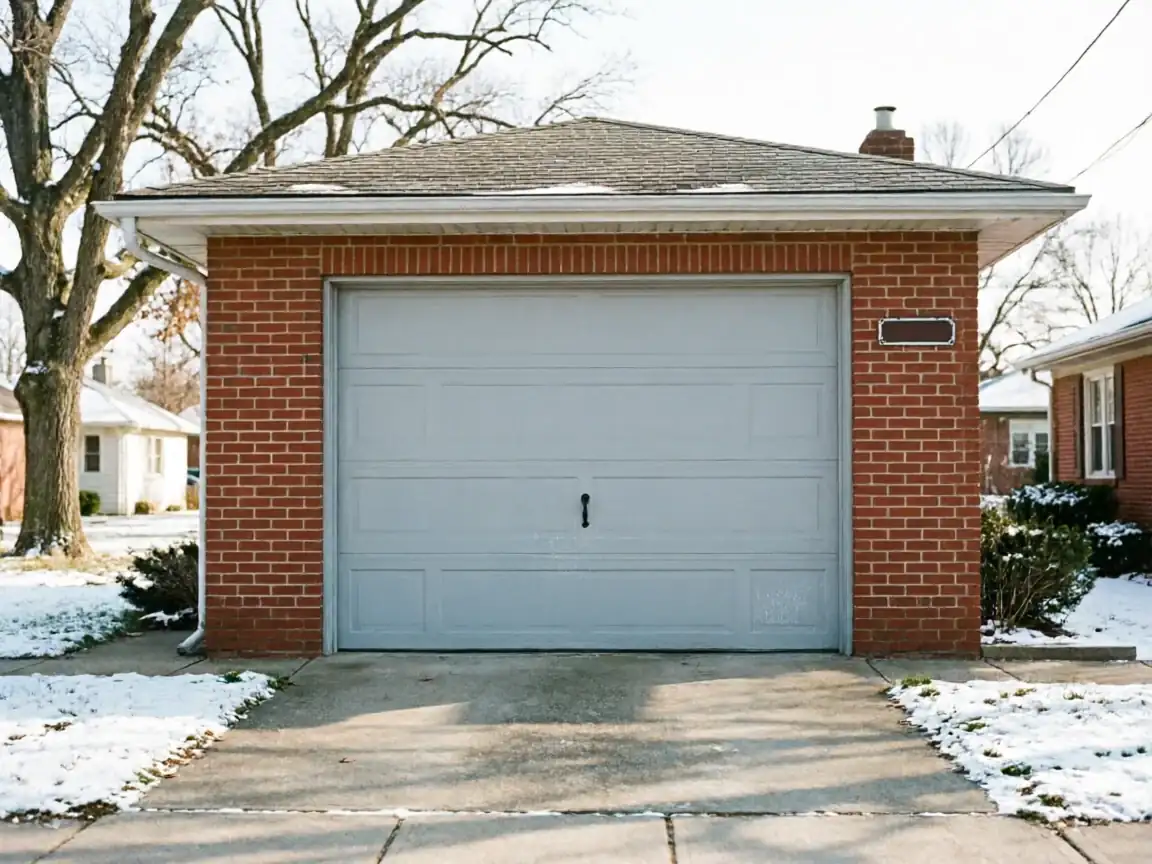
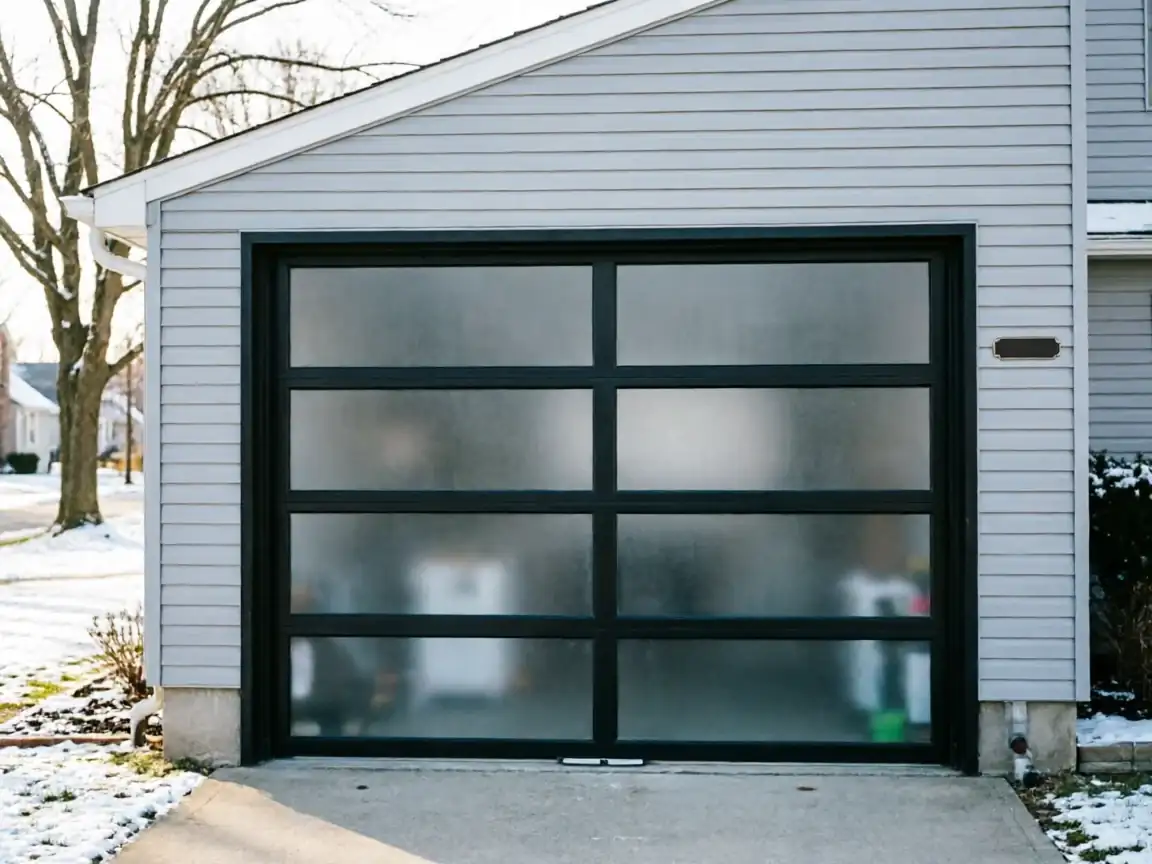
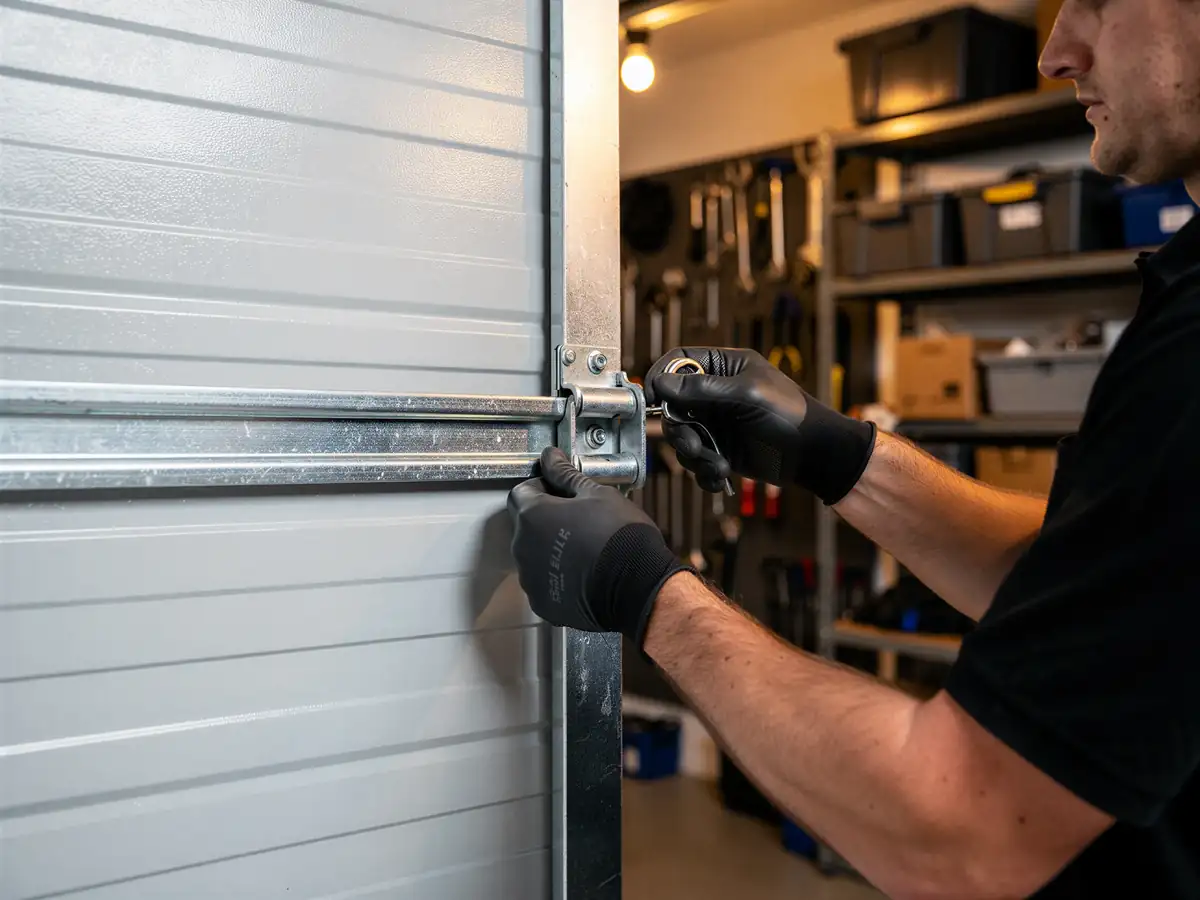
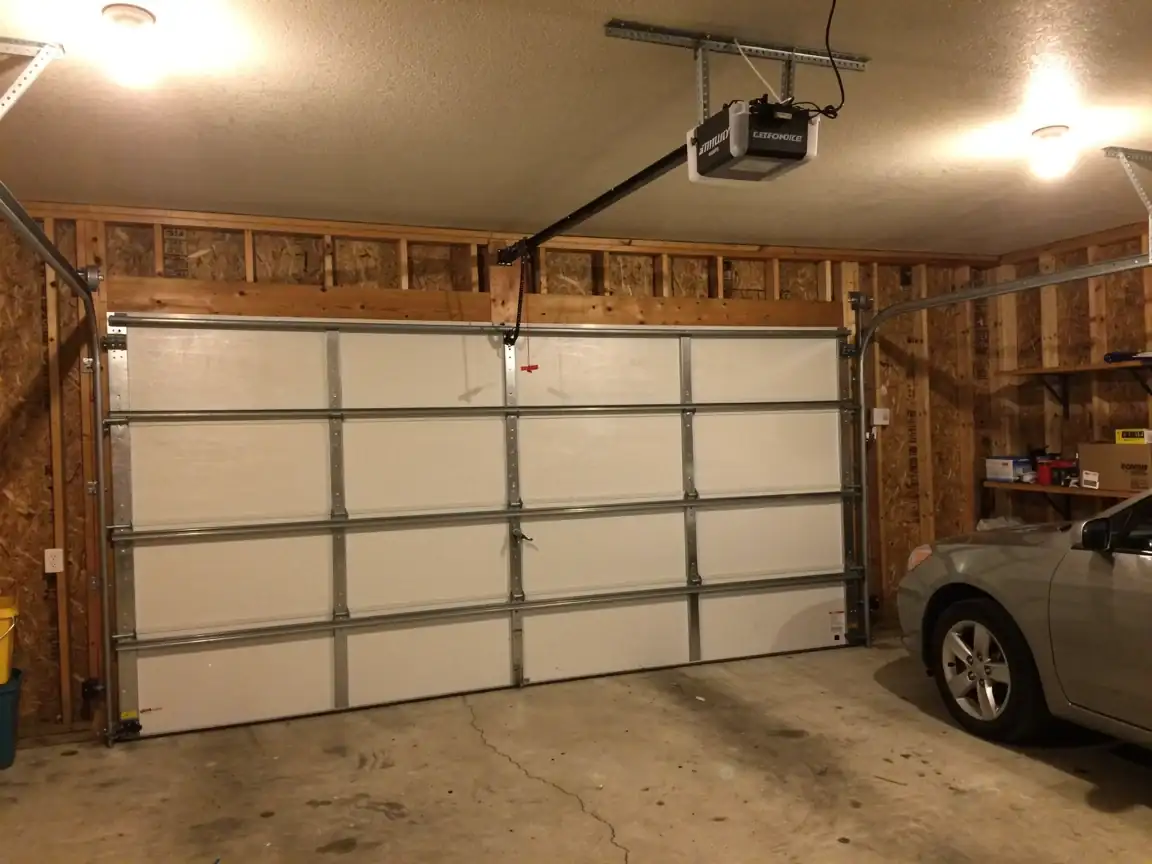
This region sits in a cold, severe winter climate band, and that matters more for 1980s doors than newer ones. A door built in the mid-80s wasn't engineered with the same insulation standards or weatherstripping you'd see on anything installed in the last decade, so cold snaps hit these panels harder - steel contracts, old foam-core insulation degrades, and torsion springs sized for a lighter original door sometimes get replaced with mismatched hardware over the years, which throws off balance. The most common call we get from houses this age is a spring that's finally given out after three decades of cycling, or an opener that's been replaced once already and is now on its second or third circuit board. One honest limitation: if a door's wood trim or jamb has rotted from decades of winter moisture, no amount of new hardware fixes that - at some point replacement beats repair, and we'll tell you when that line's been crossed instead of running up a bill.