When It Stops Being a DIY Job
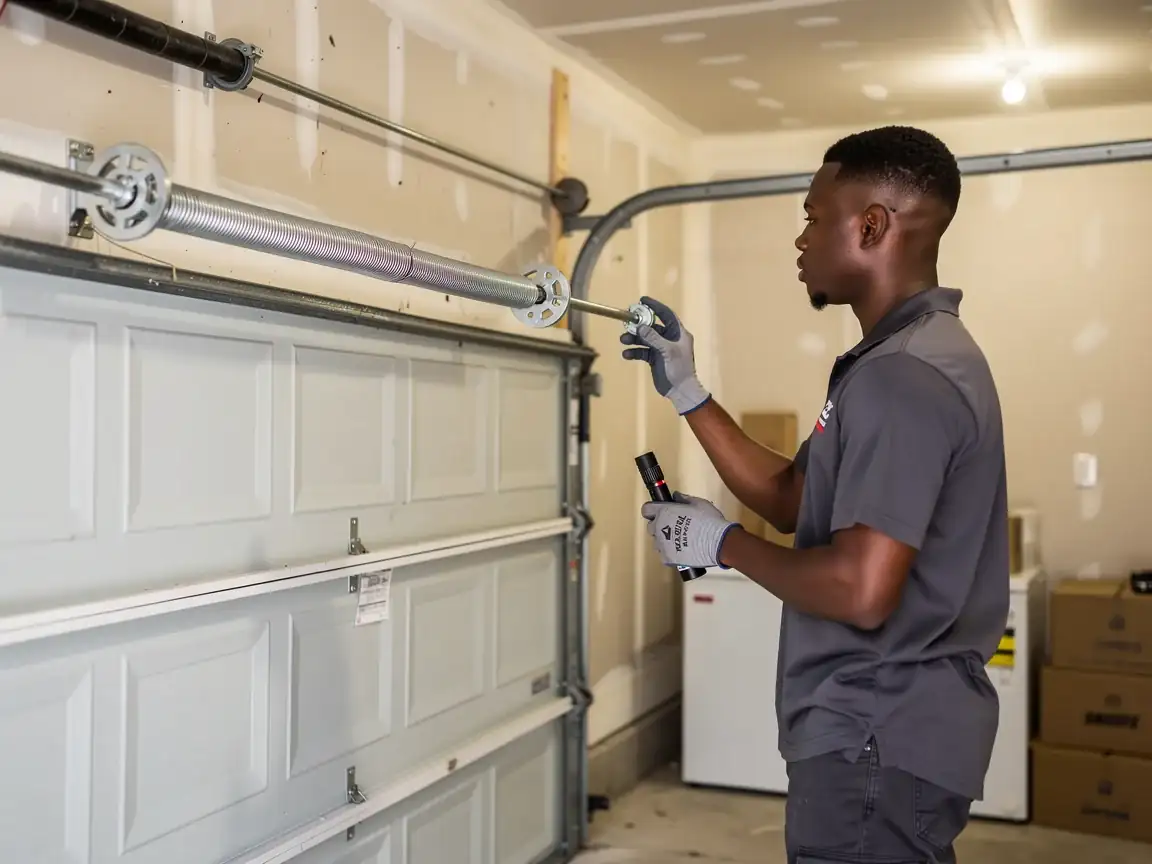
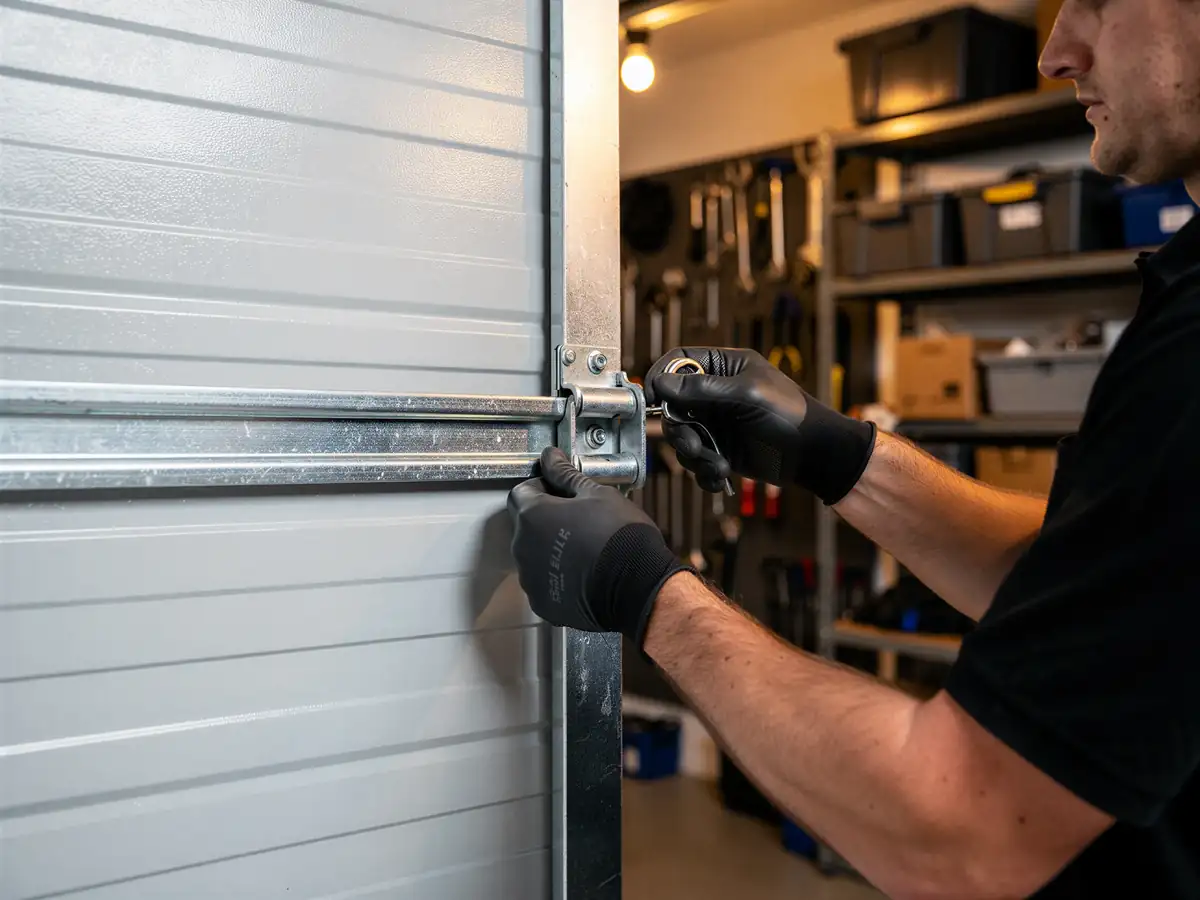
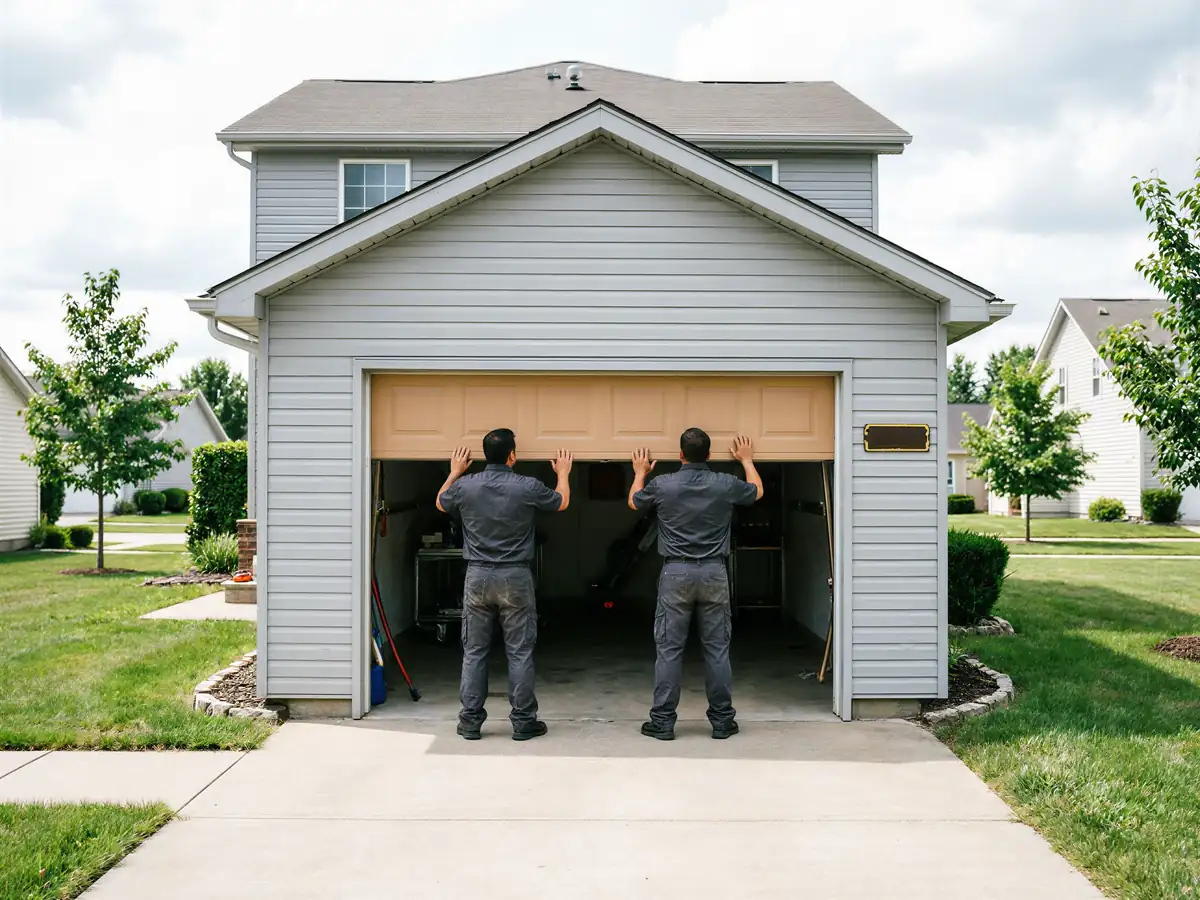
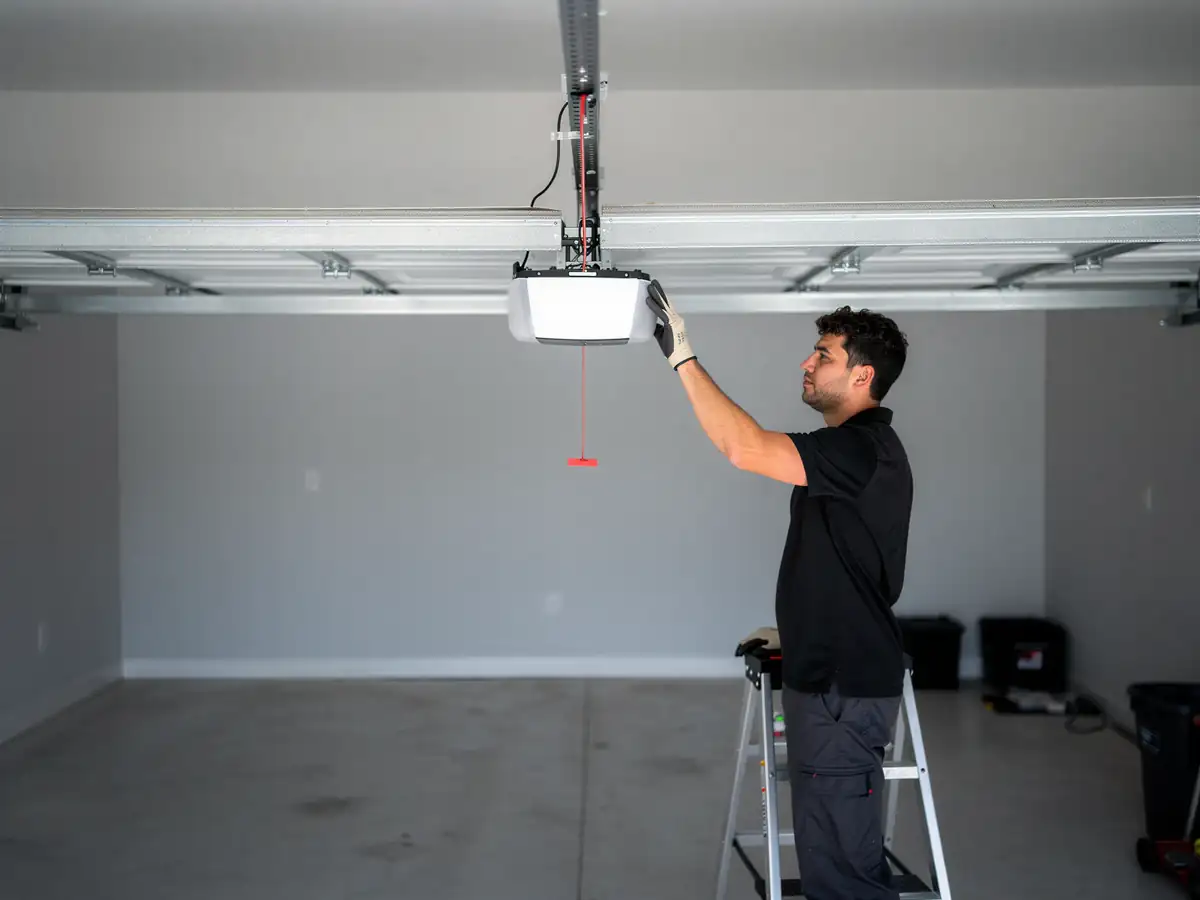
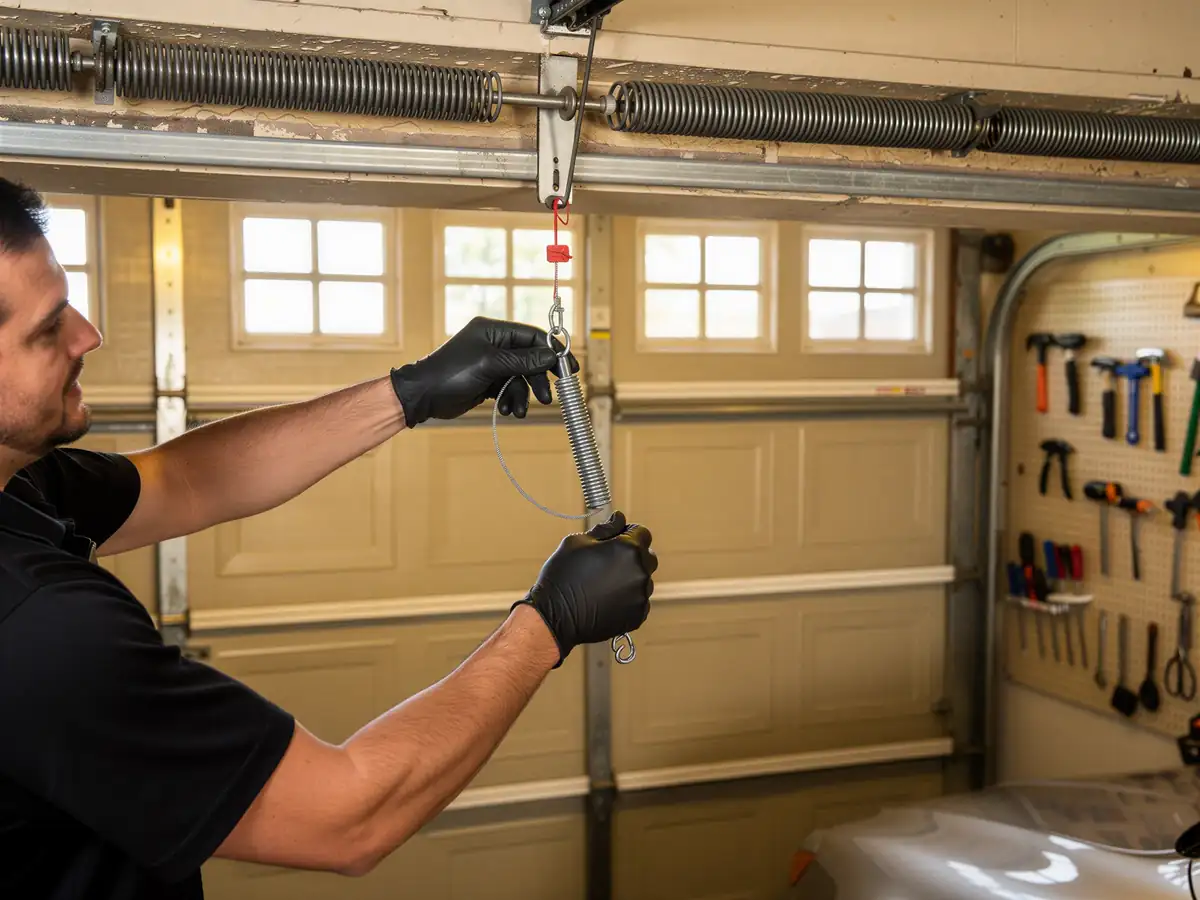
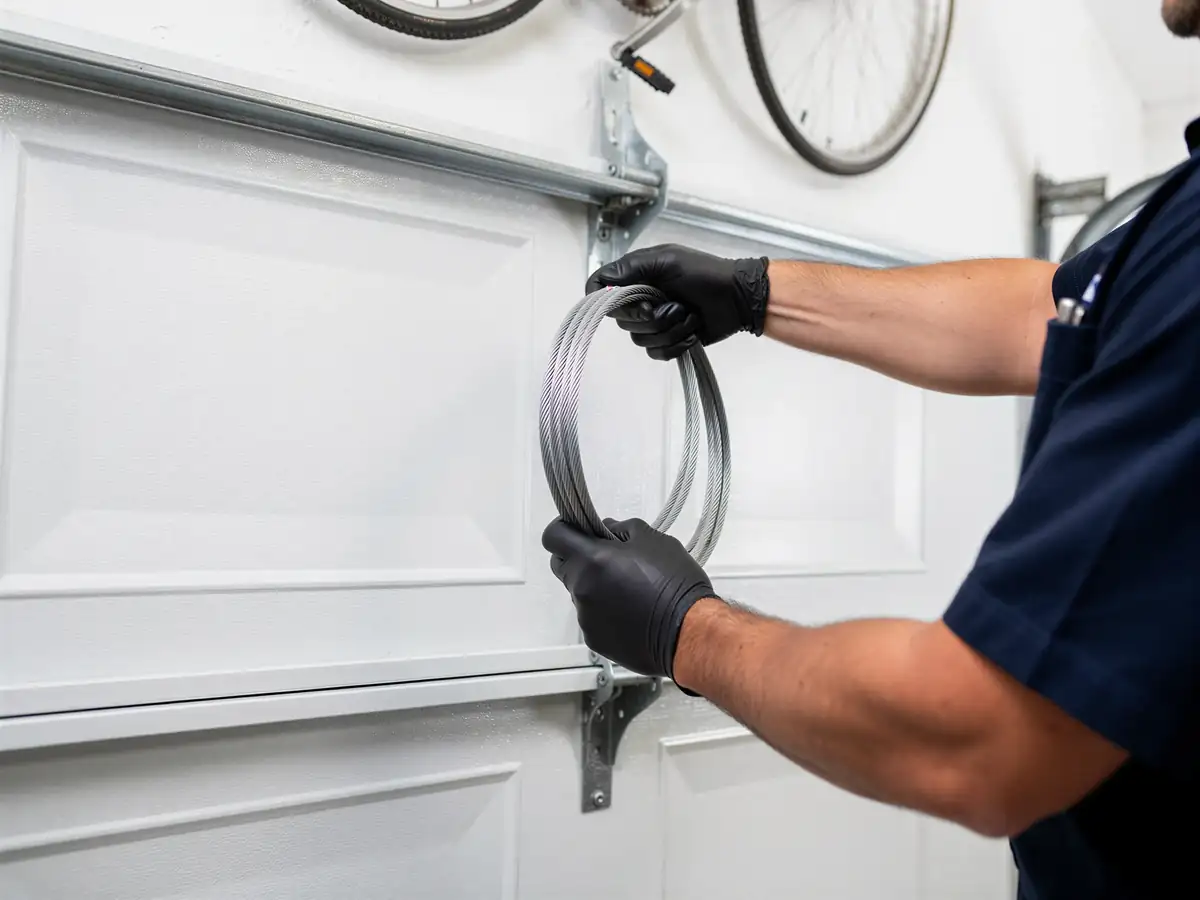
Most houses in this service area went up between 1946 and 2009, with the median build year landing around 1987, and across the 57 named areas we cover the bulk of that stock is from the 1980s and 90s. That matters because those doors came with torsion springs sized for a plain, single-layer steel panel and nothing more. No insulation, no added weight budget. When the cold hits hard here, steel contracts, grease stiffens, and a spring that's been carrying the same load since the Reagan administration starts to show it. That's the point where a stuck door stops being a five-minute fix. Pulling a torsion spring under tension on hardware this old, with corrosion nobody's looked at in years, is where people lose fingers. If the door won't lift, or lifts crooked, or the cable looks frayed, that's a call, not a Saturday project. Here's the honest part: we won't bolt a DIY insulation kit onto a door frame that's already sagging on its track. If the frame's shot, foam board on the panel just hides the real problem for another winter.
What Local Conditions Do
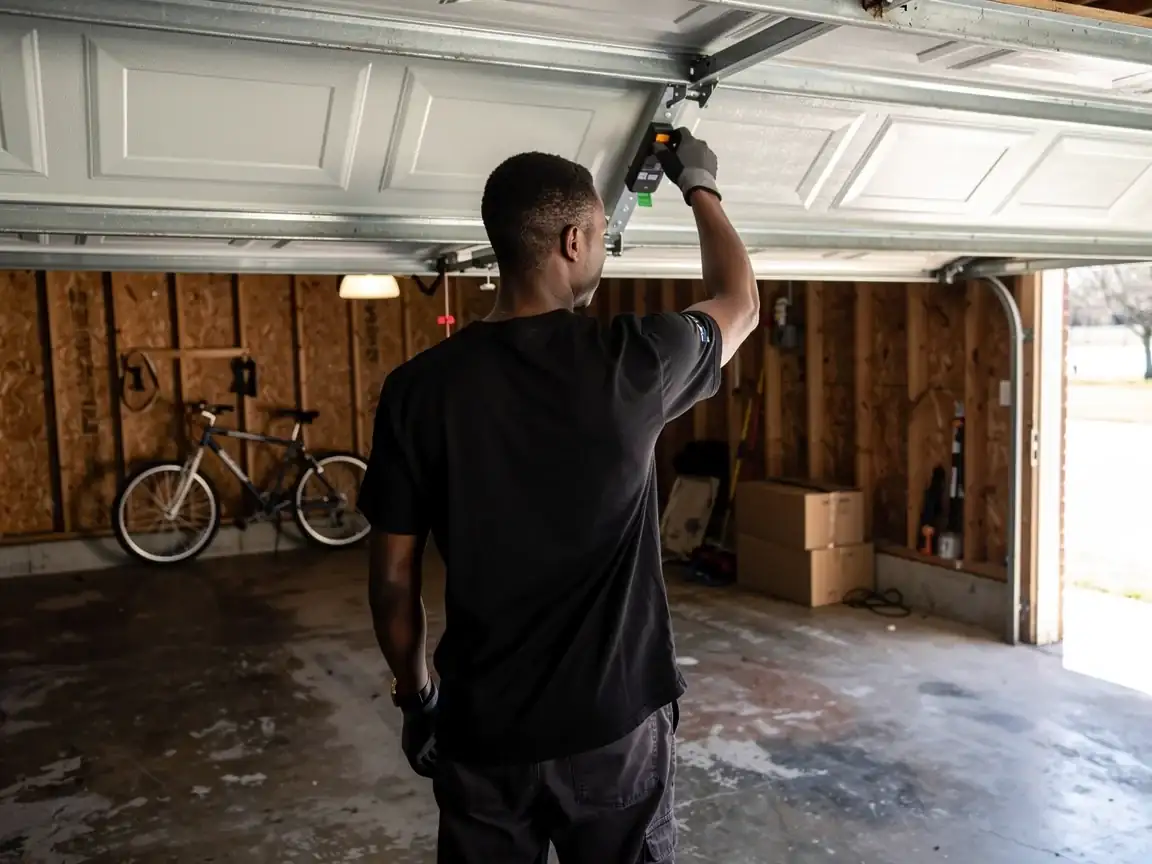
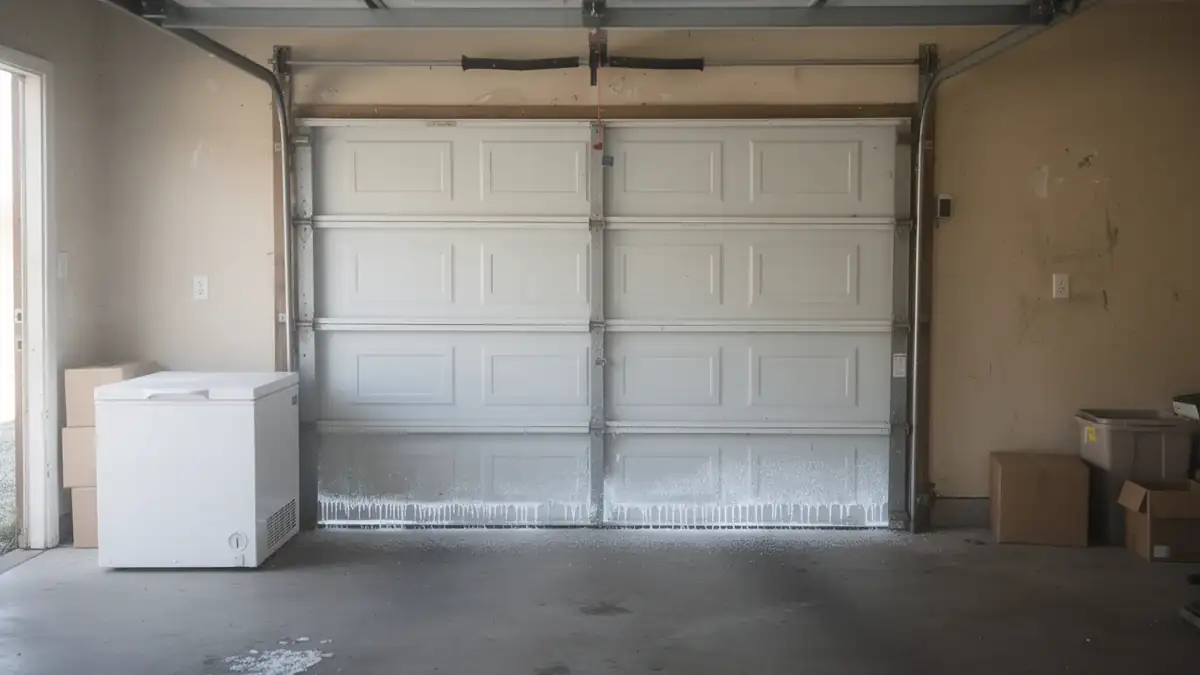
This area sits in a severe cold climate band, and a door built in 1987 or thereabouts was never engineered with a thermal break in mind. Builder-grade steel from that era is a single skin with no polystyrene or polyurethane core, so the metal itself becomes the connection between your garage and the outside air. Every freeze-thaw cycle flexes that panel slightly, and over three or four decades the seams and weld points loosen. Track hardware made for houses of that age also contracts more than newer galvanized rail, which is why doors that ran fine in October start binding and chattering by January. Condensation is the other half of it. Without a thermal break, warm garage air hits cold steel and beads up on the inside of the panel, which drips onto track hardware and accelerates rust on parts already thirty-plus years old. None of this is dramatic failure, it's slow wear that adds up every winter until a spring finally lets go on a sub-zero morning, usually the one day you need the door to open.
The Situation
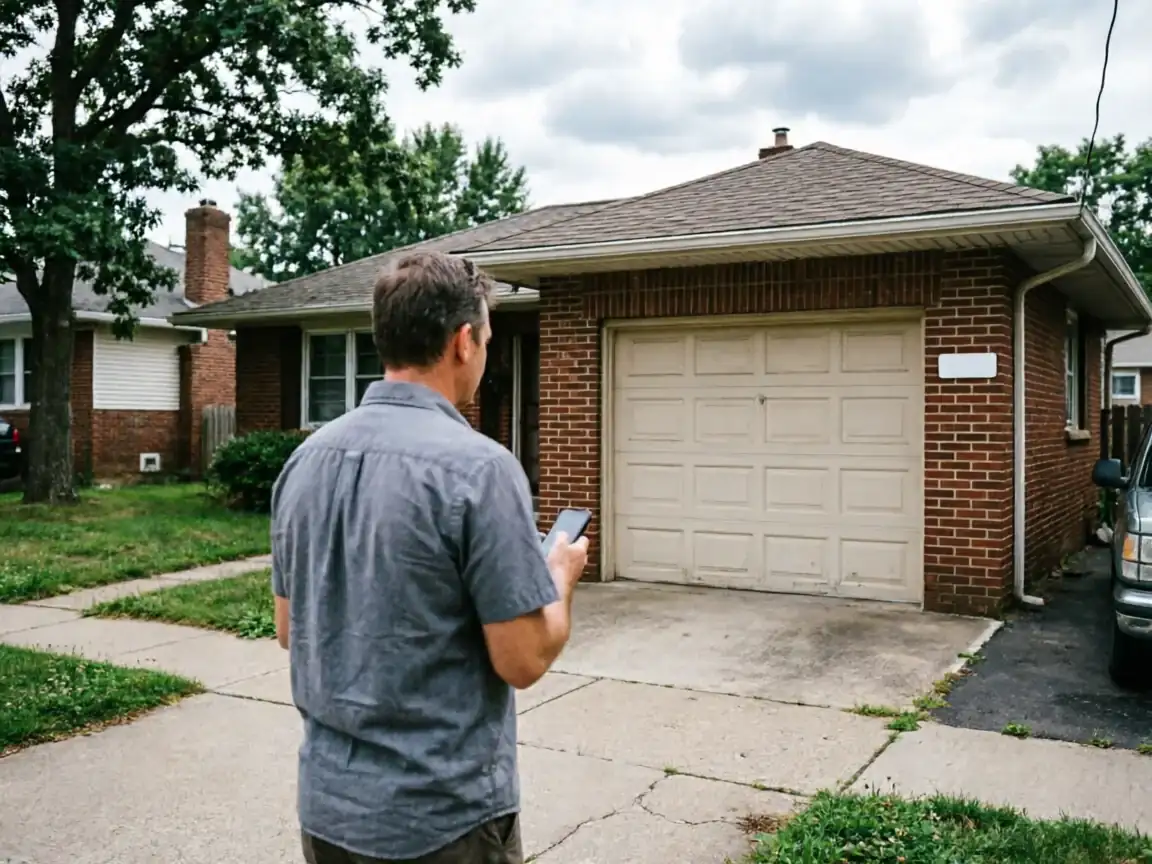
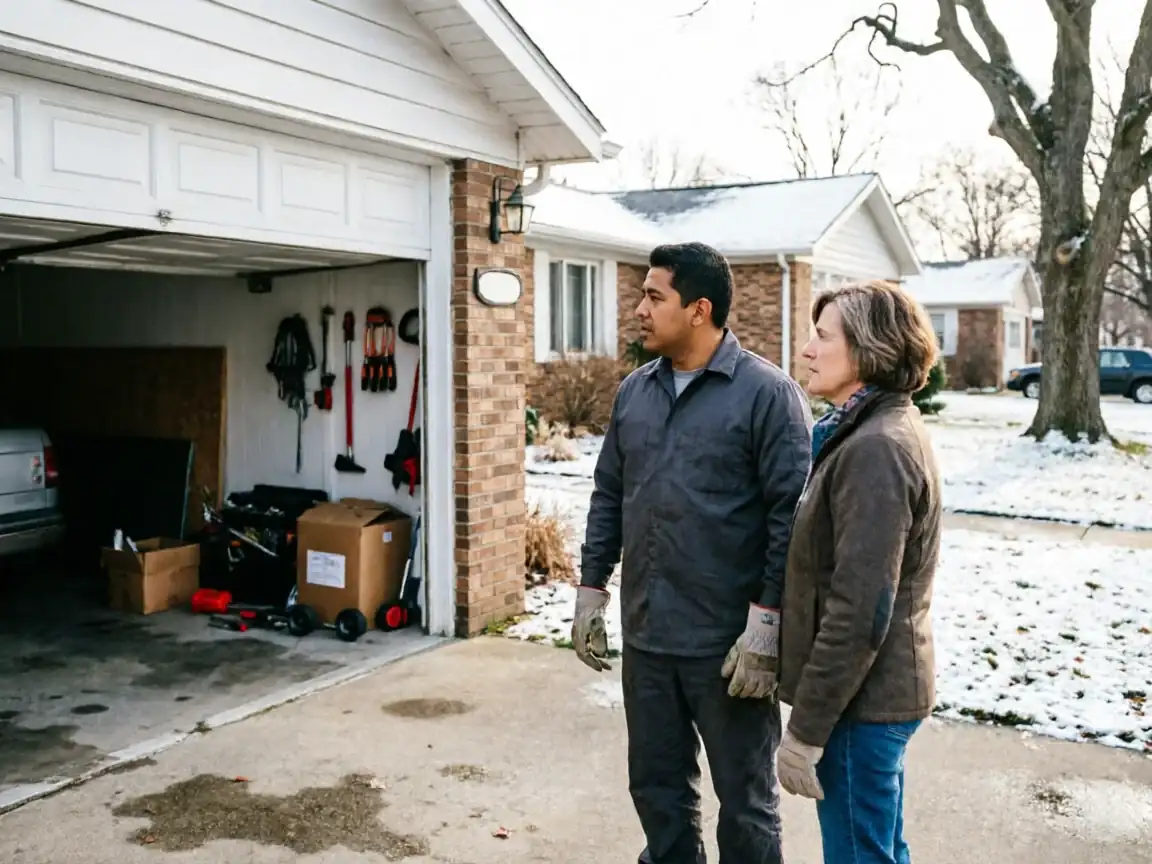
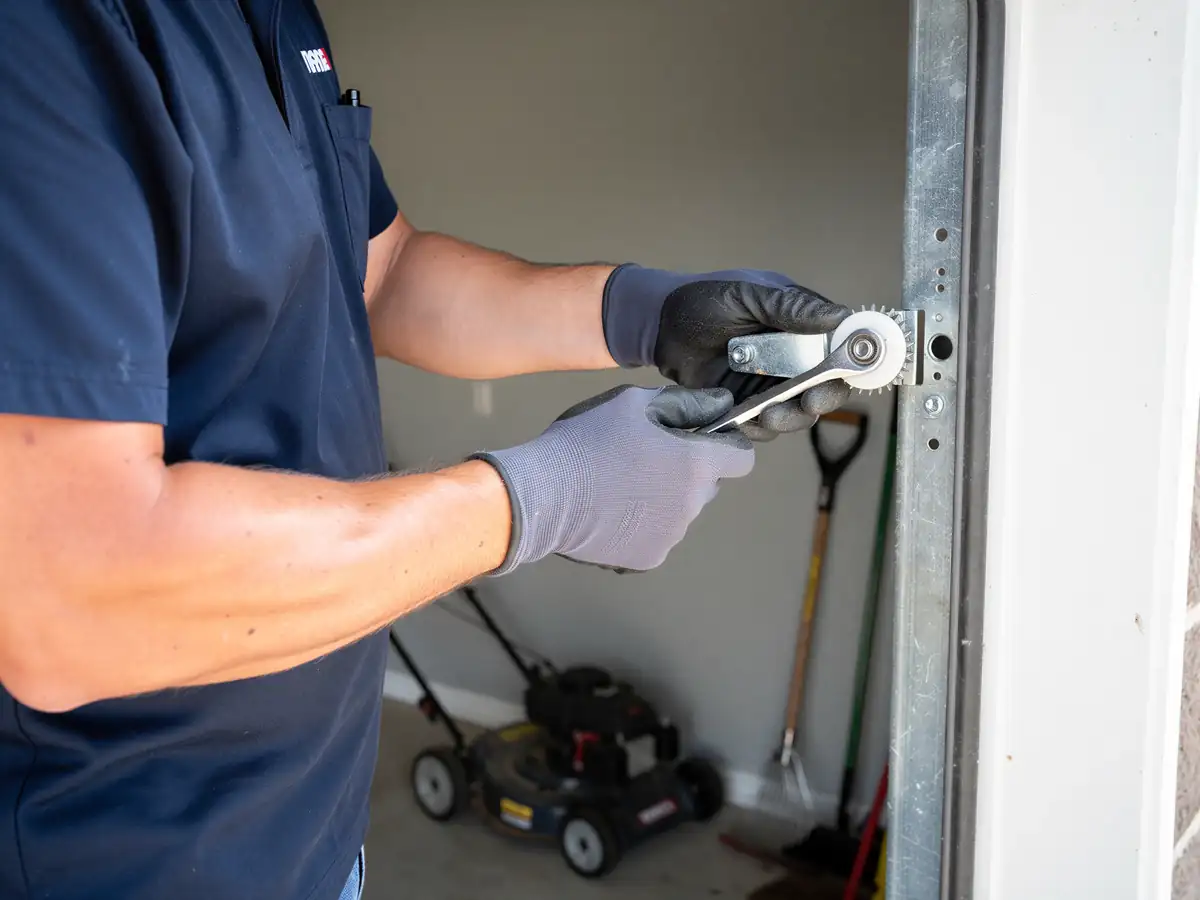
Across the roughly 96,533 owner-occupied houses in this service area, with a median household income around $113,125, most garages are attached to homes built well before current insulation standards were routine. That's true whether you're four miles out in Johnsburg or Ringwood, or closer in toward the center of town. The pattern repeats: 1980s or 90s steel door, original torsion spring, no thermal break, decades of cold-weather cycling. For a lot of these houses, a straight repair, new rollers, a rebalanced spring, keeps the door running another several winters. For others, especially where the panel is already warped or the track has rusted through, replacement with an insulated door is the only option that actually solves the cold-air problem instead of patching around it. We'll tell you straight which one you're looking at before we quote anything.