When It Stops Being a DIY Job
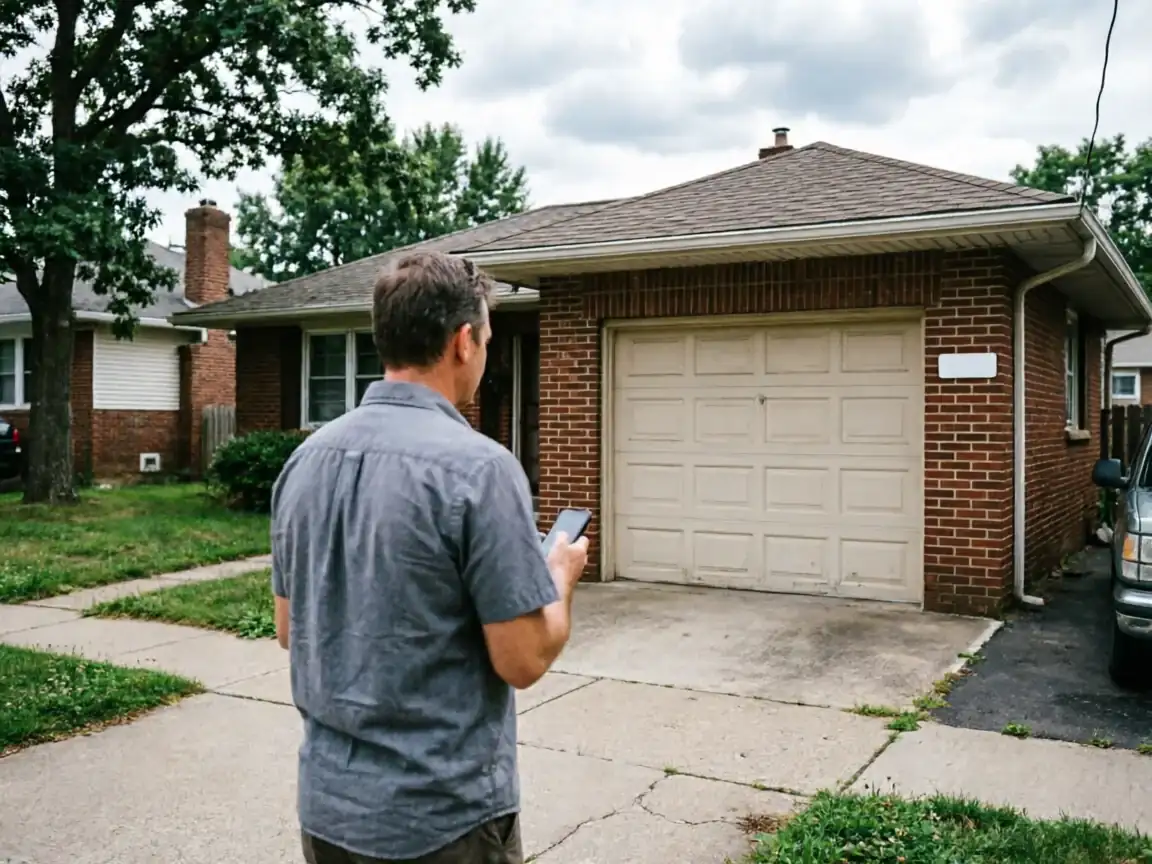
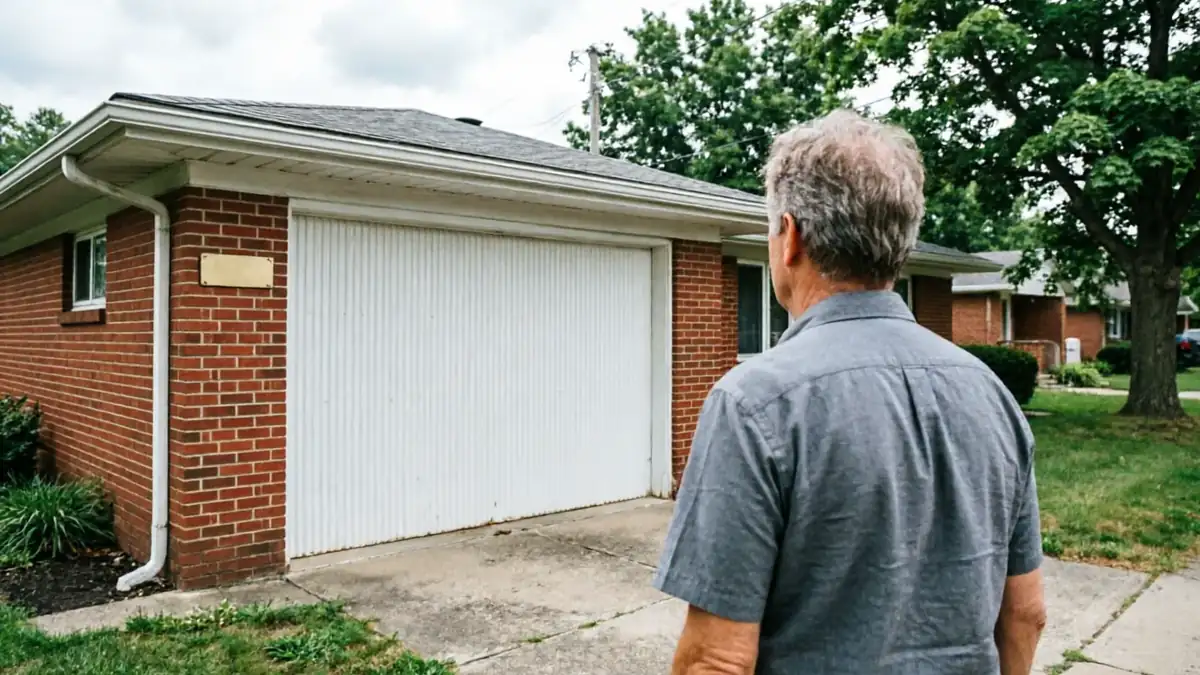
Most of the houses in and around McHenry went up between 1946 and 2009, with the typical build year landing around 1987. That means a lot of garages here still carry the steel sectional doors and torsion-spring hardware that was standard through the 1980s and 90s - side-mounted torsion units, single-layer steel panels, track widths built to openings that weren't always squared to modern standards. Swapping that out isn't the same job as a newer build.
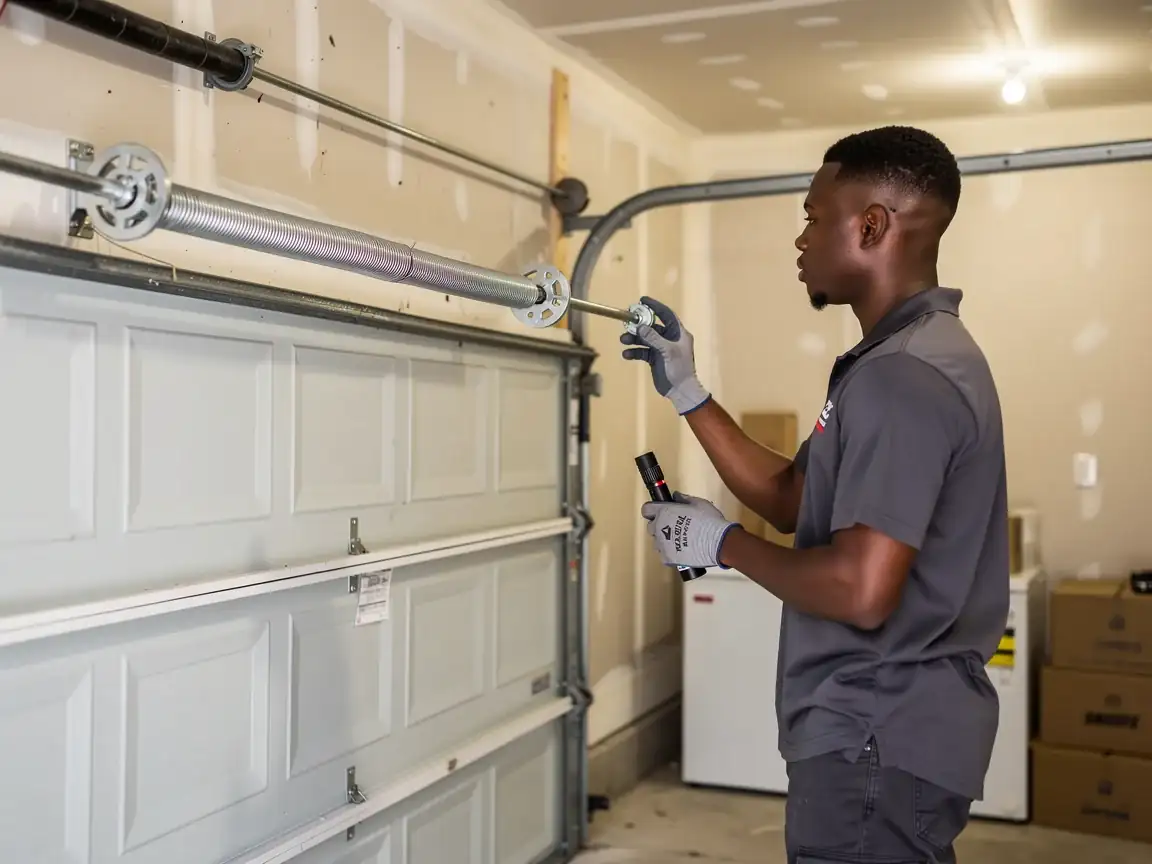
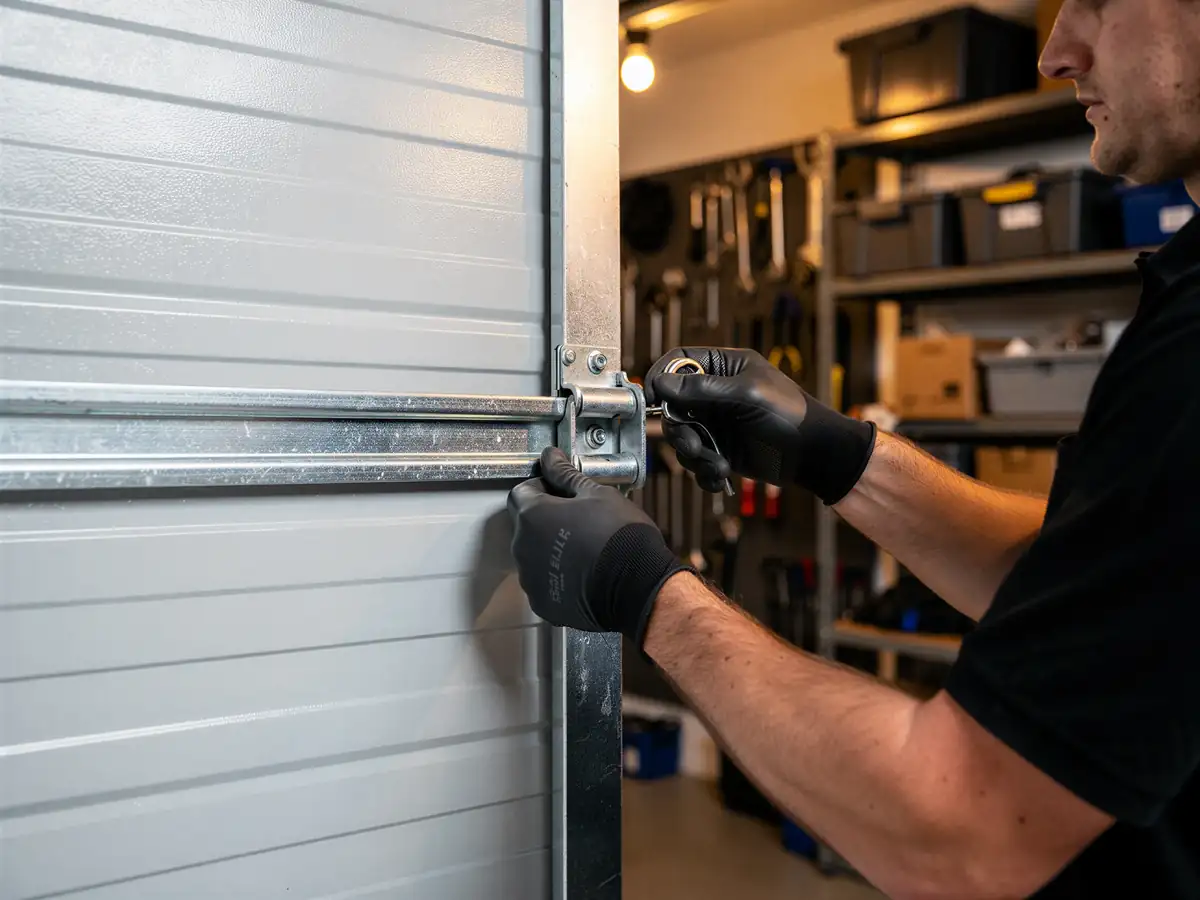
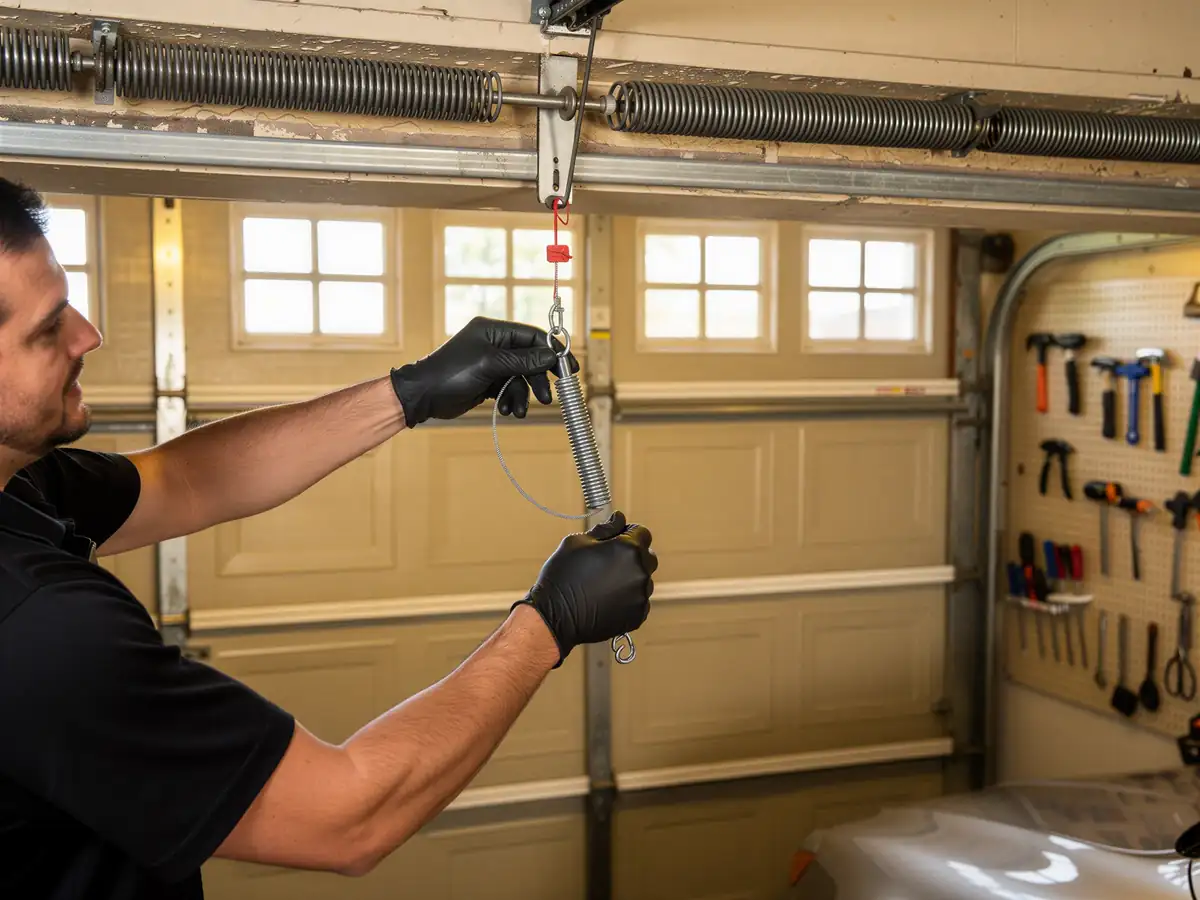
On a door this old, you're not just hanging a new panel. You're often dealing with jambs that have settled, hinges rusted into place from decades of condensation, and a torsion spring rated for a weight that may not match what you're putting back up. Get the spring tension wrong on a double door and you've got two hundred pounds of steel ready to come down on a hand or a windshield.
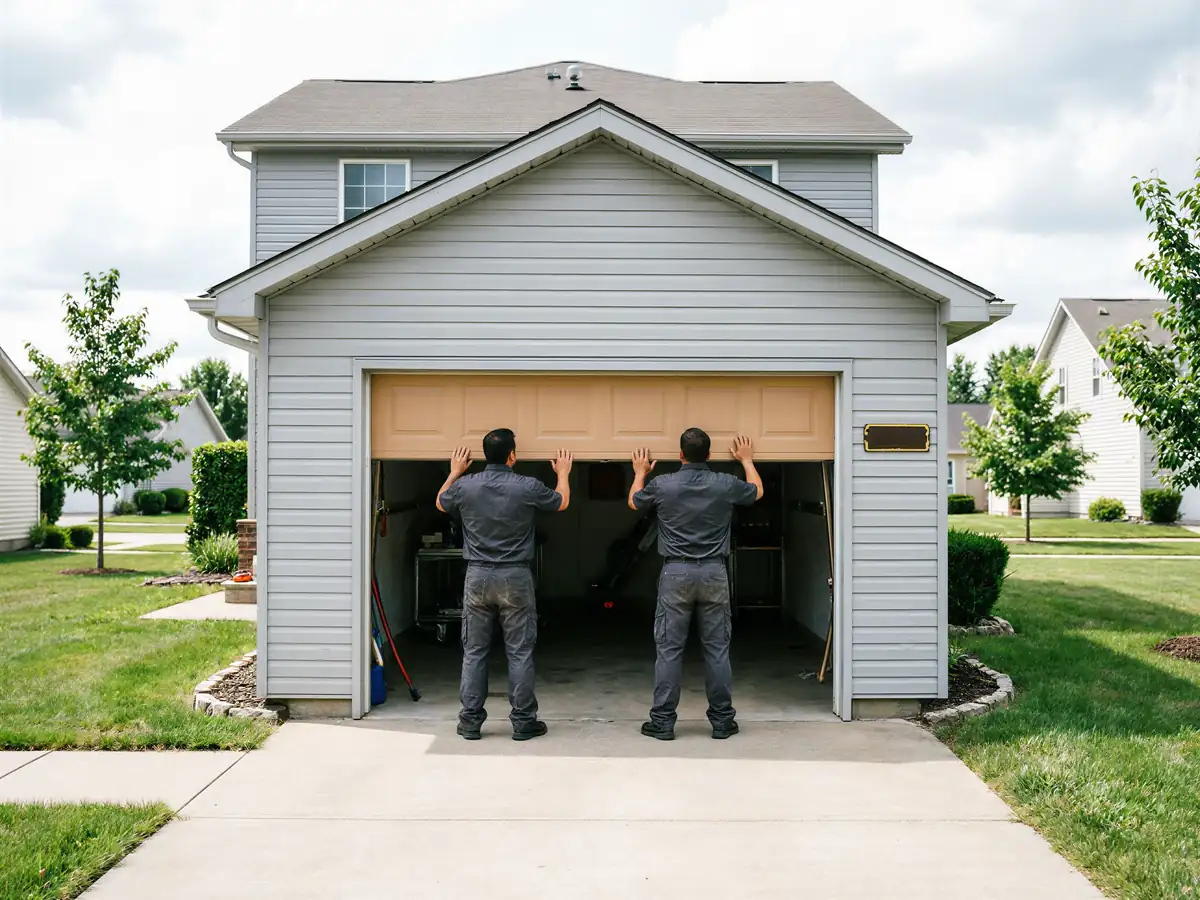
We'll say this plainly: if your garage was built in that 1980s-to-90s window and you're swapping the whole door, this is a two-person job with the right bars and winding tools, not a Saturday project with a ladder and a wrench. Measuring the opening is the easy part. Matching new hardware to old framing is where people get hurt.
What Local Conditions Do
McHenry sits in a climate band that federal data classes as severe cold. That matters more for a garage door than most owners think. Cold doesn't just mean the door feels stiff in January - it means the steel contracts, seals compress and lose flex, and any gap at the bottom panel turns into a direct path for wind-driven snow to pack against the inside of the door.
A door built for a milder climate, with a thin foam core and a seal rated for moderate temperature swings, will crack at the hinges faster here than it would two states south. The weatherstrip hardens, the bottom seal stops sealing, and the opener has to work harder pulling a door that's gone stiff in the cold. On 1980s and 90s housing stock, that's compounded by original tracks that were never leveled to account for decades of slab settling - common on homes from that era.
We're not going to tell you every door needs a full-foam insulated core to survive here. A single-car garage that's unheated and holds nothing but a mower doesn't need the same spec as an attached two-car garage with a finished room above it. But if that garage shares a wall with living space, skimping on the core rating is a decision you'll feel every winter.
Where People Go Wrong
The most common mistake we see
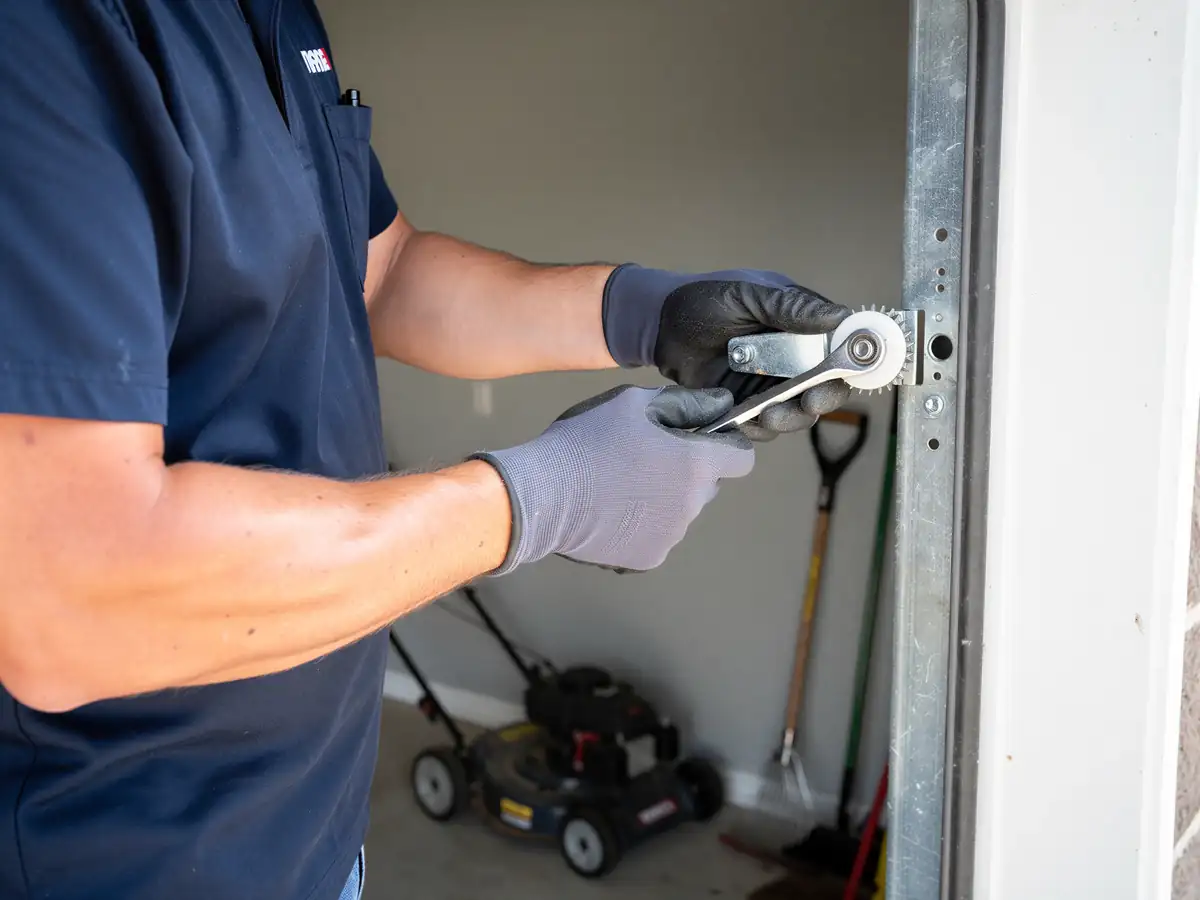
Buying a door based on the showroom look and not the opening it's going into. A lot of McHenry-area garages, built in that 1946-to-2009 stretch with the bulk clustered in the 80s and 90s, have headroom and track clearances that don't match today's standard install kits without adjustment. People order online, the door shows up, and the track hardware doesn't clear the header the way it's supposed to.
Second mistake: matching insulation to budget instead of to the garage's actual use
If the space is attached and heated, or shares a wall with a bedroom, an R-value that's fine for a detached shed-garage is going to cost you in heating bills and comfort for years after the install.
Third: assuming the old opener will run the new door fine
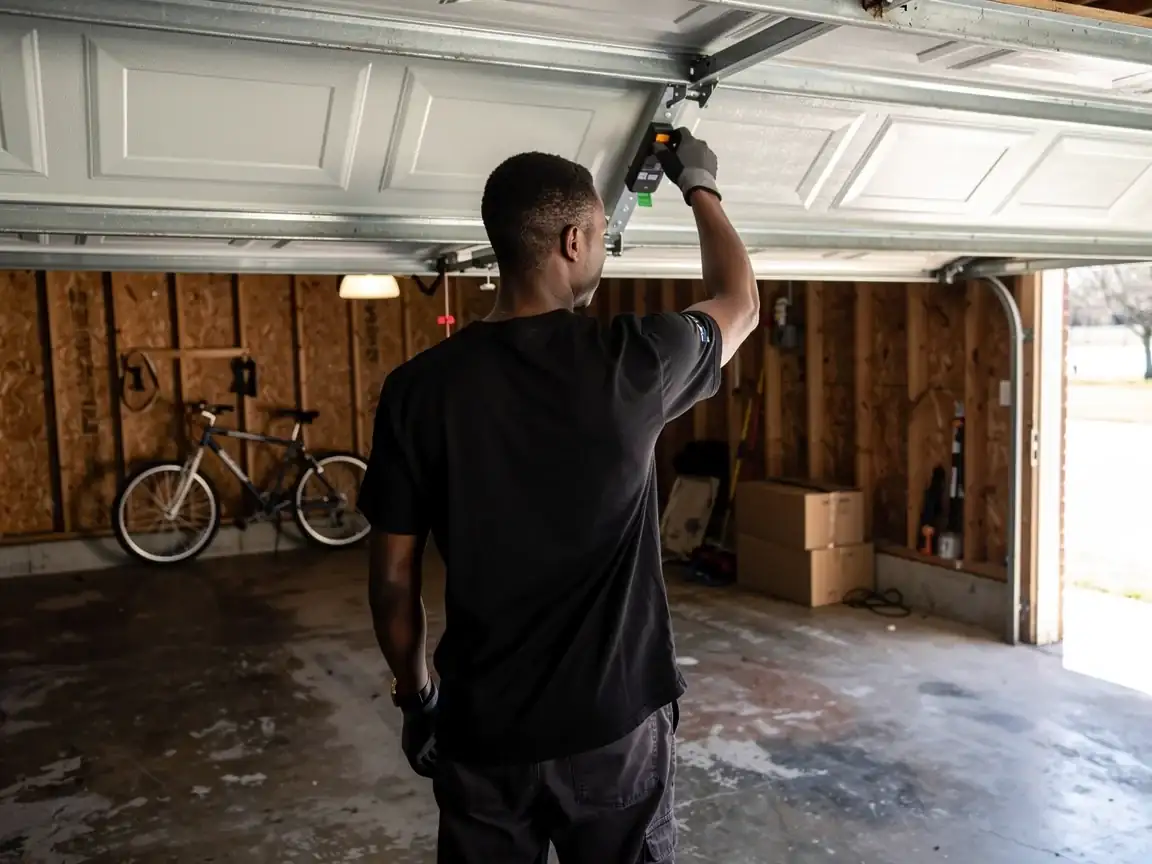
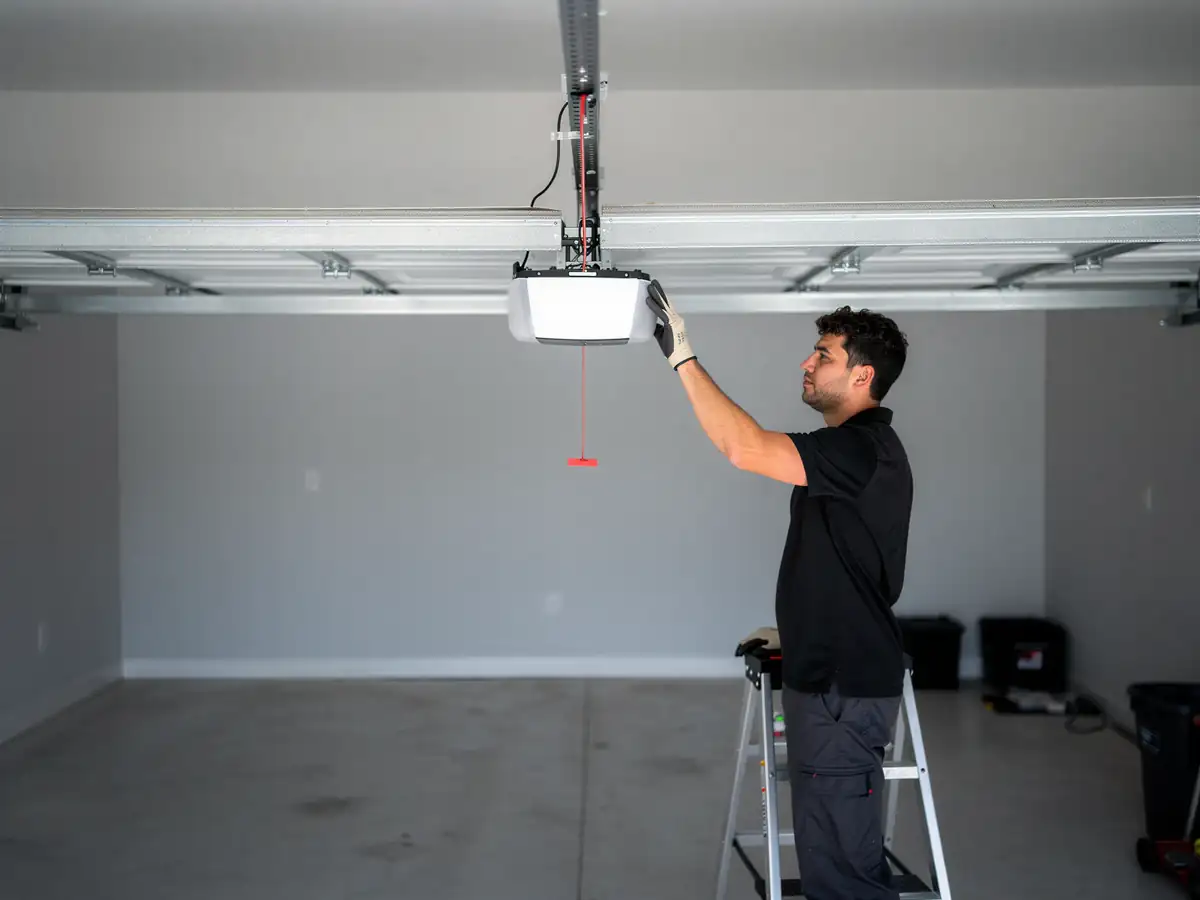
A heavier insulated steel door asks more of a motor than the single-layer door it's replacing. Running an old opener on a heavier door either burns out the motor early or, worse, fails to reverse properly if something's in the way.
We'll be straight with you
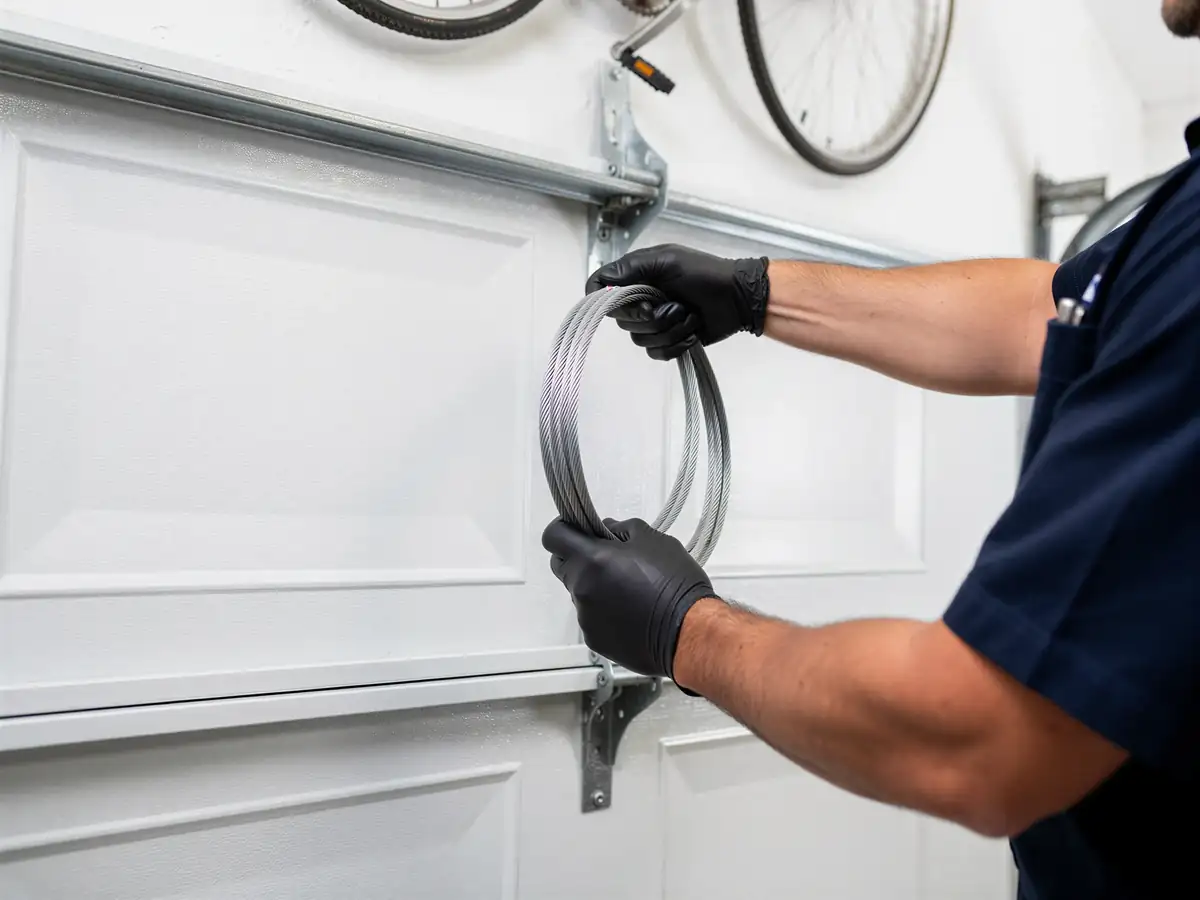
A full replacement makes sense more often than a repair once a door's hardware dates back to that original 80s or 90s install. Patching old torsion hardware to save a few hundred dollars usually just delays the same decision a year or two.
The Situation
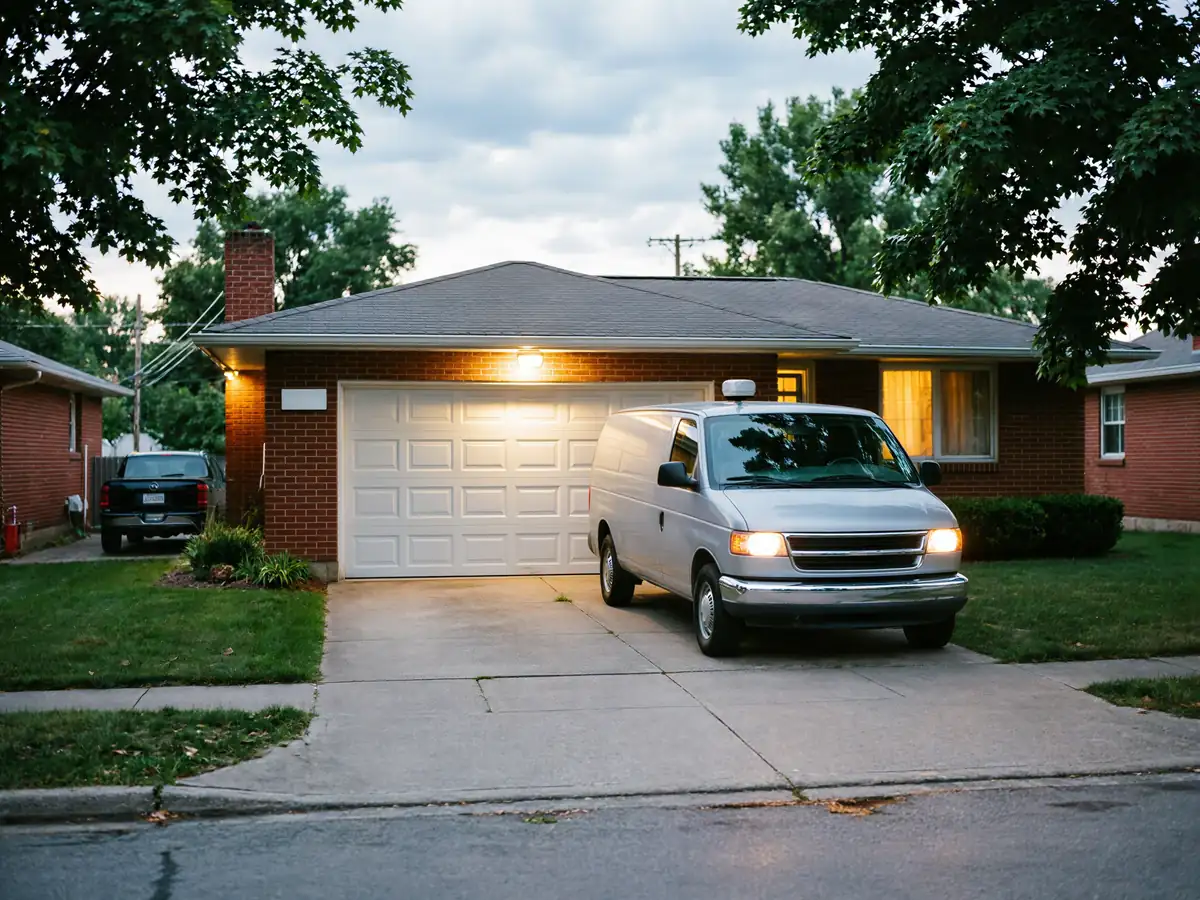
The service area runs out to places like Johnsburg, Ringwood, Prairie Grove, Bull Valley, Wonder Lake, and Lakemoor, all within about four miles, with Island Lake, Woodstock, Fox Lake, and Wauconda a bit further out. Across that footprint there are roughly 156,361 households, with 96,533 of those owner-occupied houses - a lot of garage doors, a lot of them from the same building boom.
Median household income across the area sits at $113,125. That's relevant because it puts a properly insulated steel door with a real R-value and decent hardware within normal reach for most owners here - this isn't an area where we're steering people toward the cheapest panel on the lot just to hit a price point. It also means replacement, done right the first time, tends to be the more common call than a string of patch repairs on hardware that's thirty-plus years old.
What we can't tell you without seeing the garage is the exact headroom, track type, or whether the framing's shifted enough to need shimming. That part's specific to your opening, not to the zip code.