Why This Fails Locally
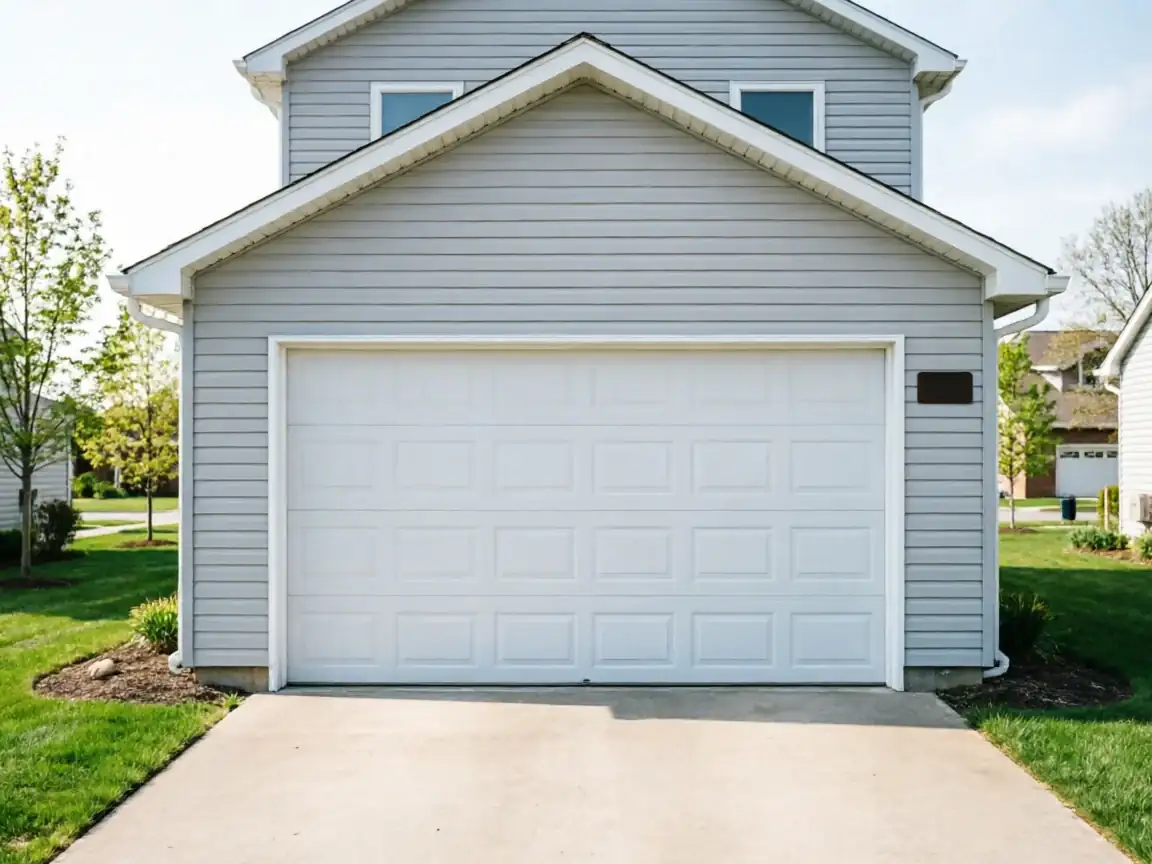
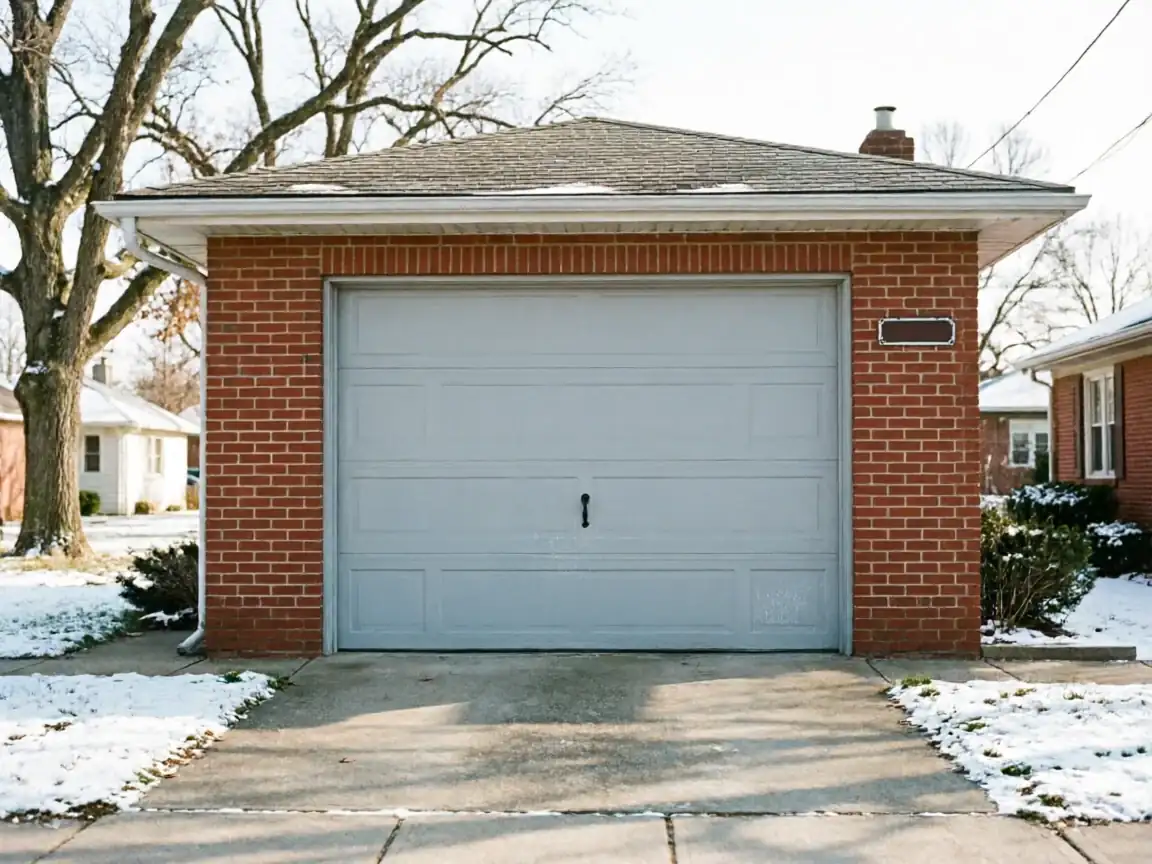
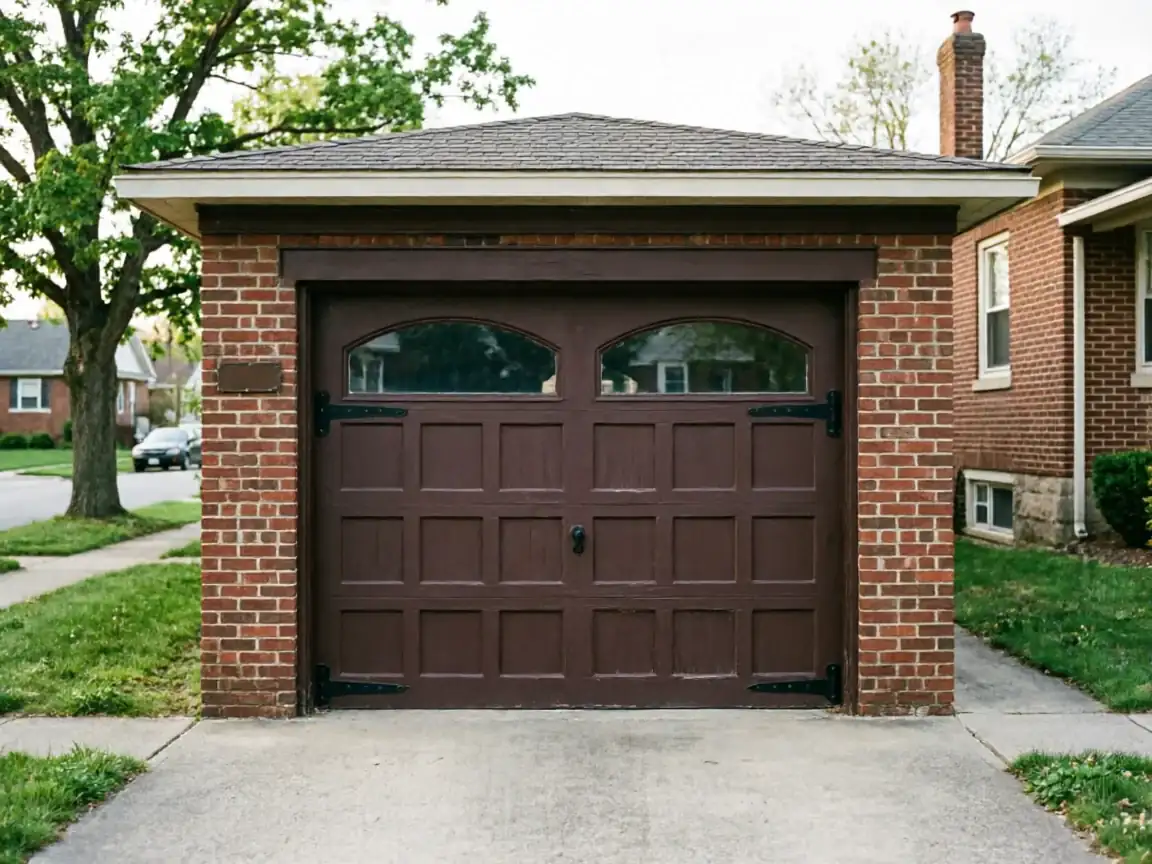
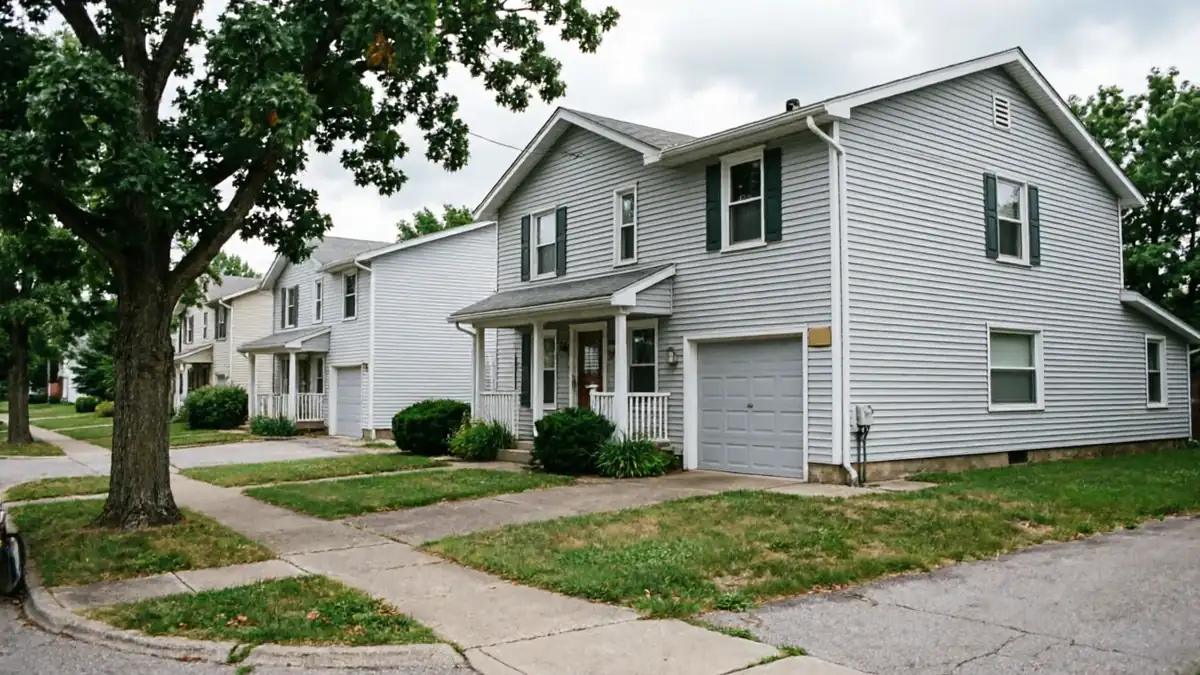
Most of the garage doors we get called out on sit in houses built between 1946 and 2009, with the median McHenry-area home dating to 1987. That matters because torsion springs are rated in cycles, not years, and a spring installed during that building boom was never spec'd for much more than a decade of daily use before it needs replacing. Across the 57 named communities in this service area, the housing stock skews the same way: heavy on 1980s and 90s construction, which means a lot of original builder-grade springs are now decades past their intended life.
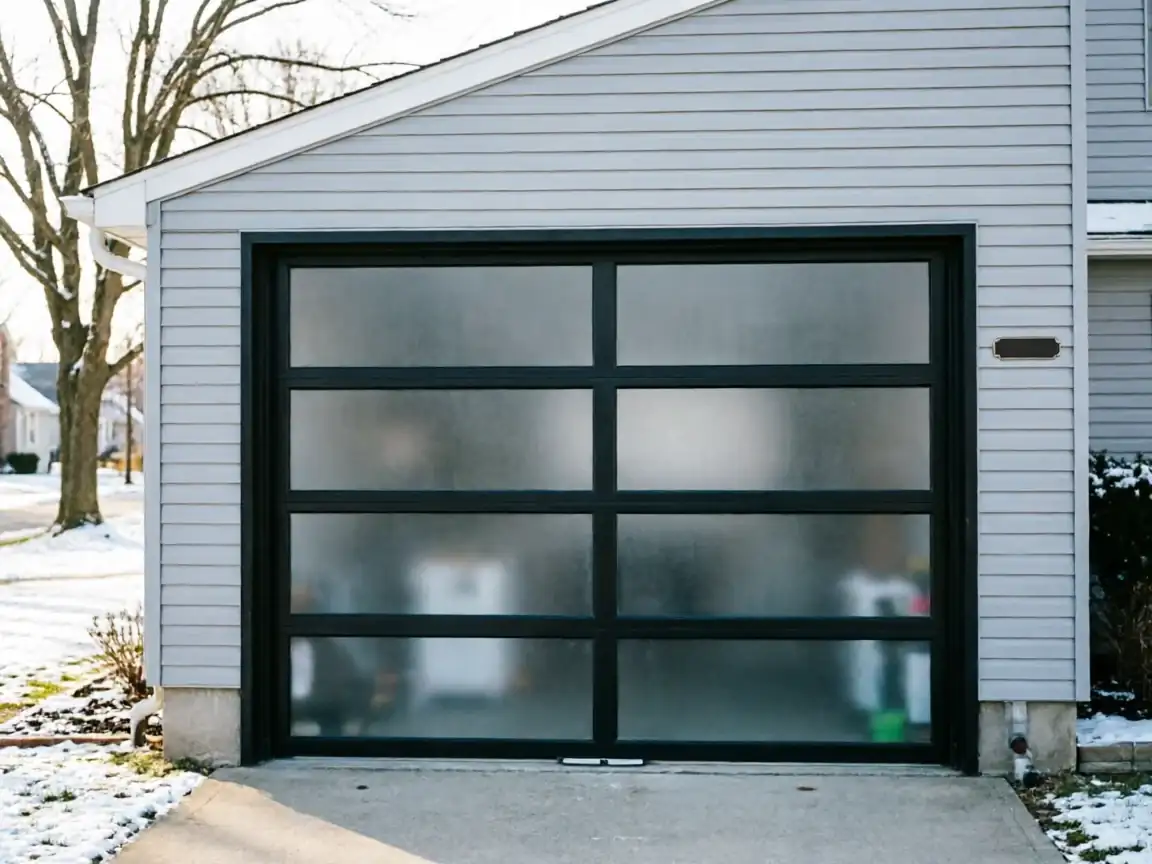
Cold is the other half of it. McHenry sits in a severe-cold climate band, and steel loses flexibility as the temperature drops. A spring that's been quietly fatiguing for twenty winters doesn't usually give out on a mild October afternoon - it lets go on the first hard freeze, when the metal is stiffest and the opener motor is already working harder to lift a door that's gotten heavier with cold-stiffened hardware. That combination - old builder-grade springs plus genuine cold-climate stress - is why spring failure calls cluster here the way they do.
Doing It Yourself
We'll say this plainly: winding or unwinding a torsion spring yourself is not a weekend project, and we won't walk you through it over the phone. The spring is holding a few hundred pounds of stored tension, and the tools for doing it safely (winding bars, a correctly sized socket, a way to clamp the door) aren't things most garages have lying around. People have lost fingers and worse trying to shortcut this with a screwdriver and a ladder.
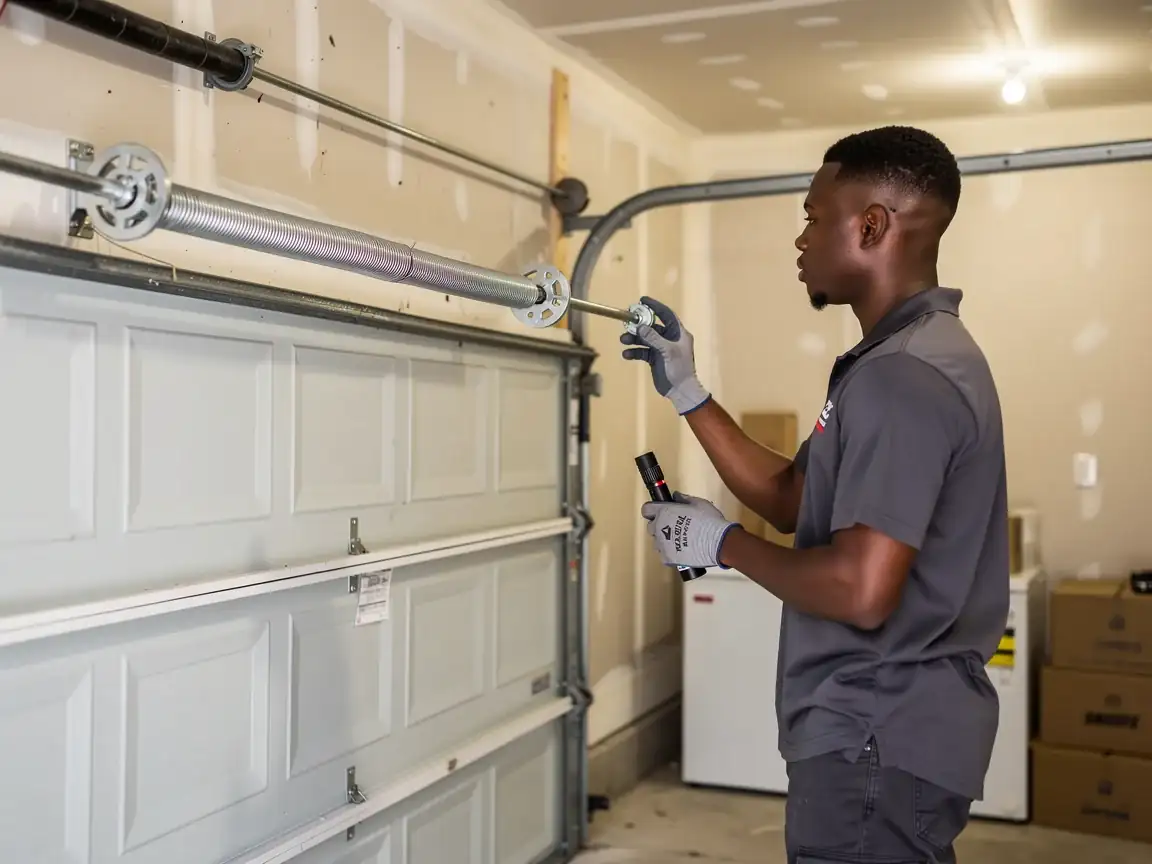
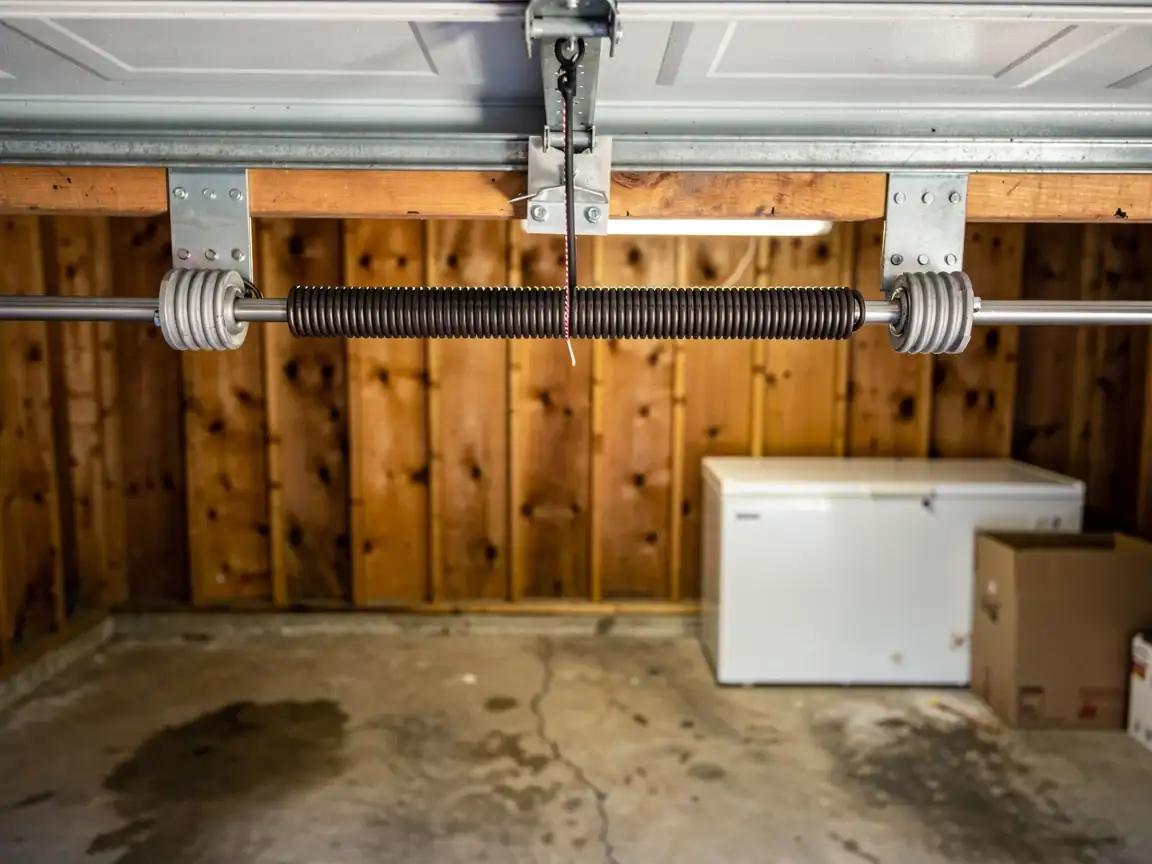
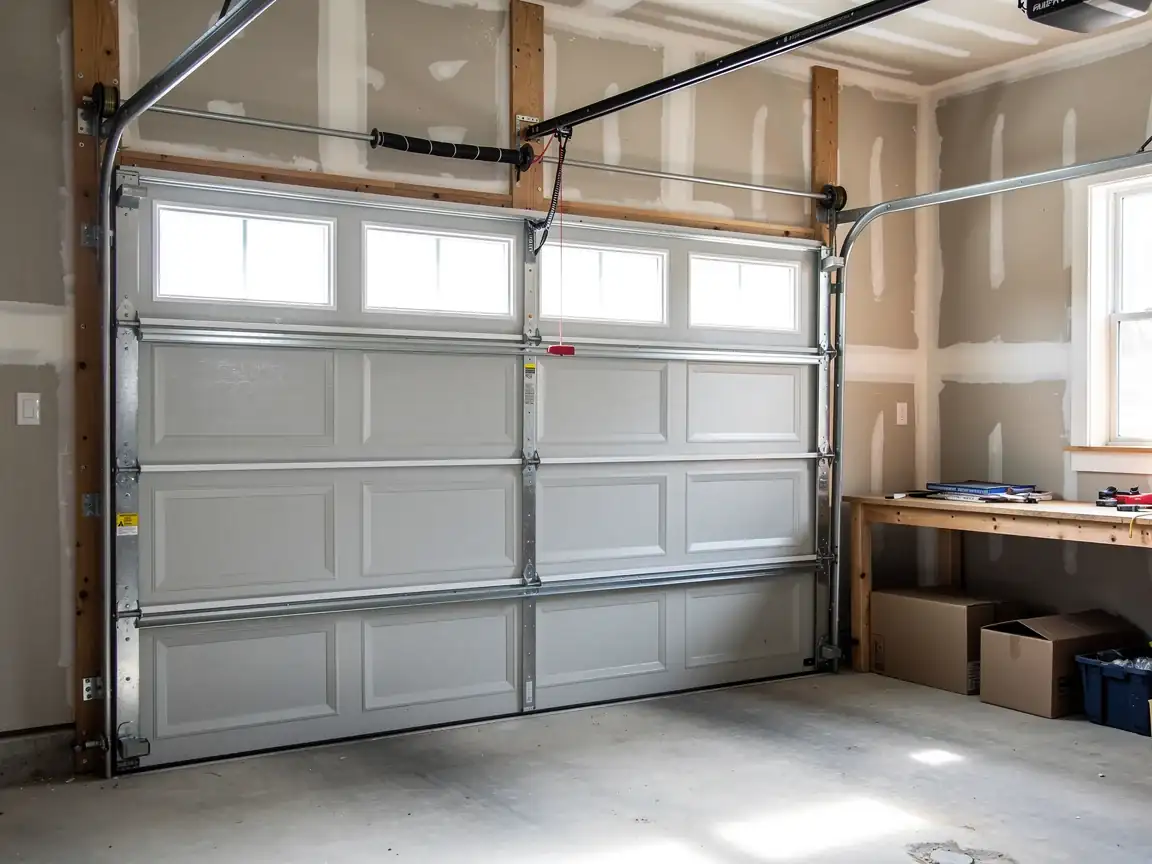
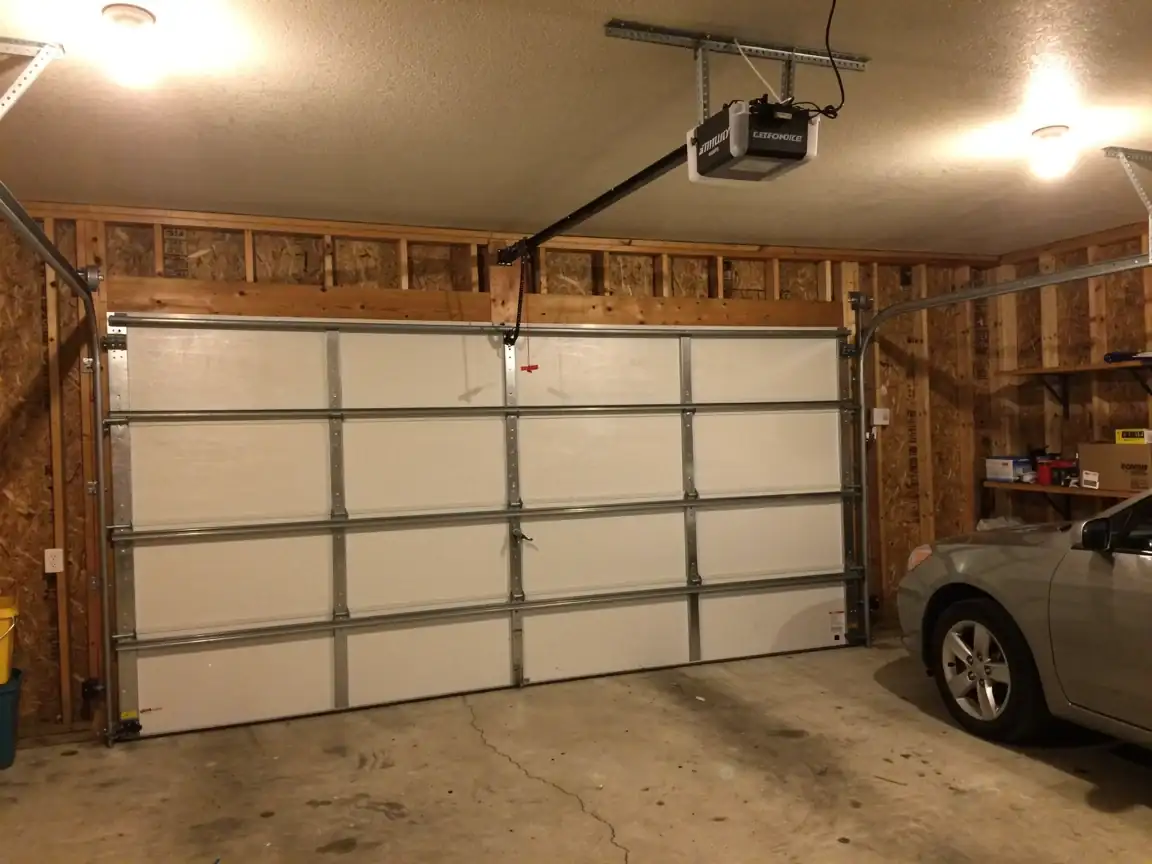
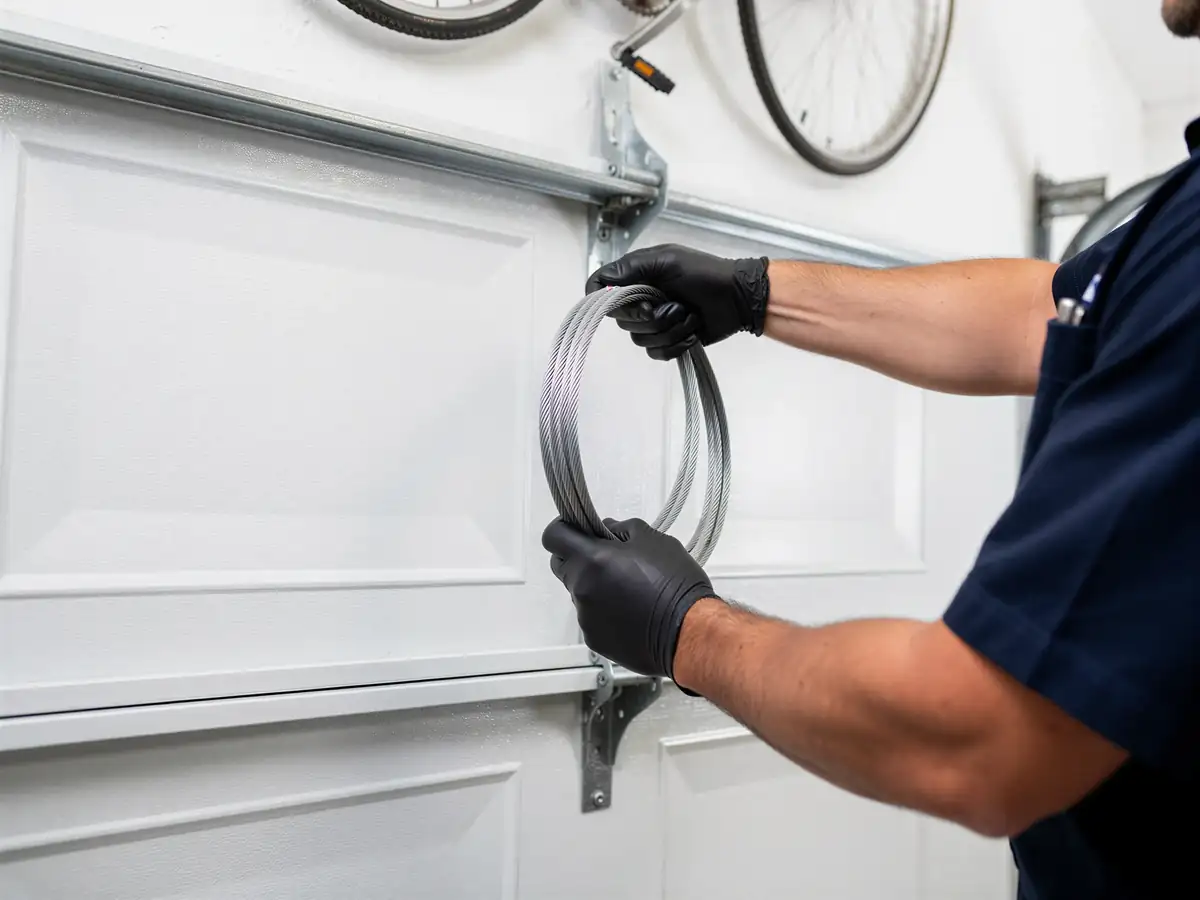
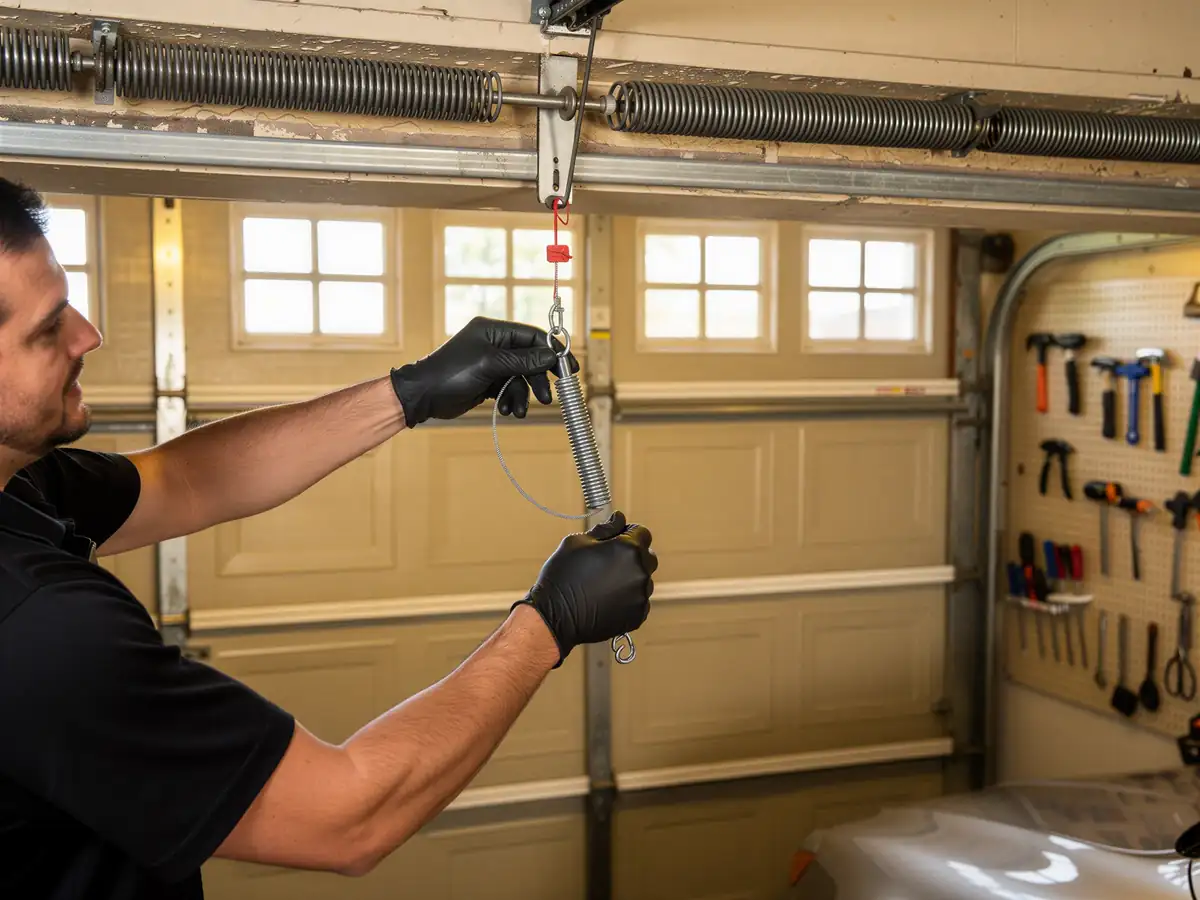
What you can safely do yourself is diagnose. Pull the manual release cord with the door closed and try lifting the door by hand - a working spring setup should let a door weighing what most residential sectional doors weigh move with one hand and stay roughly where you put it. If it drops like dead weight or takes real effort to budge, the spring's gone or going. Look at the spring itself, mounted above the closed door's track: a visible gap in the coil means it's broken. On extension-spring setups (the kind running along the horizontal tracks rather than mounted overhead), check that the safety cables are still threaded through - that's the part that keeps a snapped spring from becoming a projectile. Past that point, the job is ours.
What Can Go Wrong
A broken spring rarely stays a one-part problem if the door gets used after it fails
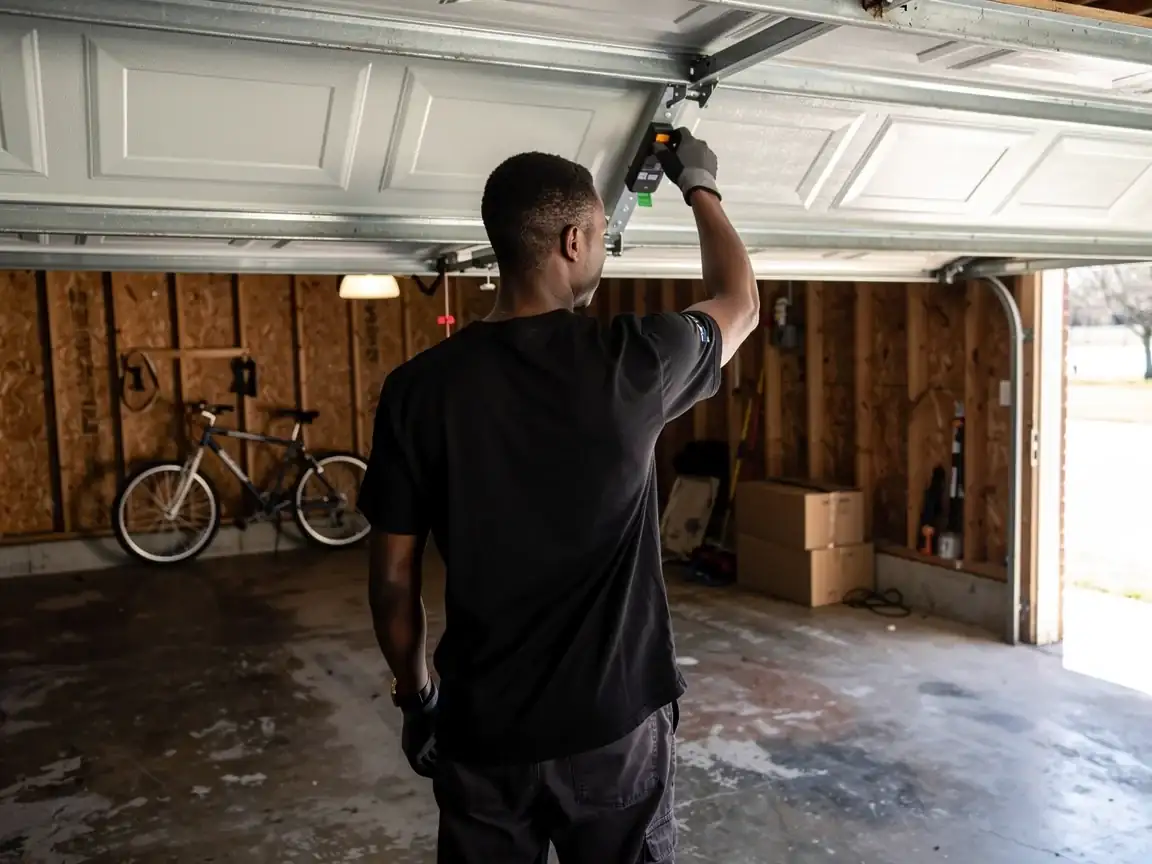
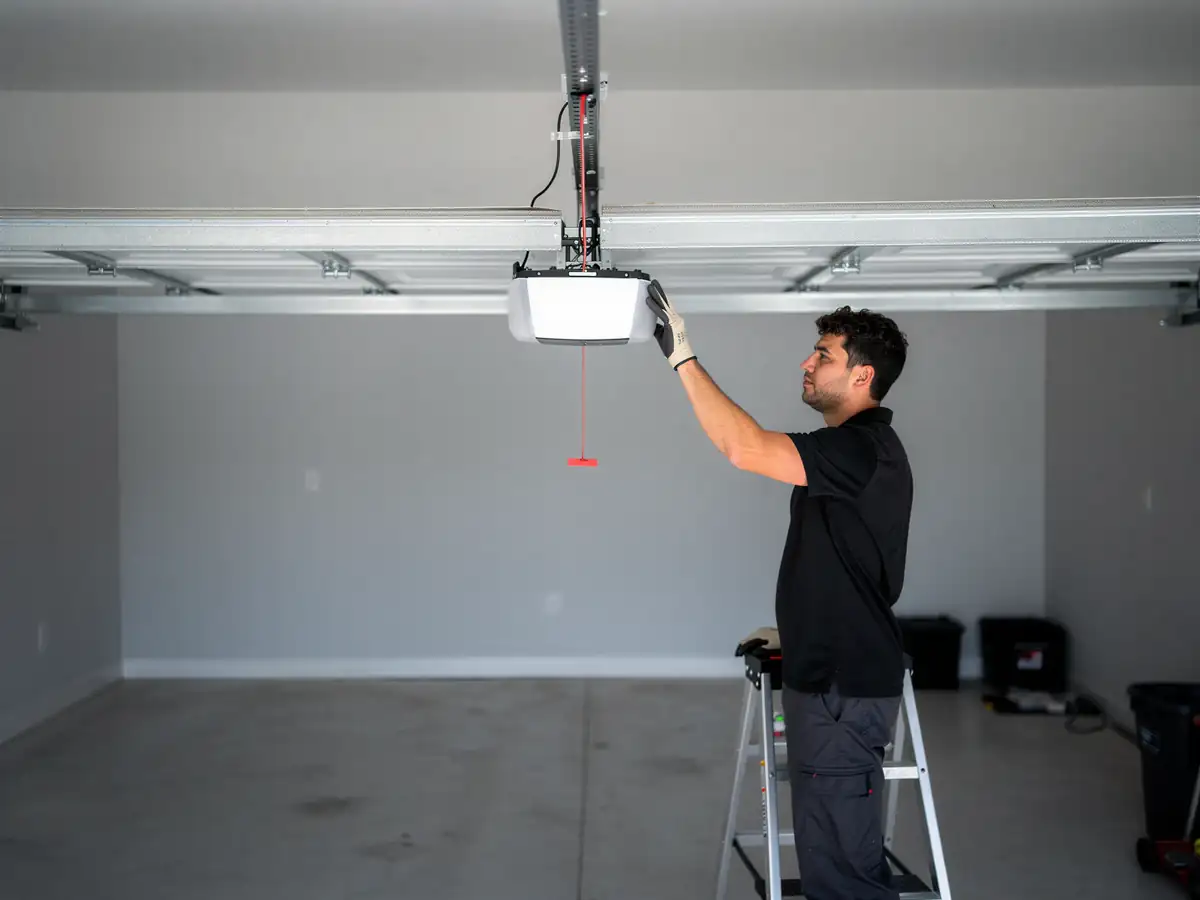
Without spring tension doing most of the lifting, the opener takes the full weight of the door on its own gears and drive mechanism, which is a fast way to strip a plastic gear or burn out a motor that was only ever built to assist, not carry, the door. We see that pairing often: spring plus opener, both needing attention, because someone kept hitting the button after the first bang.
Cables can also jump the drum once spring tension drops unevenly
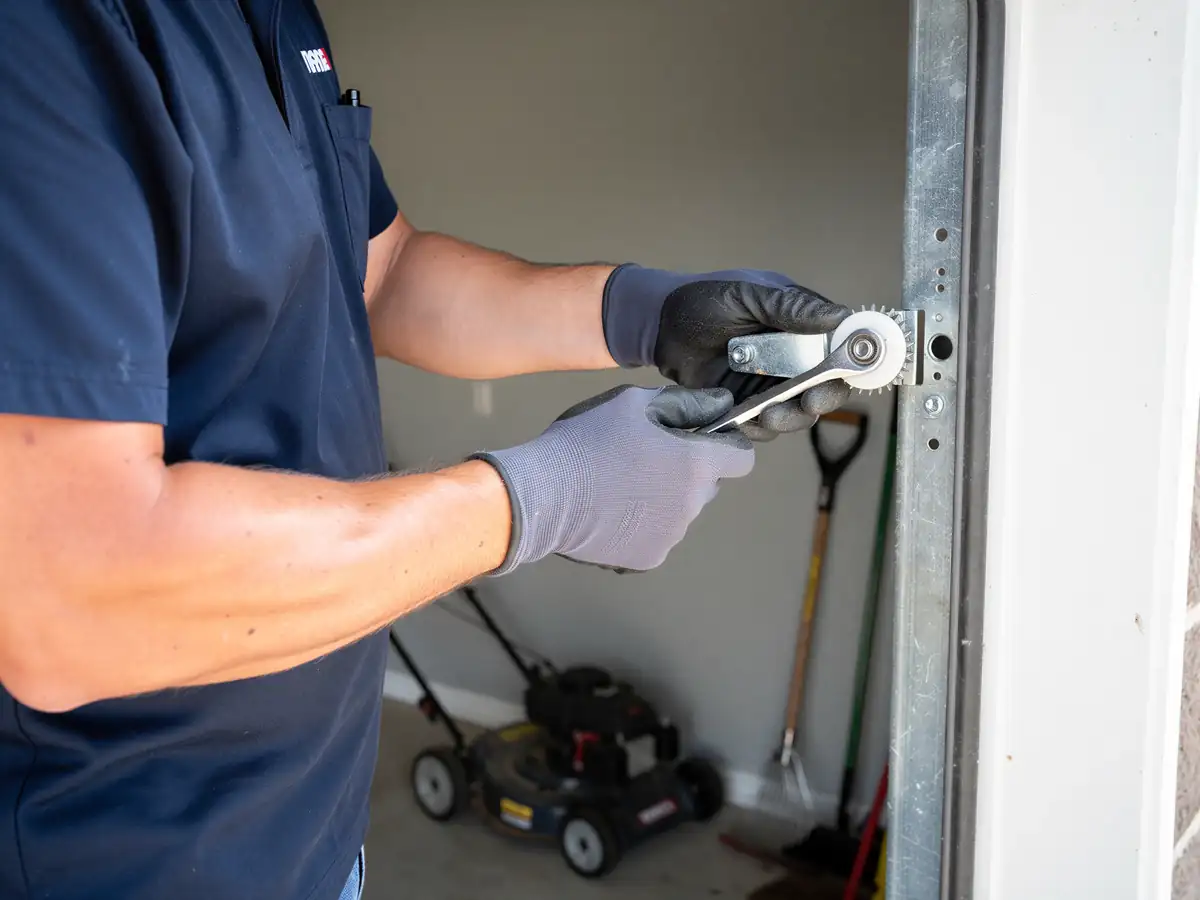
Especially on older two-spring setups where one side lets go before the other. That throws the door off-track, and forcing it at that point can bend the track rail or rack a panel out of square - repairs that cost more than the spring itself. On older sectional doors original to 1980s and 90s construction, the panels and hardware weren't built with the tolerances newer doors have, so a door forced sideways even a little tends to bind or crack rather than flex back into place. If a spring's broken, the honest move is to stop using the door until it's fixed, not keep working around it.
How It Shows Up
The most common sign is a loud bang from the garage - a sharp crack, sometimes loud enough to hear inside the house, usually first thing on a cold morning. After that, the door either won't budge with the opener (you'll hear the motor straining or clicking without the door moving) or it moves but feels wrong: heavy on one side, jerky, or it drops suddenly partway through opening.
Sometimes it's quieter than that. A spring nearing the end of its life will often show visible wear before it fully breaks - a widening gap between coils, rust concentrated at one spot, or a door that's gradually gotten harder to lift by hand over a few months rather than failing all at once. Either way, once you notice the door isn't lifting the way it used to, that's the window to get it looked at before the opener takes damage too.