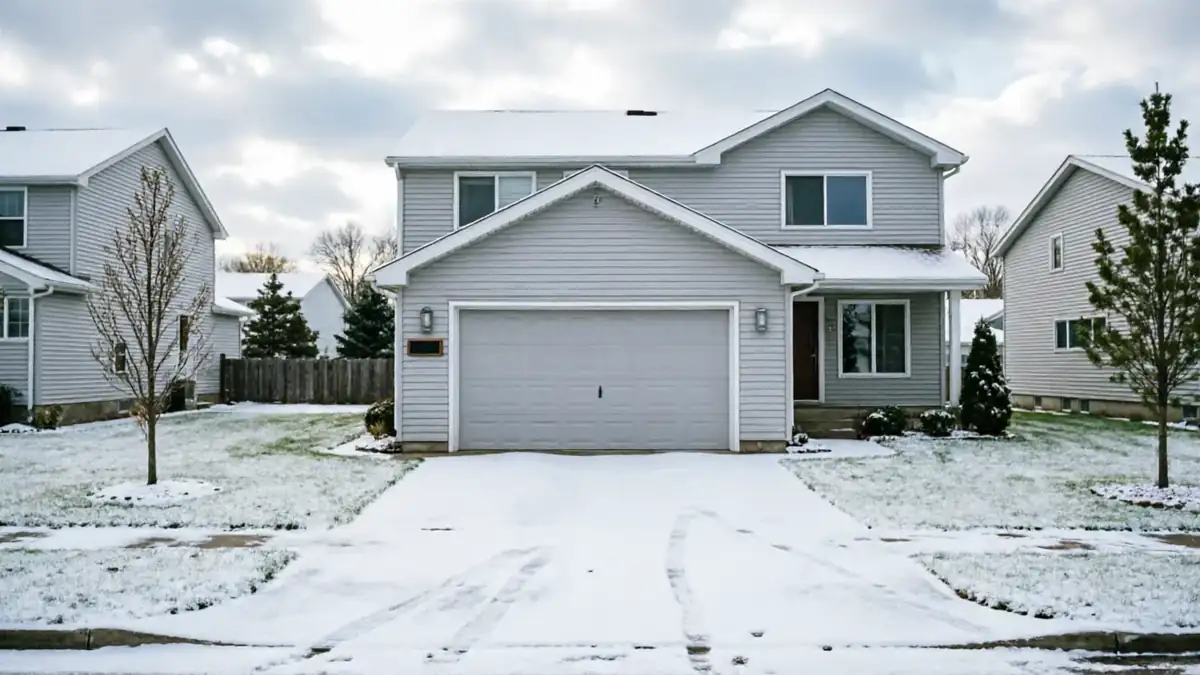
When It Stops Being a DIY Job
A torsion spring that snaps on a ten-degree morning is not the same repair as one that lets go in July. Cold steel is less forgiving - it's already lost some flex, and when it finally breaks, it tends to break clean and hard instead of fraying out slowly. If you hear a bang from the garage and the door won't budge, or budges only a few inches before stalling, that's your spring. Do not disconnect the opener and try to muscle the door up by hand. A wound spring under tension, especially one that's already failed, can take a finger off before you know what happened.
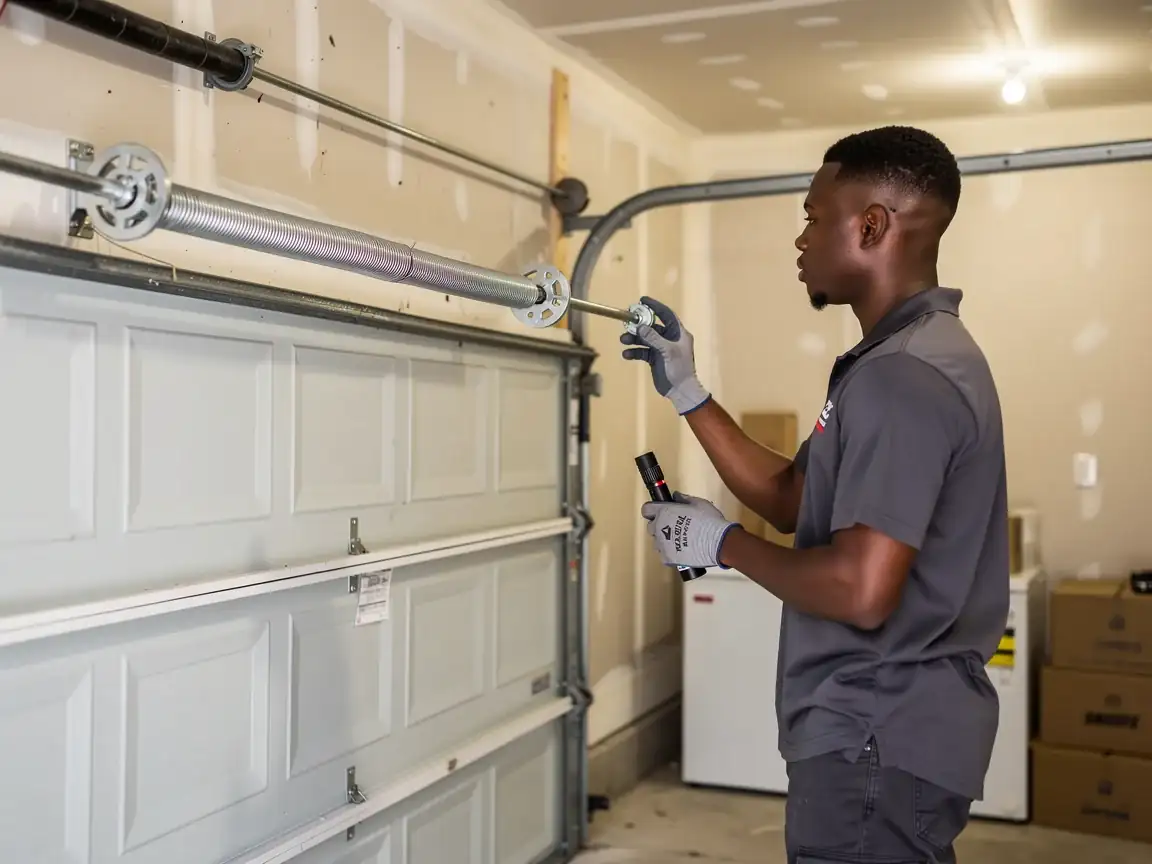
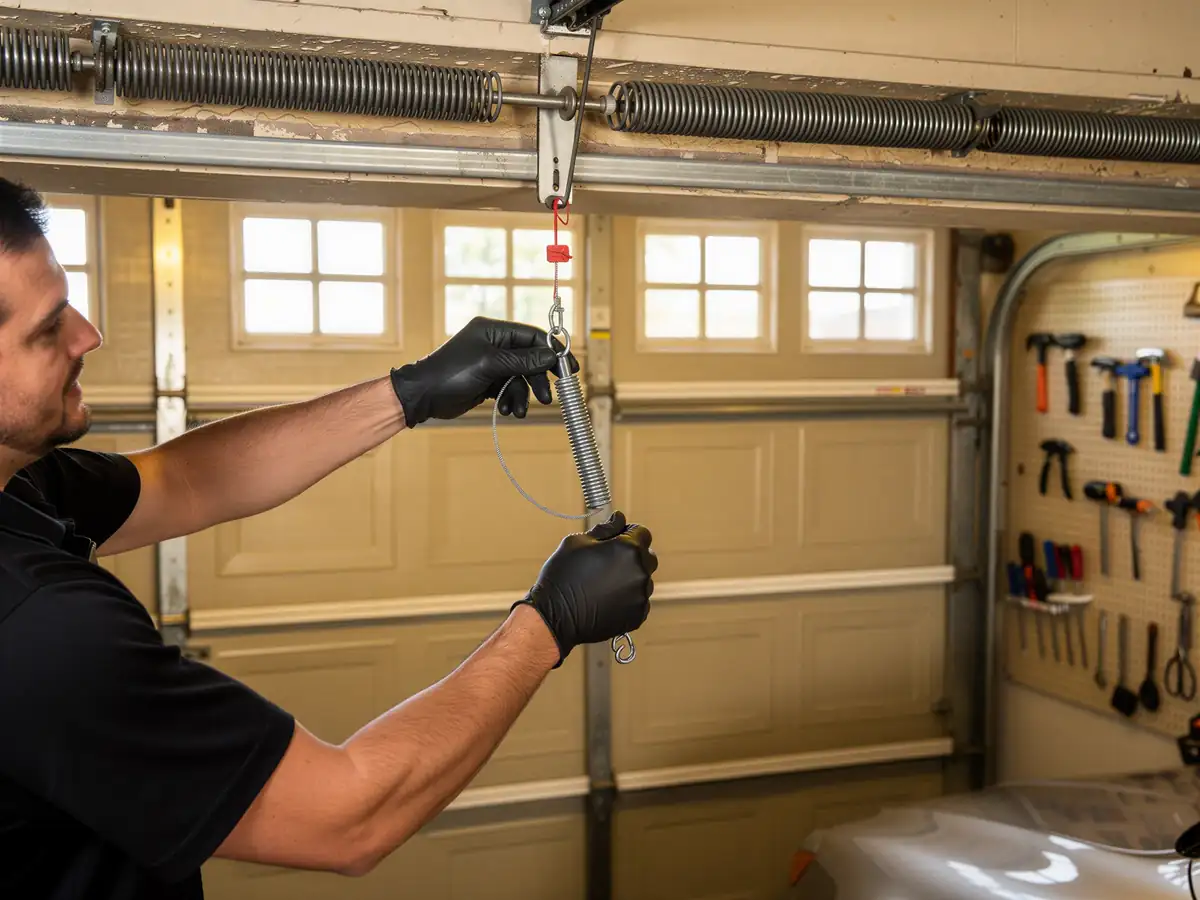
This is also where DIY kits from the hardware store fall short. Universal springs are sized by wire gauge, coil diameter, and length to match the door's weight - get that wrong on a two-car door and you'll either strip the opener gears or leave the door too heavy to lift by hand if the power goes out, which in McHenry's winters happens. If your garage is unheated, which most are, the spring and cable assembly are sitting at outdoor temperature every night. That's the setup for a cold-weather failure, and it's also the setup where a rushed fix causes a second problem on top of the first.
What Local Conditions Do
McHenry sits in a severe cold climate band, and that matters more for garage doors than people think. Steel springs lose tensile flexibility as temperature drops, and the daily swing here - cold nights, warmer afternoons, then cold again - puts repeated thermal stress on a part that's already doing thousands of open-close cycles a year. A spring rated for a certain cycle count in a moderate climate simply ages faster through a McHenry winter.
Condensation is the other piece. When a heated house meets an unheated garage, moisture collects on hardware overnight and freezes by morning. That film of ice adds drag right at the moment the spring is already stiff from cold, so the opener has to work harder to get the door moving. Over a season, that combination - cold-stiffened steel plus added resistance - is what pushes a spring from worn to broken, usually on the coldest stretch of the year rather than a mild one. None of this is unique to one house; it's the physics of steel and ice acting on a part that was never designed to live outdoors.
Where People Go Wrong
The most common mistake in this area isn't ignoring a bad spring
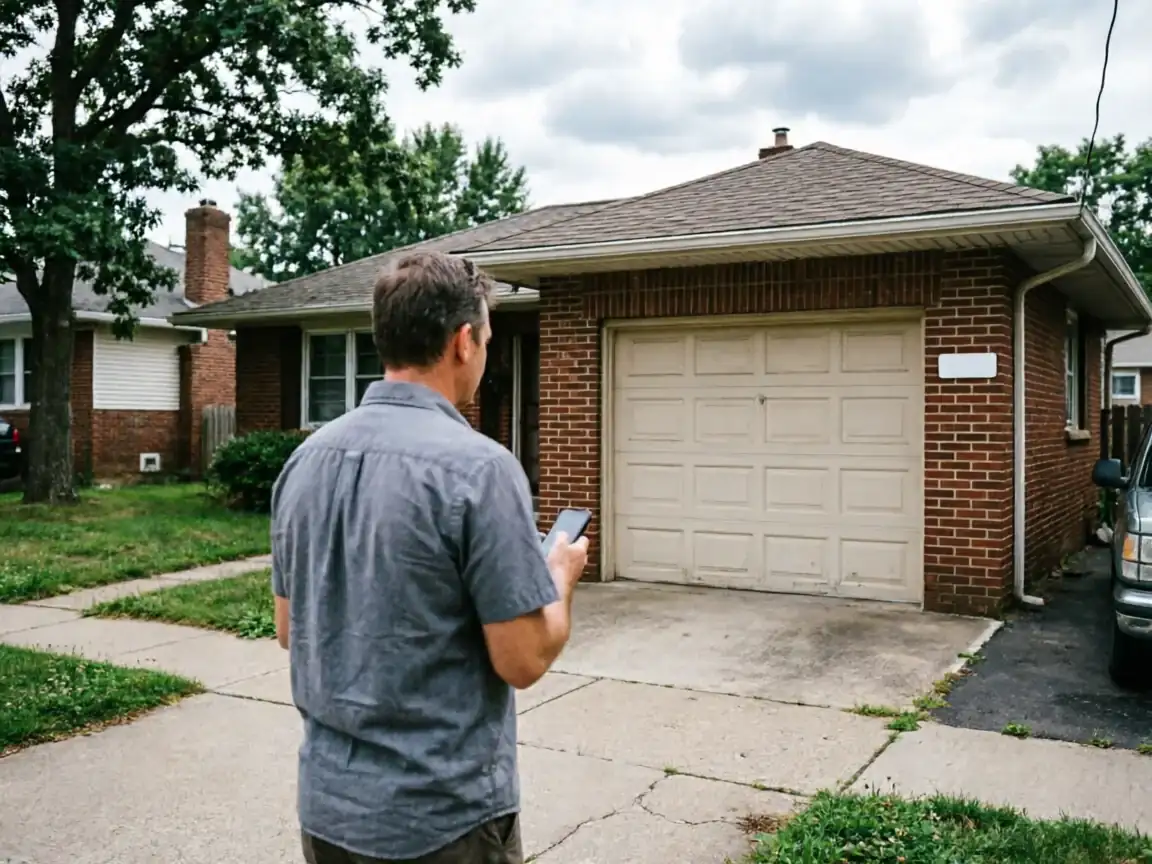
It's misjudging how old the hardware actually is. Housing across McHenry and the surrounding towns was mostly built between 1946 and 2009, with the bulk of the stock going up in the 1980s and 90s. A lot of doors and openers still in service were installed with that original construction, which means the springs in plenty of garages are pushing thirty-plus years old even if the door itself looks fine. Owners assume a quiet door means healthy hardware, but spring fatigue doesn't show up as noise - it shows up as a sudden break.
The second mistake is treating a cold-weather break as a one-part fix
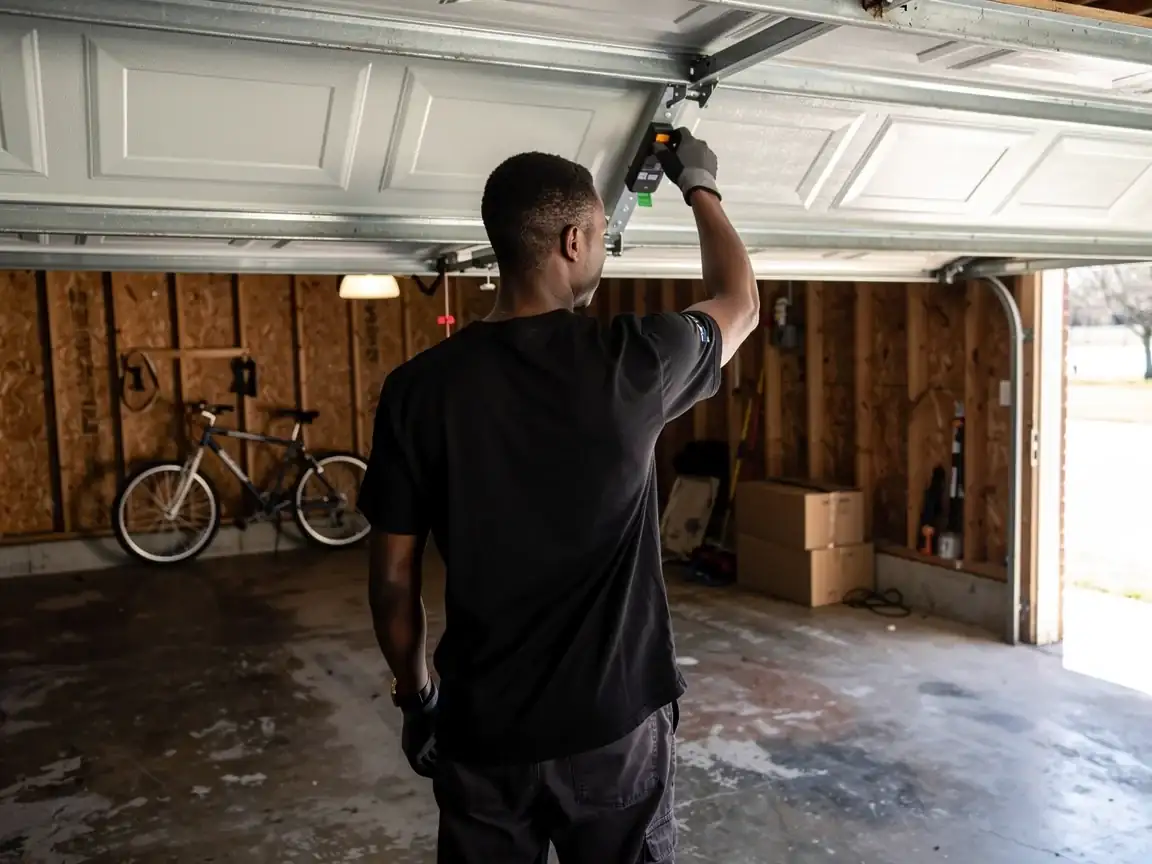
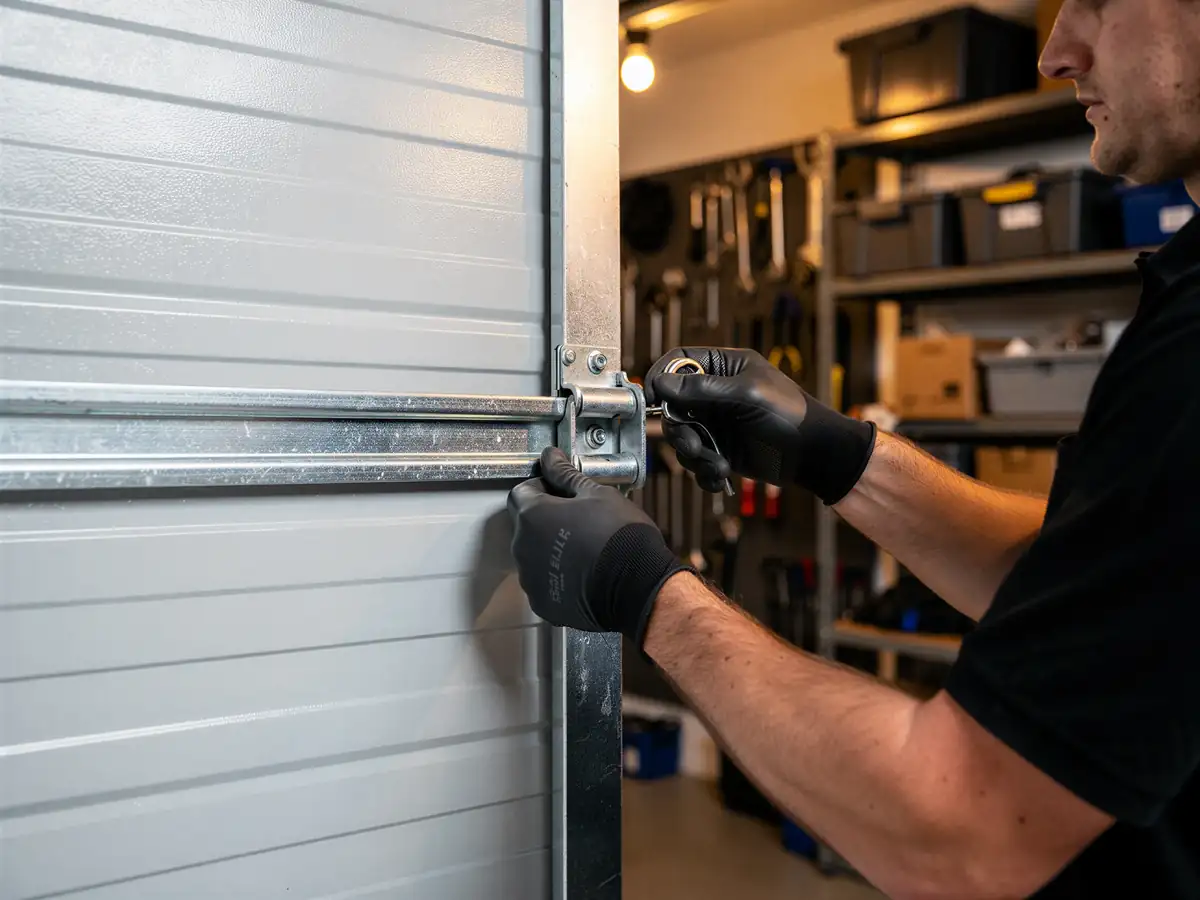
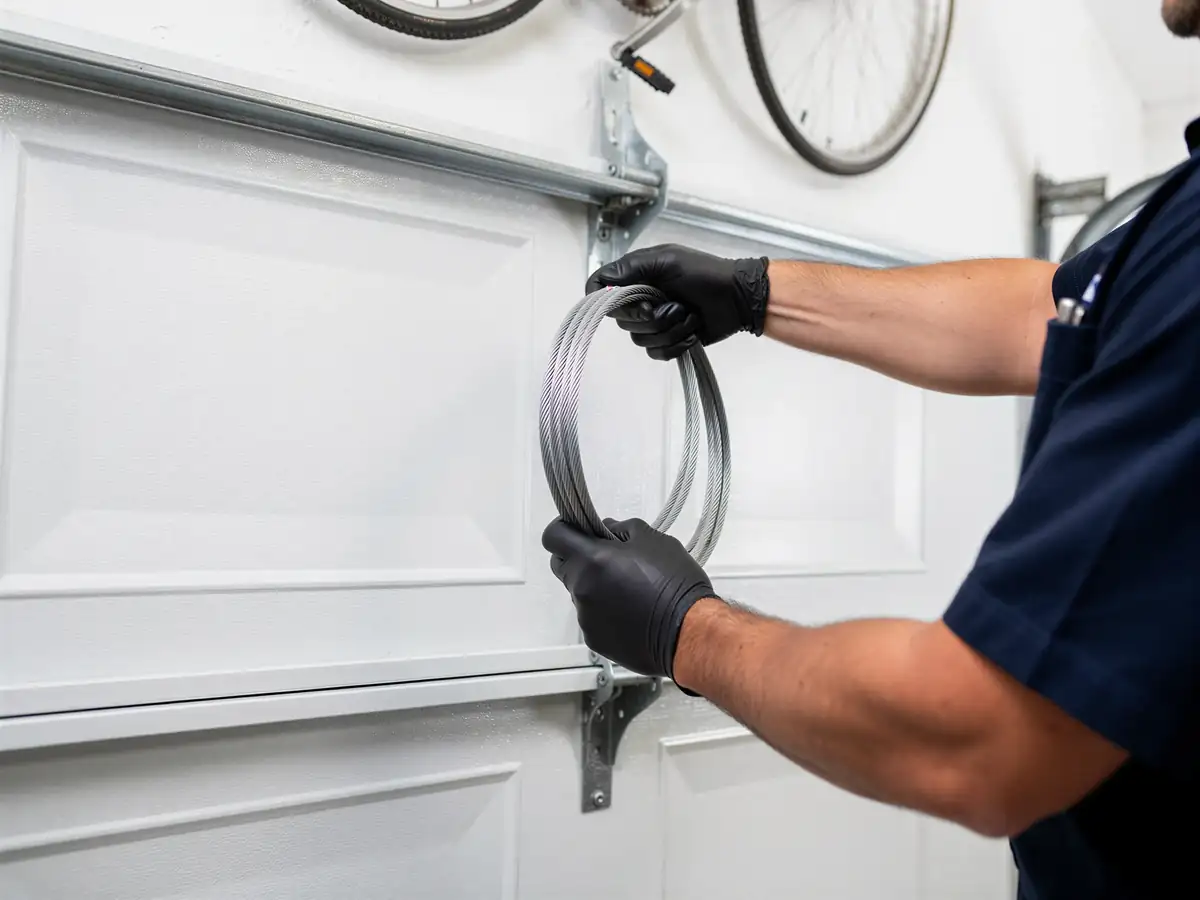
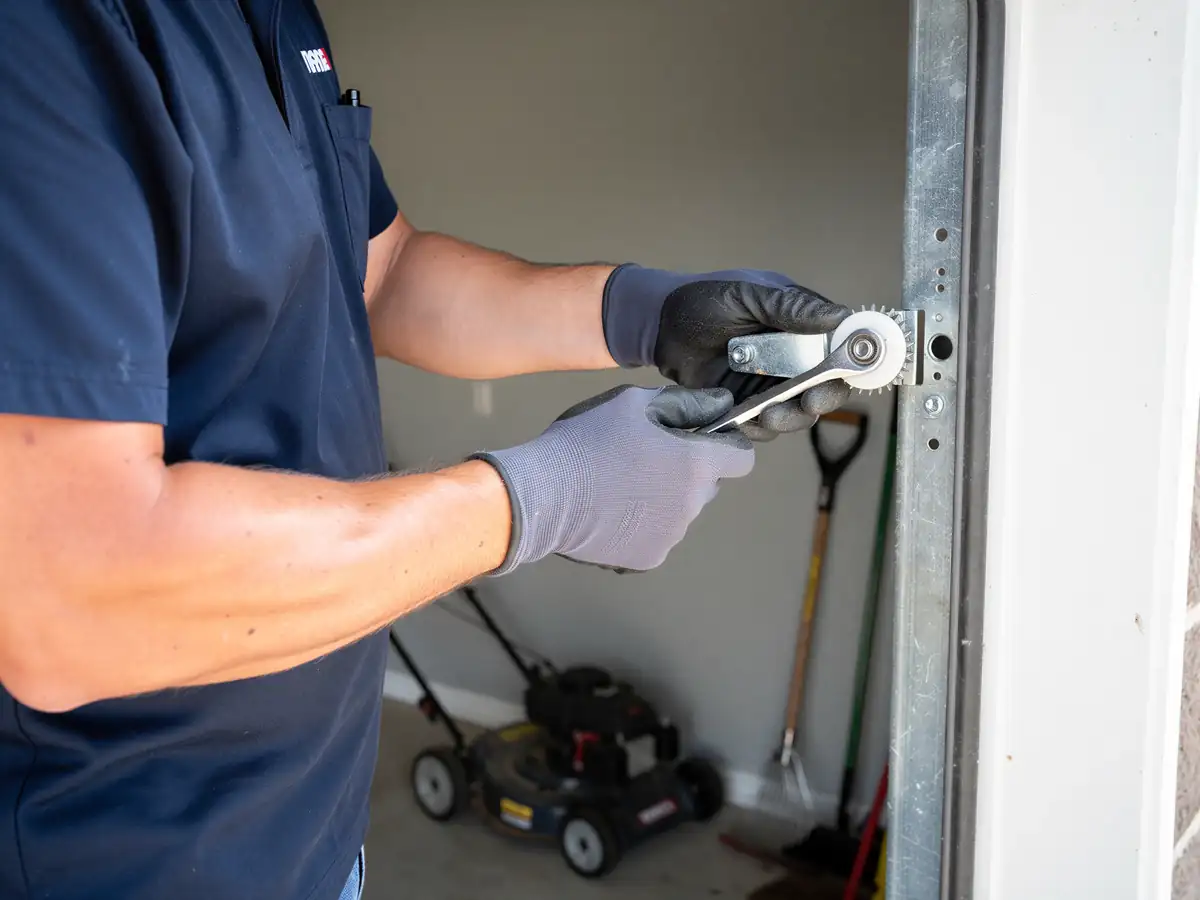
When a spring snaps under tension, it can nick a cable, bend a pulley, or throw the door off-track on its way down. Replacing just the spring and ignoring the rest is how people end up with a second service call three weeks later. We check the full lift system when we're already in there, not because it pads the job, but because cold-weather breaks rarely travel alone.
The Situation
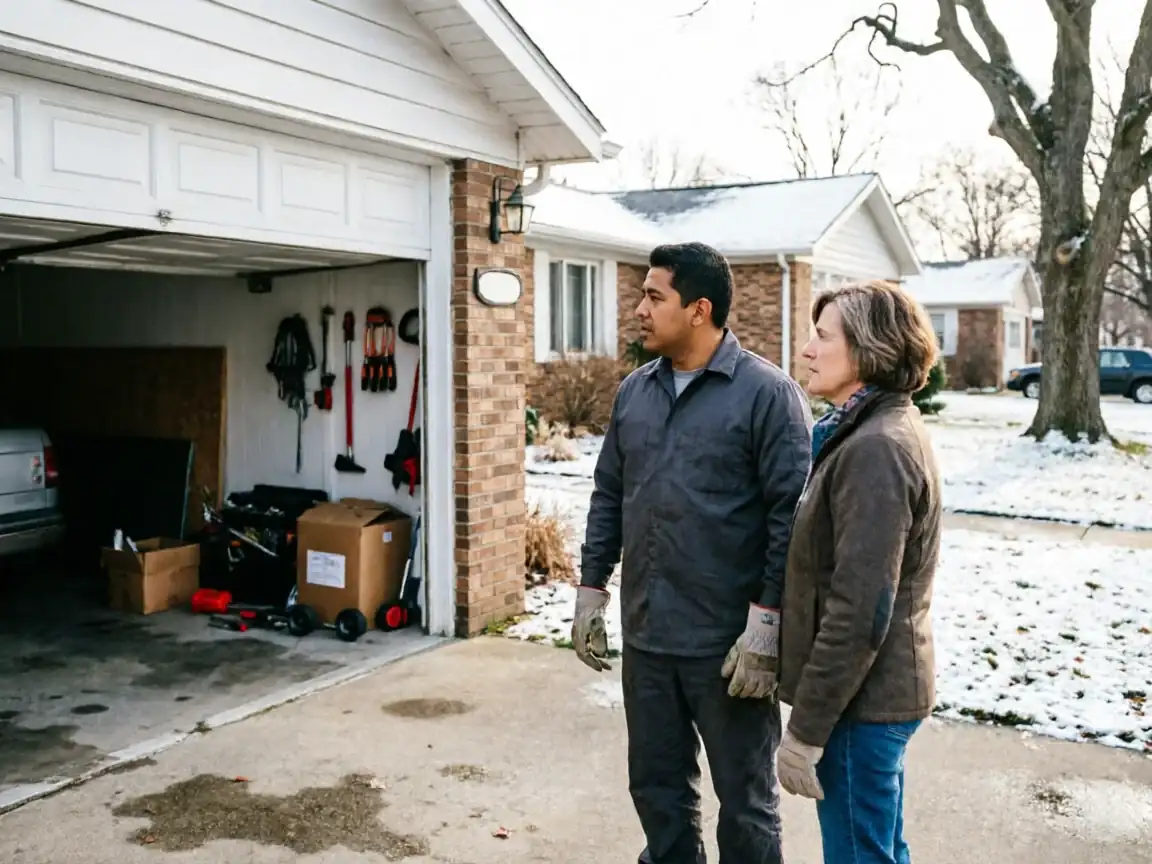
If you're in McHenry or anywhere from Johnsburg to Lakemoor to Wonder Lake, the housing stock and the winters are doing the same thing to every garage: aging springs faster than owners expect, then breaking them on the coldest days. We can't tell you over the phone whether your specific spring is original to the house or whether it's a replacement from ten years back - that's a look-and-tell, not a guess. What we can tell you is that a spring that's lasted since the 80s or 90s and finally let go in a cold snap is not a fluke, it's the expected lifespan running out at the worst possible time.
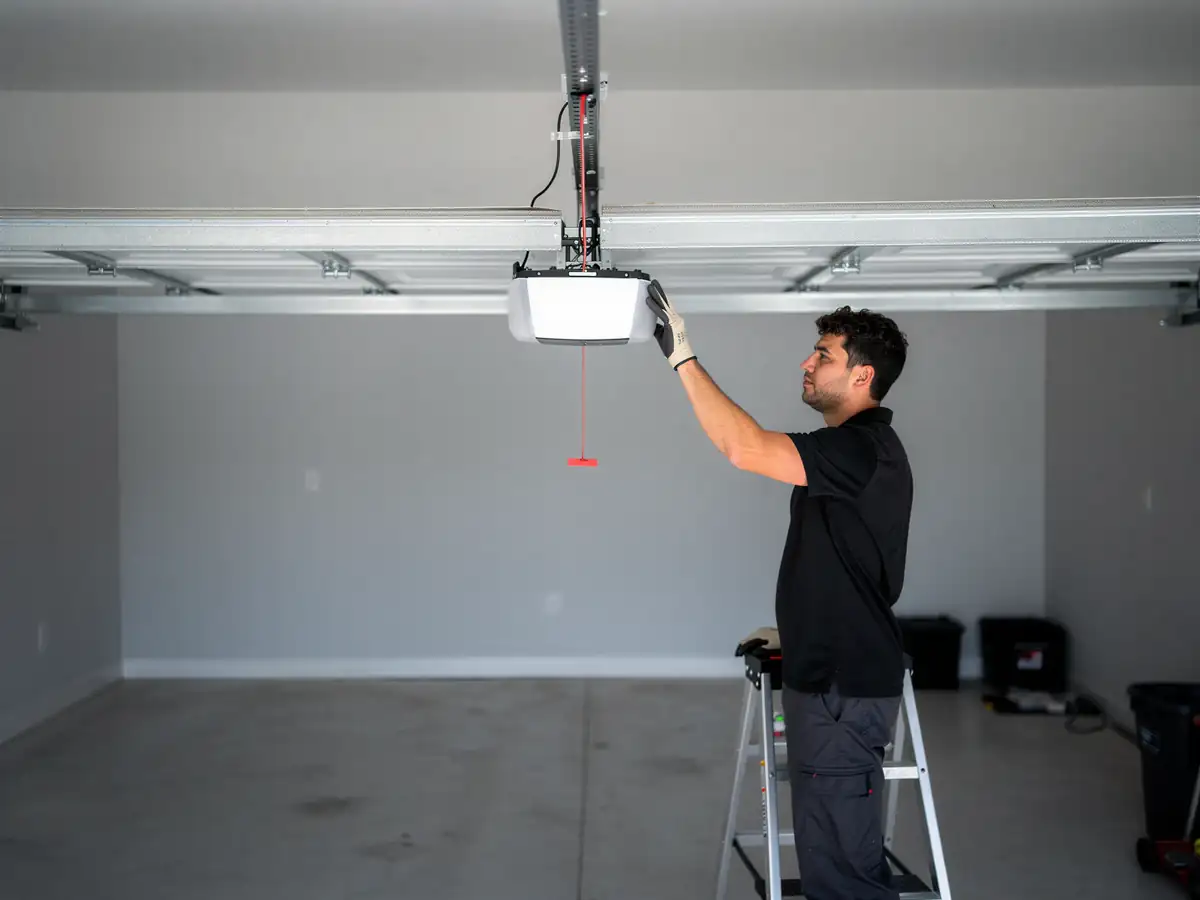
One honest limit: if your opener and track are also original to a 1980s build, a spring swap alone may not be worth it - sometimes the right call is replacing the whole lift assembly rather than patching one worn part onto old hardware. We'll tell you straight which situation you're in before we start work, not after.