How It Shows Up
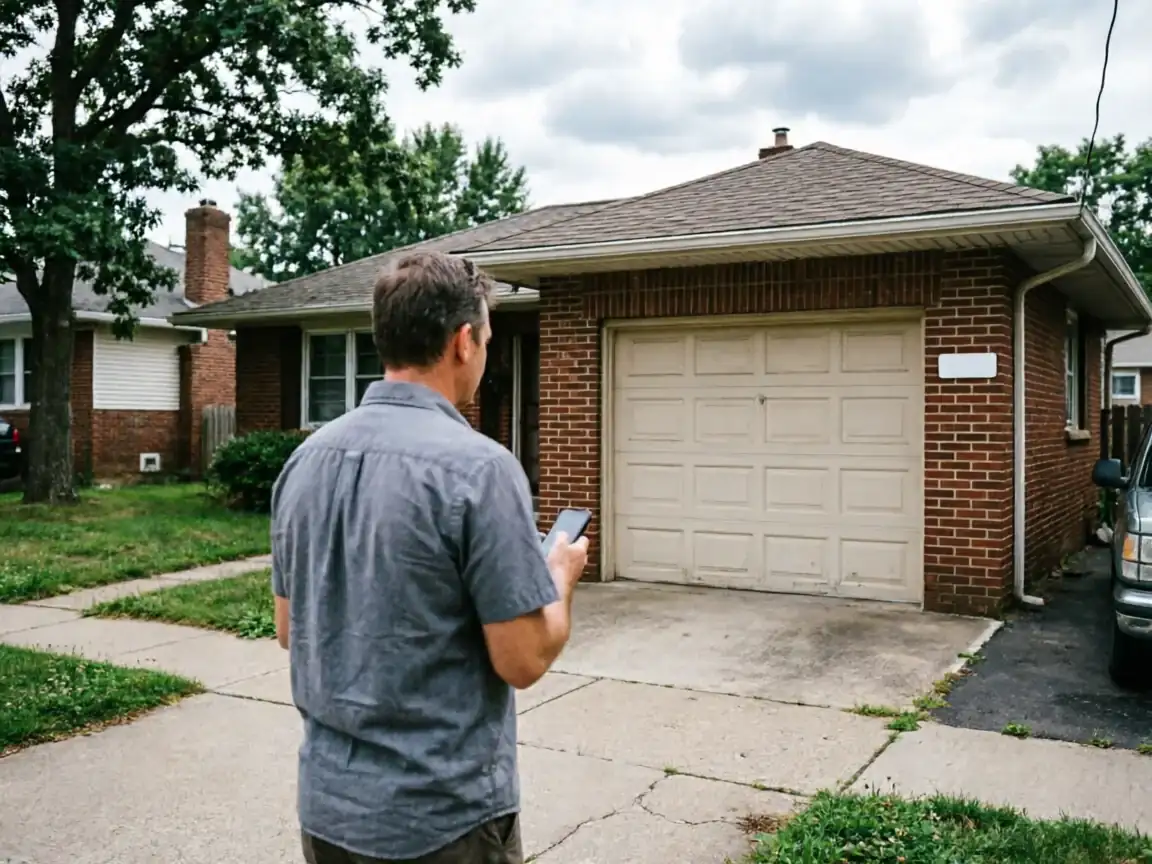
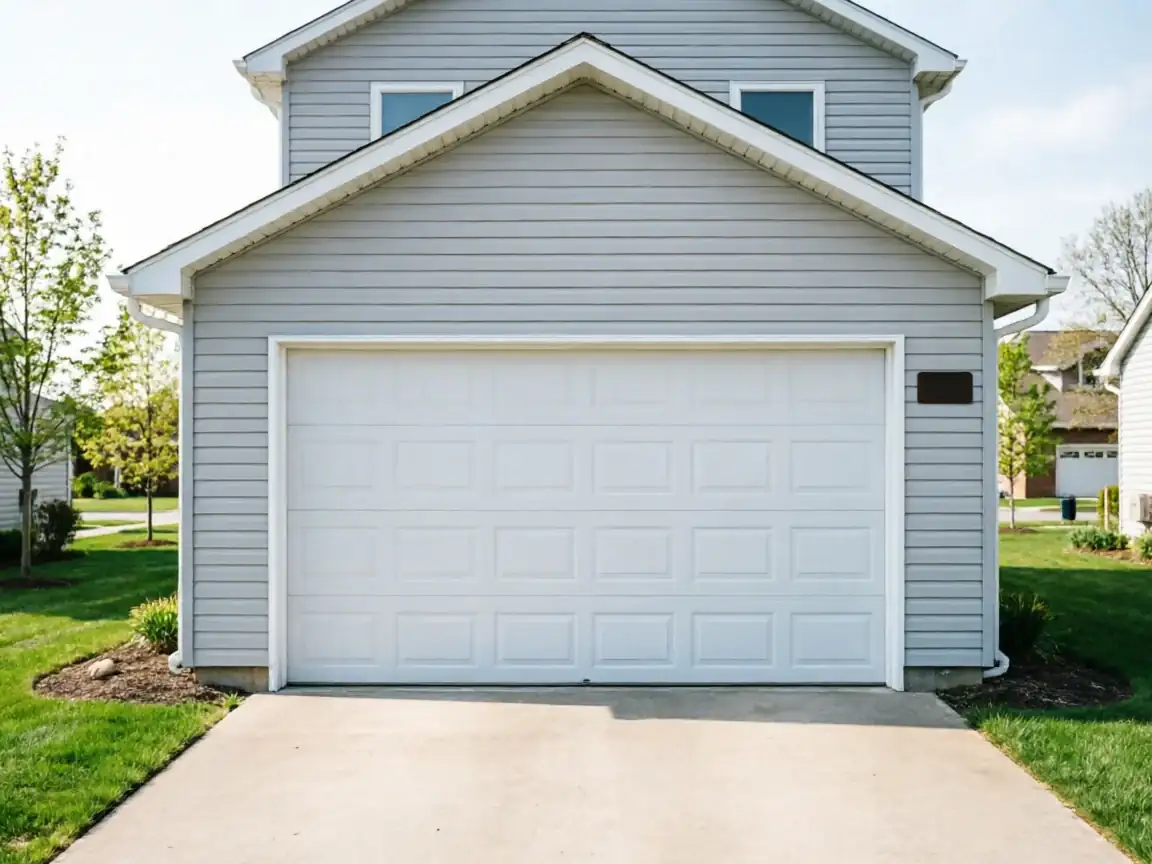
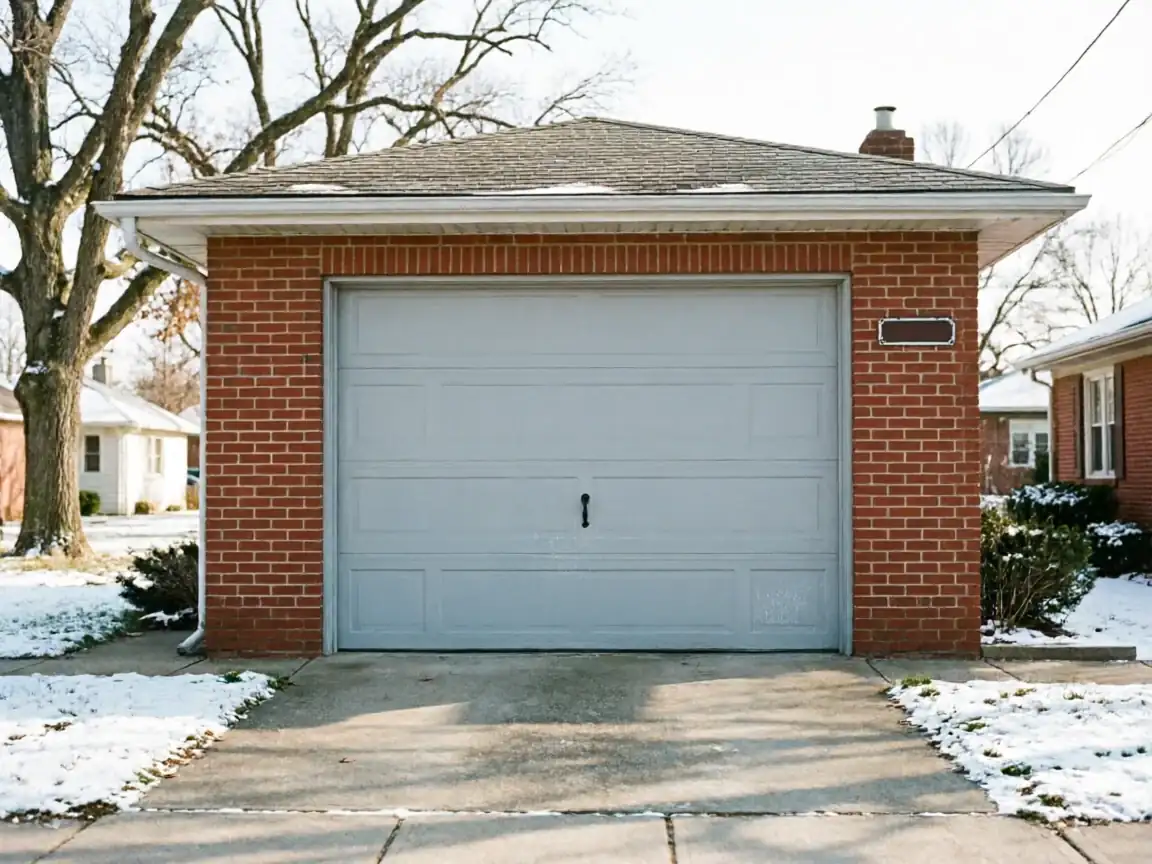
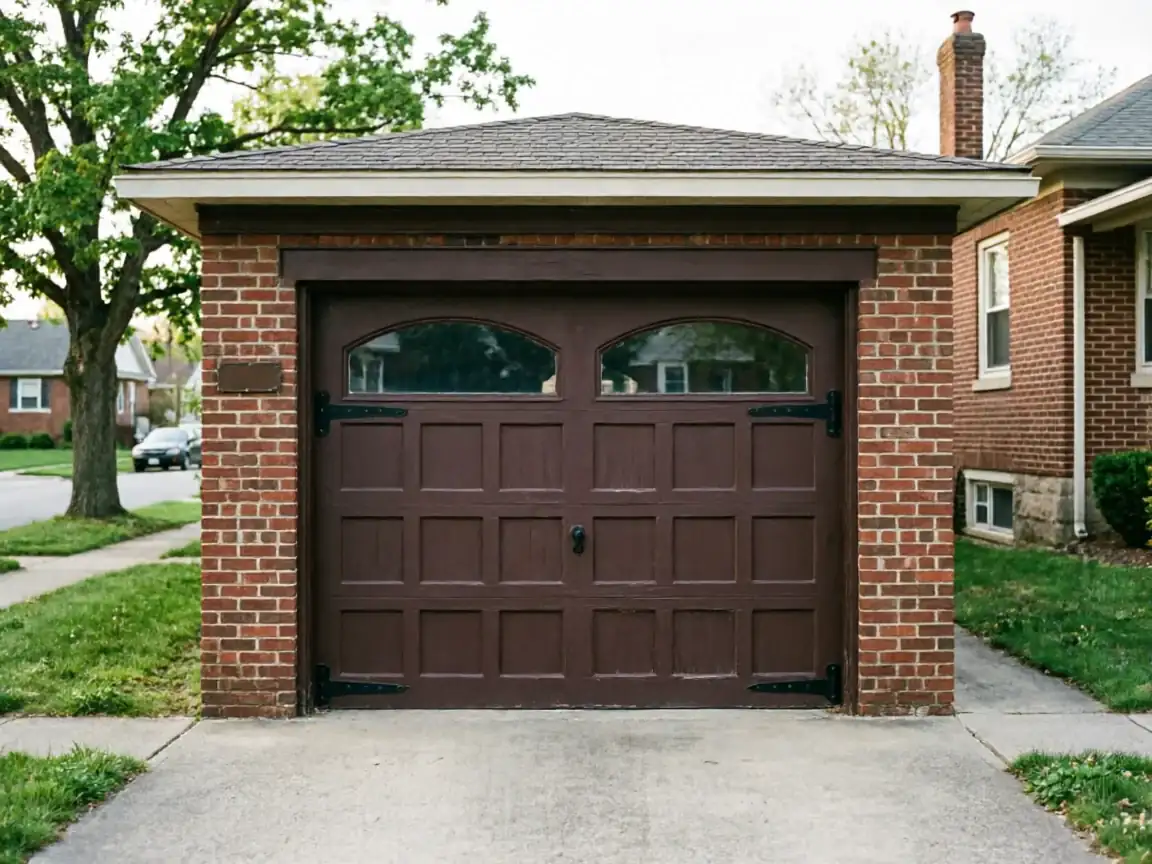
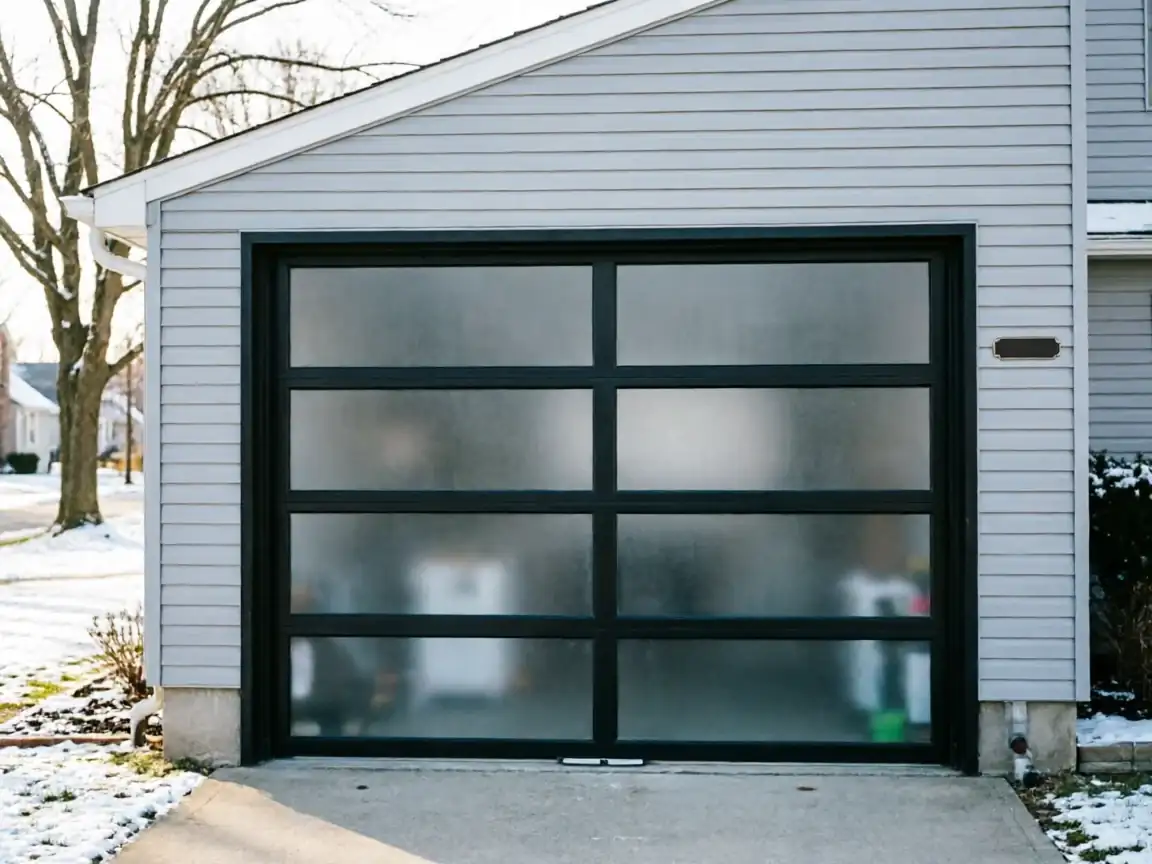
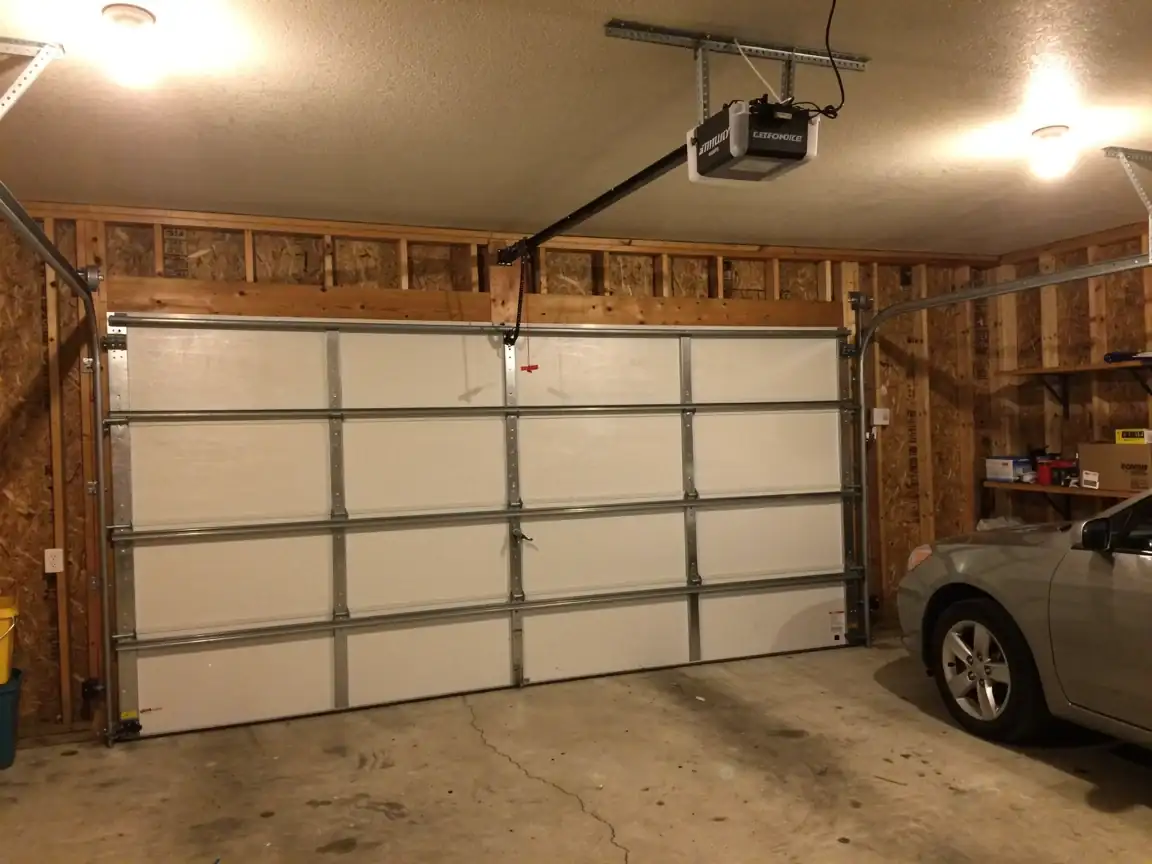
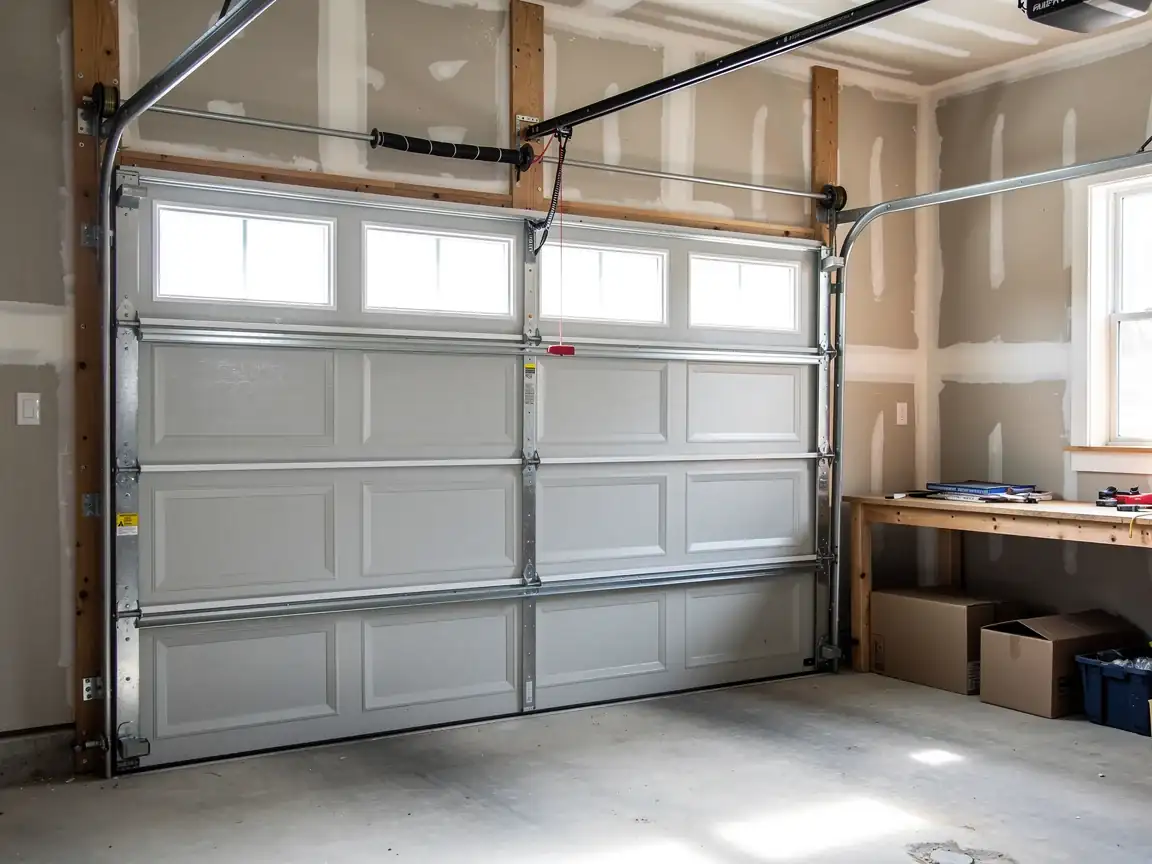
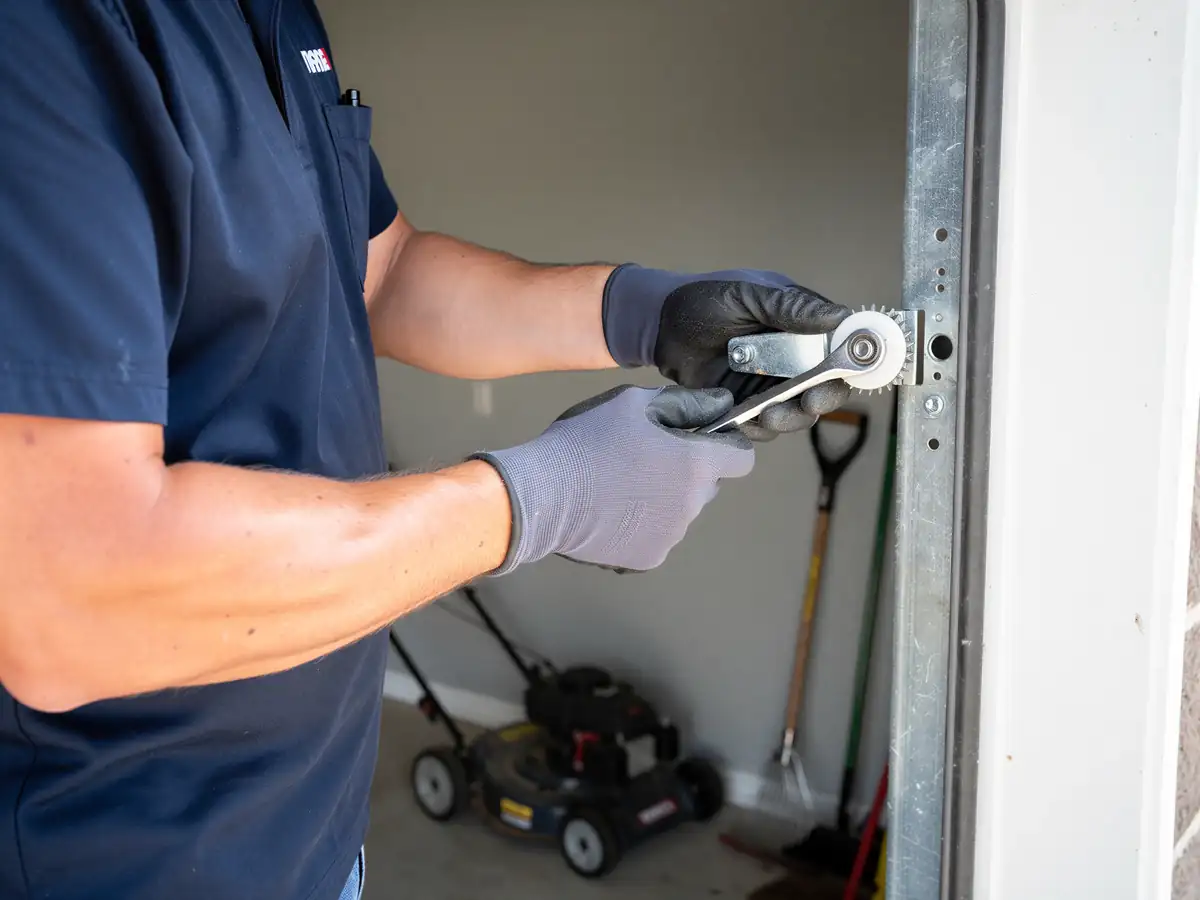
Island Lake's housing stock centers on 1989, a touch newer than the broader McHenry service area's 1987 median. That small gap matters more than it sounds. Doors from the late 1980s in this pocket were more likely installed with galvanized steel tracks and roller brackets rated for a lighter door than what homeowners have since swapped in - heavier insulated steel or faux-wood composite replacements hung on hardware that was never upsized to match. The door looks fine sitting in the opening, but the extra weight walks the rollers out of the track channel a little more each cycle. You'll see it first as a door that hangs crooked on one side, a gap between the bottom panel and the floor on just one track, or a roller that's visibly popped past the track lip near the top. Cold snaps make it worse - steel contracts, clearances tighten, and a door that was marginally off-track now binds or jumps clean off when the opener pulls on it. If you hear a grinding scrape right before the door stops moving, that's usually a roller fighting a track it's no longer riding inside.
Why This Fails Locally
With roughly 2,889 households in Island Lake, you're not dealing with a cookie-cutter subdivision built in a single year - homes here span a build window that includes a fair number of retrofits and additions, and garage doors get swapped out of sync with the rest of the house. A door replaced ten years ago often gets dropped onto 1989-era track brackets because nobody rechecks the hardware spec at install. That mismatch is the single biggest cause of off-track calls in this area, more than storm damage or age alone. The region's winters do their part too - sustained cold stiffens the nylon rollers still found on older setups, and a stiff roller is a roller that catches on a track seam instead of rolling through it. None of this is unique to one street; it's a pattern across homes built in that window with upgraded doors and original track hardware.
How Long It Takes
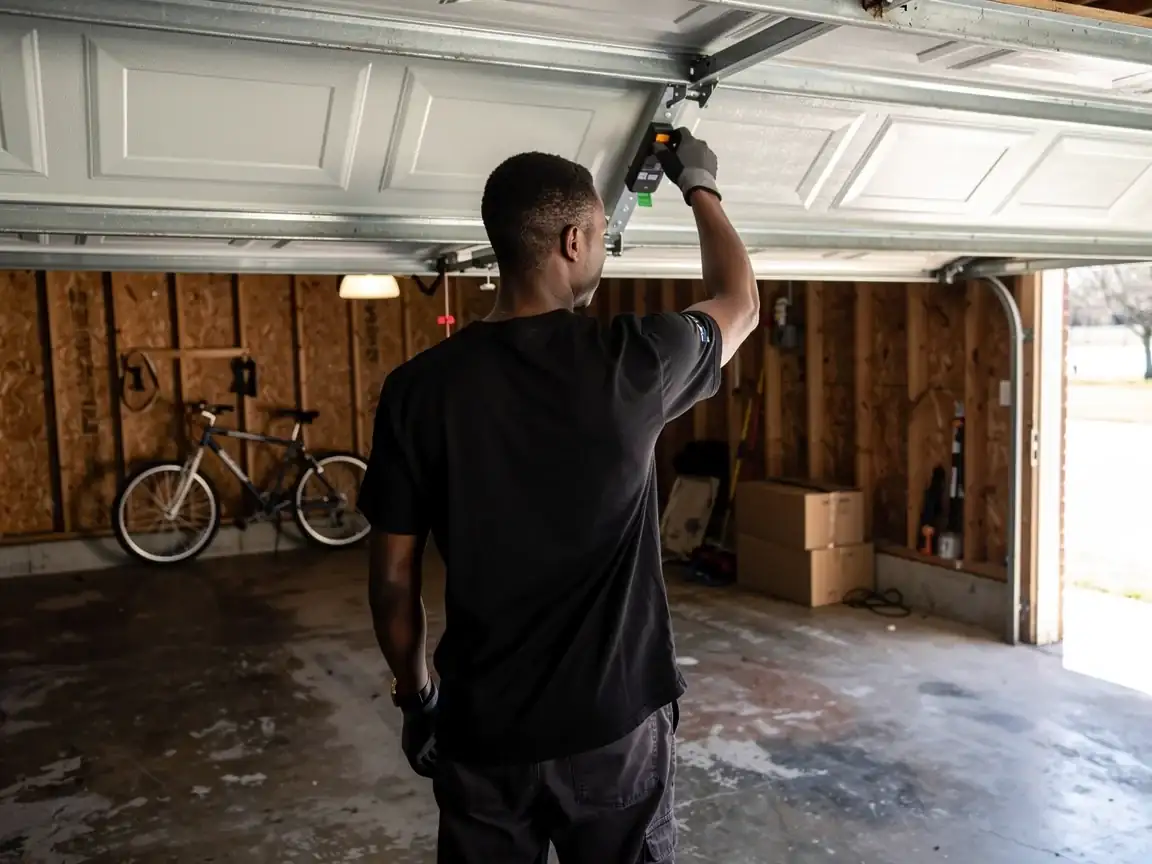
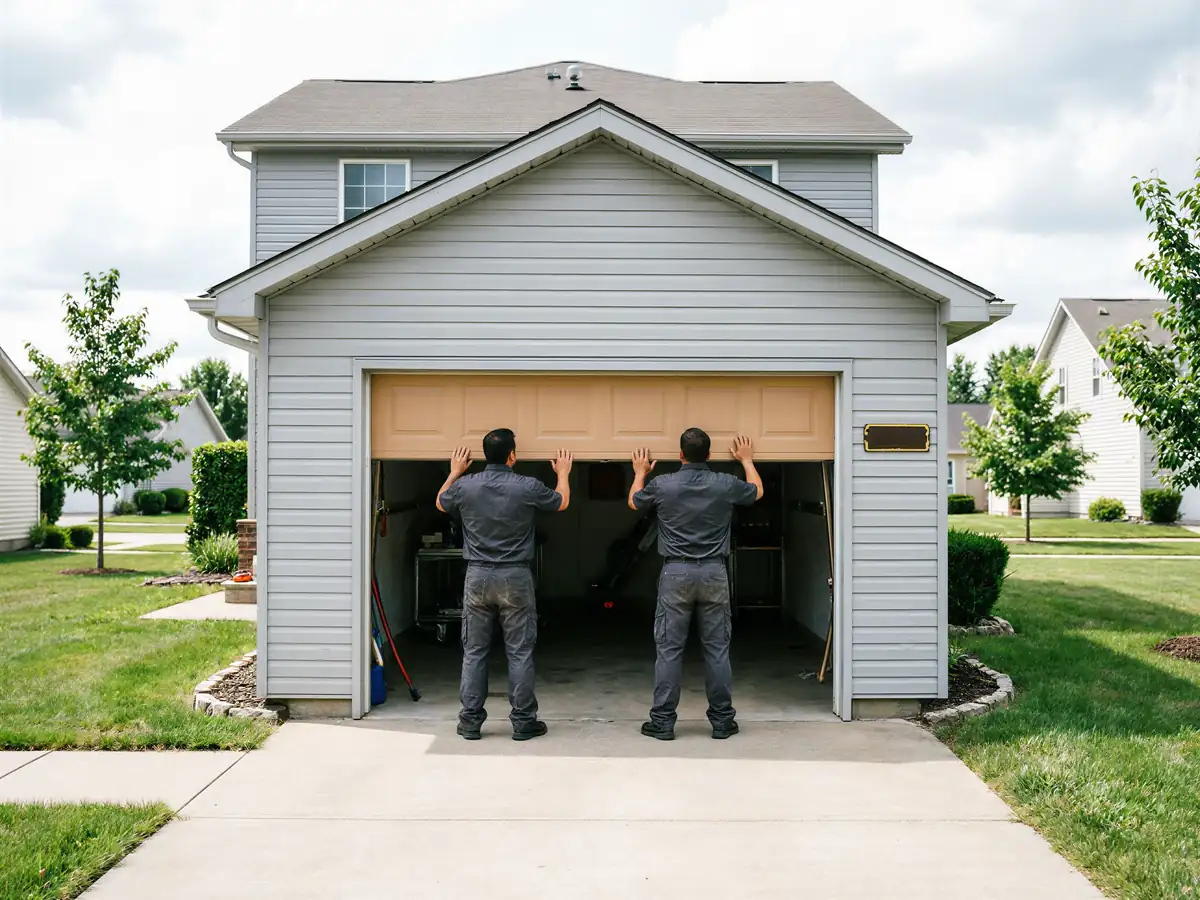
A straightforward off-track repair - re-seating rollers, squaring the track, tightening loose brackets - is usually a same-visit fix once we're on-site. What takes longer is matching hardware to a door that was upgraded without the track being upgraded alongside it; if the bracket spacing or roller stem size on your 1989-era track doesn't match what's needed for a heavier current door, we may need to source the right bracket rather than force a fit. We won't bolt a mismatched part back on just to get the door moving, because it'll walk off-track again inside a season. We're honest when a repair is a stopgap versus a real fix, and we'll tell you which one you're getting before we start.
How We Fix It
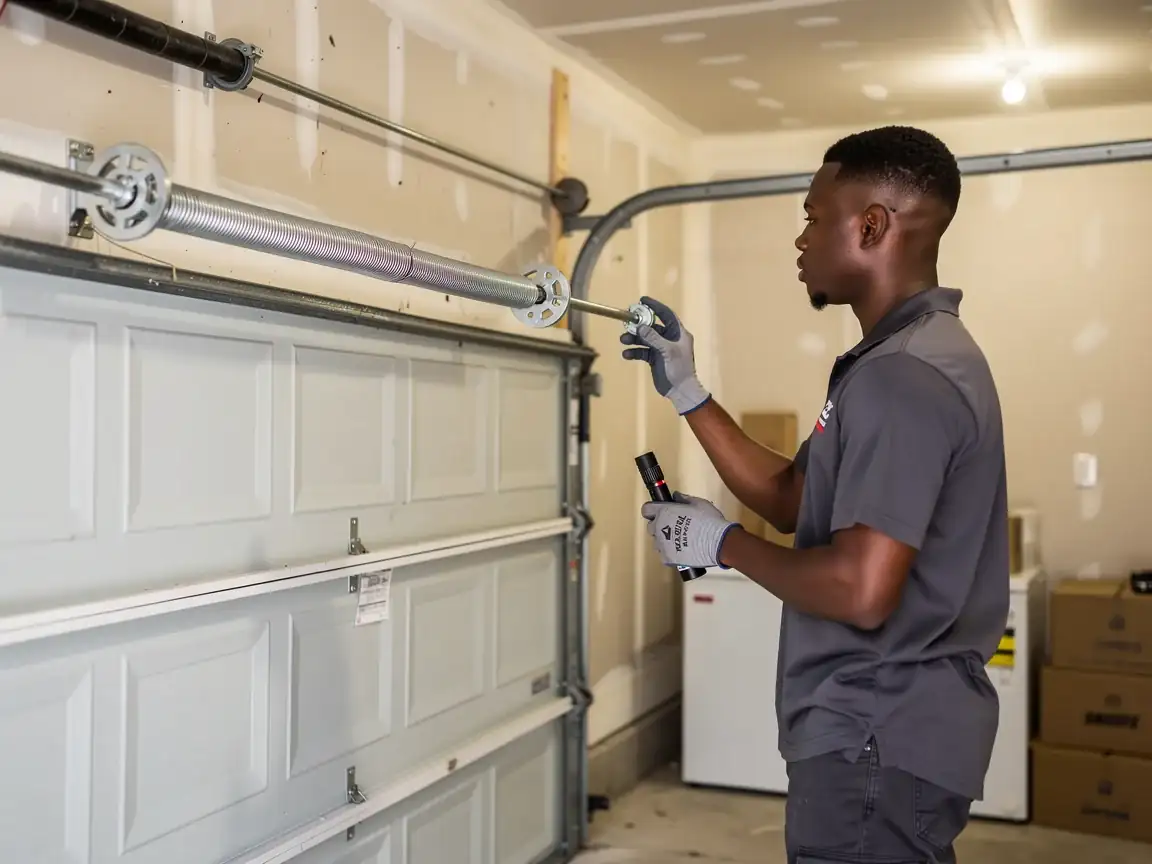
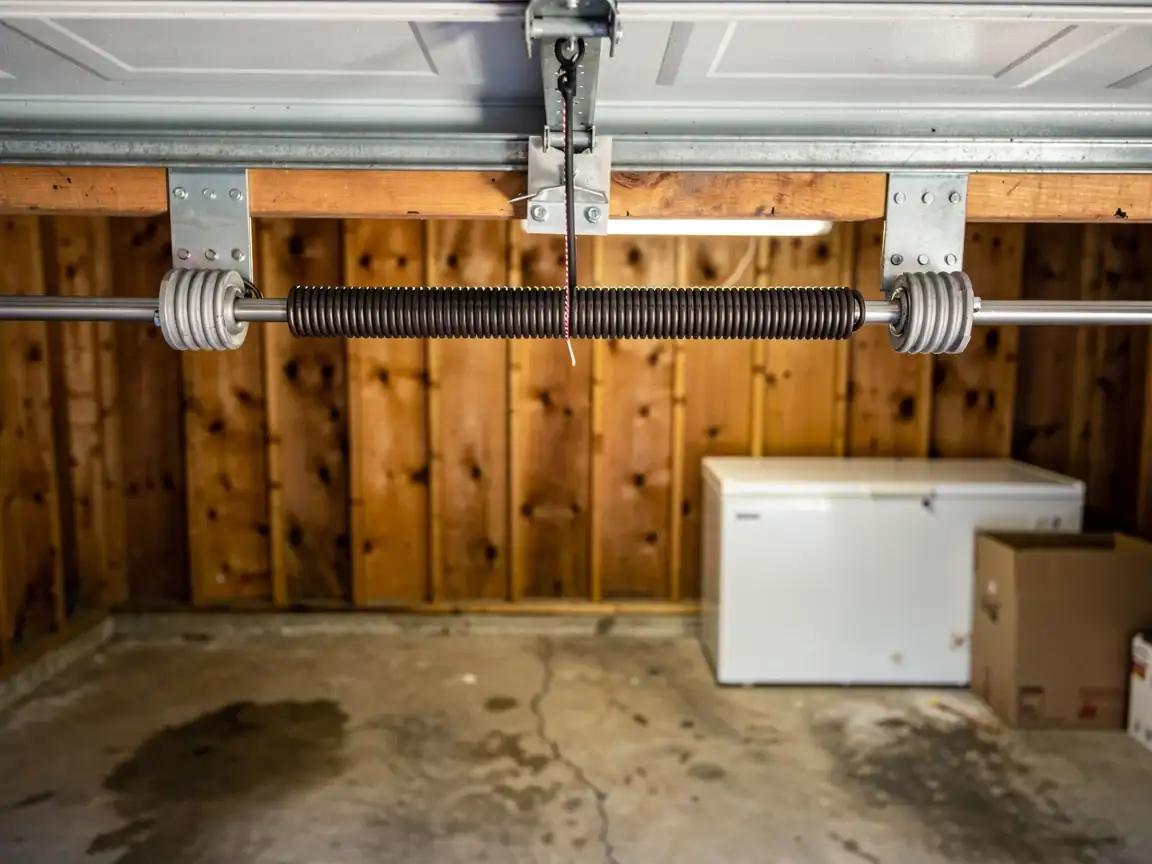
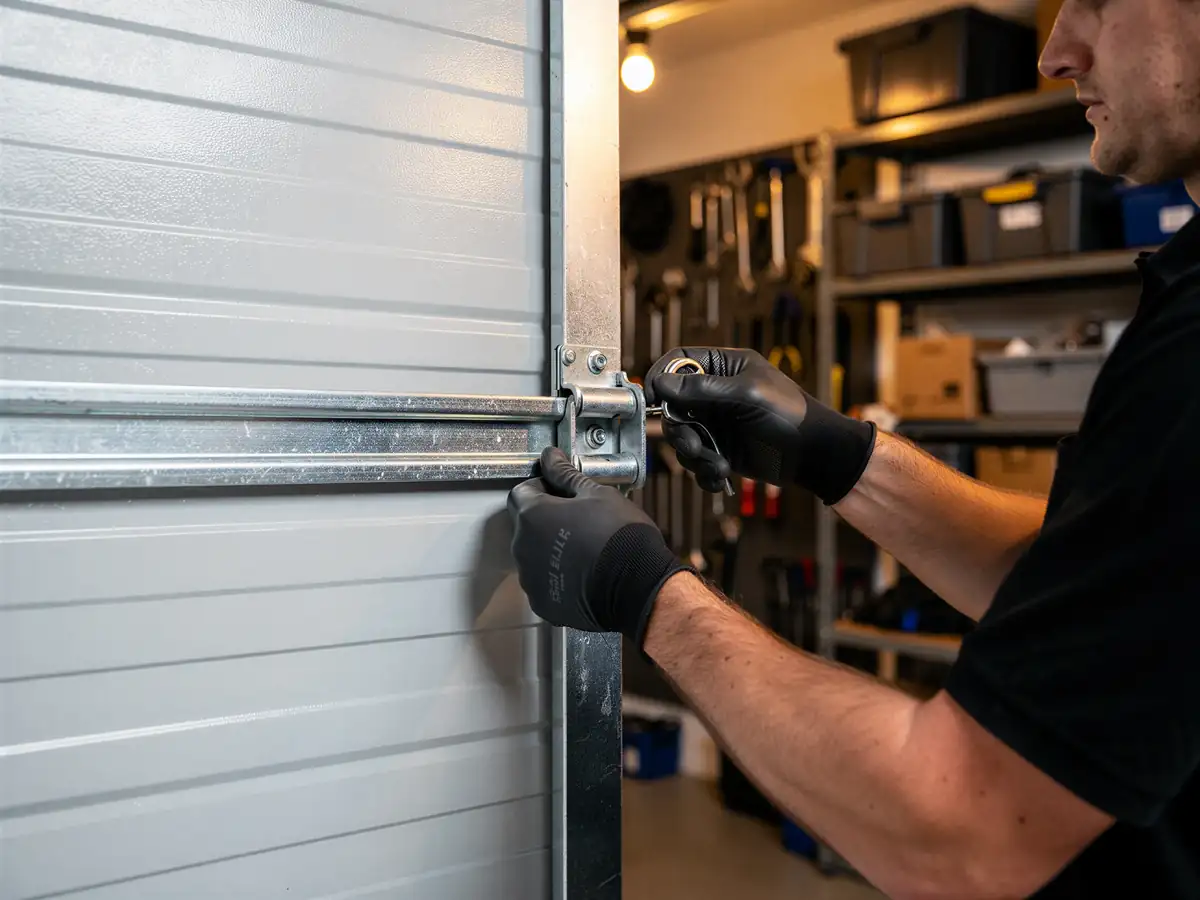
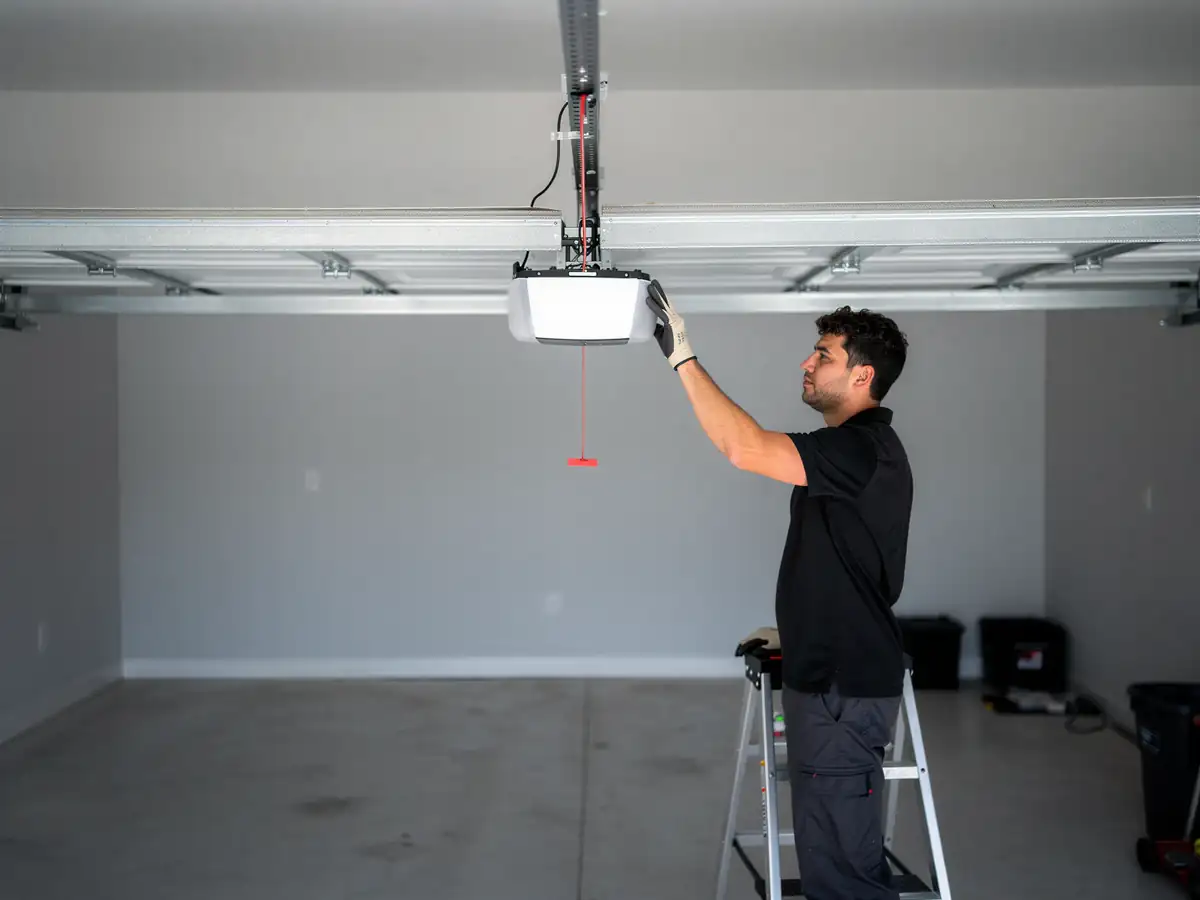
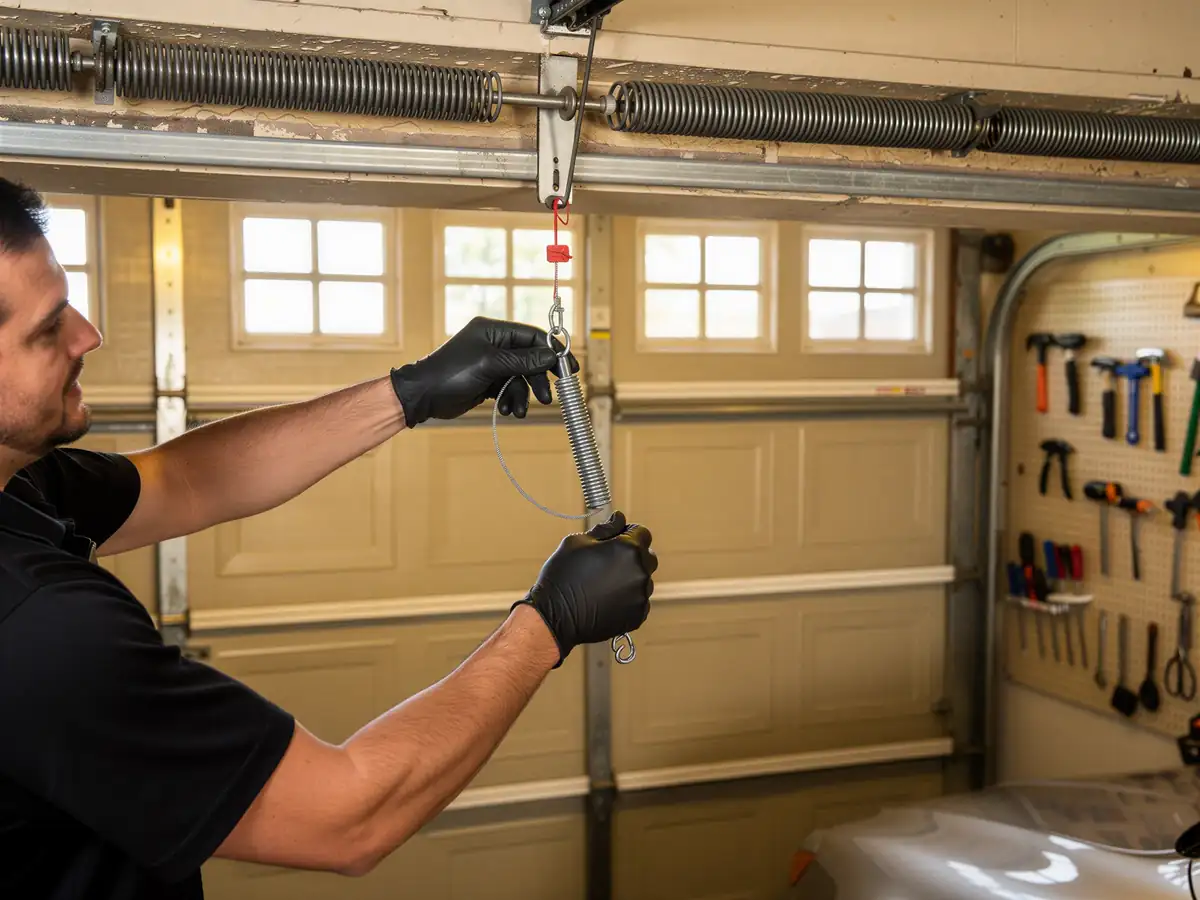
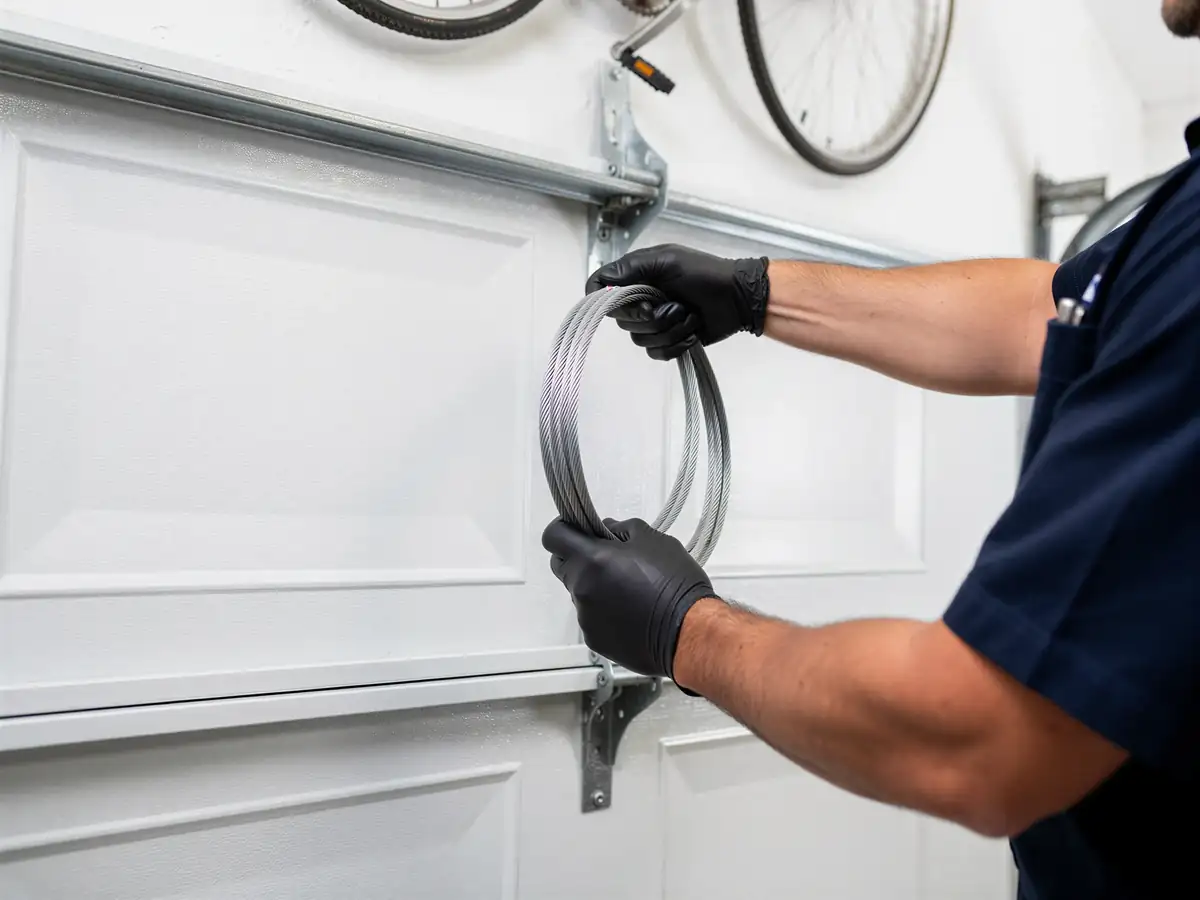
First we check whether the track itself bent or just the rollers slipped, because those are two different jobs with two different price points. If the track is straight, we re-seat the rollers, square the track to the frame, and check spring tension - an unbalanced spring puts uneven pull on the door and is often what knocked it off-track in the first place. If the track bent from the door forcing through it, we replace that section rather than hammer it straight, since a straightened track rarely holds square through another cold winter. Given the household income median of $98,125 in this area, most owners ask us to fix rather than replace outright when the door itself is sound - we'll tell you plainly if the hardware mismatch means a full track replacement is the better long-term call instead of a patch.