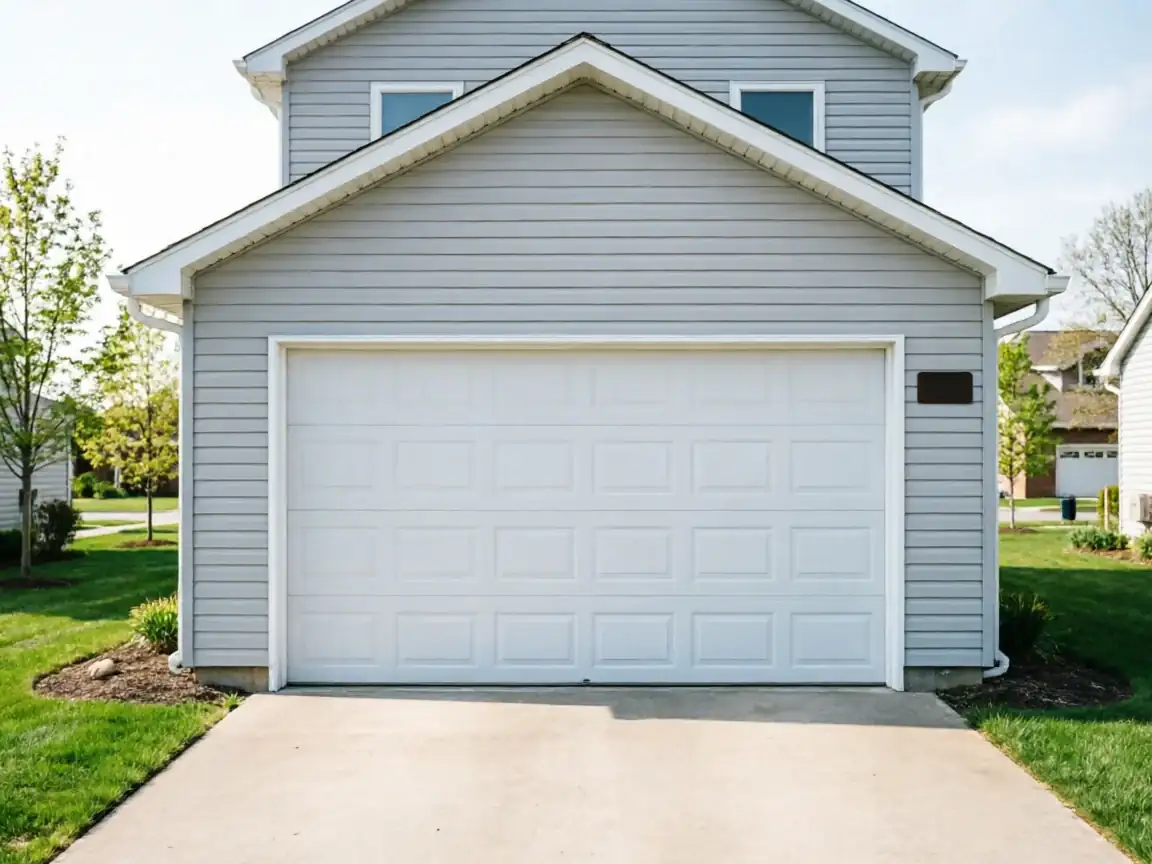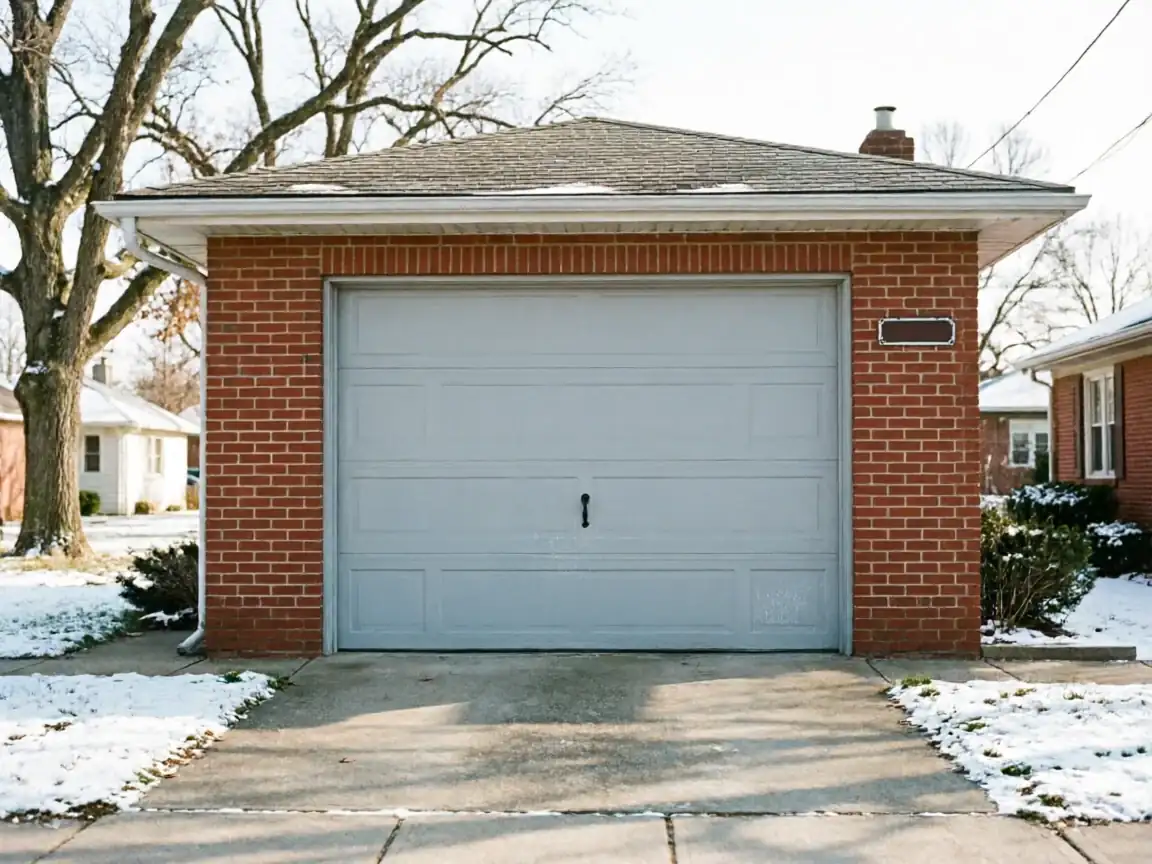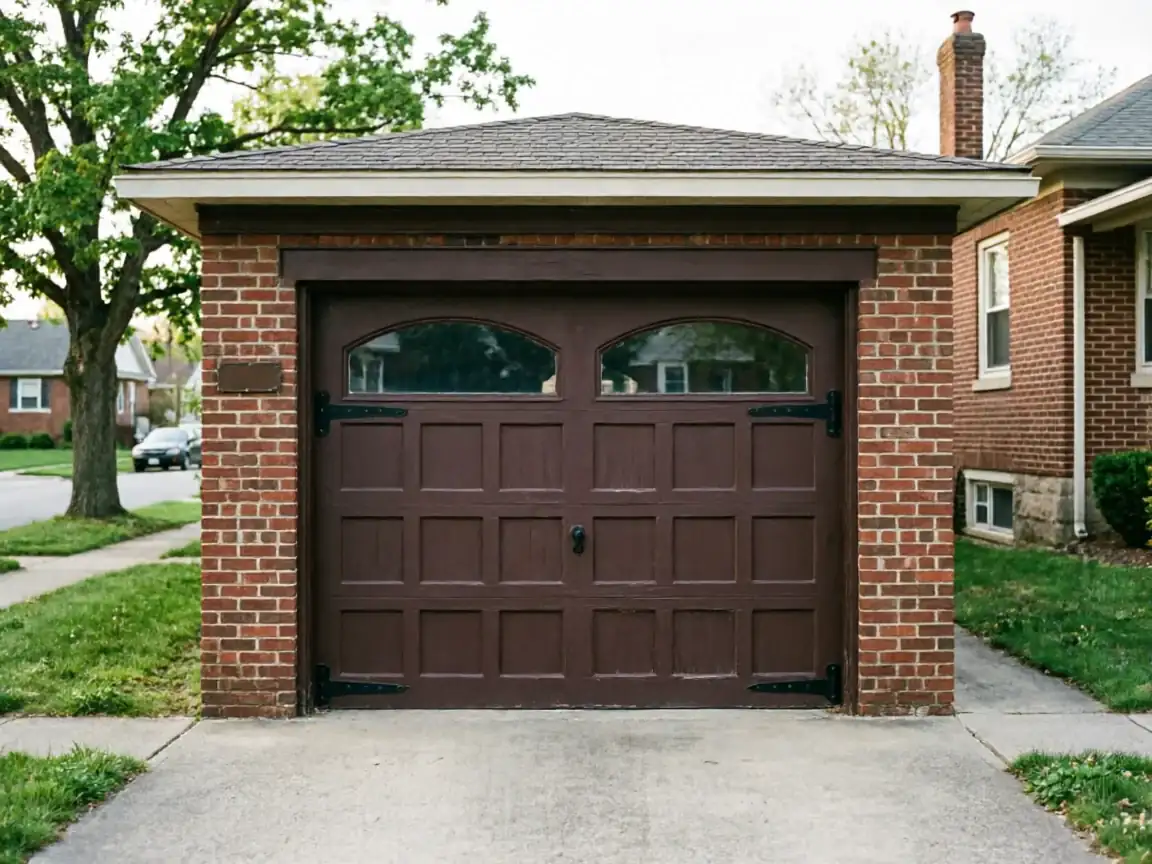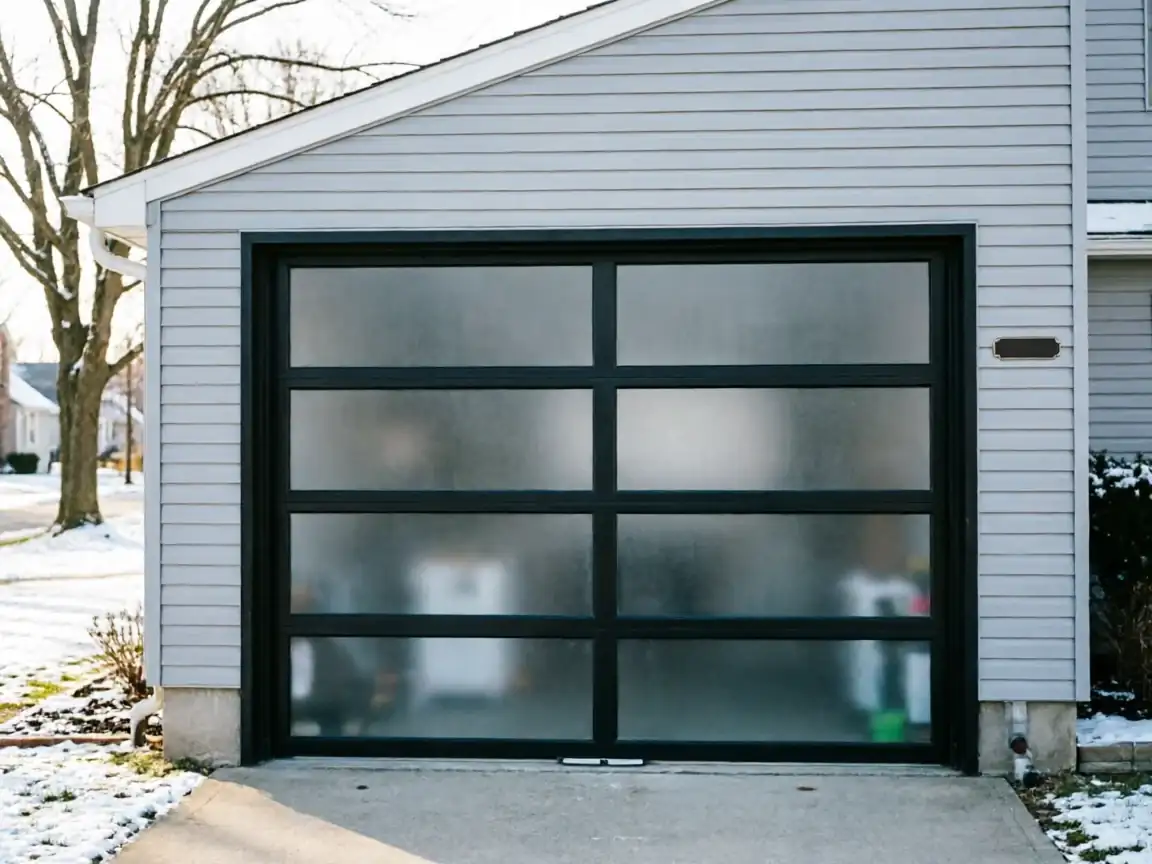
How It Shows Up
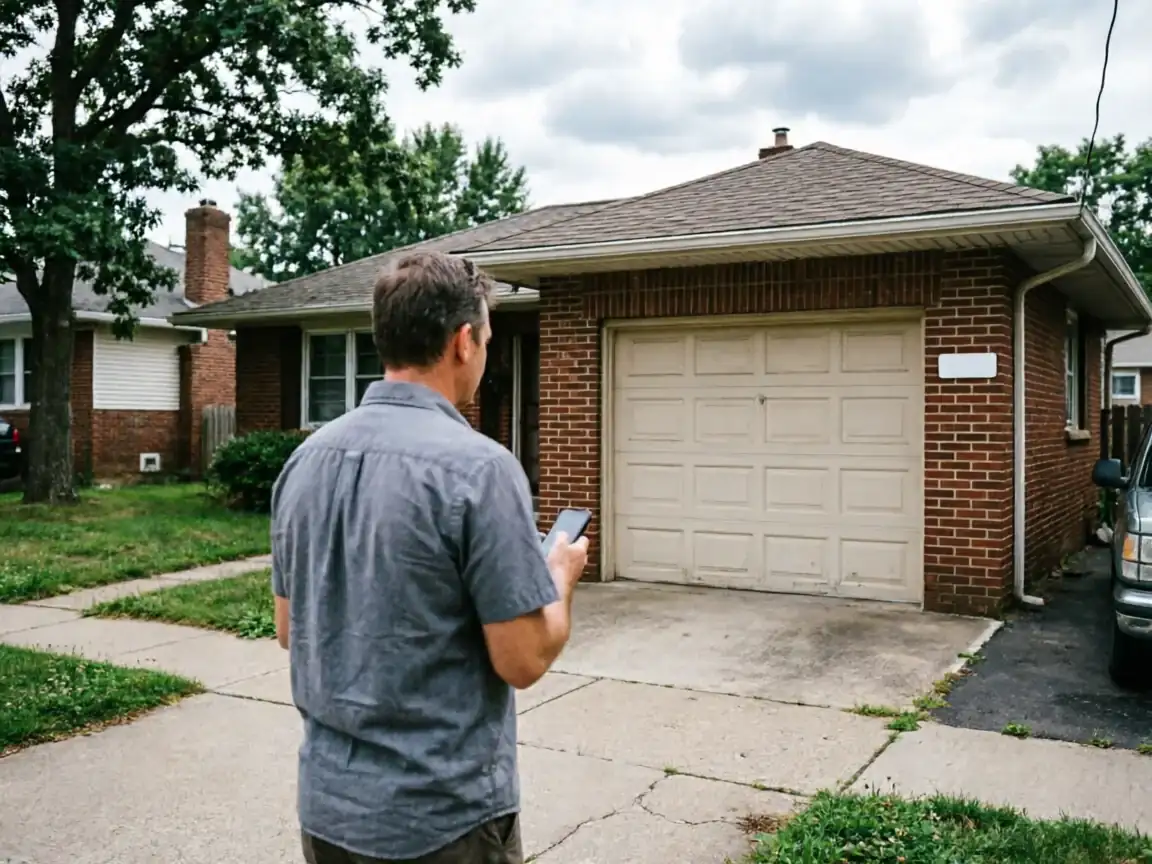
The call we get from Island Lake almost never starts with "my opener won't work." It starts with "it works sometimes" - the door reverses for no reason, the remote needs three tries, or the light blinks a code nobody wrote down. That pattern points to age before it points to a part.
Most houses in Island Lake went up around 1989, which sits right at the edge of the federal rule change requiring photo-eye safety reversal sensors on garage door openers, a rule that took effect in 1993. A lot of original units here were installed just before that changeover, or replaced once in the 90s with early photo-eye models that are now closing in on their own end of life. The symptom is the same either way: the logic board or the sensor pair starts failing intermittently, and intermittent is the hardest kind of broken to trust.
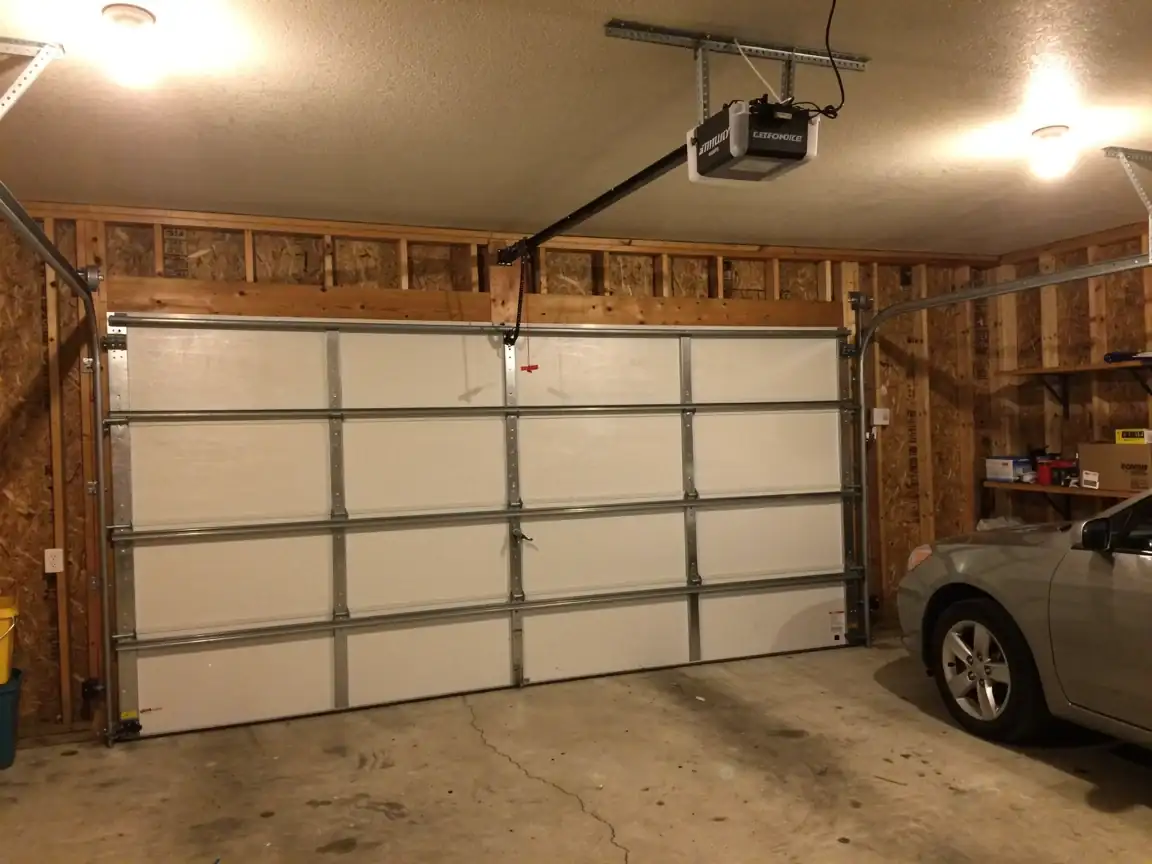
Chain-drive openers from this era are common on these lots, and the gear kits inside them wear down predictably. When the gear strips, the motor runs but the door doesn't move, or it moves and then drops. That's not a mystery fault - it's just what a 30-plus-year-old gear does.
Why This Fails Locally
Island Lake has about 2,889 households, and median income here runs close to $98,125 - noticeably below the $113,125 figure for the broader McHenry service area. That gap matters for openers specifically, because it's the corner people cut first: a $40 universal remote instead of a matched replacement, or a jumper wire across a dead safety sensor instead of a new one. Both get the door moving again for a week or two, then fail worse.
The other local factor is simply what's already installed. Across the wider area the housing stock runs mostly 1980s and 90s, and Island Lake's median year built of 1989 puts it squarely in that window. Openers from that stretch were built to a lower duty-cycle standard than what's sold today, and parts for the oldest of them - specific gear kits, certain control boards - aren't something any supplier keeps on a shelf anymore. When we hit that wall, the honest answer is replacement, not another patch.
How to Book
We're based in McHenry, about six miles from Island Lake
And we travel out for opener calls rather than keeping a branch here - worth knowing up front since it's part of how the job gets scheduled. Tell us the opener's age if you know it, whether it's chain or belt drive, and what it's actually doing: won't close, reverses, dead remote, grinding noise. That gets us to the right diagnosis faster than a general "it's broken."
You can see the full range of repair work we handle in Island Lake at island-lake-garage-door-repair
Or check our opener-specific page for the McHenry shop itself at garage-door-opener-repair-mchenry-il.
How Long It Takes
Most opener repairs - a dead capacitor, a misaligned sensor, a stripped gear kit - are a single visit once we're on site, since those parts are common and we carry them. What we can't promise is a same-day fix on anything requiring a part we don't stock, and on openers from the late 80s and early 90s, that's a real possibility. Control boards and drive assemblies for units that old sometimes have to be special-ordered, and that adds days, not hours.
If your opener predates the 1993 photo-eye requirement and the board is the failure point, we'll usually tell you straight that replacement costs about the same as sourcing an obsolete board, and lasts a lot longer. That's not an upsell - it's the math on parts that manufacturers stopped making years ago.
How We Fix It
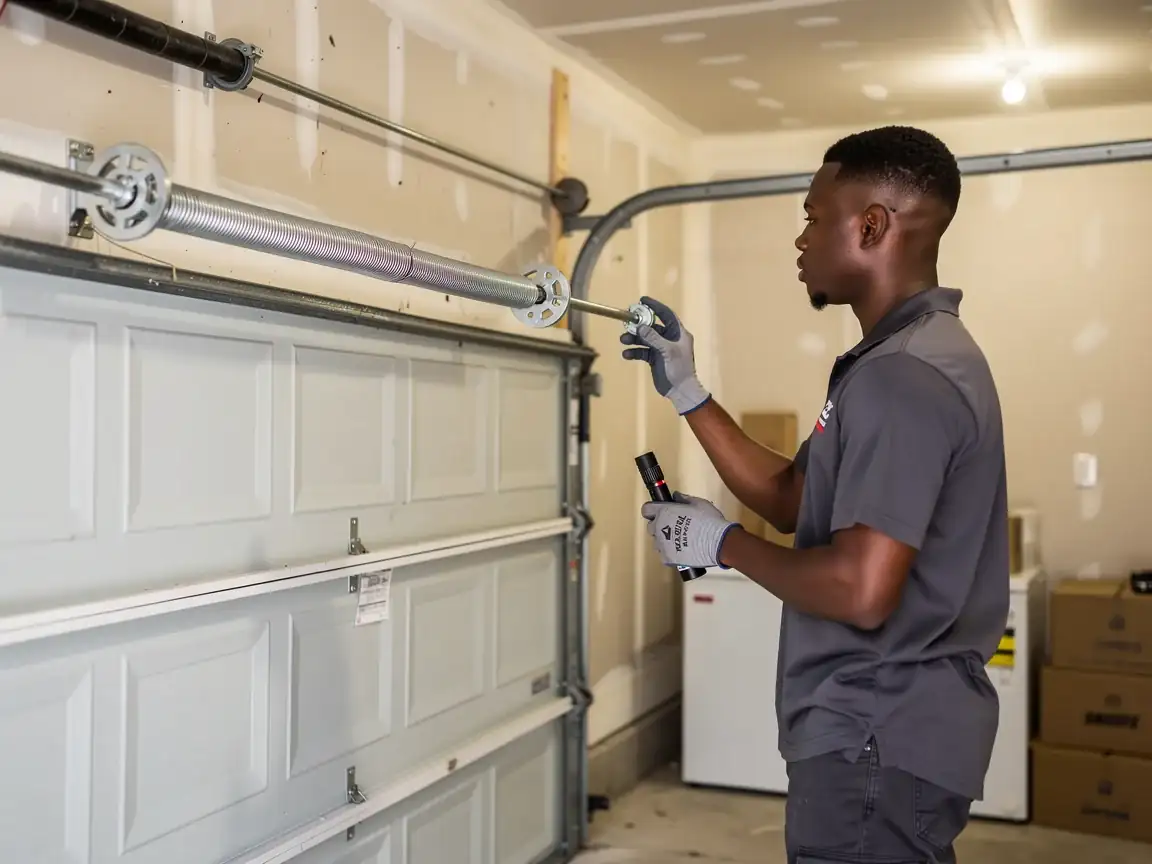
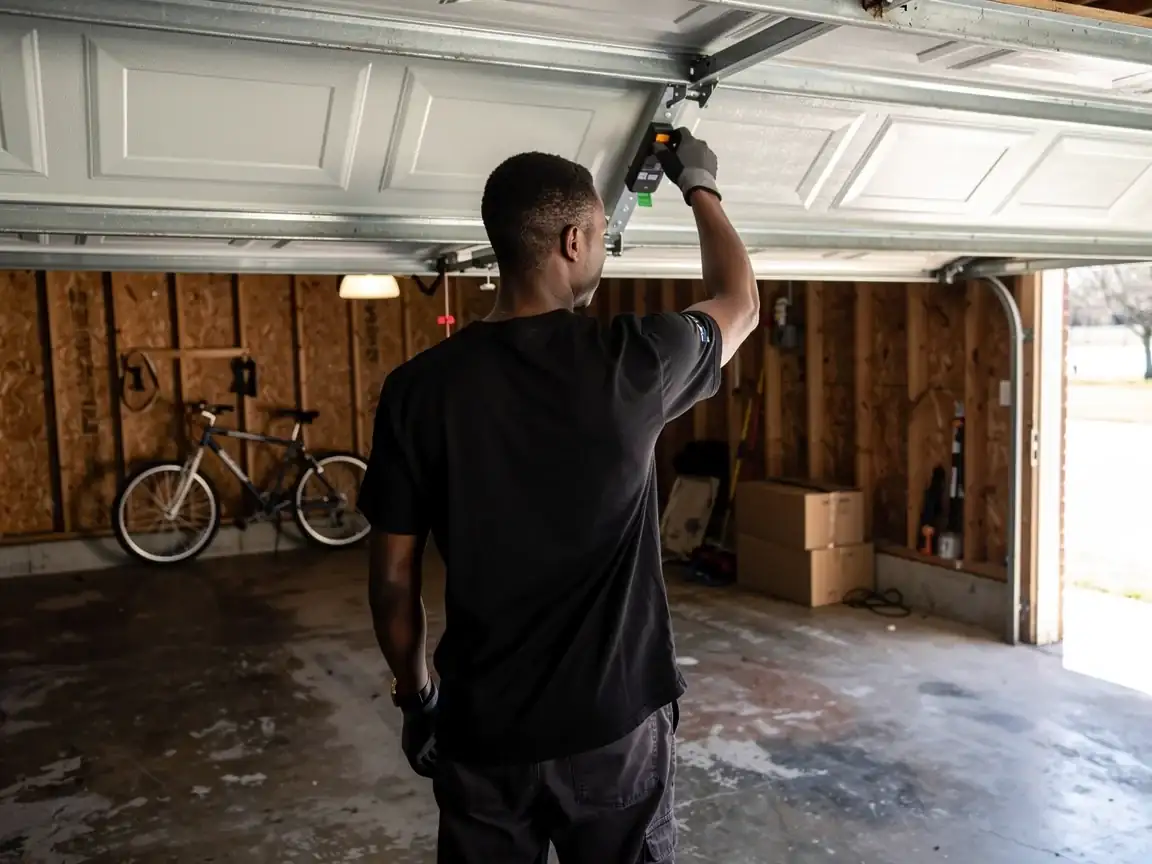
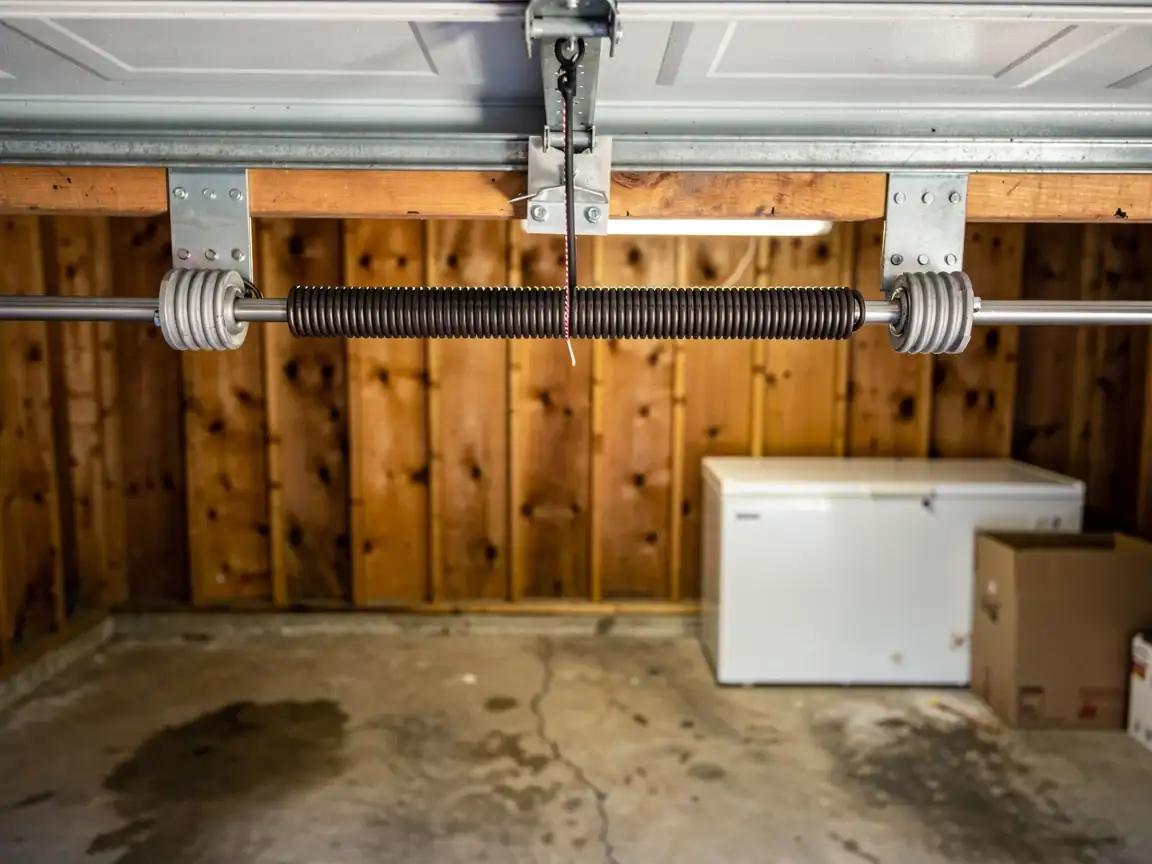
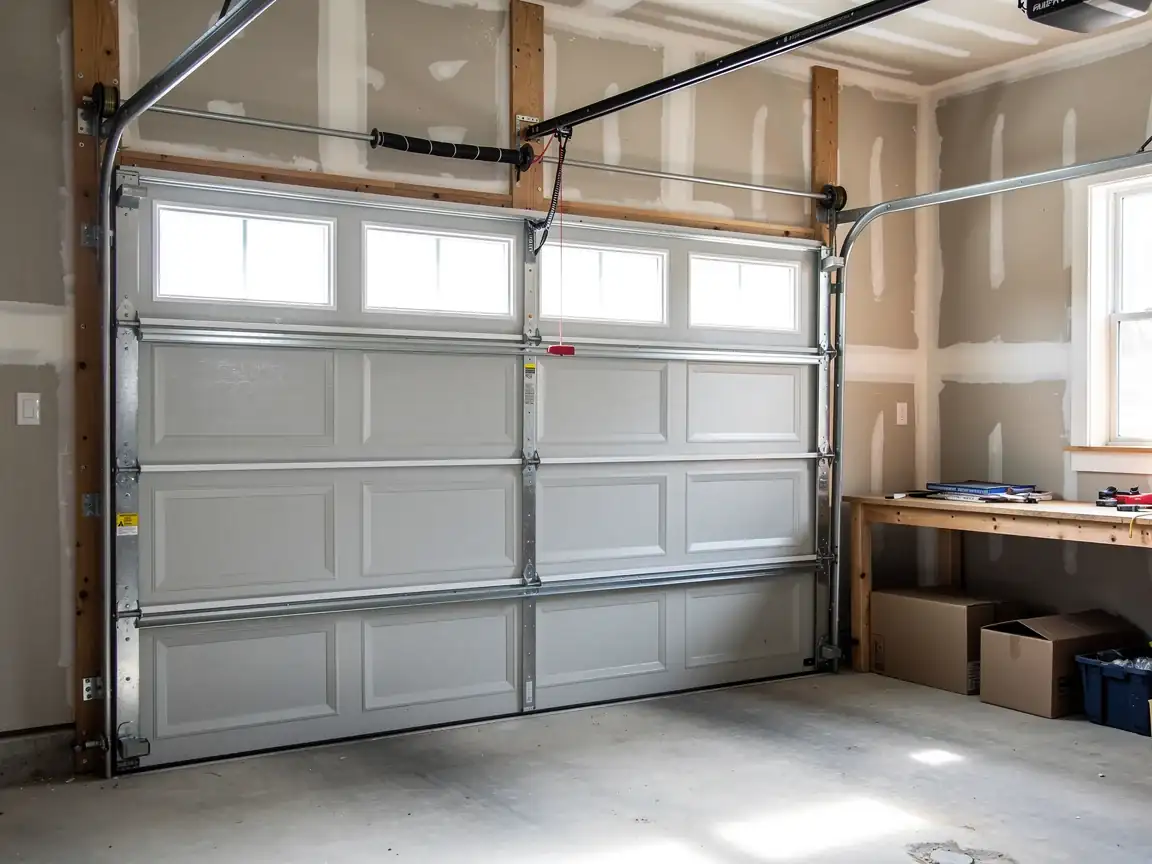
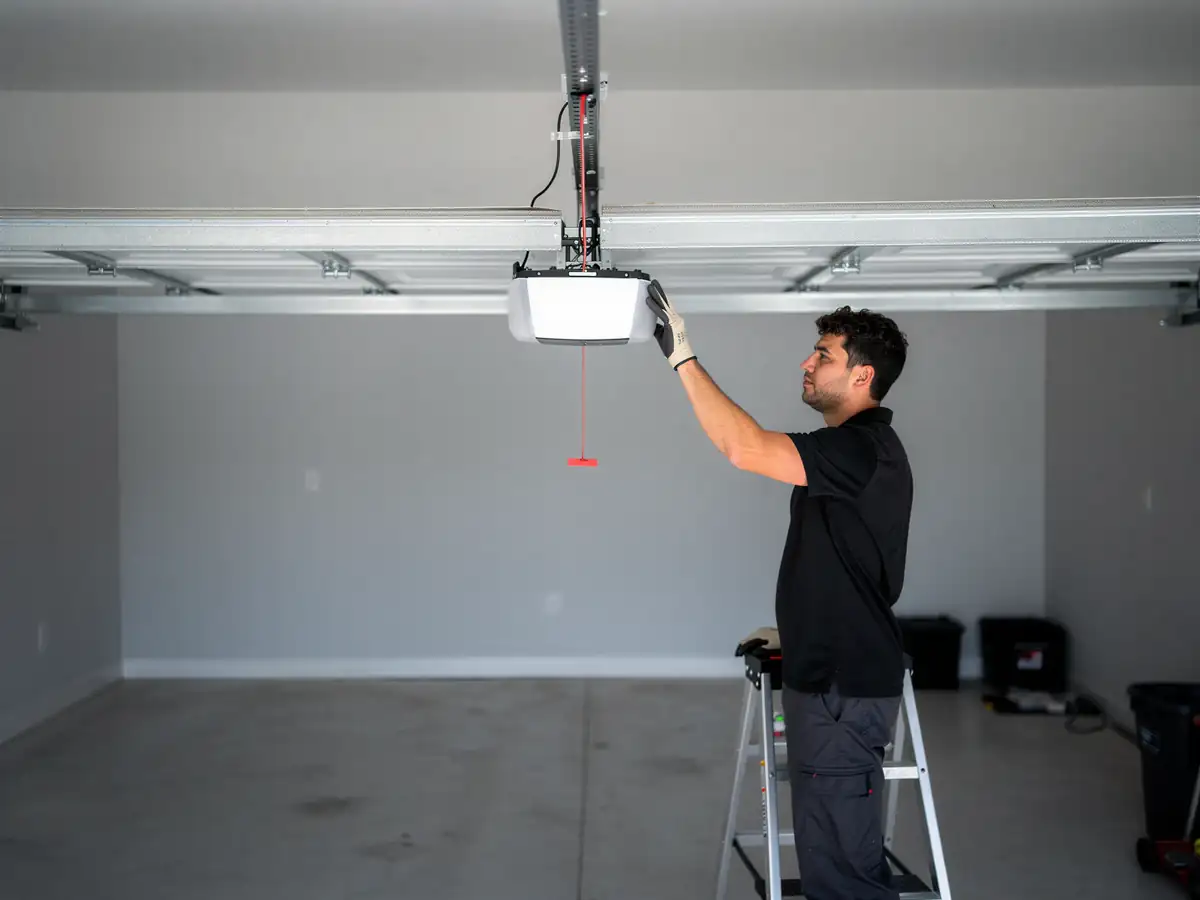
We start by watching the door run a full cycle, because half the opener complaints we see in this area are actually track or spring problems that only look like opener failure. Once we confirm it's the opener, we check the obvious wear points first: safety sensor alignment, the travel and force limits, the drive gear if it's a chain unit, and the capacitor on units old enough to have one going bad.
For openers built in the window Island Lake's housing mostly falls into - late 80s through the 90s - we test the logic board directly rather than guessing from symptoms, since a board acting like a bad sensor is common at that age. If the board's shot and the model is discontinued, we'll say so and walk through a replacement that matches your current rail and drive type, so you're not re-drilling the header for a new mount.