How It Shows Up
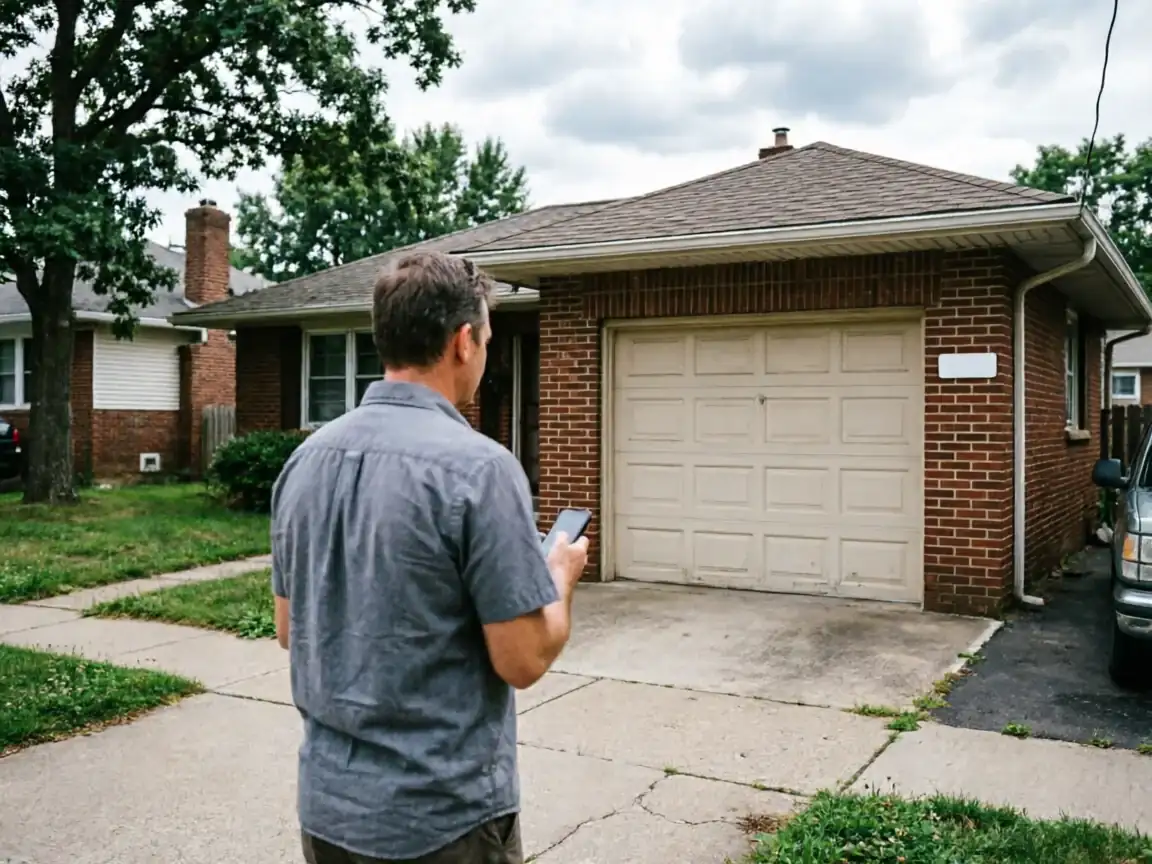
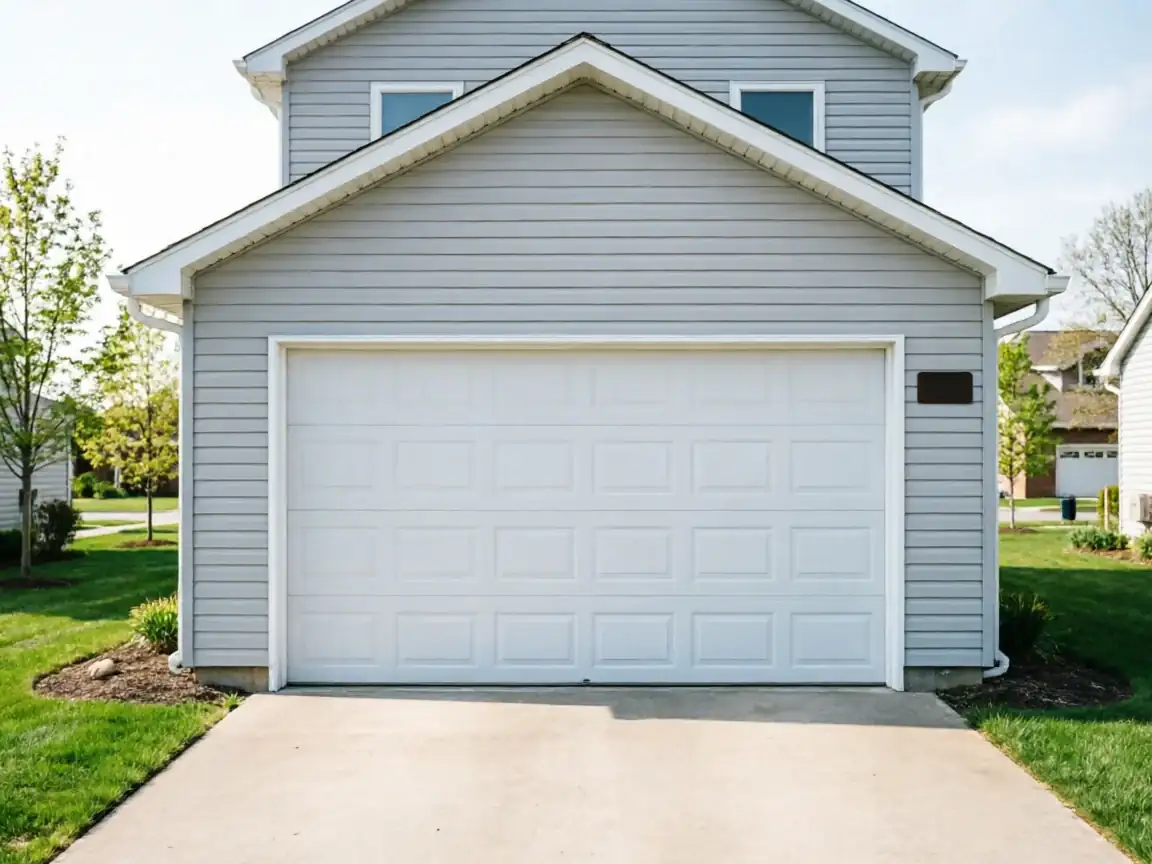
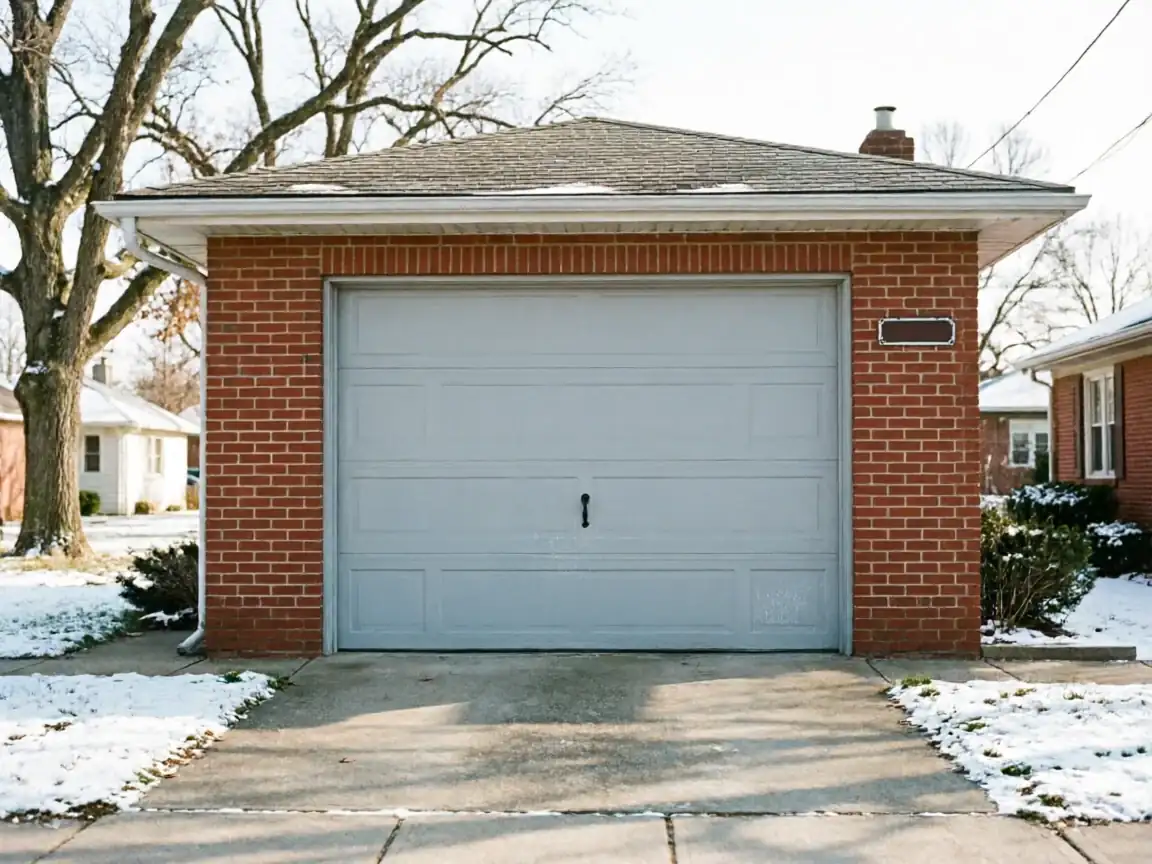
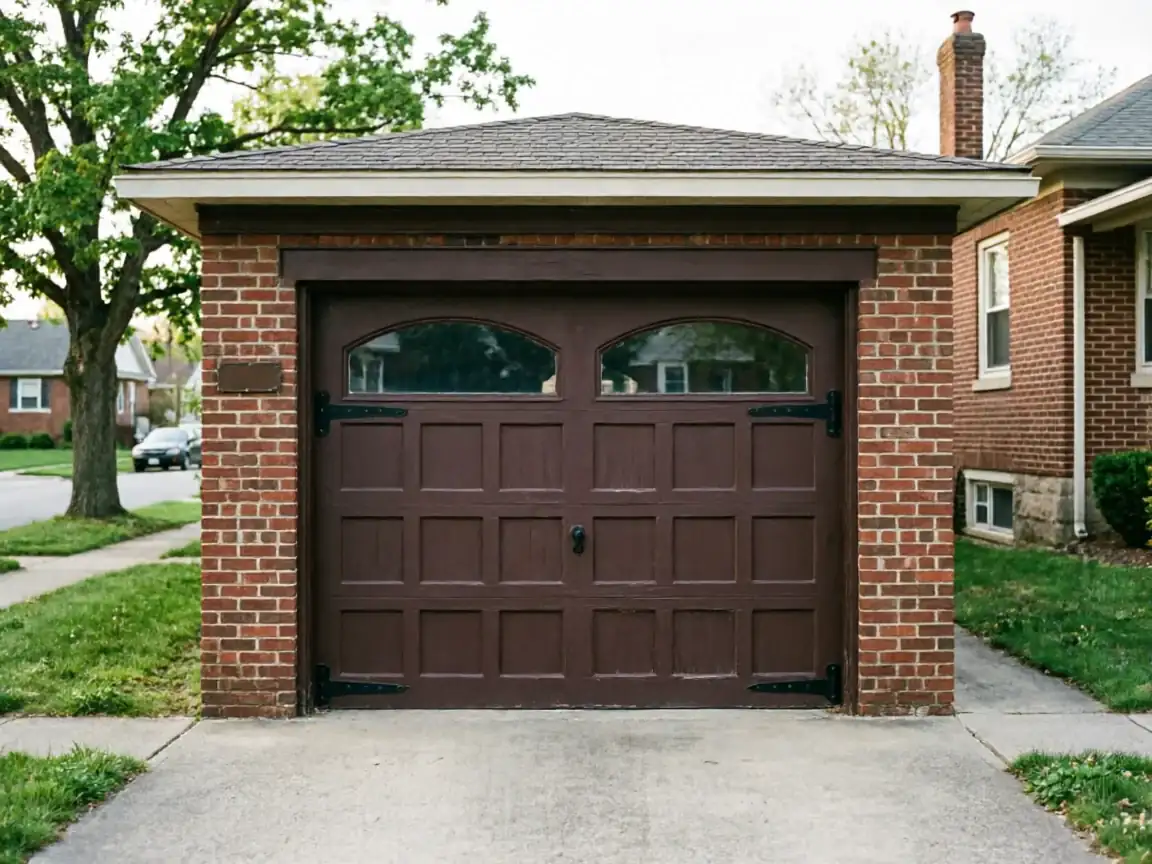
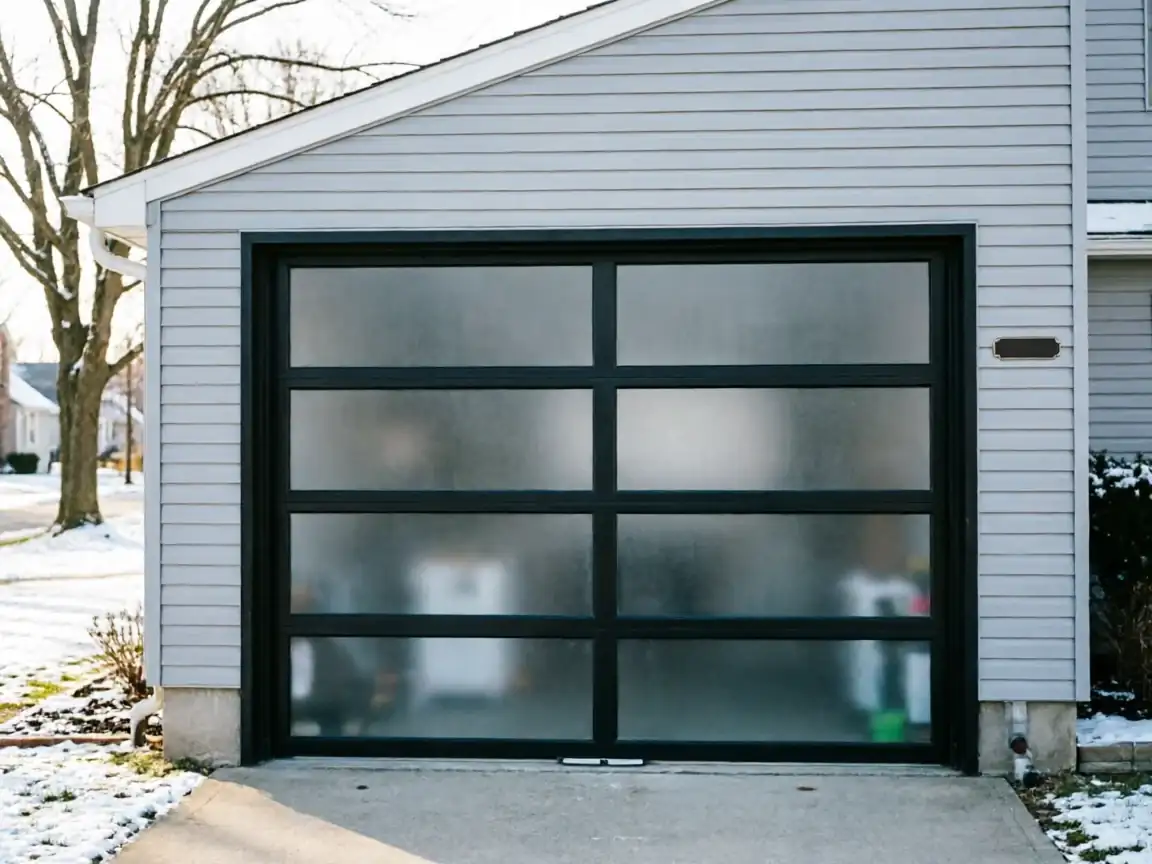
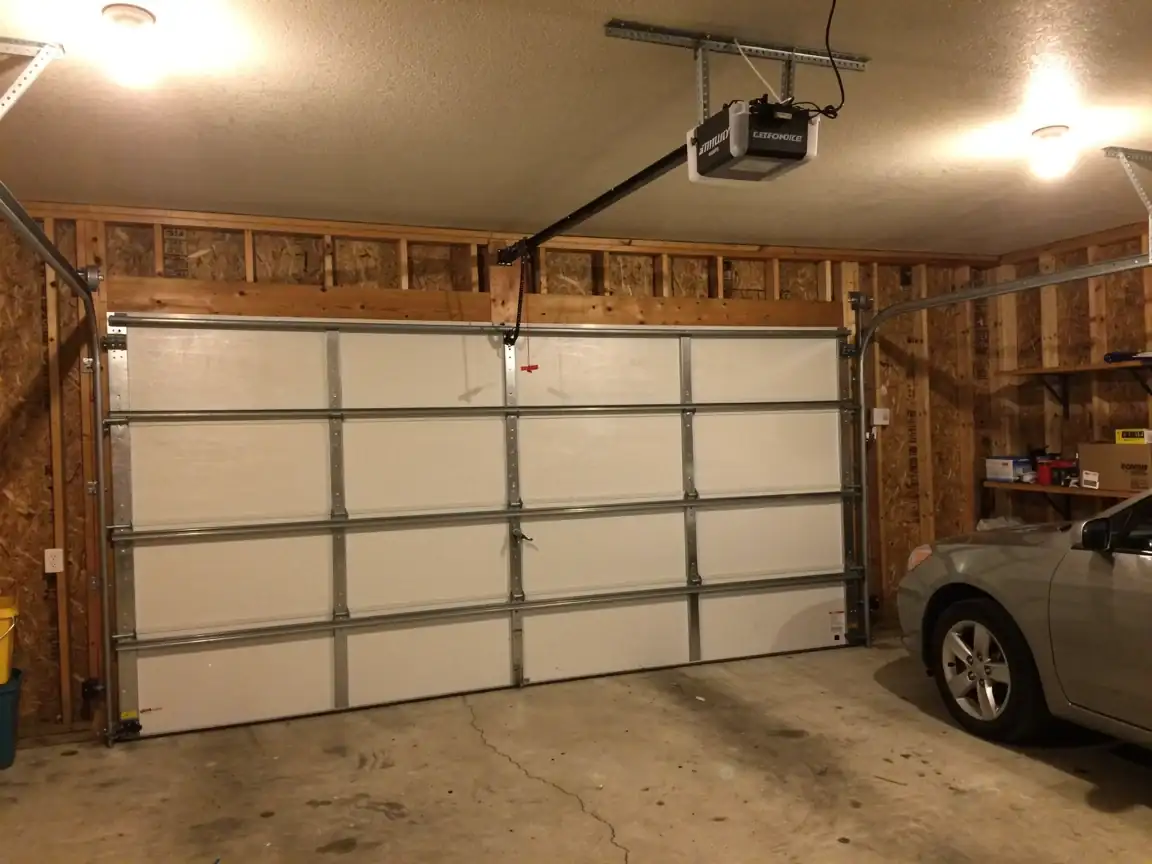
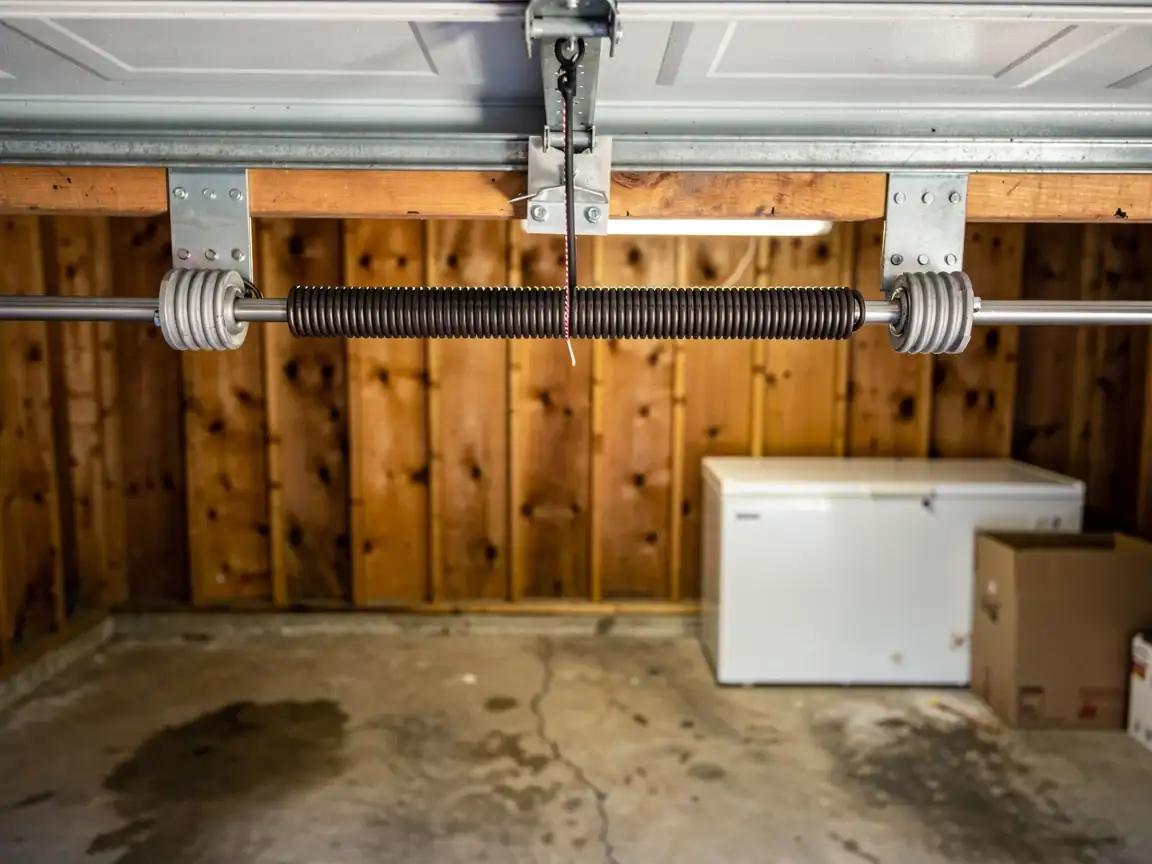
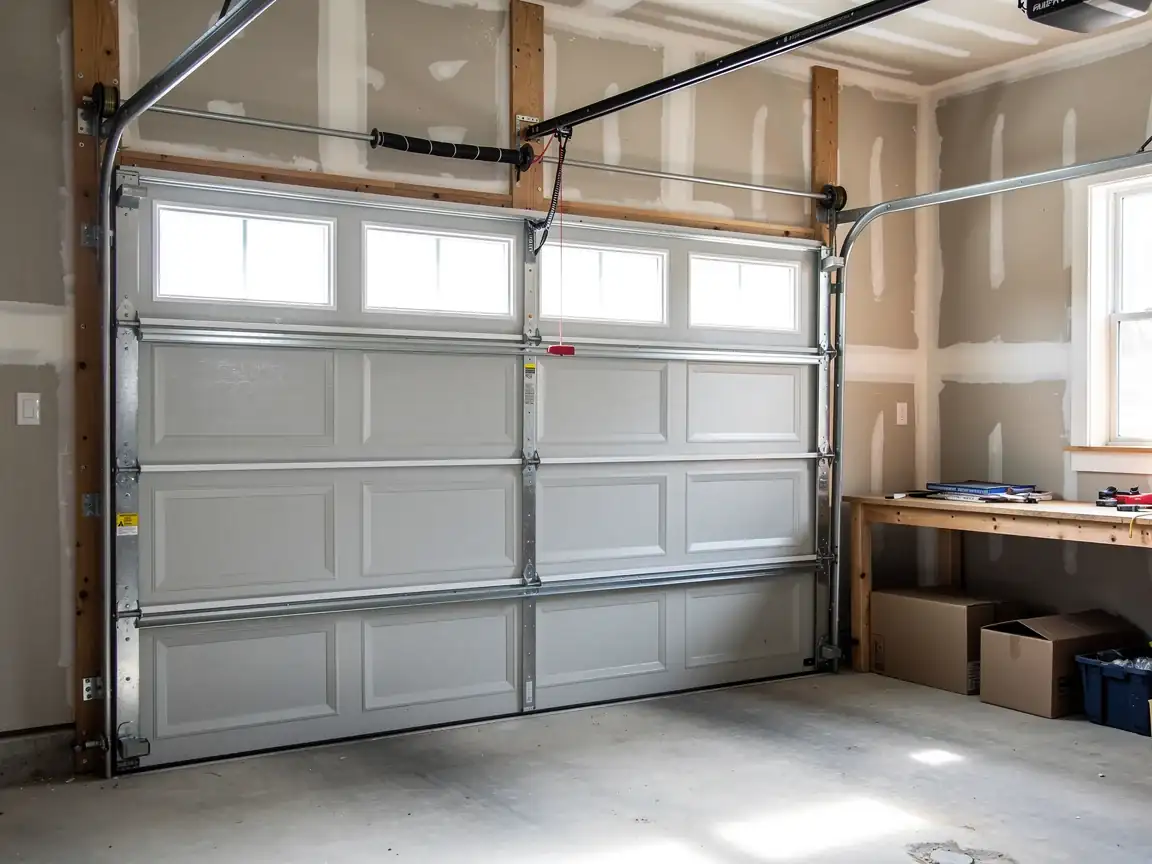
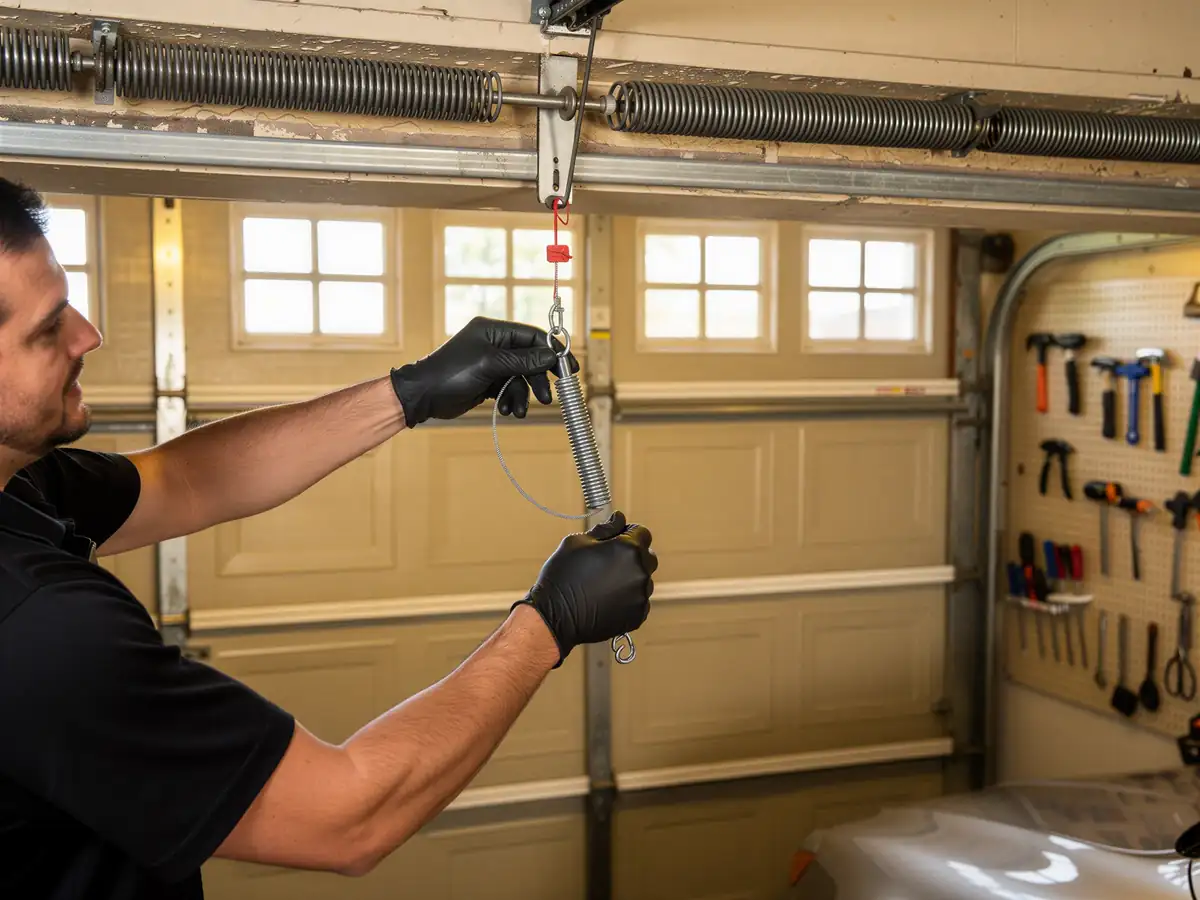
Most houses in Island Lake went up around 1989, which puts the garage door on a lot of them squarely in the late-1980s steel sectional era - raised-panel steel, usually a 16x7 double or a 9x7 single, non-insulated unless somebody swapped it out since. The torsion or extension springs on these are original or close to it, and at that age they don't fail quietly. You'll hear a bang when a torsion spring lets go, or notice the door won't lift past a foot or two because an extension spring has stretched out or snapped. Rollers on doors this old are usually the original steel ones, not nylon, so they've been grinding in the track for three decades - that shows up as a grating noise and a door that shudders instead of gliding. Panels on the older steel doors dent easier than what's sold today, and once a bottom panel bends, the whole door can bind in the track. None of this is unusual for a door this age. It's what happens to builder-grade steel after 35 winters.
Why This Fails Locally
This part of Illinois sits in a cold-severe climate band, and cold is hard on steel and springs in a specific way: metal contracts, torsion springs lose a little tension with every freeze-thaw cycle, and lubricant that was fine in July turns to paste in January. A spring rated for a certain number of cycles was already working through that math before the cold ever got factored in - a door this age has absorbed a lot more winter stress than a door installed in the last ten years would have. Add in that Island Lake's median household income runs lower than the wider service area's $113,125, and you get more owners stretching a repair as far as it'll go rather than replacing a door outright, which is a reasonable call most of the time but means more of these older doors are still in service here than you'd find somewhere with newer housing stock. None of this means the door is unsafe to own. It means the spring, the rollers, and the cable drum are all closer to the end of their working life than the paint job suggests.
How Long It Takes
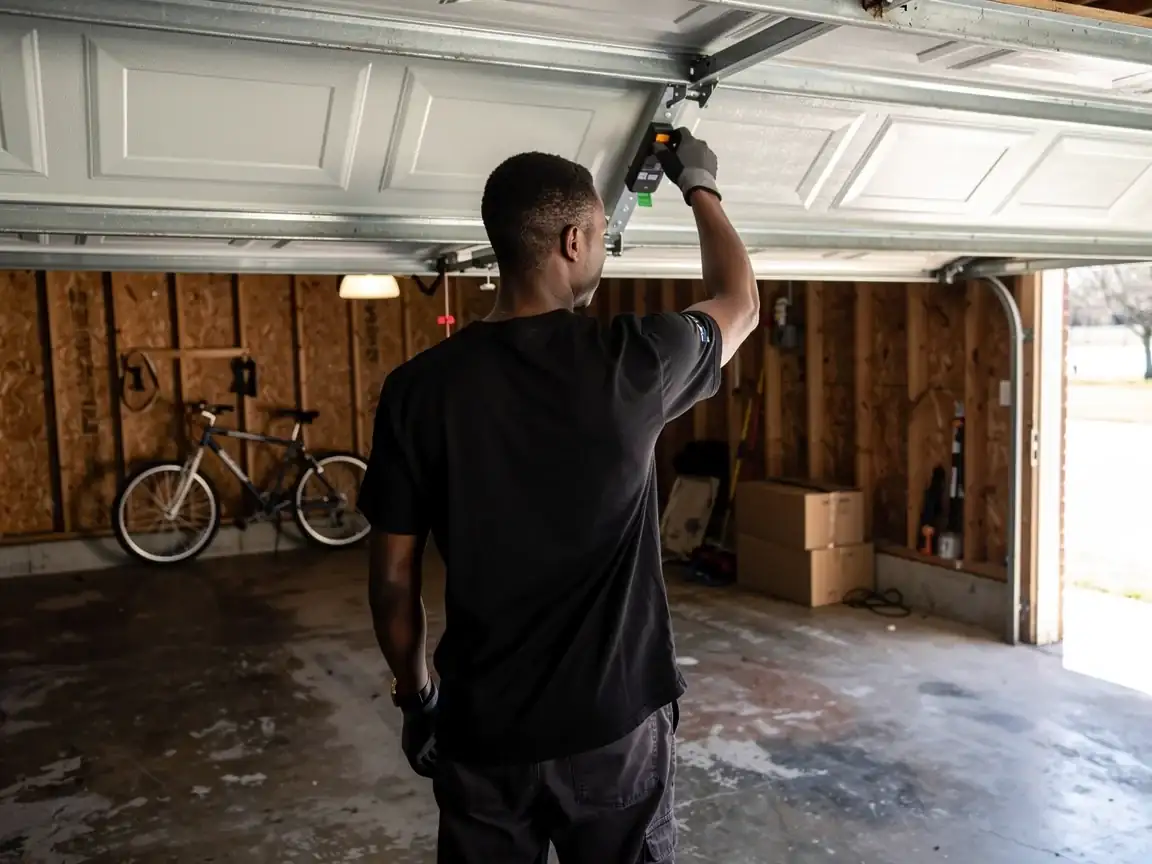
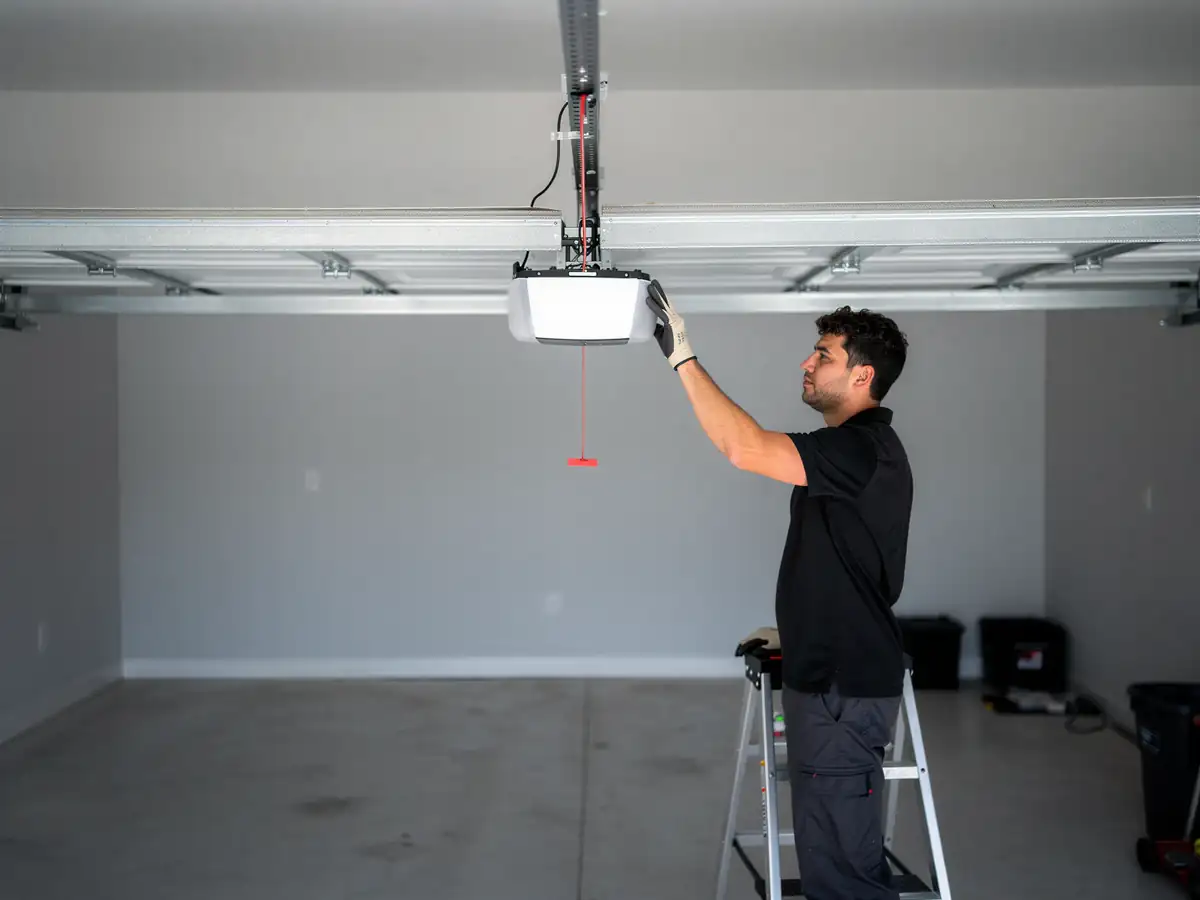
A straightforward spring replacement or roller swap on a standard 16x7 door is usually done same visit once the truck's on-site, assuming the part is one we stock. Where it slows down is parts for the older, non-insulated steel doors common in a neighborhood built around 1989 - some of those panel profiles aren't made anymore, and if a bottom panel is bent badly enough that it needs replacing rather than straightening, we may have to order it, which can add days. We'll tell you that on the spot rather than let you assume it's a same-day fix. If the door's opener is also original to the house, expect that conversation too - a 35-year-old opener and a 35-year-old door often fail around the same time, and it's worth knowing which one you're actually paying to fix.
How We Fix It
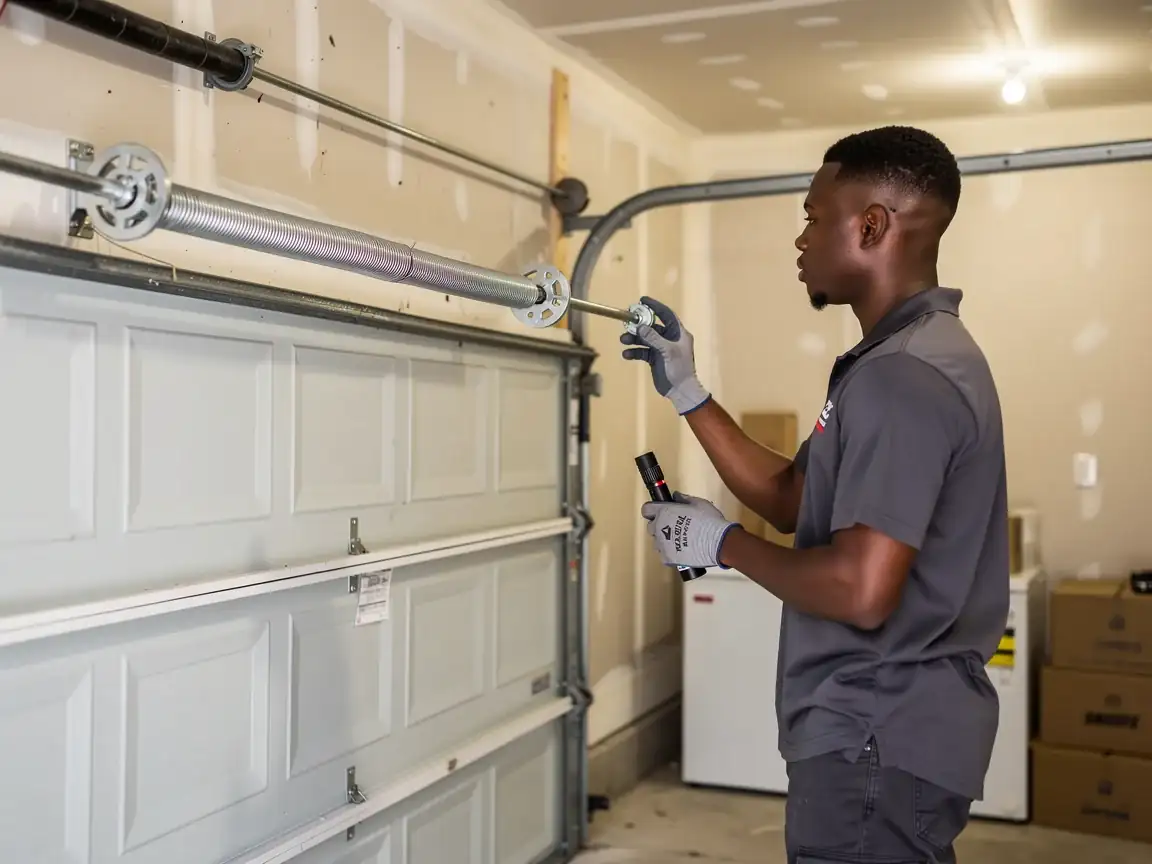
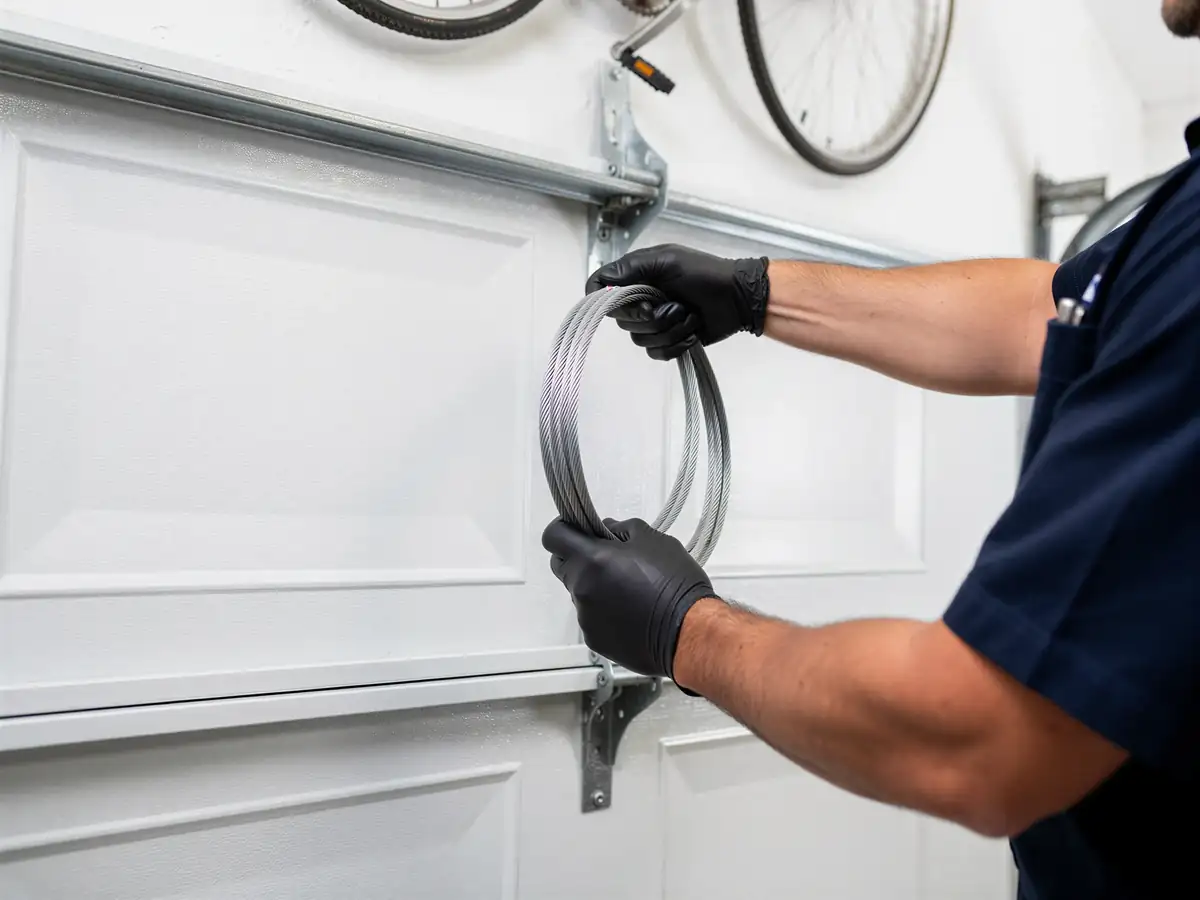
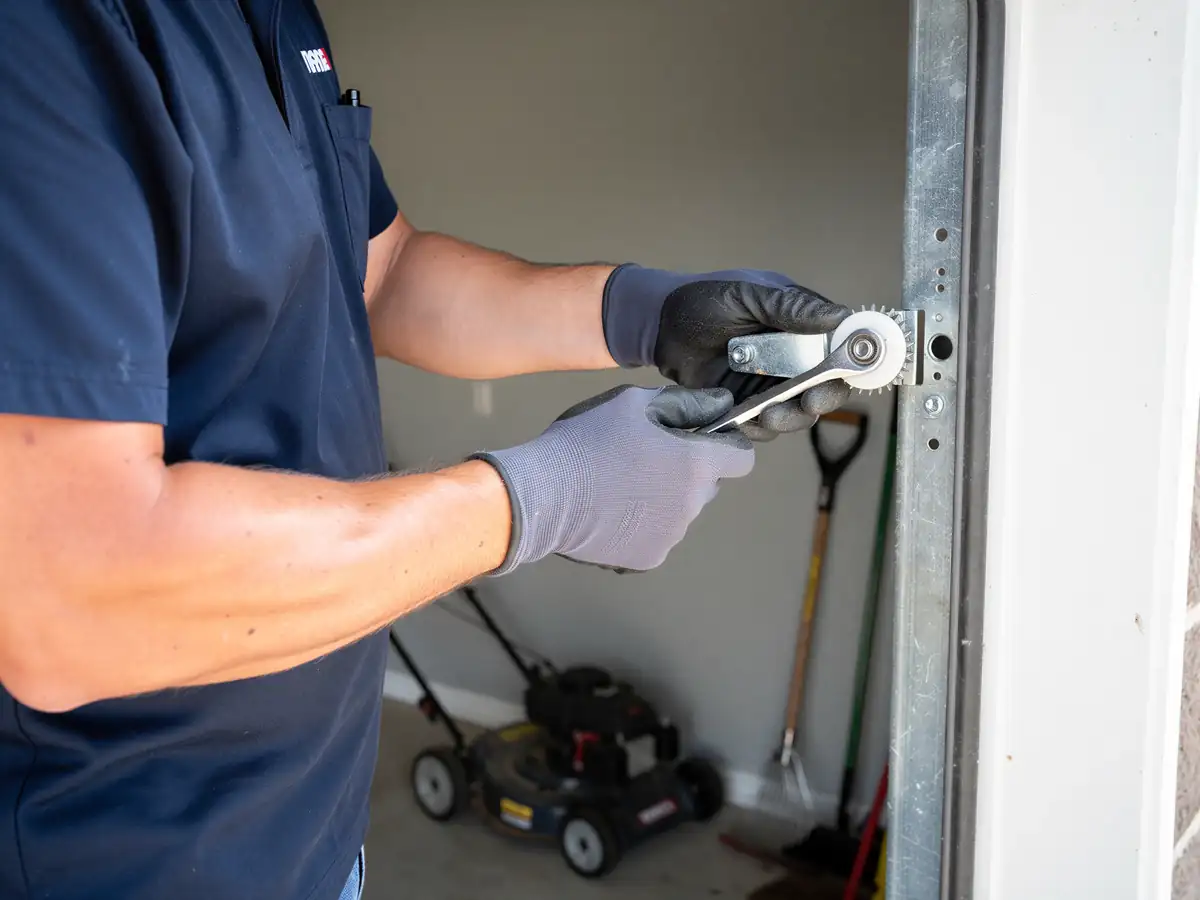
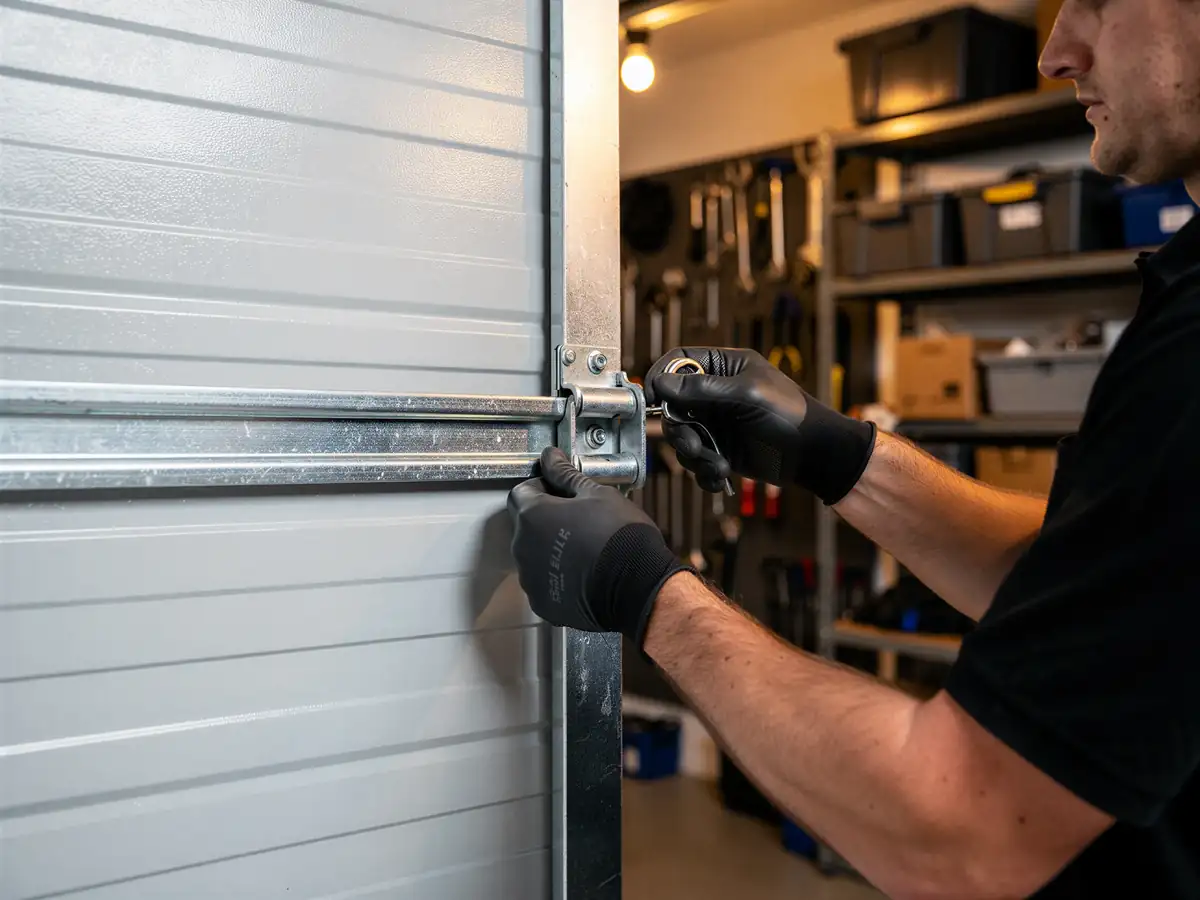
We start by checking which end actually failed - spring, cable, roller, or track - because on a door this old more than one of those is usually close to going even if only one broke today. Torsion springs get replaced in pairs, not one at a time, since a mismatched pair just means a second call in a year or two. Rollers get upgraded to nylon when we're already in there, since steel-on-steel is most of what's causing the grinding noise in the first place. If the track's bent from the door running rough for months, we straighten or replace that section rather than just reseating the door and hoping. One honest limit here: if the door itself has rusted through at the bottom panel or the frame's racked from years of a misaligned track, we'll say replacement makes more sense than repair - patching a door that's structurally done just means paying for the same visit again next winter.