How It Shows Up
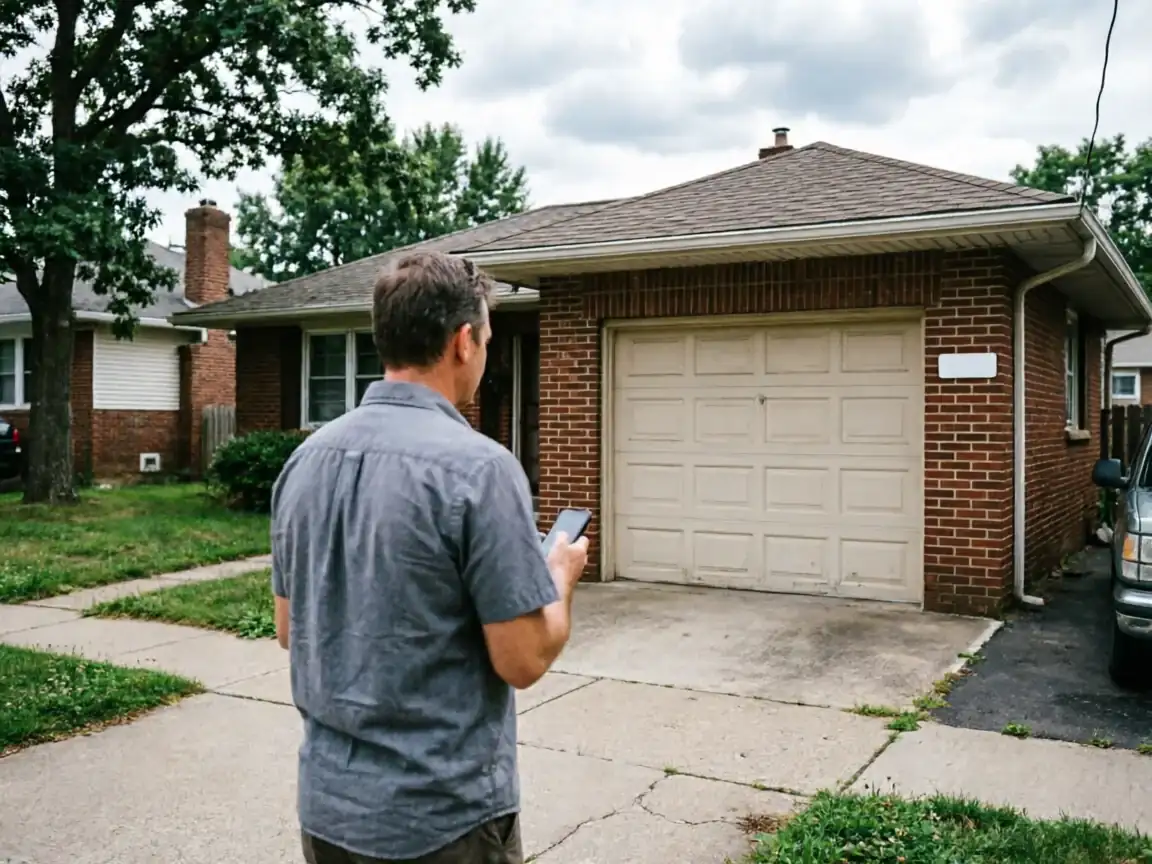
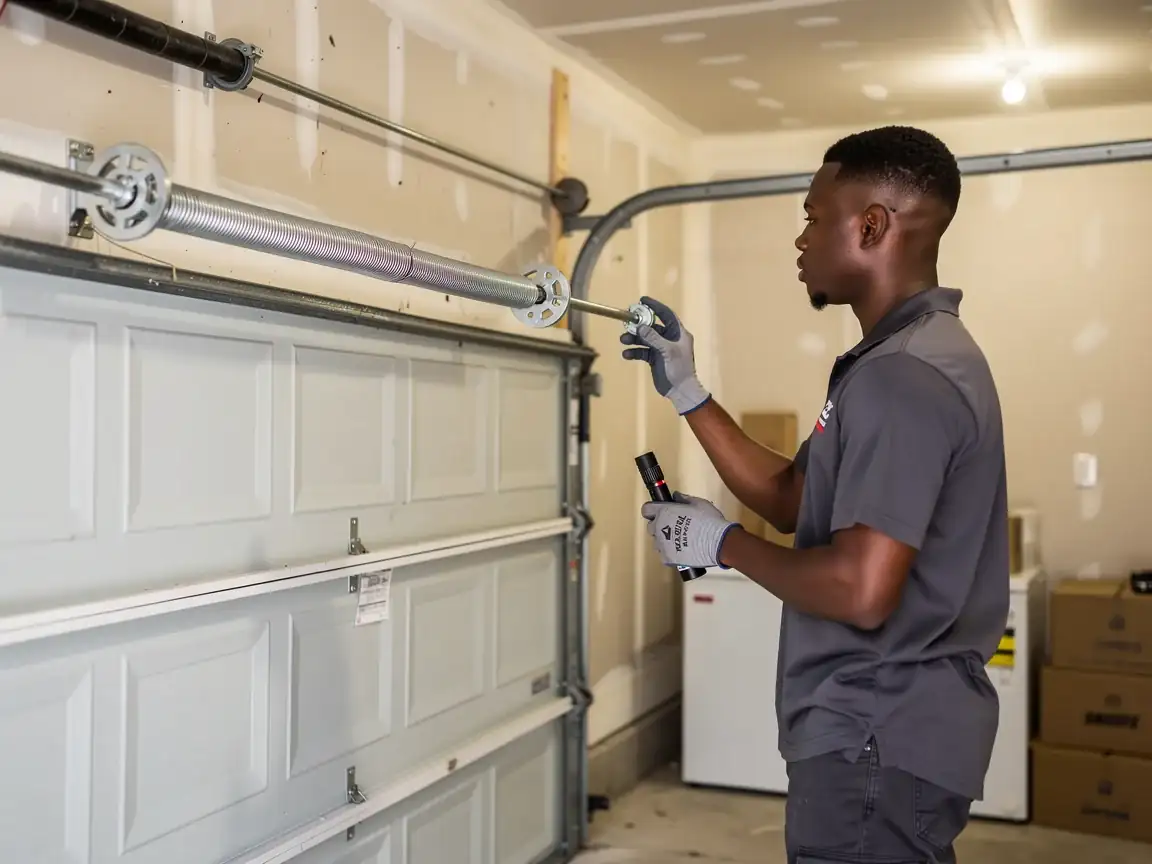
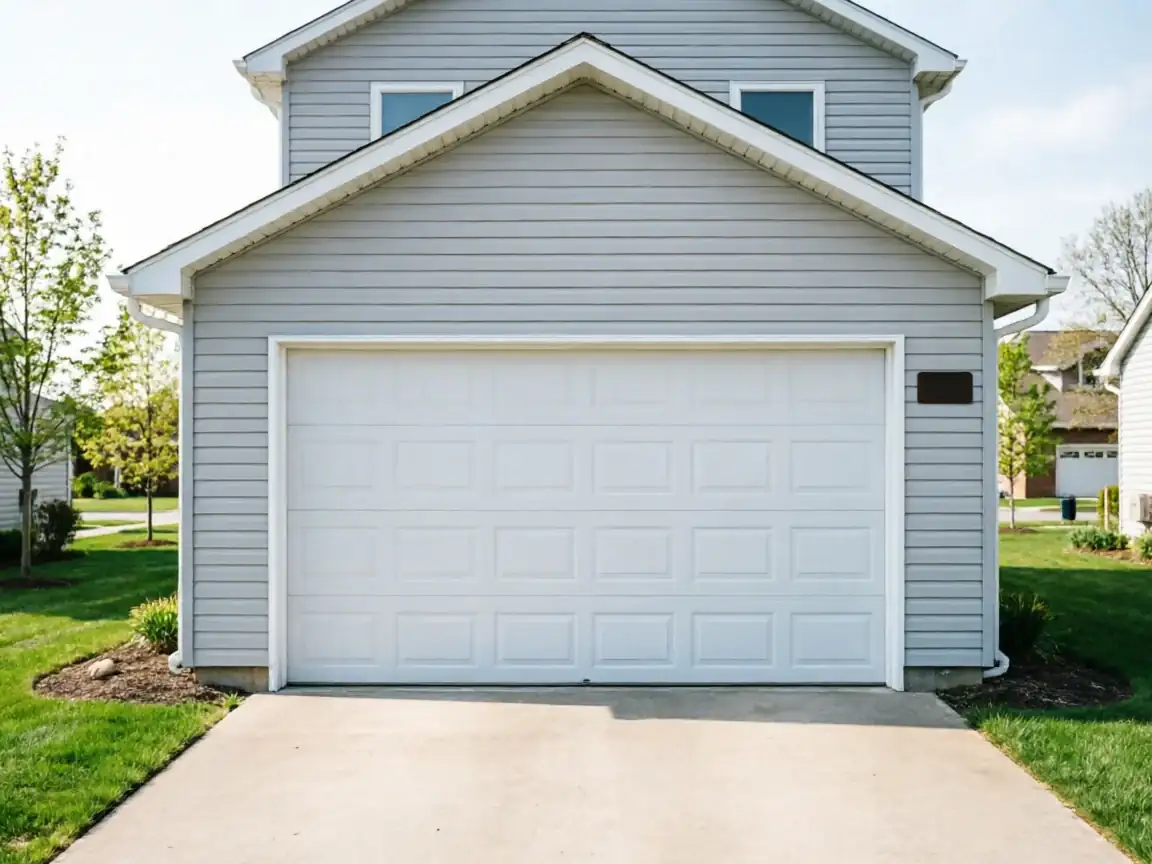
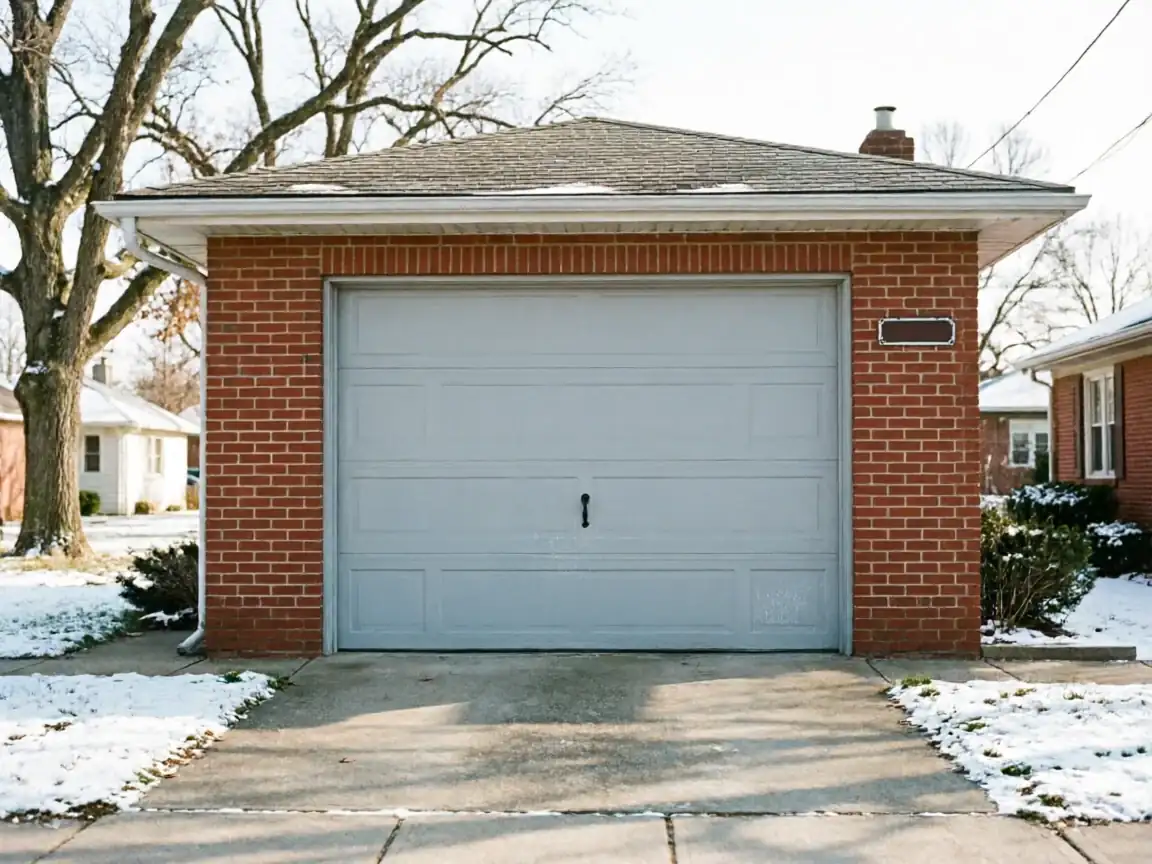
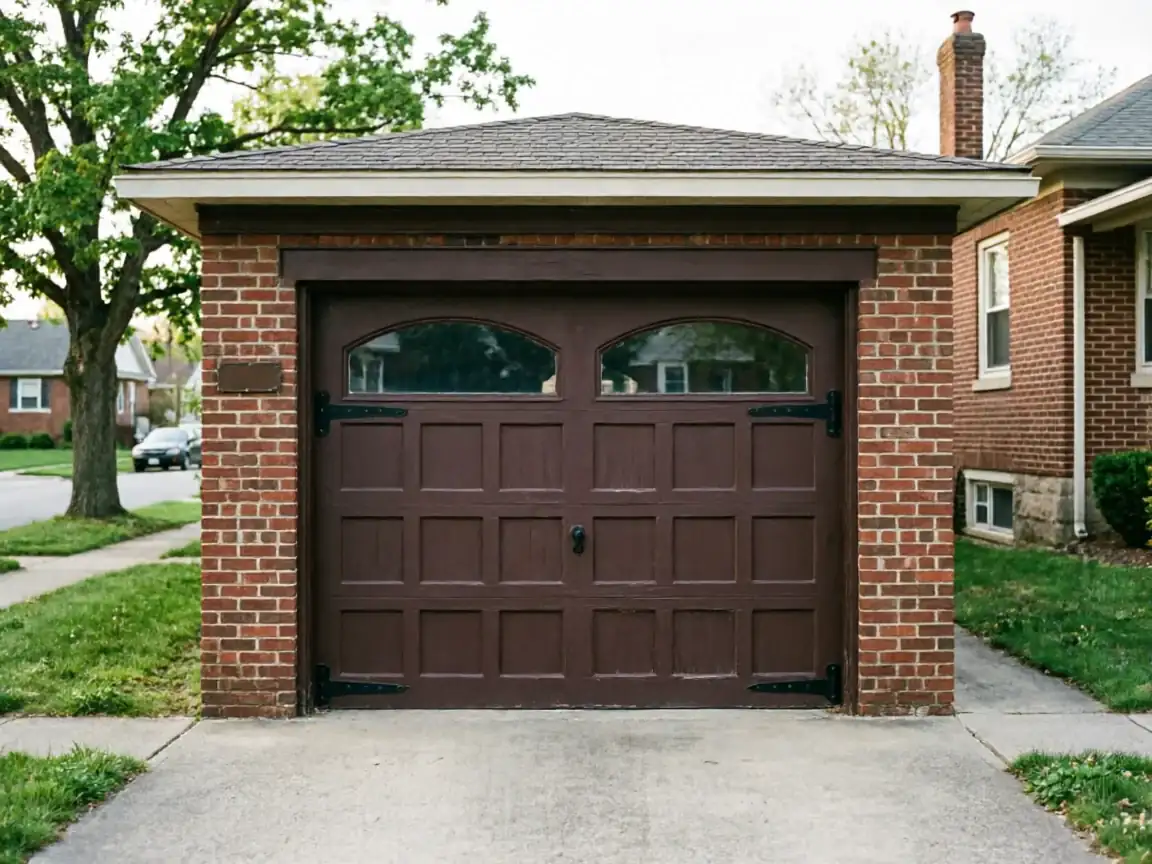
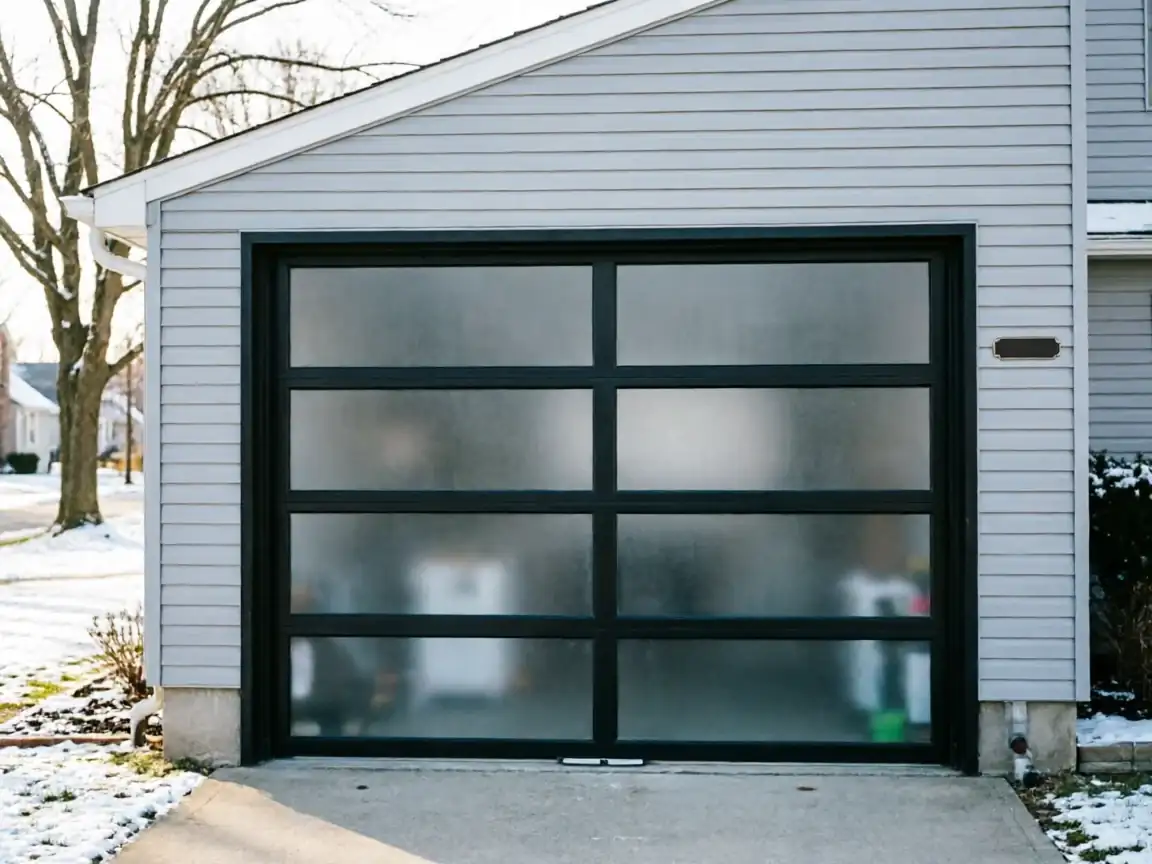
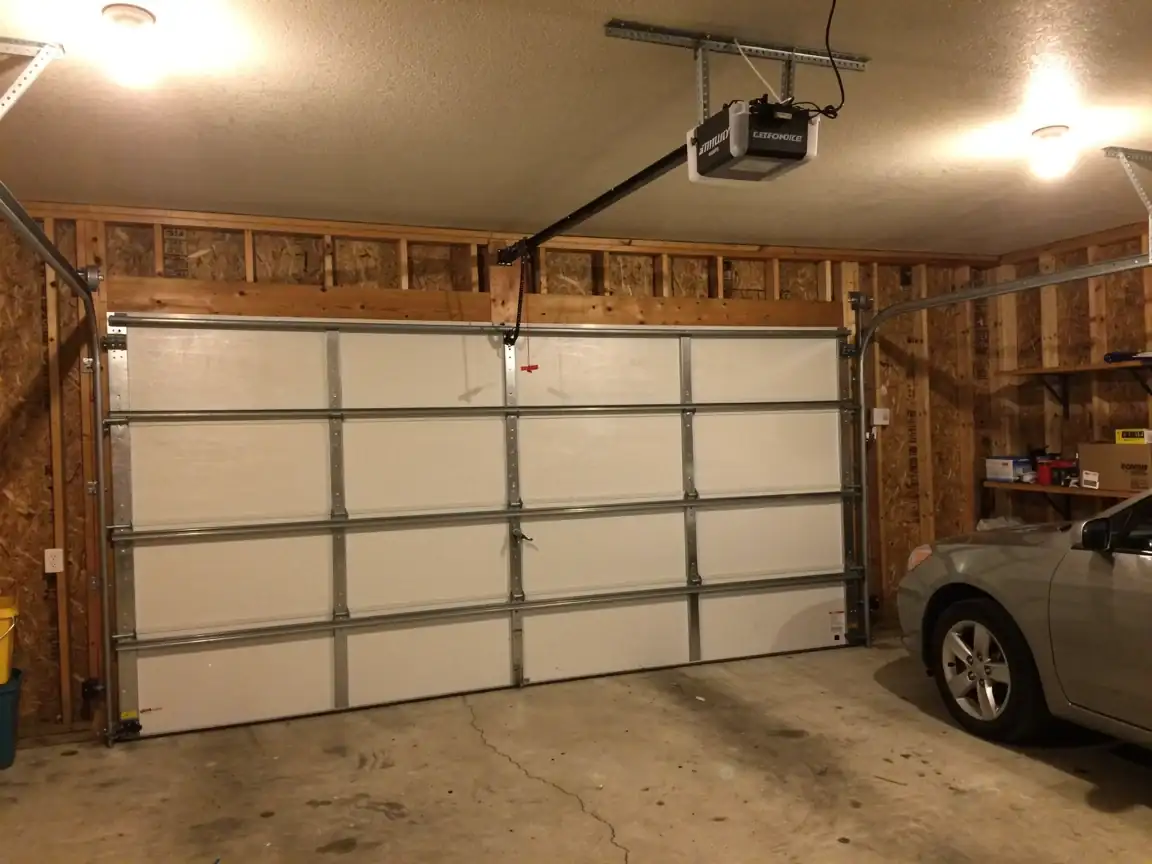
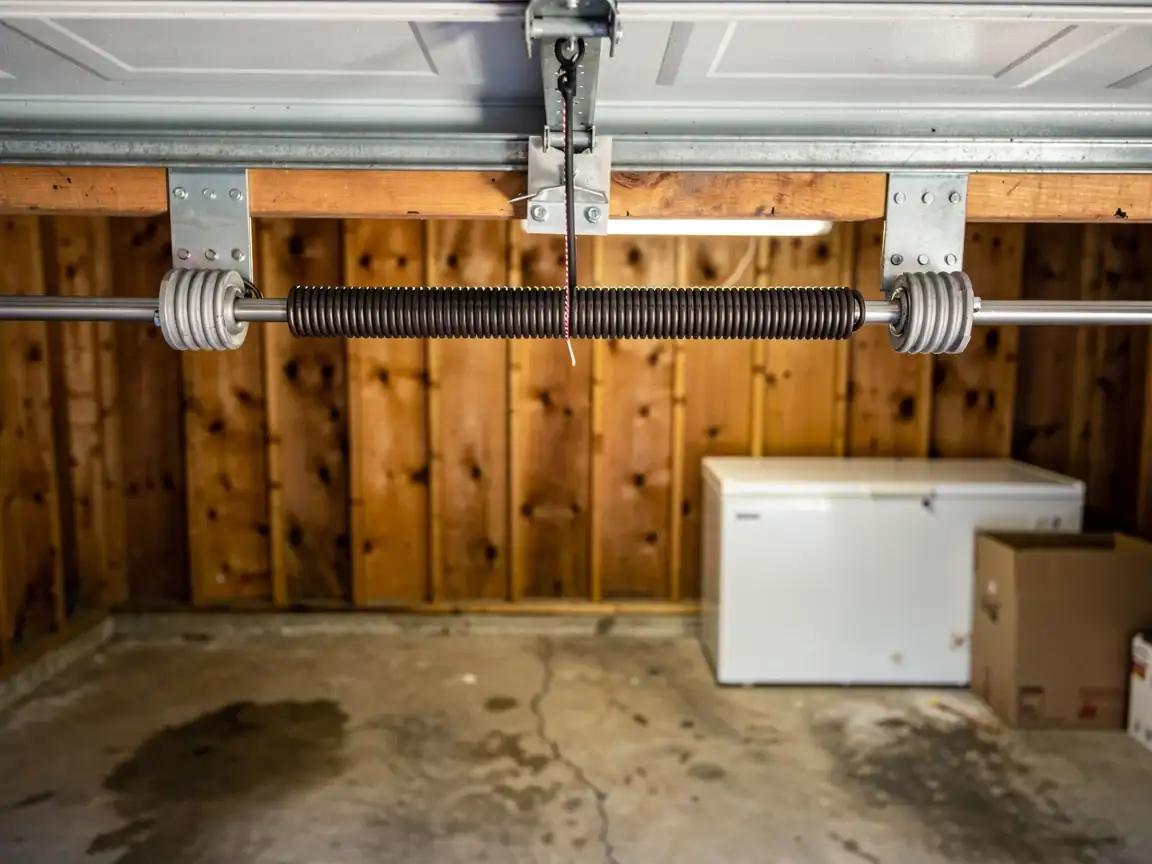
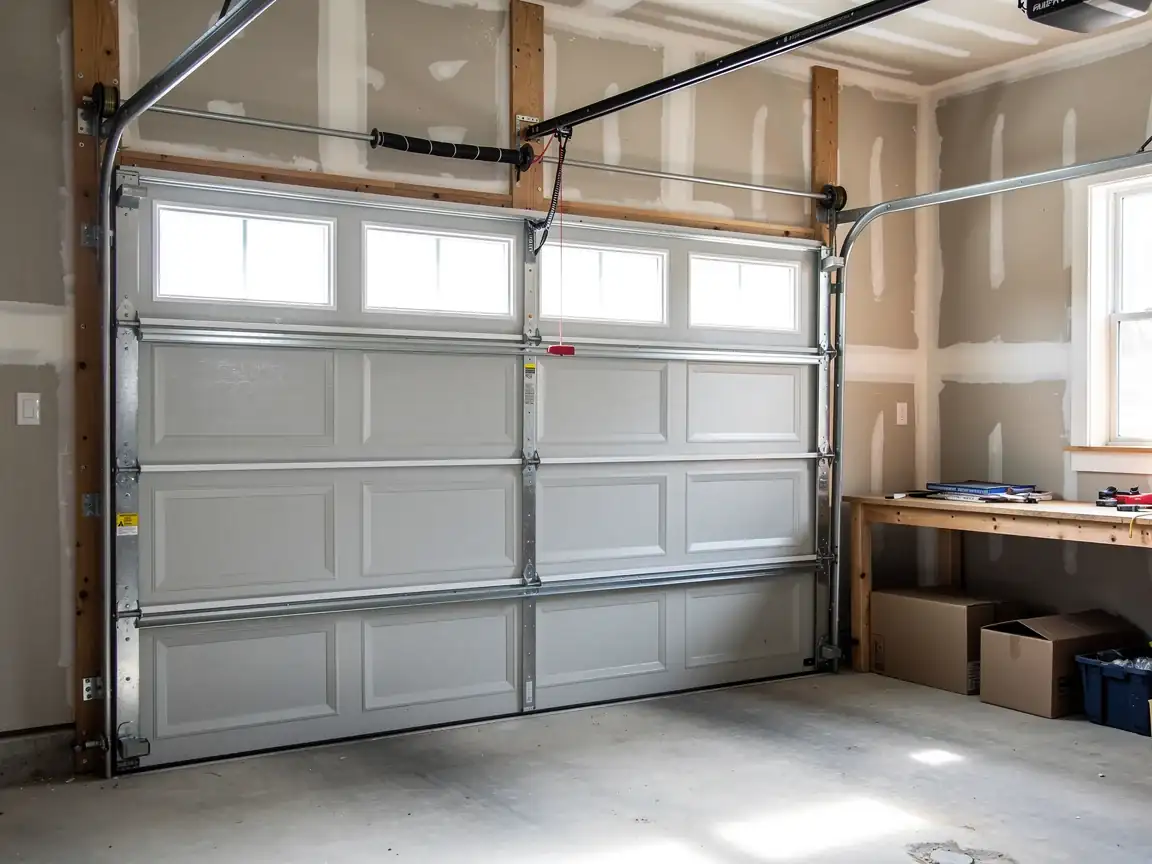
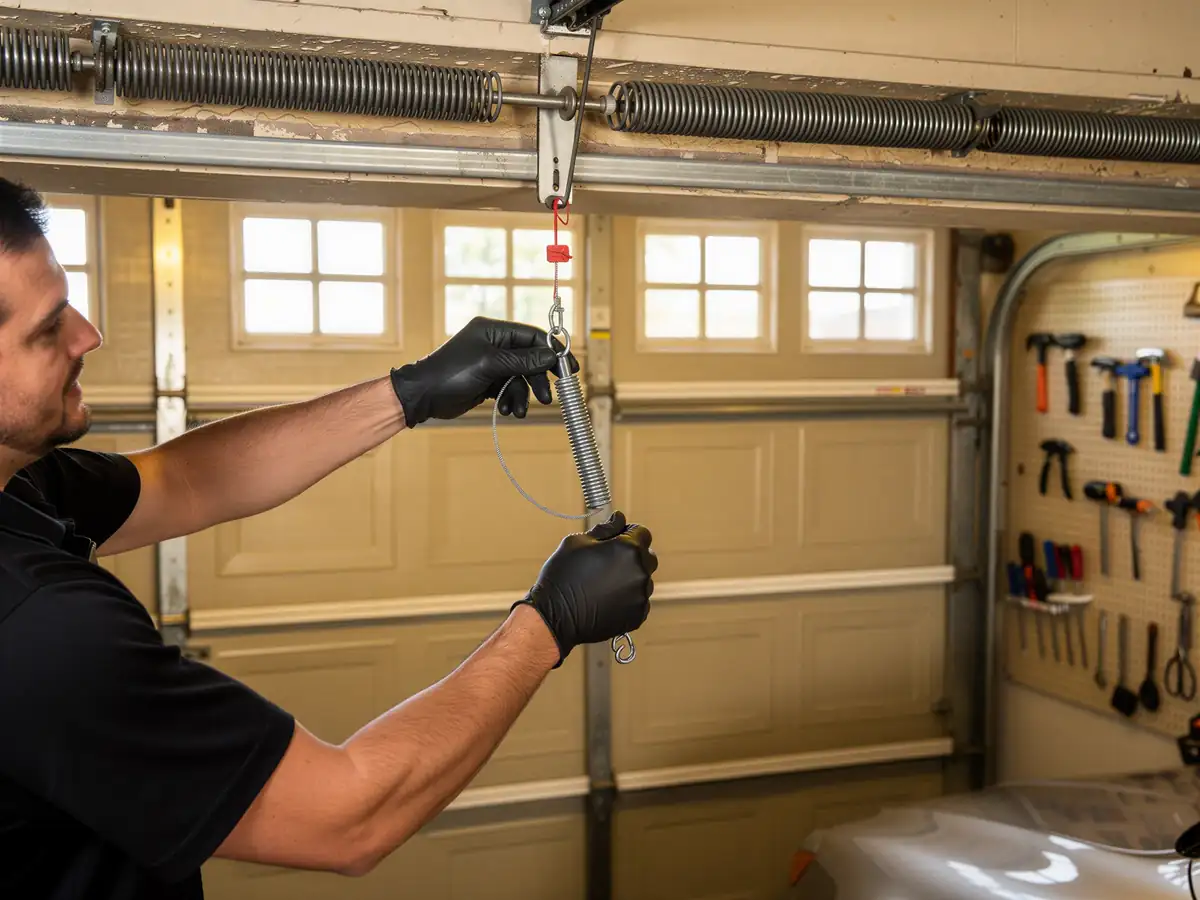
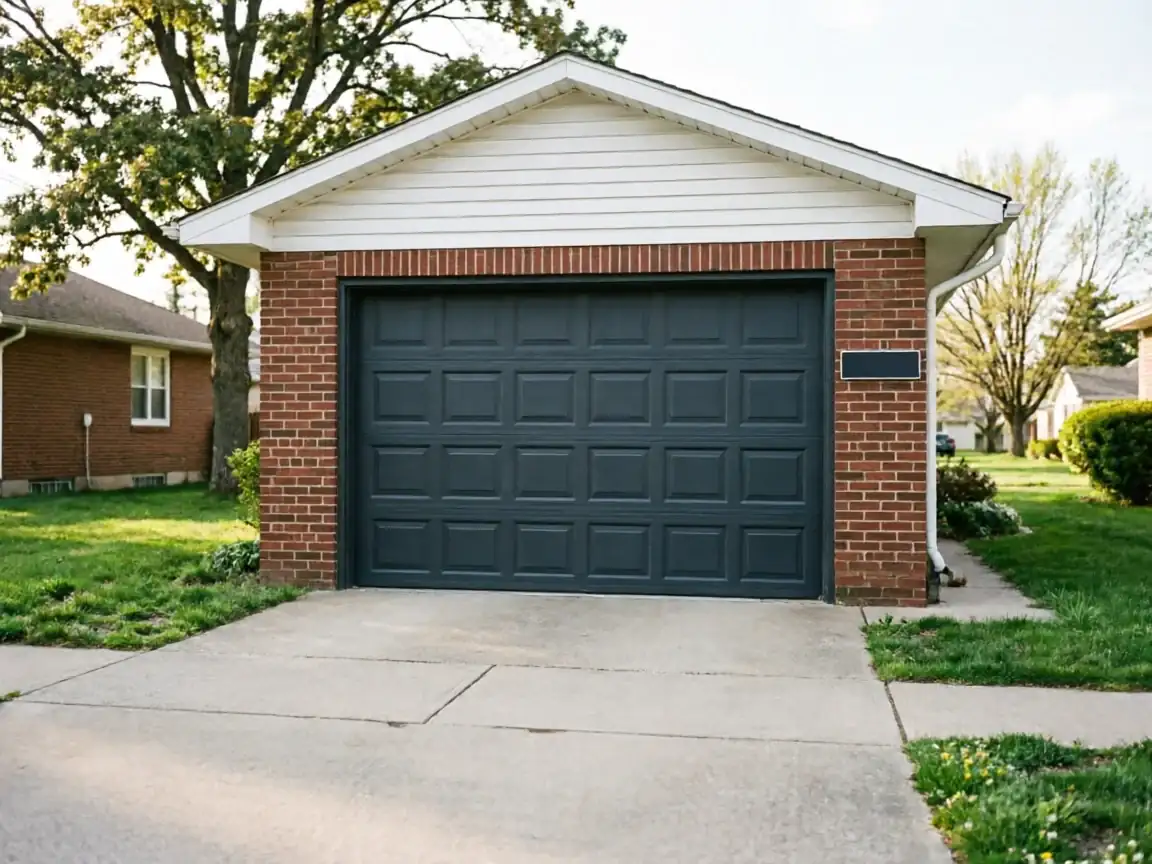
Island Lake's homes cluster around a median build year of 1989, which puts a lot of doors and openers right at the point where original equipment starts failing for good. Builders in that stretch were putting in steel sectional doors with extension springs mounted along the horizontal tracks, paired with chain-drive openers that were basic even for the time. Thirty-five years on, those extension springs are stretched past their rated cycle count, the galvanized coating on the cables is pitting, and the openers are on their second or third logic board if they're still running at all. You'll notice it as a door that jerks instead of glides, a spring that's visibly open-coiled instead of tight, or an opener that grinds before it finally lifts. None of that is random wear - it's the hardware doing exactly what hardware from 1989 does at this age.
Why This Fails Locally
McHenry County's cold band isn't gentle on steel doors from this era. Repeated freeze-thaw cycles work on the metal fatigue that extension springs already have from decades of cycling, and galvanized cable sheathing that's past its prime starts fraying faster once ice gets into the strands. With about 2,889 households in Island Lake and a median income of $98,125 - a bit under the wider service area's $113,125 - a lot of owners here are weighing a full opener swap against a patch repair, and the honest answer depends on what's actually failed versus what's just old. A cracked panel on a 35-year-old door usually isn't worth matching; the steel gauge and color aren't made anymore, so patching one section can mean replacing the whole door anyway.
How Long It Takes
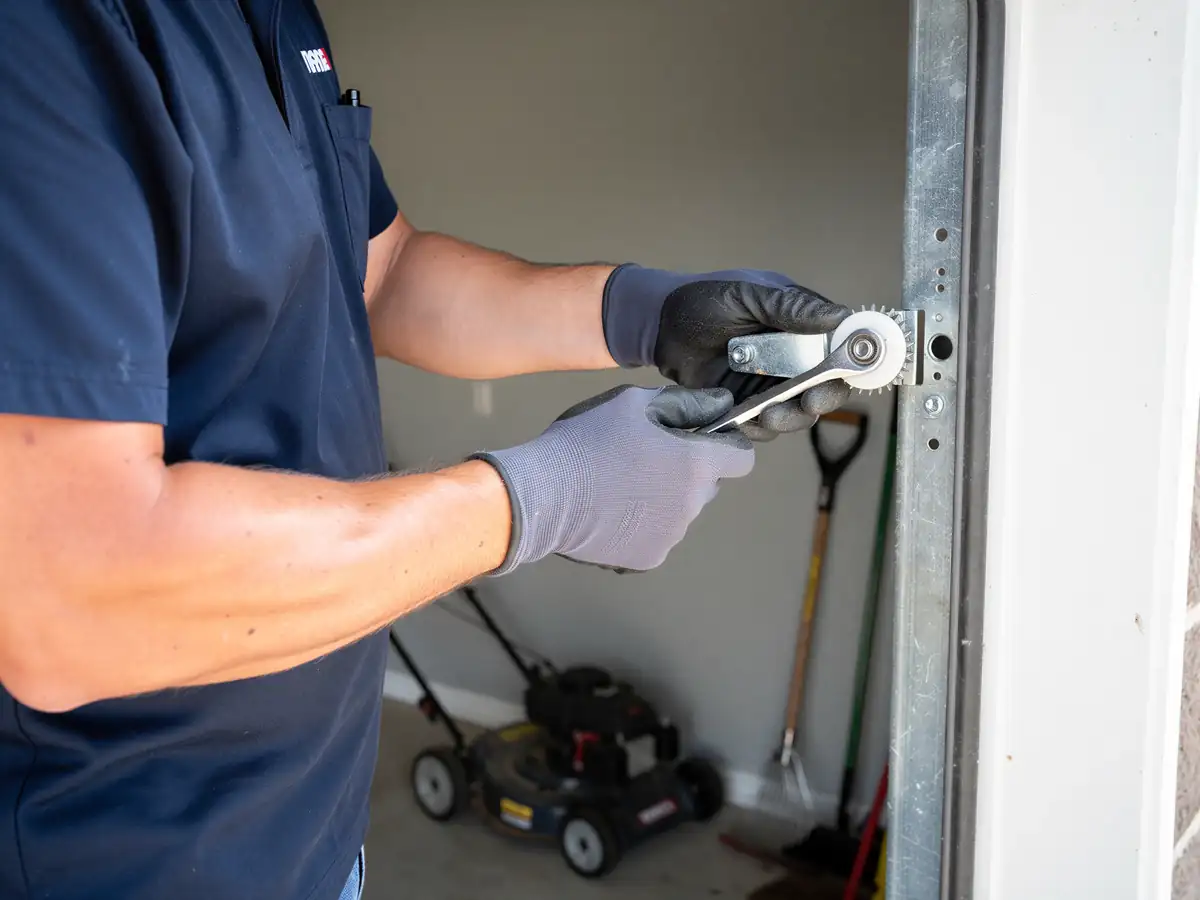
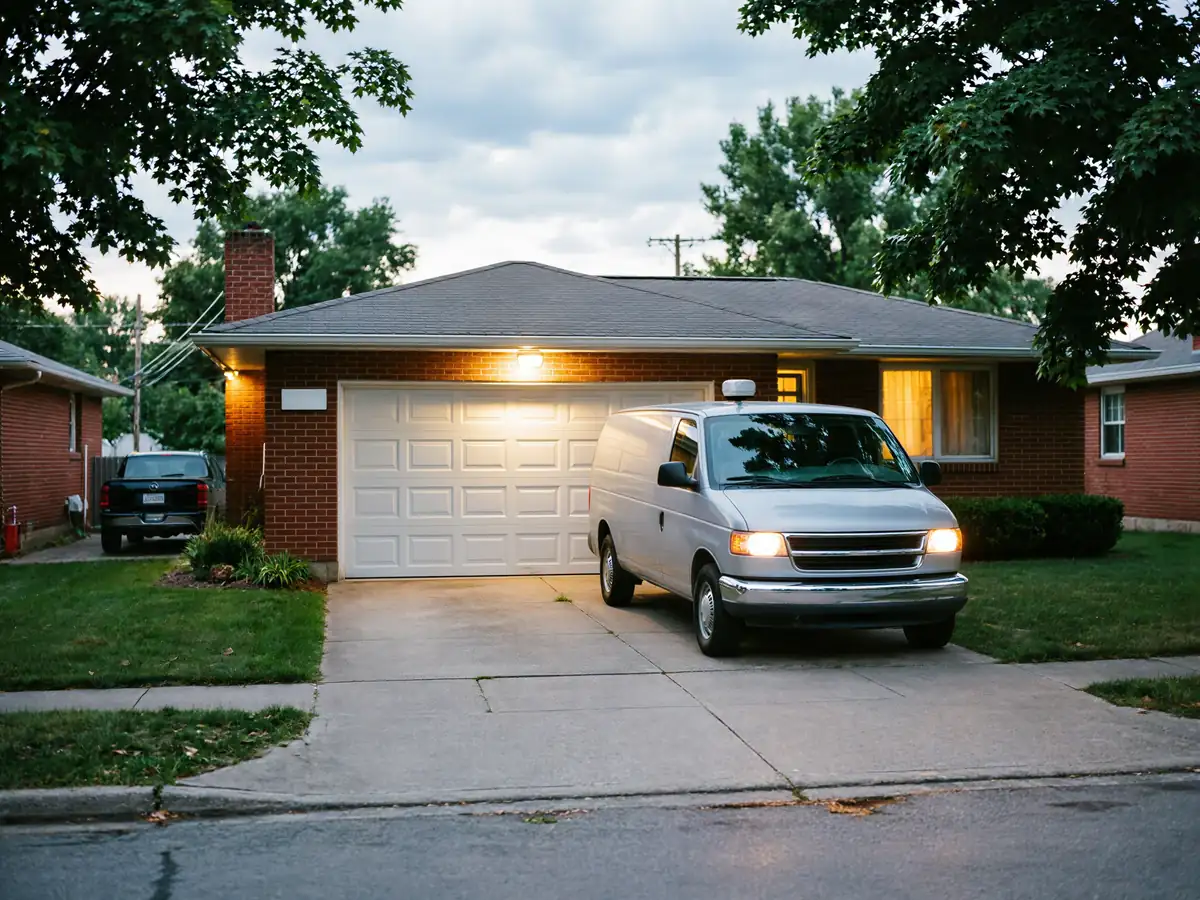
Most spring and cable jobs on these late-80s doors are a single visit once we're on-site, since the parts involved - standard extension or torsion spring sets, galvanized cable, roller brackets - are stock items we carry on the truck. Opener replacements take longer if the old unit's mounting doesn't match current hardware, which happens more often than you'd think on houses built before garage door openers had today's safety-sensor brackets built in. We won't promise a same-day slot here since we're dispatching from McHenry rather than sitting in Island Lake already, but once the truck arrives, the work itself moves at the pace the door's age dictates, not the calendar's.
How We Fix It
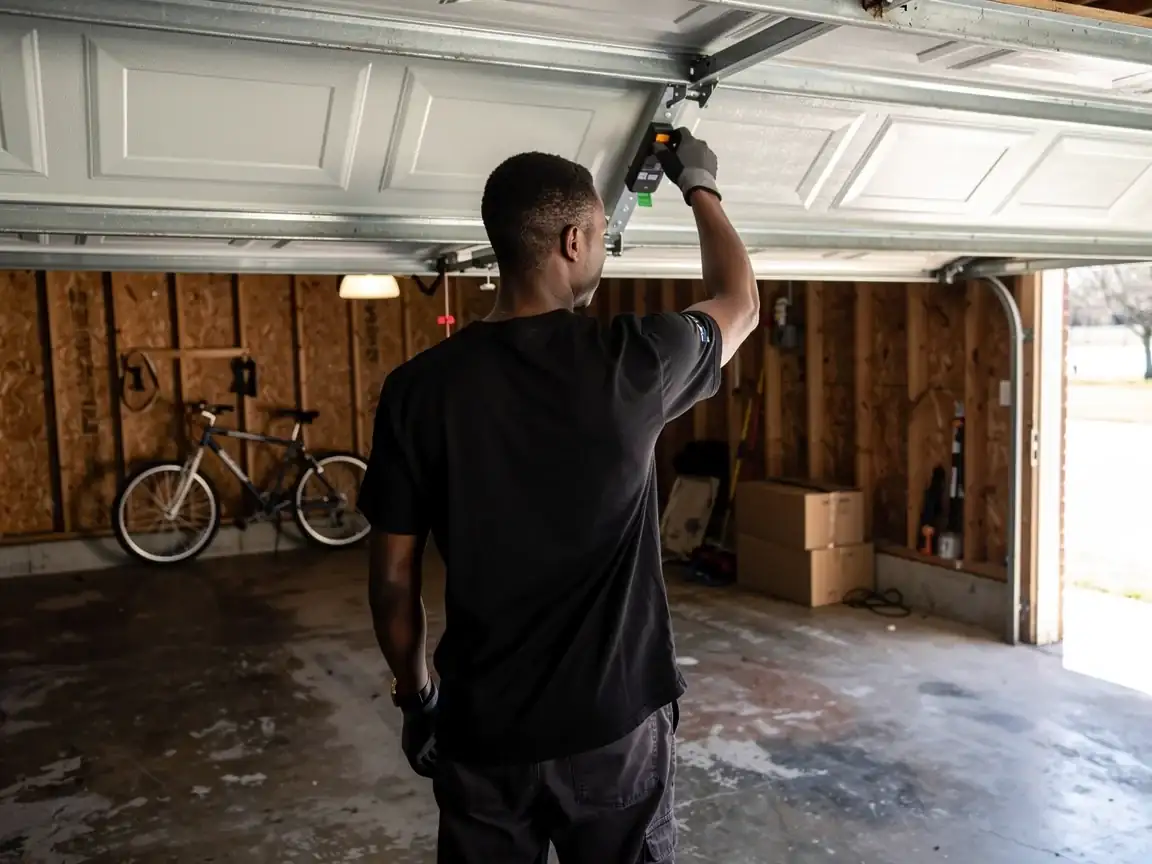
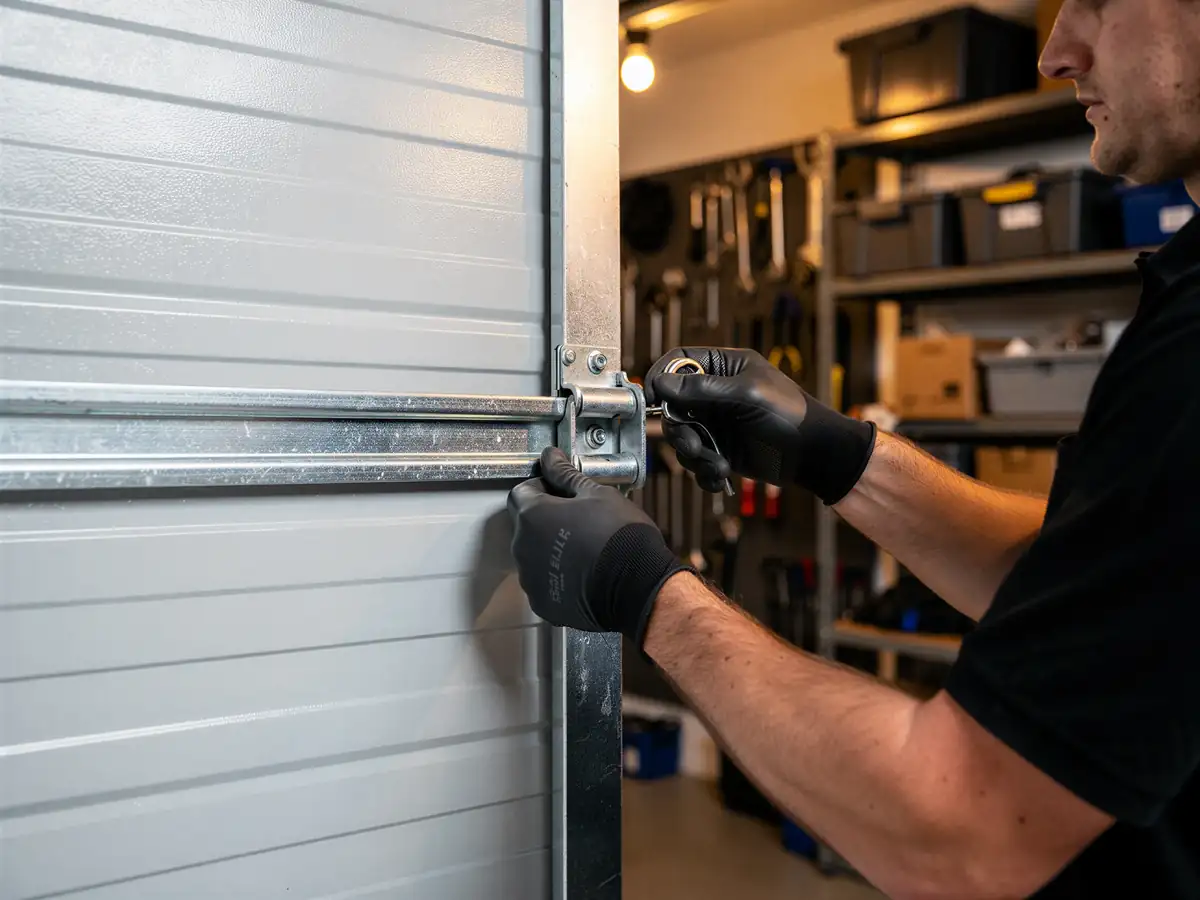
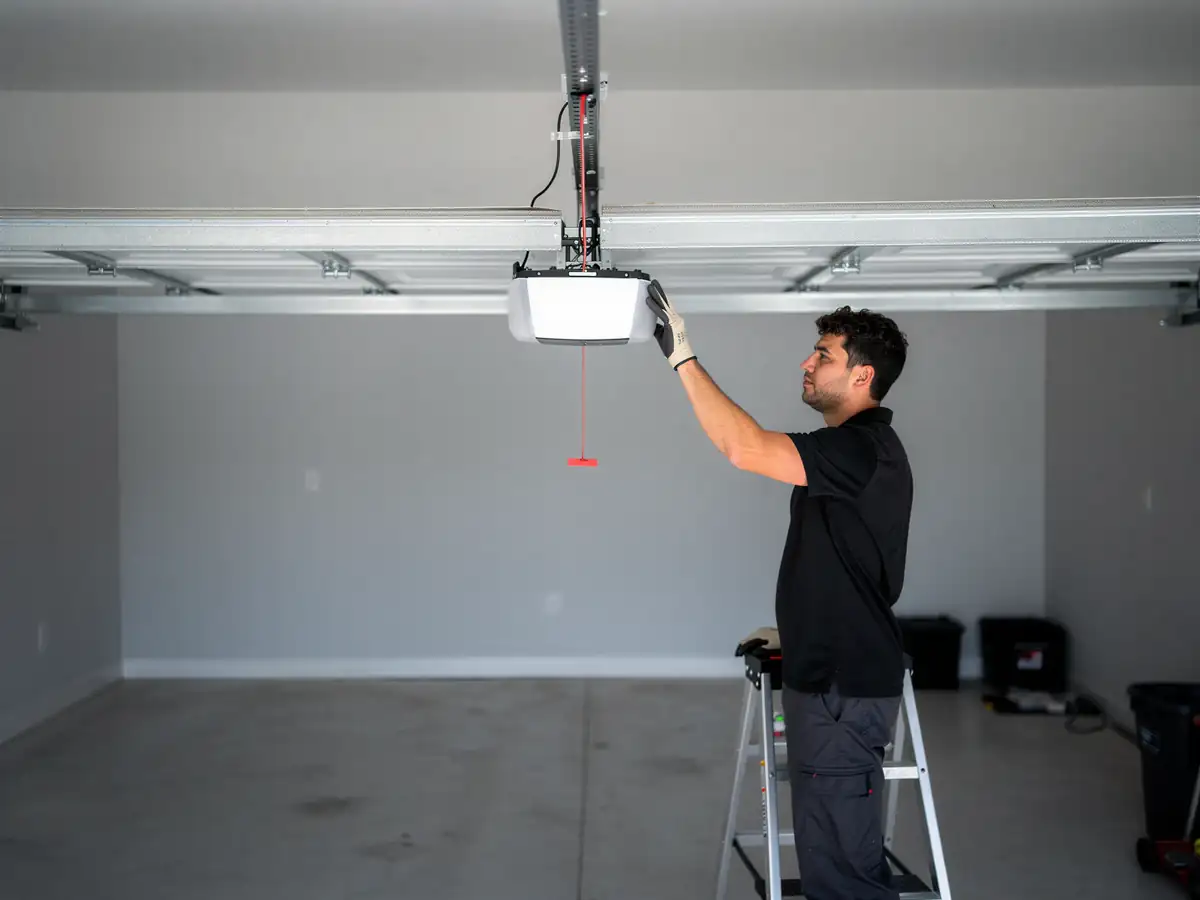
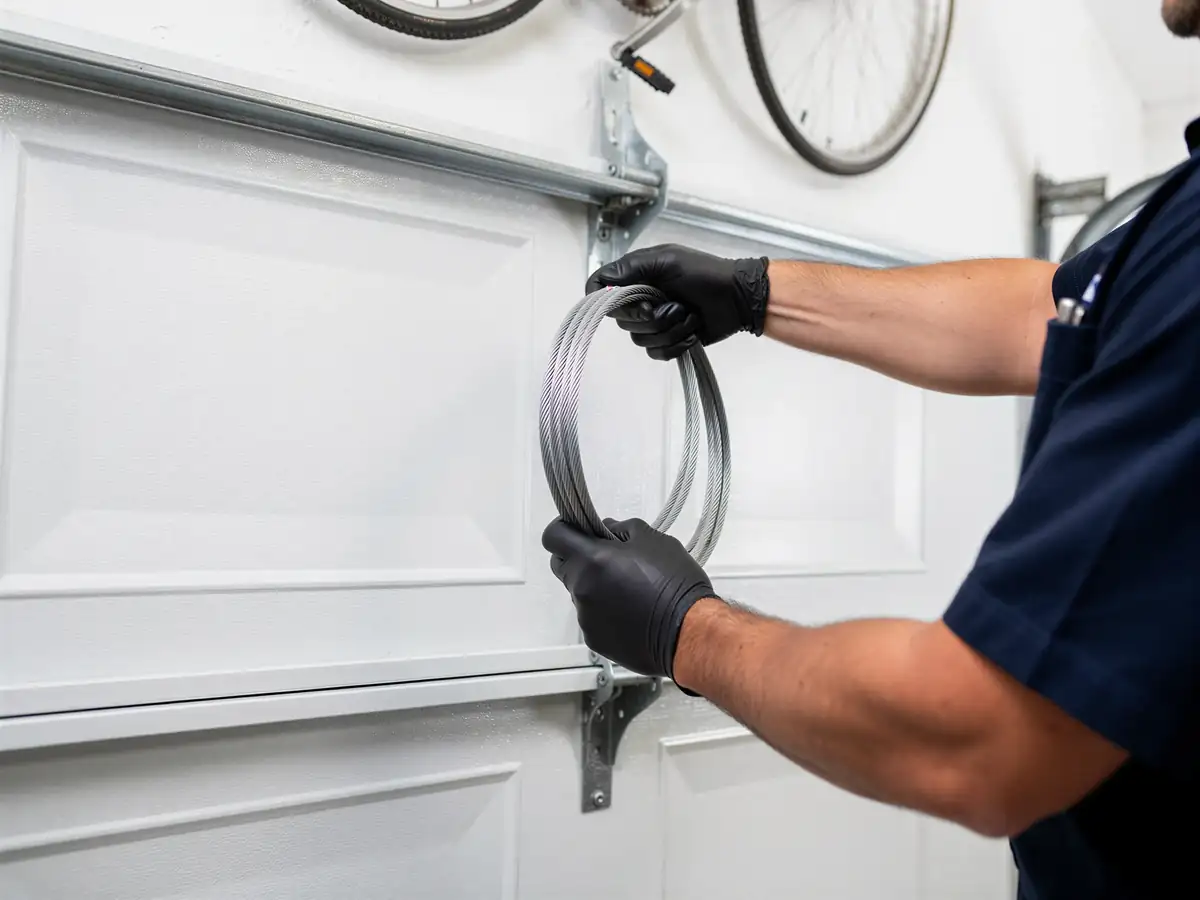
For the extension-spring doors common on 1989-era houses, we check both springs even when only one has failed - if they went up together, they wear together, and replacing just one leaves a mismatched pair that'll strain the opener. Cables get inspected for fraying at the drum, not just at the bottom bracket, since that's where cold-weather pitting tends to start. If the opener is original or close to it, we'll tell you straight whether a motor replacement makes sense or whether the whole unit, including the rail and sensors, is cheaper to replace as a set - old chain-drive units often cost more to patch piecemeal than to swap outright. One limit worth naming: if a panel's steel gauge or finish isn't matched anywhere, we won't pretend a patch will look right, and we'll say so before we start.