How It Shows Up
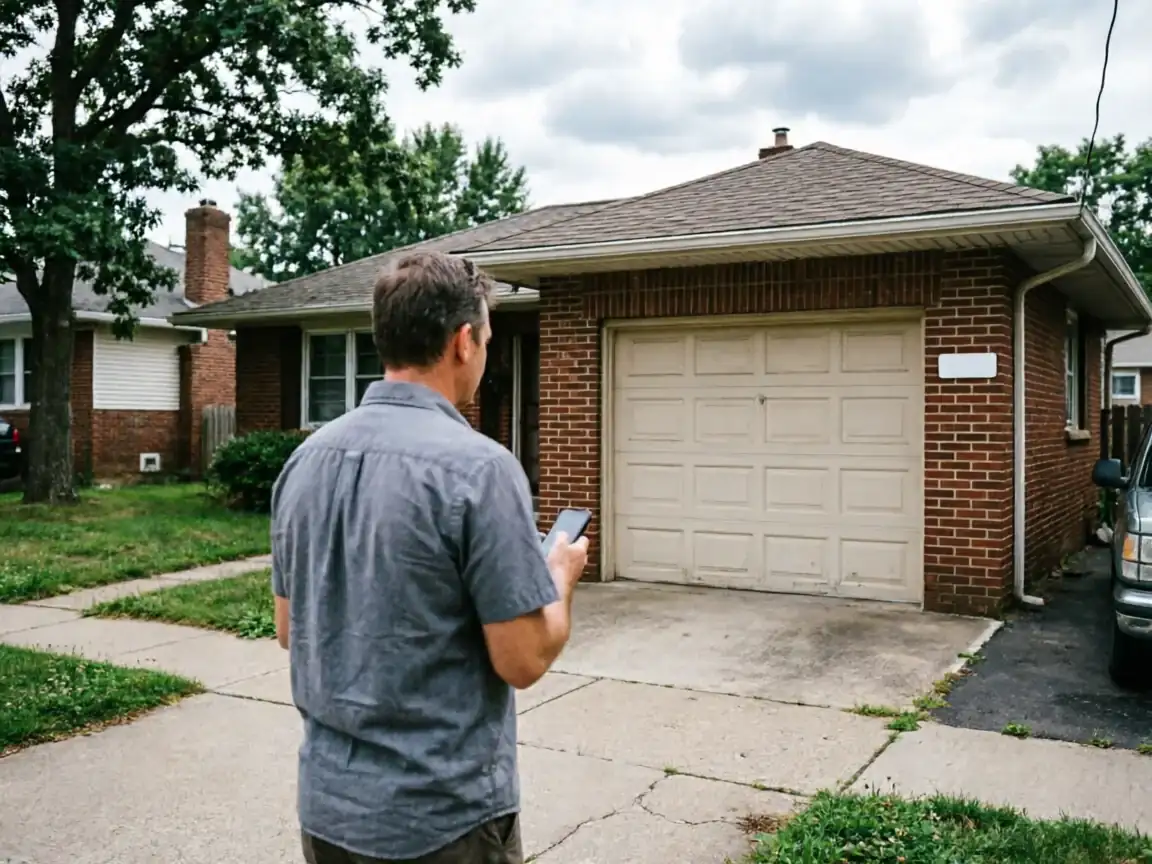
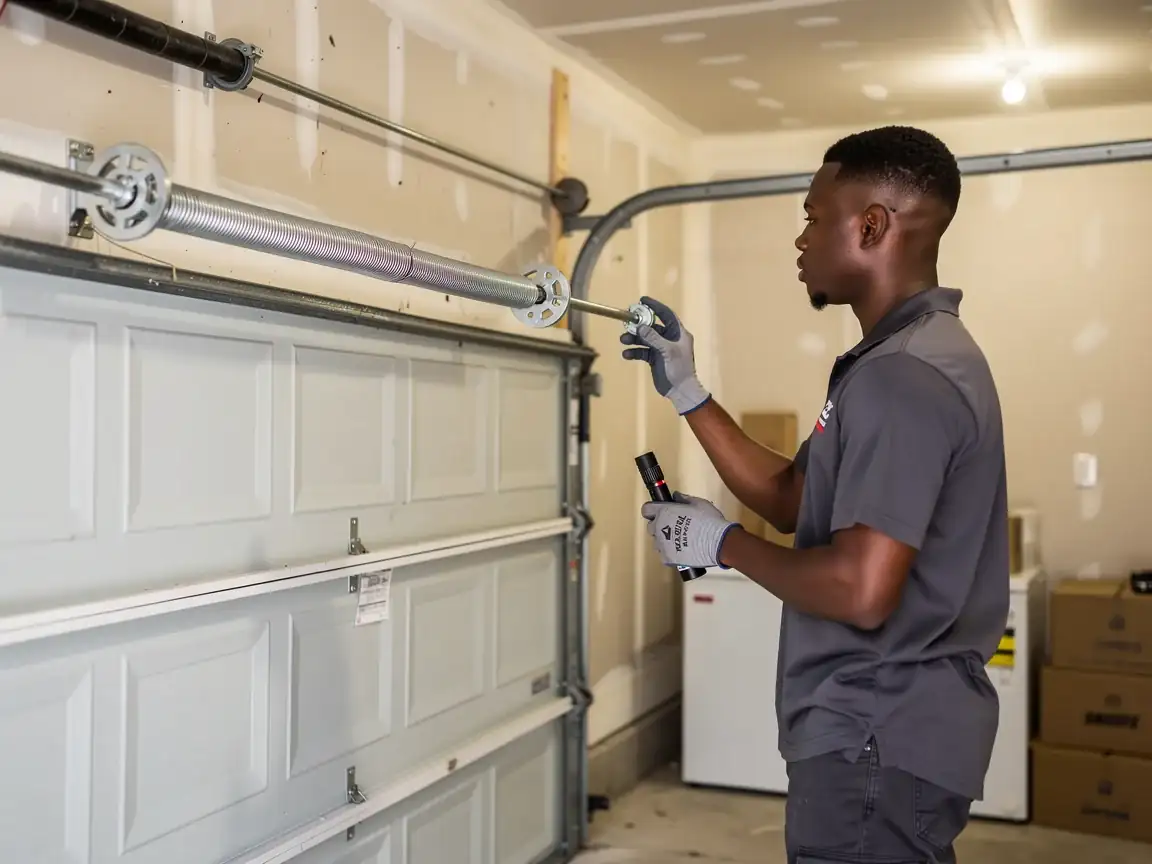
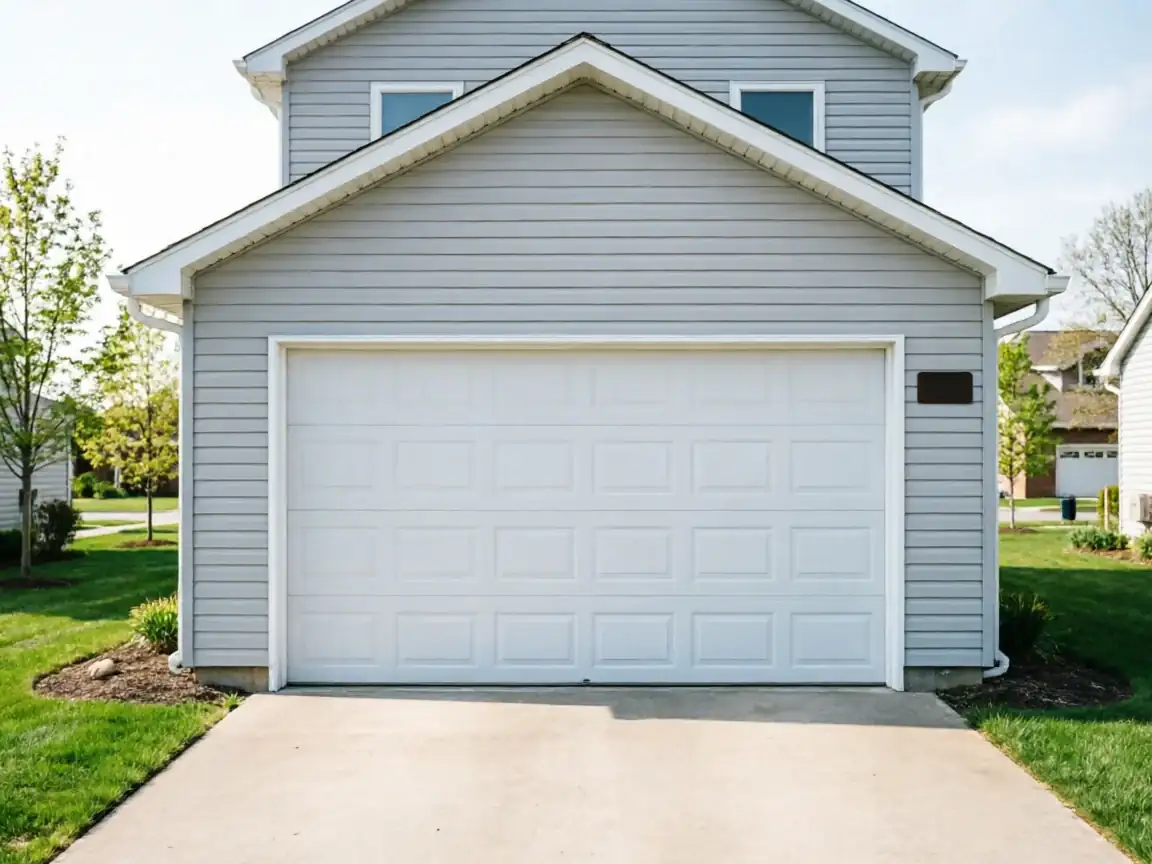
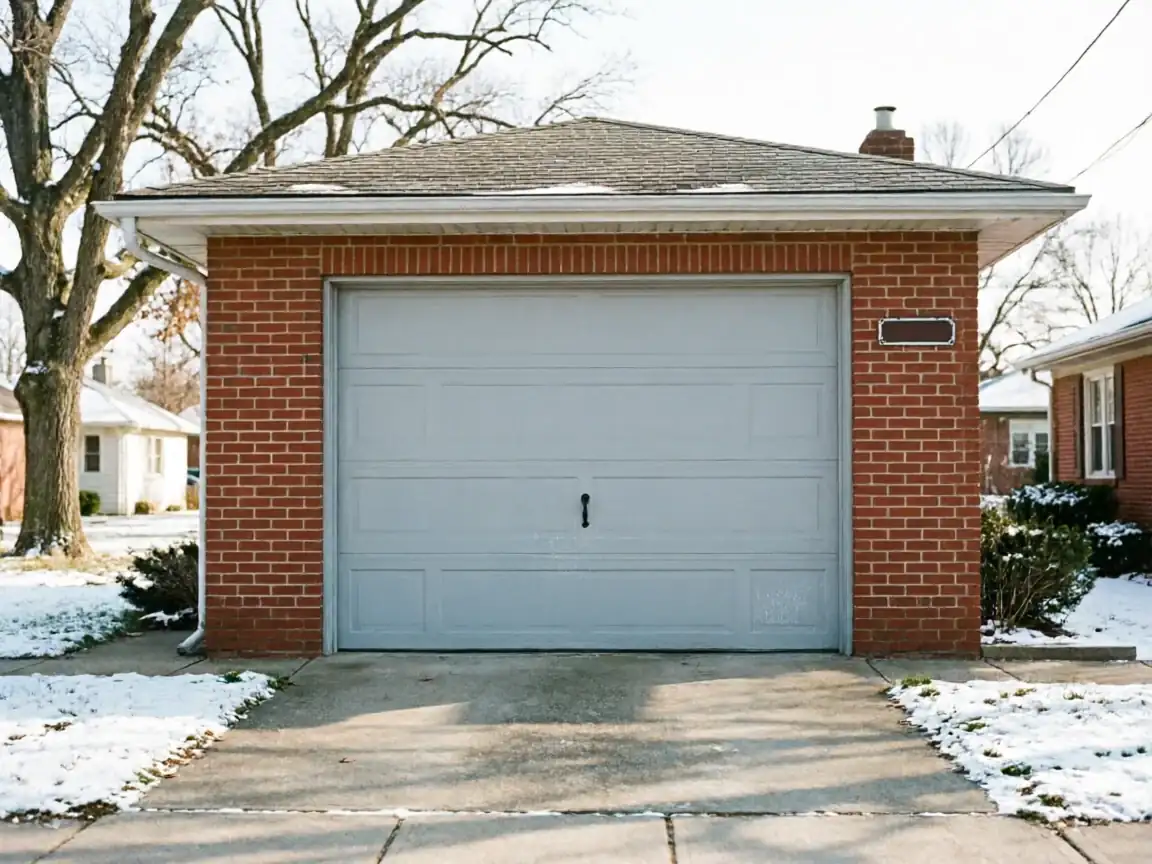
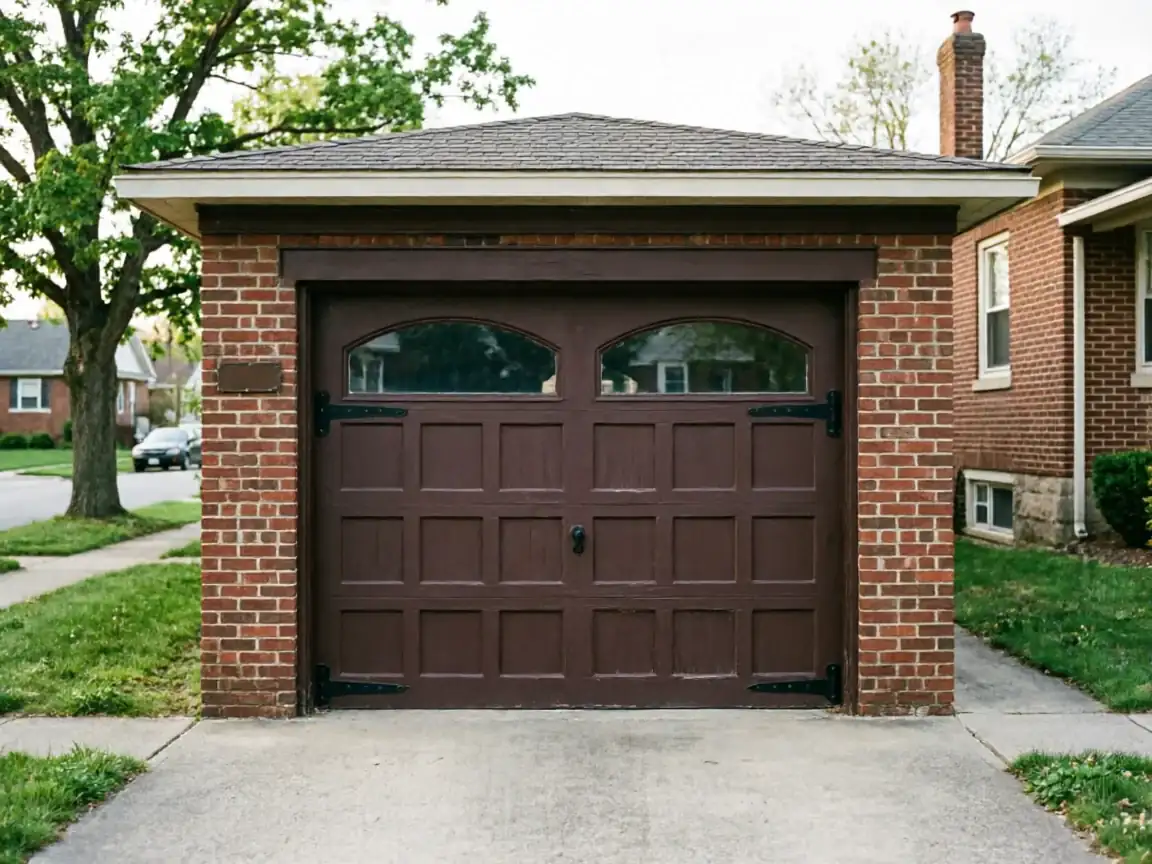
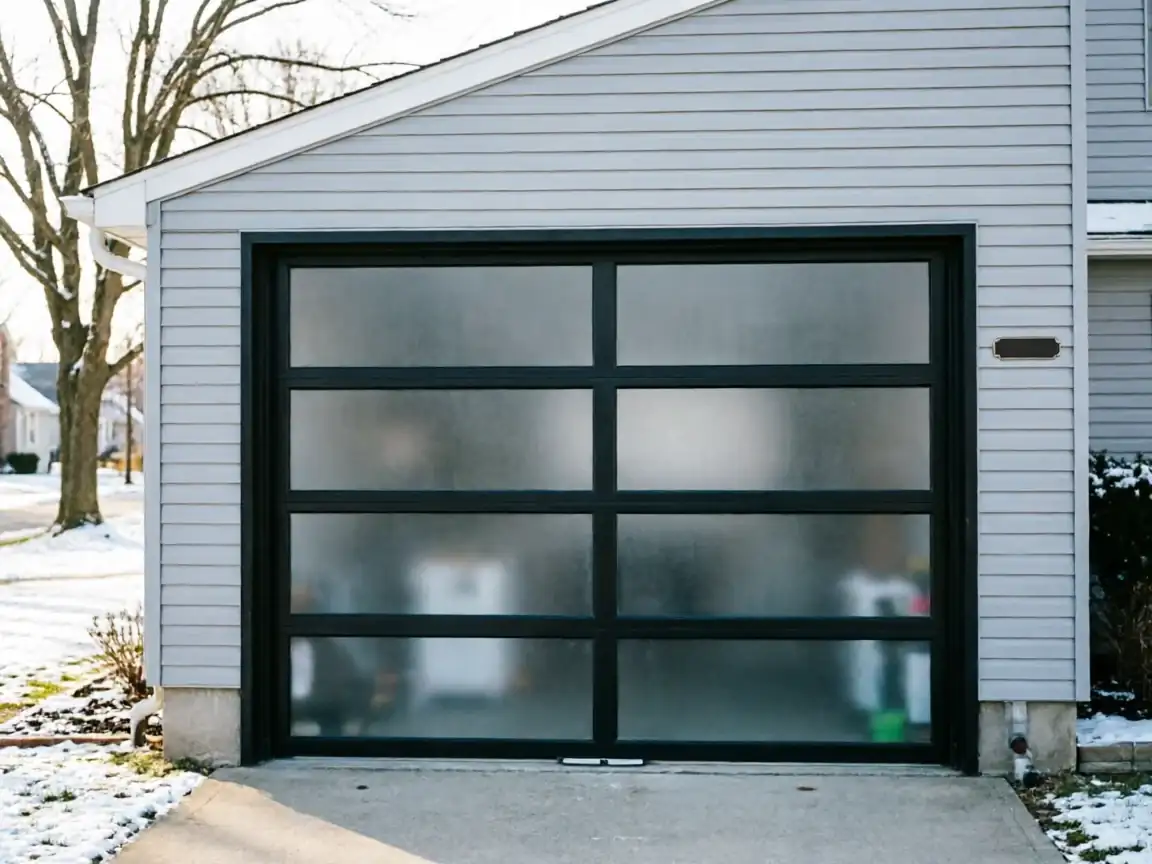
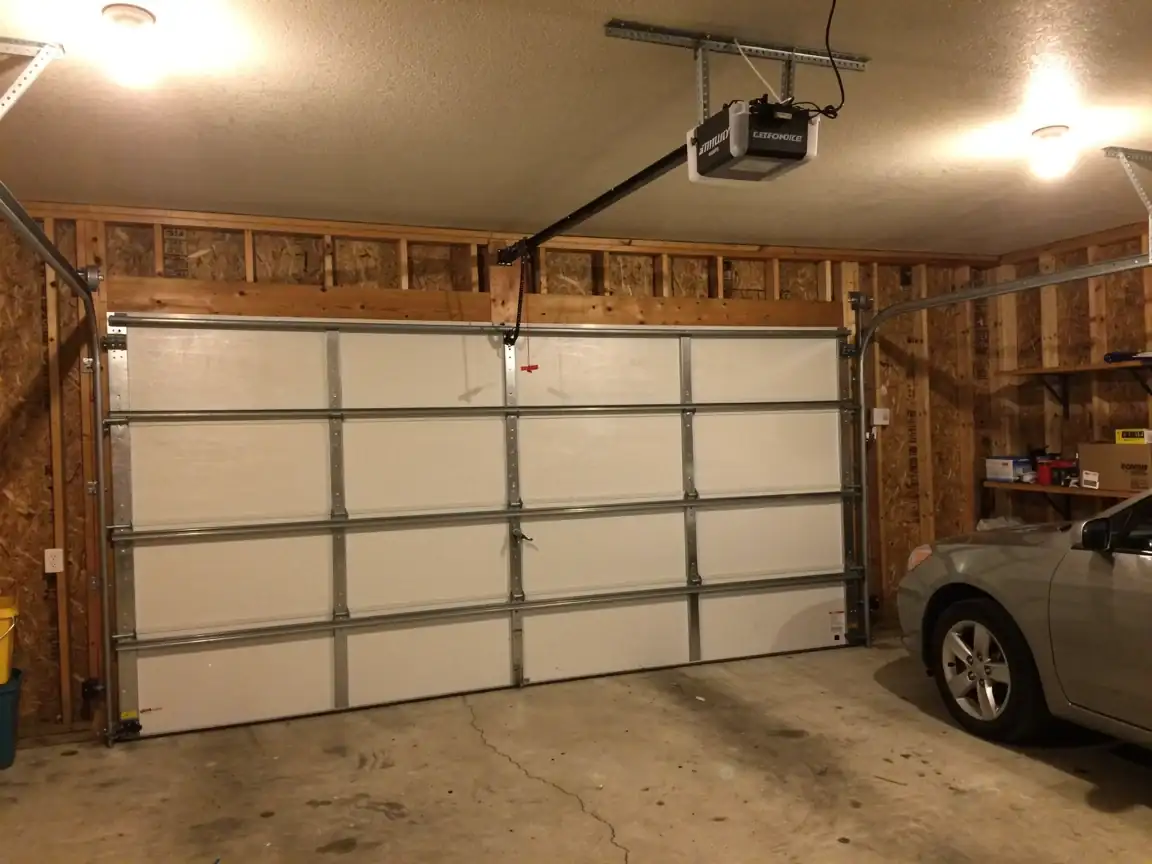
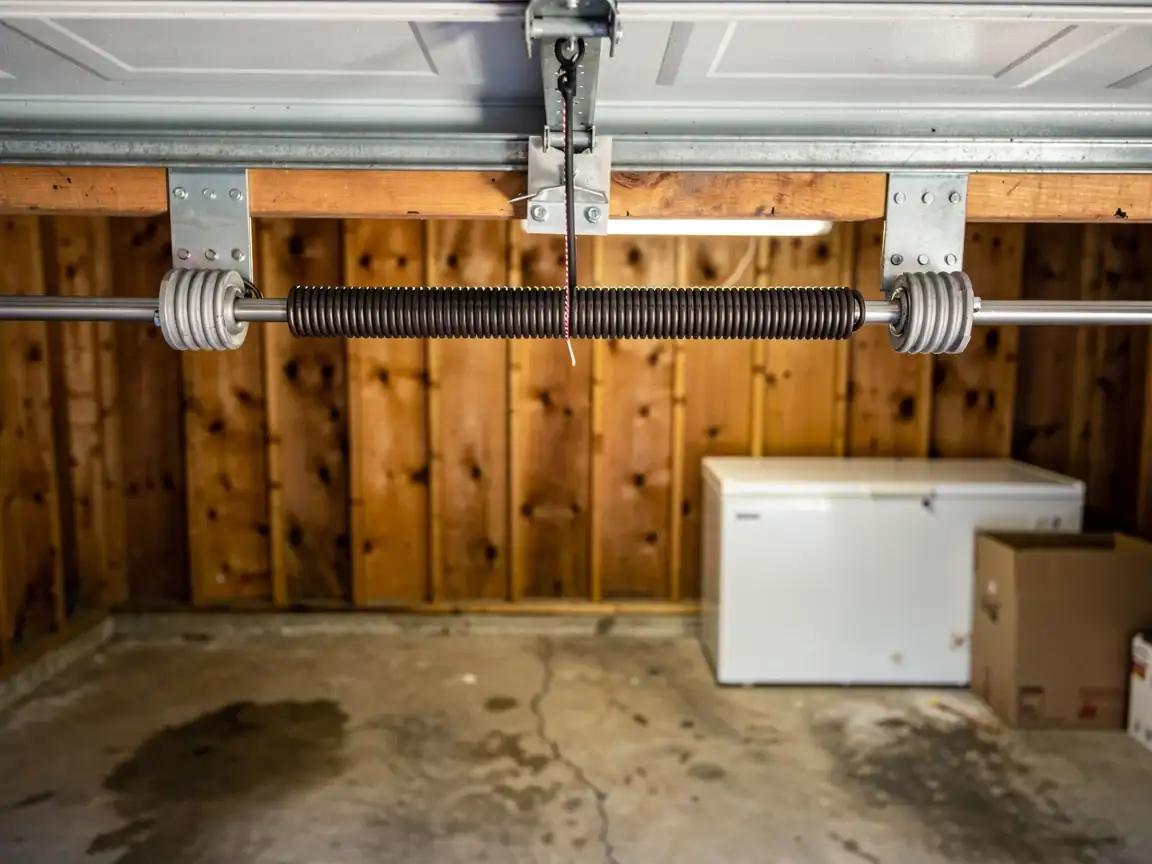
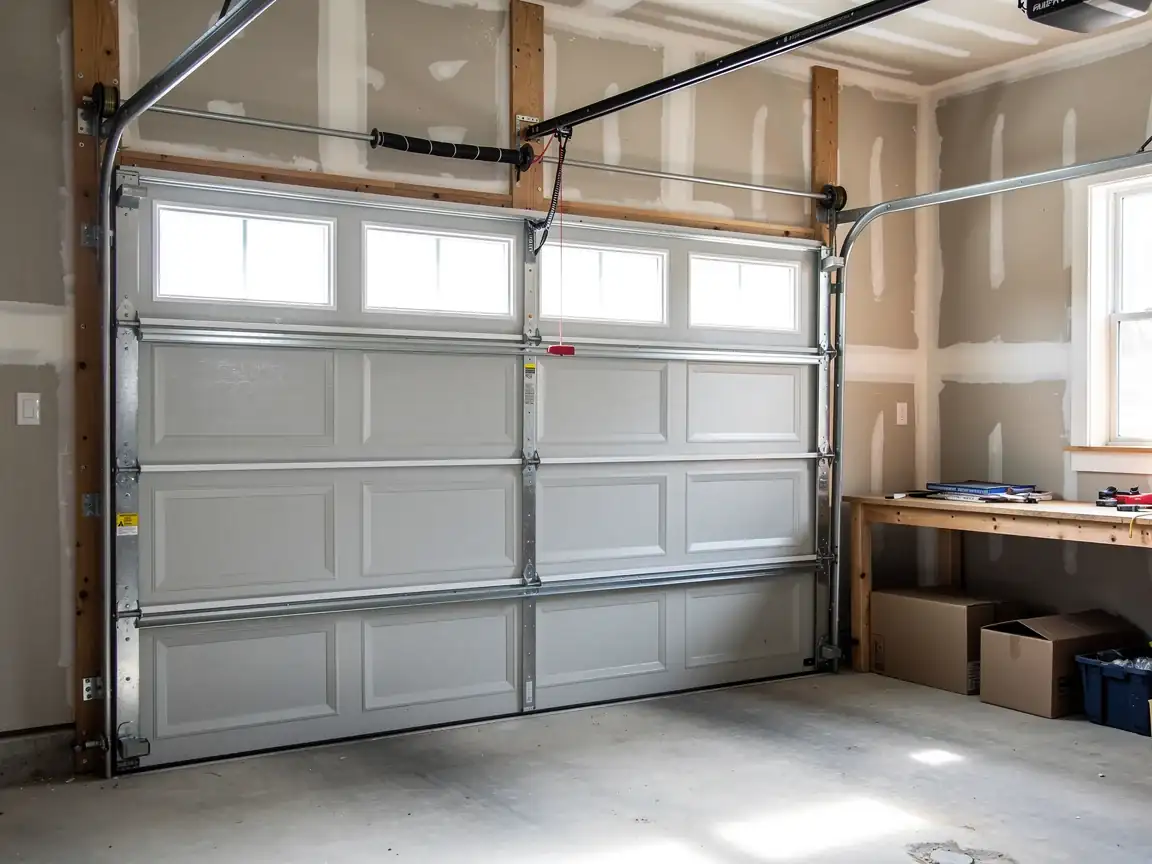
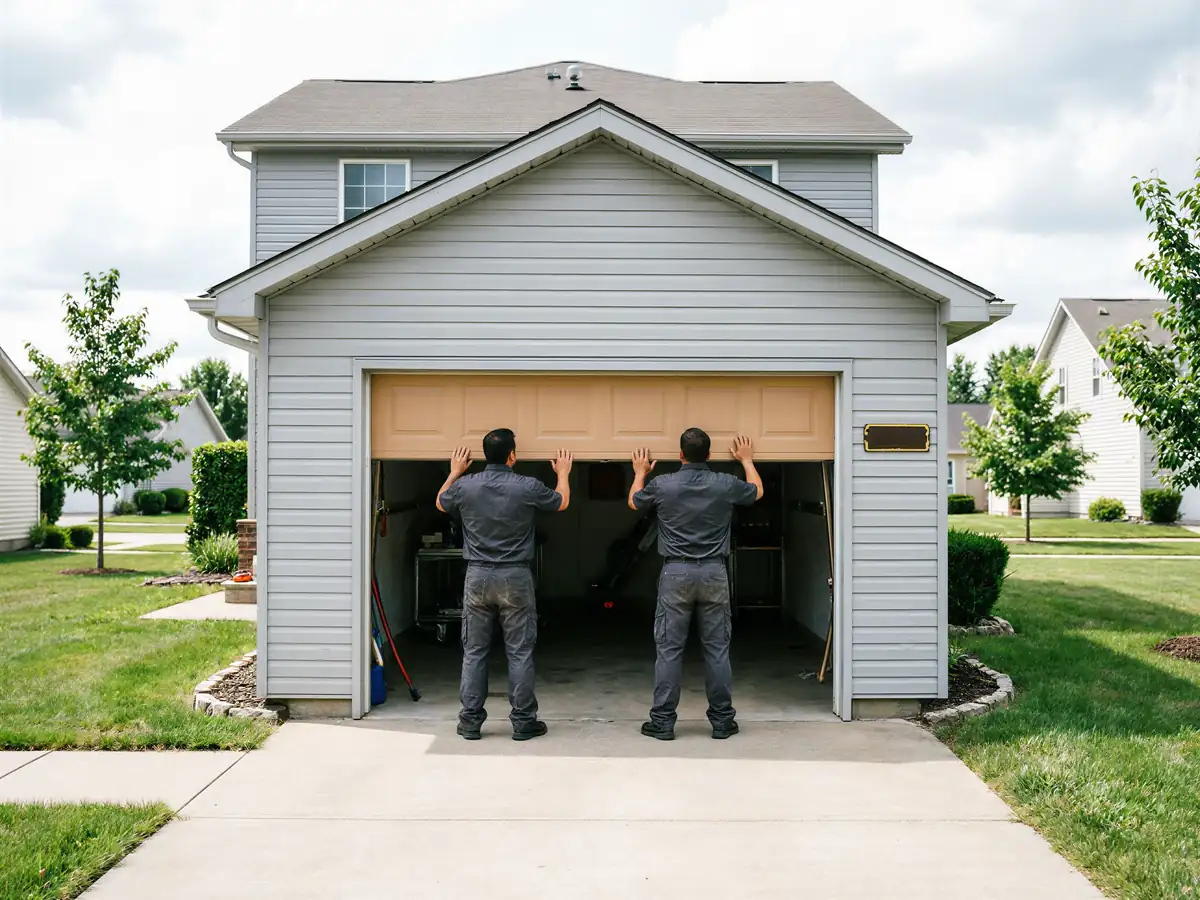
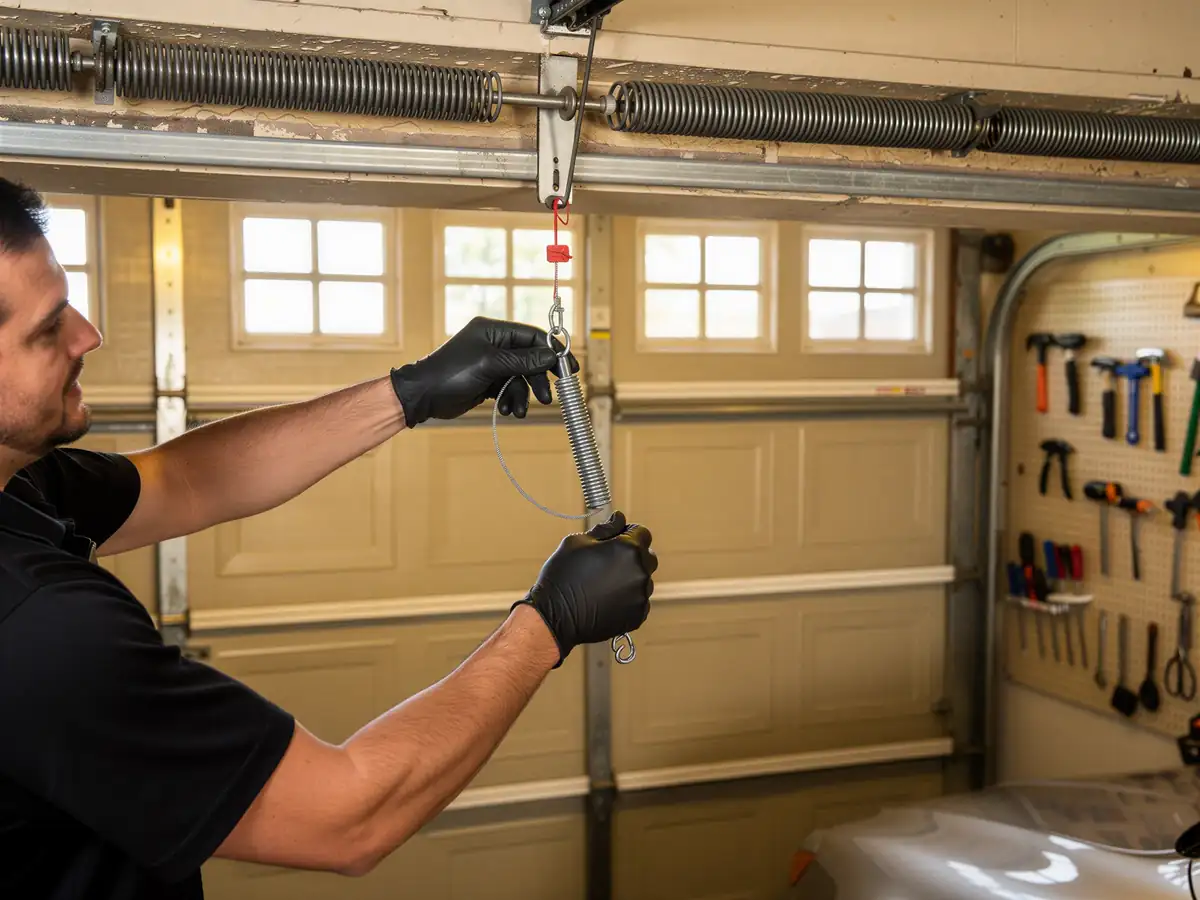
The typical house in Island Lake was built around 1989, which puts a lot of garages right in the window where builders hung a single torsion spring rated for the door weight at the time and never touched it again. That spring has a cycle count, same as a tire, and nobody has been counting. What you notice first is usually small: the door feels heavier than it used to when you lift it by hand with the opener disengaged, or the opener strains and reverses halfway up. Some owners hear a loud bang from the garage, almost like a car backfiring in the driveway - that's the spring letting go, not the opener failing. On a two-car door with a single spring, which is common in this build era, the whole door can drop crooked on one side because there's no second spring to carry the load while you wait on a repair. None of this is dramatic until the day the cable jumps the drum, and then the door is stuck wherever it stopped.
The cold matters here too. This area sits in a severe cold climate band, and steel springs lose some flex in a hard freeze, which is exactly when an already-tired spring is most likely to snap.
Why This Fails Locally
A spring installed when the house was built in the late 1980s has had roughly three and a half decades to work through its rated cycles, and most residential torsion springs aren't sized to last that long without failing or at least sagging out of adjustment. If your garage has never had the spring swapped, there's a decent chance what's holding the door up right now is the original hardware - same gauge wire, same wind, sized for a door panel that may have been replaced since without anyone re-rating the spring for the new weight.
Median household income across the wider service area runs $113,125, but here in Island Lake it's closer to $98,125, and across the area's 96,533 owner-occupied houses, spring failure is one of the more predictable repairs tied to age rather than misuse. It's not a defect - it's just a part with a lifespan, installed decades ago and left alone.
How Long It Takes
A straightforward torsion spring swap on a standard double door is usually a single visit once we're on-site - the work itself is an hour or so for most jobs. What can stretch things is parts: if your door is older or a less common size, matching the exact spring and drum setup sometimes means we order the part rather than carry it on every truck, especially for two-spring systems where both have aged unevenly and we want to replace them as a pair rather than leave a mismatched set. We'll tell you up front if that's the case rather than start a job we can't finish the same day.
How We Fix It
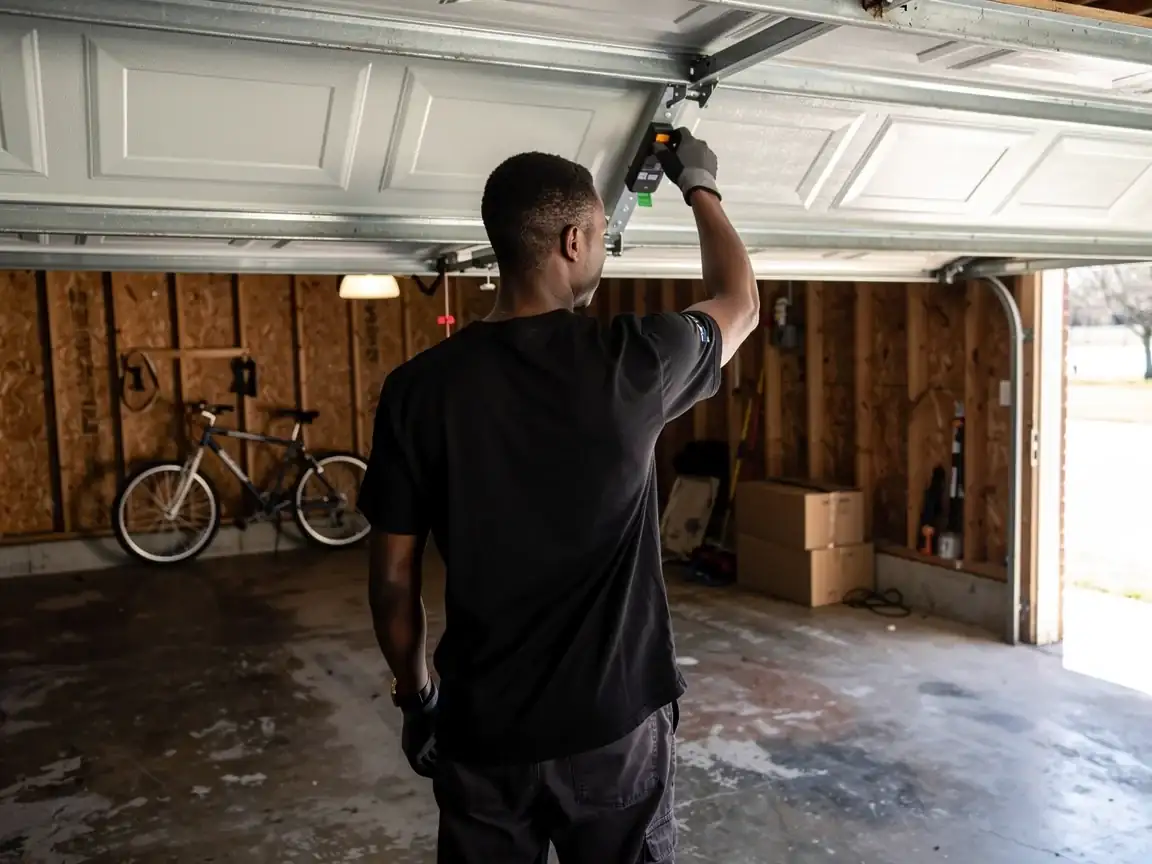
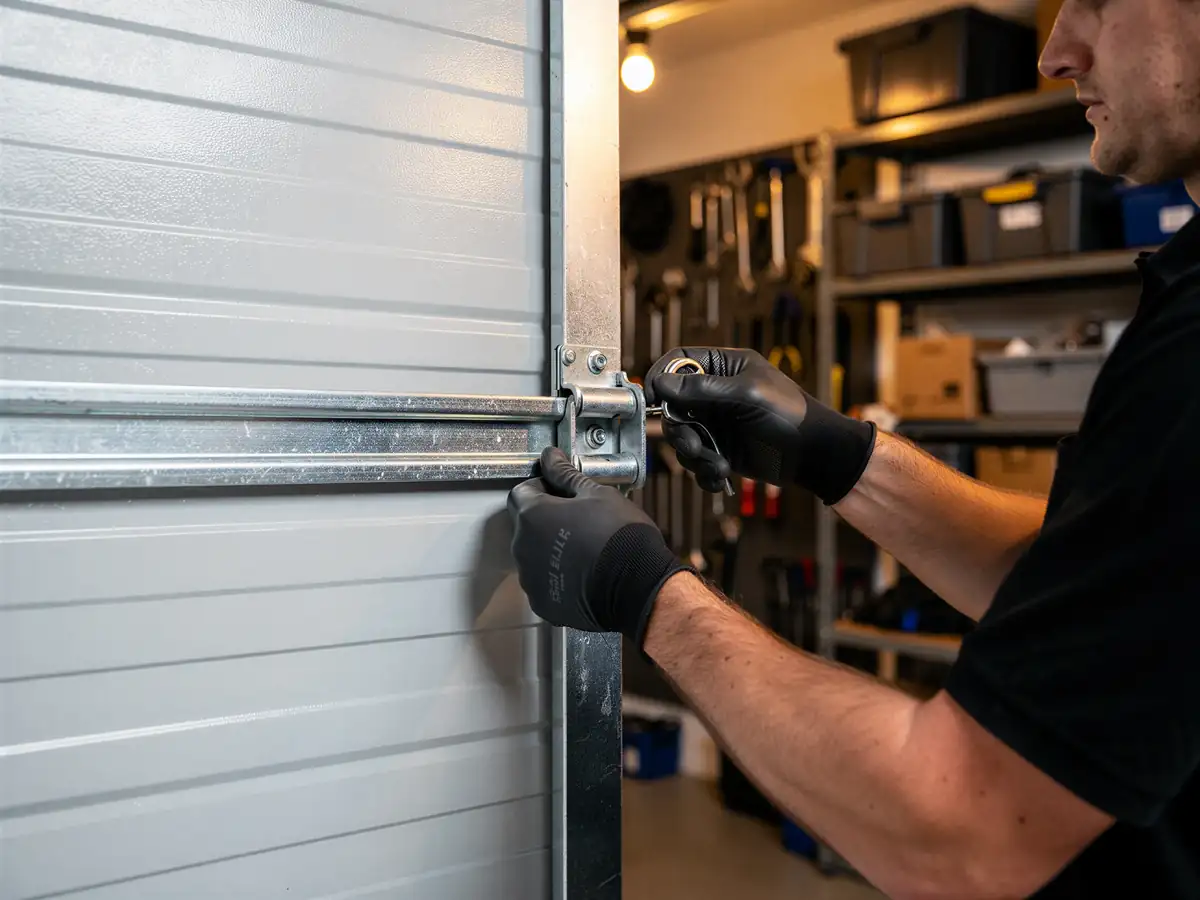
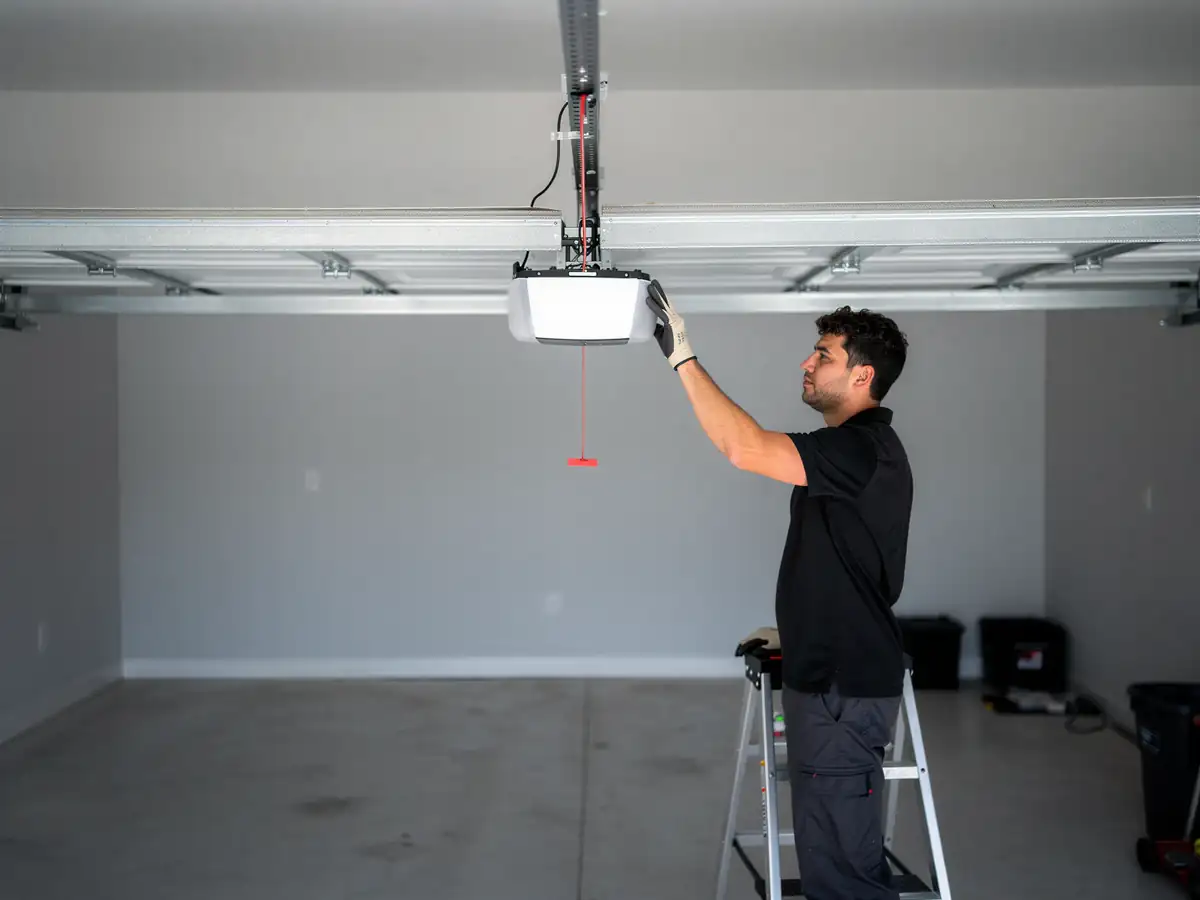
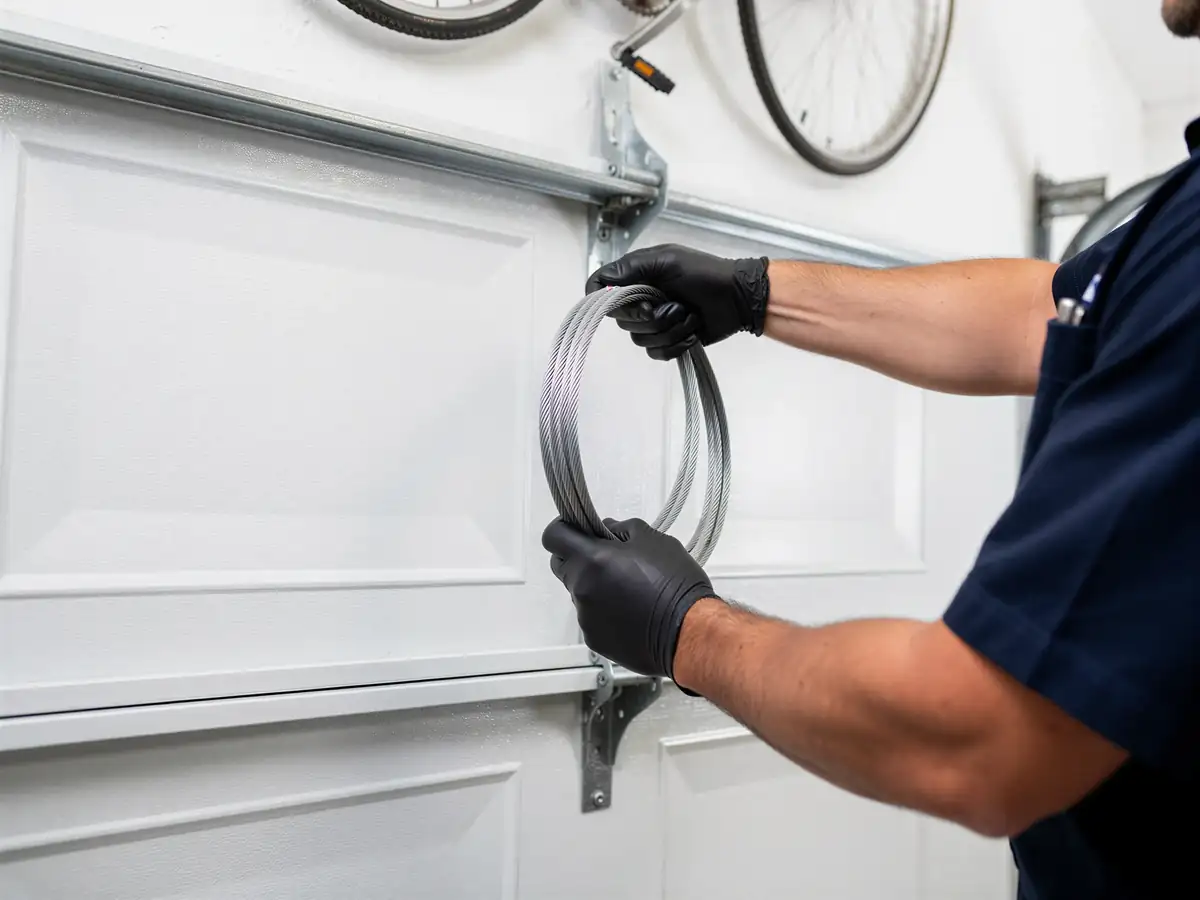
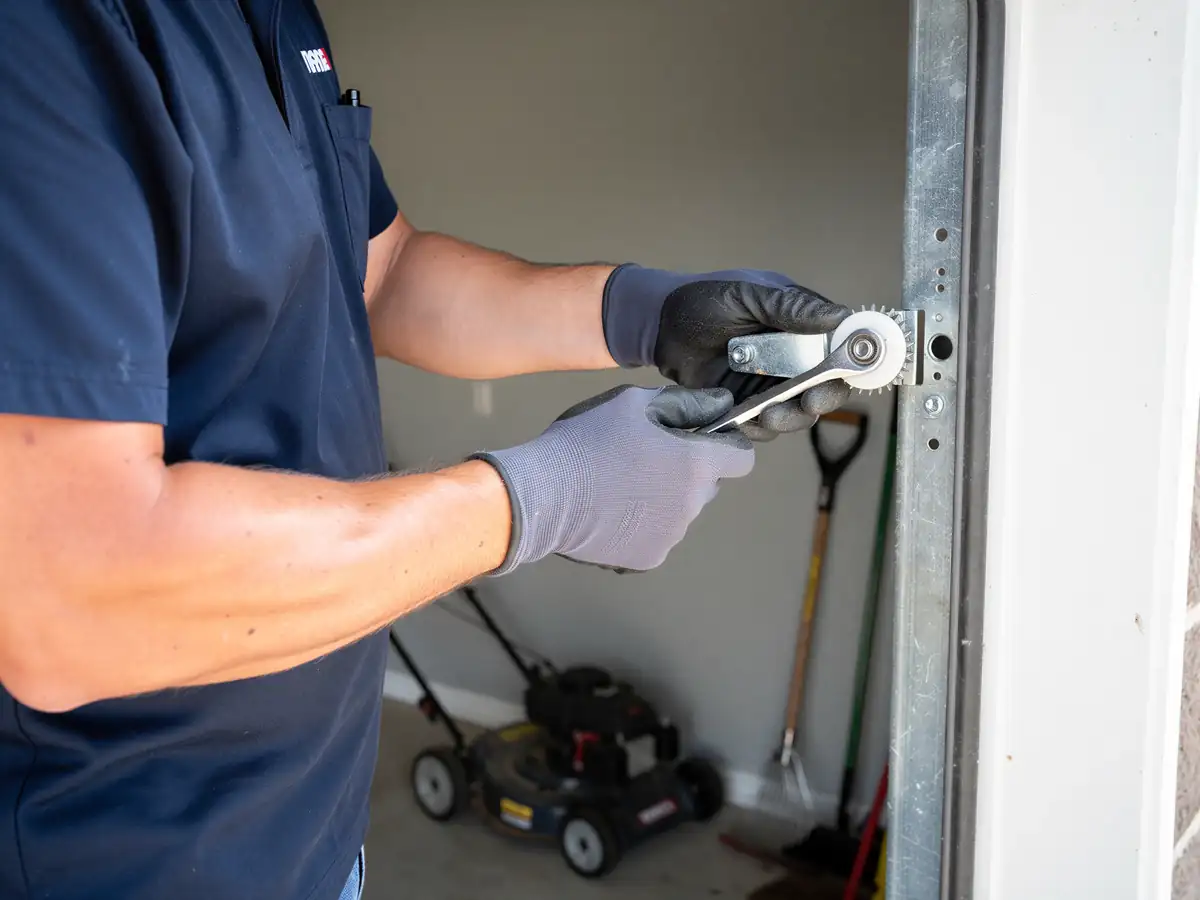
We measure the door's weight and the drum size rather than assume the old spring was sized right to begin with - plenty of originals from the 1980s and 90s were matched to a lighter panel than what's hanging there now if a door's been replaced over the years. We replace the spring with one rated to the current door weight, check the cables and drums for wear while we're in there since they carry the same decades of cycles, and test the balance by hand before we leave. One honest limit: if the opener itself is also original to the house and struggling, we'll say so, but we don't push an opener replacement just because we're already on the ladder - that's a separate call for you to make. For the broader spring-repair process and what it typically runs, see our McHenry spring repair page.