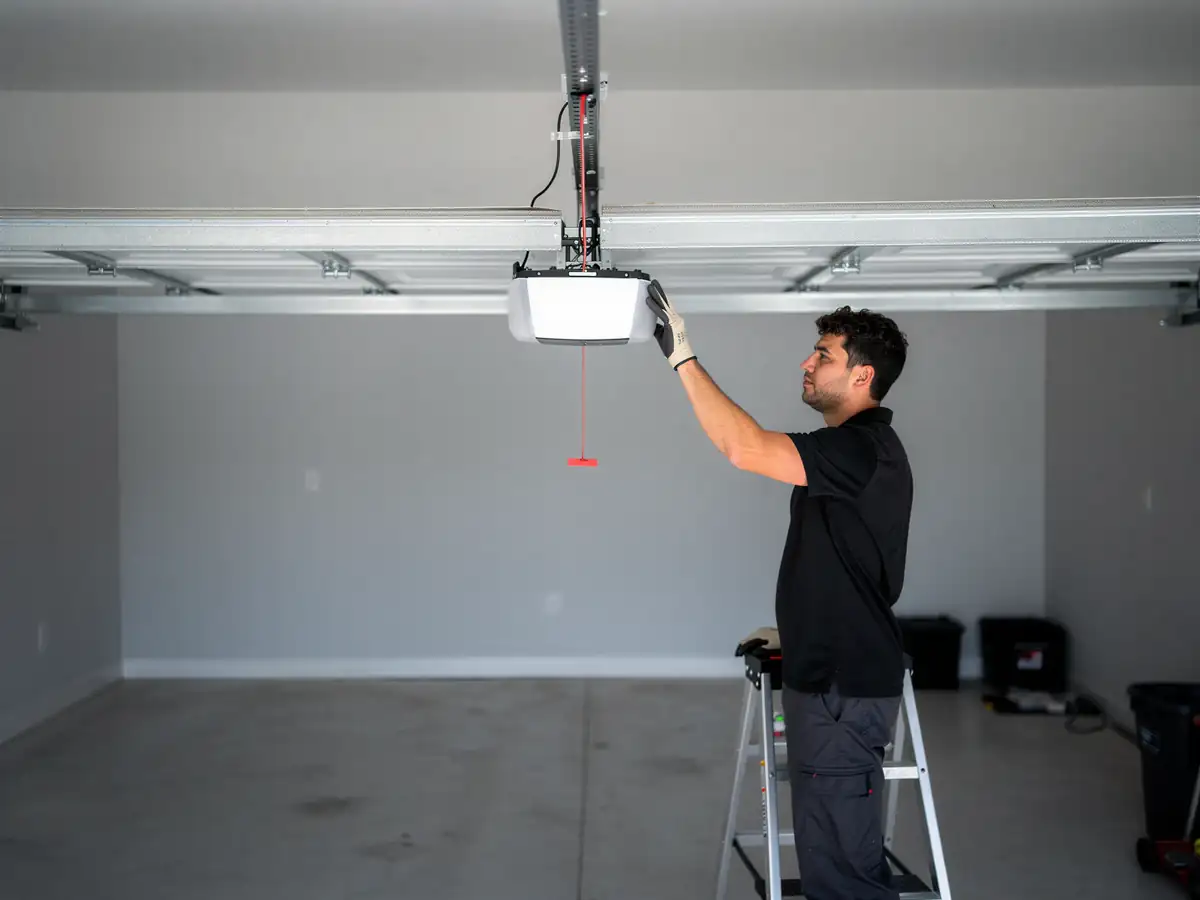
Parts We Carry
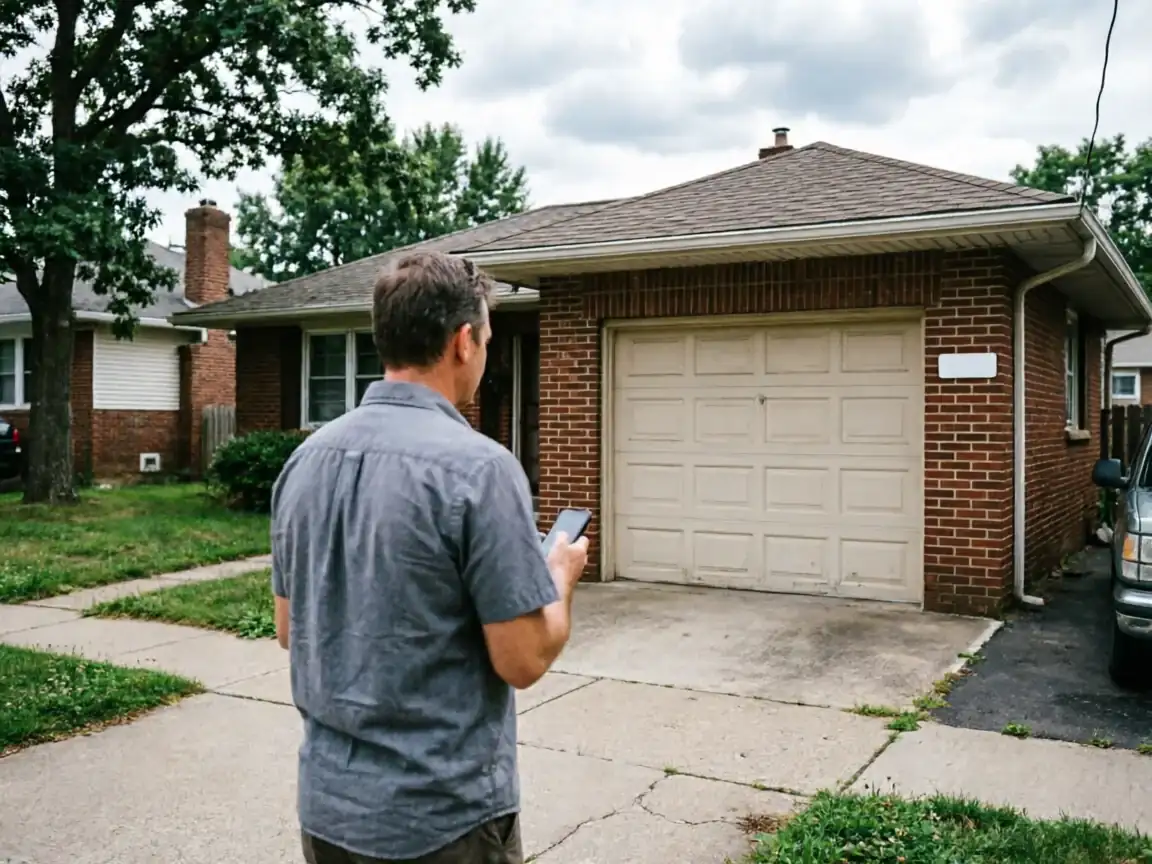
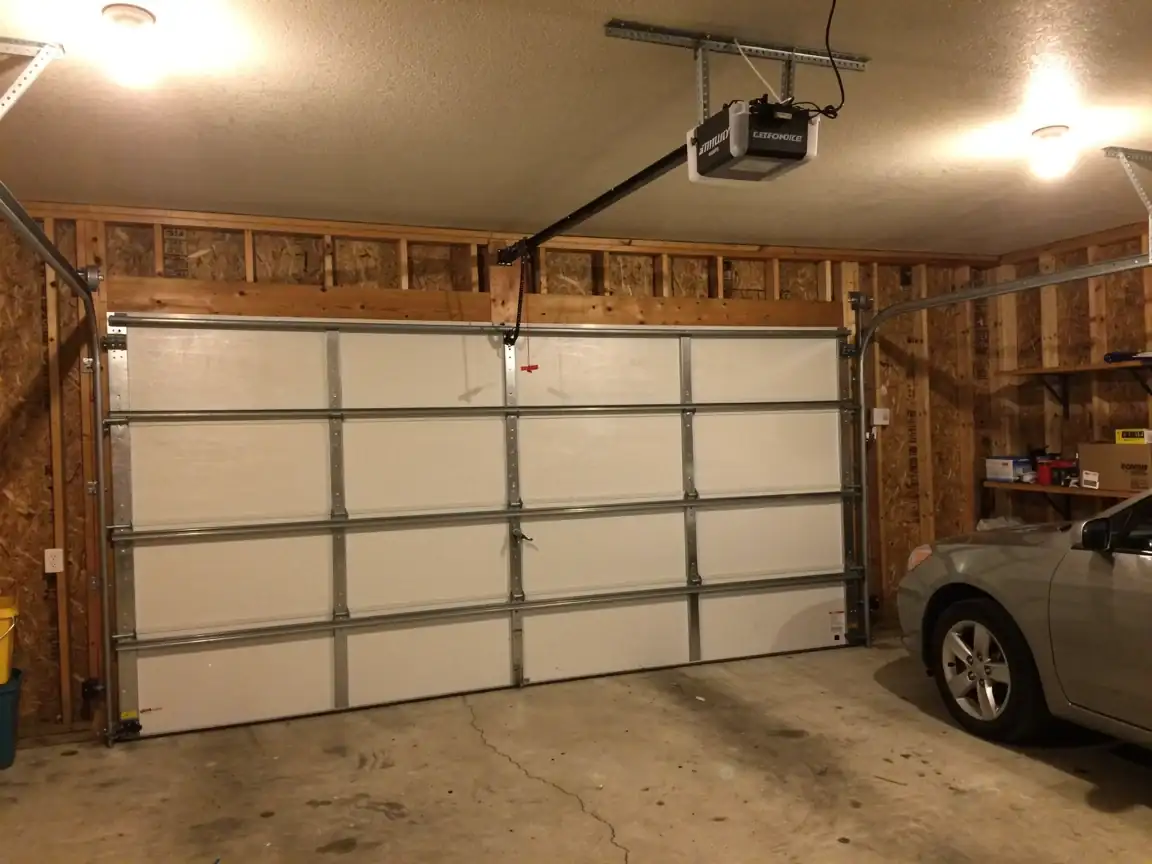
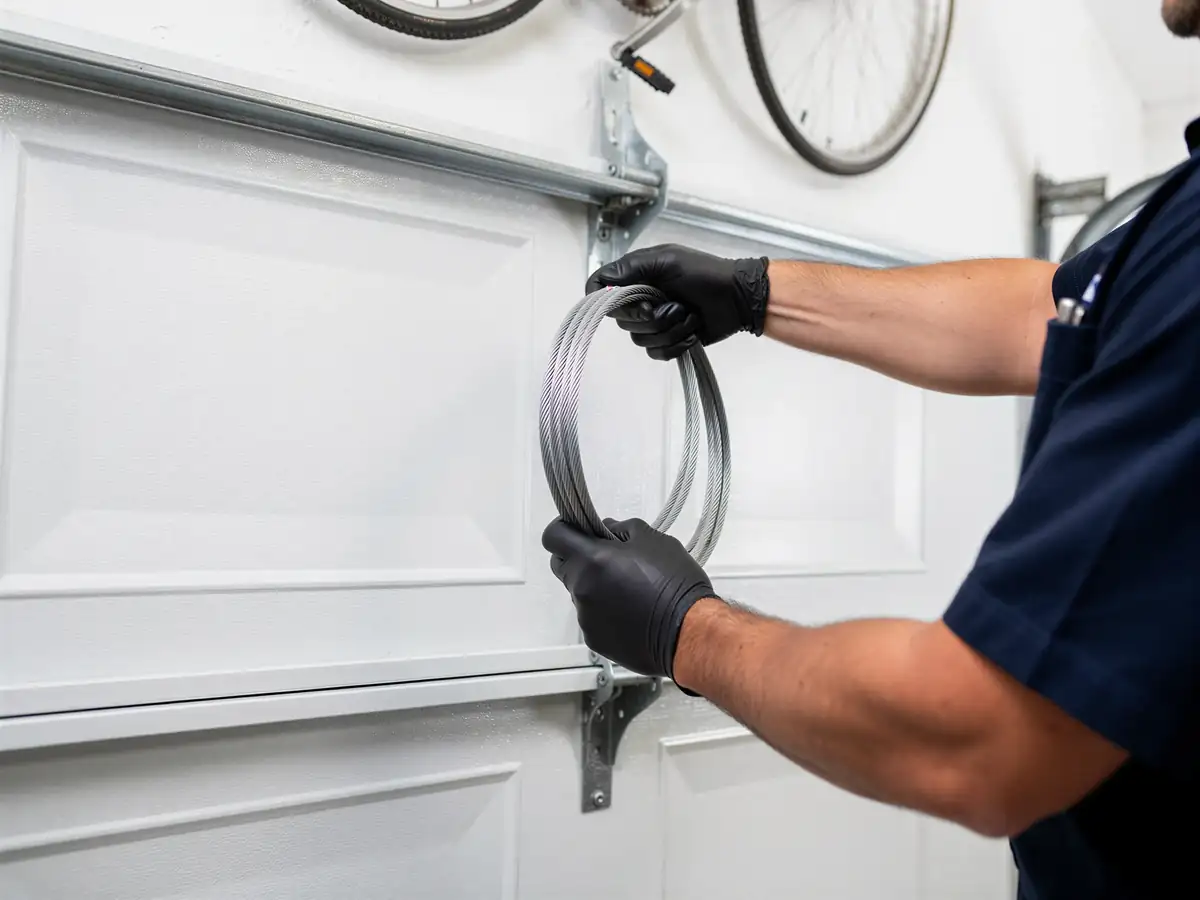
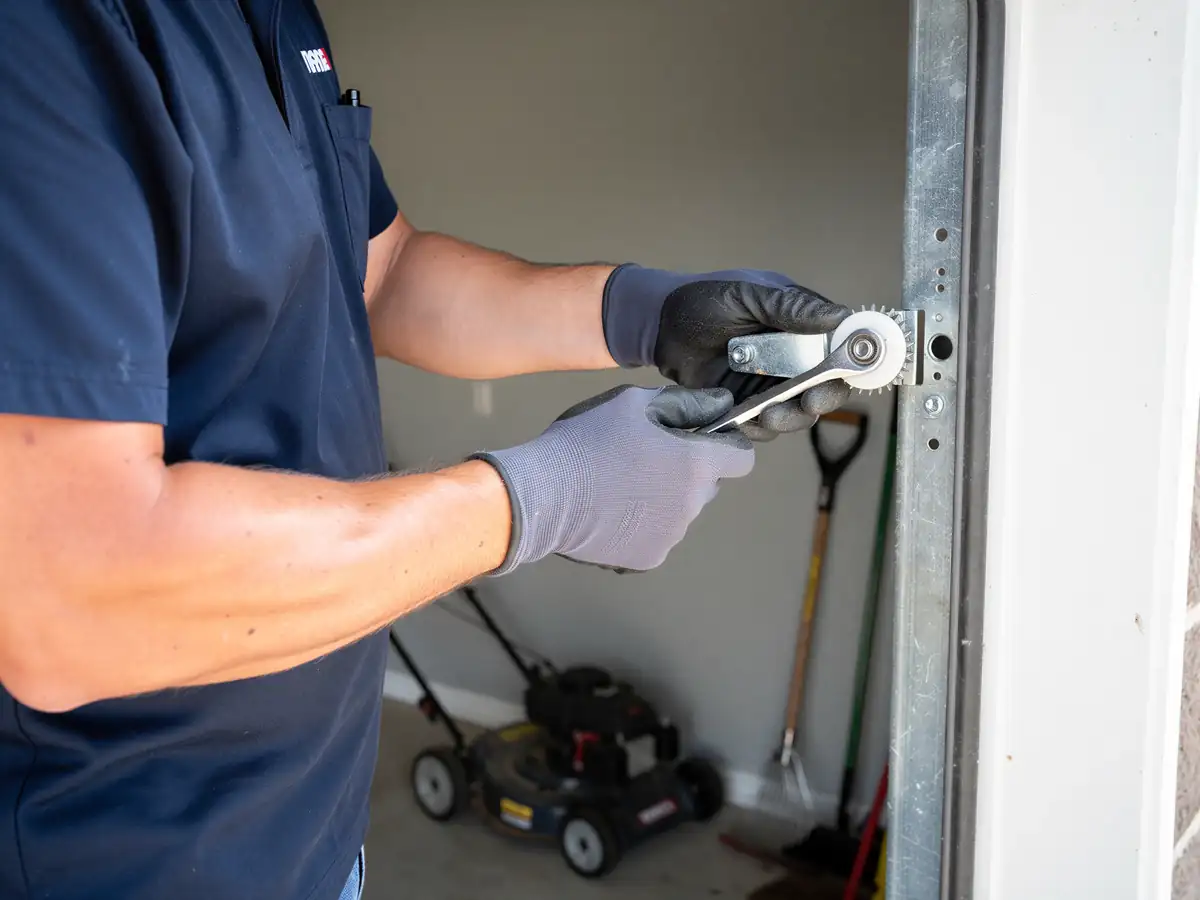
Fox Lake's housing stock runs older than a lot of the towns around it, with a median build year of 1977. That puts a good share of these openers in the chain-drive era, before screw-drive and belt units became common upgrades. We carry drive gears and sprockets for the chain-drive units that are still original or close to it, plus logic boards and capacitors for the motors that replaced them in the 80s and 90s. We also stock photo-eye sensor kits, which matter a lot here - homes built before 1993 didn't come with safety sensors as standard, so a fair number of Fox Lake garages still have openers running on retrofitted or aging sensor pairs that were added later and are now the first thing to fail. Remote receivers and wall control boards round out what's on the truck for this area. What we don't carry is obsolete proprietary logic boards for a handful of discontinued opener brands from that era - if your unit falls into that category, replacement is usually the faster and cheaper path over tracking down a part that may not exist anymore.
How We Fix It
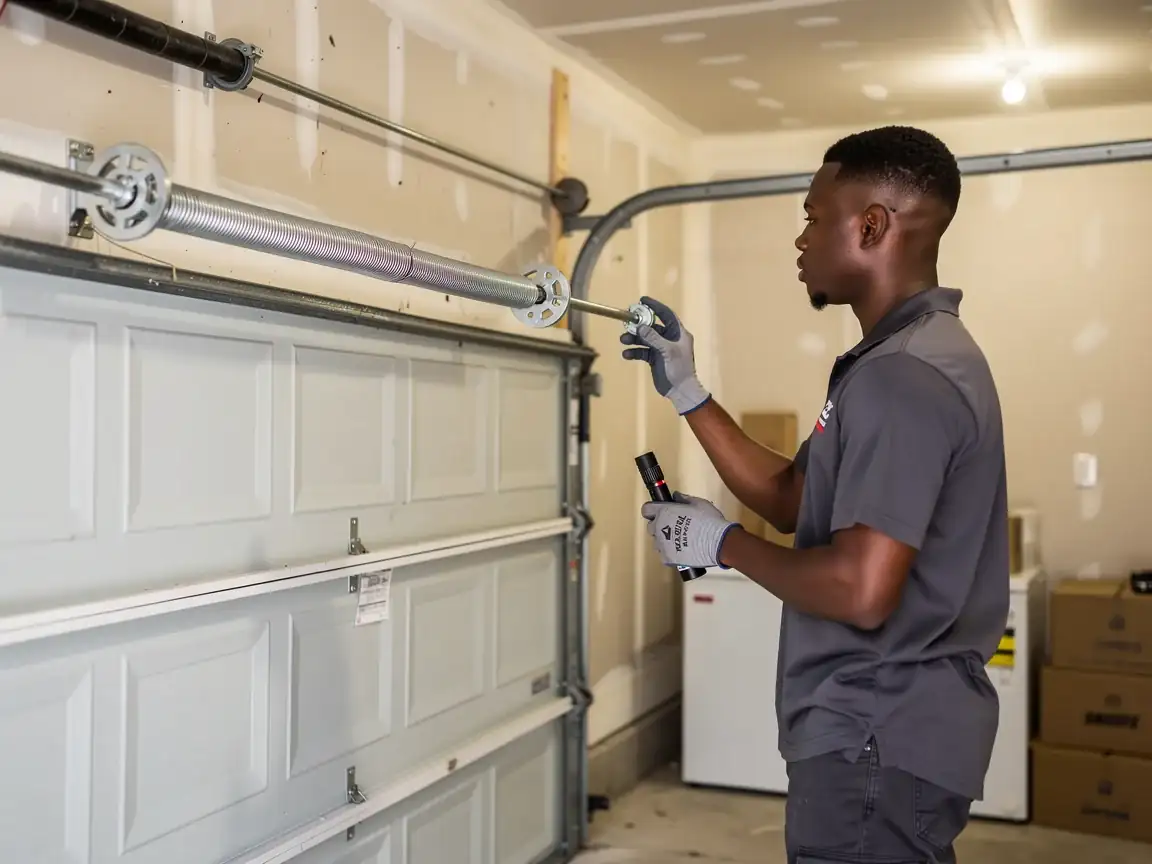
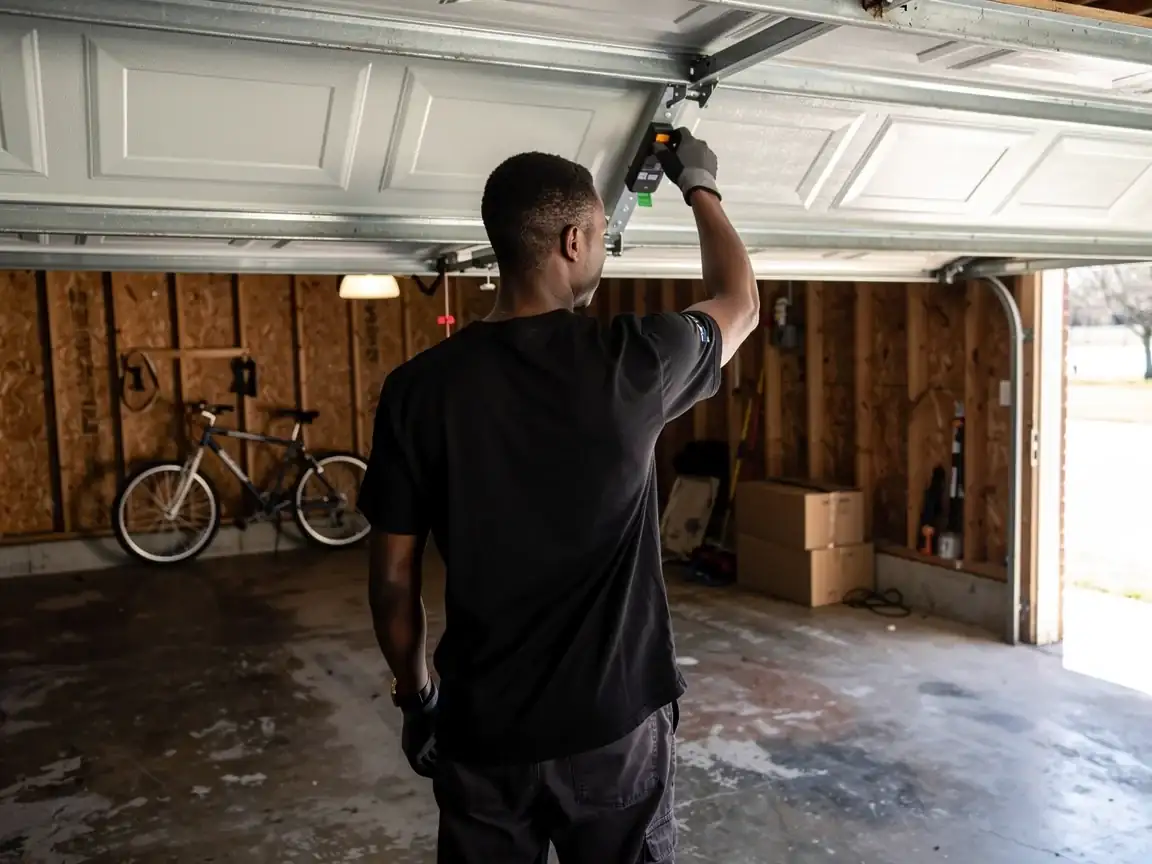
First thing we check on a 1970s or 80s build is whether the safety sensors were ever properly retrofitted and aligned, since that's the most common reason an opener reverses, refuses to close, or blinks a fault light on homes of this age. After that we test the drive mechanism - chain tension, sprocket wear, and whether the motor is pulling more current than it should, which shows up often in garages that get cold-soaked through a full Illinois winter. The region sits in a severe cold climate band, and openers in unheated or marginally insulated garages take a real beating on lubrication and gear wear over a 40-plus year service life. We diagnose on site, replace what's failed, and test full-cycle operation including the sensor beam and force settings before we leave. If the logic board itself is shot on an older unit, we'll tell you straight whether a board swap makes sense or whether the opener's age means a full replacement is the better call.
Why This Fails Locally
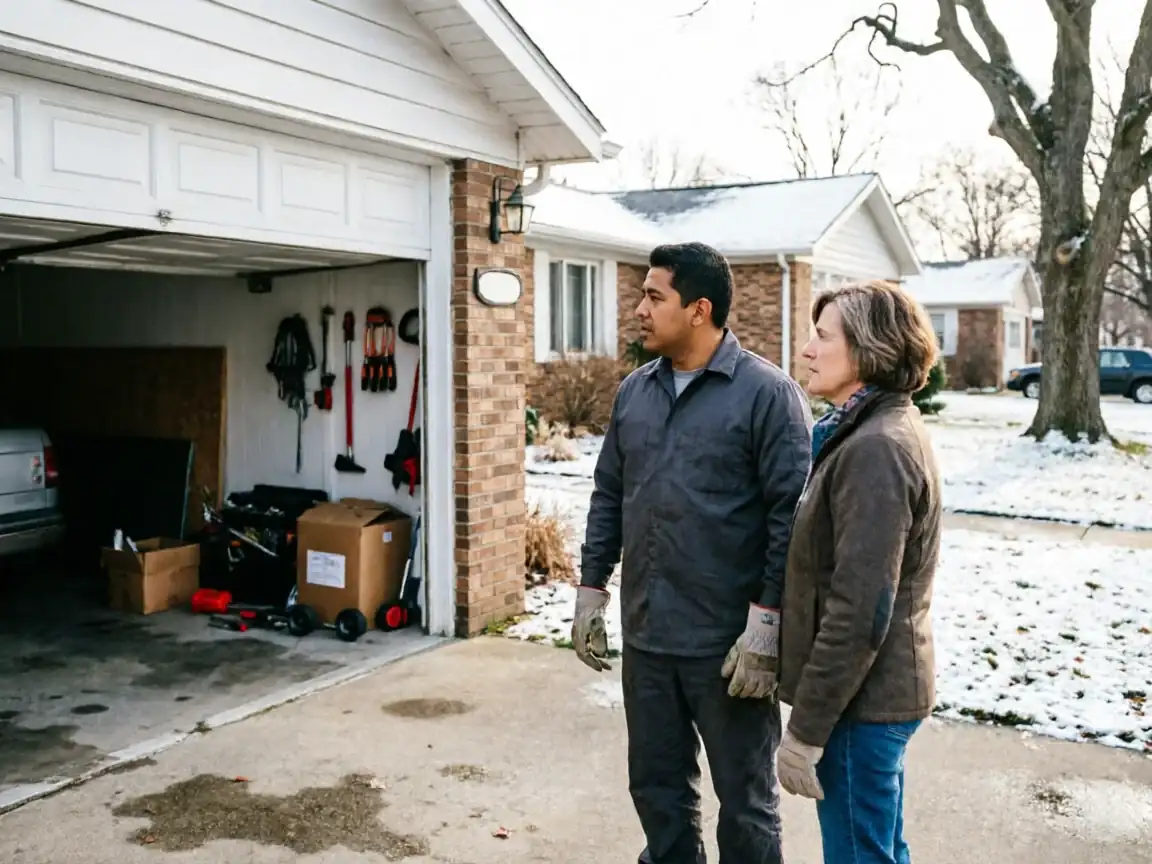
With a median household income of $69,896 in Fox Lake, we see more owners asking for a repair-first approach rather than jumping straight to full opener replacement, and on units from the 80s and 90s that's often the right call - the motors were built heavier than a lot of what's sold today. The failure pattern here tracks the build year: original or first-generation replacement openers hitting 30, 40, even 45 years of service, with sensors that were bolted on after the fact rather than engineered in from the start. Add a severe cold climate and an unheated garage, and grease hardens, gears bind, and capacitors give out faster than they would in a conditioned space. It's a different failure profile than what you'd find in a subdivision built in the 2000s, where the opener is newer but the garage itself might be tighter and better sealed against the cold.
What You Pay
We don't publish a flat price for opener repair because the job varies - a sensor alignment and a logic board swap aren't in the same ballpark, and we're not going to make up a number to fill space here. What we can tell you is that Fox Lake's older opener stock means the job is more often a targeted part replacement than a full unit swap, which tends to keep the bill down compared to a full opener install. We'll give you the actual number after we've looked at the unit in person, before any work starts. If your opener is old enough and worn enough that repair costs start approaching replacement, we'll say so plainly instead of nickel-and-diming a dying motor.