Parts We Carry
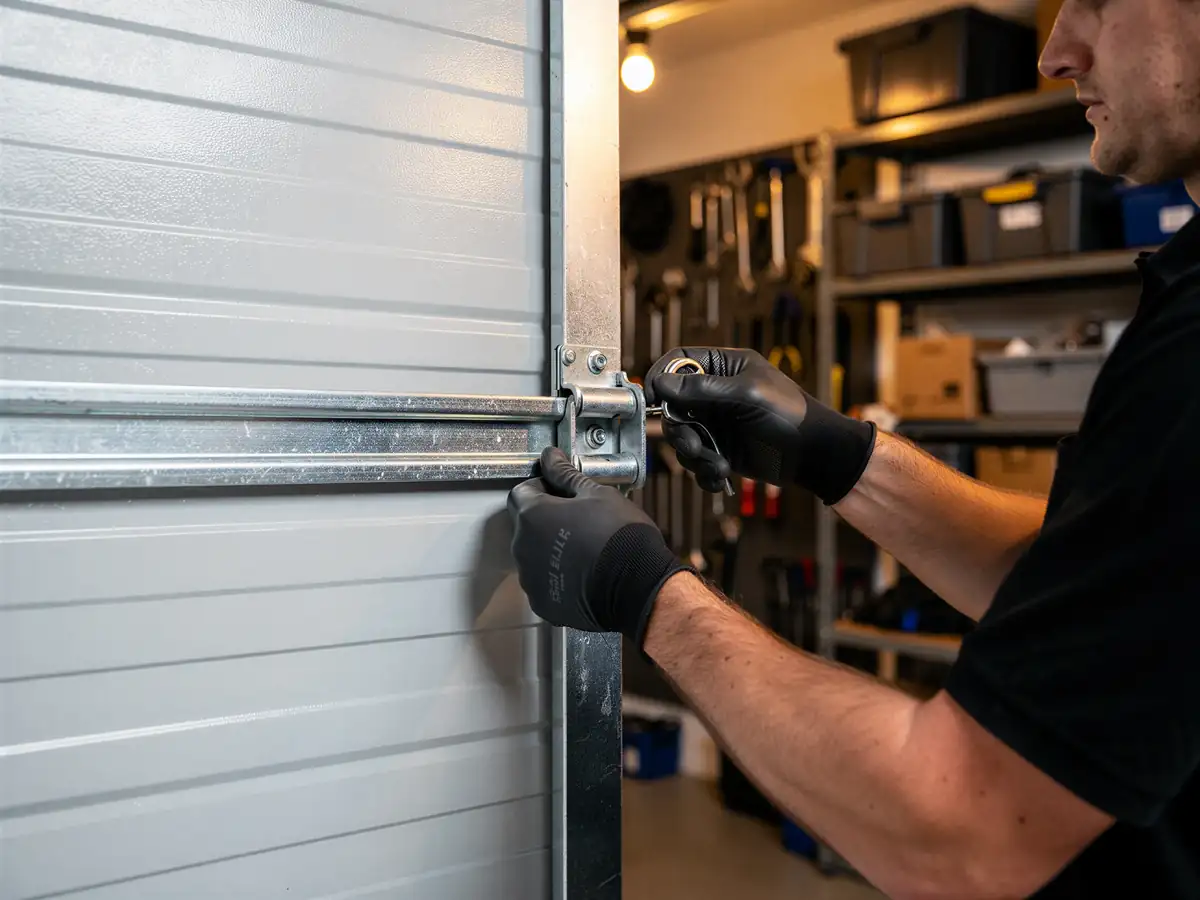
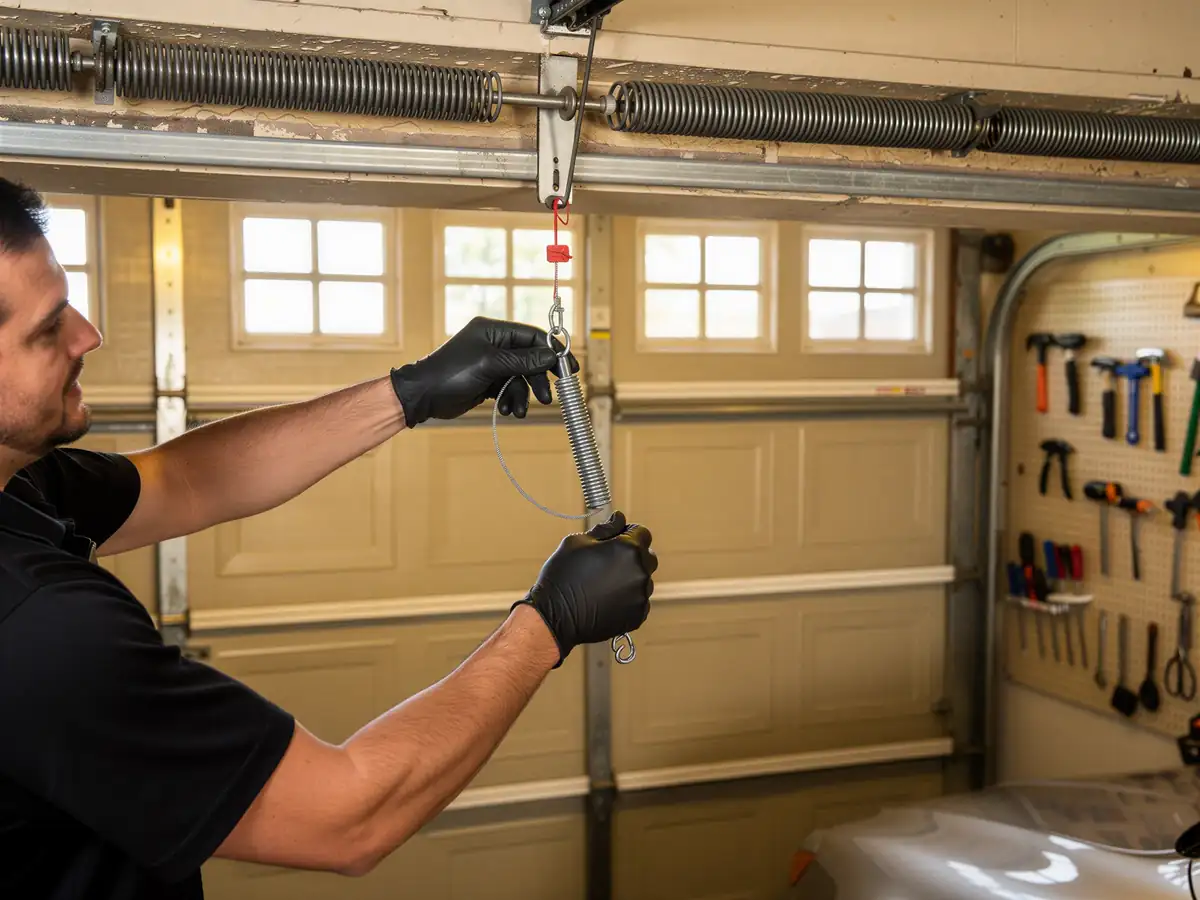
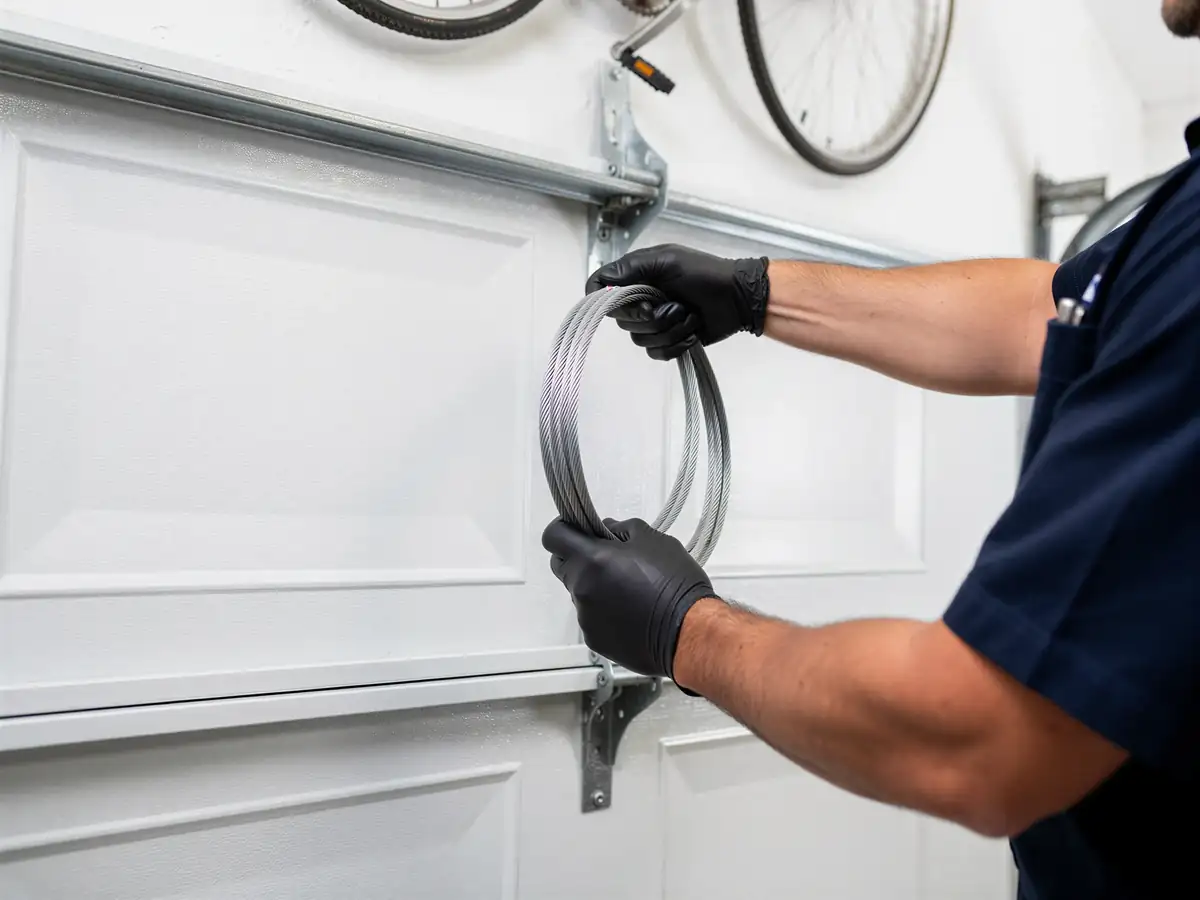
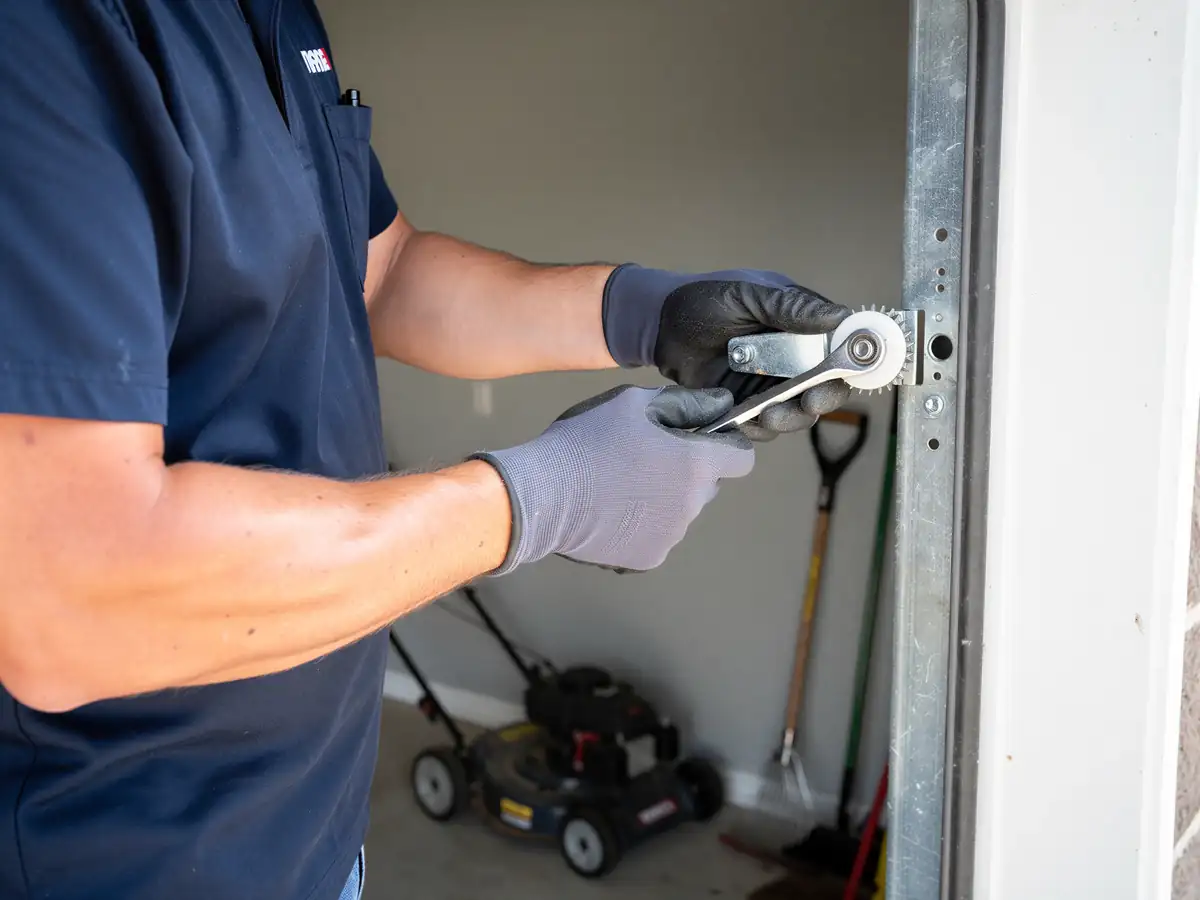
Most of the off-track calls we take out to Fox Lake trace back to hardware that's older than what we see closer to McHenry. The area's housing centers on 1977, a full decade ahead of the 1987 median that covers the rest of the territory, so original rollers, hinges, and track brackets are more likely to still be doing the job they were installed to do decades ago. We carry standard nylon and steel rollers, lift cables, end bearing plates, and both 2-inch and 3-inch track sections on the truck for most calls.
What we don't always have on hand is the narrower-gauge track some of these older doors were built around, or the matching brackets for low-headroom setups that were common in that era. When a job needs one of those, we order it rather than force a mismatched part onto the door, which usually means a short wait before the final fix instead of a rushed one that fails again in six months.
How We Fix It
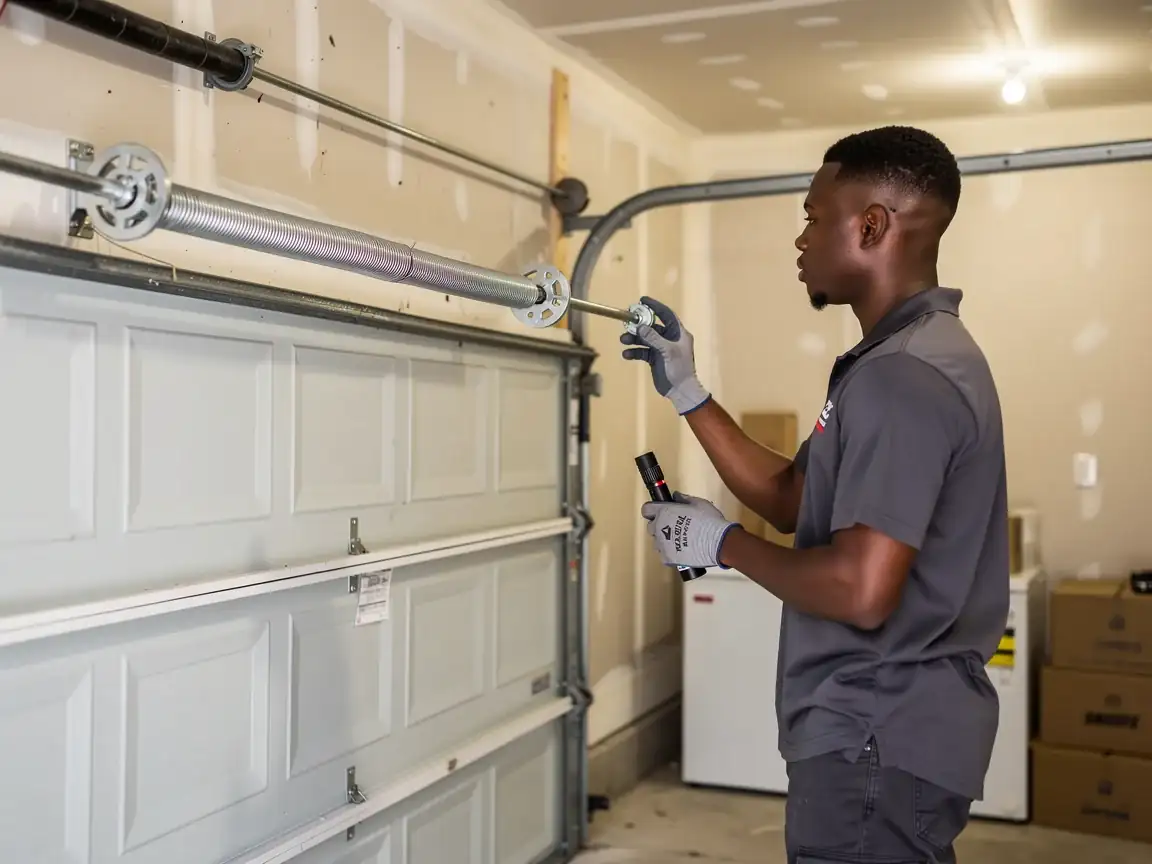
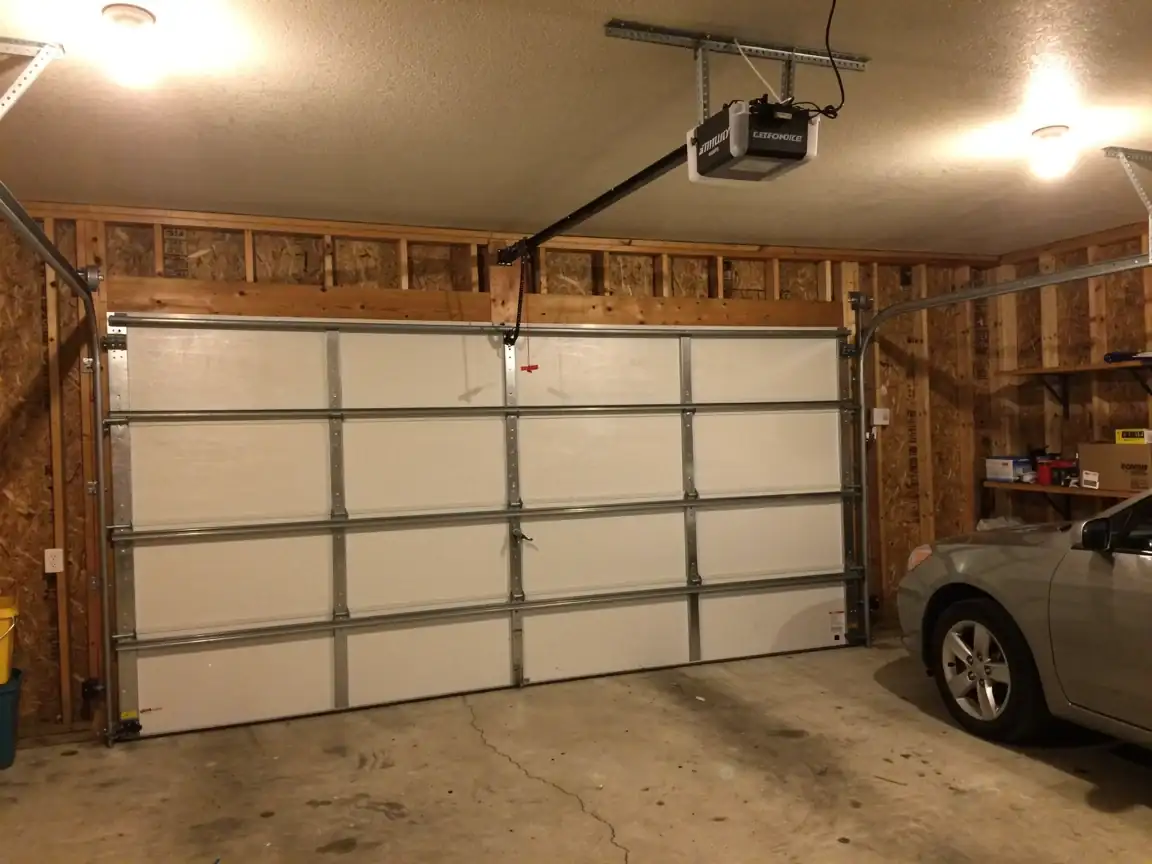
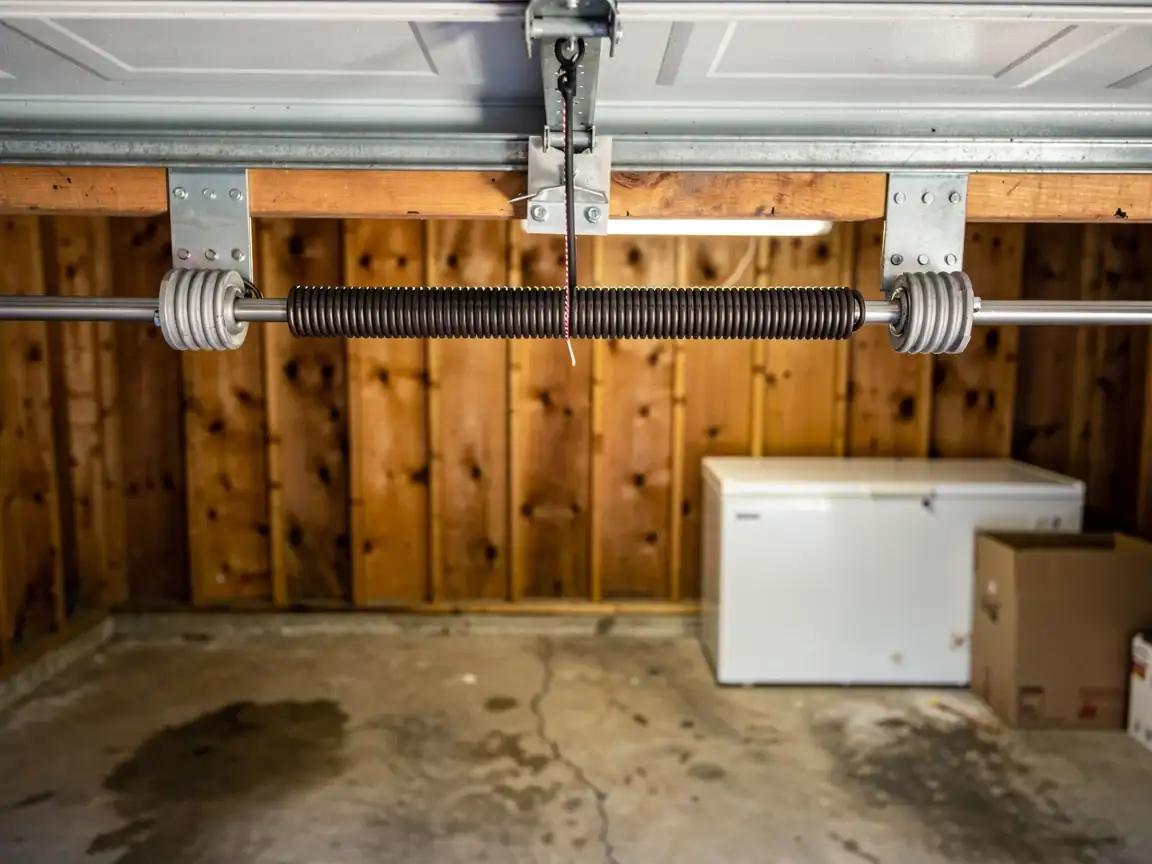
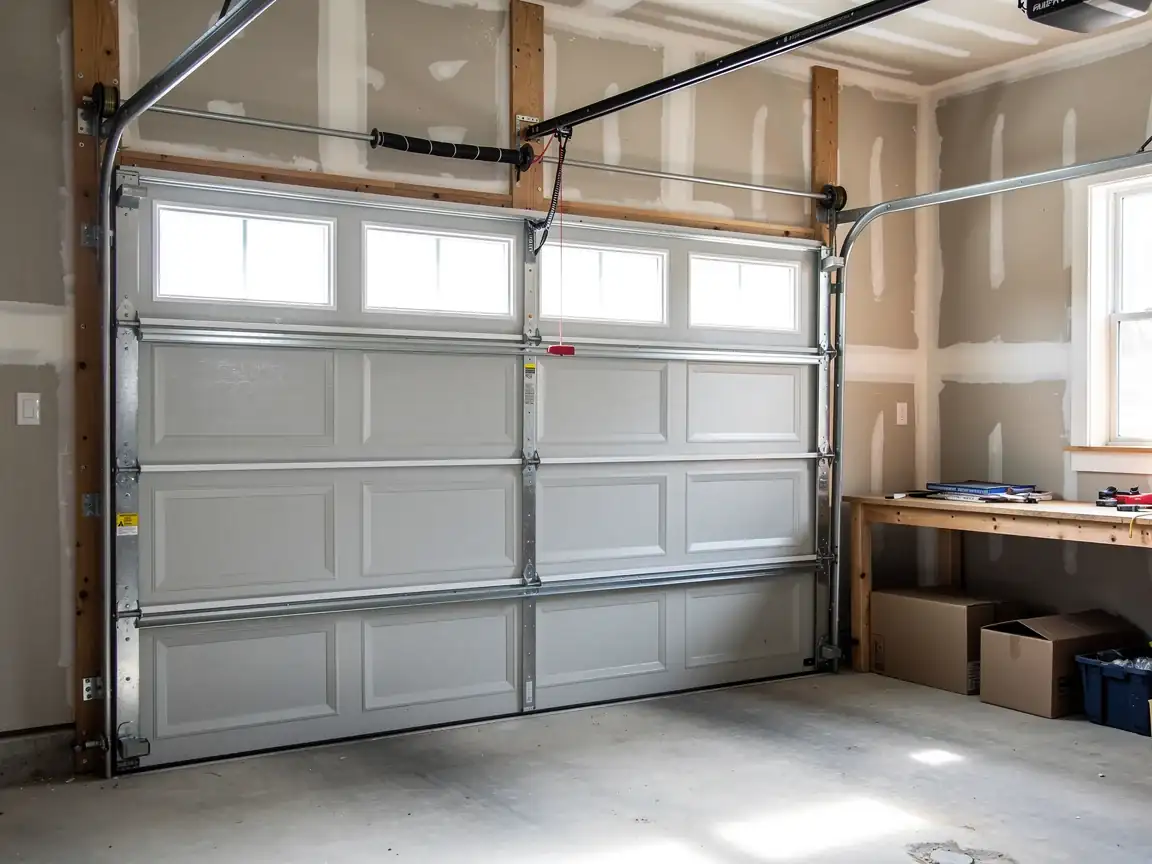
First we find out whether the door is actually off-track or just acting like it - a snapped cable or a popped roller can look the same as a bent track from across the garage. We check the cable drums, inspect every roller and hinge along both sides, and look at where the track bolts into the framing, since that's where older installations tend to loosen first.
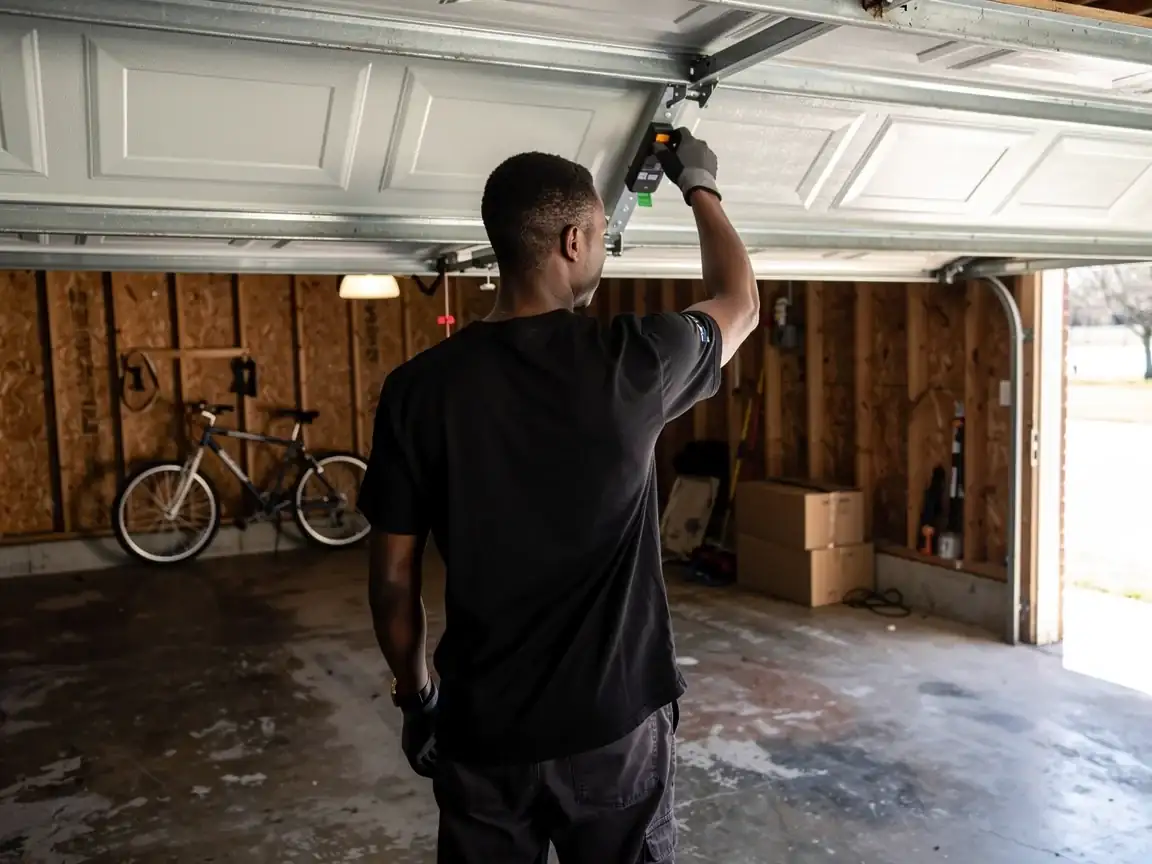
If the track itself has pulled away from the jamb or bent at a bracket, we don't just muscle the door back into the channel. We re-square the track to the framing, replace any roller or hinge that's worn past safe use, and run the door through a full open-close cycle under load before we call it done. A door that looks straight but hasn't been tested under its own spring tension isn't fixed, it's postponed.
Why This Fails Locally
The service area's climate is rated severe cold, and that matters more for a door built in 1977 than one built in 1995. Ground movement from freeze-thaw cycles works on whatever is holding the track to the framing, and on a door that old, that hardware has had forty-plus winters to loosen instead of ten or fifteen. Combine that with original brackets that were never upgraded, and the track separates from the jamb instead of just needing a roller swap.
It's also worth saying plainly: age is doing more work here than distance. Fox Lake sits at the same 8-mile mark as several other towns we cover, but its 1977 median build year is what actually explains why the off-track calls out here skew toward bent or detached track rather than a single failed part. A newer door with the same complaint usually has a simpler, cheaper fix.
What You Pay
We're not going to post a number here that isn't backed by a quote, because an off-track repair in a house built in 1977 can run very differently depending on whether it's a bent track section, a loose bracket, or a track that's also taken a bearing plate with it. What we can say is that Fox Lake's median household income, at $69,896, runs well under the $113,125 median for the rest of the service area, and that's part of why we'll tell you plainly when a repair makes more sense than a full door swap rather than defaulting to the bigger job. If the track is salvageable, we say so. If the door itself is also failing - cracked panels, a spring at the end of its life - we'll tell you that too, instead of patching around it.