Parts We Carry
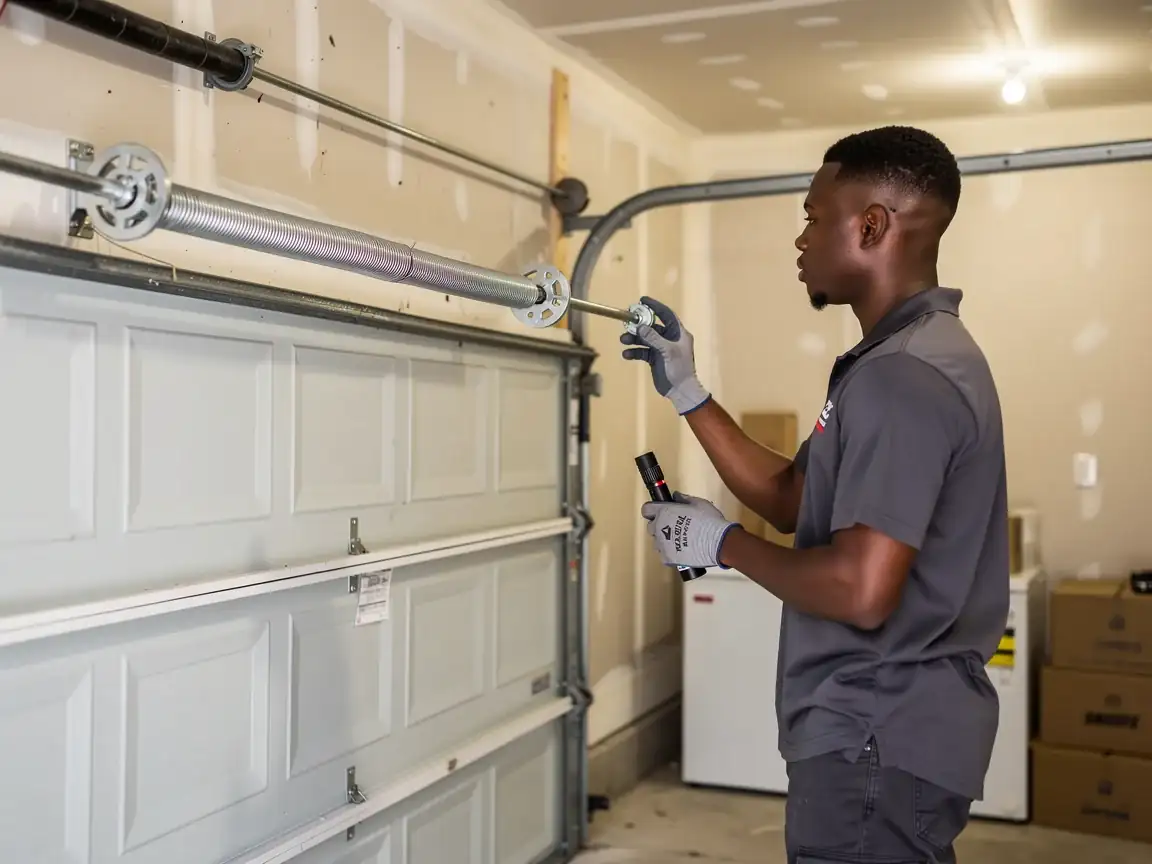
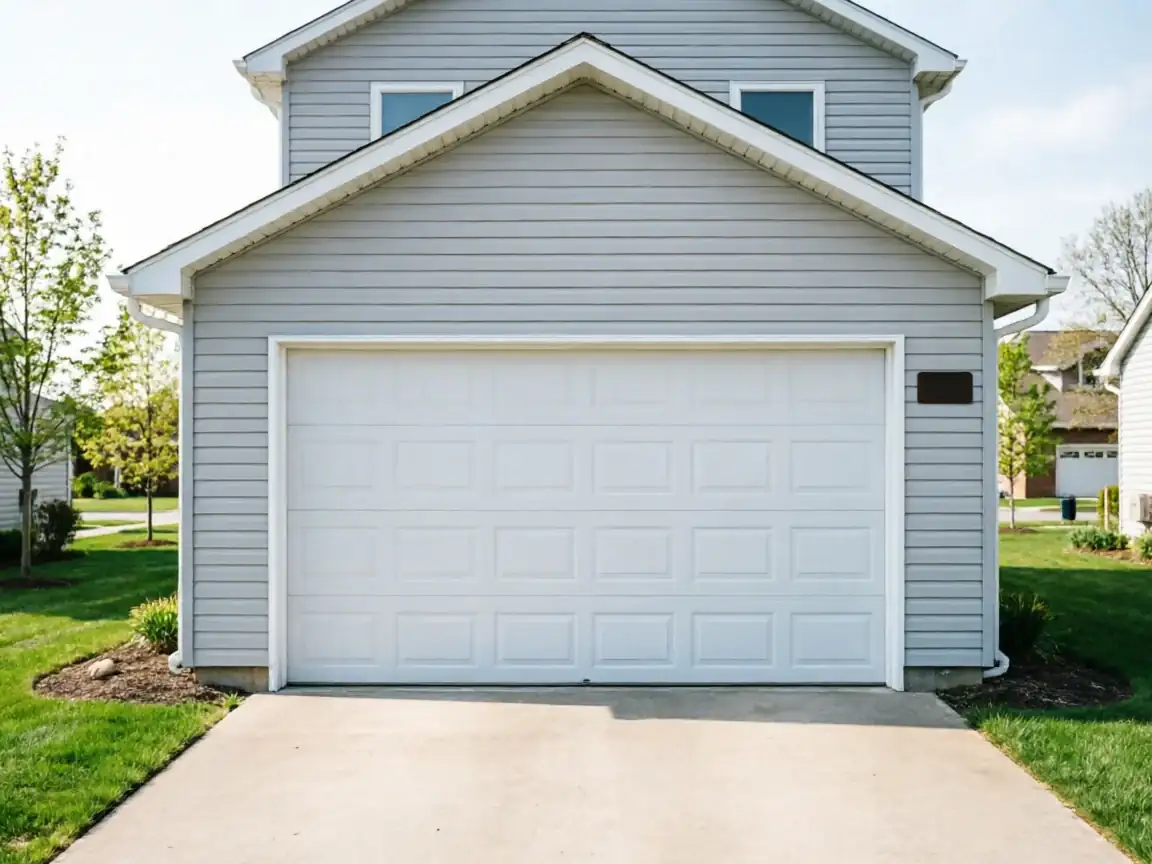
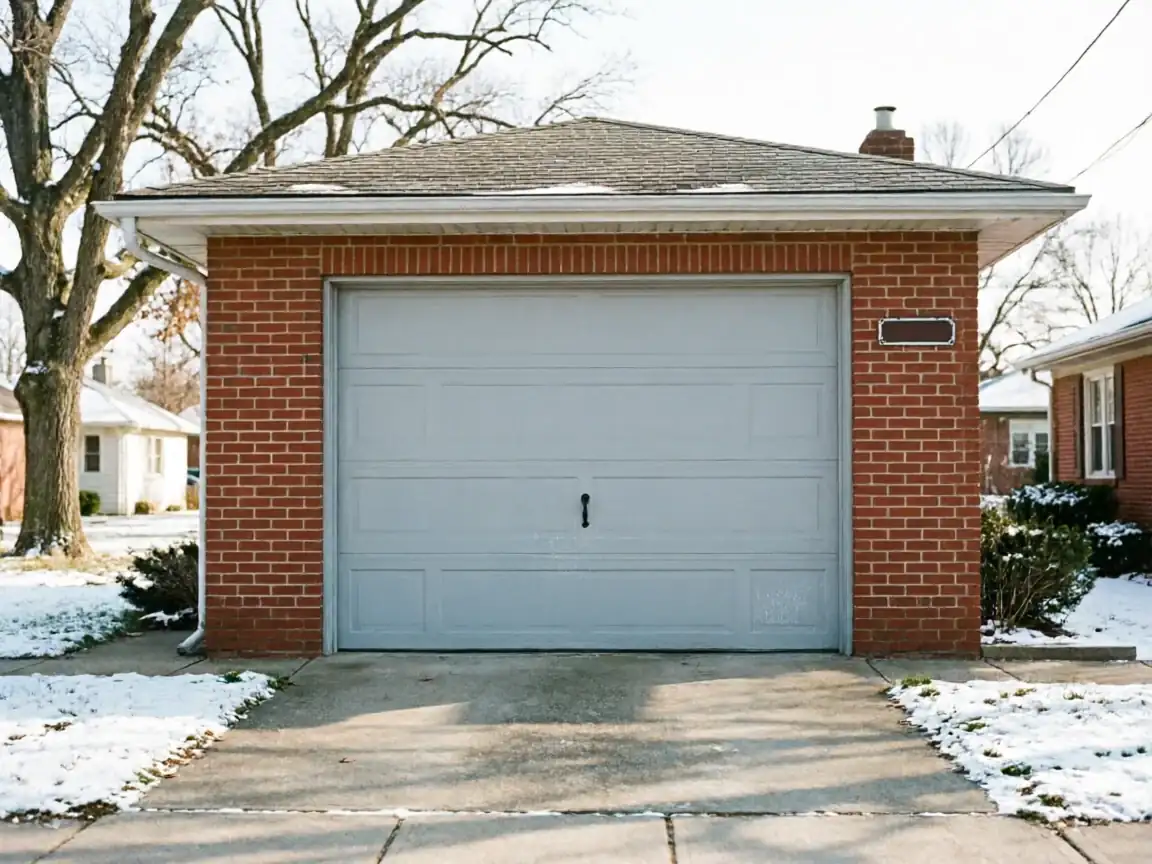
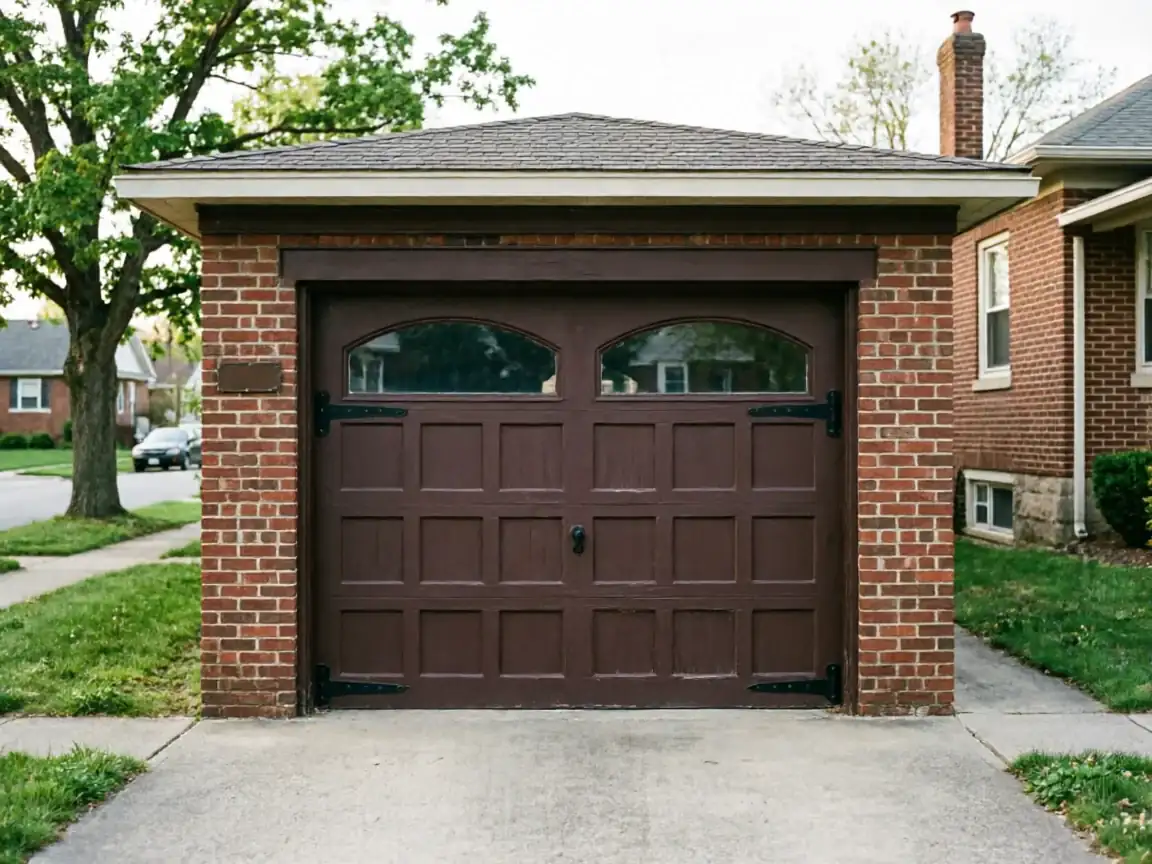
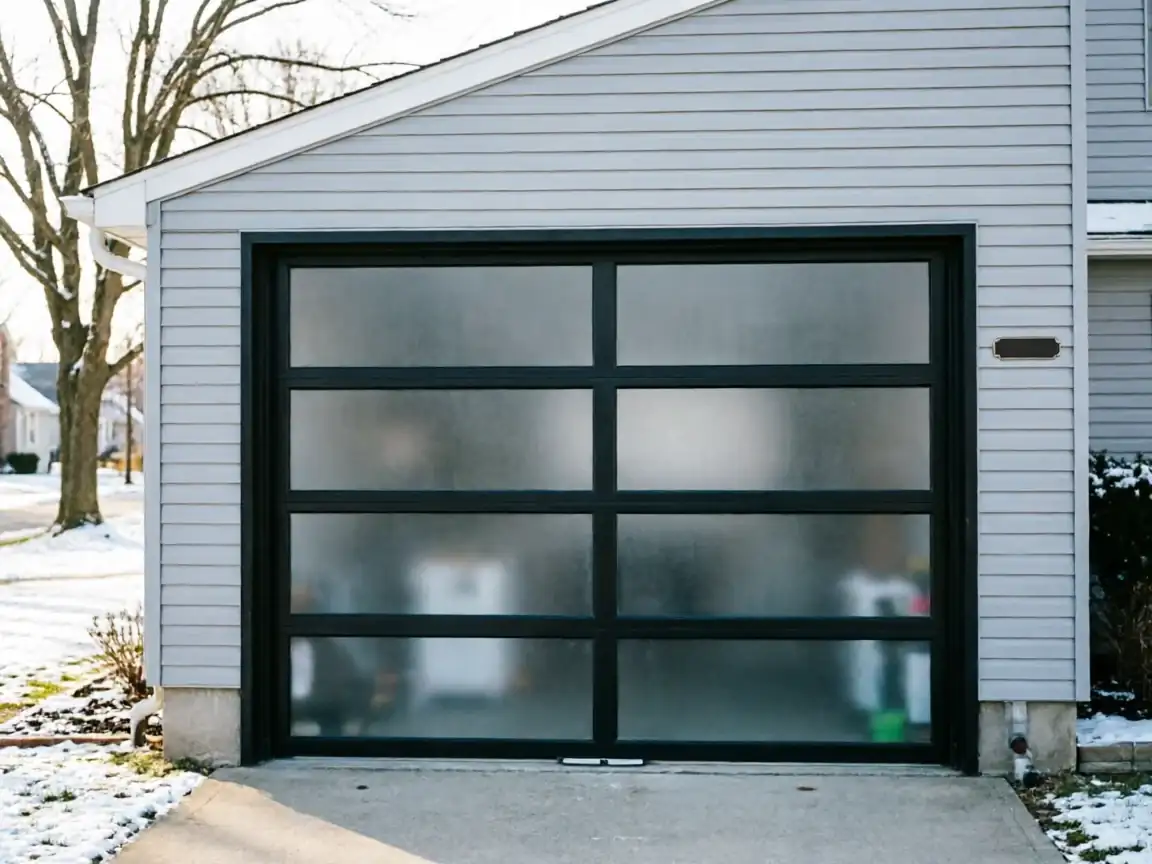
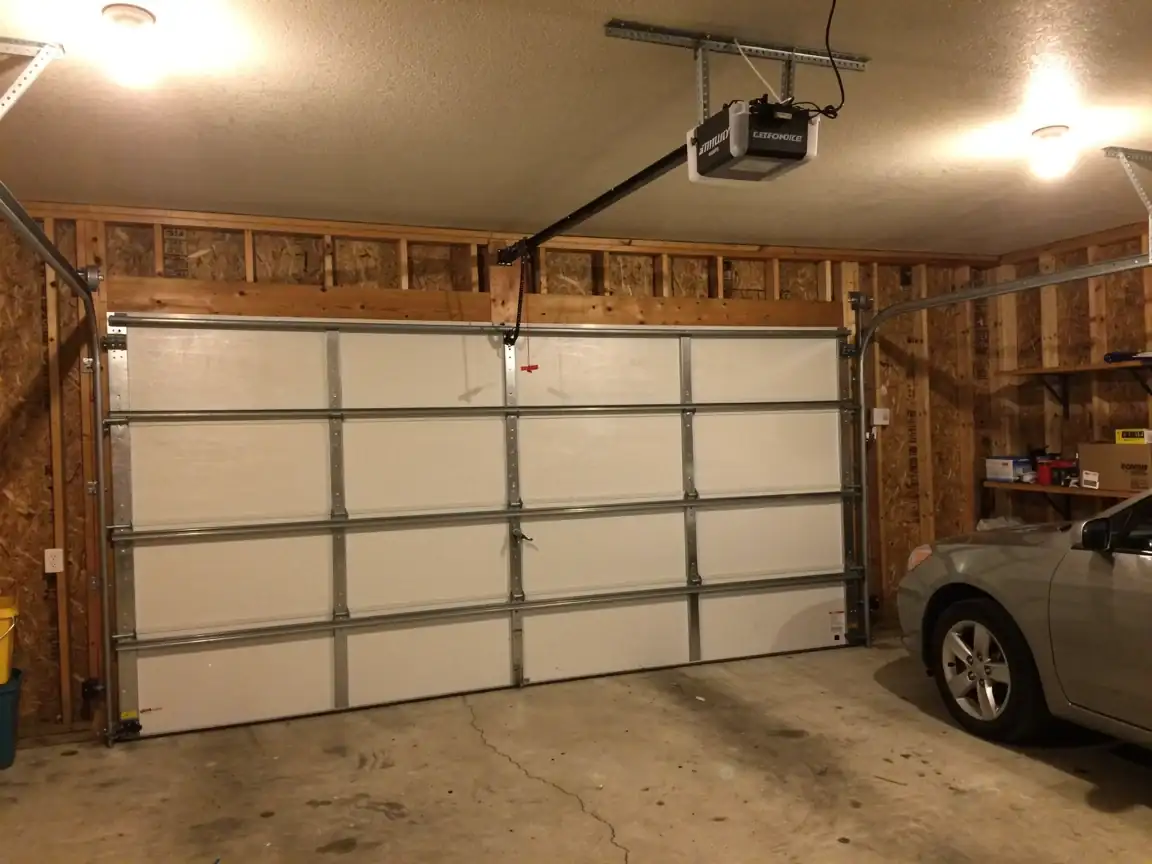
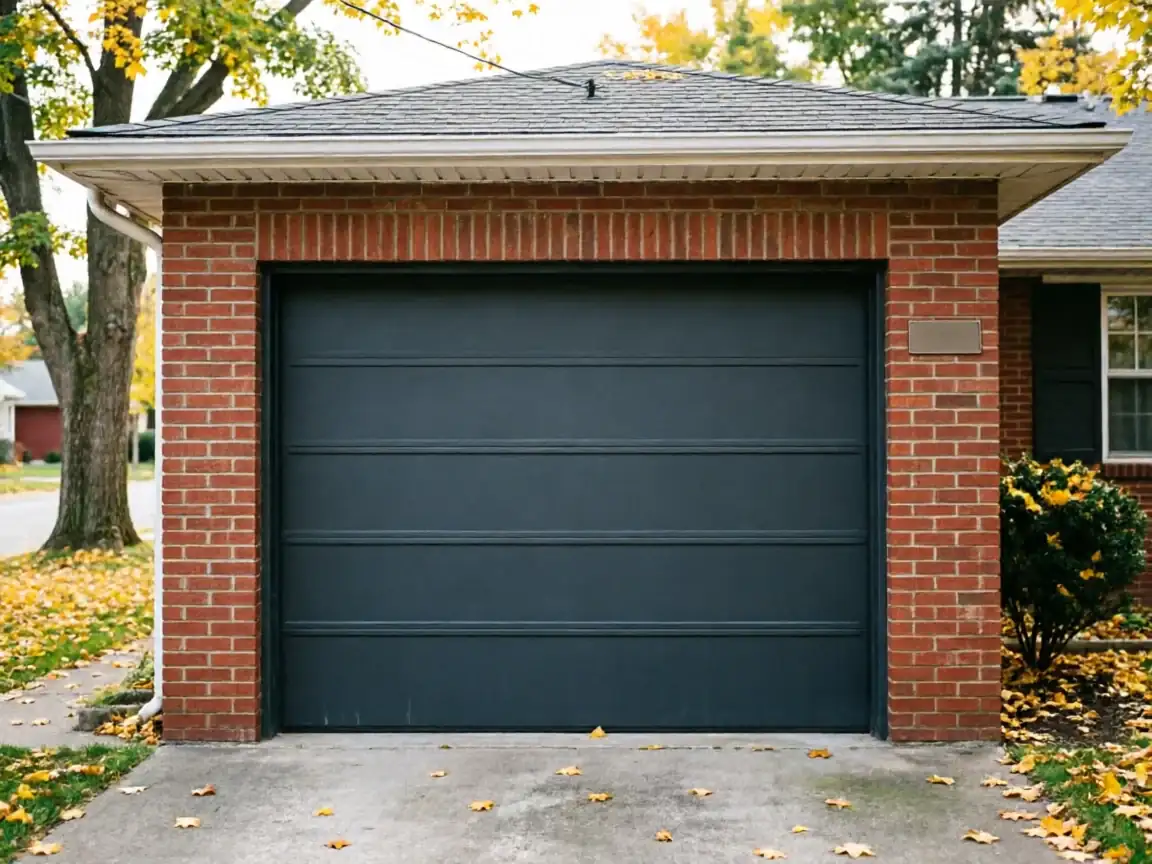
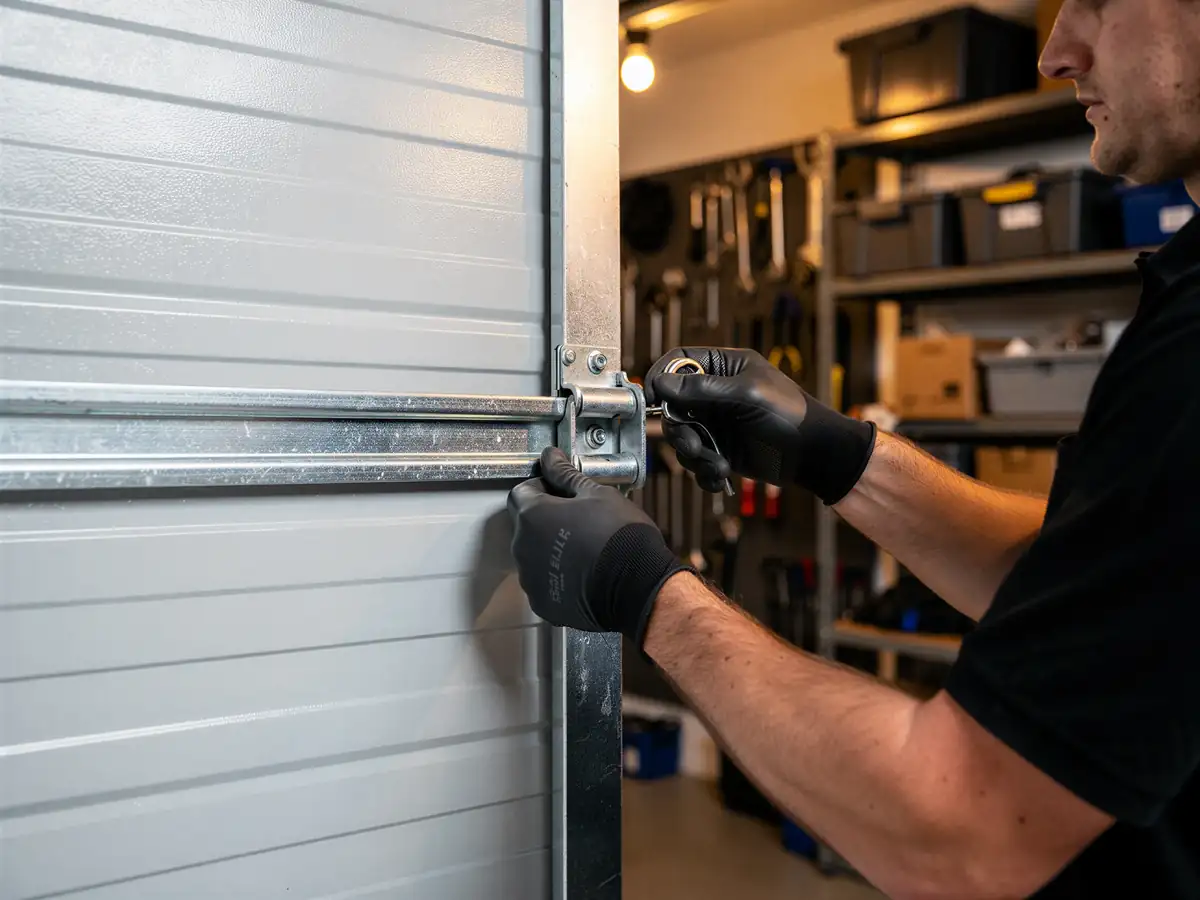
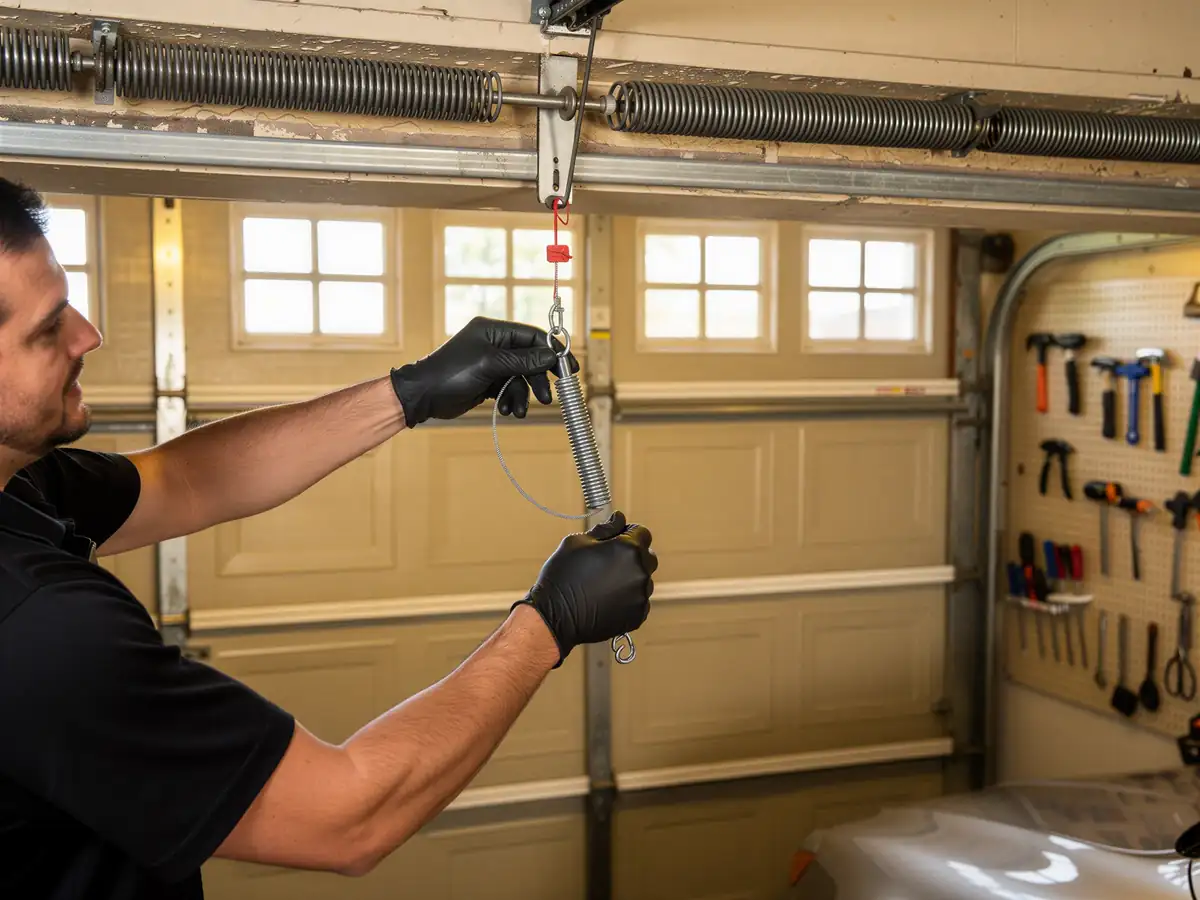
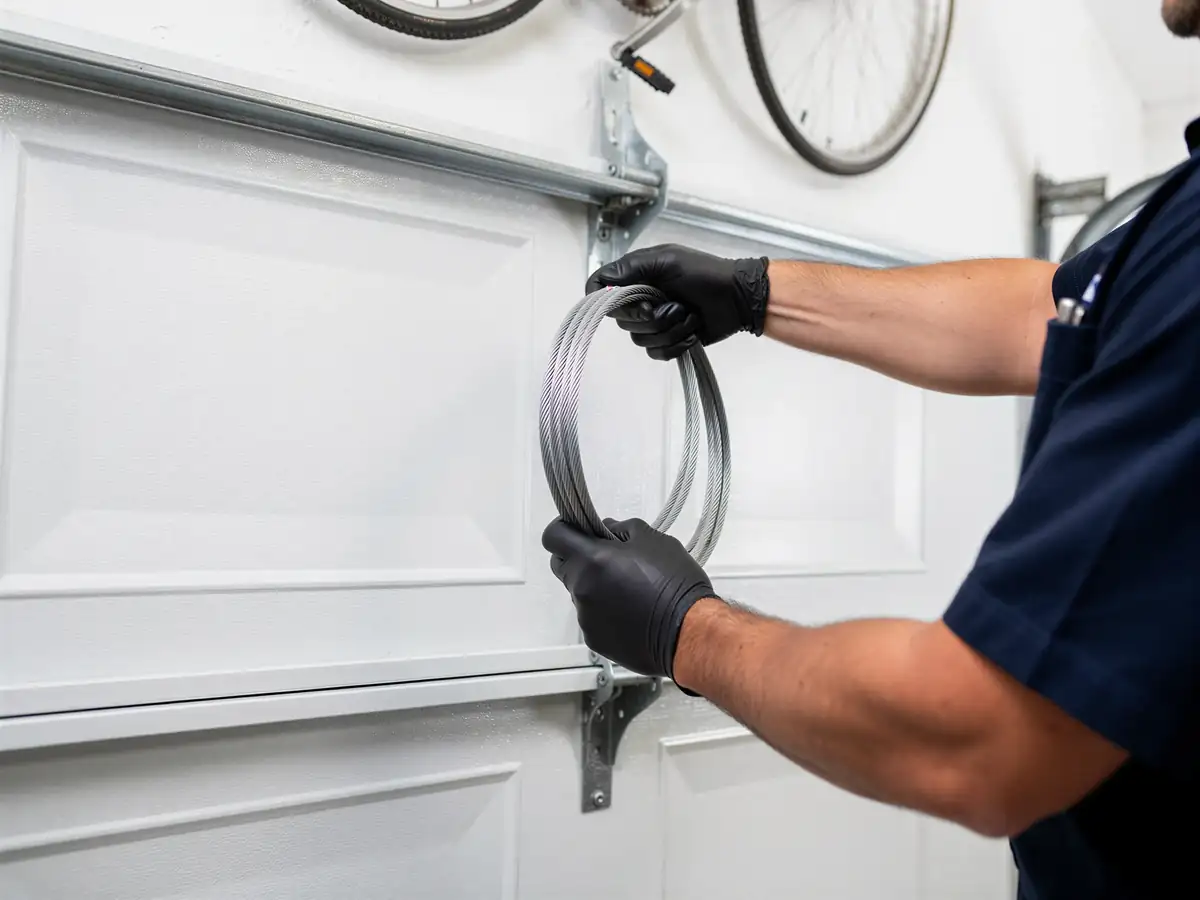
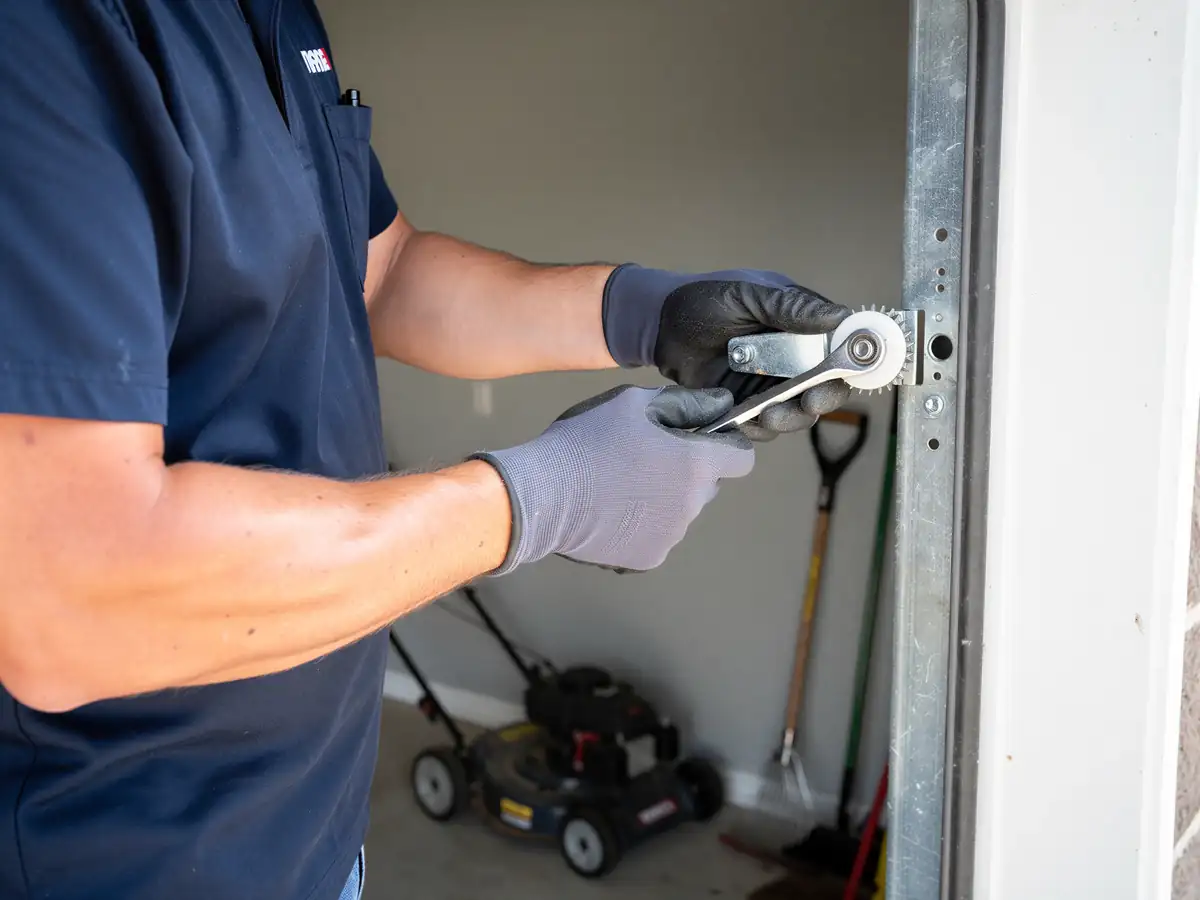
Fox Lake's housing stock centers around 1977, older than the 1987 median across our wider service area. That matters for installation because builder-grade doors from that era were often single-layer steel with little to no insulation, hung on tracks sized for lighter panels than what's sold today. We stock dual-layer insulated steel doors in widths that match those older openings, along with torsion springs rated for the heavier panel weight. Given this area sits in a cold-climate band with real winter load on doors and openings, we don't install anything without a polystyrene or polyurethane core - a bare steel skin door isn't worth putting in here. We carry standard 16-foot and 9-foot options for double and single bays, plus the hardware - rollers, hinges, end bearing plates - sized for 1970s-era jamb widths, which run narrower than what you'll find in newer subdivisions. One limitation: if your opening has been modified or is non-standard width, we may need to special-order a door, and that can add a few days to the job rather than same-week install.
How We Fix It
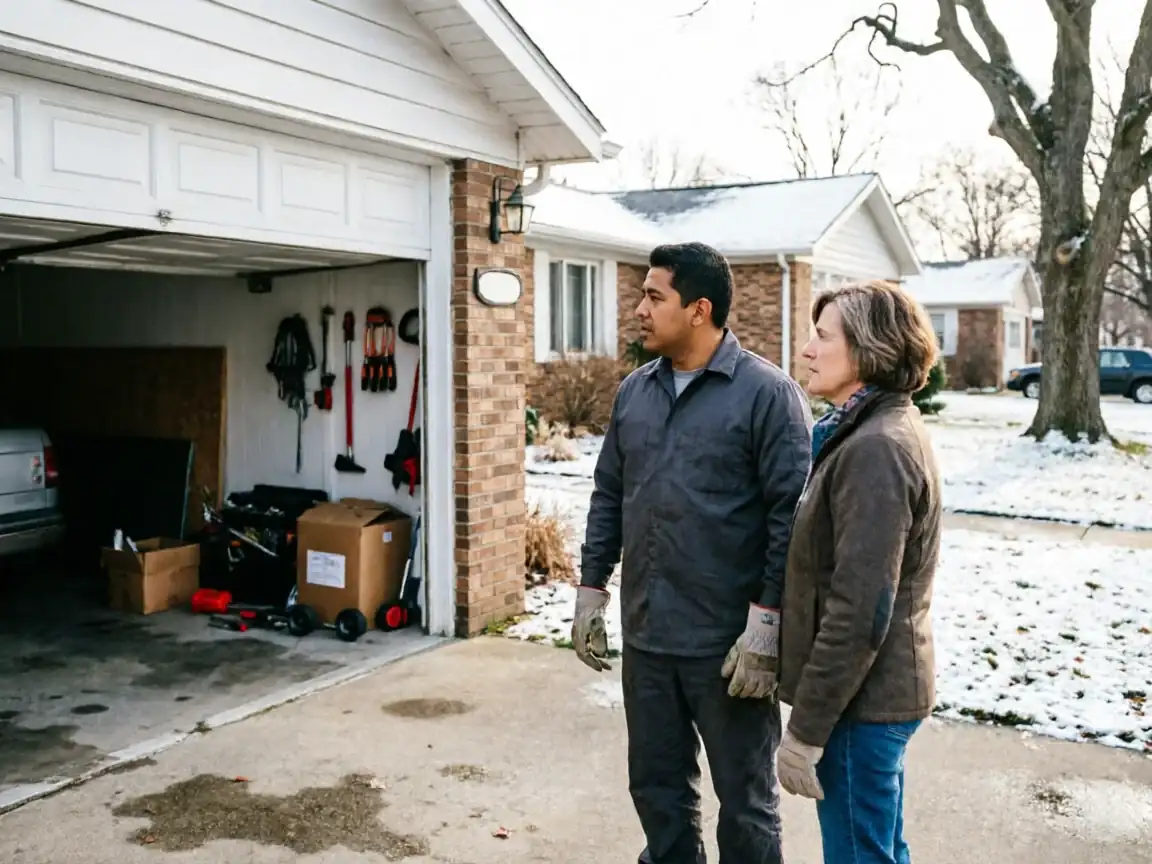
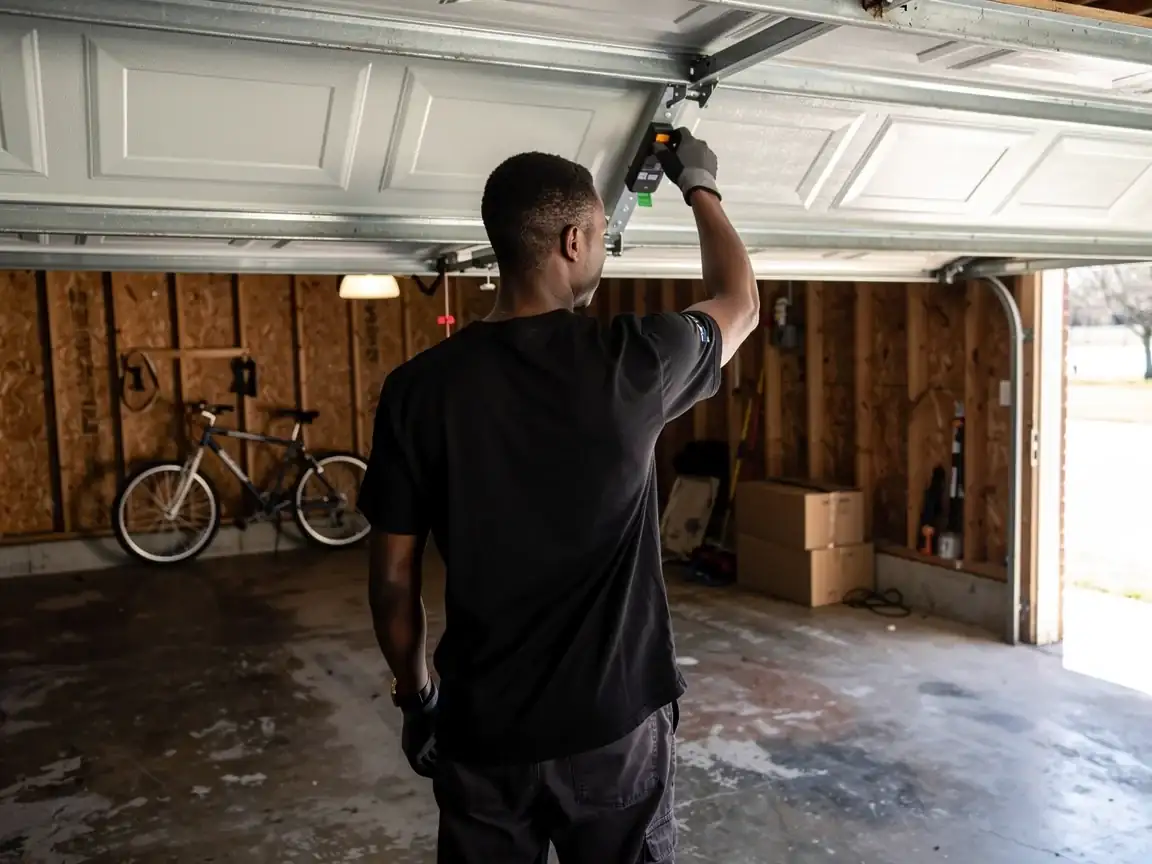
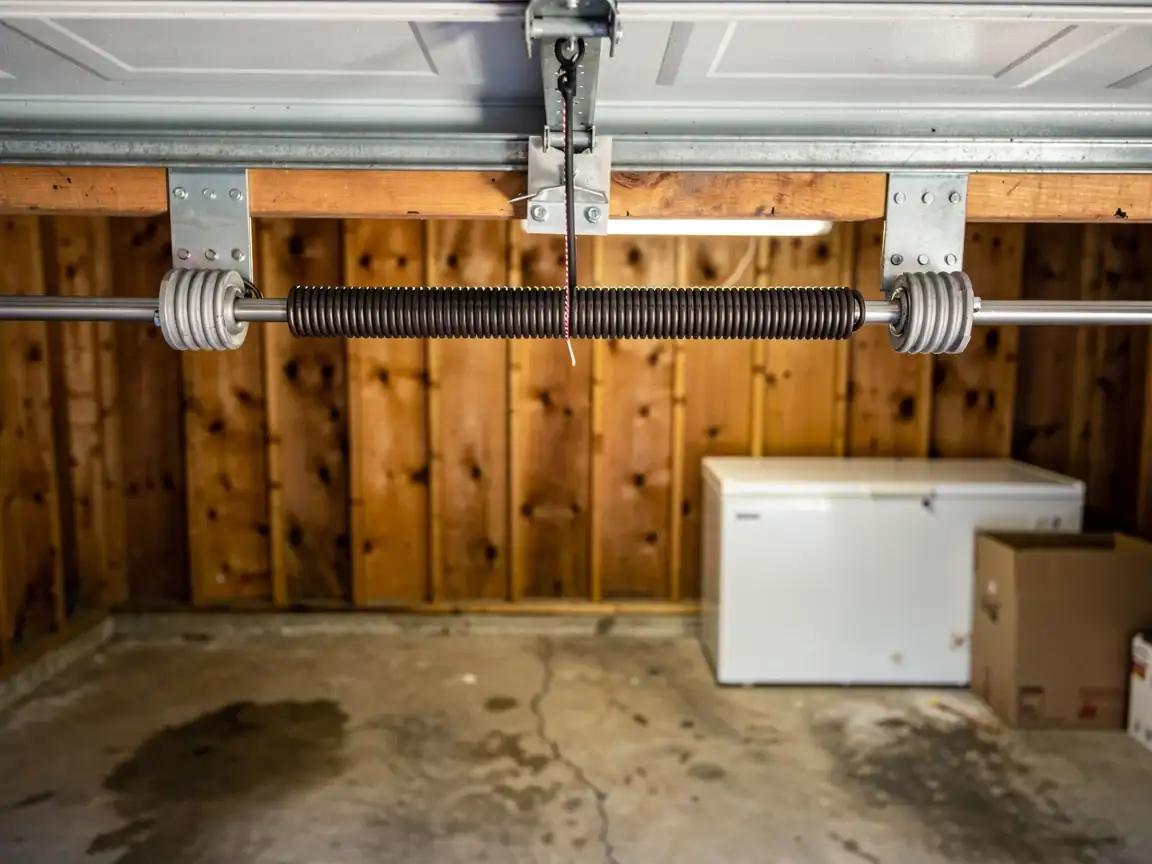
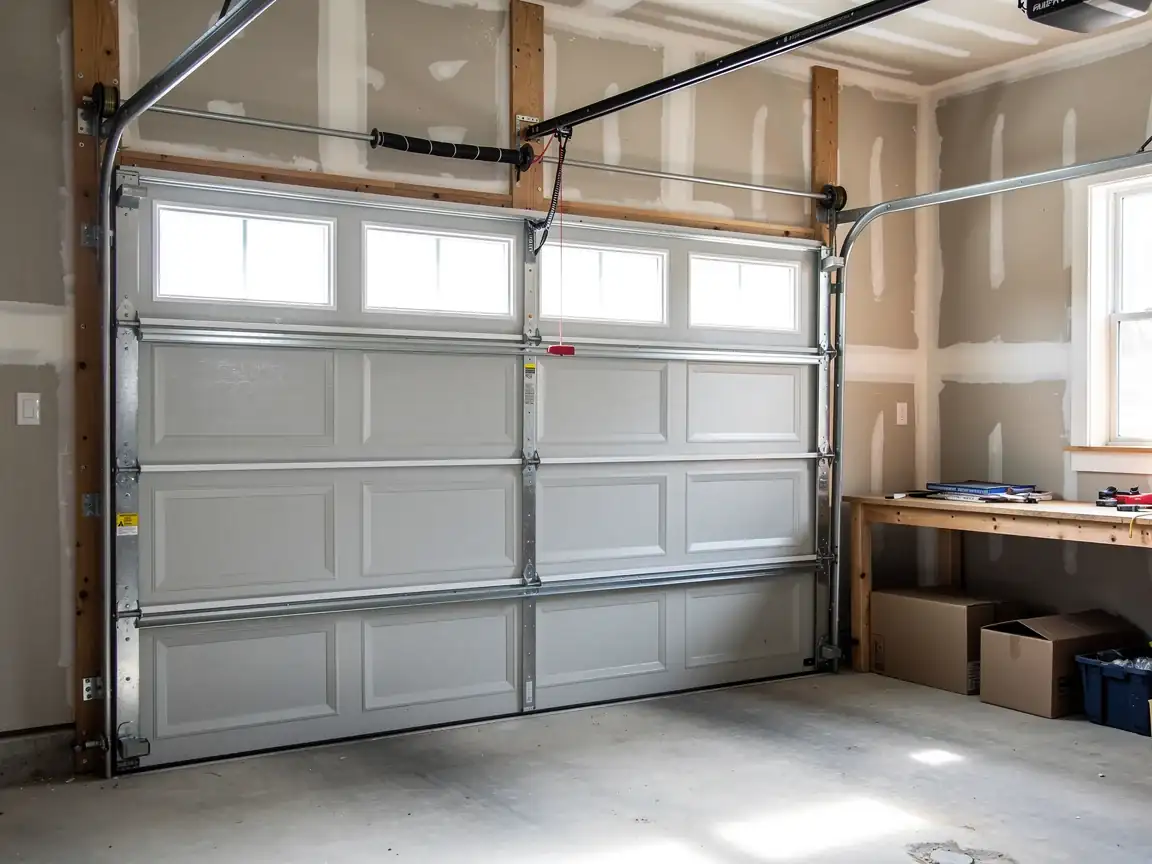
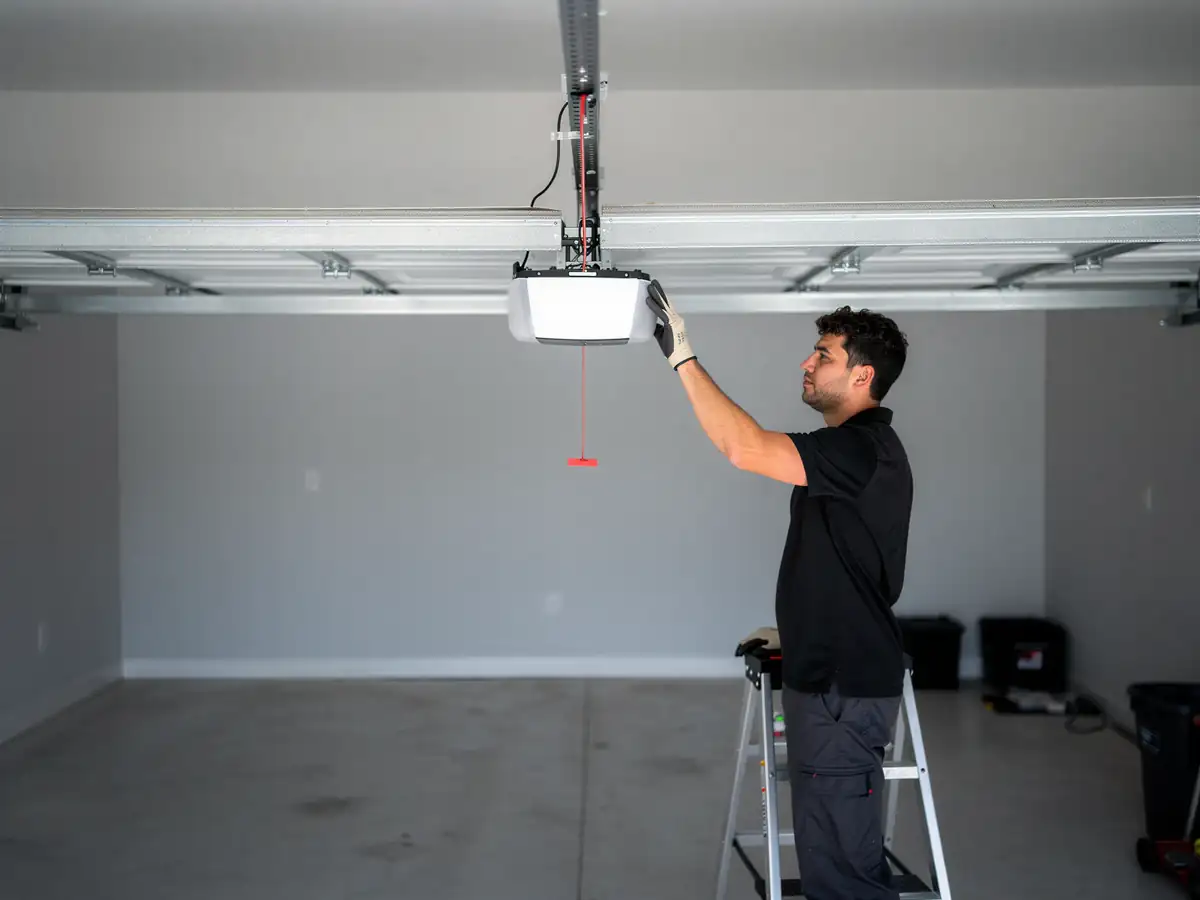
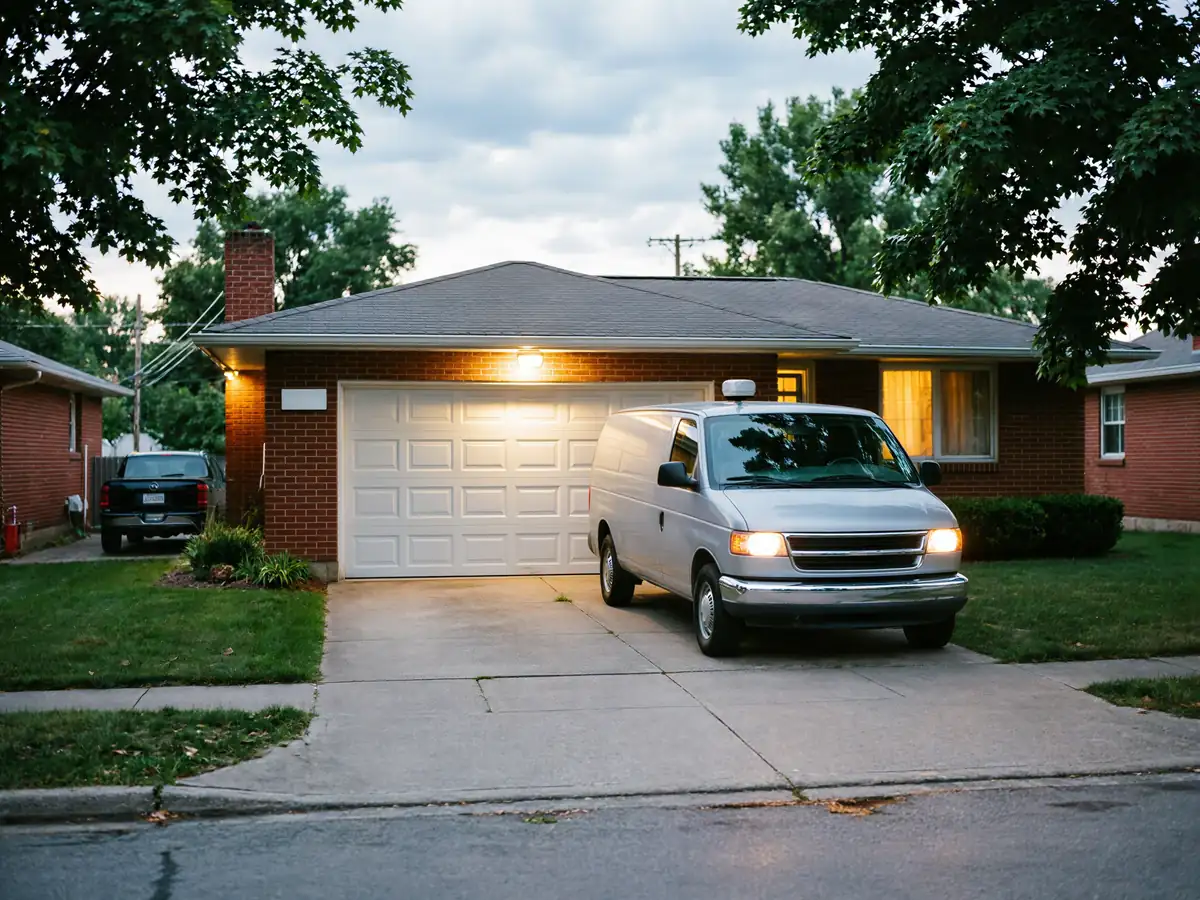
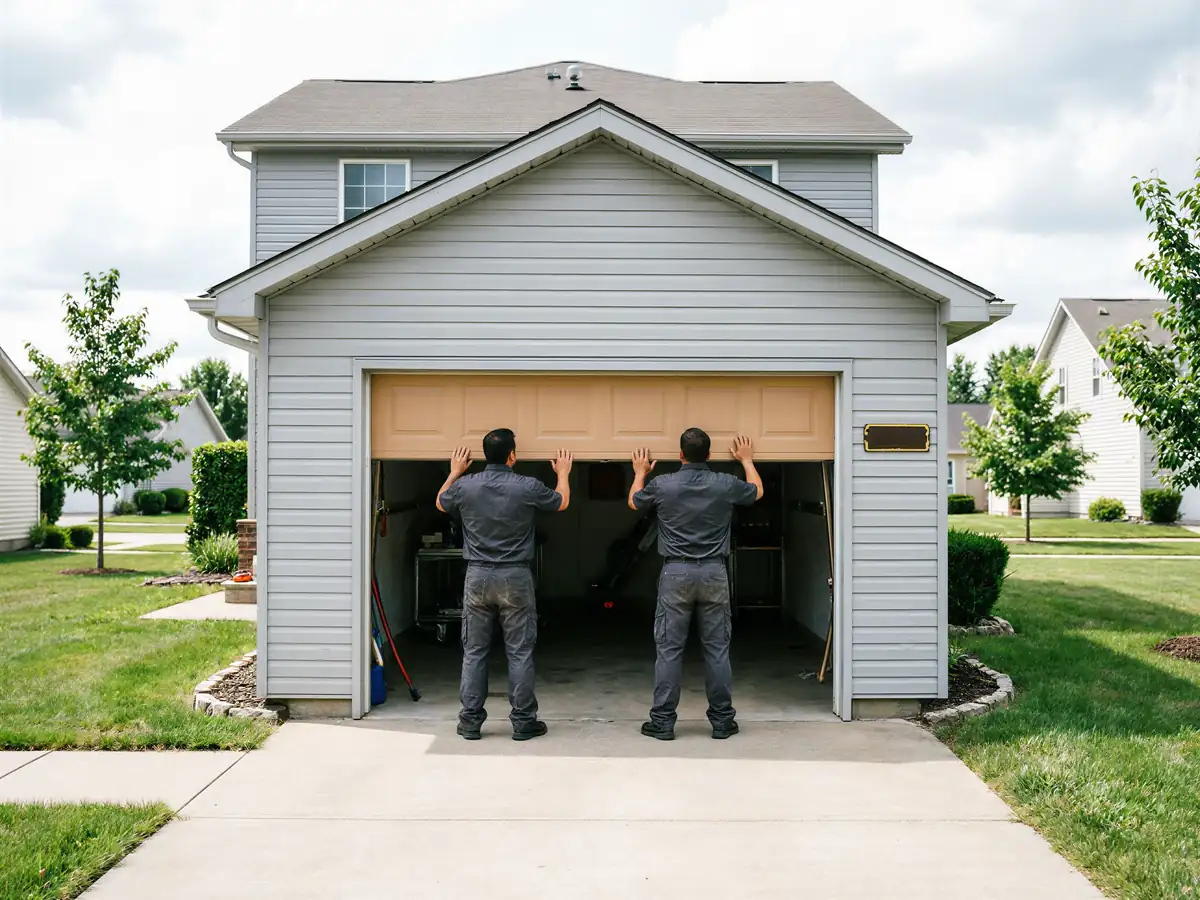
The truck comes from McHenry, 8 miles out, so a Fox Lake install gets scheduled as a dedicated trip rather than a quick add-on between other calls - we measure the opening, check the jamb and header condition, and confirm track clearance before the new door ever goes on the truck. Given the age of housing here, we often find the existing track bent or rusted beyond reuse, especially on homes that have had a door replaced once already without the track being redone. We pull the old door and track as one job, not two separate visits. New track gets leveled and bolted to framing that, on a house this age, sometimes needs a shim or a new lag point if the original wood has shifted. Springs get sized to the new door's actual weight, not guessed from the old spring - undersized springs are the most common reason a newer door feels heavy to lift within a year of install. We test full cycle under power and by hand before we leave, and we walk the owner through balance and auto-reverse settings on the spot.
Why This Fails Locally
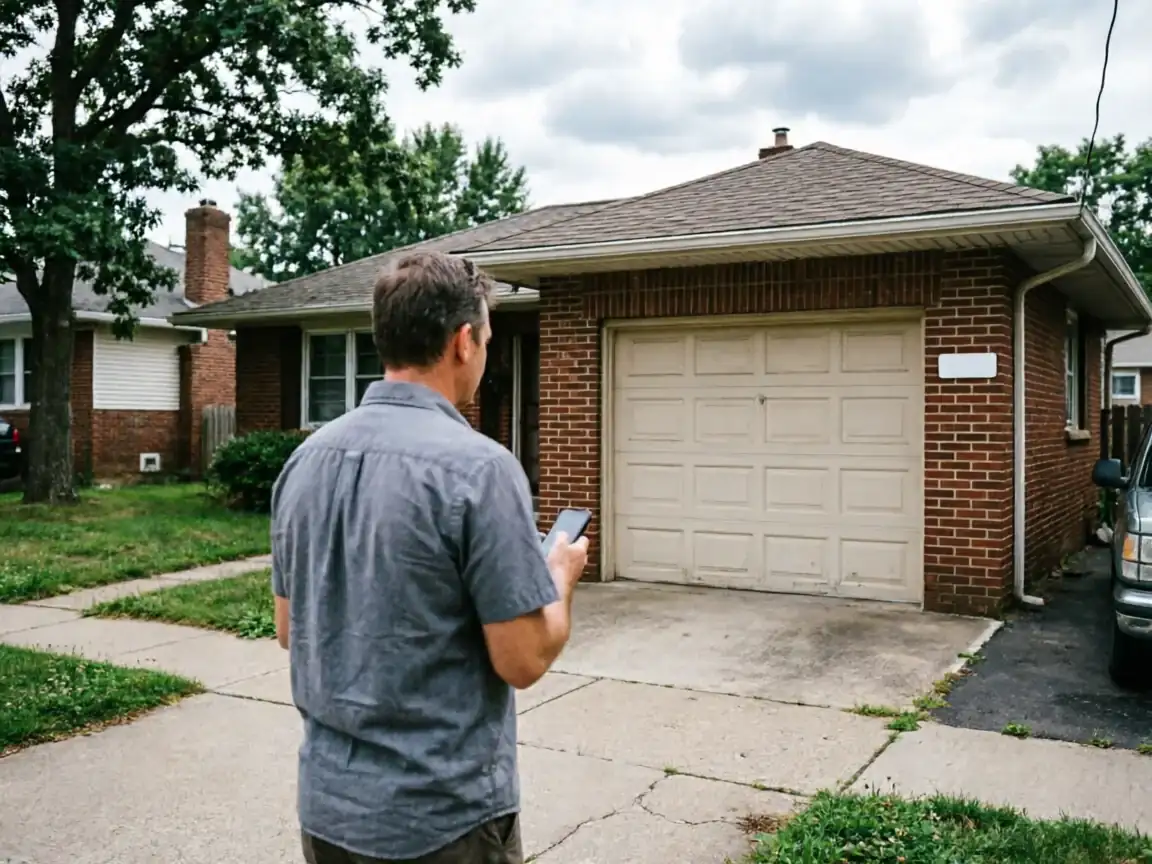
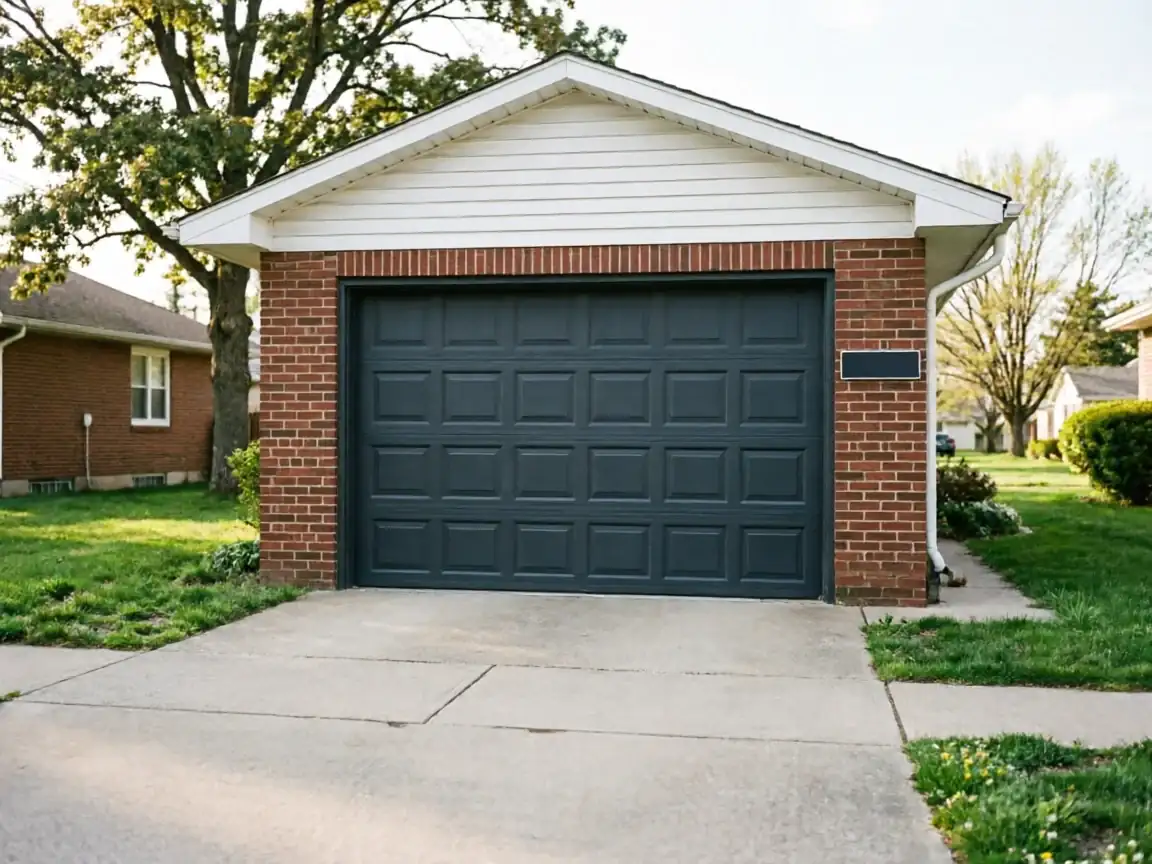
A lot of installation problems in Fox Lake trace back to someone using a standard big-box door kit without checking the house's actual era. With median construction around 1977, many openings here were framed before current door widths became standard, and a generic off-the-shelf kit can leave you with gaps at the jamb or a track that doesn't sit flush. The area's cold-severe winter conditions also mean an uninsulated or thin door loses the garage as usable space fast - condensation on cars, frozen openers, stiff springs in January. Household income here runs lower than the broader service area median of $113,125, which we mention only because it shapes what gets sold locally: a lot of homes still have their original or first-replacement door, meaning the hardware behind the wall - end bearing plates, header reinforcement - is often older than the door itself and needs checking, not just the door swapped out.
What You Pay
We don't have a fixed number to post here for Fox Lake specifically - door size, insulation level, and whether the track and spring need replacing alongside the door all move the cost. What we can say is that a straightforward swap on a standard single-car opening costs less than a double-wide insulated install with new track and upgraded springs, and homes here built around 1977 more often need that fuller package because the existing hardware has reached the end of its life alongside the door. We'll give a firm number after we see the opening in person, not over the phone from a description. One honest note: if your framing is out of square or storm-damaged, that's extra labor beyond the door itself, and we'll call it out before we start rather than surprise you on the invoice.