Parts We Carry
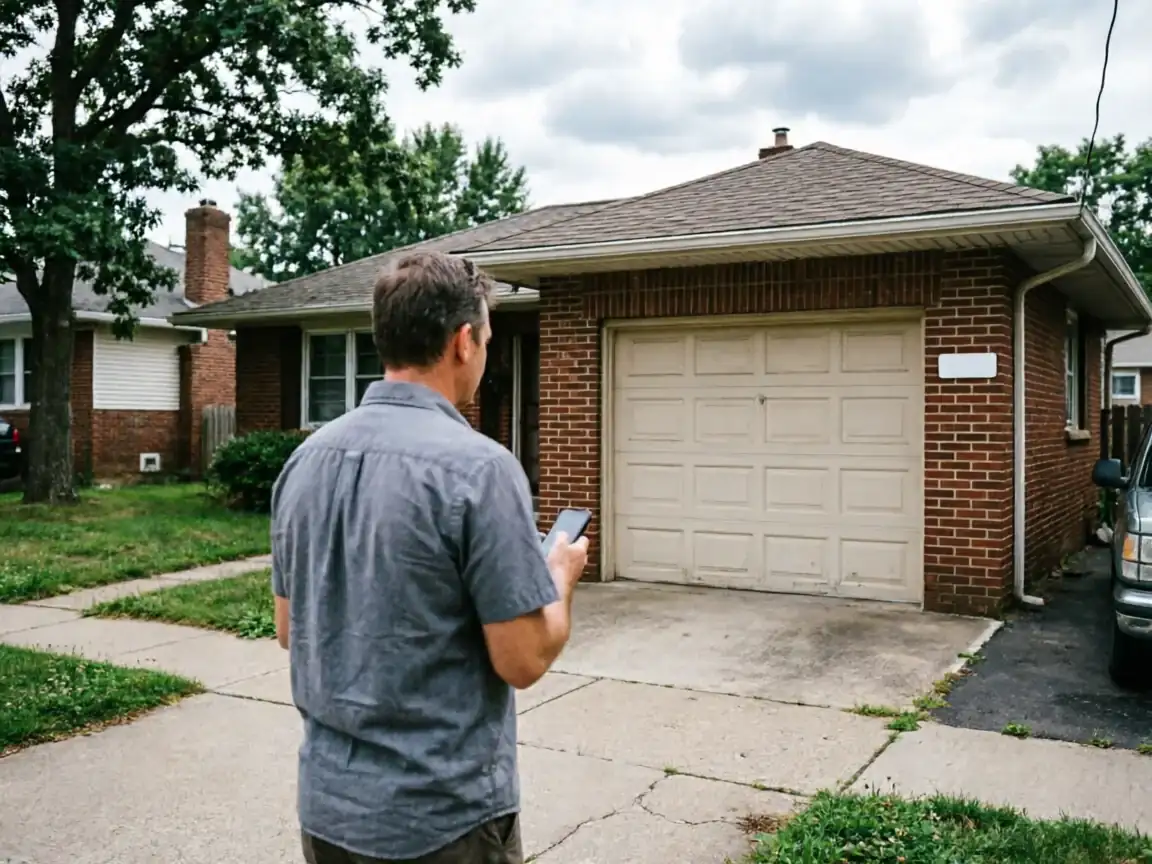
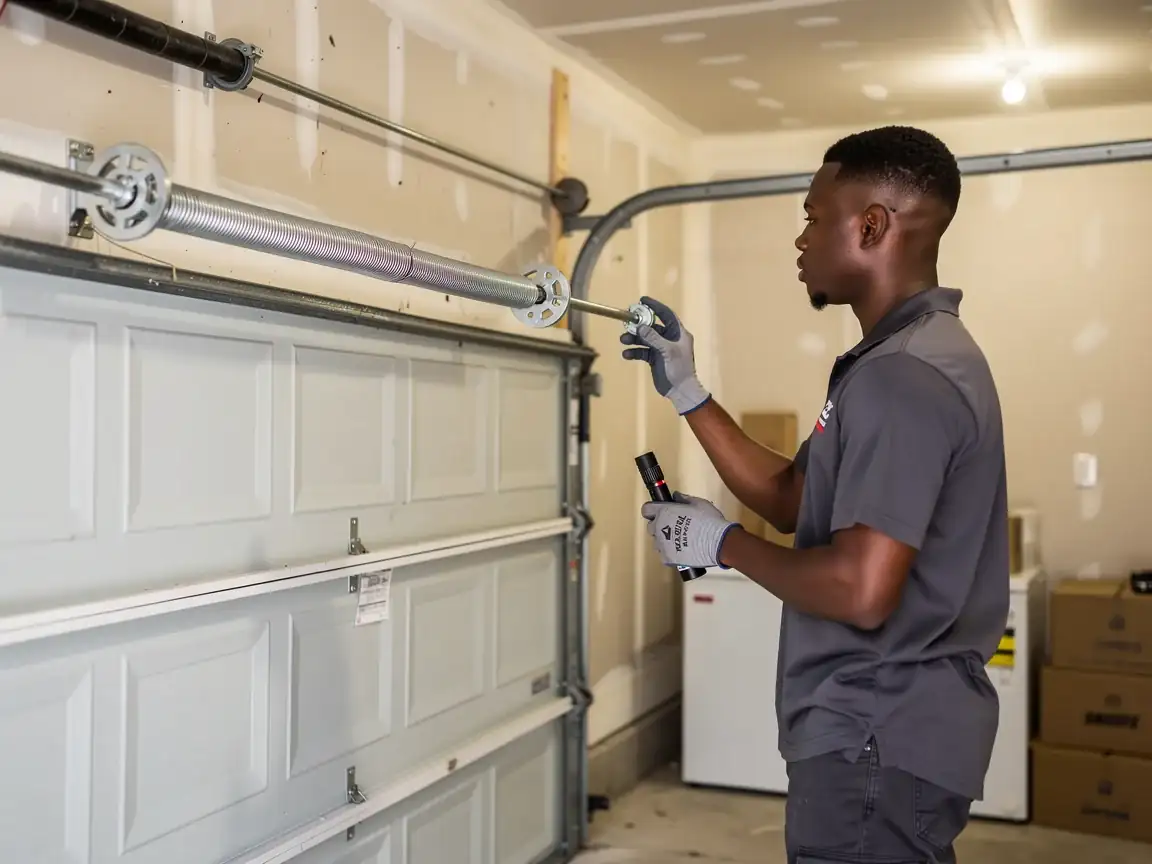
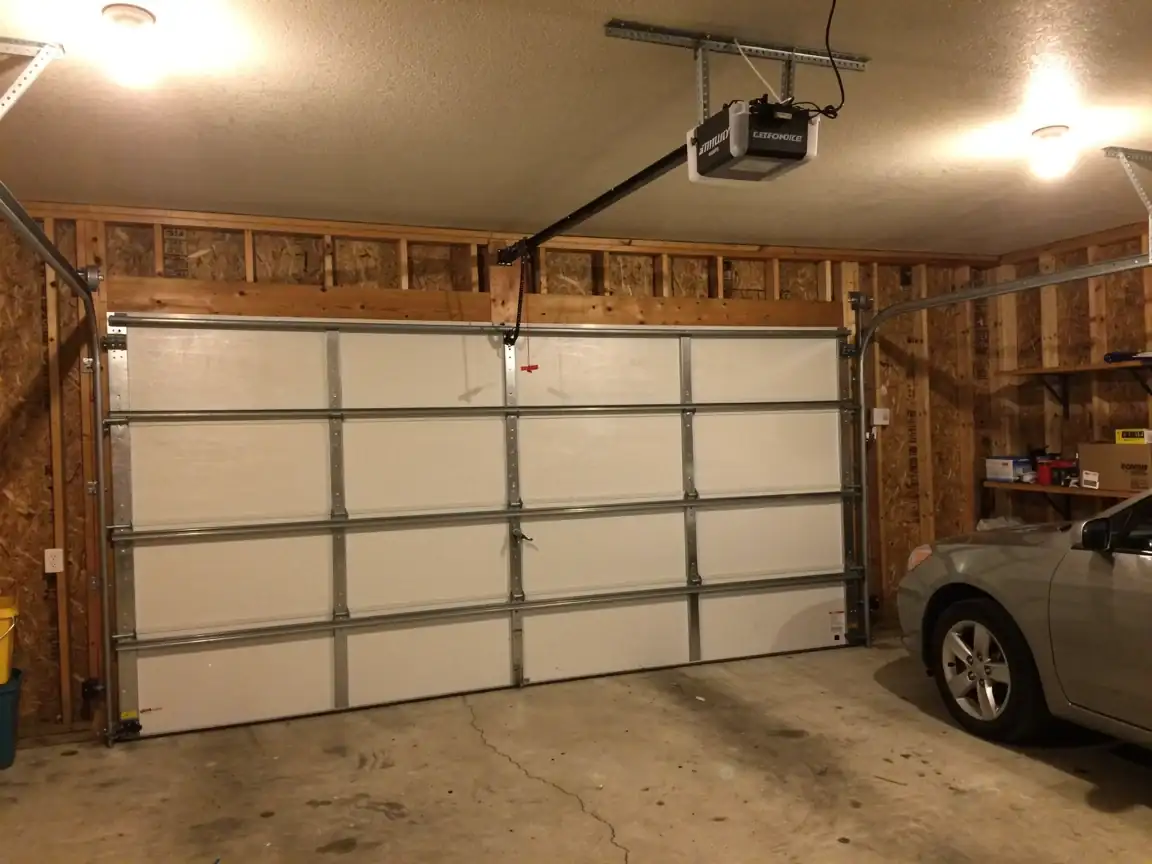
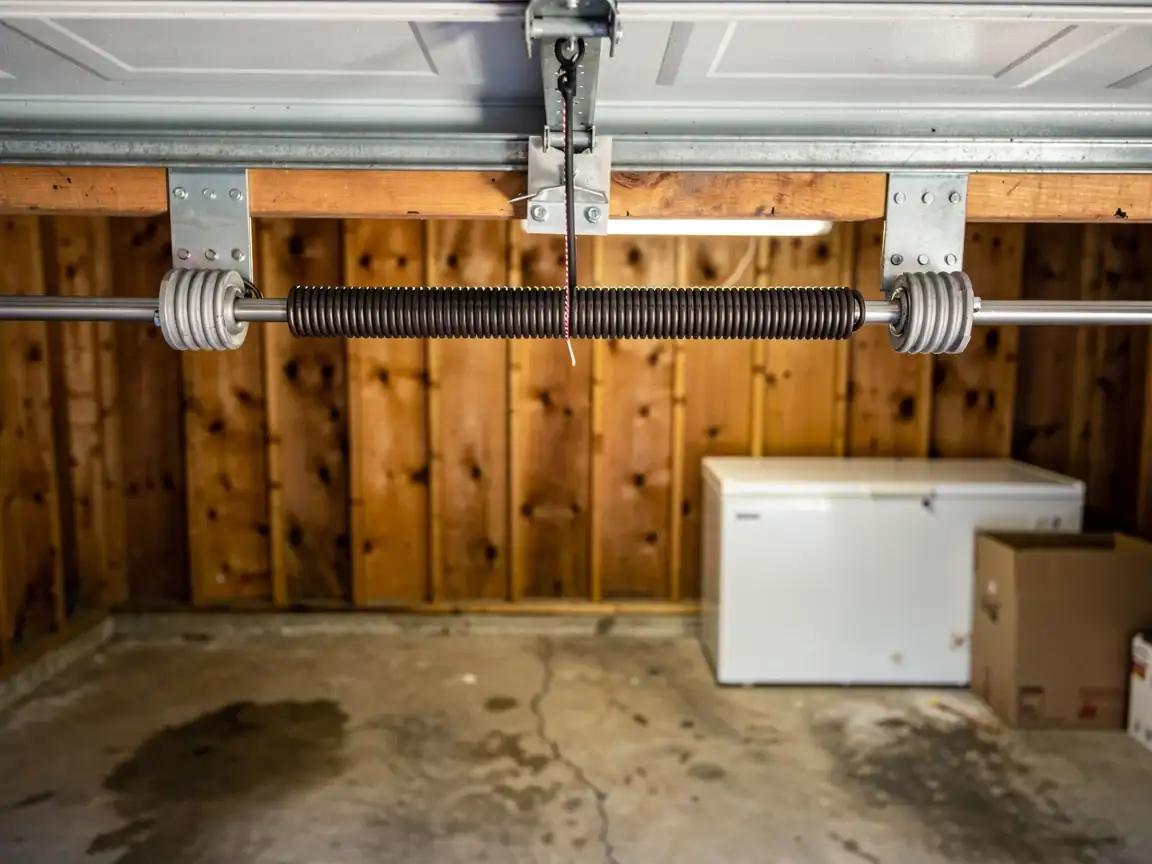
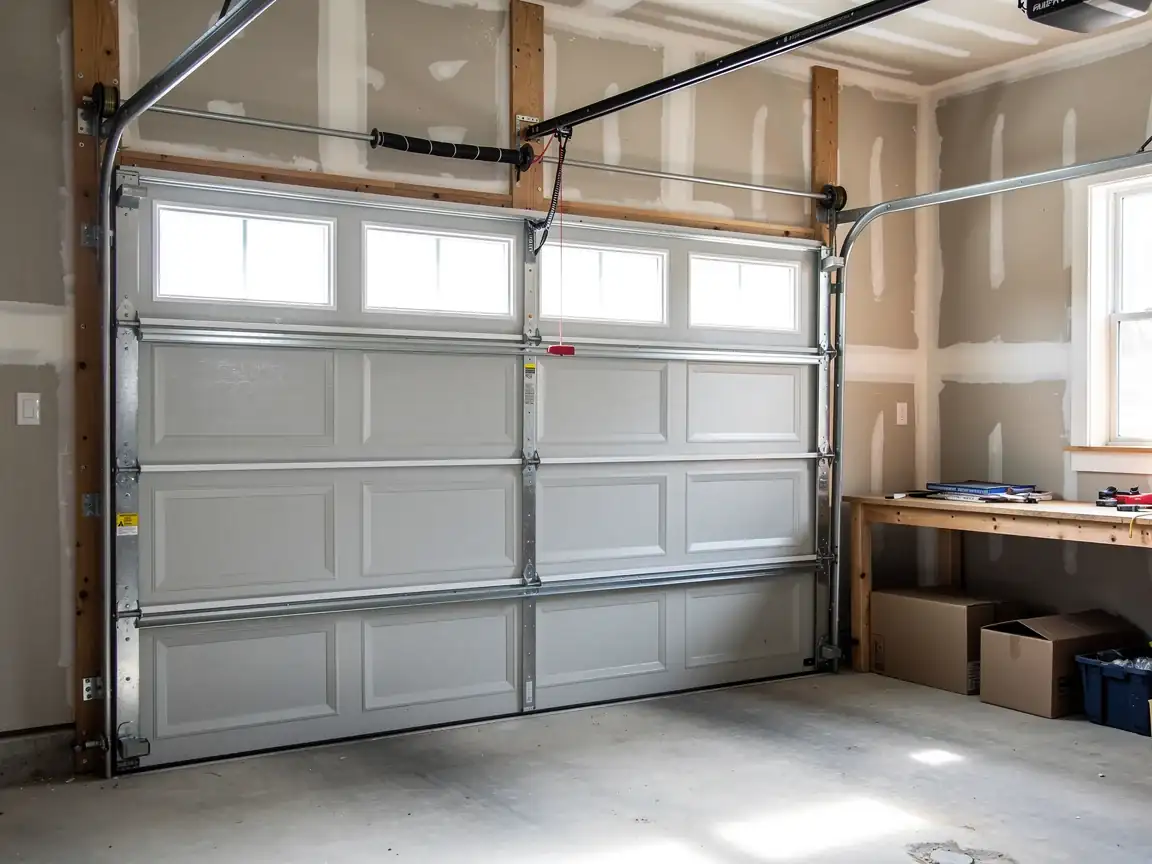
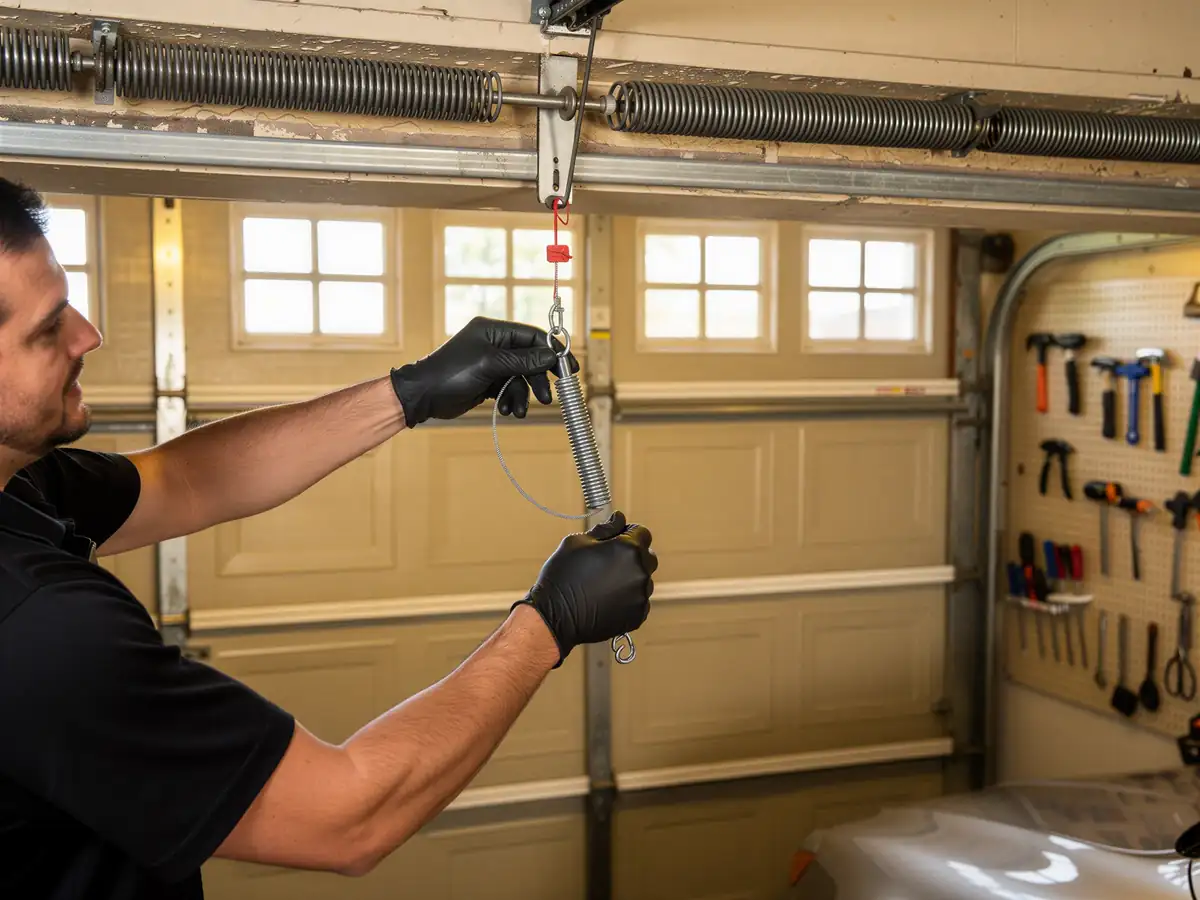
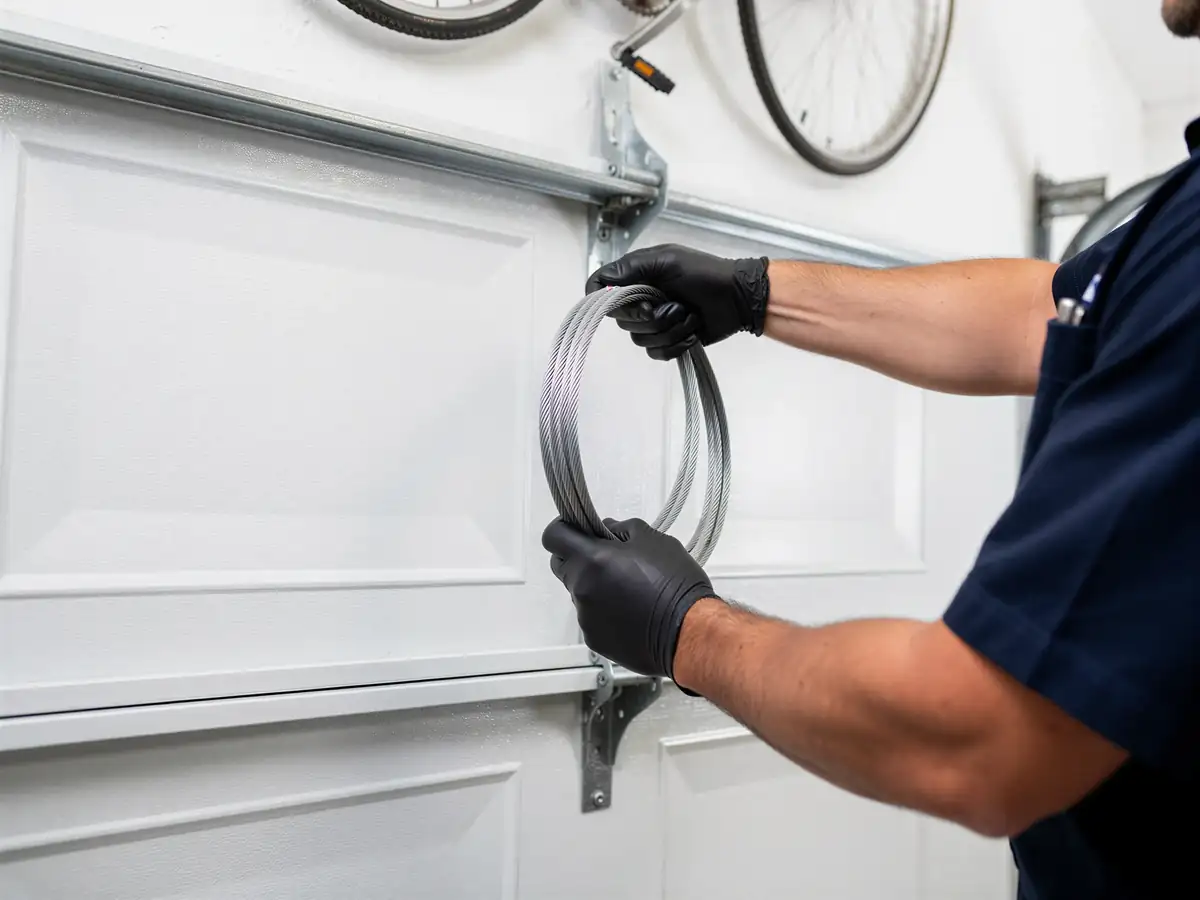
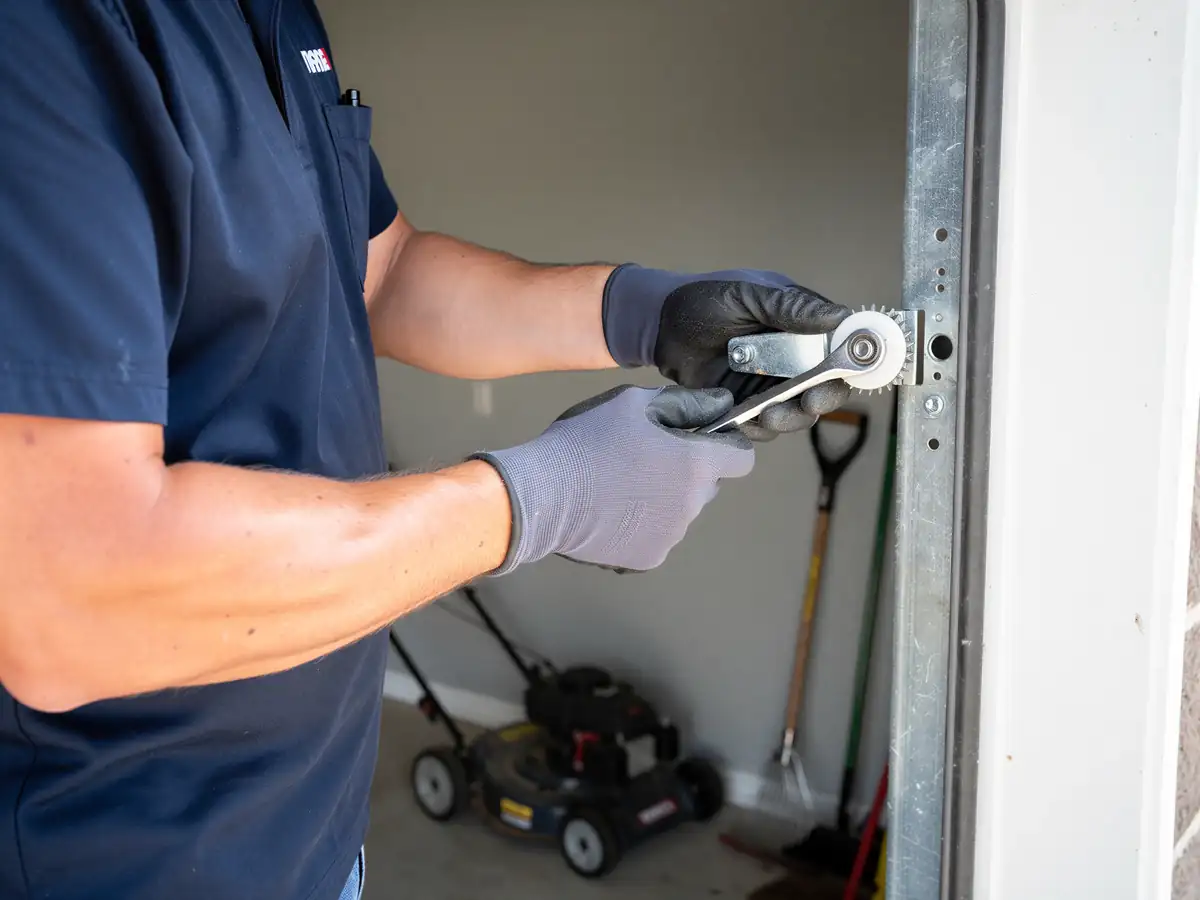
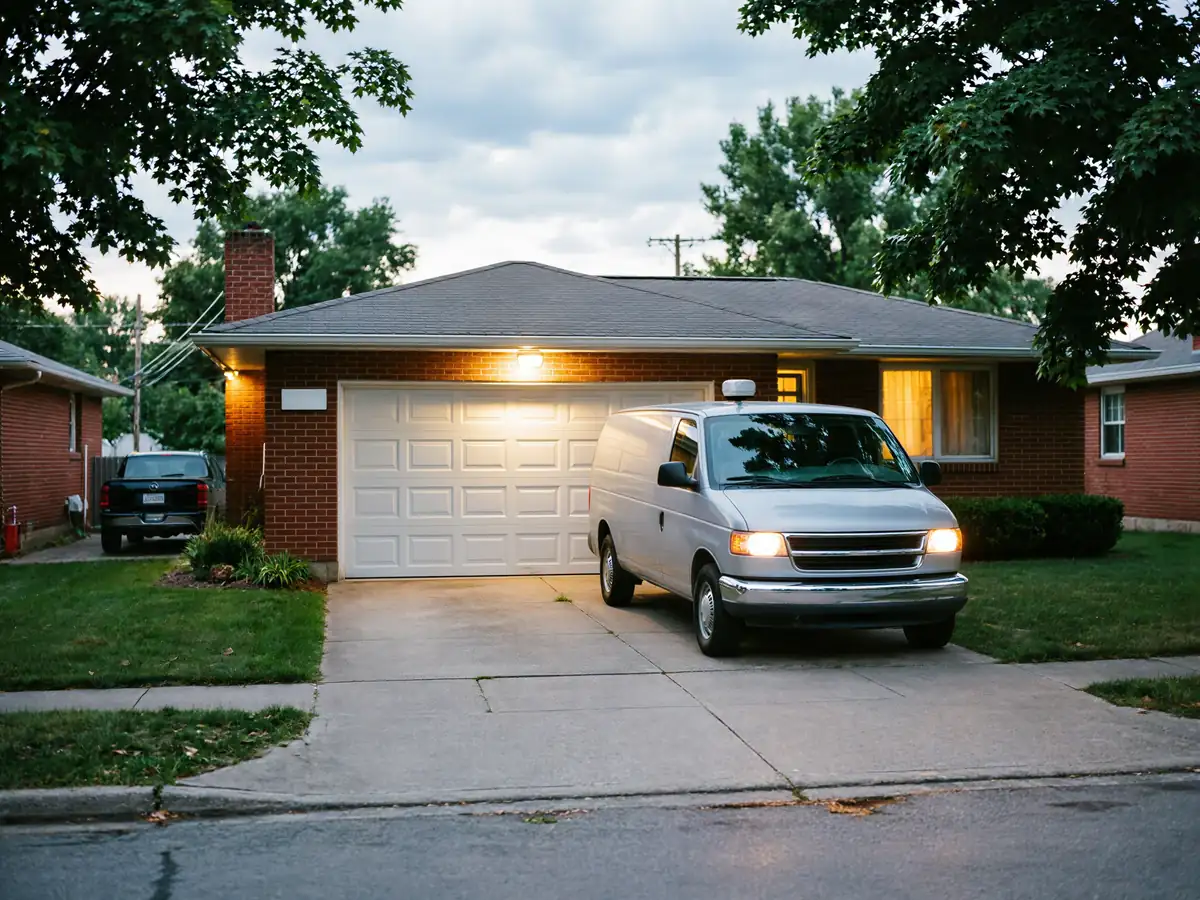
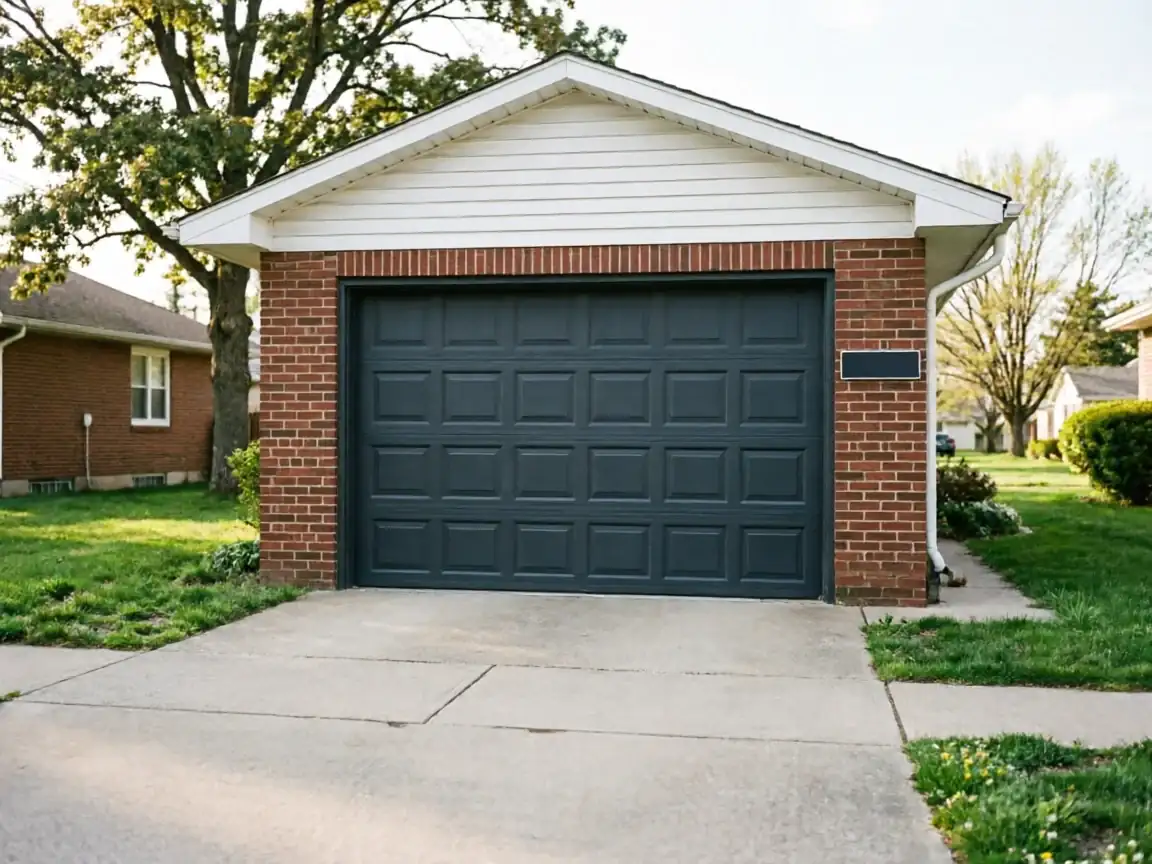
Fox Lake's housing stock centers on 1977, which puts most of these garage doors square in the extension-spring era, not torsion. That matters for what we bring on the truck. A house built in the late 70s typically has a door hung on a pair of extension springs running along the horizontal tracks, with a pulley and cable setup that torsion-only shops don't carry parts for anymore. We stock extension springs in the sizes that match that build window, plus the stamped-steel pulleys and safety cables that are supposed to run through them but often got skipped or removed over the decades. We also carry rollers and hinges sized for the lighter-gauge steel sections common on doors from that period - thinner than what goes into new construction. If your door has been swapped for a newer torsion unit at some point, we carry that hardware too, but we don't assume it going in. The service area overall skews newer, built mostly through the 80s and 90s, so we keep both generations on the truck rather than stocking for one era and guessing at the other when we roll into Fox Lake.
How We Fix It
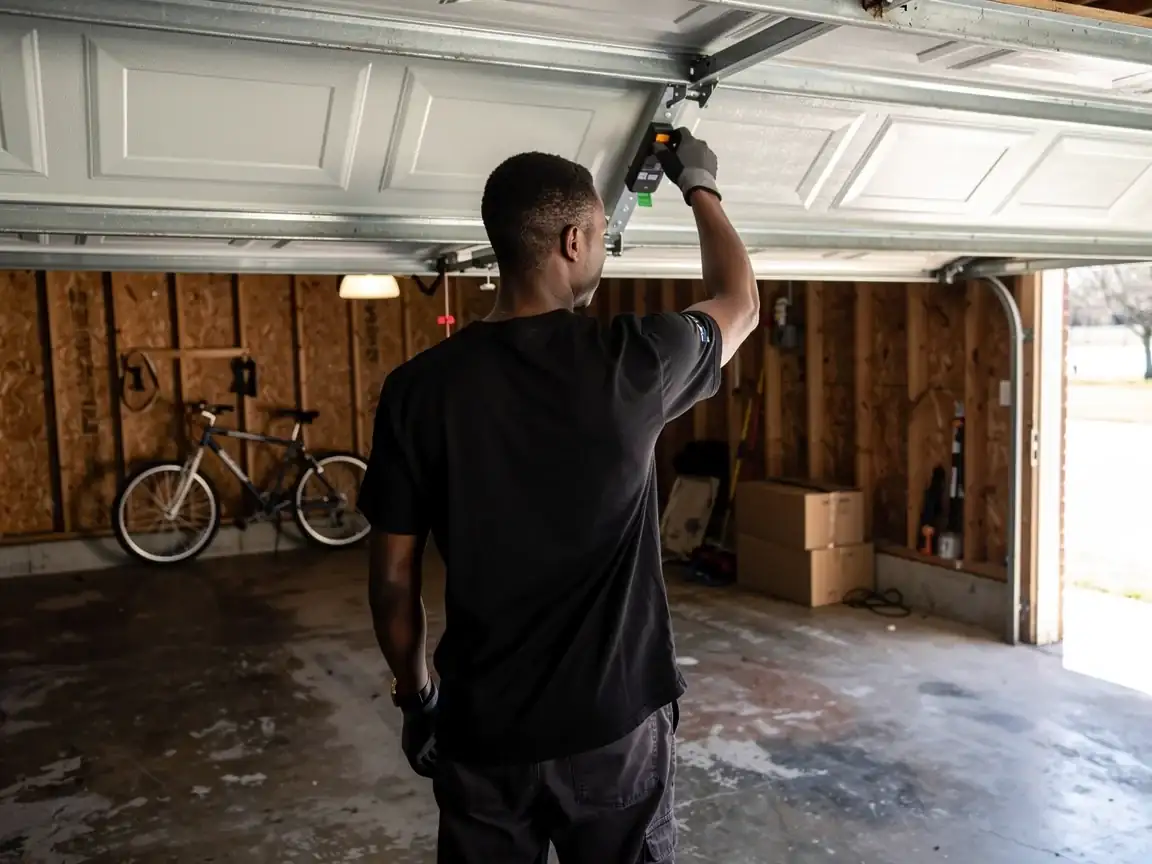
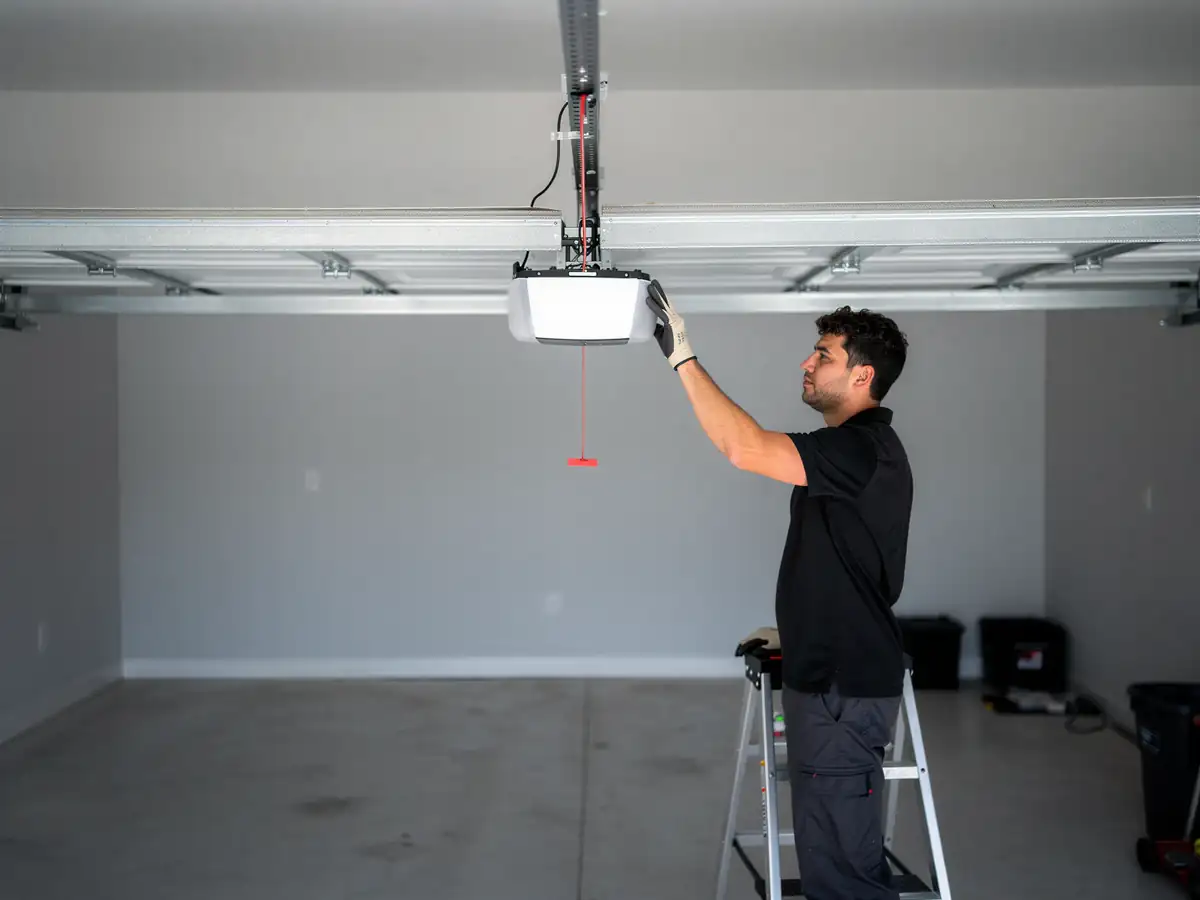
On an extension-spring door, the failure usually isn't the spring snapping outright - it's the cable fraying at the drum or the pulley bracket pulling loose from wood that's been flexing for over forty years. We check both before we touch the spring itself, because replacing a spring on a door that's about to drop a cable just means a second call. The cold here runs severe enough that steel contracts and old grease stiffens, so a door that worked fine in October can bind hard by January - we see more roller and hinge failures in that cold band than spring failures outright. If the opener is original or close to it, chain-drive units from that era often outlast their safety reversal sensors, so we test those every time regardless of what brought us out. One limitation worth saying plainly: if the track has rusted out at the bottom brackets, we'll tell you straight that bracket repair on wood framing that's settled over four decades sometimes isn't worth doing twice, and replacement is the honest answer.
Why This Fails Locally
Extension-spring hardware fails differently than torsion hardware, and that's the core of it. Without a safety cable run through the spring - common on doors from the late 70s before that became standard practice - a broken spring can whip the cable and crack a panel or worse. We find unsecured extension springs on a good share of the original-hardware doors we open up here. The second failure mode is specific to income and age of housing: Fox Lake's median household income runs well under the wider service area's figure, and older hardware tends to get patched rather than replaced on a tight budget, which means more doors running past the point a torsion-era tech would call it quits. Neither of these is a knock on the town - it's what forty-plus-year-old steel sections and galvanized cable do under repeated cold-weather cycling without anyone swapping the springs on schedule.
What You Pay
We don't have a Fox Lake-specific price list, and we're not going to invent one just to fill this section - pricing depends on the door, the hardware generation, and what's actually failed. What we can tell you is that extension-spring jobs and torsion-spring jobs price differently because the parts and labor aren't the same, and a 1977-era door with original hardware usually needs more diagnostic time up front than a newer torsion door where the failure point is obvious. Ask for the breakdown when you call - spring, cable, pulley, and labor as separate lines - so you know what you're paying for before the truck leaves.