How to Book
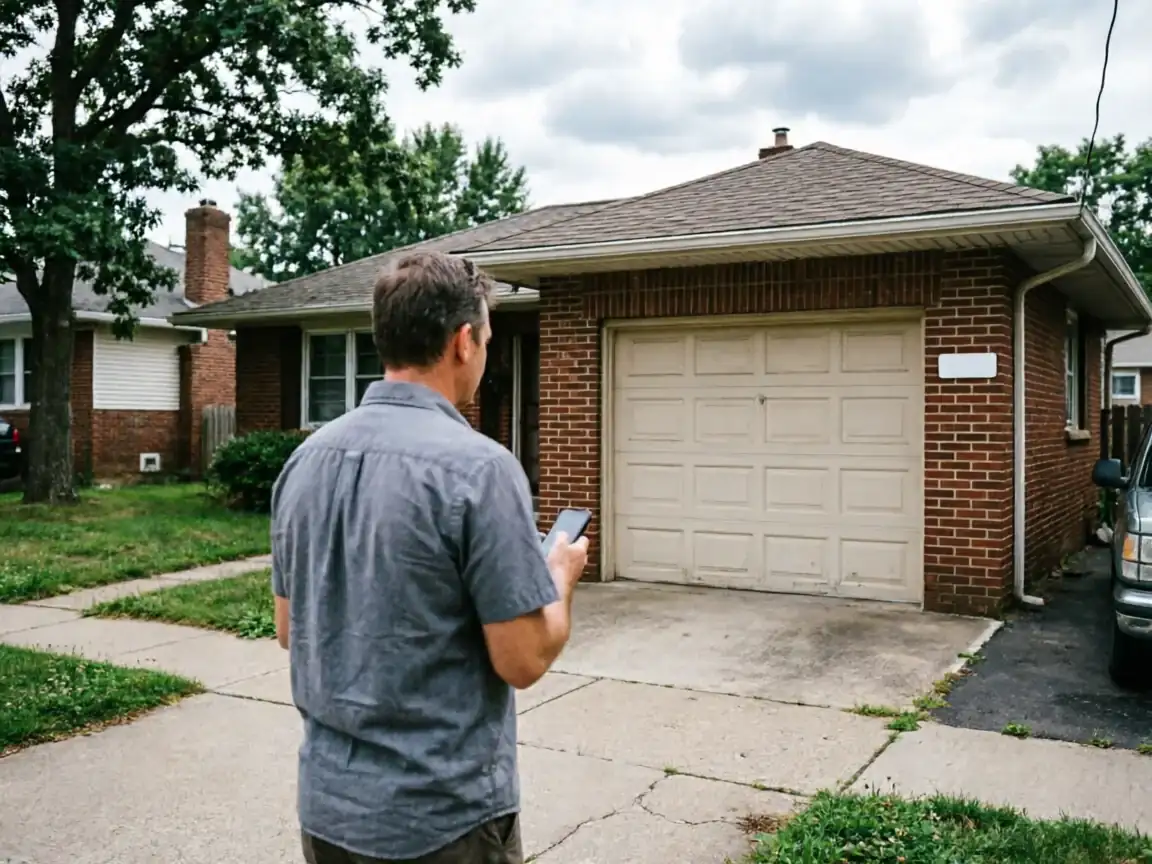
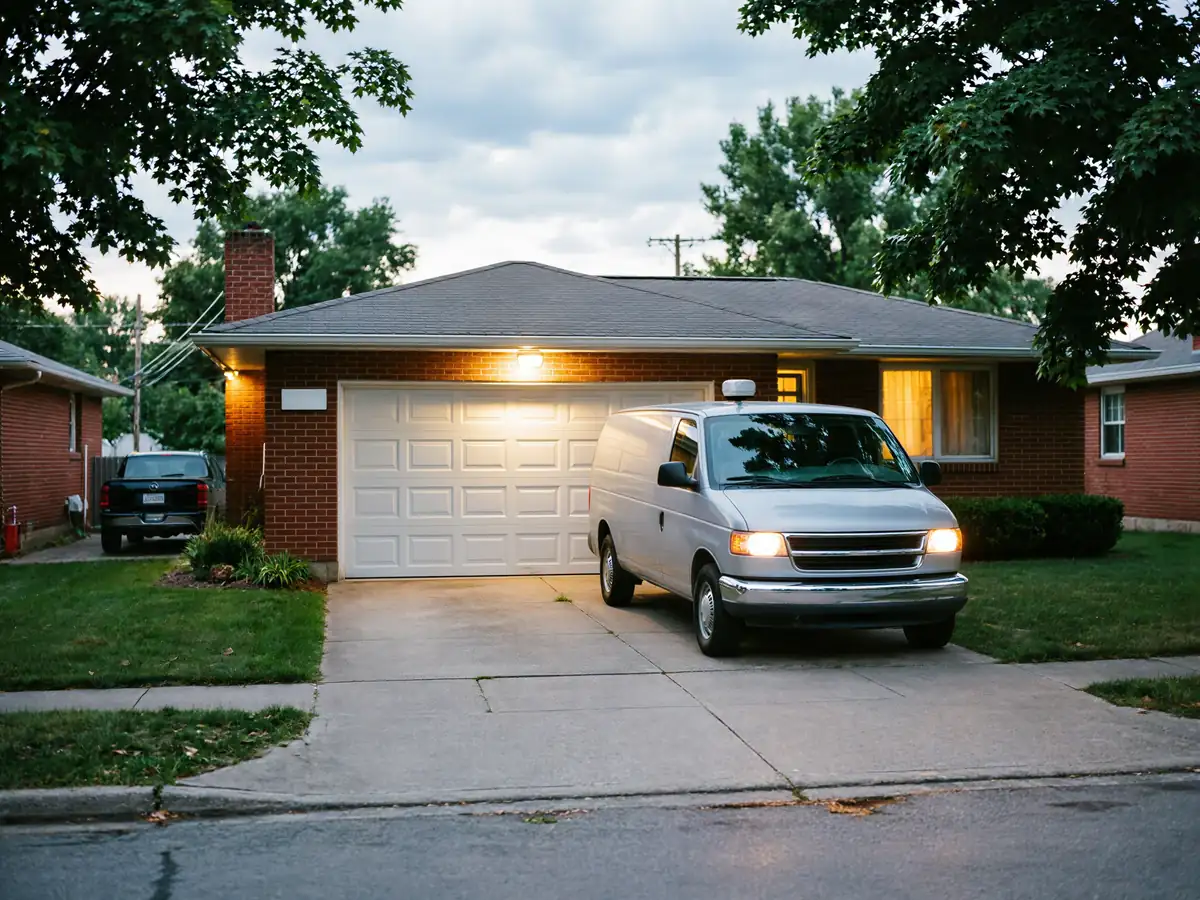
We run this call out of our McHenry shop, about 4 miles south of Wonder Lake. When you call, tell us the door's age if you know it and what it's doing - won't open, won't close, makes a bang, sags on one side. That gets the right parts on the truck before we leave. We don't keep a branch or a drop box in Wonder Lake itself; every job here starts with a drive, so give us a call rather than stopping by a storefront that doesn't exist.
Because houses in Wonder Lake tend to be older than the newer subdivisions elsewhere in our coverage area, we often bring both standard and legacy parts for the first visit - saves a second trip when the bracket or drum turns out to be a size nobody stocks anymore. If you can, snap a photo of the spring or the opener's motor head before we arrive. It tells us more than a phone description usually can, and it's one less guess.
What You Pay
Median household income in Wonder Lake runs about $102,829, somewhat below the $113,125 median across our broader McHenry service area, and that gap shows up in how people here repair rather than replace. We see more requests to fix a working-but-tired door than to swap it outright. We'll tell you straight when a repair isn't worth it - a door with a rotted bottom panel and a shot opener motor is usually cheaper to replace in one visit than to patch twice.
We don't have a published flat rate to quote you here, because spring count, door weight, and whether the track is bent or just loose all change the number. What we can tell you is that older hardware - common in a town built mostly around 1968 - sometimes means a part costs more simply because it's not the size everyone carries.
How We Fix It
A door built when Wonder Lake was mostly going up
Around 1968 - almost never has its original springs. Springs wear out from cycle count, not age, so that part's probably been swapped once or twice already by whoever owned the house before. What's more likely still original is the track, the hinges, and on some houses the opener itself if it was ever upgraded only once.
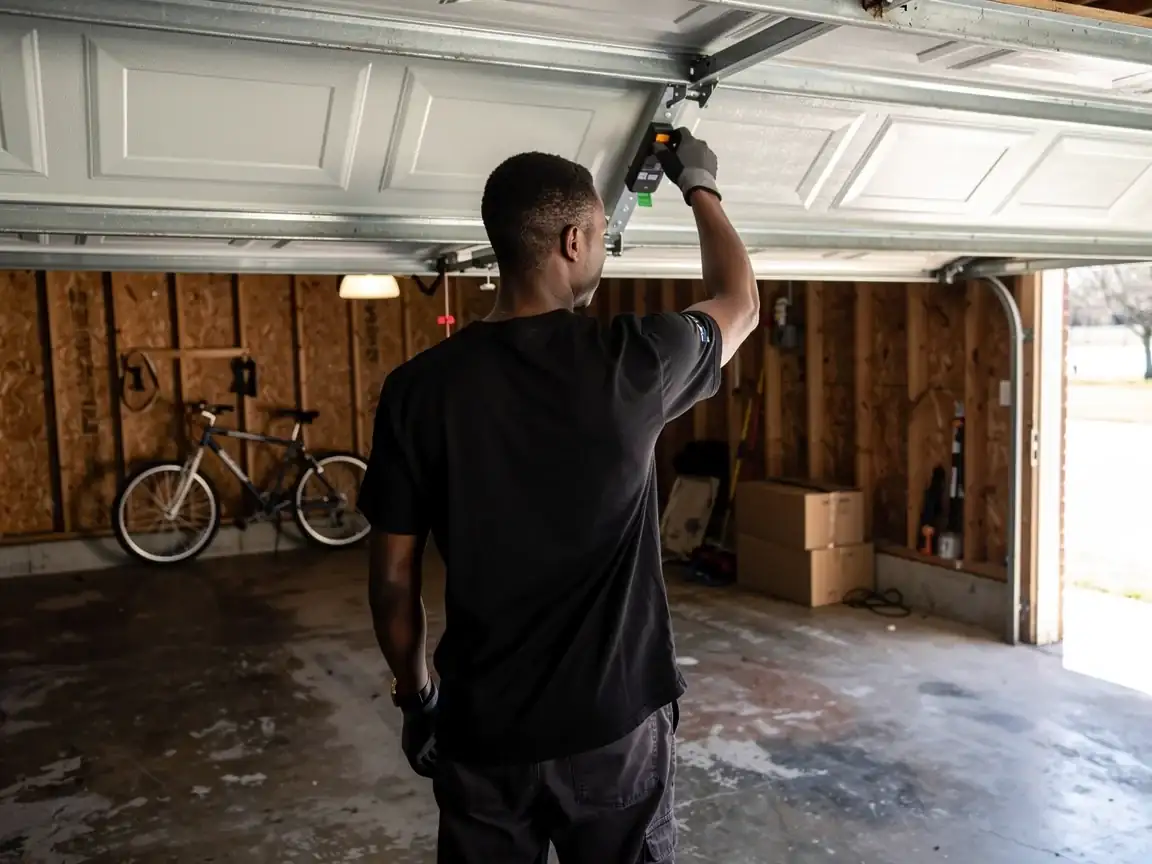
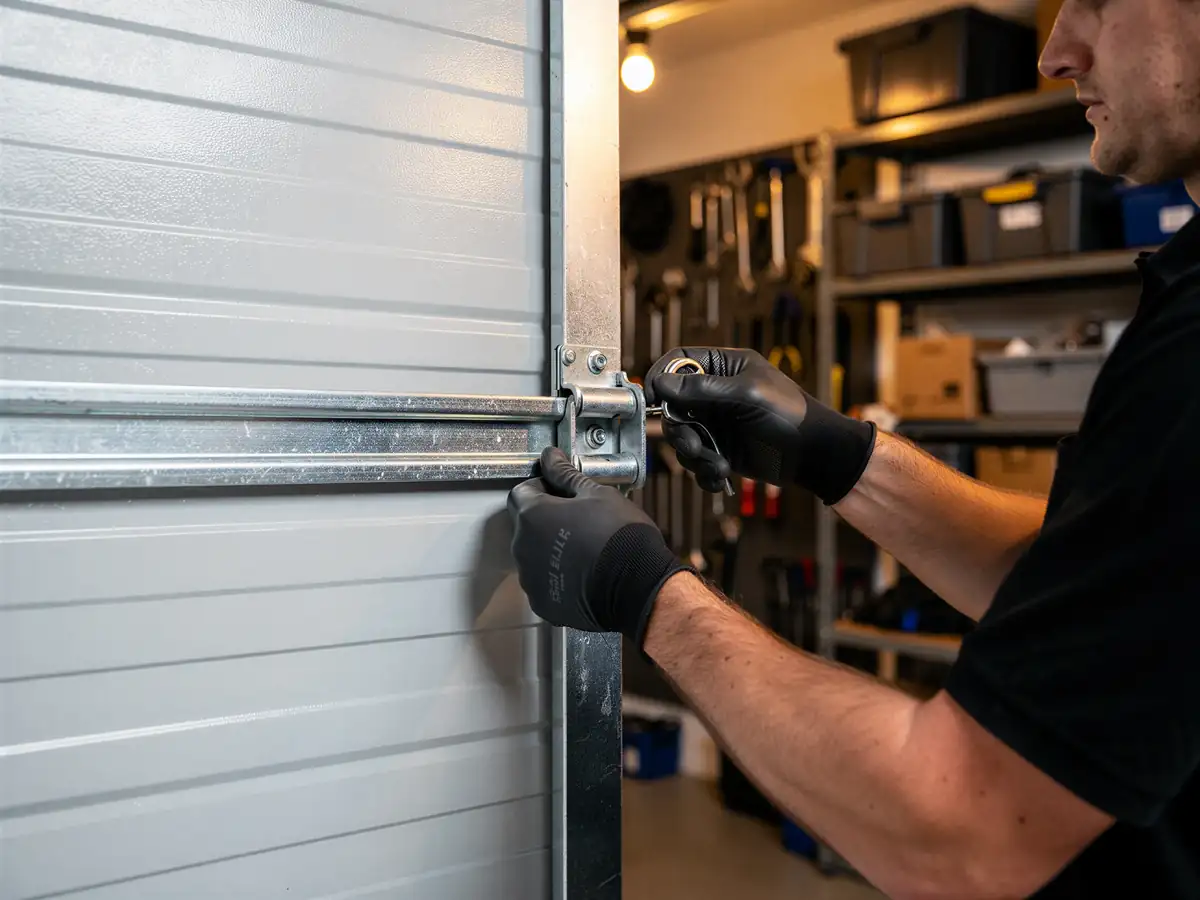
We start by cycling the door by hand with the opener disconnected, checking for drag, binding, or a track that's walked out of plumb over fifty-plus years of settling
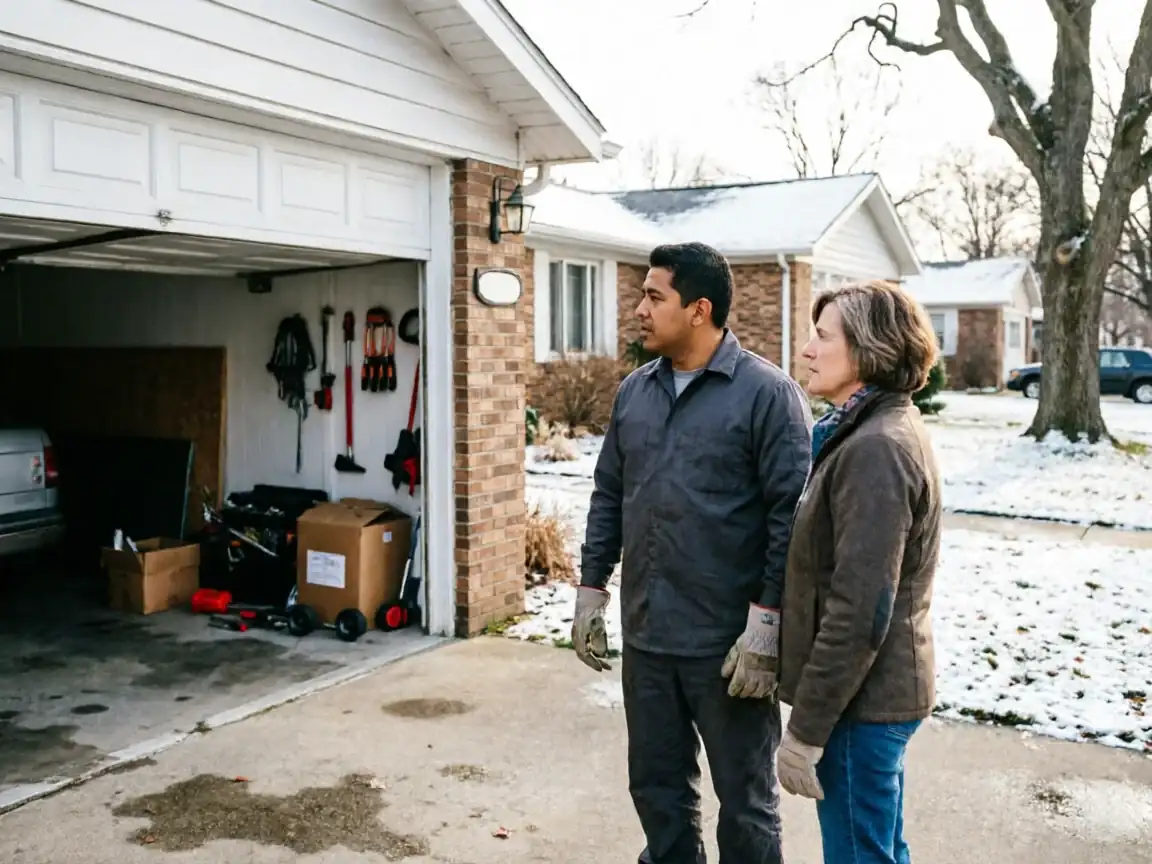
Severe cold cuts grease viscosity and shrinks metal just enough to turn a slightly bent track into a jammed one, so winter calls here often trace back to a problem that was already present in July. We tighten, re-align, and replace only the part that's actually failed - not the whole assembly, unless the rest is close behind it.
Doing It Yourself
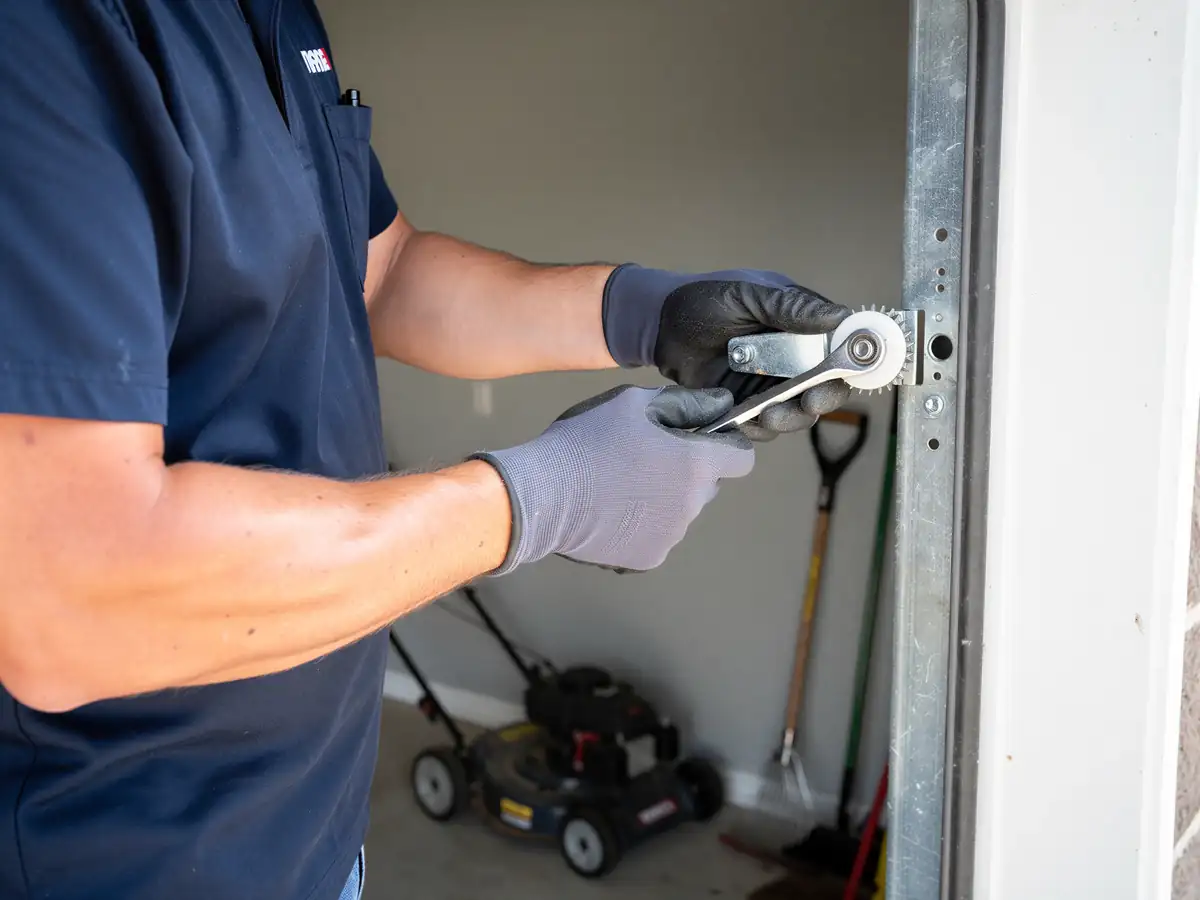
Tightening loose bolts on the track brackets, lubricating rollers and hinges, and clearing debris from the track are all fine to do yourself. A can of garage-door-specific lubricant and a wrench cover most of what keeps an older door running quiet through a cold winter.
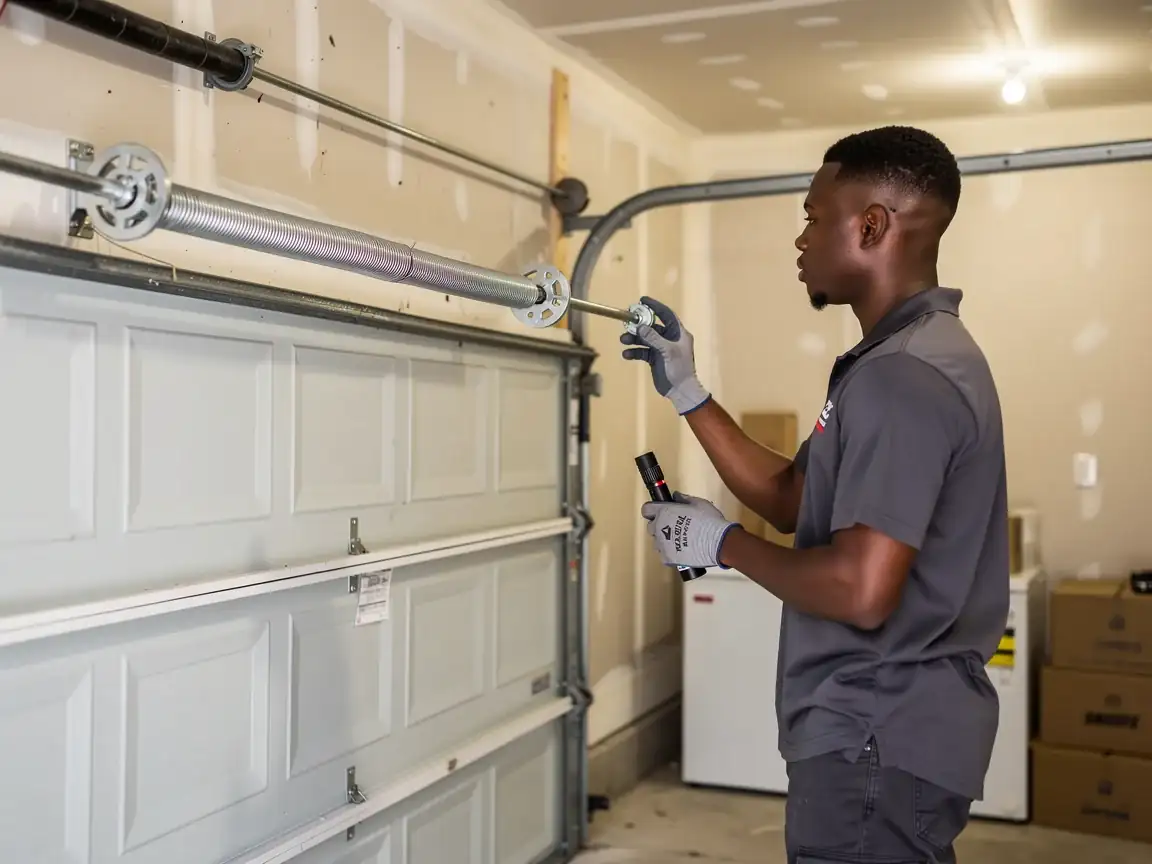
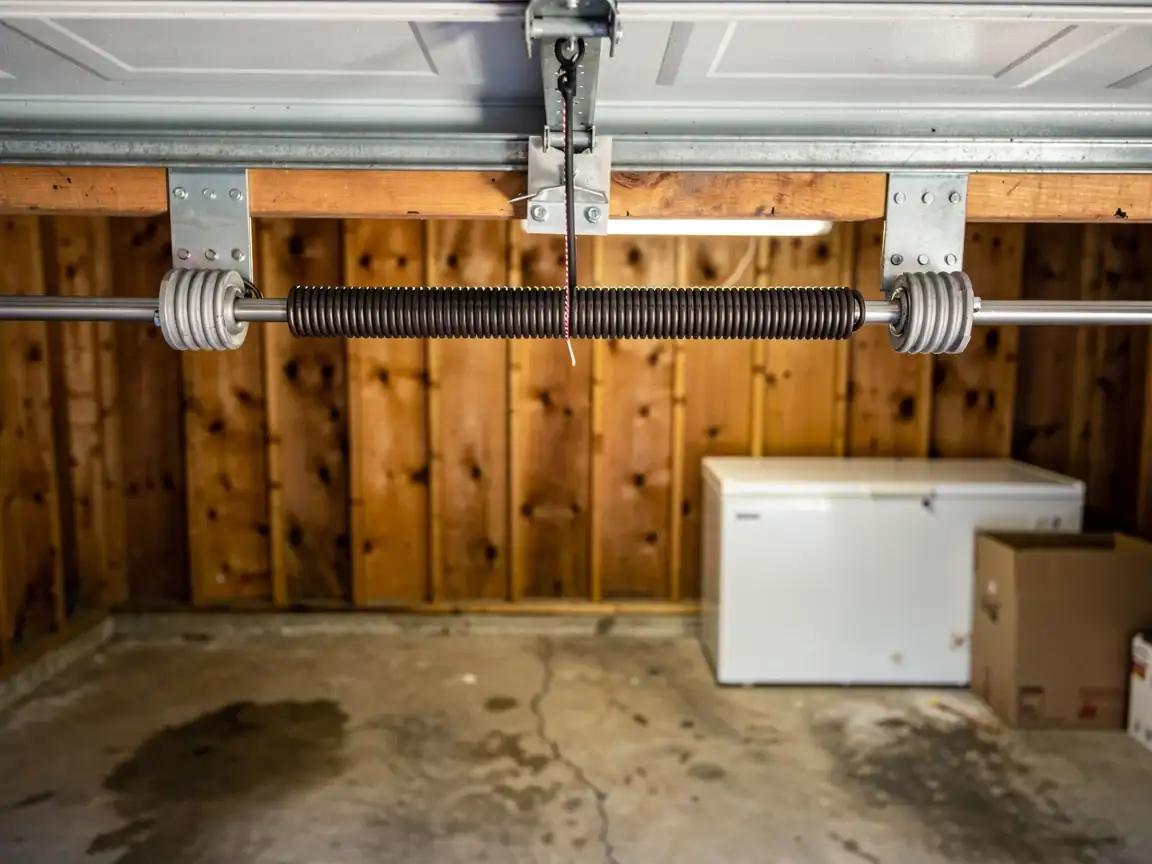
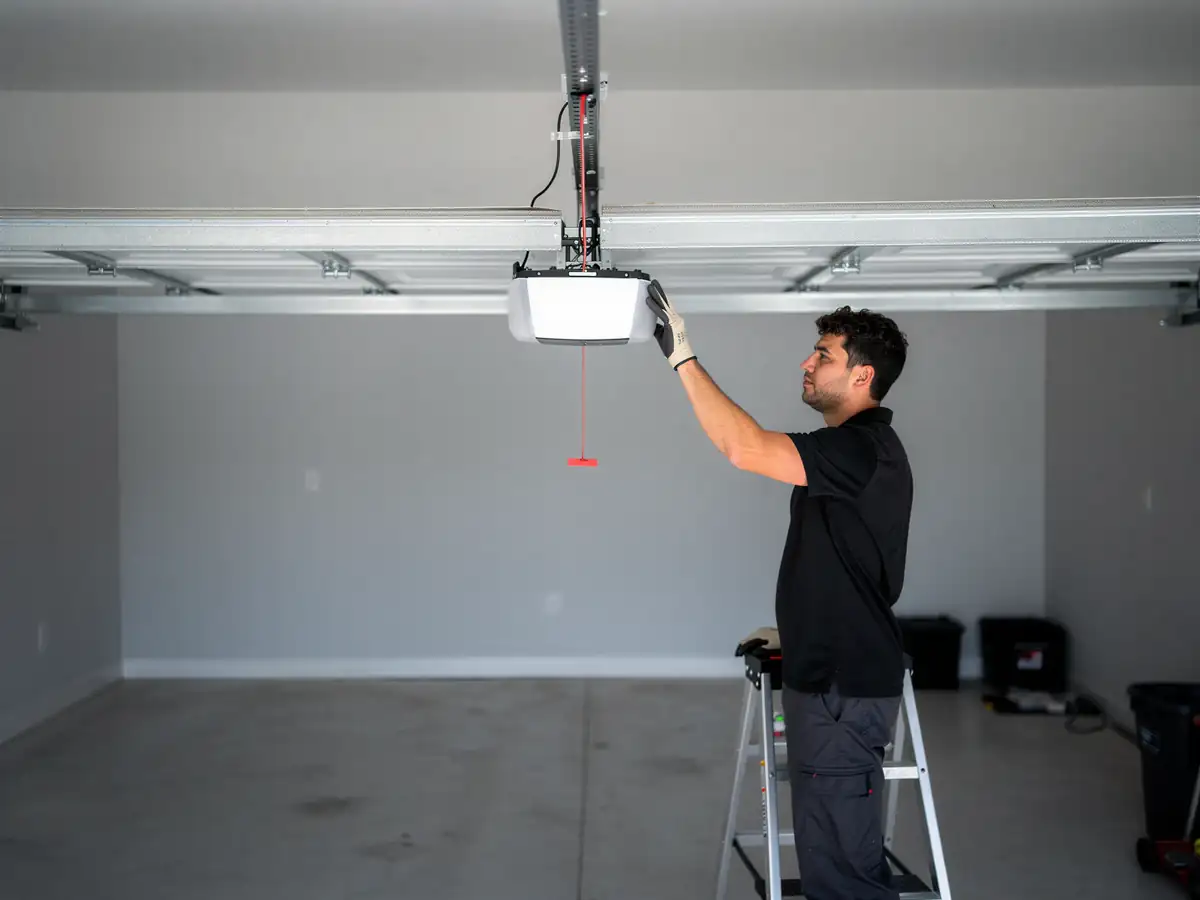
What you should not touch: the torsion spring, period. On a door this age the spring is under enough stored tension to break a bone or worse if it lets go while you're working on it, and we don't walk customers through that one over the phone. If your opener is original equipment from decades back, don't try to rewire or rebuild the motor housing yourself either - at that age the safety reversal sensors may not meet current standards, and that's not a corner to cut on a door that opens over a car.
Parts We Carry
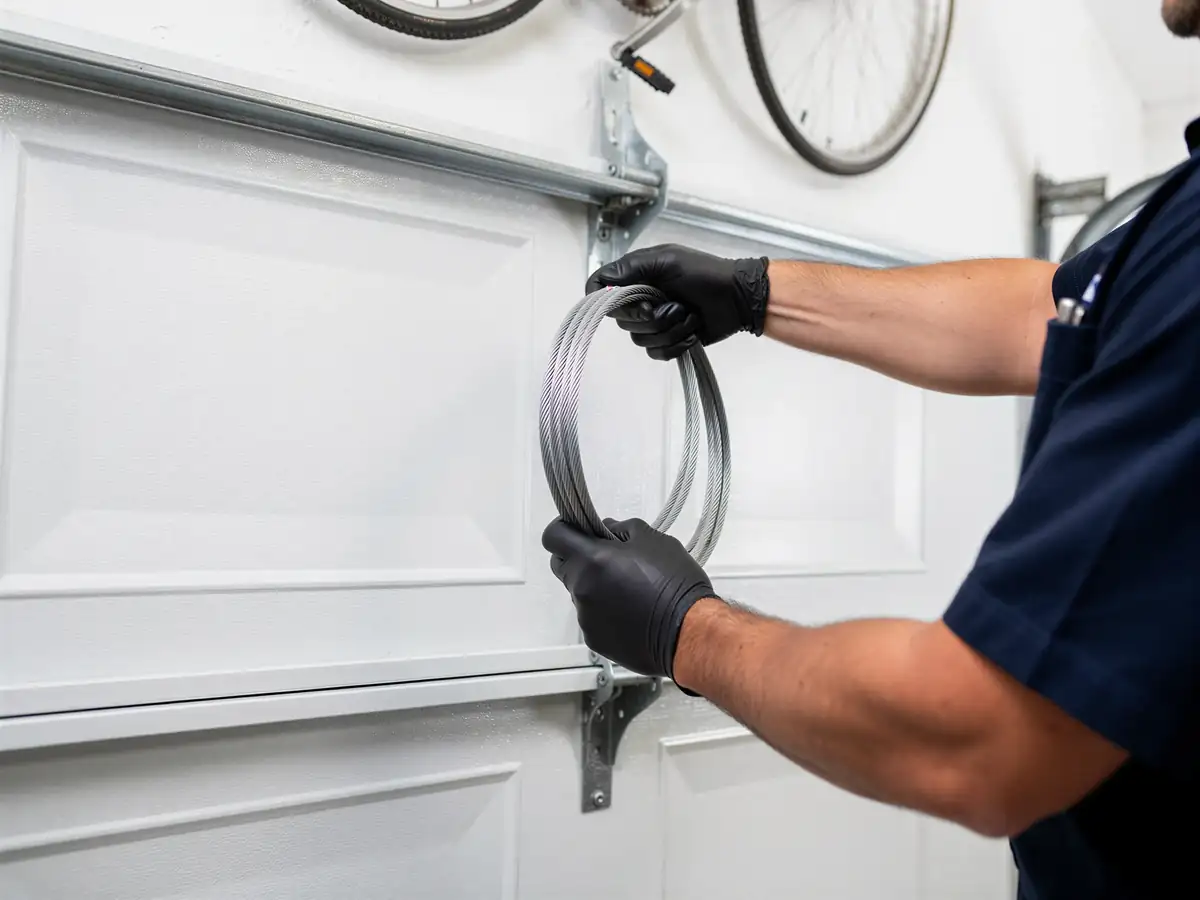
We carry common torsion and extension springs, standard rollers (nylon and steel), cables, and track sections on the truck for most jobs. For openers, we stock parts that fit the chain and belt-drive units sold over roughly the last couple of decades - the ones that show up most in houses built or renovated since the 1980s and 90s across our coverage area.
What we don't always have on the truck: obsolete hardware sized for doors from the late 1960s, before standard dimensions settled into what's common now. If your door still has its original track brackets or an older extension-spring setup, we may need to order a part rather than fix it on the first visit - worth knowing before you book, so a second trip isn't a surprise.
What Can Go Wrong
Cold hits older doors harder
Our area sits in a severe cold climate band, and a door with original 1968-era track alignment has had decades to drift slightly out of square - not enough to notice in summer, but enough that winter contraction turns a minor misalignment into a door that jumps the track or binds halfway up.
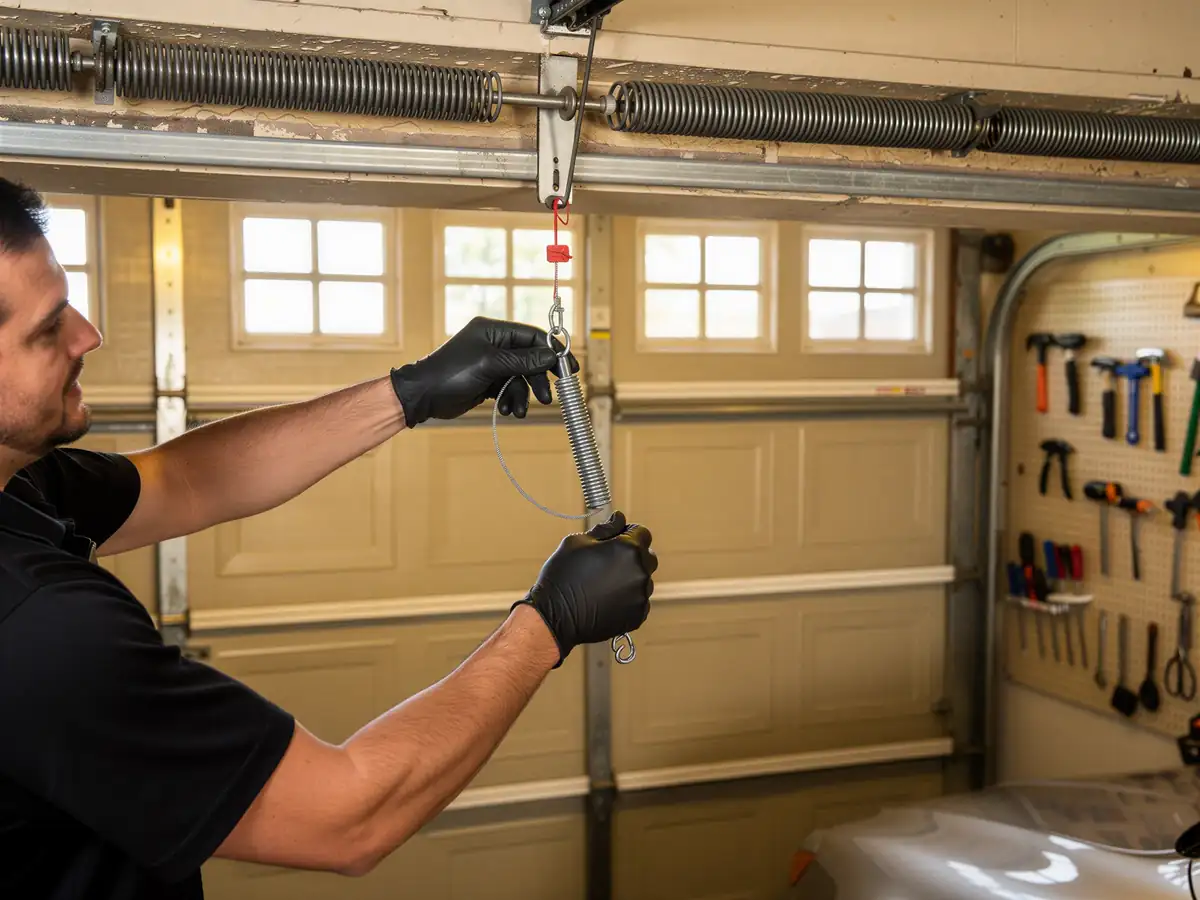
Extension springs, more common on older installations than the torsion setups builders favored later
Lose tension unevenly over time. One side goes soft before the other, and the door starts closing crooked - a slow problem that looks sudden the day it finally jams. We also see openers original to the house struggling to lift doors that have gotten heavier with added insulation or a replacement panel that doesn't match the original weight. None of this is unusual for a town built when Wonder Lake was, it just means the fixes lean older than what we see on newer stock nearby.